General General 4 min read

Before they led the nation

He walked 18 miles to school: Shocking presidential childhood stories
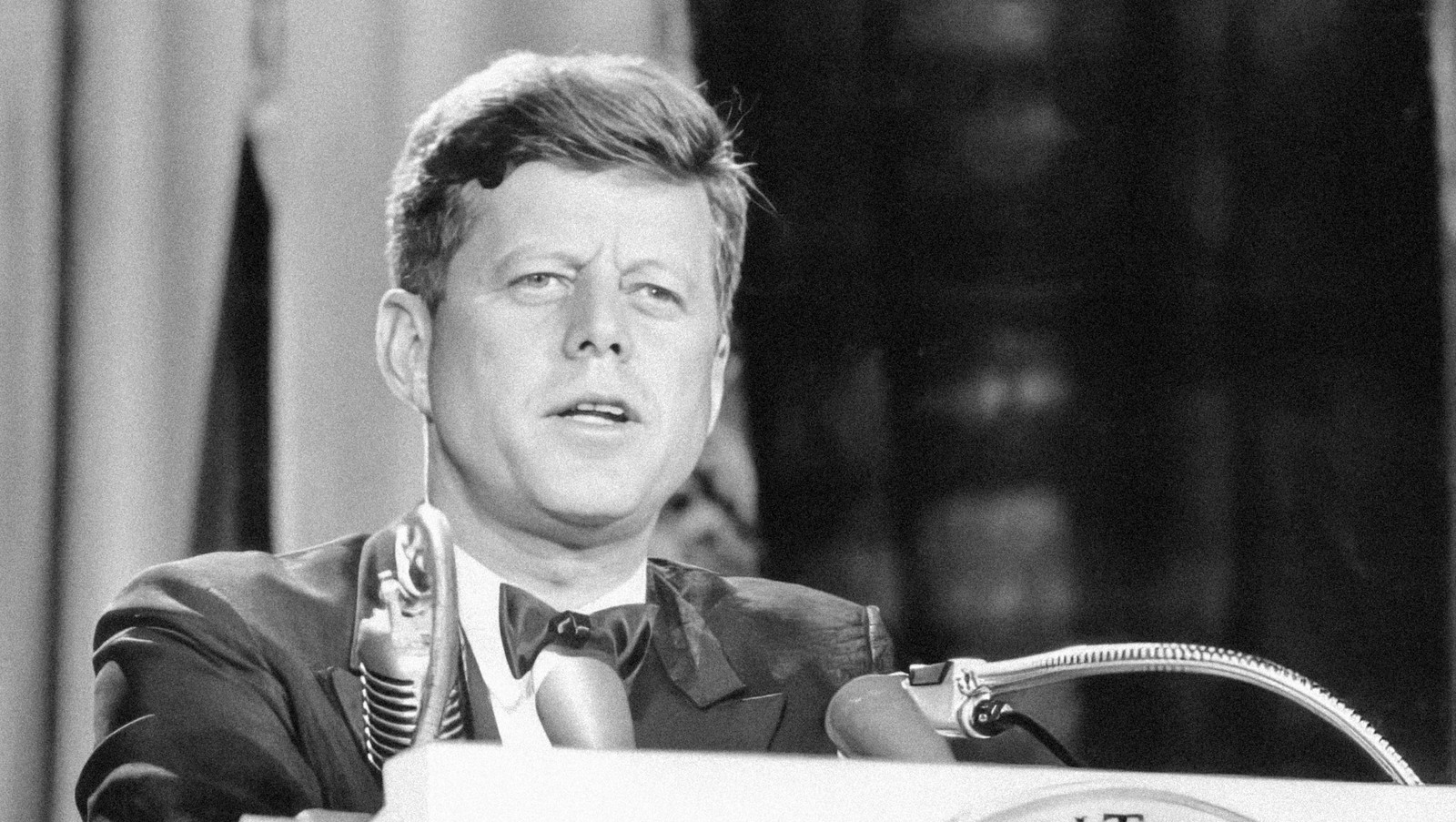
Image: Florida Memory

The figure of the president can feel very serious, but we often forget that behind these leaders were once little kids. From funny pranks to painful moments, today we’ll share 10 surprising facts you probably didn’t know about the childhoods of some of our presidents.

1
John F. Kennedy
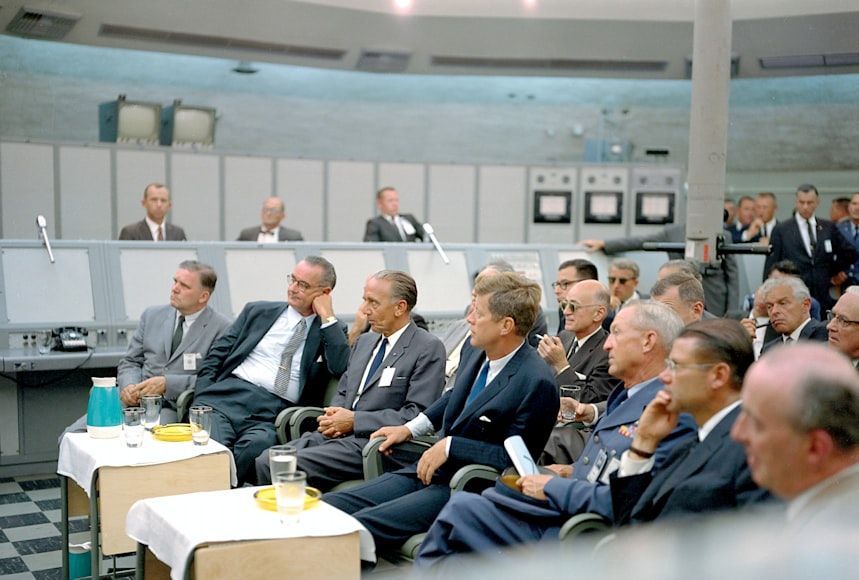
Image: History in HD

JFK, called "Jack" by his family, grew up with eight siblings in a home that encouraged both physical and intellectual competition. His strict upbringing didn’t stop him from forming the "Muckers Club" at Choate School, a group known for pranks and mischief that nearly got him expelled. Still, he was a popular, athletic student, and when he graduated in 1935, his classmates voted him "most likely to succeed."

2
Franklin D. Roosevelt
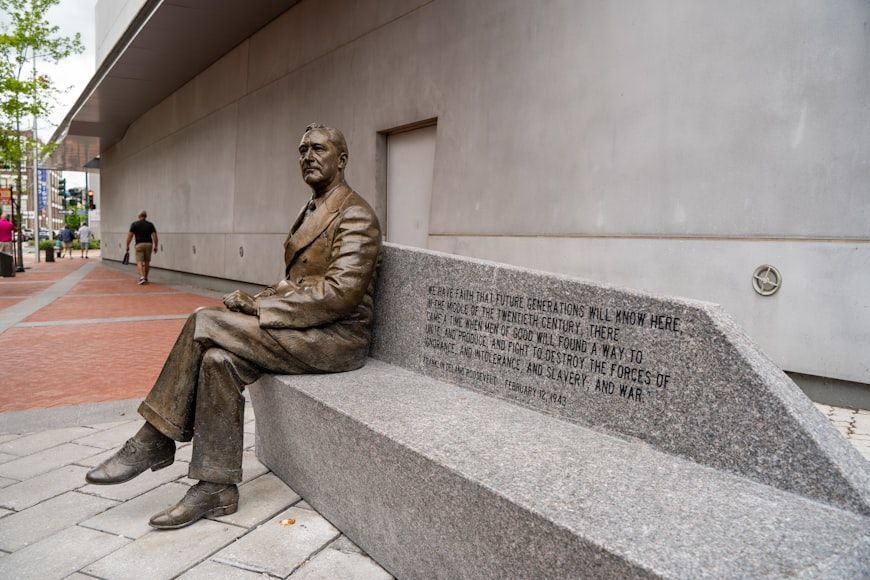
Image: Jessica Tan

FDR grew up in a wealthy household, enjoying every comfort and taking frequent trips to Europe from an early age. He even visited the White House as a child, where he experienced a moment he would remember years later. When he was five, his family met President Grover Cleveland, who looked at little FDR and said, "My little man, I am making a strange wish for you. It is that you may never be president of the United States," referring to the heavy burden of the office. Curious, isn’t it?

3
Dwight D. Eisenhower

Image: juan pablo rodriguez

Those of us with siblings know just how important they can be, and that was true for young Dwight D. Eisenhower as well. When little Ike was being picked on at school by bullies bigger than him, his older brother Edgar stepped in. One day, Edgar stood up for Ike and made sure the bullies got the message, teaching them (and Dwight) an important lesson.

4
Herbert Hoover
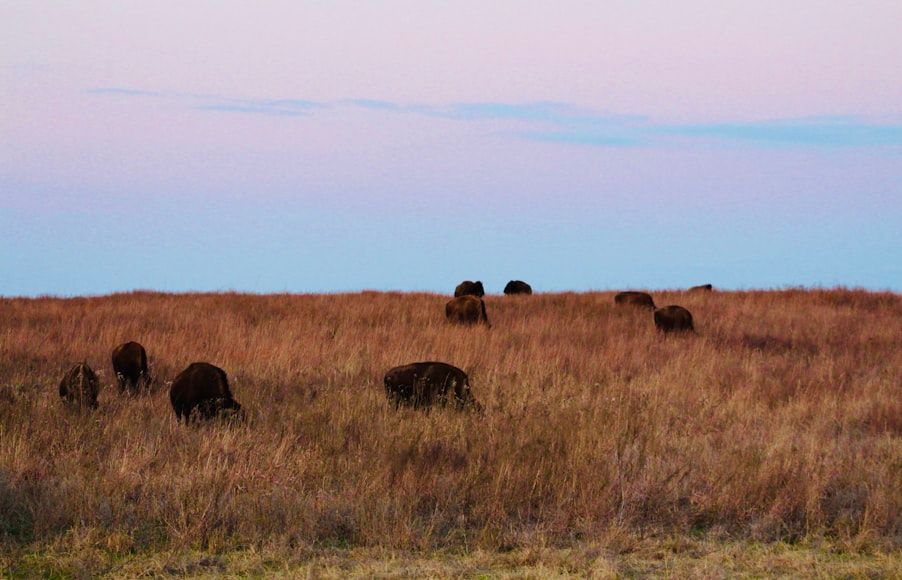
Image: Judy Thomas

Herbert Hoover was still far from becoming president when, at about six years old, he lost his father. He was sent to live with his uncle, a US government agent at the Osage Indian Reservation in Pawhuska, Oklahoma. For a year, young Bertie was surrounded by Native Americans and attended "Indian Sunday School," an experience that later shaped his policies and influenced his choice of Charles Curtis, a member of the Kaw Nation, as vice president.

5
Calvin Coolidge
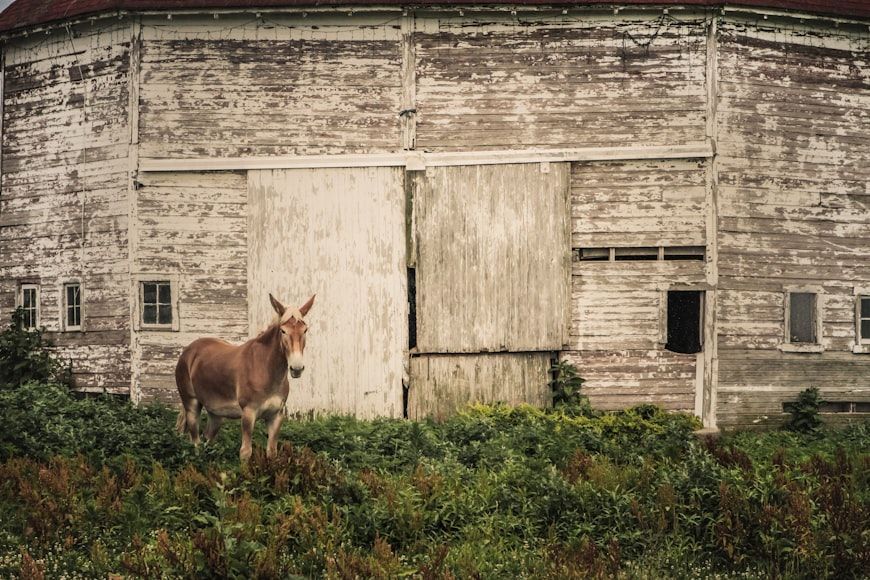
Image: Joe Dudeck

The story goes that in the 1880s, a mule was once found locked inside a classroom at a school in Vermont. Can you imagine the chaos that poor animal must have caused? According to the tale, the culprit was a young Calvin Coolidge, who supposedly did it to get back at a teacher he didn’t like. The story was passed down by people who knew him, and although it was never recorded in official documents, it’s a fun contrast to the quiet, reserved man he later became as president.

6
Bill Clinton

Image: Lesli Whitecotton

Young Bill was often described as "unbearably responsible." According to one story, when he was in high school, a classmate once turned to him and said, "Don’t you ever break any rules? You’re a teenager!" Still, even this calm, rule-following kid had a mischievous moment: with some friends, he once spent a couple of hours tossing acorns at passing cars. Harmless, right? As long as it wasn’t your car!

7
John Tyler
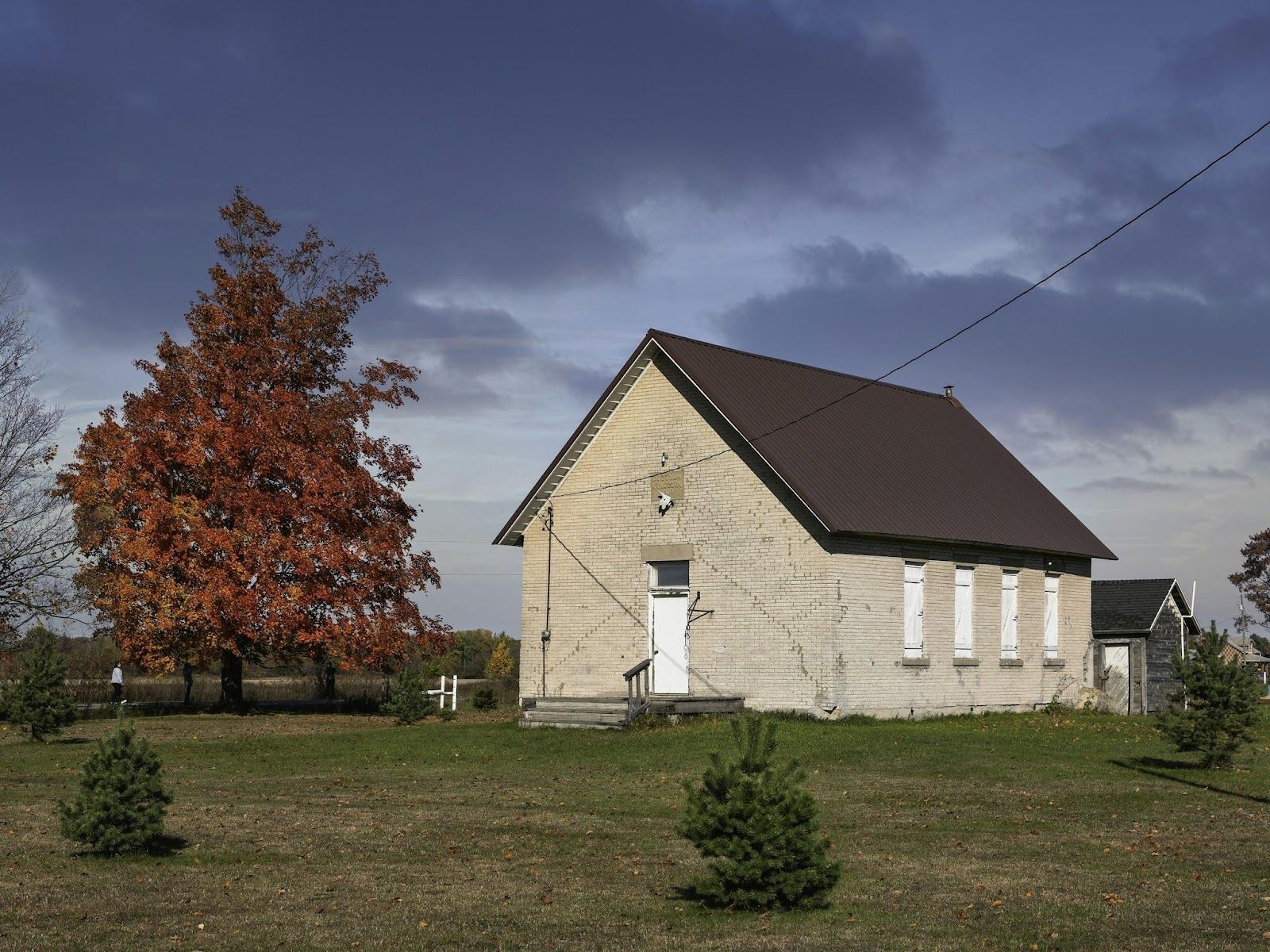
Image: Brad Switzer

Apparently, young John Tyler had a rebellious, righteous spirit. There’s a story from his youth that shows it perfectly: when he was just 10 years old, he led a revolt at his one-room schoolhouse against a teacher who was cruel and despotic. According to the tale, when the teacher complained to his father, Judge John Tyler, he replied, "Sic semper tyrannis!"

8
Abraham Lincoln
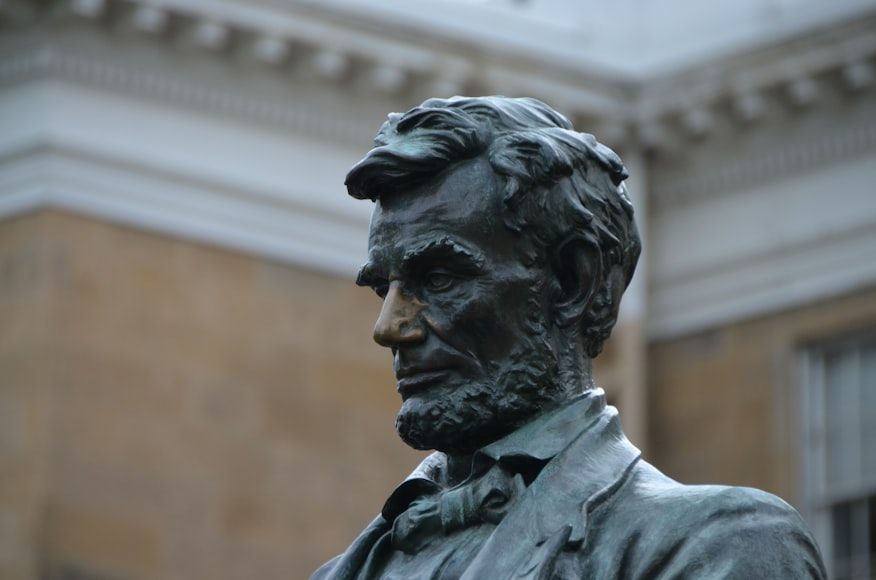
Image: Jacob Thorson

Although she never attended school herself, Abraham Lincoln’s mother believed it was important for her children to get an education, so they began attending one in a nearby town. The thing is, it wasn’t very close: the future president Lincoln and his older sister walked a little over nine miles to school, and another nine back home every day. Talk about perseverance!

9
Ronald Reagan

Image: Nicolas HIPPERT

Ronald Reagan was born on February 6, 1911, in Illinois. Although his future would be very bright, his childhood wasn’t easy. From an early age, he struggled with vision problems, which made it hard for him to see clearly and focus on activities he liked, such as sports. But everything changed at 13, when he was finally prescribed his first pair of glasses, and soon landed his first job as a lifeguard. For several summers during his youth, he dove into the water to save people, an experience that, according to Reagan himself, gave him the confidence that stayed with him for the rest of his life.

10
Ulysses S. Grant

Image: Fabian Burghardt

According to historical sources, Ulysses S. Grant showed an extraordinary ability with horses from an early age. So strong was his talent that people in his town brought him their "problem horses" to train. It is said that, at just 10 years old, he led a 40-mile journey driving a team of horses carrying passengers, a remarkable feat for someone so young!
General General 3 min read

Do you have a landline?

Can you tell what this was for? 12 items we no longer use!

Image: Luca Onniboni

Little by little, many of the things we used just a few decades ago have been phased out by newer technologies and changing habits. Your relatives no longer invite you over for a family viewing of holiday photos on a slide projector—they share them in the family WhatsApp group. Hardly anyone calls you on a landline anymore—they call your smartphone instead. Take a look at the following 12 things we no longer use. Do you miss any of them?

1
Paper road maps

Image: Sylwia Bartyzel

Paper maps—atlases, or topographic maps—are beautiful and there is always room for those as home decorations or teaching geography in schools. But as far as bulky roadmaps on your back pocket go, smartphones with GPS capabilities have made them obsolete.

2
Bathing machine

Image: Uta Scholl

Back in the day, modesty was far more strictly enforced than it is today. Forget about simply wearing your beach clothes to the shore—the bathing machine was a device, popular from the 18th century to the early 20th century, that allowed beachgoers to change out of their regular clothes , put on swimwear, and wade into the ocean.

3
Public telephones

Image: Pedram Farjam

Before cell phones existed, coin-operated pay phones were the go-to option for contacting someone or leaving a message. Pay phones were everywhere—on street corners, in malls, restaurants, airports, train stations, and hotels, allowing people to make calls in public places.

4
Teleseme

Image: Zoshua Colah

In the late 19th and early 20th centuries, luxury hotels featured an electric signaling device in each room , allowing guests to request goods or services from over 100 options. An attendant in the hotel office would receive the request via a corresponding teleseme and ensure the order was fulfilled.

These devices were eventually replaced by private branch exchange (PBX) telephone systems.

5
Slide projectors

Image: Nathan Anderson

As mentioned earlier, slide projectors were once a common household appliance in many homes and a popular form of entertainment . However, they became obsolete as video projectors became more affordable and accessible.

6
Phonebooks

Image: Brittany Colette

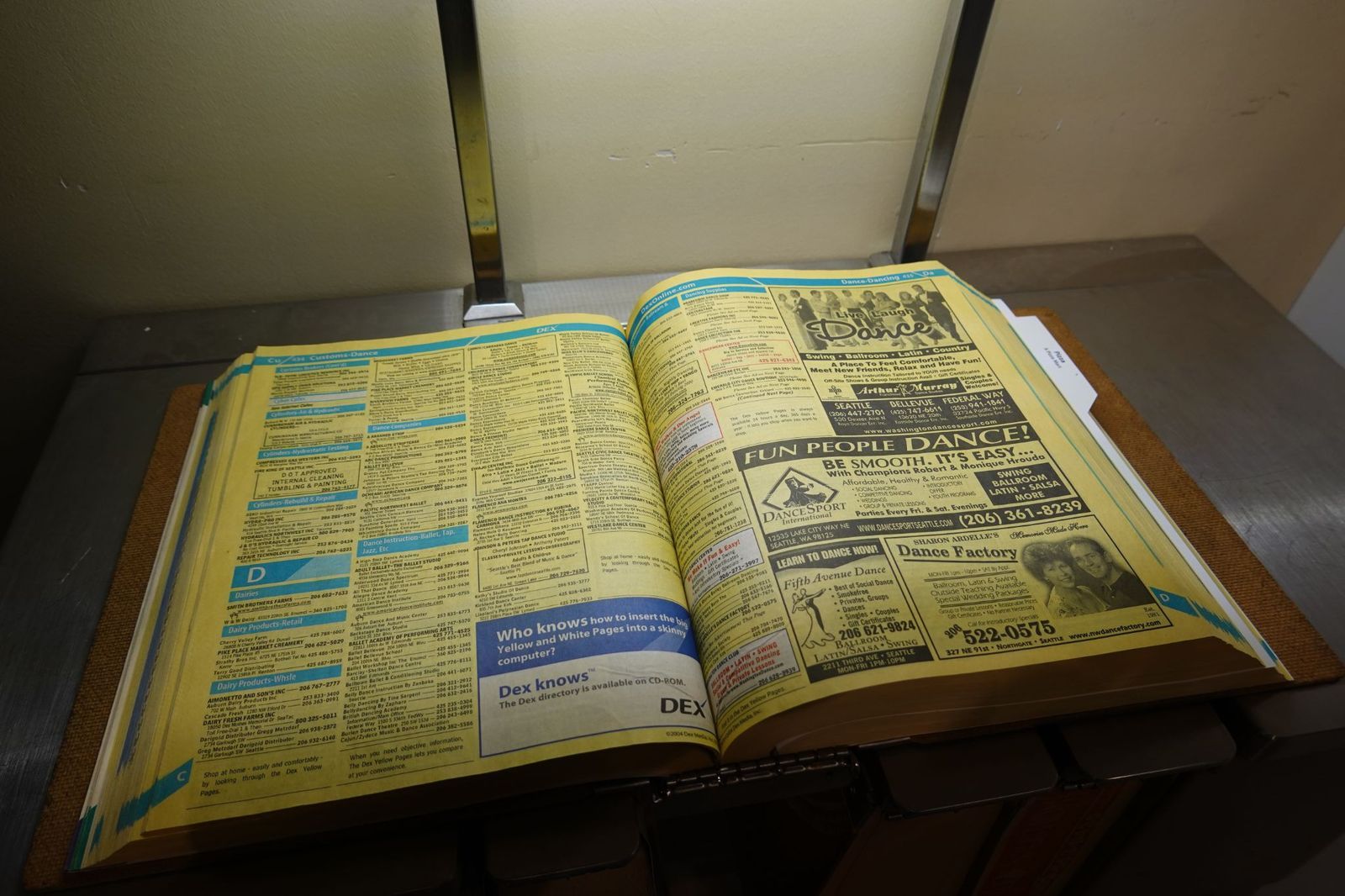
Imagine a book containing the home phone numbers of everyone in your city . It once existed and was delivered annually to every household with a landline by the telephone company. These hefty directories became obsolete with the rise of online listings and the death of landlines in favor of cell phones.

7
Typewriters

Image: Bernard Hermant

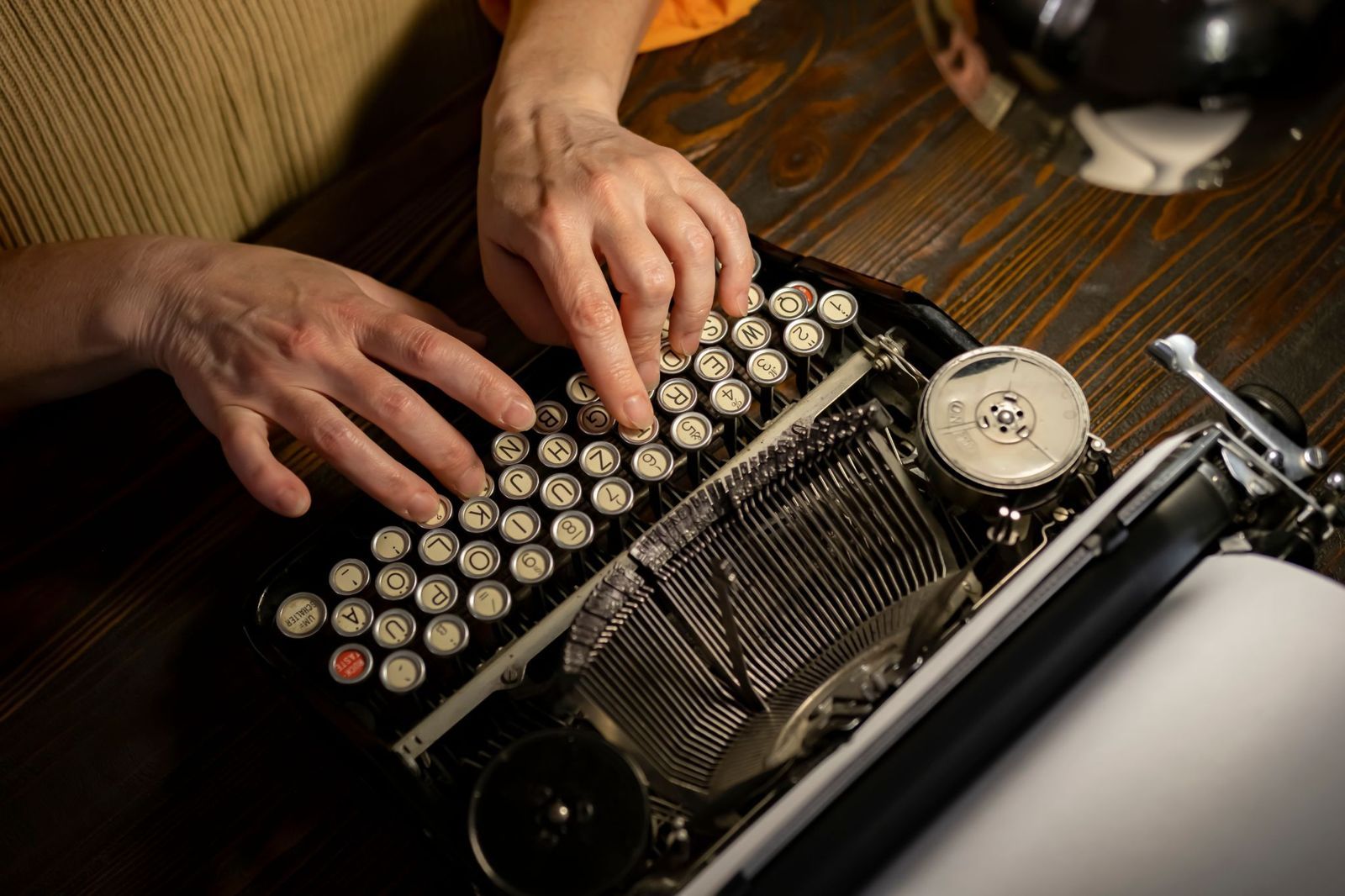
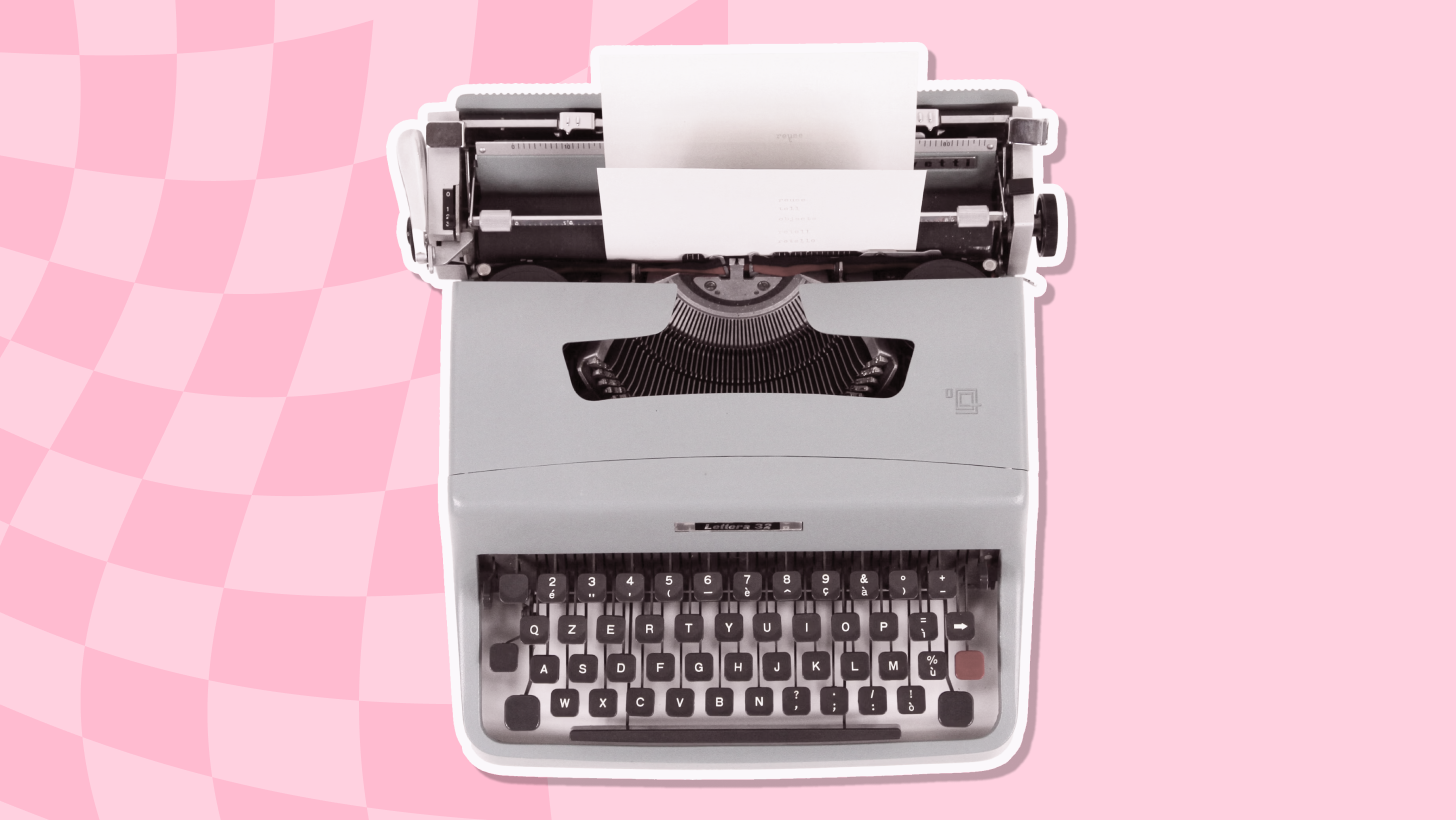
Imagine not being able to revise what you’re writing without scrapping the whole page . While that situation was a great exercise for your focusing abilities, it was phased out by home computers and word processors, which allowed for infinite rewrites in no time.

8
Photo Album

Image: Laura Fuhrman

Smartphones have made photography more accessible than ever, yet we print fewer photos than before. When photography wasn’t digital, people took their film rolls to be developed , returning with 36 crisp pictures—some of which, if deemed worthy, were carefully placed in photo albums .

9
Cassette tape players

Image: Dave Weatherall

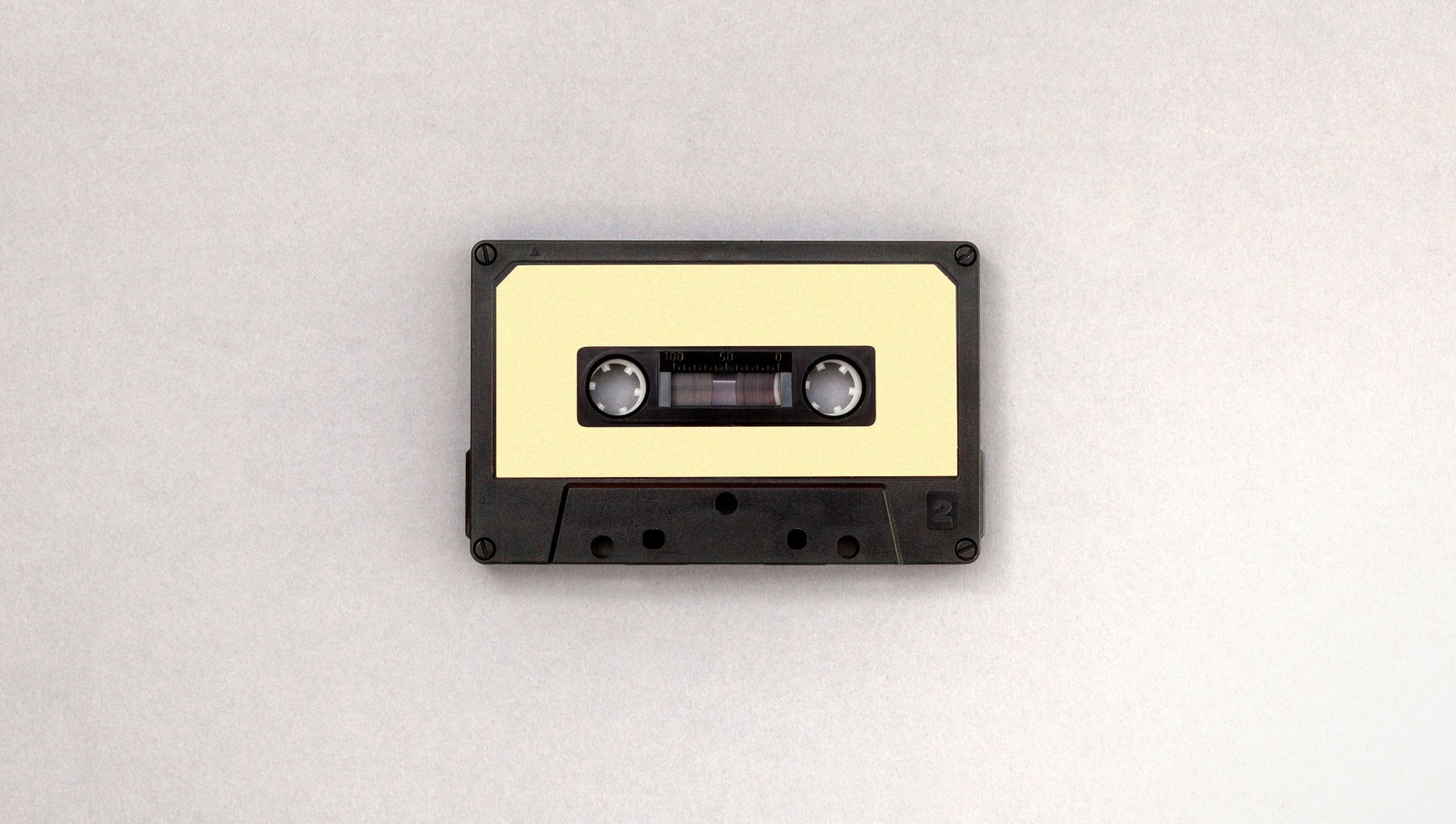
If you're over 40, you’ve probably owned a cassette player—whether a Walkman, a boombox, or any other model. Cassettes were sturdy, reliable, and easy to use . However, with the arrival of CDs, which offered superior sound quality and the ability to skip tracks at the press of a button, cassettes and their players quickly faded into obscurity.

10
Encyclopedias

Image: James

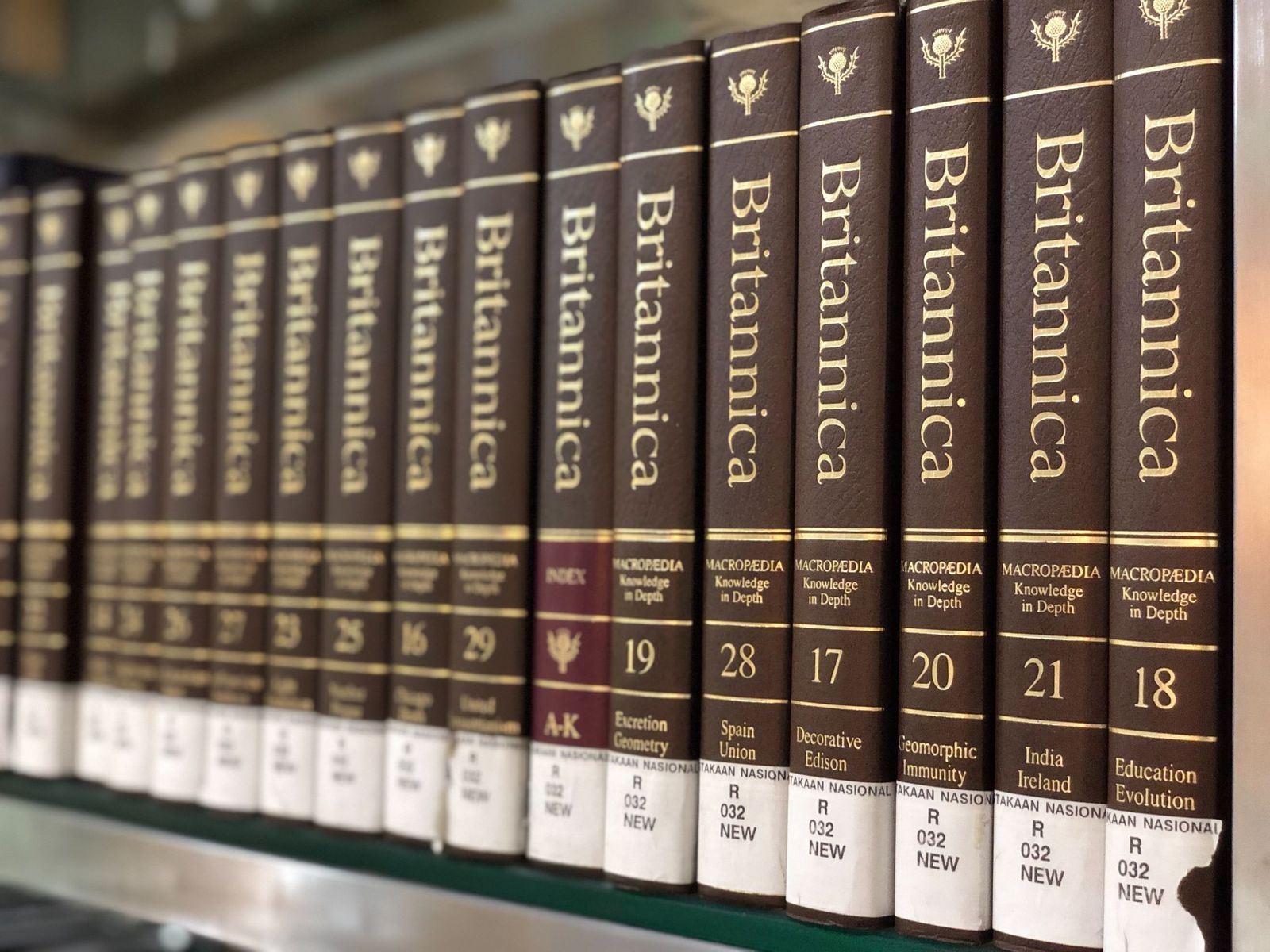
Before the internet, encyclopedias were the primary source of knowledge. These extensive book collections adorned bookshelves in homes and public libraries, offering detailed descriptions of almost any subject imaginable , all listed in alphabetical order .

11
Fax machines

Image: alecale35

By today’s standards, sending and receiving faxes wasn’t particularly fast, but at the time, it was a game-changer. The fax machine digitized documents with a scanner and transmitted printed pages over telephone lines . However, it became obsolete with the rise of email, scanners, and smartphones.

12
VHS tapes and VCRs

Image: Leonard Reese

Being able to see any movie you want at home feels ordinary today, but, in the early 80s, it was a dream come true. And this dream was made possible by VCRs and VHS tapes. These bulky devices were eventually replaced by DVD players, which offered superior image quality and eliminated the need to rewind the tape.

General General 6 min read

10 outdated household items that were once everywhere

Image: New Africa

Looking back at what the world looked like 20 to 50 years ago is fascinating. So many household items we take for granted today didn’t exist, while others we once couldn’t live without have completely fallen out of use. Think of rotary telephones, VCRs, cassette players, and more. Let’s take a trip down memory lane and revisit some household relics.

1
Rotary telephones

Image: maya8900

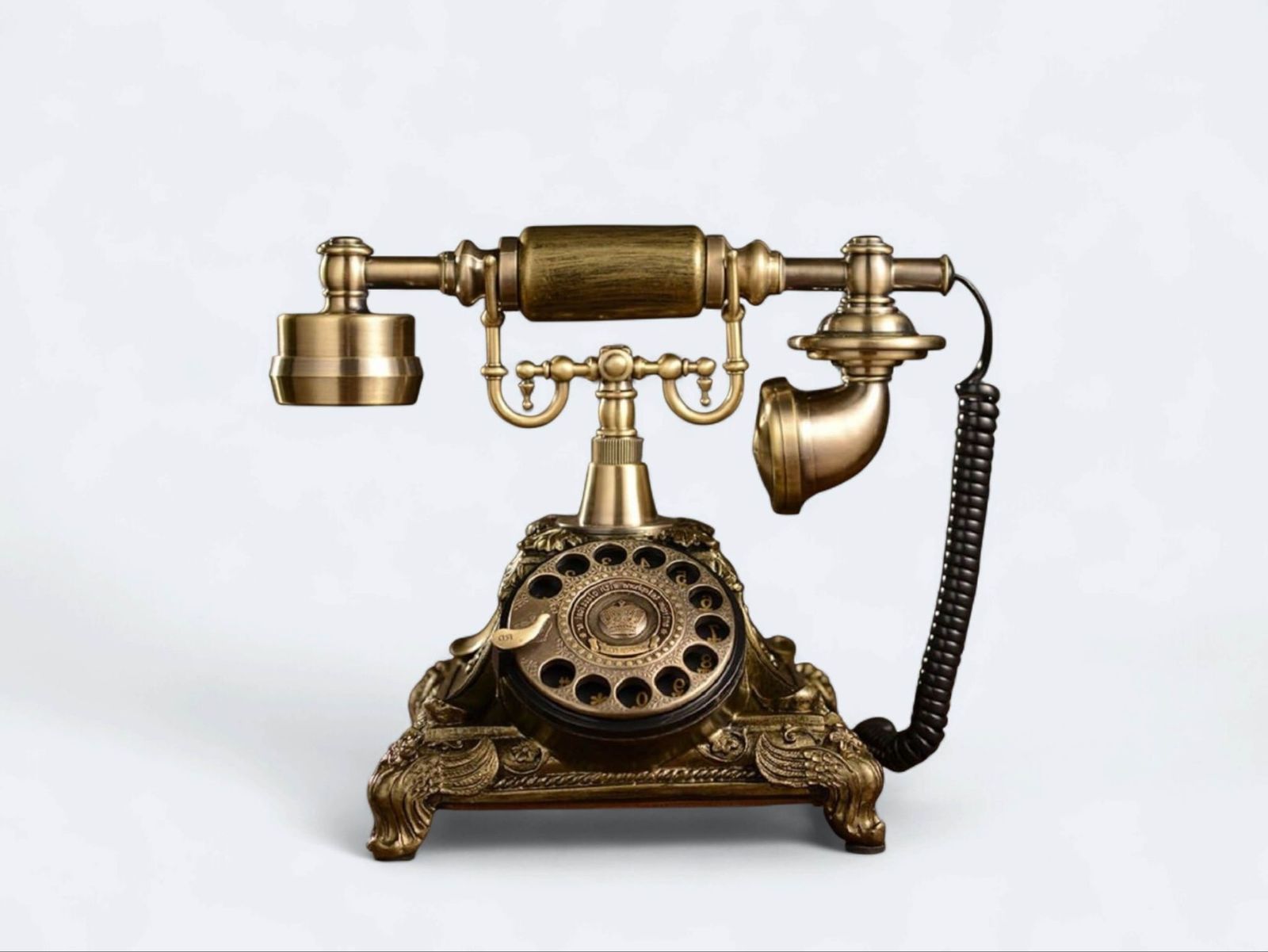
Rotary telephones became common in America around the 1920s. In contrast to the push-button models that would come about in the 1970s, rotary telephones required a bit more work to dial a number. As the name suggests, users would have to place a finger in a numbered hole on the dial and then rotate it to a metal stop and release it — repeating this process with each number.

Dialing a long number could take quite some time , especially if you had many 9s and 0s, because these required the dial to travel the longest distance. It was normal to see these phones connected to the wall by a cord with a sturdy handset that rested on top of the base. Making a phone call was a completely different experience.

2
Tube television (CRT TVs)

Image: PitukTV

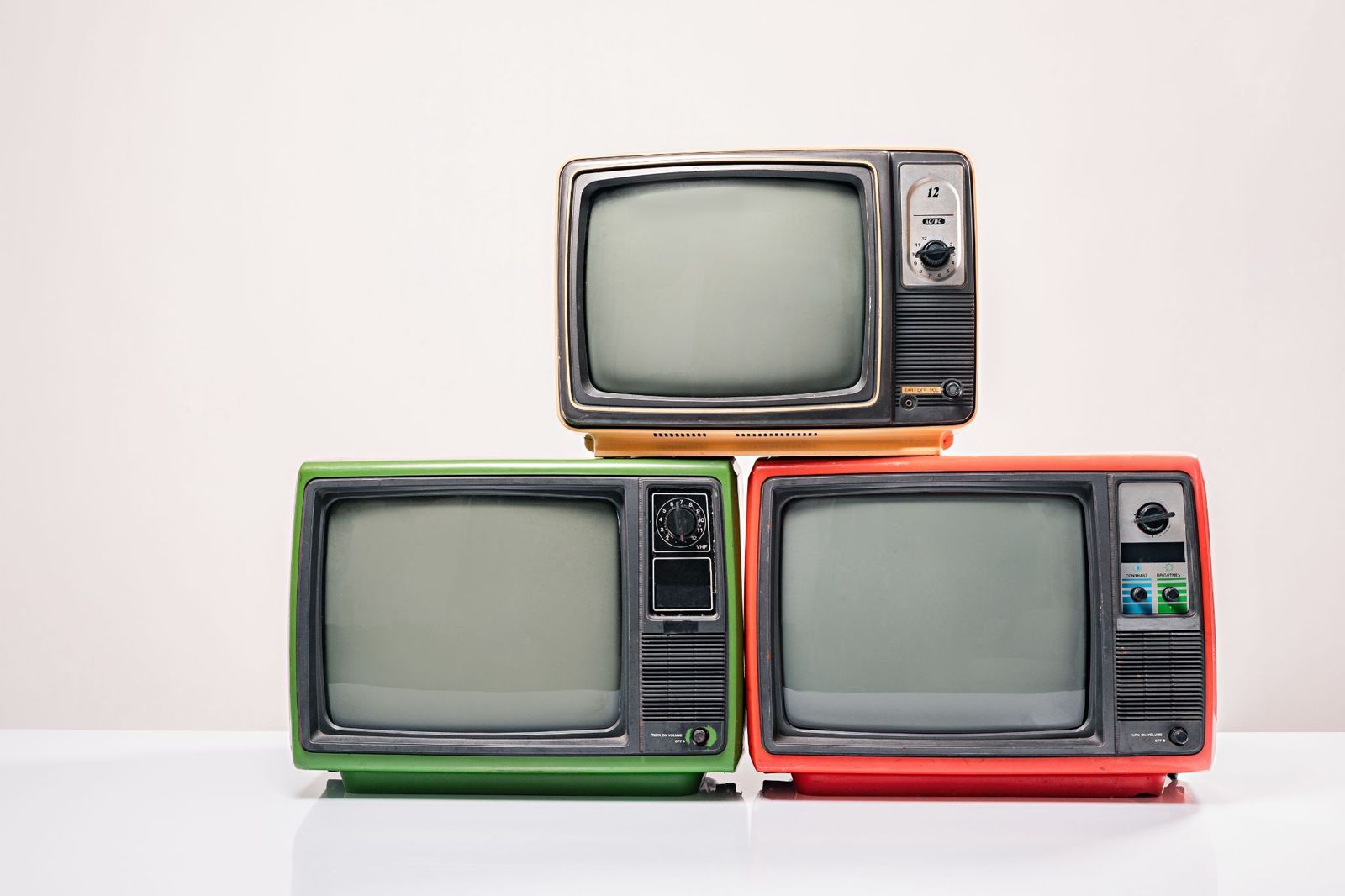
When you see how thin and sleek TVs are nowadays, it’s almost impossible to imagine them as massive and heavy objects. CRT TVs became common after World War II , and the ownership boom happened throughout the 1950s.

These bulky cubes became the centerpiece of the typical family’s living room , where they gathered to watch TV. At first, images were black and white until the 1960s and 1970s, when color television would transform the viewing experience. Early televisions also didn’t have remote controls (something we now take for granted), so viewers would have to walk across the room to change channels or adjust the volume.

3
VCRs

Image: ArtCreationsDesignPhoto

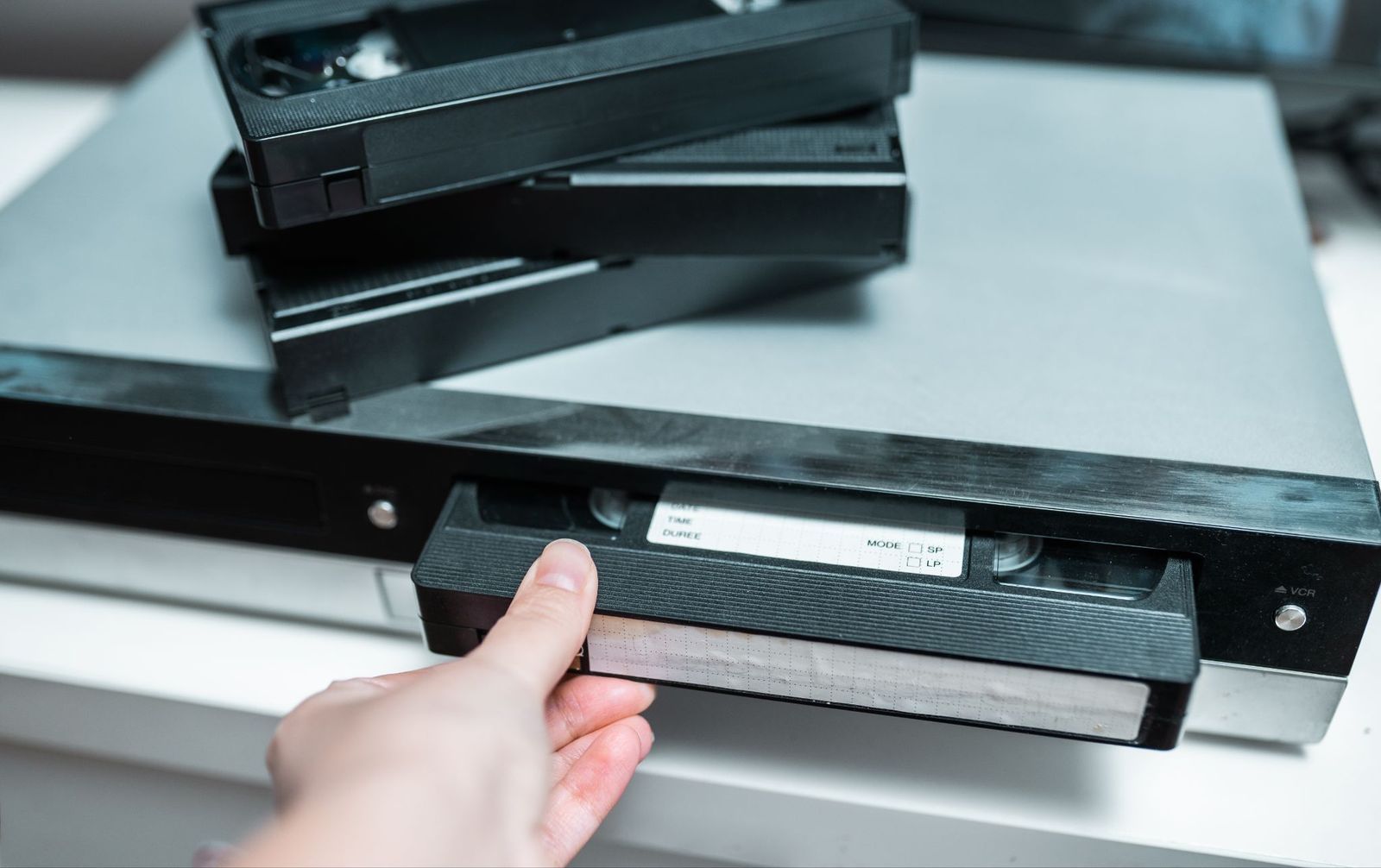
It’s almost strange to remember that there was a time when people couldn’t watch movies at will, and their main choices were to wait until they aired on television or to buy theatre tickets. But this changed with the 1977 introduction of the VHS (Video Home System) players, aka VCRs, which revolutionized the way folks watched movies. The rise of VHS led to the explosion of video rental stores (such as the once-ubiquitous Blockbuster chain), which became a staple during the 1980s and 1990s.

Before returning a rented movie or in order to rewatch it, users had to rewind the tape , and many rental stores charged an extra fee if the tapes weren’t rewound. VCRs were later phased out after the rise of the DVD player.

4
Cassette Tapes and Cassette Players

Image: Roberto Sorin

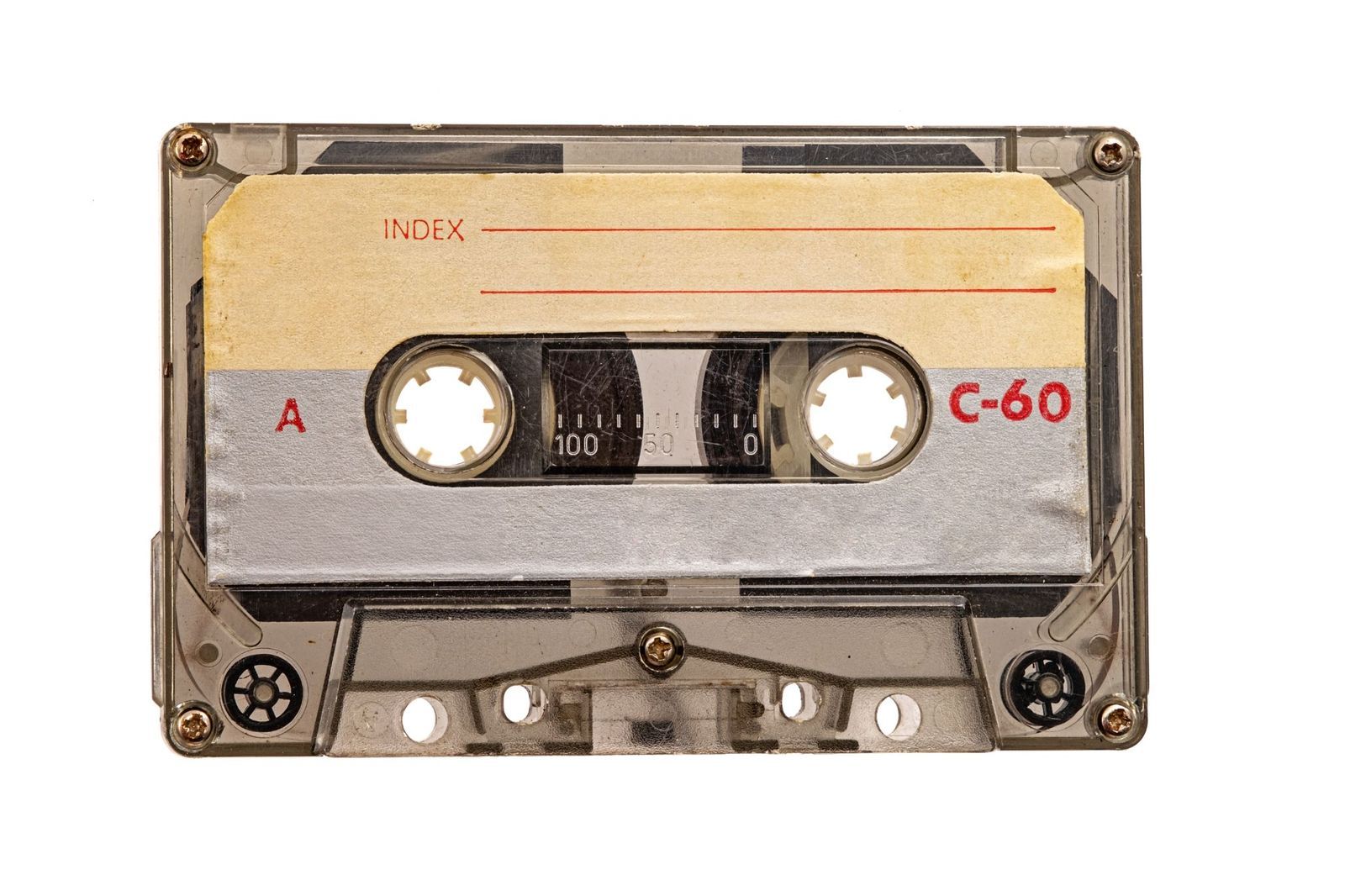
Philips changed the world in 1963 when it released the compact cassette player, which became one of the most popular ways to listen to music from the 1970s through the 1990s . Cassette tapes made music portable, and suddenly people could listen to their favorite albums in the car or on a walk once Walkmans were introduced in 1979.

There are so many memories attached to cassette tapes, but homemade mixtapes are worth highlighting. This made it possible for listeners to create their own custom playlists on a cassette to share with friends and family, and making someone a mixtape was considered a very thoughtful and personal gift.

5
Telephone Directories

Image: LifeisticAC

What would you do today if you wanted to find phone numbers, addresses, and local businesses? Probably Google. But not so long ago, you had to resort to The Yellow Pages. We all remember the large, thousand-page phone book; every family needed one if they wanted to be connected to the world. In some ways, phone books were the internet before the internet.

They included everything from residential phone numbers listed alphabetically to business directories organized by category. Whether you needed to reach a doctor or a plumber or even a school classmate, the phone book was the way to go.

6
Typewriters

Image: Denis Klimov 3000

The "click-clack" of the keys, followed by the familiar "ding" at the end of each line is likely one of the most recognizable sounds of the 20th century. Before personal computers, the only way to craft professional-looking documents was with typewriters — you could find them in schools, businesses, and homes.

Commercial typewriters came about in 1874, unlocking a new era of written communication. So many famous novels, newspaper articles, letters, and school assignments were written on typewriters before the digital era kicked in. Typewriters became a symbol of the art of writing , and we still use the QWERTY keyboard layout, introduced with them, on our modern computers and iPhones, too.

7
Encyclopedias

Image: IrHan Digital Artwork

Instead of asking Google for the answer, a few decades ago, one of our only trusted sources of information was encyclopedia sets . Whether you were trying to find information on any topic for research, a school project, or simply out of curiosity, you had to go through the 20 to 30 hardcover volumes and find the one that contained the portion of the alphabet you needed to look into.

One of the most famous sets was the Encyclopedia Britannica, and having any set was considered a sign that a family valued education. But unlike digital encyclopedias, which can be modified in a matter of minutes, these had to be updated and printed again every year; therefore, companies offered door-to-door service.

8
Ashtrays in nearly every room

Image: Benzstock

It’s almost impossible to explain to younger generations that people were once allowed to smoke in theatres, hotels, planes — even hospitals! Smoking was the most natural thing to do ; around 40% of American adults smoked cigarettes , which created a necessity for ashtrays everywhere.

From the 1940s through the 1970s, most homes had ashtrays in living rooms, bedrooms, kitchens, and even bathrooms; it was considered basic courtesy to have them around the house when guests visited. They came in all shapes and colors, made of glass, ceramic, crystal, or metal — different designs to match the home’s decor. This trend began fading after the 1980s with the growing awareness of the dangers of smoking.

9
Rolodex card files

Image: Brett Hondow

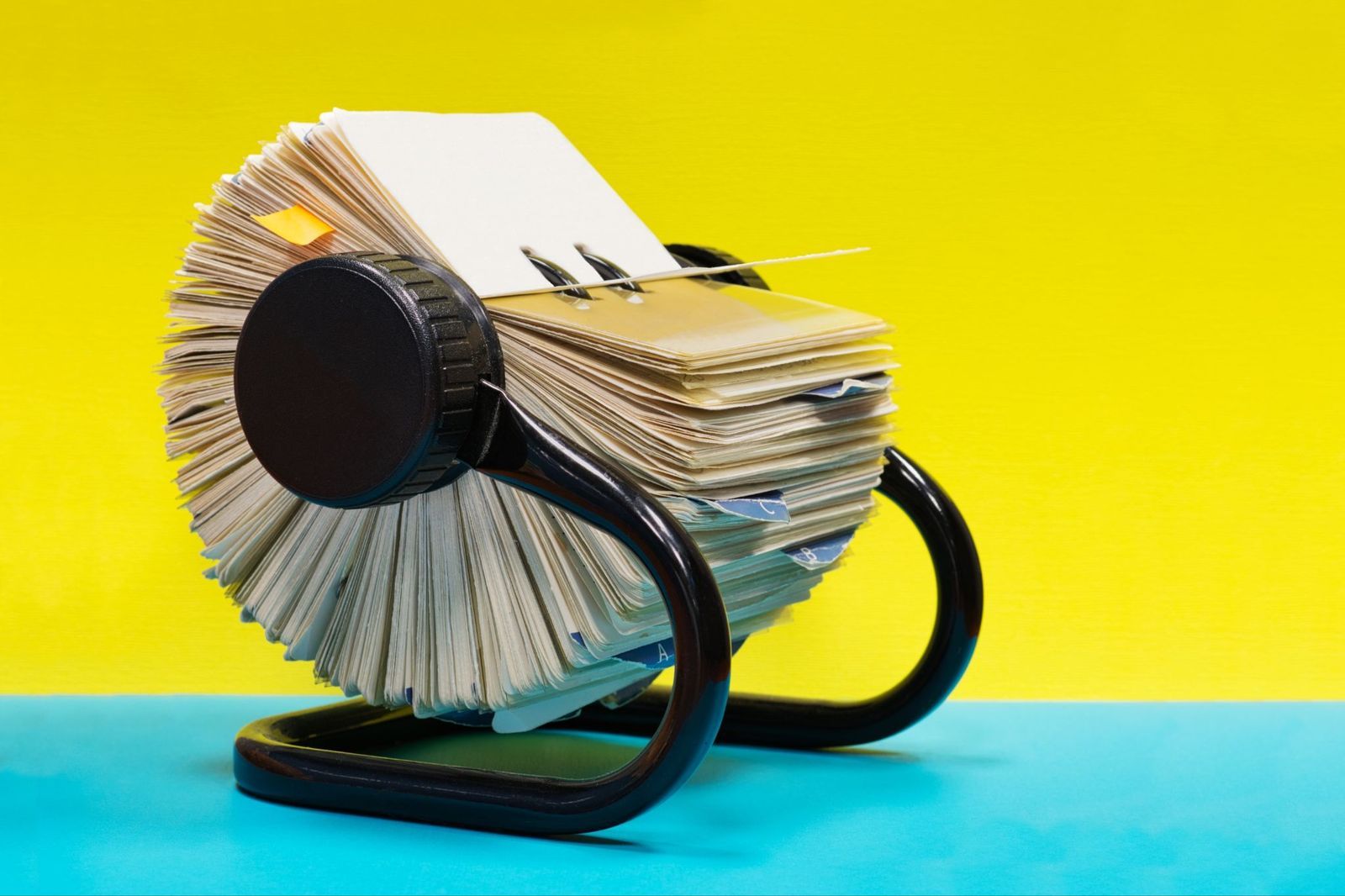
Before the 2000s, if you were a salesperson, executive, secretary, journalist, or anyone who managed a large network of contacts, chances are you had a Rolodex. This compact and useful tool was perfect for managing information from different contacts when there were no cellphones . Professionals relied on them to keep track of clients and colleagues — actually, the phrase "having a good Rolodex" meant having an impressive network of connections.

It consisted of hundreds of small index cards arranged alphabetically on a rotating wheel, and users could quickly flip through the cards to find the information they kept there. In contrast with a normal address book, with a Rolodex, if someone moved or got a new phone number, you could simply replace the old card with a new one rather than having to rewrite it.

10
Manual Can Openers Mounted Under Kitchen Cabinets

Image: Gordon Magee

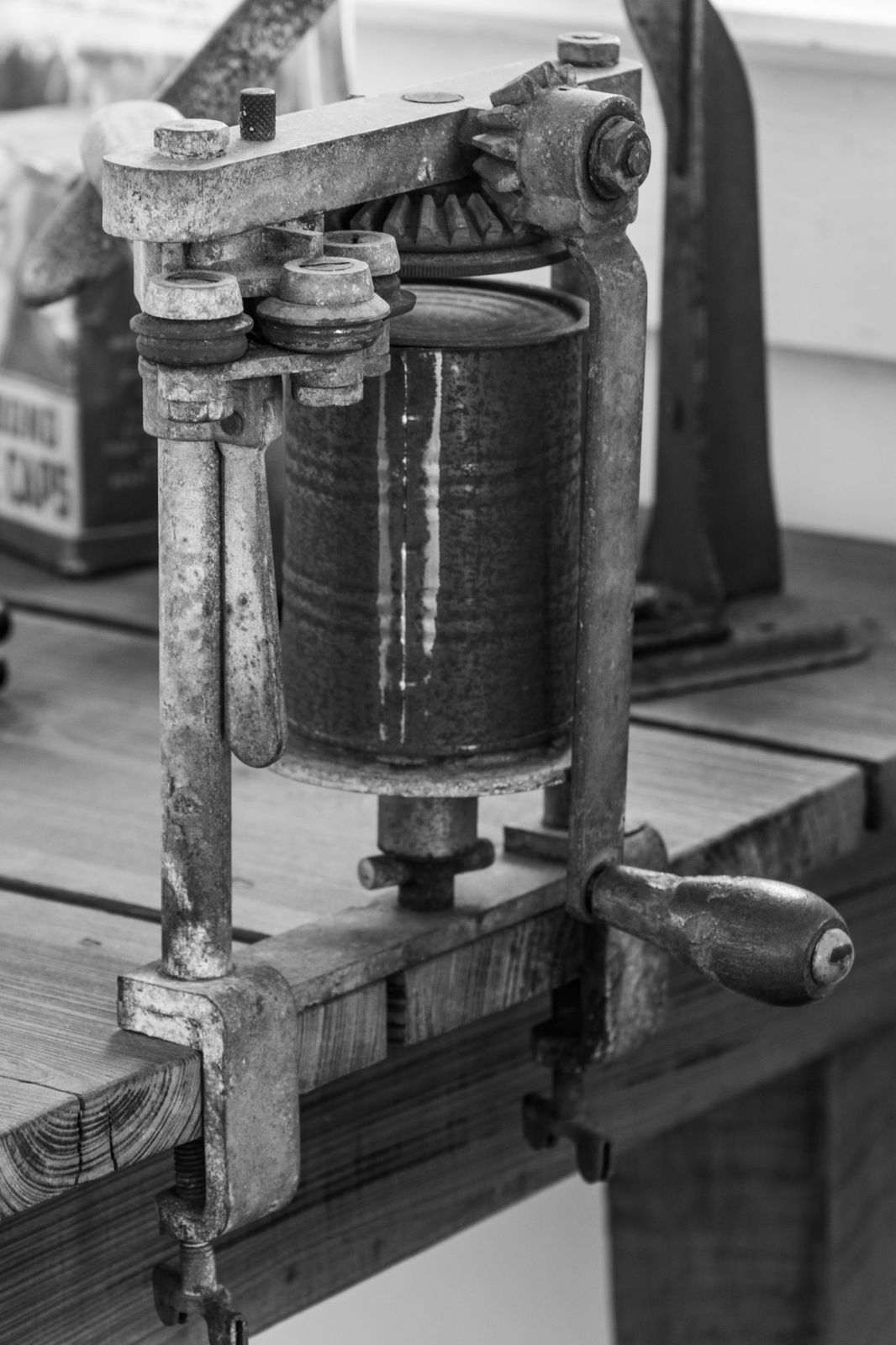
If you grew up sometime between the 1950s and 1980s, you probably remember manual can openers permanently mounted beneath an upper cabinet in the kitchen. These can openers were very convenient when cooking, and they were built to last — made of durable steel and sturdy enough to keep being used for decades .

Once handheld and more ergonomic can openers (and later electric models) became more affordable, mounted versions gradually disappeared from households, though some are still found in professional kitchens.

Explore more American facts

Choose your favorite category!

General
General

As American as apple pie—the very best America has to offer!

Culture
Culture

Delve into the astounding richness of American lore.

Geography
Geography

Hop in and explore vast and diverse American landscapes.

History
History

Discover the key moments that shaped the United States.