General General 5 min read

What are the most essential traditional folk songs? 10 contenders
Image: Metropolitan Museum of Art, CC0, via Wikimedia Commons

Traditional folk music, with its origins deeply rooted in American history and tradition, is a treasure that has endured through the centuries. This form of musical expression has left an indelible mark on our culture, and its legacy is evident in a wide variety of modern musical genres. In this article, we bring back 10 traditional folk songs that not only influenced great artists such as Bob Dylan but also continue to inspire listeners today.

1
John Henry
Image: Ylanite Koppens

John Henry is one of the greatest heroes of American folklore, so it is not surprising that several songs celebrate his deeds. The legend of his battle with the steam drill symbolizes humanity’s struggle against automation and technological change, inspiring countless tunes.

There are many musical versions of John Henry’s story: some are ballads, while others are "hammer songs" (a type of song related to railroad work). Whatever the genre, all of these traditional songs are so good that the best American musicians have recorded them multiple times over the years.

2
Oh My Darling, Clementine

Image: Angshu Purkait

There are multiple variations of this song, but it is believed to have been written by Percy Montrose in 1883. The melody may be older and possibly inspired by a Spanish ballad , while the lyrics likely emerged sometime after the Gold Rush era.

Over the years, several verses were added and numerous versions were recorded, such as Bing Crosby's in the 1940s and Bobby Darin's in the 1960s. Despite its age, "Clementine" remains a popular song for group singing all across America.

3
In the Pines
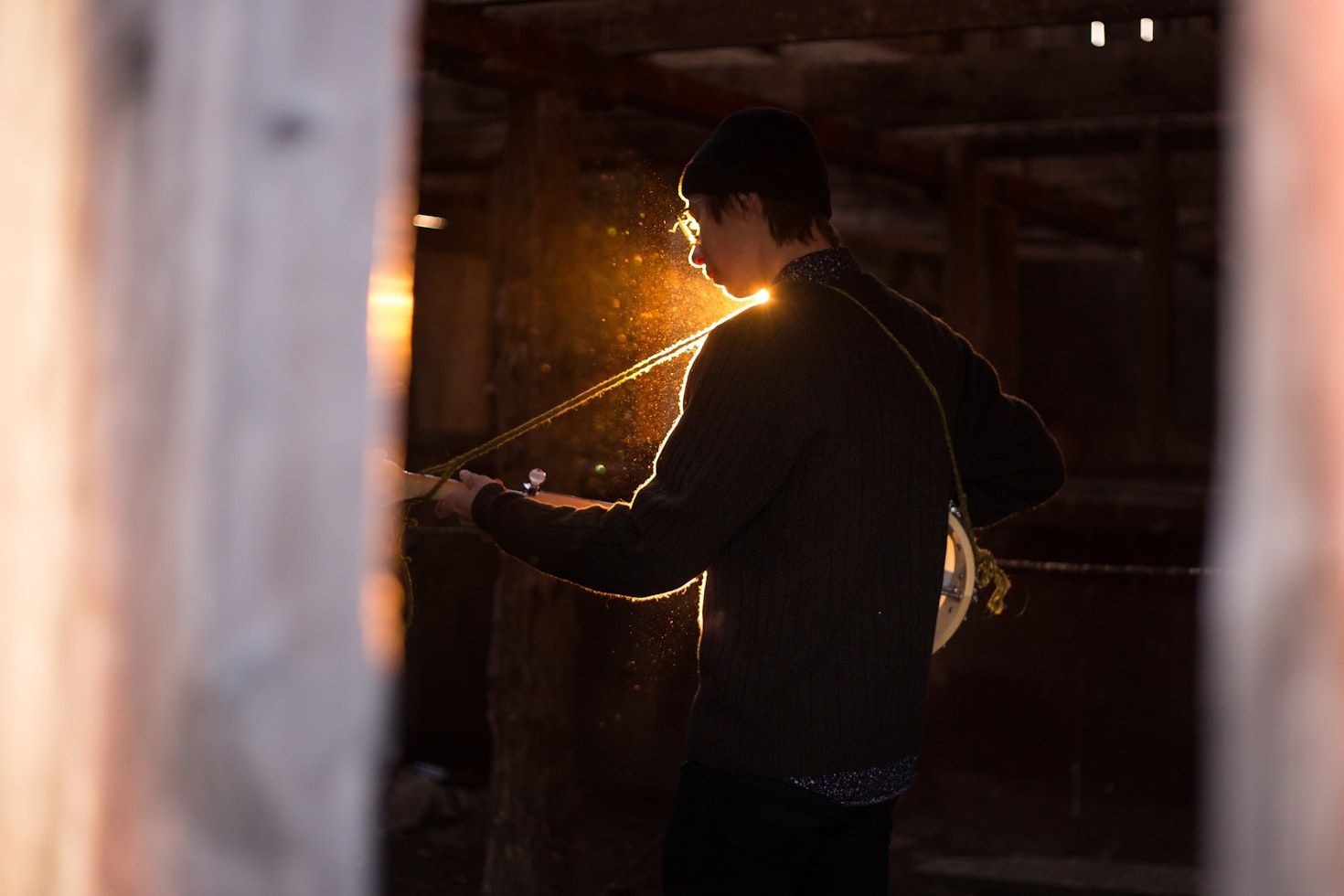
Image: Priscilla Du Preez

Like numerous other folk songs, the lyrics and melody of "In the Pines" were passed down orally from generation to generation, and its original author remains unknown. What we do know is that it dates back to at least the 1870s and likely originated in the Southern Appalachian region.

The structure of this unique, moody, blues-style song, as we know it today, has mutated over the years, merging with other tunes. The important thing is that "In the Pines" has become a staple of American music, being recorded by numerous artists, including Bill Monroe, Lead Belly, and even grunge band Nirvana.

4
Worried Man Blues

Image: LunarSeaArt

When hillbilly singers came into contact with African American blues, songs like "Worried Man Blues" began to emerge. The verses were likely inspired by the story of someone sentenced to work on a chain gang.

The song may have roots in a 19th-century African American spiritual , but it became widely known after the Carter Family recorded it in the 1930s, giving it a strong foothold in the country and early bluegrass repertoire. Decades later, folk revivalists adopted the tune, ensuring its place as a classic of American folk music.

5
Oh Shenandoah
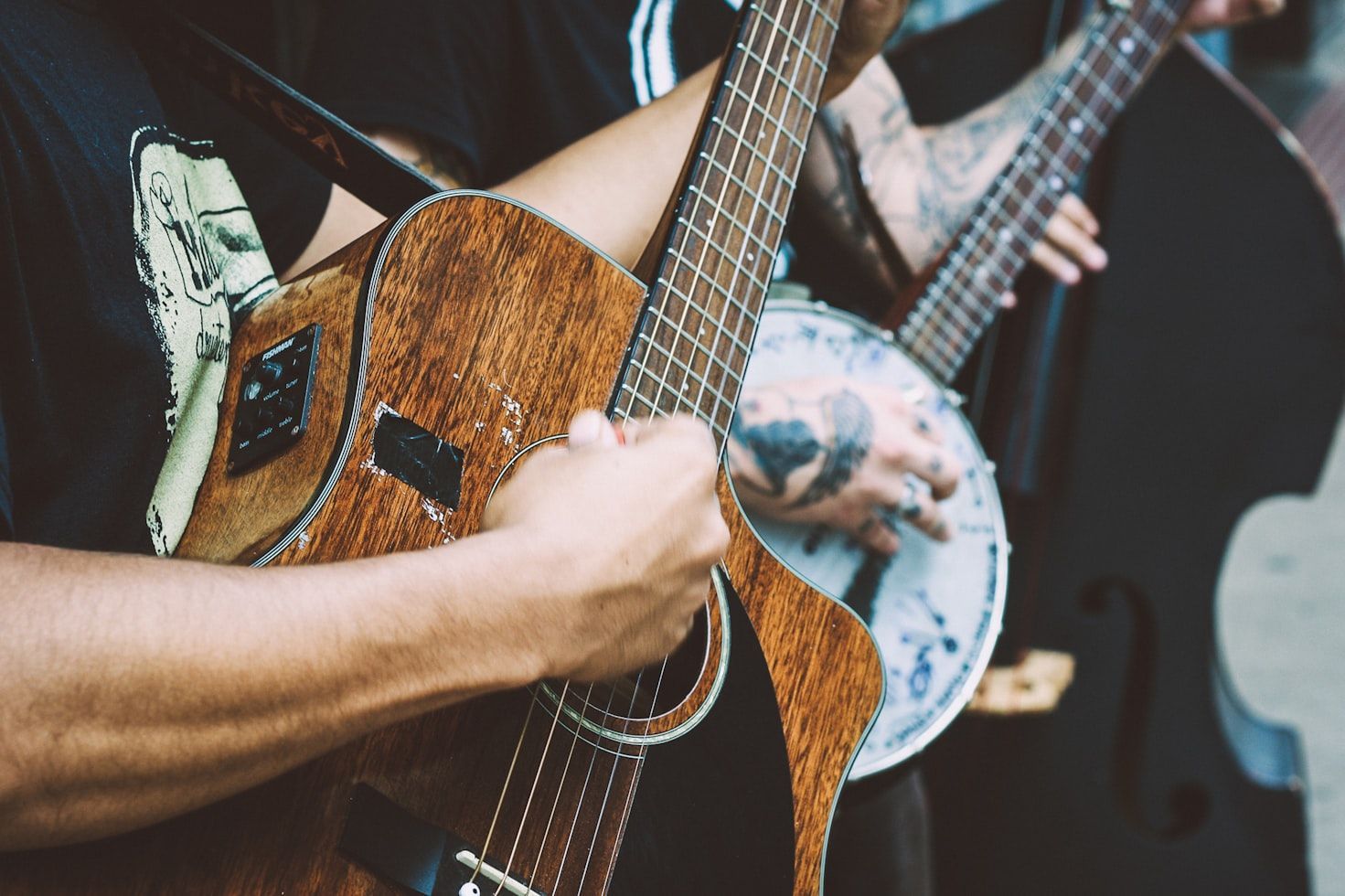
Image: Matheus Ferrero

Although the exact origin of this folk song is uncertain, we know that it was sung as a river shanty in the 19th century, especially by American and Canadian fur traders traveling down the Missouri River.

The word Shenandoah is connected to the Shenandoah Valley in Virginia, though its precise meaning is debated. Some suggest it derives from an Iroquois word meaning "land of big mountains" or "daughter of the stars." Some versions of the song tell the story of a redskin chief, Shenandoah, and his beautiful daughter. According to the legend, a white trader eloped with the maiden after silencing the chief with firewater.

6
Oh! Susanna
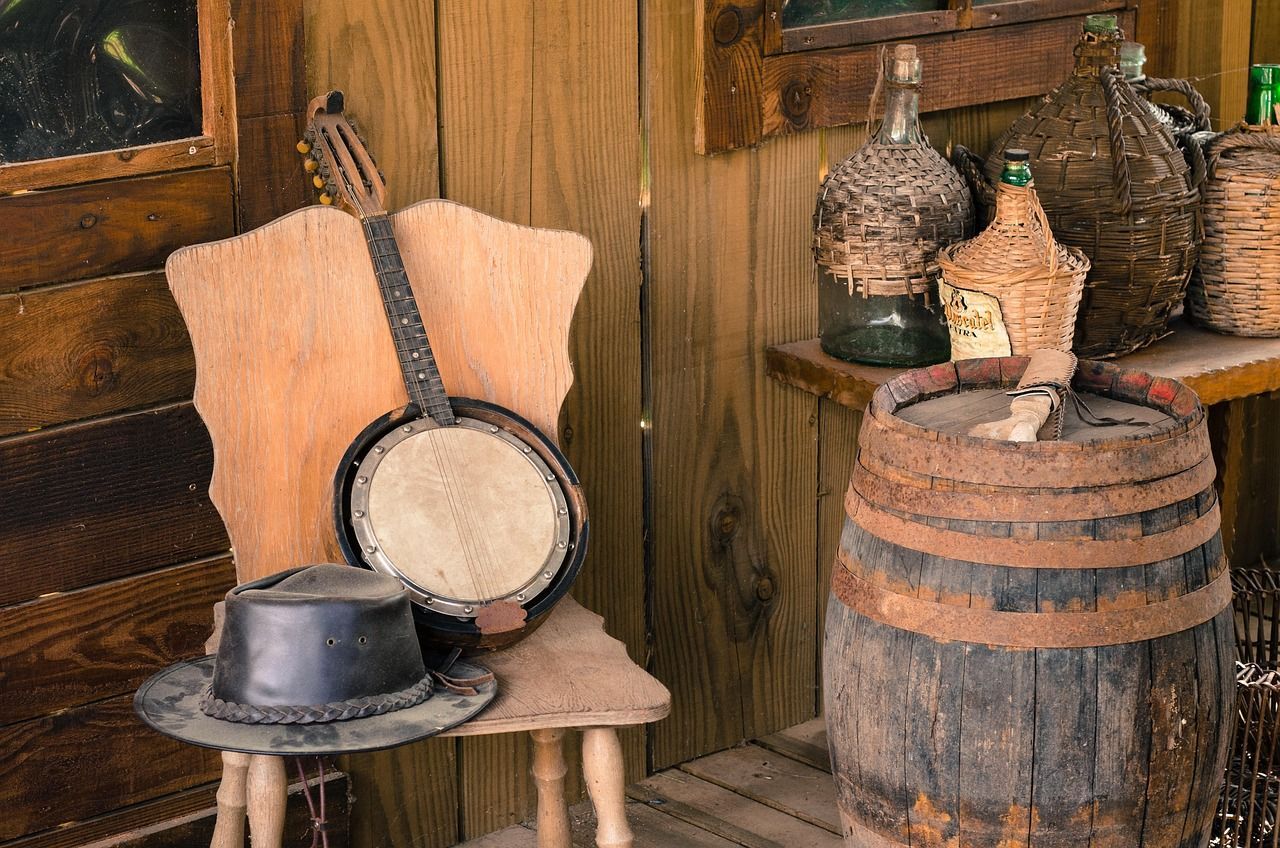
Image: ClickerHappy

"Oh! Susanna" is often considered the first big hit in American popular music. It became especially famous among the '49ers during the California Gold Rush and became an emblem of the conquest of the West.

With influences from European polka music and earlier traditional folk songs, "Oh! Susanna" was published in 1848 by Stephen Foster, later nicknamed the "Father of American Music." Many artists recorded different versions over the years, including The Big 3, The Byrds, and James Taylor.

7
Red River Valley
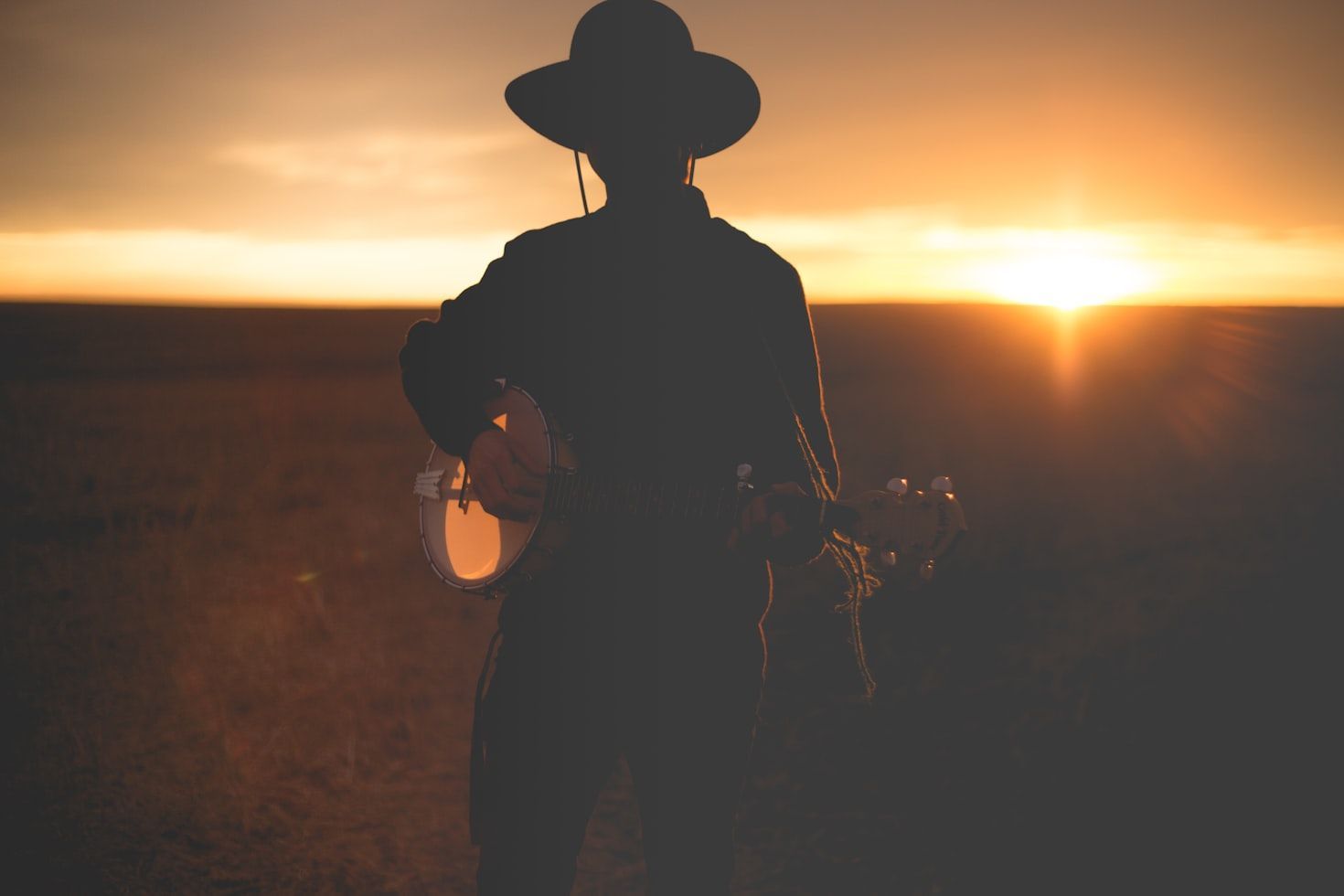
Image: Priscilla Du Preez

It is common for folk songs to be adapted to different regions , and this tune is no exception. Over the years, it has been named and renamed for many different valleys and locales. Most 20th-century versions use the title "Red River Valley" and, by implication, place it along the Red River that forms part of the boundary between Texas and Oklahoma.

However, some evidence suggests that the original version actually dates to around 1870 in Canada, near the Red River that flows into Lake Winnipeg. In that version, the lyrics tell of a French-Indian maiden lamenting the departure of a soldier who had come, stayed briefly, and then left. For Americans, though, the song is most closely associated with cowboys and the Red River of the South.

8
Man of Constant Sorrow
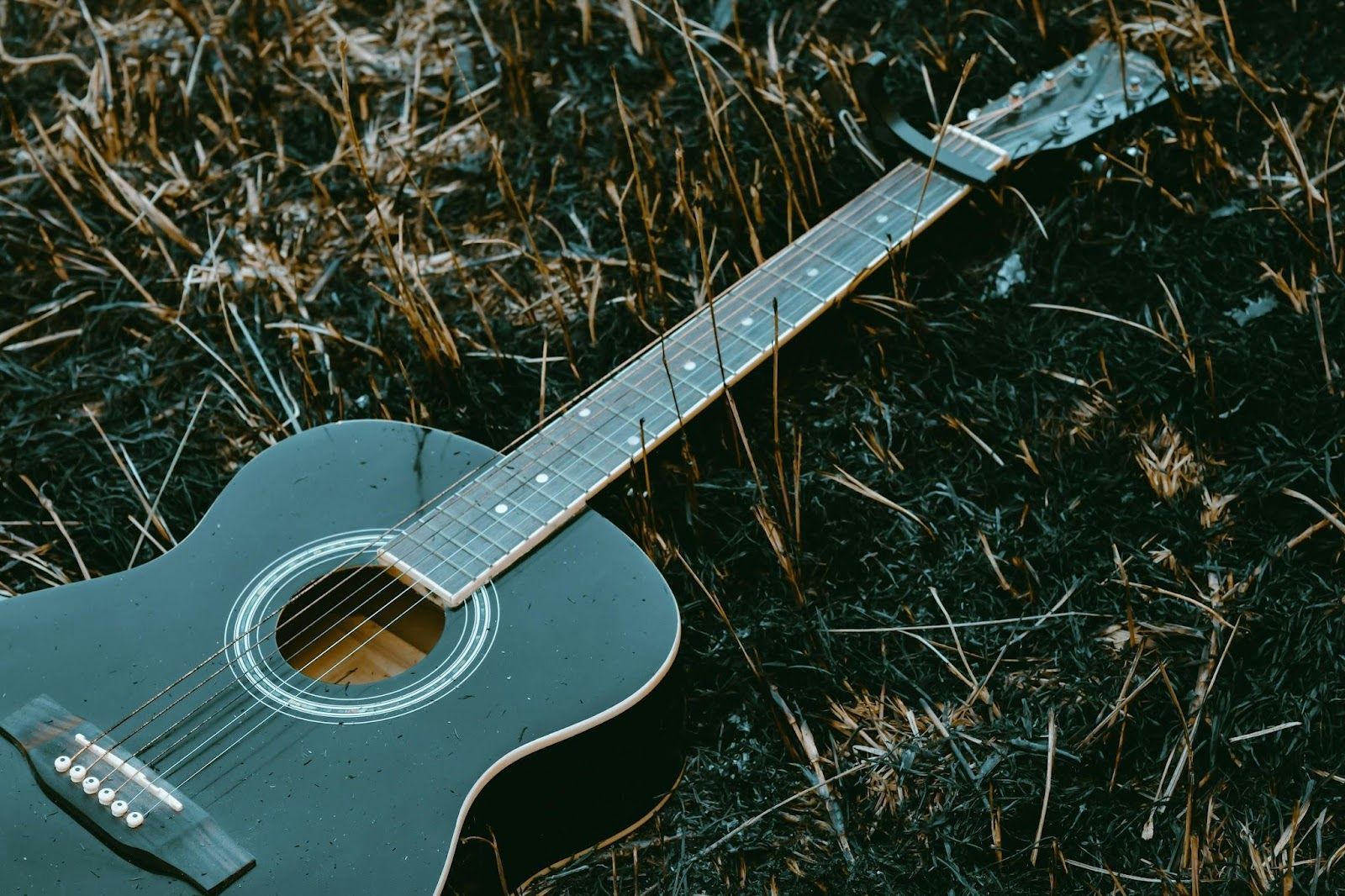
Image: Wilawan Pantukang

The origin of this southern mountain song is somewhat obscure. It is absent from most of the major standard collections, but some experts believe it might have been inspired by the 19th-century hymn "I Am a Poor Pilgrim of Sorrow."

Although numerous versions with different names and lyrics have circulated since at least the early 20th century, "Man of Constant Sorrow" was popularized by the Stanley Brothers in the 1950s. Soon after, musicians such as Bob Dylan, Joan Baez, and Judy Collins recorded their own interpretations, helping to cement its place as a classic of American folk music.

9
Home on the Range
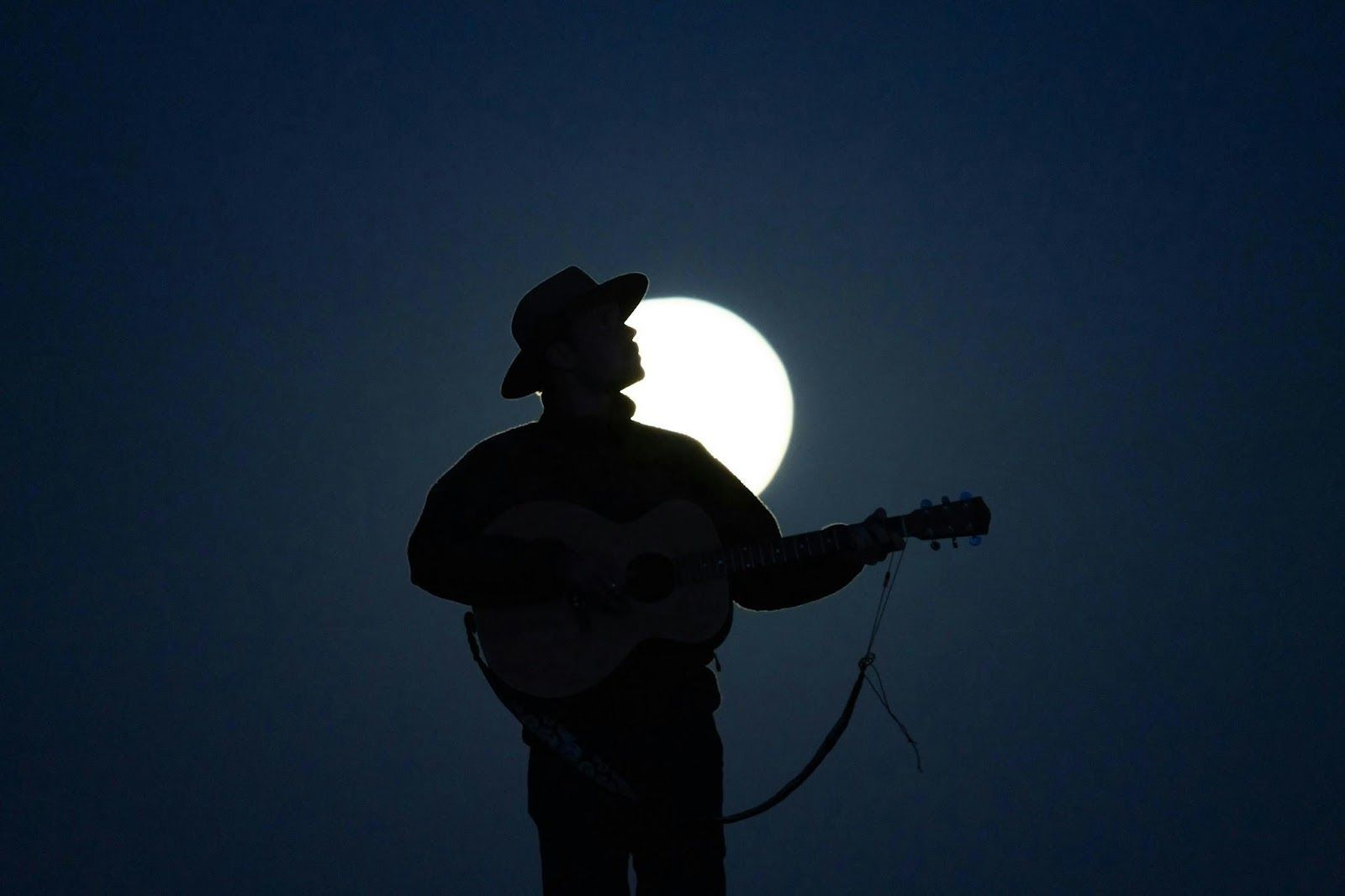
Image: Jeremy Bishop

One of the best-known cowboy and Western songs, "Home on the Range," has long been the subject of disputes regarding its authorship. The most widely held theory is that it was inspired by a poem called "My Western Home," written by Dr. Brewster Higley in the 1870s. The well-known American composer David W. Guion claimed to have composed the music, stating that he wrote it at the age of 16, influenced by his life in West Texas.

"Home on the Range" enjoyed great popularity in the 1930s through radio broadcasts and recordings during the cowboy-song fad. Since 1947, it has been Kansas’s official state song.

10
Michael, Row the Boat Ashore
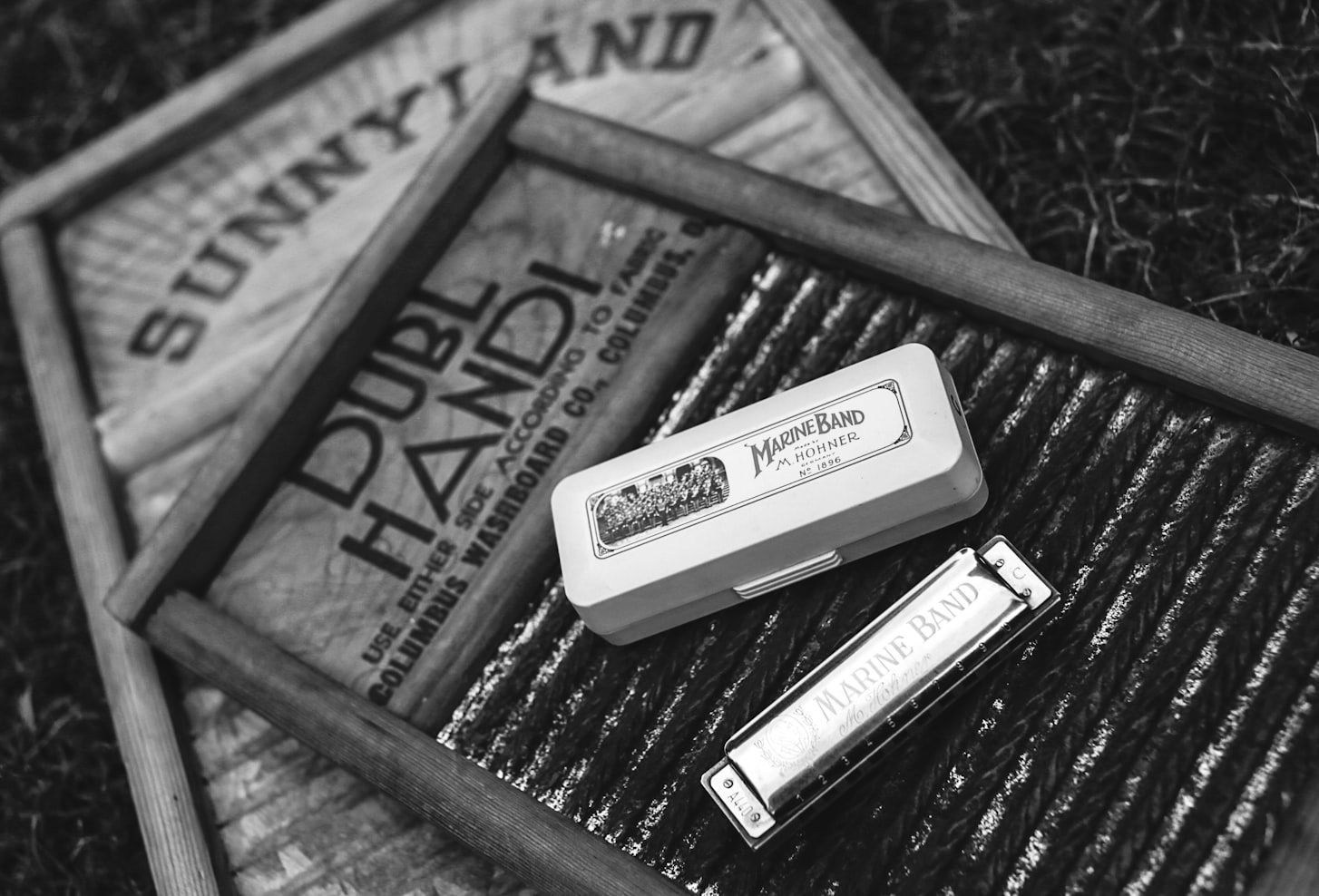
Image: Blind Rhino Media

Folk song revivalists discovered "Michael, Row the Boat Ashore" in the Georgia Sea Islands and passed it around widely and fervently. The tune blends spiritual, calypso, and sea-song styles, and it likely originated as both a spiritual and a work song sung by enslaved crews on plantation riverboats.

The name Michael refers to the Archangel Michael, and the song was likely used when the load was heavy or the boat was going against the tide. In the 1960s, it was popularized by folk band The Highwaymen and was also recorded by other artists such as Pete Seeger, Bob Gibson, and Harry Belafonte, among others.
Geography Geography 3 min read

Waving wild

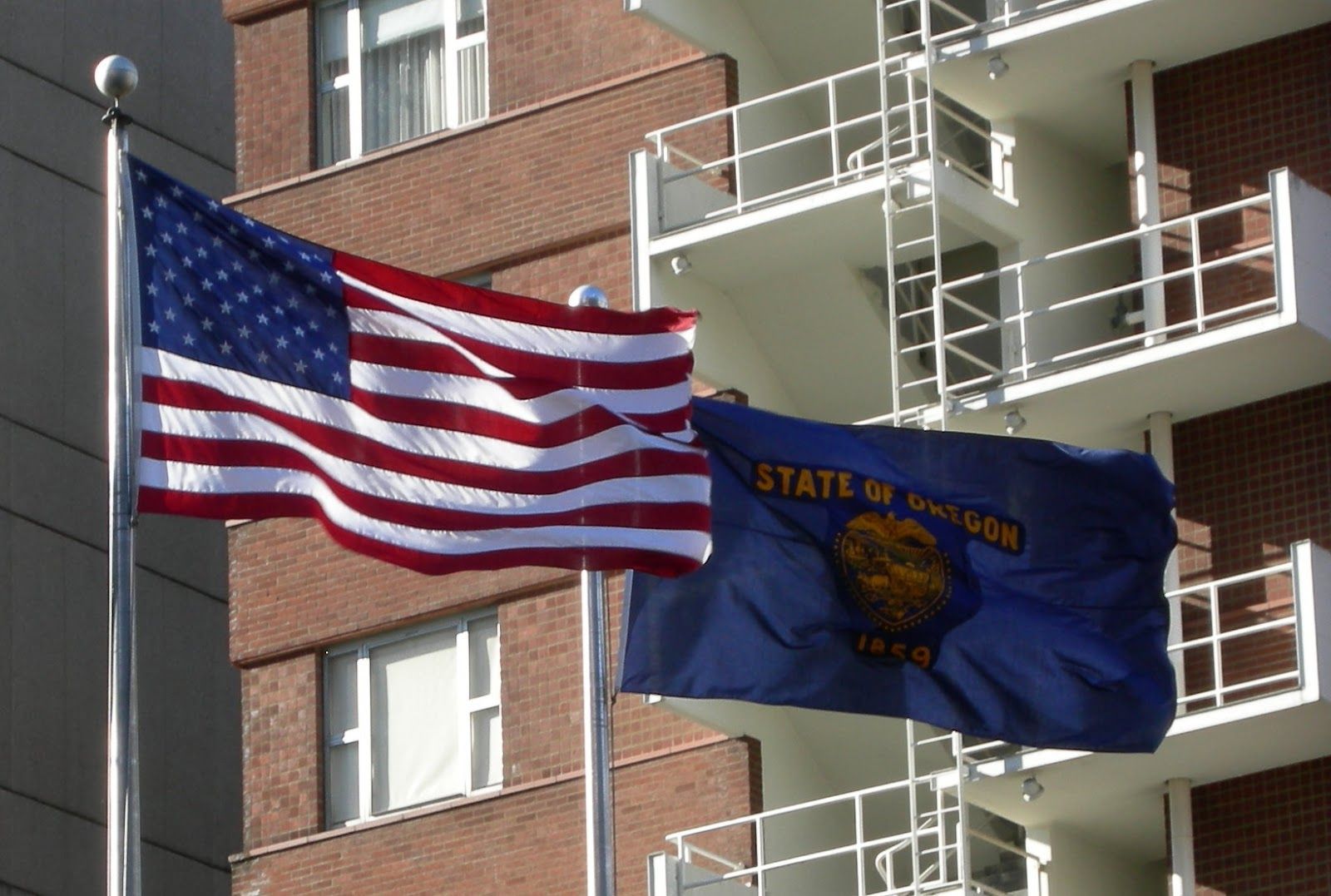
Why does Oregon have a design on the back of its flag? Find out here!

Image: Mathew Schwartz

Every state has its own symbols, and among them, those related to wildlife are often in the spotlight. From tiny bees or birds to huge bears and bison, our state flags display an amazing variety of creatures. But why were they chosen? Let’s find out!

1
Beaver – Oregon (reverse)

Image: Makaristos, Public domain, via Wikimedia Commons

As you’d expect from the Beaver State, this rodent appears on Oregon’s flag. The thing is, you just can’t see it here because it’s on the reverse side! That’s right, Oregon is the only state with designs on both sides of the flag. But why that animal? In the 19th century, the beaver fur trade played a key role in Oregon’s economic growth, forever linking this clever creature to the state’s identity.

2
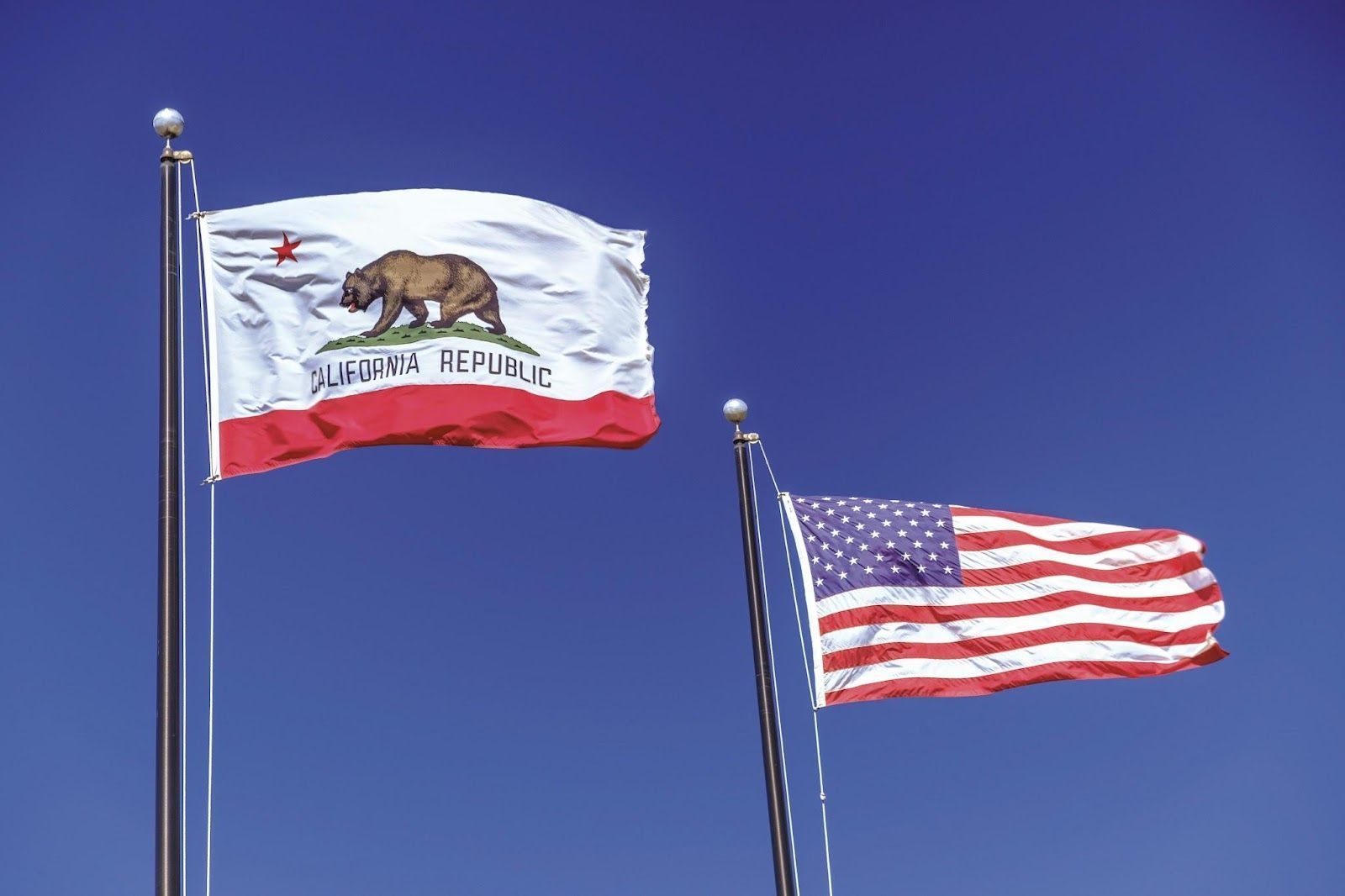
Bear – California

Image: Drei Kubik

When you think of grizzly bears, California is probably the first state that comes to mind, and for good reason. Its flag is one of the most recognizable in the country. Grizzlies once roamed the region, and although they’re now extinct in the state, the animal lives on as a symbol. Back in the 1840s, American settlers pushing for independence from Mexico raised a flag with a grizzly and a star to mark their revolution. The design has evolved since then, but the iconic bear remains!

3
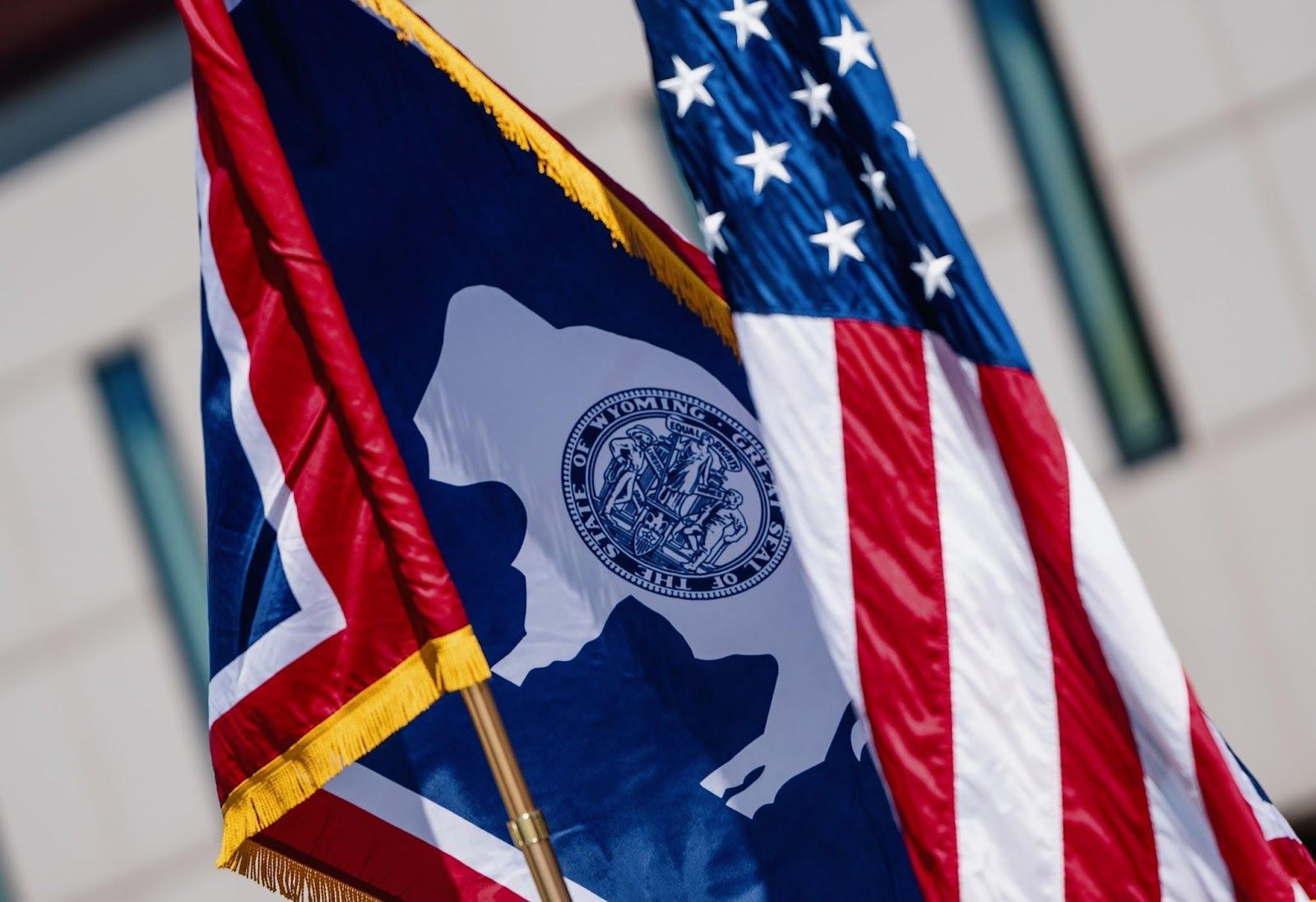
Bison – Wyoming

Image: Tony Webster, CC BY 2.0 <https://creativecommons.org/licenses/by/2.0>, via Wikimedia Commons

As one of the few places where American bison have roamed freely for centuries, it’s no surprise that this animal was chosen to represent the state of Wyoming. At the center of its flag, the white silhouette of the bison (often called a buffalo) features Wyoming’s coat of arms, which honors the state's key industries: livestock, mining, grain, and oil.

4
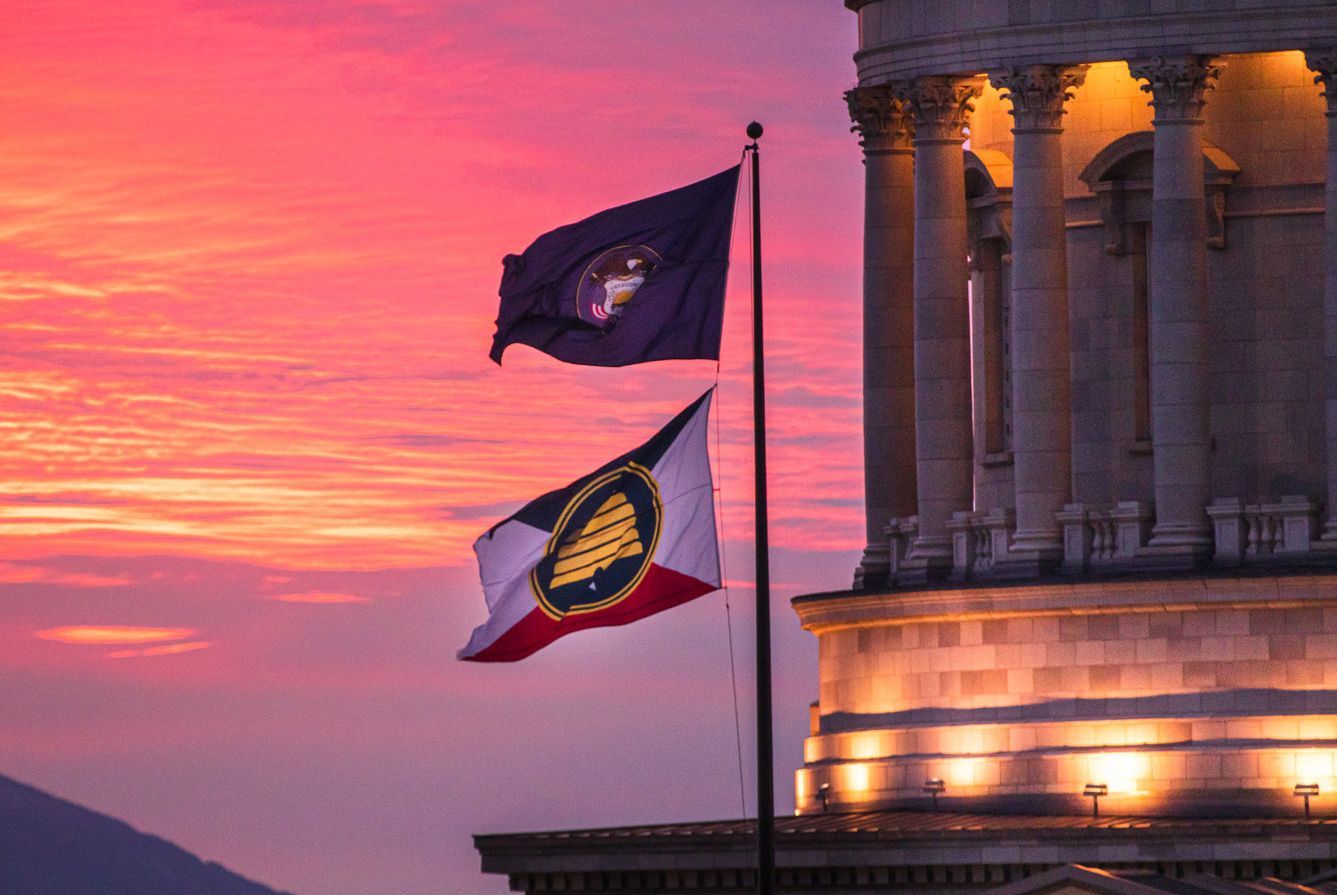
Bees – Utah

Image: JohnnyAstros, CC BY-SA 4.0 <https://creativecommons.org/licenses/by-sa/4.0>, via Wikimedia Commons

The new Utah flag, adopted in 2024, has a peculiar and modern design. The main characters in this story are none other than bees. Or, actually, a beehive, which was chosen to symbolize community, cooperation, and the hard work that reflects Utah’s industrial spirit.

5
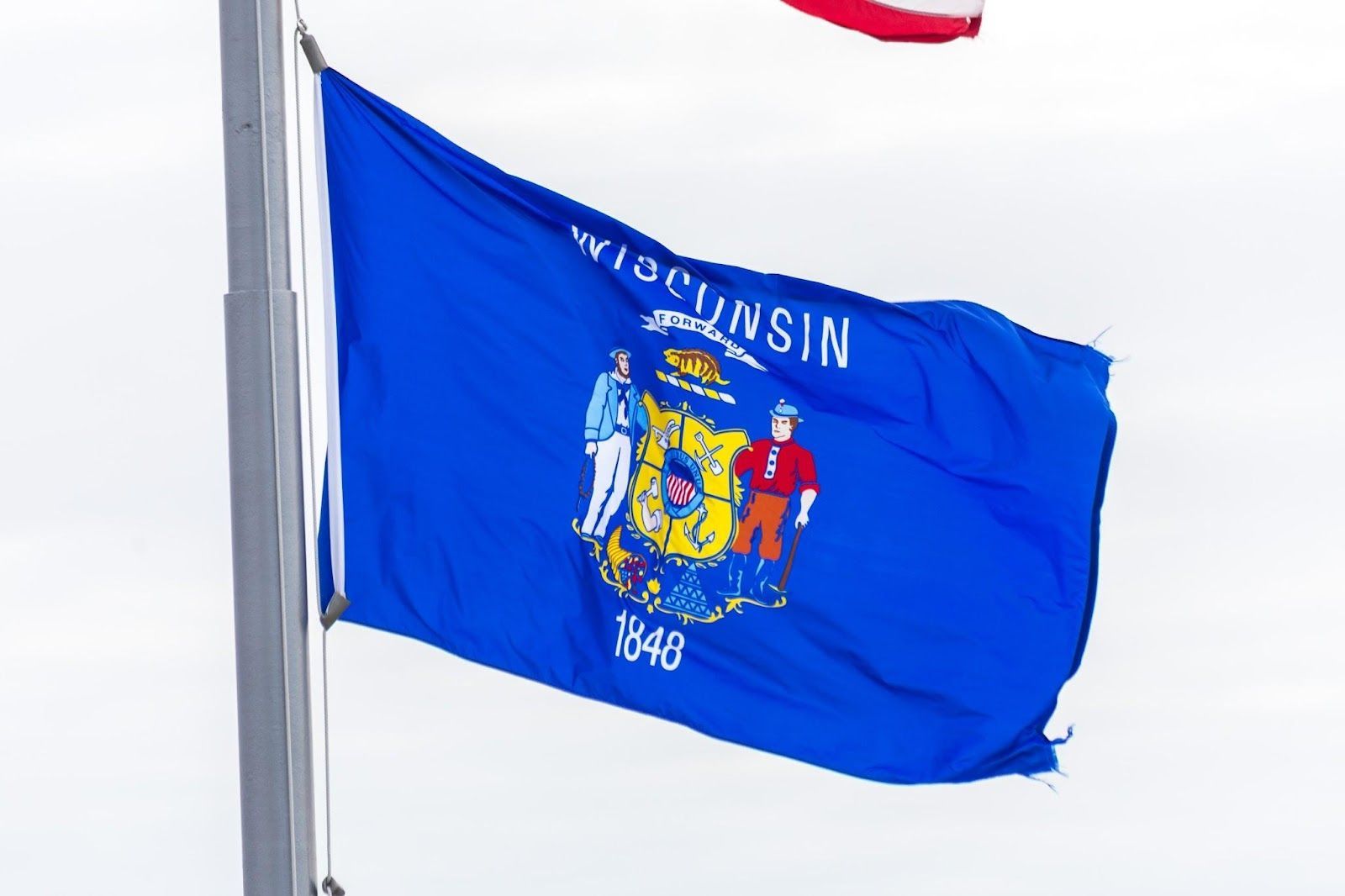
Badger – Wisconsin

Image: Kenneth C. Zirkel, CC BY-SA 4.0 <https://creativecommons.org/licenses/by-sa/4.0>, via Wikimedia Commons

See that small yellow-and-brown figure above the shield on Wisconsin’s flag? Although many people don't notice it, that’s a badger, the state animal. But why a badger? Back in the 1800s, the first lead miners who worked in southern Wisconsin used to live in hillside tunnels during the winter, which resembled badger burrows. These workers were the first to be given the nickname, which was later transferred to the state.

6
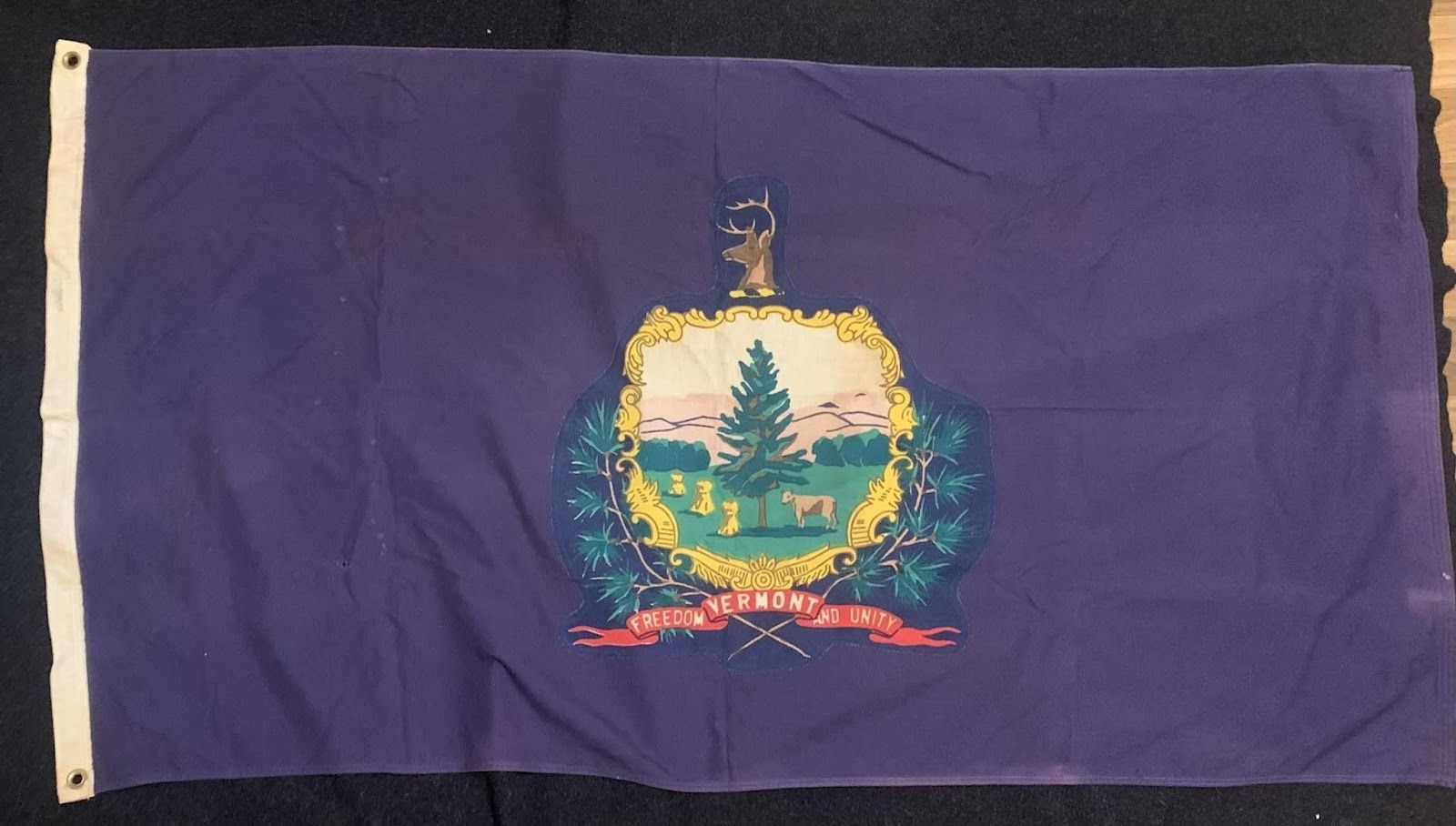
Deer and cow- Vermont

Image: Tablelegs6, CC0, via Wikimedia Commons

The Vermont flag has plenty to see, but the most striking feature is the deer head that tops the shield. With deer abundant throughout the state, it was chosen to represent all of Vermont’s wildlife. But what about the cow? Tucked inside the shield, this small figure symbolizes the state’s dairy and agricultural industry.

7
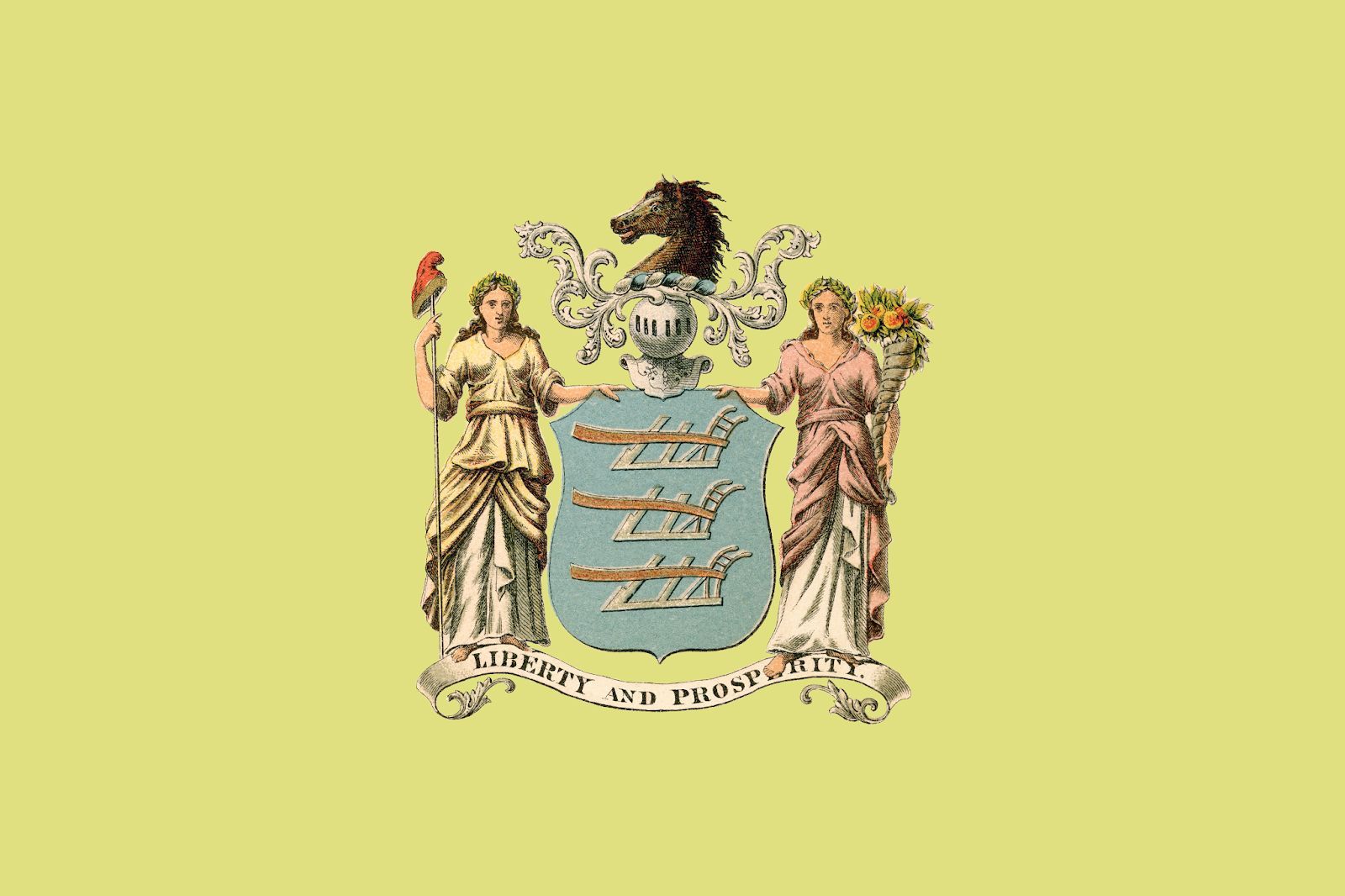
Horse – New Jersey

Image: Public domain, via Wikimedia Commons

As part of the state coat of arms, a horse appears atop the beautiful New Jersey state flag. As in many other regions, horses were vital to New Jersey’s colonial economy, playing a key role in agriculture. For that reason, in 1777, the coat of arms’ designer placed the horse at the top, symbolizing both strength and the speed of the state’s growth. On both sides of the shield are two women: Liberty and Ceres, the Roman goddess of agriculture, honoring the state motto, "Liberty and prosperity."

8
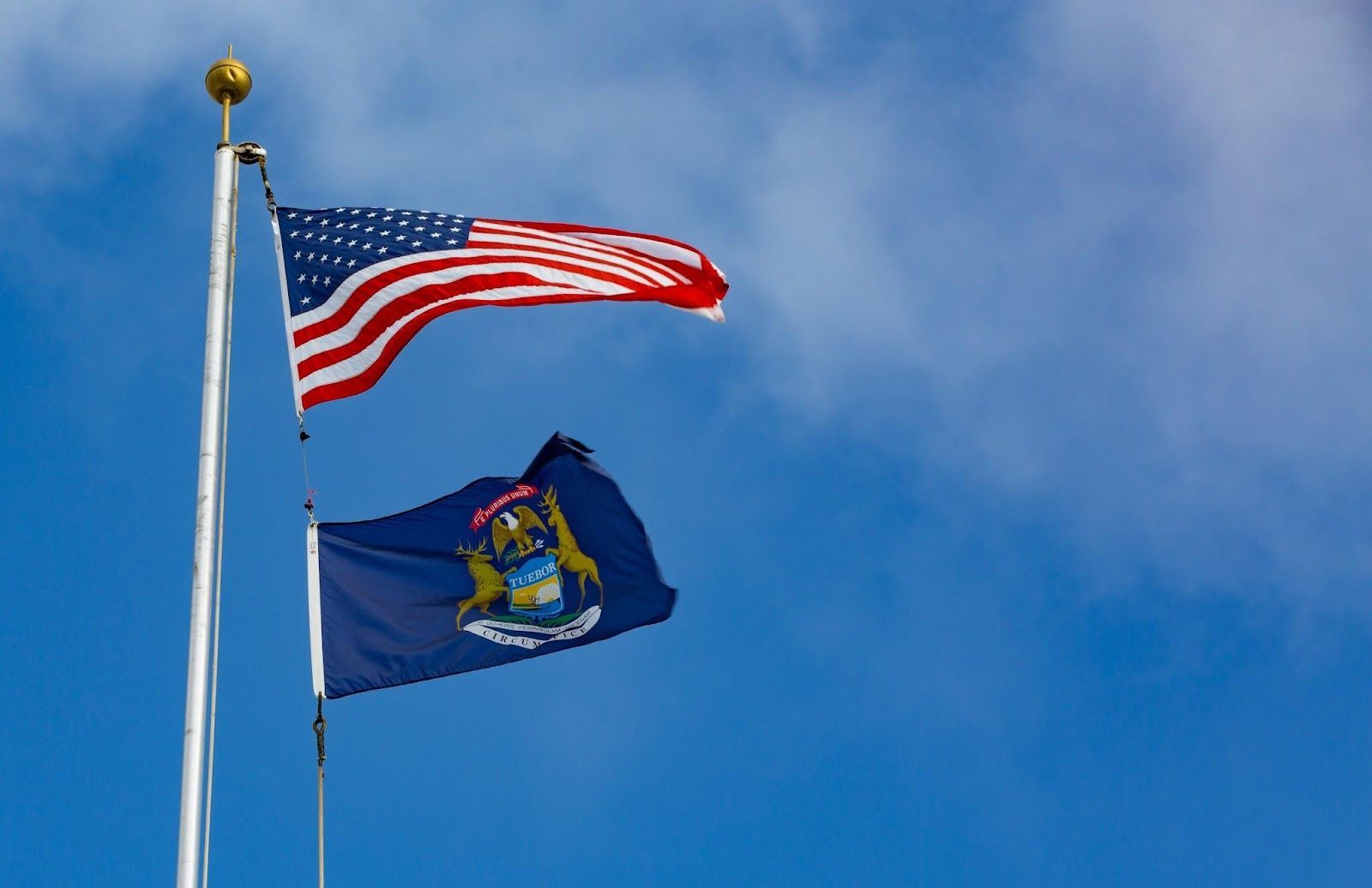
Moose/Elk – Michigan

Image: Tony Webster, CC BY 2.0 <https://creativecommons.org/licenses/by/2.0>, via Wikimedia Commons

A moose and an elk seem like great choices for offering support, don’t they? That’s exactly what the designers of Michigan’s flag and coat of arms thought. These two majestic animals appear standing on their hind legs, as if holding up the shield. Both native to the state, they symbolize Michigan’s abundant wildlife and natural resources.

9
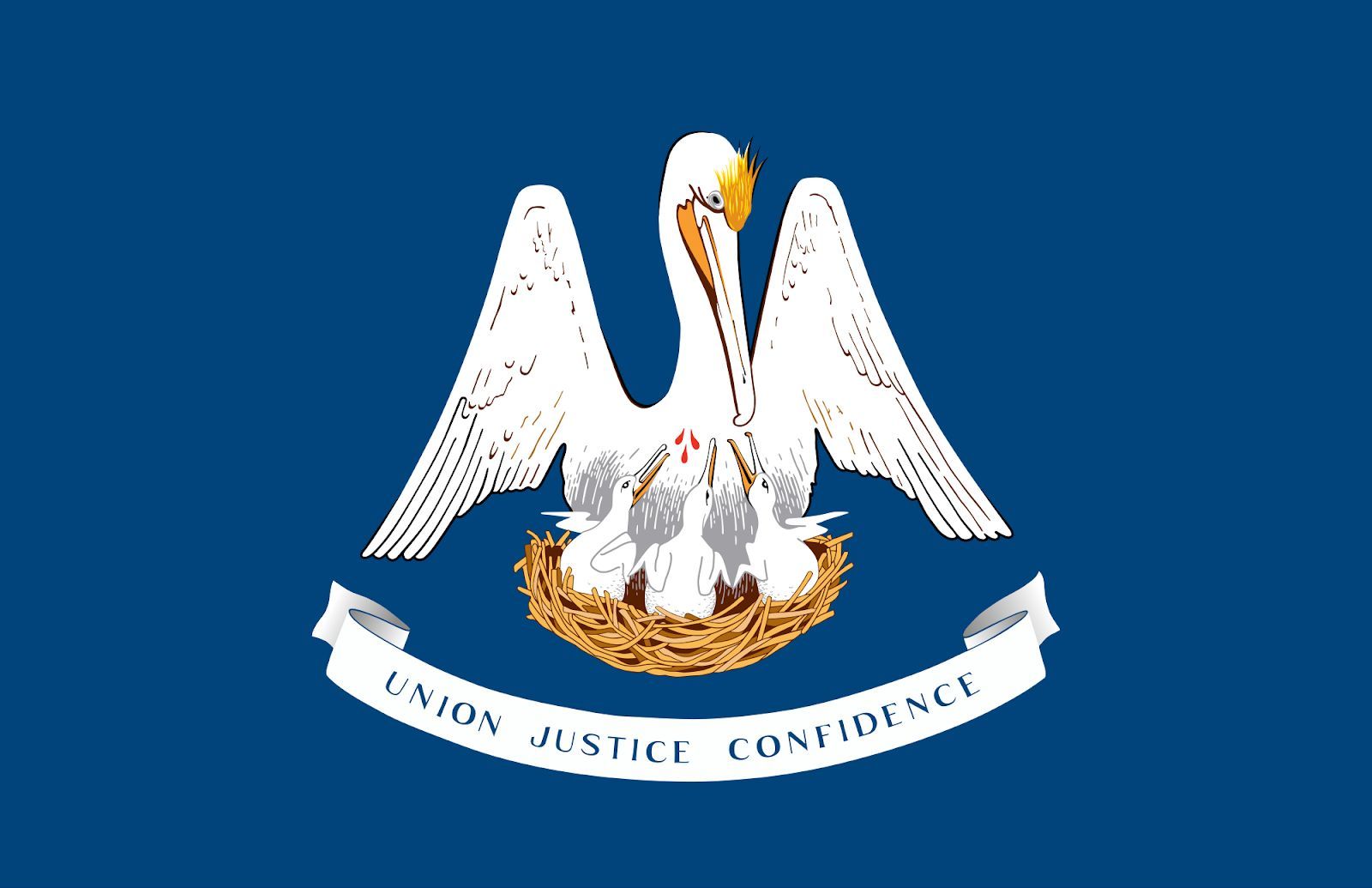
Pelican – Louisiana

Image: Public domain, via Wikimedia Commons

Although the pelican on Louisiana’s state flag is white, its actual name is "brown pelican", a species that abounds along the state’s coast. On both the flag and the coat of arms, the bird is shown wounding itself to feed its young; a strong symbol of devotion and sacrifice that reflects Louisiana’s motto: "Union, Justice, and Confidence."

10
Bald Eagle – Many

Image: Alexas_Fotos

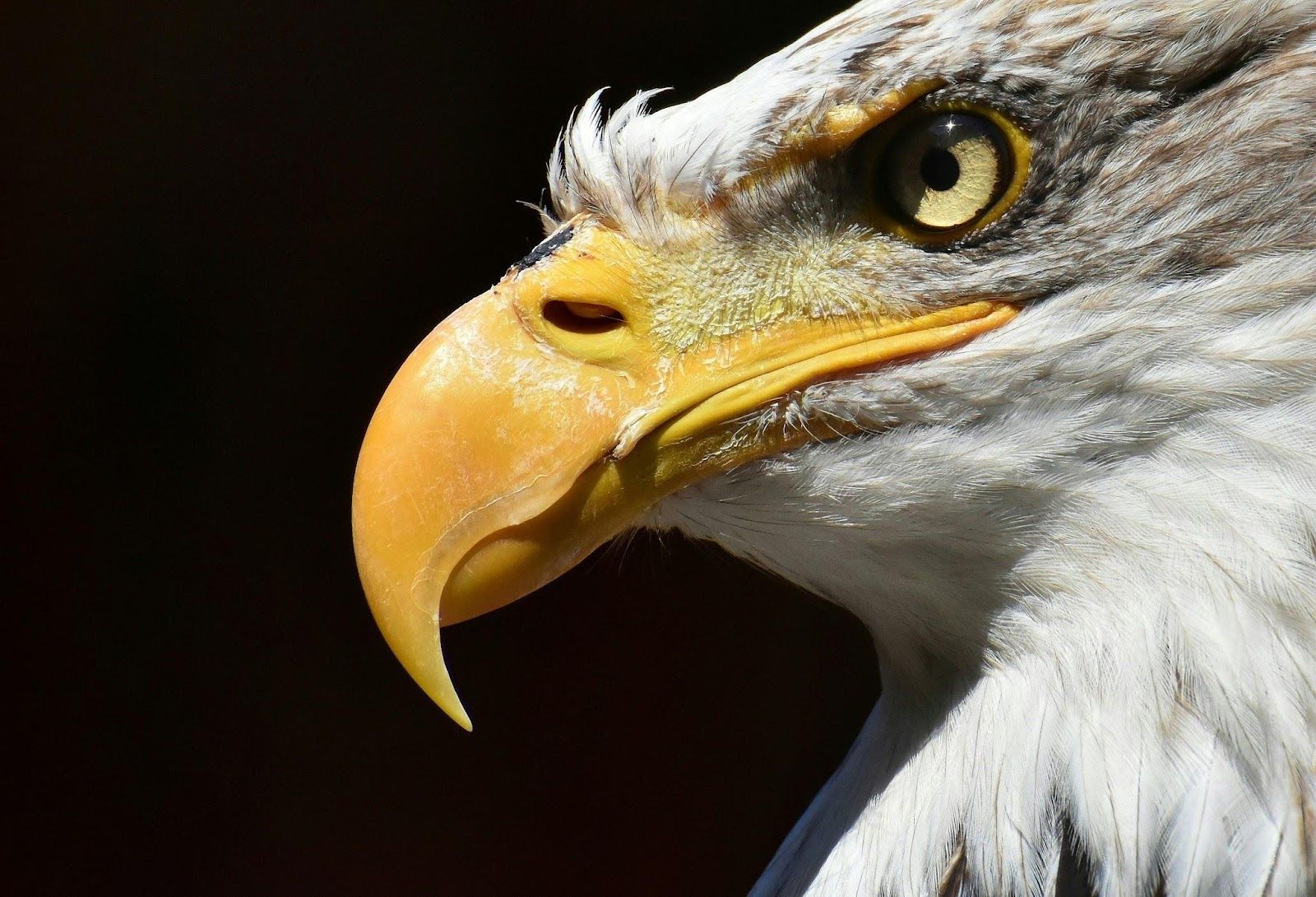
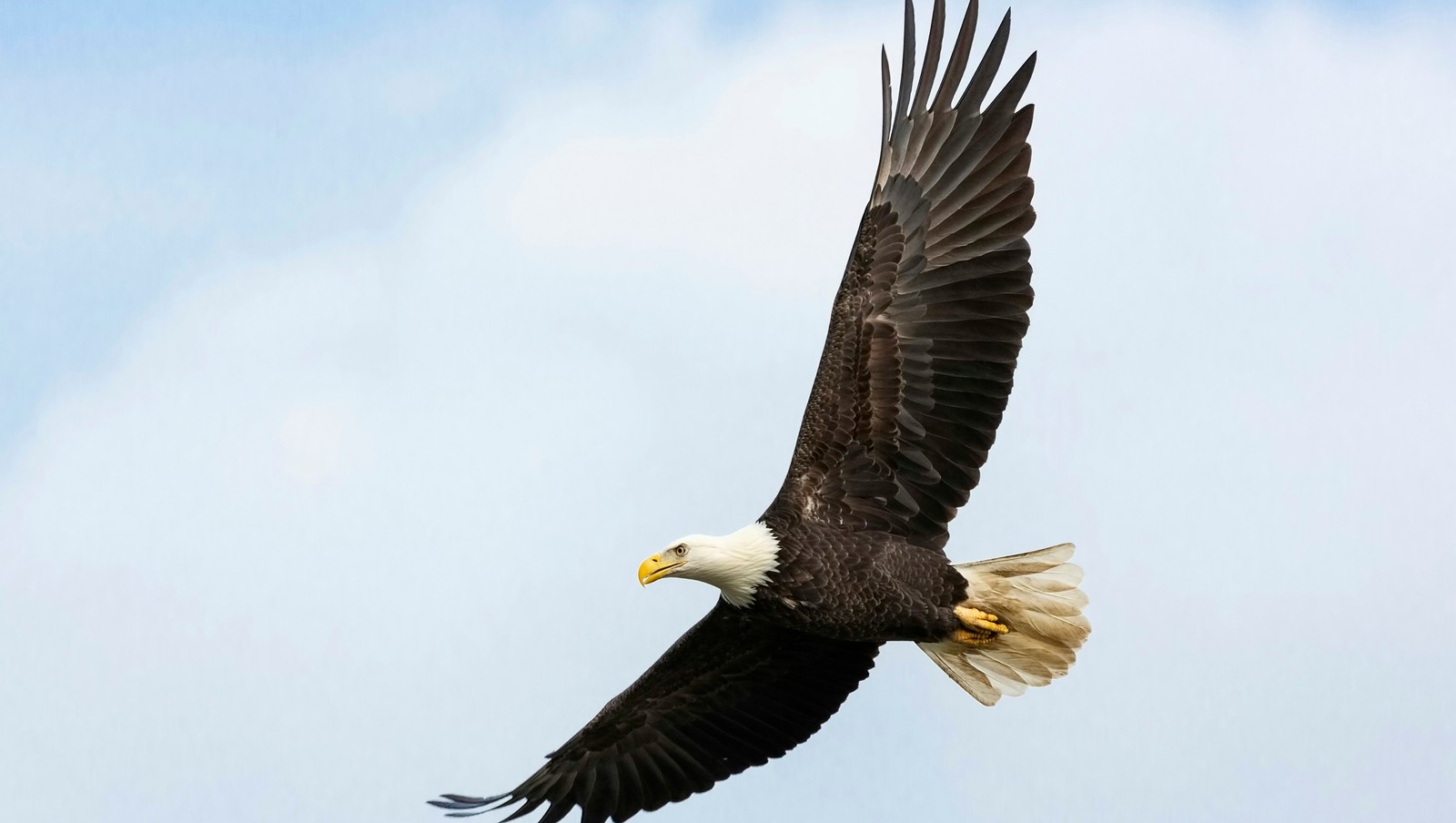
We saved the unmistakable bald eagle for last. Native to North America, this majestic bird has become a symbol of the United States, representing strength, courage, freedom, and longevity. But the eagle isn’t just on the national coat of arms; it also appears on many state seals and flags, including Illinois, Iowa, Michigan, Missouri, New York, North Dakota, Pennsylvania, and Utah’s historic flag.

History History 4 min read

Let’s take a tour

Alcatraz: The secrets, myths, and history of America’s prison

Image: Leon Bastain

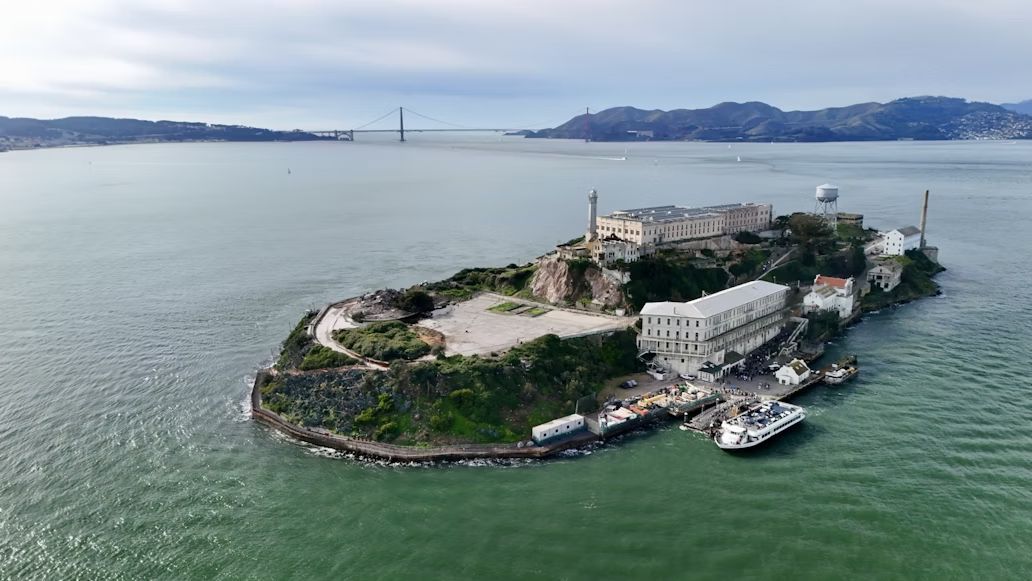
Alcatraz, also known as "The Rock," is one of the most famous prisons in American history. But there’s more to this island than just high-security cells and daring escape attempts. From its unexpected origins to some weird inmate requests, Alcatraz is packed with stories that go far beyond what Hollywood has shown us. Whether you've visited before or just love a good history lesson, these 12 fascinating facts will give you a fresh perspective on this legendary landmark.

1
Alcatraz wasn’t always a prison

Image: Maxim Babichev

Before housing America’s most dangerous criminals, Alcatraz served as a military fort. In 1850, President Millard Fillmore designated the island as a military reservation, and by the Civil War, it held prisoners of war. Its strategic location in San Francisco Bay made it ideal for defense. It wasn’t until 1933 that it officially became a federal penitentiary. Over the years, its role shifted dramatically, but its reputation as an isolated fortress remained constant.

2
Prisoners built their own cells

Image: Oxana Melis

Talk about a tough day on the job! When Alcatraz transitioned from a military prison to a federal one, military prisoners were put to work constructing their own confinement. Between 1909 and 1911, they reinforced the existing structures to prepare for the worst of the worst. By the time the Department of Justice took over, the prison was ready to house America’s most notorious inmates. Imagine building the very walls that would later trap you inside!

3
Guards and their families lived on the island

Image: Tyler Rutherford

Alcatraz wasn’t just a prison; it was also home to families. The guards and their families lived in houses and apartments on the island, creating a tight-knit community. Children took a ferry to school in San Francisco every day and played safely away from the prison yard. Some even recall watching movies in the recreation hall while criminals like Al Capone were locked up just a few feet away. Life on Alcatraz wasn’t all gloomy for those outside the cells.

4
No executions took place on Alcatraz

Image: Rita Morais

Despite its reputation, Alcatraz never had an execution chamber. While prisoner violence did lead to some deaths, executions were not carried out on the island. Inmates sentenced to death were transferred to facilities like San Quentin. That didn’t make life any easier in Alcatraz; many prisoners still feared the harsh conditions and inescapable isolation of The Rock.

5
The Pacific Coast’s first lighthouse was on Alcatraz

Image: Bruce Warrington

Before it became infamous for its prison, Alcatraz played a vital role in maritime safety . In 1854, it became home to the first lighthouse on the Pacific Coast, guiding ships through the often foggy San Francisco Bay. Though a larger lighthouse replaced it in 1909, the original helped countless sailors navigate the treacherous waters surrounding the island. Today, it stands as a historic landmark, reminding visitors of Alcatraz’s earlier days.

6
No inmate officially escaped

Image: Leo_Visions

While Hollywood loves a good prison break story, no prisoner ever successfully escaped Alcatraz, at least not officially. The closest attempt came in 1962 when three inmates, including Frank Morris, disappeared after digging their way out using spoons. Their bodies were never found, leading to decades of speculation. Did they drown in the freezing bay or make it to freedom? The mystery remains unsolved.

7
Alcatraz shut down due to high costs

Image: Jack Walker

Despite its reputation as America’s toughest prison, Alcatraz didn’t close due to security issues: It was just too expensive to maintain . The constant exposure to salt water eroded the buildings, and the cost of housing each inmate was three times higher than in other federal prisons. By 1963, the government decided to shut it down. The island was abandoned for years before turning into the tourist attraction it is today.

8
Some inmates requested transfers to Alcatraz

Image: Mylo Kaye

Despite its harsh image, some prisoners actually wanted to be transferred to Alcatraz. The prison provided single cells, which meant no cellmates to fight with . It also had some of the best food in the federal system because officers believed that well-fed inmates were less likely to cause trouble. For some, the strict routine and isolation were preferable to overcrowded, violent prisons elsewhere.

9
Alcatraz was named after pelicans

Image: Mollie Sivaram

Before it became synonymous with crime and punishment, Alcatraz was simply an island full of birds. Spanish explorer Juan Manuel de Ayala named it La Isla de los Alcatraces in 1775, which translates to "Island of the Pelicans." Over time, the name was anglicized to Alcatraz. Even today, the island remains a haven for seabirds, making it a birdwatcher’s paradise.

10
Alcatraz was never packed to capacity

Image: Kenny Eliason

Alcatraz was never overflowing with inmates . The prison had a maximum capacity of 336, but on average, only about 260 prisoners lived there at any given time. Sometimes, there were as few as 222. This was intentional—authorities wanted to ensure strict control over the inmates. It’s a far cry from the overcrowded prisons we hear about today.

11
Warm water showers had a hidden purpose

Image: David Castellón

Prisoners at Alcatraz were given warm water showers, not necessarily out of kindness, but as a security measure. Authorities believed that if inmates were used to warm water, they’d be less likely to brave the freezing bay in an escape attempt. Whether it worked or not is up for debate, but it certainly added another layer to Alcatraz’s infamous reputation.

12
Officers and inmates tended the gardens

Image: Maxim Babichev

Alcatraz wasn’t all cold concrete and iron bars; there were actually gardens on the island. Prison officers and even some inmates planted flowers and hardy greenery to make the island more livable. The tradition continued for decades, and today, the National Park Service maintains the Gardens of Alcatraz . It’s a surprising touch of beauty in a place best known for its harshness.

Explore more American facts

Choose your favorite category!

General
General

As American as apple pie—the very best America has to offer!

Culture
Culture

Delve into the astounding richness of American lore.

Geography
Geography

Hop in and explore vast and diverse American landscapes.

History
History

Discover the key moments that shaped the United States.