Culture Culture 4 min read

Did you know?

What does "R2-D2" mean? Surprising facts about movies we've all seen
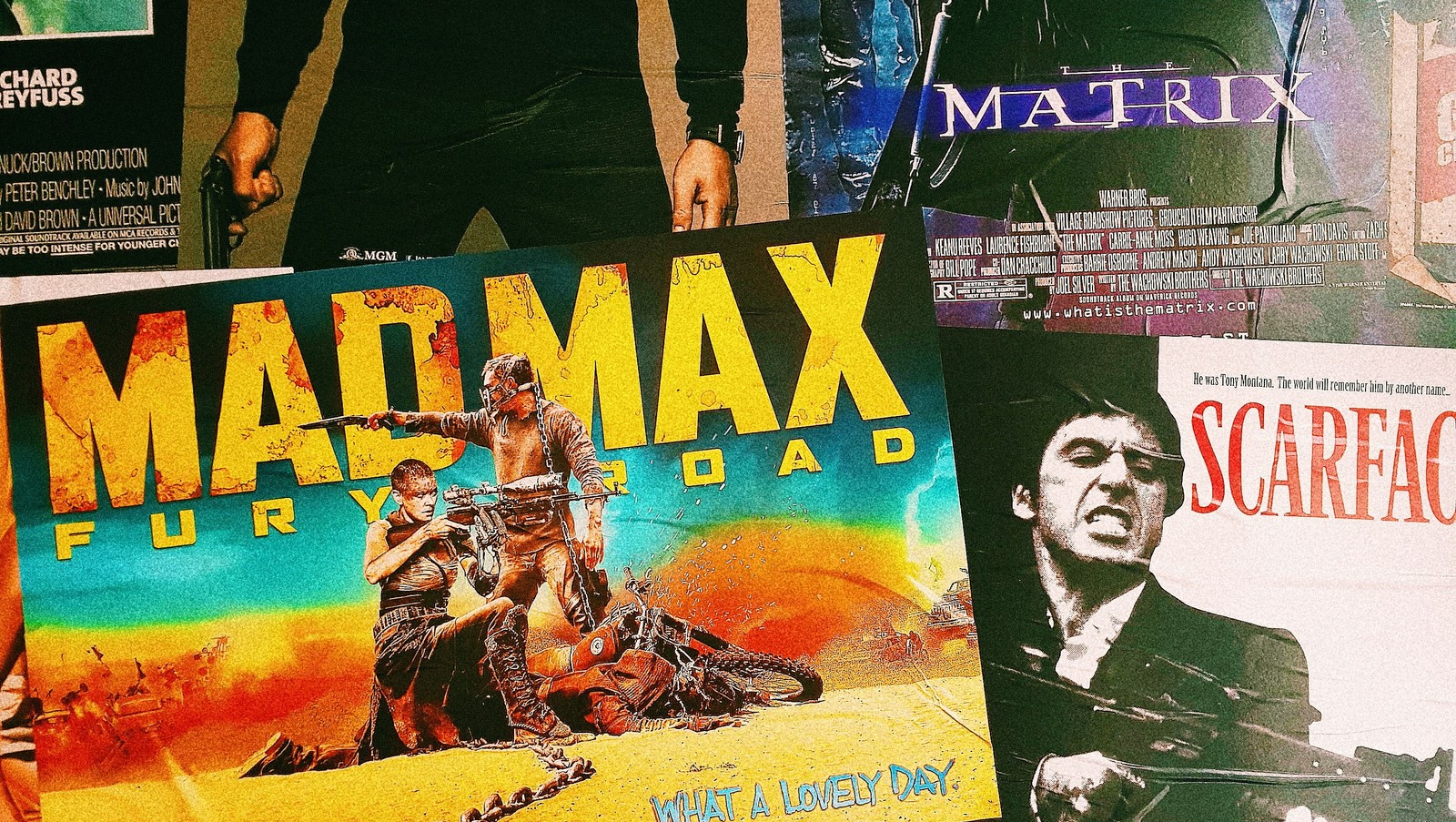
Image: Samuel Regan-Asante

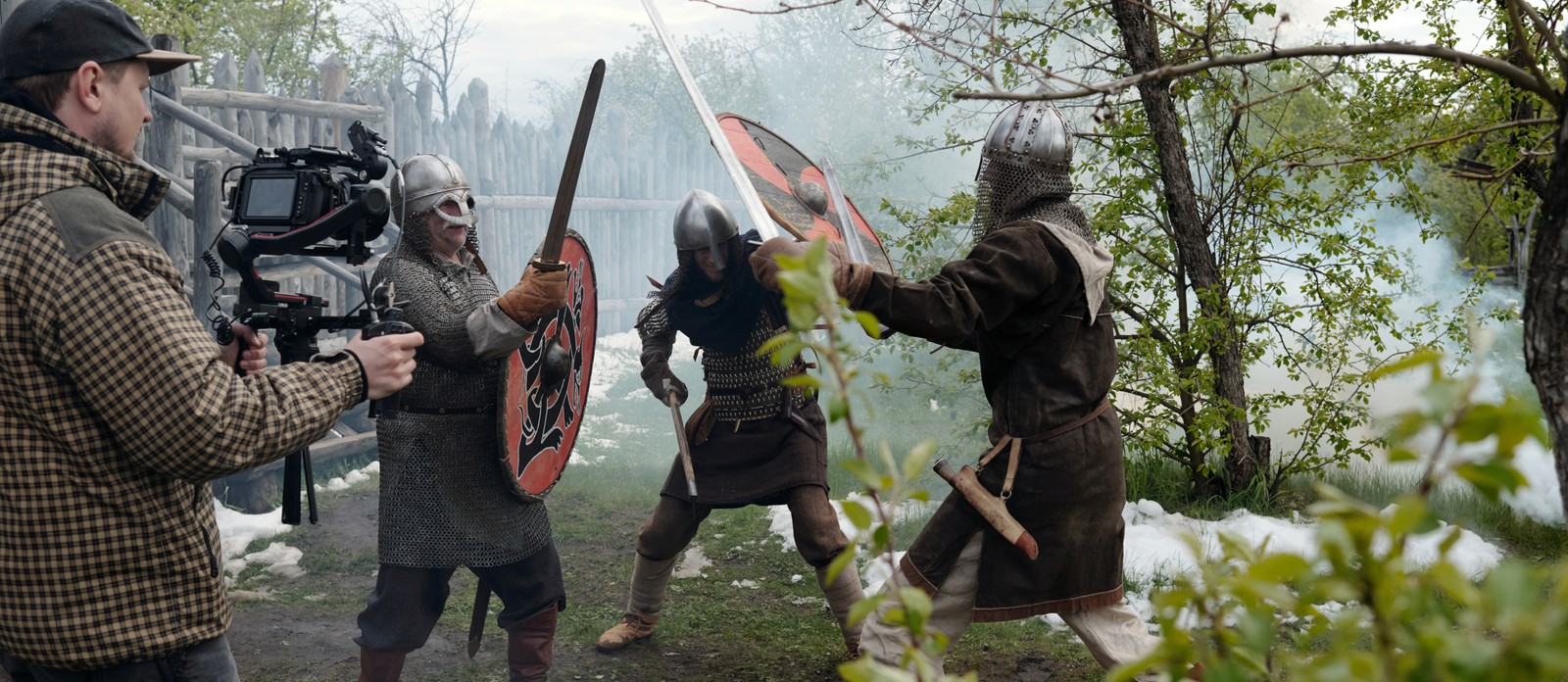
What did Martin Scorsese first think about Scarface ? What does R2-D2 mean, exactly? And what type of toy was Woody the Sheriff supposed to be, at first? The answers to these questions are some lesser-known stories behind some of Hollywood’s most memorable titles. Read on to learn a tale or two about movies we’ve all watched.

1
X-Men (2000)

Image: Alex Green

Remember the scene when Magneto and Professor X play a tense, symbolic game of chess? Well, the actors certainly do. Here’s why: Neither Patrick Stewart nor Ian McKellen knew how to play chess before filming.

So, director Bryan Singer brought in a Canadian chess Grandmaster to help design the game the two men would share by choreographing each piece's movement based on the high-strung dialogue they were having —Professor X needed to win.

2
E.T. the Extra-Terrestrial (1982)
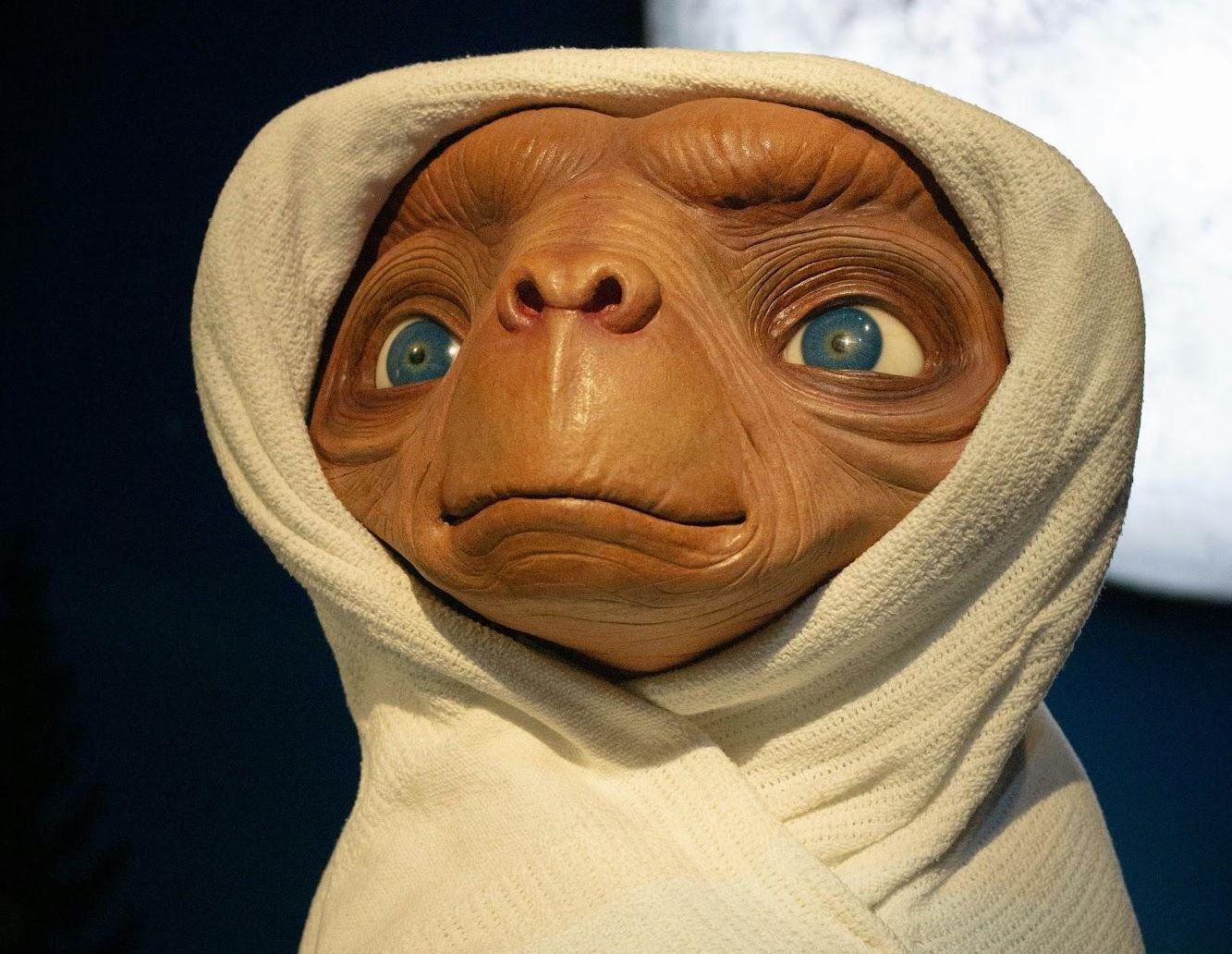
Image: Sreevishnu Nair

Did you know that E.T., the beloved extraterrestrial who wanted to phone home, was intentionally designed to have no specified gender ?

Director Steven Spielberg expressed that his intention was to define E.T. as a "plant-like" creature, neither male nor female, and that this was explicitly explained in earlier versions of the script.

However, in the film, young Elliott insists that he knows the gender of his newfound friend: "He’s a boy," he explains to his sister when she asks. The audience went along with Elliott’s interpretation, and hence E.T. is considered to be male.

3
How the Grinch Stole Christmas (2000)

Image: Alex Stone

Jim Carrey loathed the process of becoming The Grinch. Though the Dr. Seuss character was fun to play, sitting for hours and hours for makeup and costume until the green look was perfected, he said, was exhausting.

So, he was shocked one day when he arrived on set, only to find yet another Grinch ready there before him. It was none other than director Ron Howard, who had been up since 3:30 am, getting into full costume in solidarity with him.

4
The Nightmare Before Christmas (1993)

Image: Elin Melaas

Watching Tim Burton’s The Nightmare Before Christmas, one might take for granted that the stop-motion marvel took years of painstaking effort. Around 227 puppets were built for the production because each character had multiple duplicates to allow shooting on many sets simultaneously.

The protagonist Jack Skellington alone needed nearly 400 different heads to capture enough facial expressions.

5
Toy Story (1995)
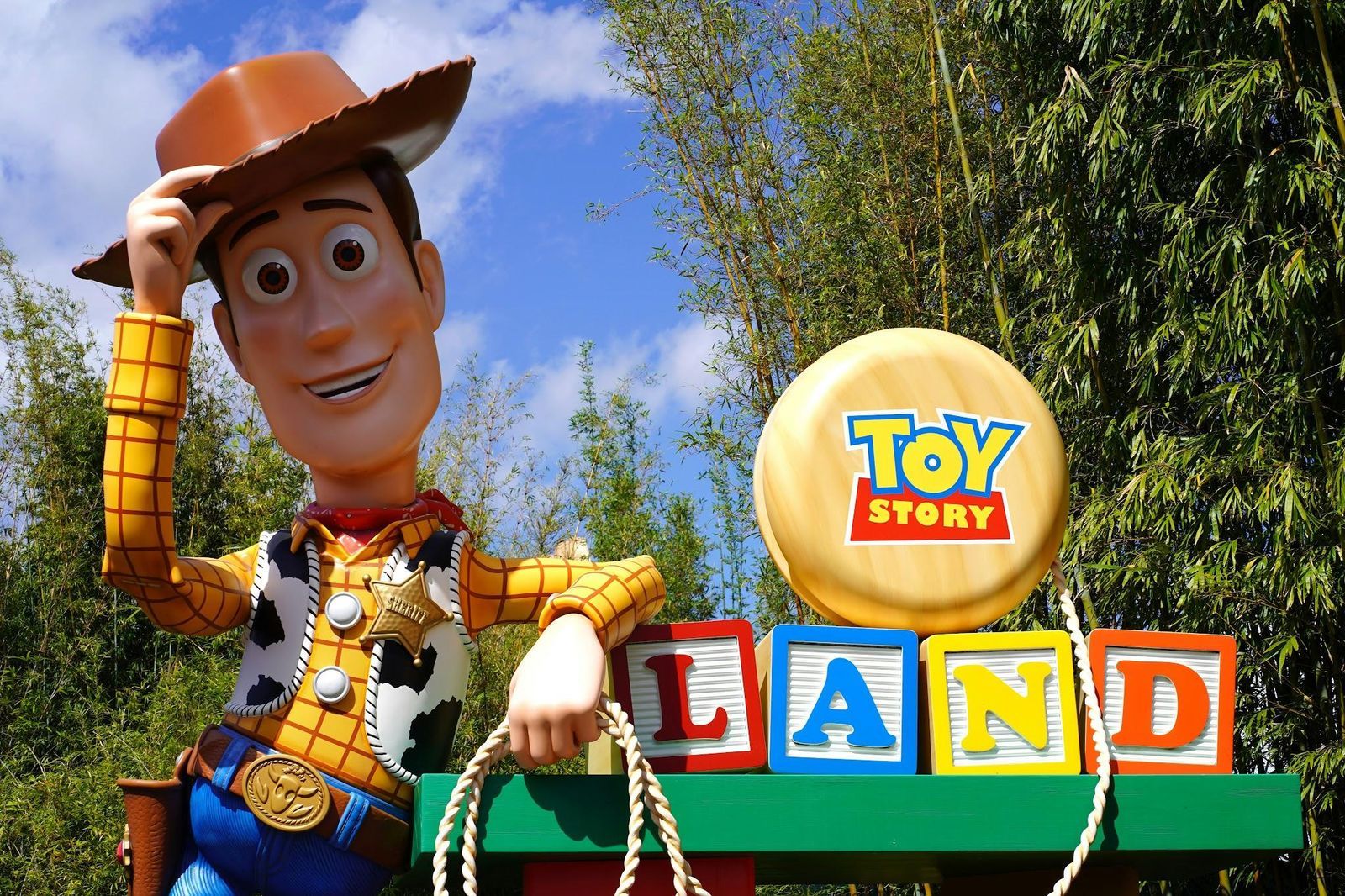
Image: Stone Hood

Even though we all recognize Woody the Cowboy, there was a time when the leading character of Toy Story was going to be… quite different.

Sheriff Woody was at first conceived as a ventriloquist dummy . But the Pixar creators thought that a softer cowboy toy would be a little bit friendlier. What do you think?

6
Star Wars: A New Hope (1977)
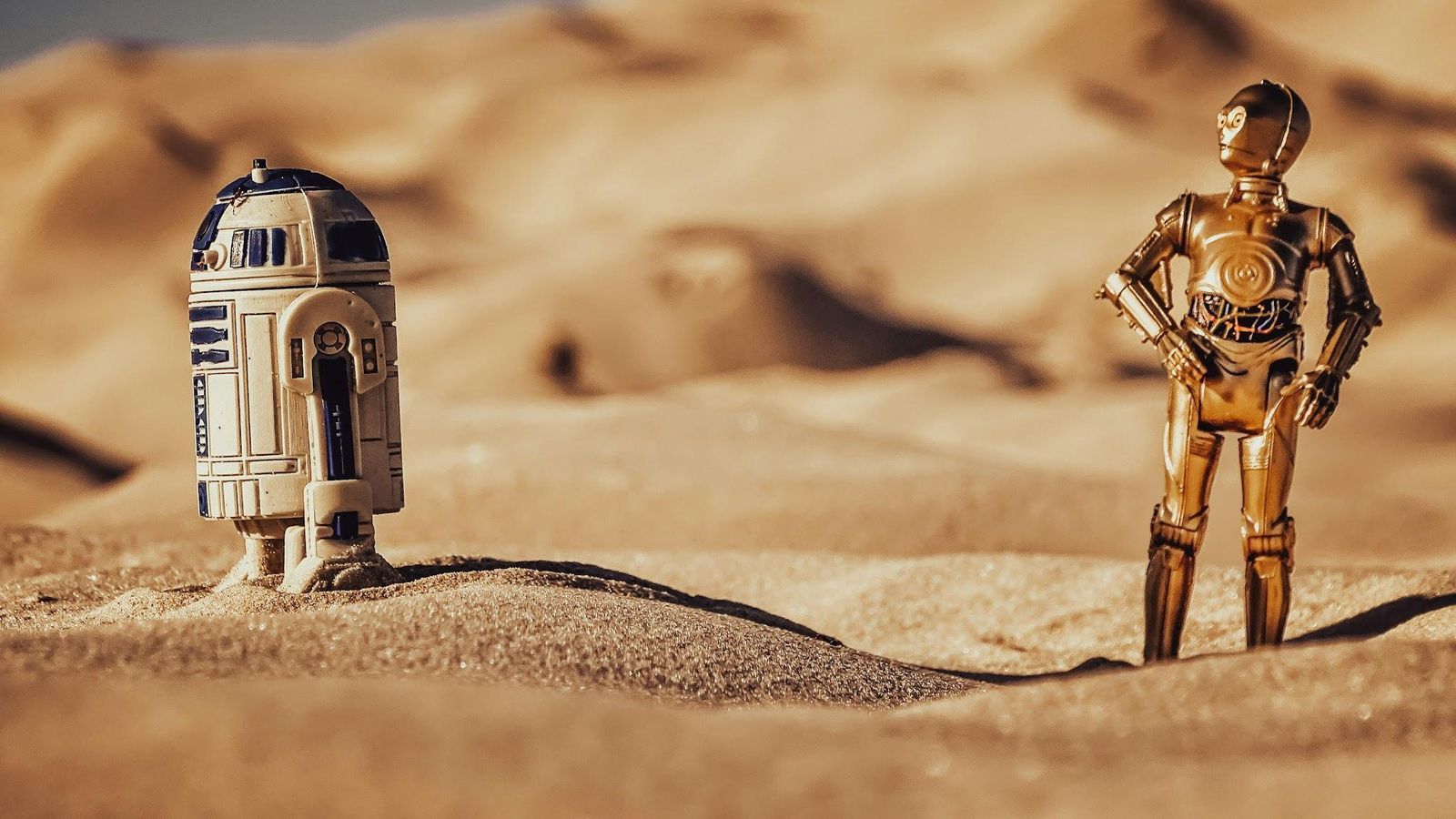
Image: Christian Maass

We all know the loyal little robot of the Star Wars world. But R2-D2’s name came about unintentionally. While filming a previous film, George Lucas had liked an abbreviation he heard his sound editor shout one day: "R2, D2".

It referred to "Reel 2, Dialogue Track 2" . But the expression sparked Lucas’s imagination.

7
Home Alone (1990)

Image: Liubomyr Vovchak

Yes, Kevin is nine years old in the movie. But most of his "dangerous" moments were handled by a 30-year-old stuntman in kid-sized clothes!

Still, some injuries were inevitable. And they didn’t come from hanging from a zipline or sliding downstairs: No, young Macauley Culkin got a scar from Joe Pesci accidentally biting his fingers too hard in one scene.

8
Interstellar (2014)
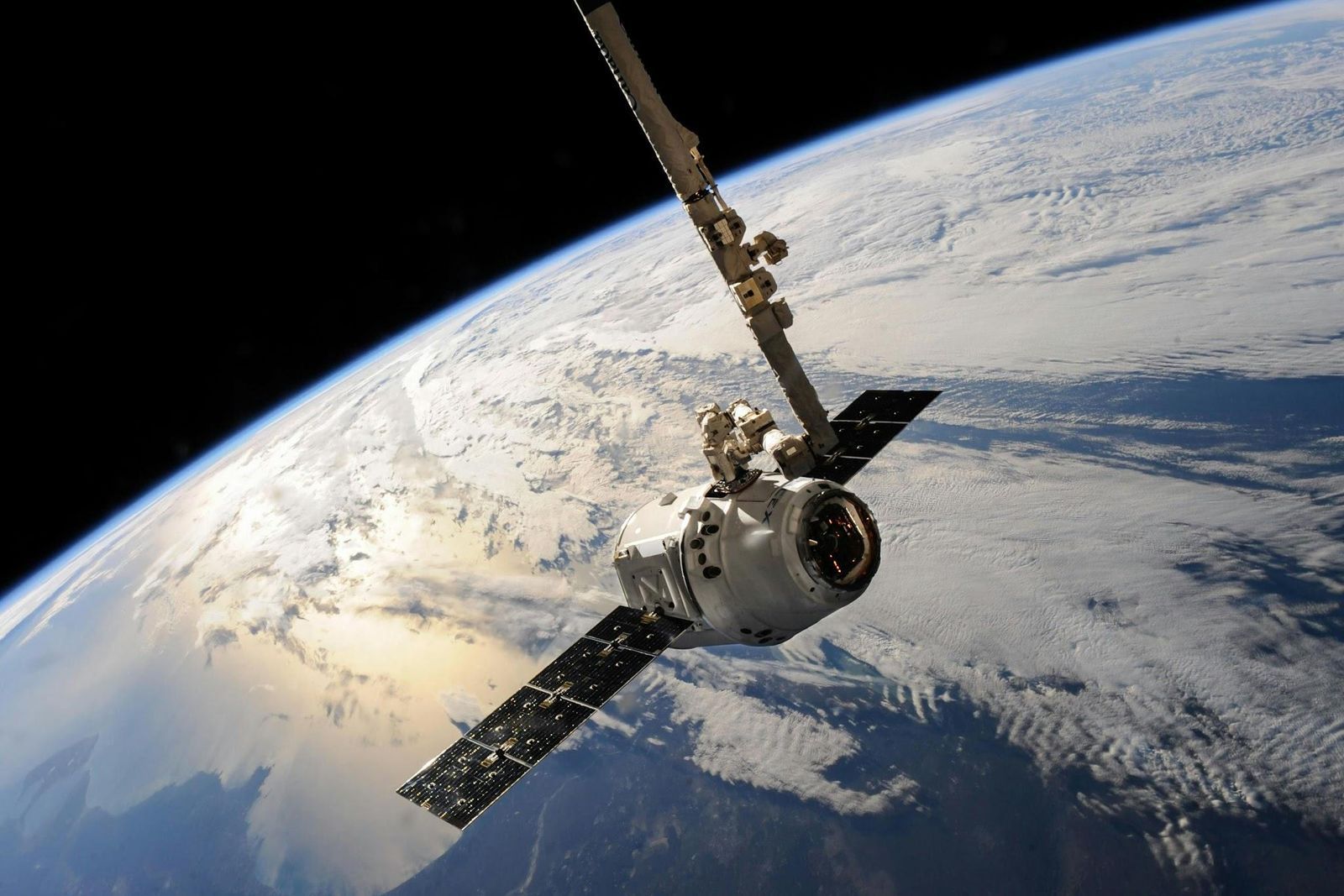
Image: SpaceX

Christopher Nolan’s Interstellar is well known for its ambitious science fiction vision. But Nolan went above and beyond with details. For example, the robot TARS wasn’t a CGI creation: it was physically built (a kind of "puppet-robot").

Plus, the space suits the actors wore were designed with functioning oxygen units and cooling tubes! Needless to say, though, all scenes were filmed on Earth.

9
The Matrix (1999)

Image: Markus Spiske

Did you know that Johnny Depp was the first choice to play Neo for The Matrix ? As an up-and-coming actor in the 90s, the writers had considered him perfect for the role. However, fate decided Keanu Reeves would take the part, and the rest was history.

Reeves didn’t have it easy, though: the Wachowskis had him read philosophical books like Simulacra and Simulation by Jean Baudrillard, Out of Control by Kevin Kelly, and Introducing Evolutionary Psychology by Dylan Evans.

10
Scarface (1983)
Image: Bryant's Juarez

After Martin Scorsese saw Brian De Palma’s Scarface, he reportedly told actor Steven Bauer: "It’s great… but they’re going to hate it ."

He wasn’t wrong. Critics did hate it, at first. They called it vulgar, excessive, hysterical, and violent. Scorsese himself had been criticized for the violence in his own work, so he recognized the pattern instantly. However, as we know, audiences eventually made it a cult classic.
Geography Geography 3 min read

Funny names

You won't believe it: Hilarious town names that actually exist in the US

Image: Sswonk, CC BY-SA 3.0, via Wikimedia Commons

Naming a city is a big deal, but not every town ends up with a name full of meaning. While some were carefully named to honor history or local heroes, others got their names by accident, tradition, jokes—or for reasons no one quite remembers! Do you know where "Hell" is located? Discover this and 9 other US towns and cities with the quirkiest, funniest names!

1
Hell, Michigan

Image: Chris Barbalis

About 15 miles northwest of Ann Arbor, Michigan, you'll find the town of Hell. While the name might not sound particularly welcoming, it's actually a playful little community that fully embraces its identity, offering tourists a range of devilish attractions. It's just that it might not be the ideal city to mention when someone asks where you're from.

2
Chicken, Alaska

Image: Sacha Bois

In the vast state of Alaska sits the peculiar town of Chicken, best known for its gold mining history. In 1902, the town needed an official name to submit to the Post Office. They originally chose "Ptarmigan," after a local bird, but couldn't agree on how to spell it. Frustrated, they settled on the much simpler "Chicken."

3
Truth or Consequences, New Mexico

Image: Maddy Baker

Located in Sierra County, along the Rio Grande River in New Mexico, you'll find the town of Truth or Consequences. Sometimes called "T or C," the town was founded in the mid-1800s and originally named "Hot Springs." But everything changed in 1950, when Ralph Edwards—popular radio and TV host—announced that he would broadcast his show, Truth or Consequences , from the first town to rename itself after the program. And that’s exactly what happened!

4
Rough and Ready, California

Image: Nicole Cavelli

Rough and Ready, California, is a town with a distinctive name and history. And in case you're wondering—the answer is yes! It’s named after General Zachary Taylor’s nickname, "Old Rough and Ready," honoring his tough reputation.

5
Ding Dong, Texas

Image: Tarun Tandon

Ding Dong, Texas, is real! It's a tiny community in Central Texas, founded in the 1930s by Zulis and Bert Bell, who ran a local store. A sign on their shop featured two bells labeled with their names and the words "Ding Dong" underneath. The name stuck, and the town was humorously named after the store.

6
Why, Arizona

Image: TALHA KHAN

There's actually a place called "Why," an unincorporated community in southwestern Arizona. The name comes from a Y-shaped intersection where State Routes 85 and 86 once met, right where the town was settled. Have you ever heard of it?

7
Whynot, North Carolina

Image: Markus Winkler

While one town in Arizona is called "Why," another in North Carolina is named "Whynot." That's right! Whynot is an unincorporated community in Randolph County. According to local stories, its name comes from a humorous moment: as townspeople debated possible names, everyone kept saying, "Why not this one?" "Why not that one?" After much debate, someone finally said, "Why not just Whynot?"—and the name stuck.

8
Accident, Maryland

Image: Noah Smith

The charming small town of Accident, Maryland, has a unique history. In the 18th century, two surveyors unknowingly worked on the same land at the same time—and accidentally ended up with identical results. That’s how the area came to be known as "The Accident Tract," which was later shortened to simply Accident .

9
Peculiar, Missouri

Image: MATHEW RUPP

Covering just about 4 square miles, the city of Peculiar is located in Missouri. While there's no single agreed-upon origin for its name, many believe it came from the frustration of those tasked with naming the town. They submitted several names to the post office, but each one was rejected as already taken. Frustrated, someone finally suggested they pick a "peculiar" name—and that’s exactly what they did!

10
No Name, Colorado

Image: Heyzeus Escribo

Maybe creativity wasn't the strongest point for the founders of No Name, Colorado. Yes, there really is a small community called No Name, located just off Interstate 70. The story goes that while the interstate was being built, the area was already settled but didn't have an official name, so they simply called it "No Name."

Geography Geography 6 min read

Territorial anomalies

There's a country within the US that was created to avoid double taxation

Image: Pin Adventure Map

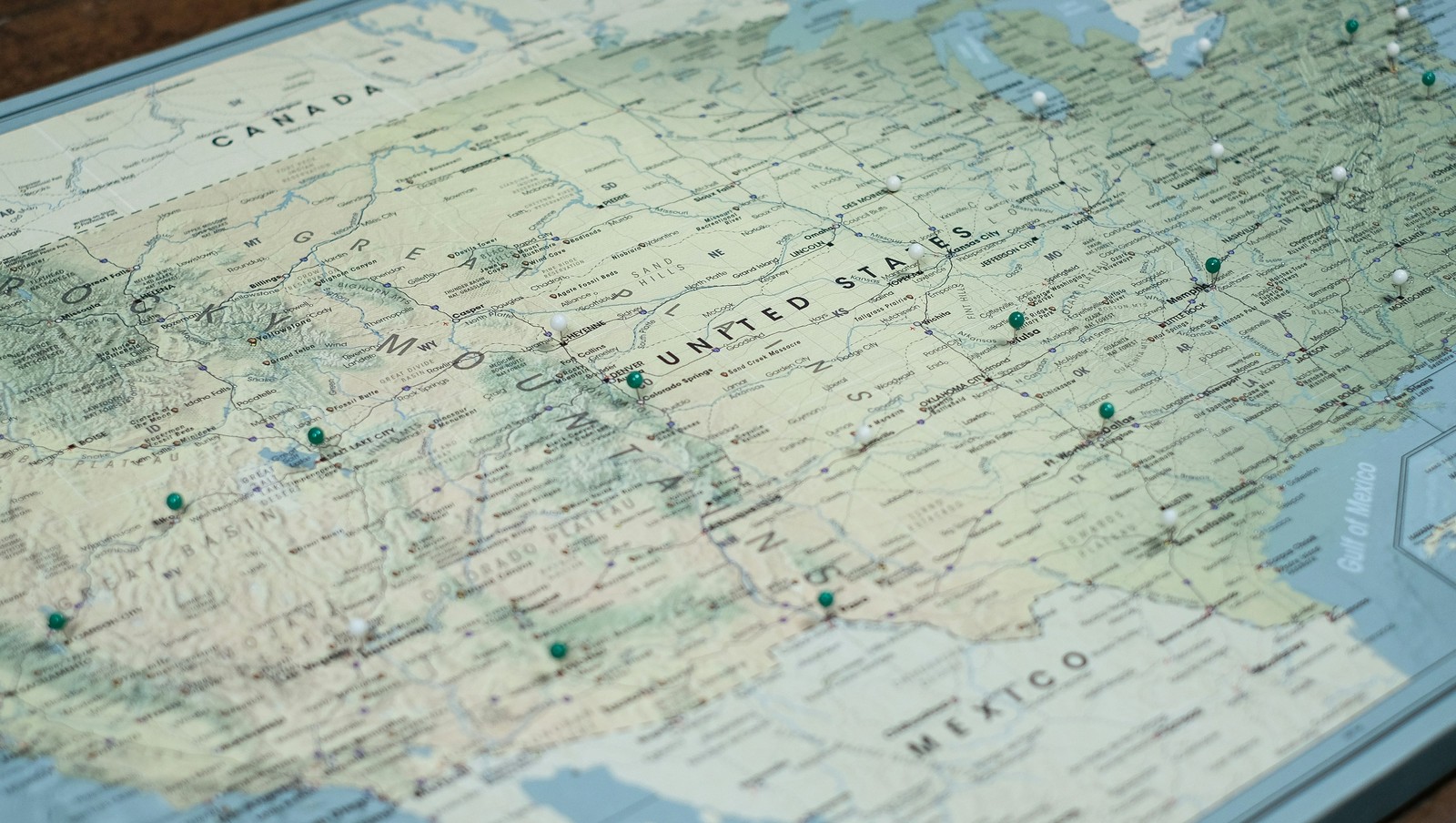
Ever thought about how the borders in our country were defined ? States that almost became official, U.S. points that are only accessible through Canada's borders, territorial feuds over taxes, and more have constructed the limits of the country we know today. Here are 10 territorial quirks you probably never knew of.

1
Point Roberts, WA: The 49th parallel accident

Image: United States Geological Survey, Public domain, via Wikimedia Commons

Imagine if you had to cross two borders just to get to the market for a gallon of milk. That’s actually a reality for residents of Point Roberts, Washington. That’s because, following the Anglo-American Convention of 1818, the 49th parallel divided Canada and the U.S. In 1846, the line was extended westward and then officially recognized by the International Boundary Commission in 1925.

However, a tiny tip of the Tsawwassen Peninsula poked out just below that line. Since then, the locals have lived in a boundary quirk. To get to the rest of Washington State by land, they must drive through Canada, show their passports, and do it all over again on the way back.

2
Statue of Liberty: Common misconception

Image: Mohamed Osama

If you want to start a friendly argument at a dinner party, ask whether the Statue of Liberty lives in New York or New Jersey. The funny thing is, both answers are technically right . While the statue physically sits in the waters of the Garden State, Liberty Island is legally an exclave of New York. This dates back to a 1664 land grant by the Duke of York in a document so vague and confusing that it took a 1834 Compact between the two states to settle the deal. New Jersey gets the water and the submerged lands, but New York keeps the monument.

However, the Federal Government actually manages the site through the National Park Service (NPS), providing security and maintenance.

3
The State of Franklin: Failed 14th state

Image: Bennett1203, CC BY-SA 4.0, via Wikimedia Commons

If you think Tennessee was the 14th state to join the Union, there’s a catch. Before Tennessee, there was Franklin. In 1874, three counties in North Carolina felt neglected by their government and decided to strike out on their own . They even elected a governor, John Sevier, and printed their own money. They came just two votes short of being recognized by Congress as a formal state. Eventually, things got heated, and North Carolina sent troops, leading to a small civil war between the locals. By 1879, the dream of Franklin was dead and buried, and the territory became part of Tennessee.

4
Kentucky Bend

Image: Brian Stansberry, CC BY 4.0, via Wikimedia Commons

If you look closely at a map, there’s a piece of Kentucky that looks like it doesn’t belong. That’s the Kentucky Bend, also called the New Madrid Bend, a tiny peninsula in Fulton County that is almost completely separated from the rest of the Bluegrass State . The strange situation was the consequence of the massive series of earthquakes that took place in that area between 1811 and 1812, which were so violent they famously caused the Mississippi River to flow backwards for several hours. When the dust settled, the river had carved a new path that looped around this small patch of land, surrounded by Missouri and Tennessee instead of Kentucky. The 9 residents living there today go through Tennessee just to get to their home state.

5
The State of Deseret: The empire that almost was

Image: Carl Radefeld (cartographer); Joseph Meyer (publisher), Public domain, via Wikimedia Commons

Imagine a state so big it makes Texas look tiny. That almost happened back in 1894, when Mormon pioneers proposed the State of Deseret. The territory comprised what we now know as Utah, most of Nevada, parts of Arizona and Colorado, and a massive chunk of the California coast, including San Diego.

Had it been formalized, it would have been a powerhouse with its own seaport and total control over the West. However, Washington, D.C. wasn’t so keen on one group having that much territory and power, so they whittled it down, and we ended up having the states we know today.

6
The lawless "No Man's Land"

Image: Steve Shook from Moscow, Idaho, USA, CC BY 2.0, via Wikimedia Commons

Have you ever wondered what happens when two governments simply give up on a piece of land? Between 1806 and 1821, there was a strip of land in what is now western Louisiana that was, literally, No Man’s Land. Neither the U.S. nor Spain, which owned part of the territory, could agree on the border, so they declared it "Neutral Ground" to avoid armed conflicts . The plan backfired as, with no laws to contain it, it quickly became a favorite for the outlaws in the West —meaning deserters and bandits hiding there were legally untouchable. The conflict was resolved by the 1819 Adams-Onis Treaty, which officially set the Sabine River as the legal boundary.

7
The Republic of the Indian Stream

Image: Jon Platek, CC BY-SA 3.0, via Wikimedia Commons

In the early 1830s, people living in a small area between New Hampshire and Quebec were fed up, and in this case, taxes were the problem. Both Canada and the US were trying to collect taxes, and nobody likes being double-billed . In 1832, the residents essentially said "neither of them can tax us" and formed their own country called the Republic of the Indian Stream. They had their own constitution and Capitol for four years, until 1836, when the militia marched on the disputed territory to reclaim the land. It wasn’t until 1842, when the land dispute and the double-taxation was definitively resolved by the Webster–Ashburton Treaty, which assigned the land to New Hampshire.

8
The Northwest Angle: Mapping mistake of 1783

Image: Lorie Shaull, CC BY-SA 4.0, via Wikimedia Commons

When the Treaty of Paris was signed in 1783 to end the Revolutionary War, the mapmakers used a chart that was flat-out wrong. They thought the Mississippi River started much further north than it actually did. Because of that mistake, a piece of Minnesota got cut off from the rest of the country . To this day, the "Northwest Angle" is the only place in the lower 48 states north of the 49th parallel. Much like Point Roberts, you have to cross a massive lake or drive through Canada just to visit it.

9
The District of Columbia’s "lost" corner

Image: Tim Mossholder

If you look at a map of D.C., you’ll notice it’s missing a chunk; it’s not a perfect square as it was originally intended. Originally, the capital was a perfect ten-mile square diamond , taking land from both Maryland and Virginia. But by 1846, things got tense. Residents in the Virginia portion, which included Alexandria and Arlington, were worried the federal government would abolish slavery in the District, which was the backbone of their economy. They successfully petitioned to have Virginia "take back" that portion of the land and subsequently changed the shape of the national capital forever.

10
UN Headquarters: International territory

Image: LPulecio-WMF, CC BY 4.0, via Wikimedia Commons

If you want to feel international, go to the United Nations Headquarters on the East River in midtown Manhattan, New York. Once you cross that gate onto the 18-acre site, you are technically leaving the United States. You don’t need to show your passport, but that’s international territory, which means it has its own laws , its own security force, and even its own postal service. It is a legal hole in the middle of New York City.

Explore more American facts

Choose your favorite category!

General
General

As American as apple pie—the very best America has to offer!

Culture
Culture

Delve into the astounding richness of American lore.

Geography
Geography

Hop in and explore vast and diverse American landscapes.

History
History

Discover the key moments that shaped the United States.