Geography Geography 3 min read

Michigander, Michigoose?

Accidental, Lanstronaut, Yooper: 10 popular demonyms

Image: Hans

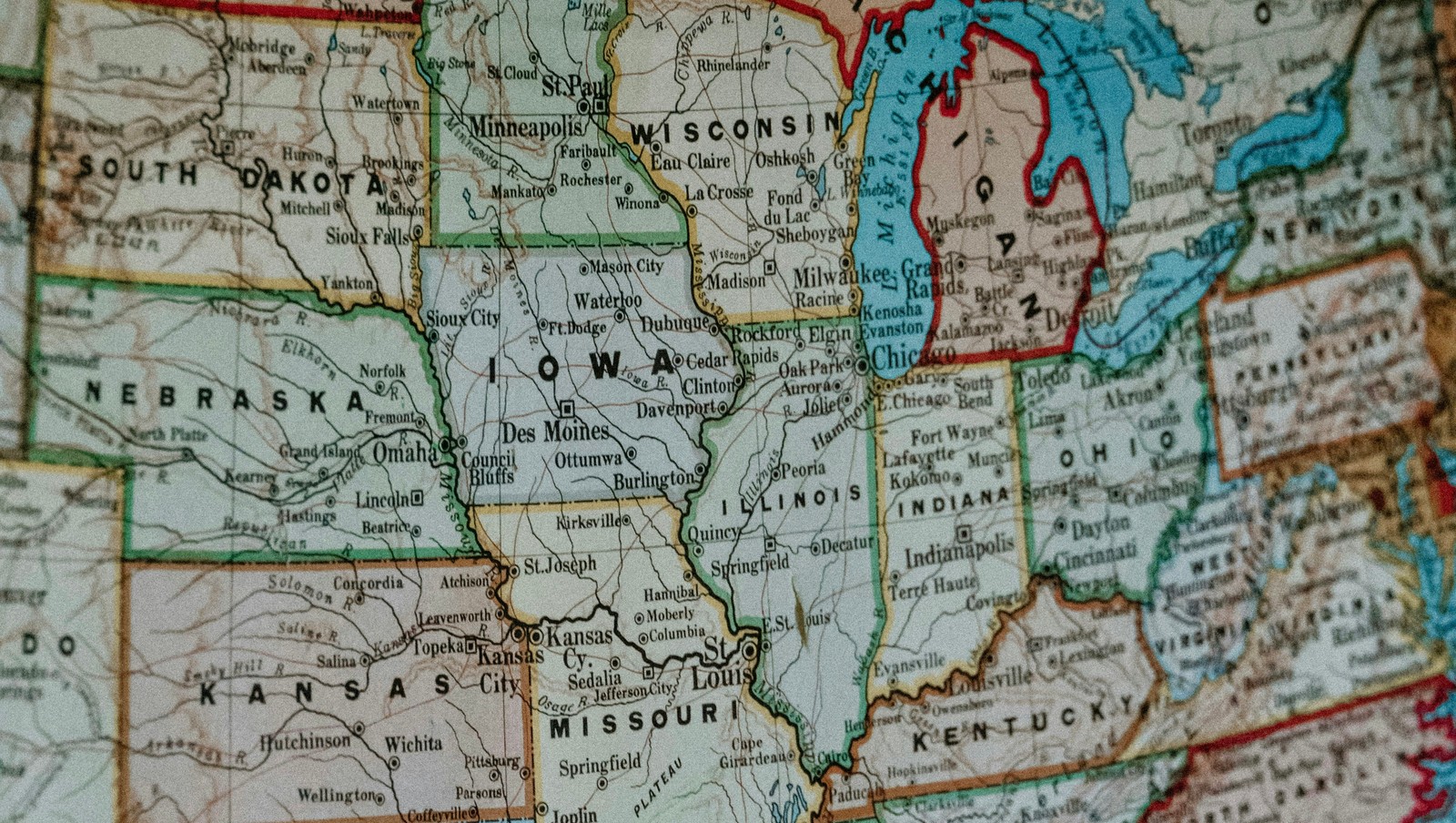
Demonyms, or the names that identify your place of origin, can be tricky. In the United States, some demonyms have an official status —those of states, for example—while others are a product of use and tradition. Unofficial demonyms or nicknames are also common, and sometimes more widely used than the official version. Let’s have a look at some of them!

1
Hoosier
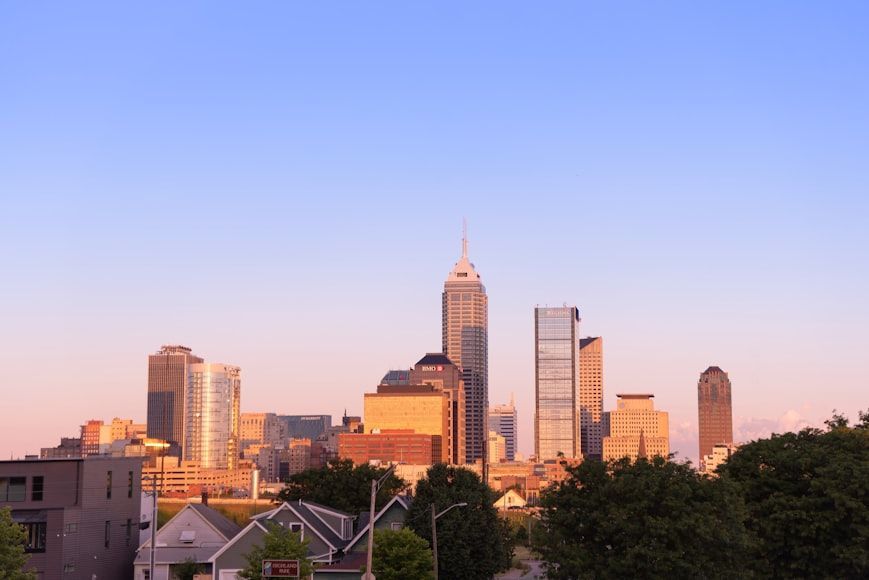
Image: Corbin Mathias

Until recently, the United States Government Publishing Office (or USGPO) still recommended Indianian as the demonym for the state of Indiana, but its residents have been calling themselves Hoosiers for nearly two centuries. While no one really knows where the term originated, it was popularized by John Finley’s poem "The Hoosier's Nest", and Indiana has long been known as "The Hoosier State".

2
Bay Stater
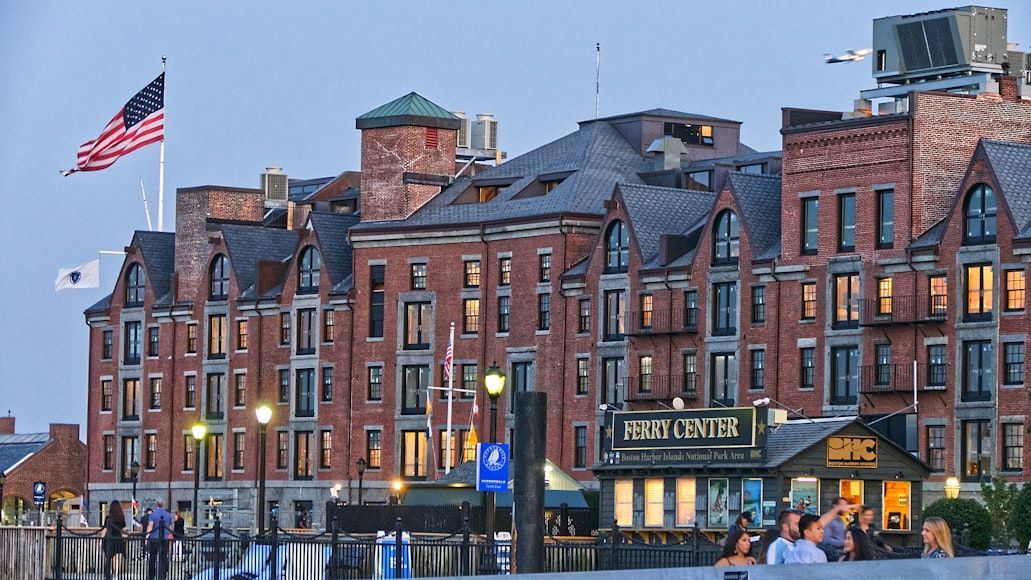
Image: Pascal Bernardon

The USGPO might recommend the use of Massachusettsan , but the people of Massachussets strongly disagree. State laws and regulations officially refer to its residents as Bay Staters , after a common nickname for the state. Given that Massachusetts is formally a Commonwealth, the law also uses the phrase Citizen of the Commonwealth , but it's kind of a mouthful for everyday purposes. We’ll stick with Bay Stater.

3
Accidental
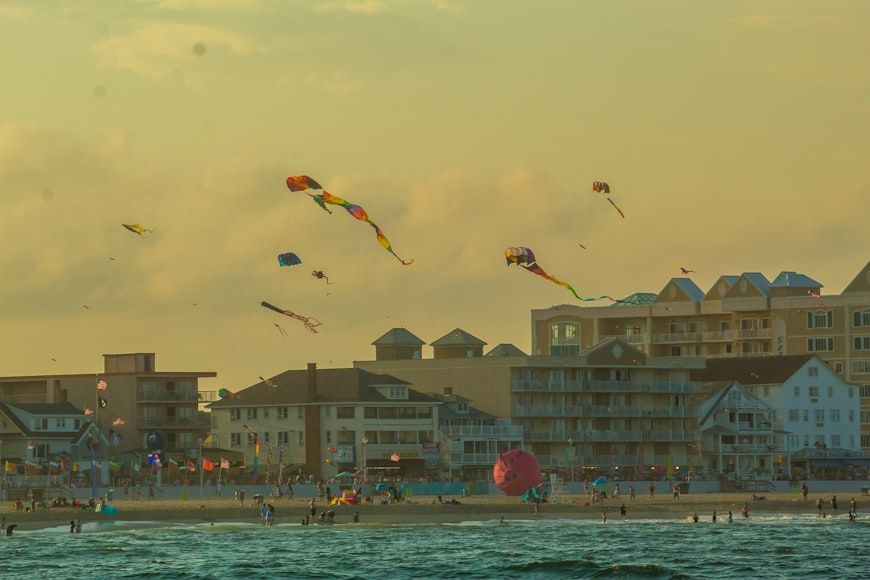
Image: Jeff McLain

One of the earliest settlements in Maryland, the town of Accident is not very big, but it makes up for it with its peculiar name. Naturally, the corresponding demonym for its residents is Accidental , though some sources also claim that the citizens of Accident are to be called Accidents .

4
Granite Stater
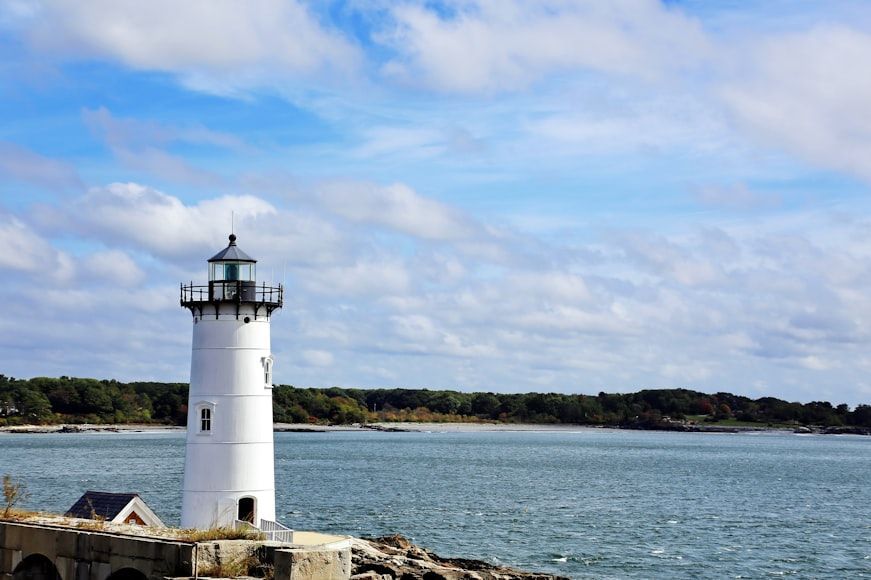
Image: Mark König

Much like Bay Staters, the residents of New Hampshire tend to disagree with the USGPO when it comes to their demonym. The official version is New Hampshirite (for the Federal Government, at least ), but locals favor the term Granite Stater , derived from New Hampshire’s nickname, "The Granite State".

5
Truth-or-Consequencesan
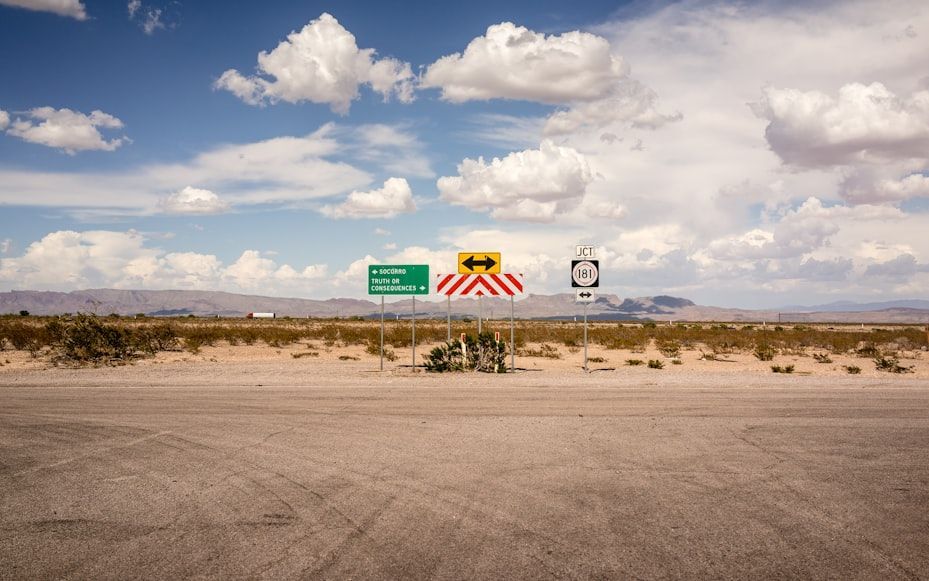
Image: Lachlan Donald

When the town of Hot Springs, New Mexico, decided to change its name to Truth or Consequences for a radio show contest, they either forgot to consider their new demonym or didn’t really care. While they are technically Truth-or-Consequencesans , they refer to the town as T or C, so they say that they are Residents of T or C .

6
Phoenician
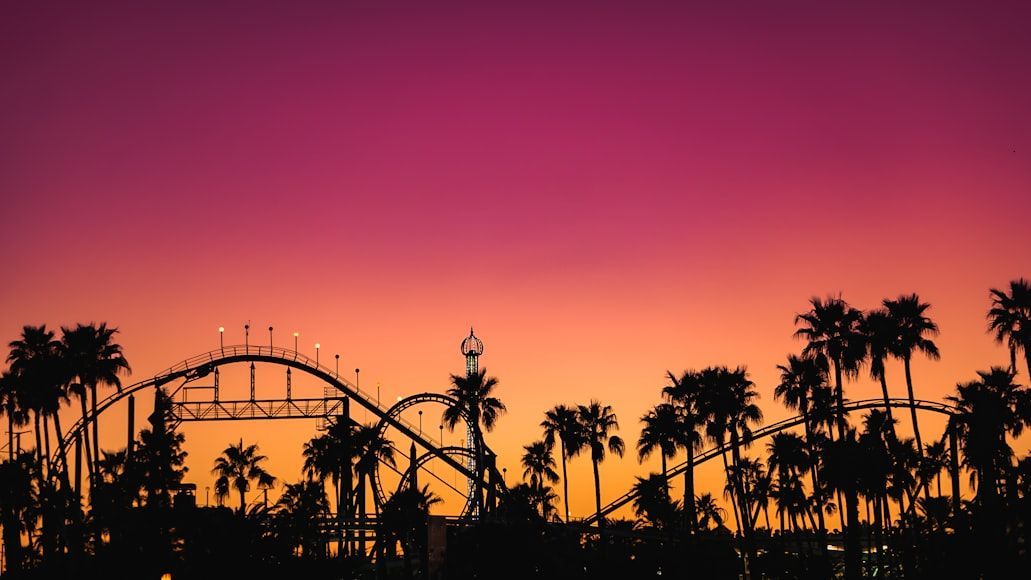
Image: iStrfry , Marcus

Weren’t the Phoenicians an ancient civilization that created the earliest form of our alphabet? Yes, but those lived in ancient Phoenicia. The Phoenicians we are talking about are the residents of Phoenix, Arizona. Some claim that Zoner and Zonan are also common nicknames, but those could be used for any Arizona resident.

7
Nutmegger
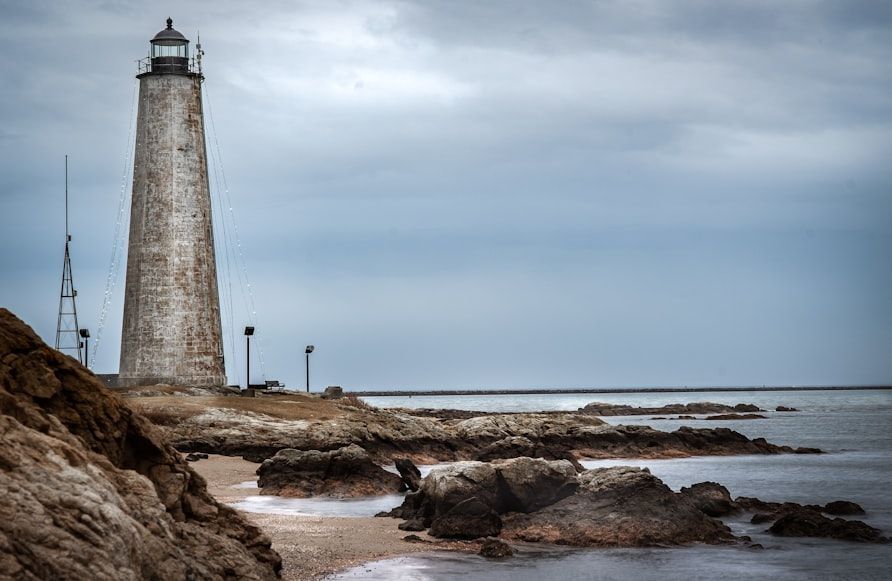
Image: julio angel berroa

Connecticut might be officially known as "The Constitution State", but it’s also called "The Nutmeg State". The origin of this nickname varies according to the sources, but most point to a common scam where Connecticut peddlers would sell wooden nutmegs as the real thing. No matter the story, many Connecticut residents favor the demonym Nutmegger over the USGPO-recommended Connecticuter .

8
Yoopers
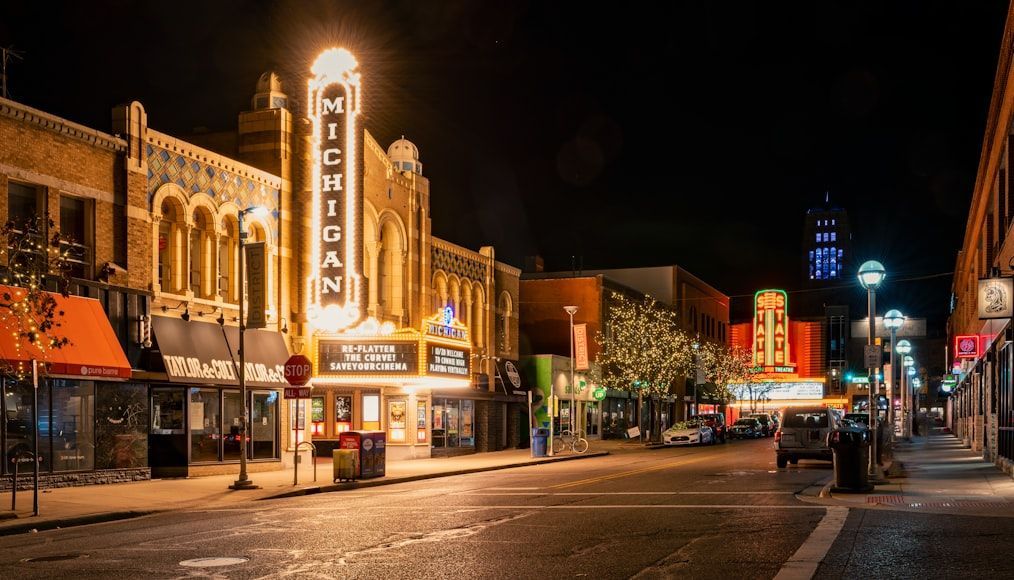
Image: Brad Switzer

Let’s be frank, some of the less-used variants for Michigan’s demonym sound really funny: think Michiganese , Michigine , and Michigoose (as a female version for Michi_gander_). But official names aside, residents of Michigan’s Upper Peninsula commonly refer to themselves as Yoopers , a derivative of U.P. (Upper Peninsula). Rumor has it that they call those from the Lower Peninsula Trolls , because they live ‘under the bridge’, but we can’t attest to this being true.

9
Jayhawk
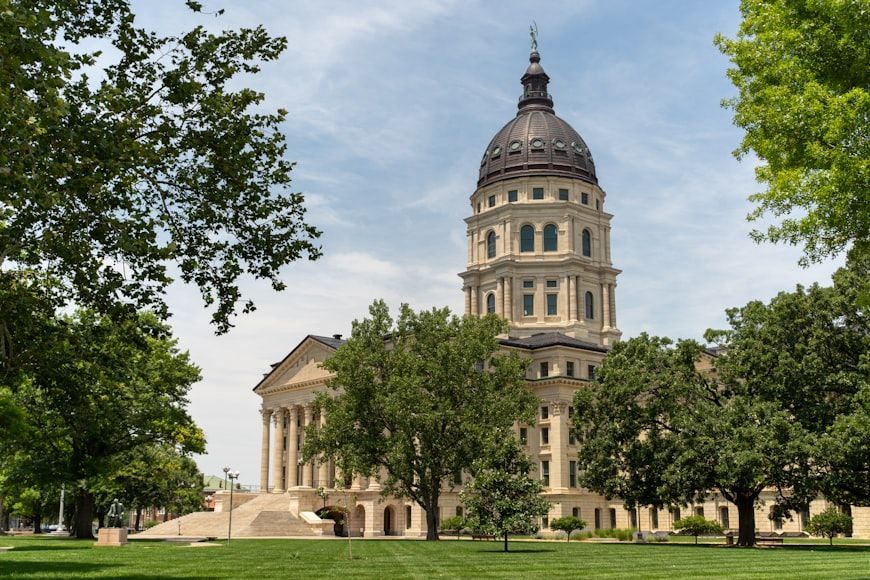
Image: Nils Huenerfuerst

Nowadays, Jayhawk is a common way to refer to residents from Kansas, but this term didn’t always have a positive connotation. Its original form, Jayhawker, used to refer to thieves, and was used derogatively by Confederates to talk about the anty-slavery militias from Kansas. After the Civil War, Kansans appropriated the term as a memento of their state’s contributions to the war.

10
Lanstronaut
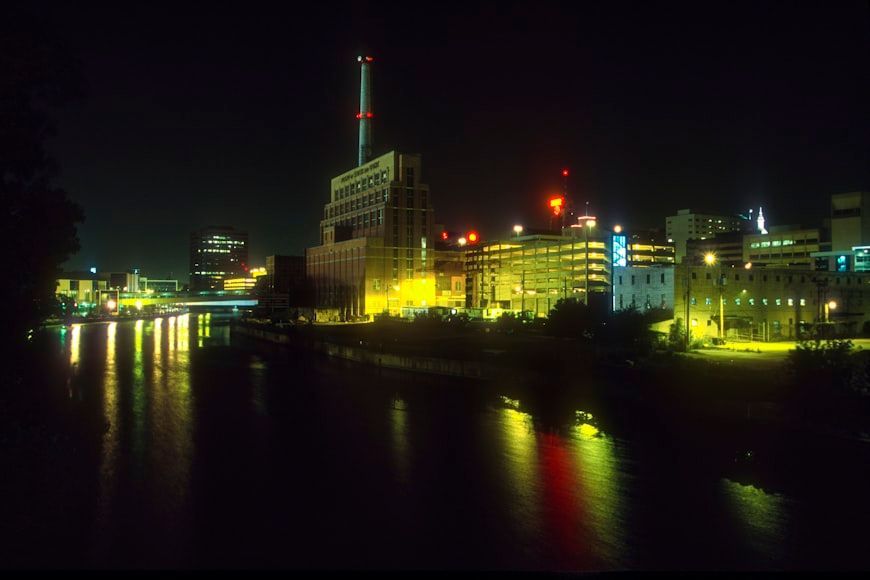
Image: Mick Haupt

Officially, if you live in Lansing, Michigan, you are a Lansingite . However, many Lansing residents have taken to using the term Lanstronaut in recent years, despite Lansing having more to do with the car industry than with space.

Culture Culture 5 min read

Yes, that was normal

These old childhood rules and traditions would shock parents today

Image: Rohan Mathur

There was a time when childhood looked very different. Often unsupervised, kids would roam, explore, improvise, and occasionally scare their parents half to death. Cultural norms have changed, and many of the routines and traditions that once defined the all-American childhood now seem reckless . Let’s look at some of them and see how drastically things have changed.

1
Leaving with your bike in the morning and coming back for suppertime

Image: Carl Tronders

For a few generations of American kids, a bicycle meant freedom. From the 1940s through the 1980s, children often left home after breakfast with little more than a vague instruction: "Be back before dinner."

Neighborhoods were informal safety nets, and kids were free to navigate them without phones or GPS trackers.

2
Foraging fruit from neighbors’ yards

Image: Libby Penner

It was a risky gamble: Picking and eating fruit from unknown plants in your neighborhood could result in a yummy treat…or abdominal trouble.

There was a time when kids freely grabbed berries, apples, or other fruit growing along sidewalks or in neighbors’ gardens. Today, property boundaries have grown, and kids are reminded not to forage without permission.

3
Riding public transportation alone

Image: Vitolda Klein

For much of the 20th century, it wasn’t unusual for children as young as 7 to ride buses, subways, or streetcars alone, especially in large cities like New York, Chicago, and Boston.

Kids commuting to school independently was considered a practical life skill. Parents expect children to learn responsibility through real-world experience , handling routes, change, and unexpected delays.

4
Roller coasters had no belts and no headrests

Image: Tore Odiin

Do you have memories of rickety rollercoasters? You might correctly remember that earlier rides were thrilling in ways that might give modern safety inspectors pause.

Many of the rides made popular in the 50s relied primarily on simple lap bars and operated with minimal restraints. Designers assumed riders would hold on tightly. Safety rules have evolved drastically since then, and now we have over-the-shoulder harnesses and improved lap restraints.

5
Walking miles to a friend’s house alone

Image: Ansis Kančs

Kids routinely walked long distances across neighborhoods or even between towns without adult accompaniment, guided by landmarks and memory. While this independence helped build confidence, it also reflected a different perception of risk.

6
Not ringing the bell: just yelling your friend’s name from outside

Image: the blowup

Before texting "I’m here" or coordinating playdates through apps, kids often announced their arrival the old-fashioned way: by standing outside and shouting a friend’s name.

Front yards, sidewalks, and porches acted as social hubs where everyone recognized familiar voices. As concerns about privacy, safety, and structured schedules grew with the years, the casual shout-from-the-street culture slowly disappeared.

7
Spending long days at the beach without adults

Image: Gaëtan De Cuyper

Surf culture in places like California and Hawaii, as well as East Coast boardwalk towns, normalized groups of kids swimming, riding the waves, and returning home only at sunset.

Public beaches were seen as community environments where lifeguards and familiar locals provided informal oversight . Today, increased safety standards, liability concerns, and changing parenting norms mean most children visit beaches with close adult supervision.

8
Exploring woods alone

Image: Joshua Earle

Few children who lived near a forest or rural area could resist the pull to explore it, either alone or with friends. Building forts, climbing trees, and learning their way around nature were influenced by scouting movements and postwar ideas about resilience and independence.

Psychologists today even describe this kind of unstructured outdoor play as beneficial for creativity and risk assessment skills. However, modern concerns about safety, traffic, and environmental hazards have reduced opportunities for unsupervised exploration.

9
Staying home alone or being babysat by older siblings

Image: Kelly Sikkema

The rise of the "latchkey kid" became especially visible in the United States during the 1970s and 1980s, when increasing numbers of dual-income households, or single-parent homes, meant children returned home from school to empty houses.

Many kids carried house keys, prepared snacks, and entertained themselves until their parents finished work. Today, research on changing childhood independence shows that unsupervised play and autonomy have significantly declined compared to previous generations.

10
Collecting glass bottles for some cents back

Image: Lacey Williams

Long before recycling bins appeared on every curb, kids learned about value through bottle returns. Soda and milk bottles carried deposits, and children would collect empties from their own homes or even from neighbors to trade for a few coins at local stores.

It was a first taste of earning money independently, although it often funded candy purchases or comic books.

11
Climbing trees or rooftops, unsupervised

Image: Victória Kubiaki

When you are a kid, climbing a tree is decidedly an adventure. There was a time when this was considered a universal childhood activity in America, even encouraged as a playful challenge, since mid-century parenting often embraced manageable risk.

But current safety standards and greater awareness of injury risks have dramatically reduced these kinds of unsupervised play environments.

12
Casually hanging out in abandoned buildings

Image: Ljubica

Another tempting area for children happened to be empty lots, half-built structures, and abandoned buildings . It was difficult to keep out curious and brave kids. This pastime is not entirely eradicated today, although it seems to be teenagers or young adults who engage in it.

13
Riding in cars without seatbelts

Image: Anton Luzhkovsky

For decades, families piled into cars without buckling up, simply because seatbelts weren’t standard equipment. Although basic seatbelt designs existed earlier, widespread adoption didn’t begin until the late 1950s and 1960s.

Even then, many Americans resisted using them, seeing belts as unnecessary or uncomfortable . Laws requiring seatbelt use didn’t become common until the 1980s and beyond, meaning generations of kids grew up riding freely in the back seat.

14
Playing in flooded streets after a storm

Image: Ayla Meinberg

Children once treated flooded streets like temporary playgrounds. Heavy rain expanded the available activities for a suburban child. They could splash barefoot through puddles or float makeshift boats down rushing gutters.

Over time, public health campaigns highlighted dangers such as contaminated runoff, hidden debris, electrical hazards, and traffic risks. Enough to scare modern parents!

General General 6 min read

Hidden from the public

What's hidden beneath the National Mall? It's not what you think

Image: Sonder Quest

Cities like Washington, DC, Philadelphia, and Boston feel so famous that it’s easy to think there’s nothing left to discover in them. But with centuries of history behind them, they’re full of secrets most people never learn about. From underground tunnels linking iconic buildings to hidden rooms inside famous landmarks, today we’re uncovering 10 hidden spots and historical secrets of the cities you thought you knew.

1
National Mall’s hidden tunnel (Washington, DC)

Image: Samuel Girven

The National Mall landscape in Washington, DC, is so familiar that it’s hard to imagine anything hidden beneath it, but there is more going on below the surface than most visitors realize.

Beneath parts of the Mall, a network of underground tunnels connects buildings like the Smithsonian Institution Building, a.k.a "The Castle", with other Smithsonian facilities, including the National Museum of Natural History. They’re mainly used for utilities, secure staff access, and behind-the-scenes operations that keep the museums running smoothly.

2
Mount Rushmore’s secret chamber (Keystone, SD)

Image: Uniq Trek

When you look at Mount Rushmore, the first thing you notice is the four faces of George Washington, Thomas Jefferson, Theodore Roosevelt, and Abraham Lincoln, but there’s more than meets the eye. Hidden behind Lincoln’s head is a secret chamber known as the "Hall of Records," a place visitors have rarely ever seen. It was the idea of sculptor Gutzon Borglum, who imagined it as a grand room to hold important US documents and tell our story as a country. Construction began with that goal, but the project was never completed. Today, the chamber remains unfinished, but it's there, waiting to be visited someday.

3
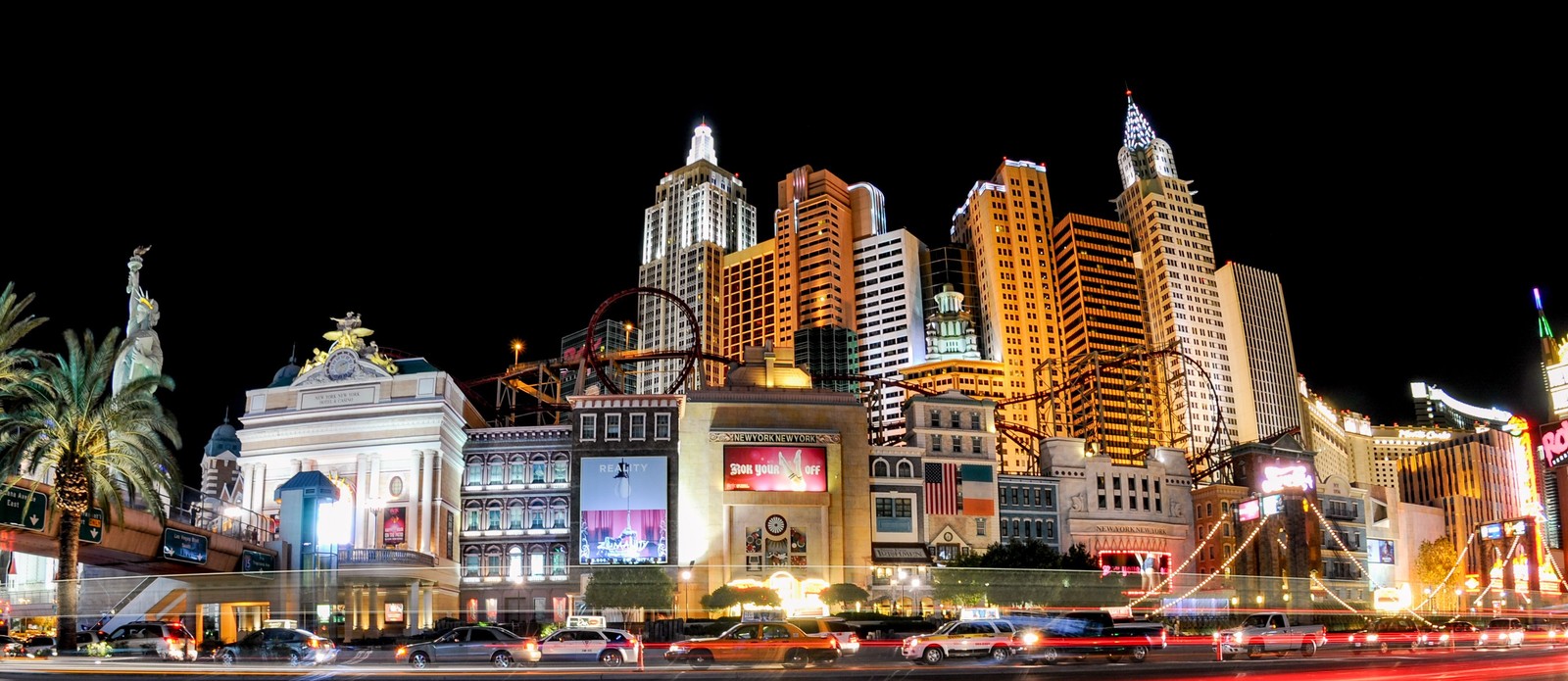
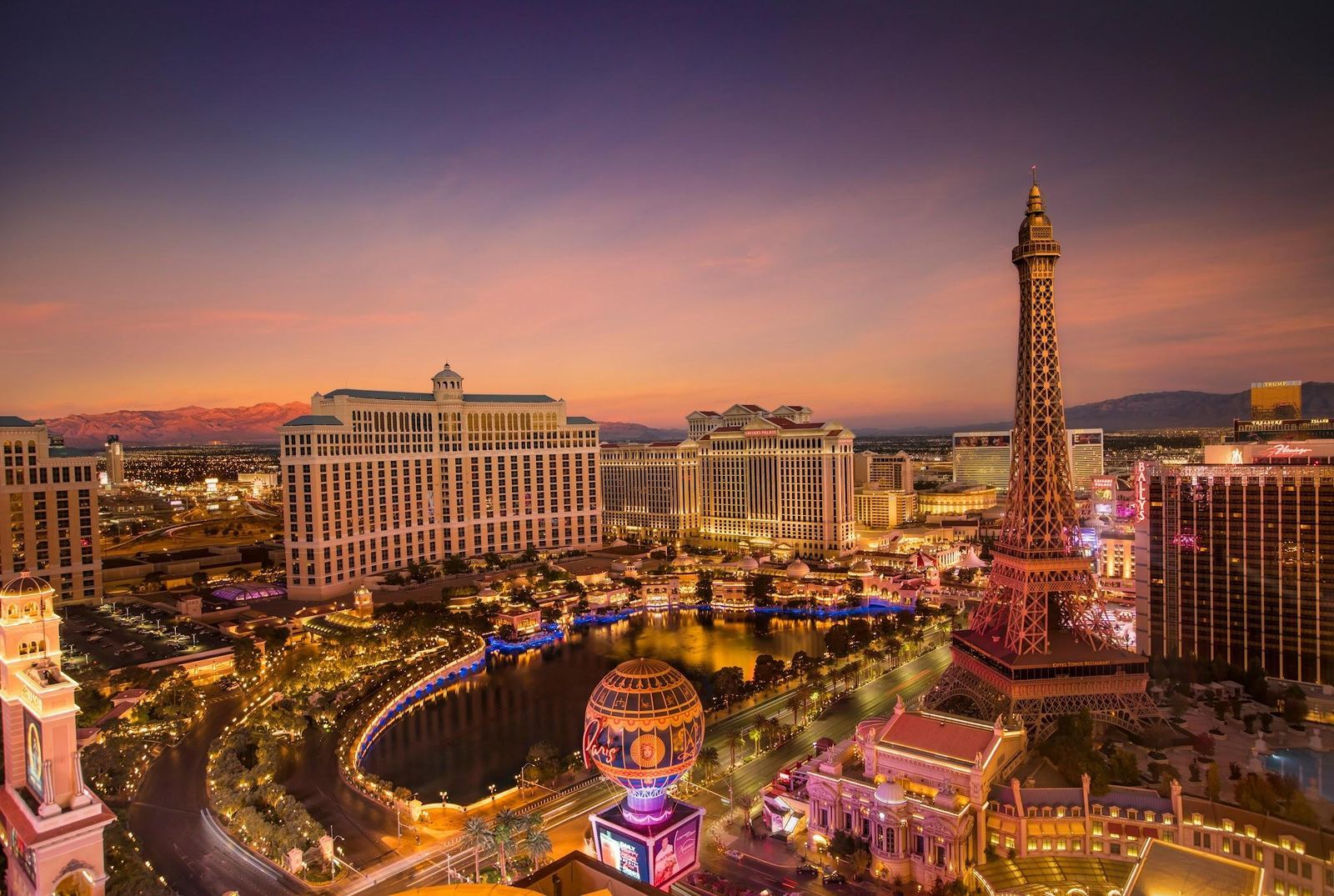
The Las Vegas sign is in another city (technically, Paradise, NV)

Image: Sung Shin

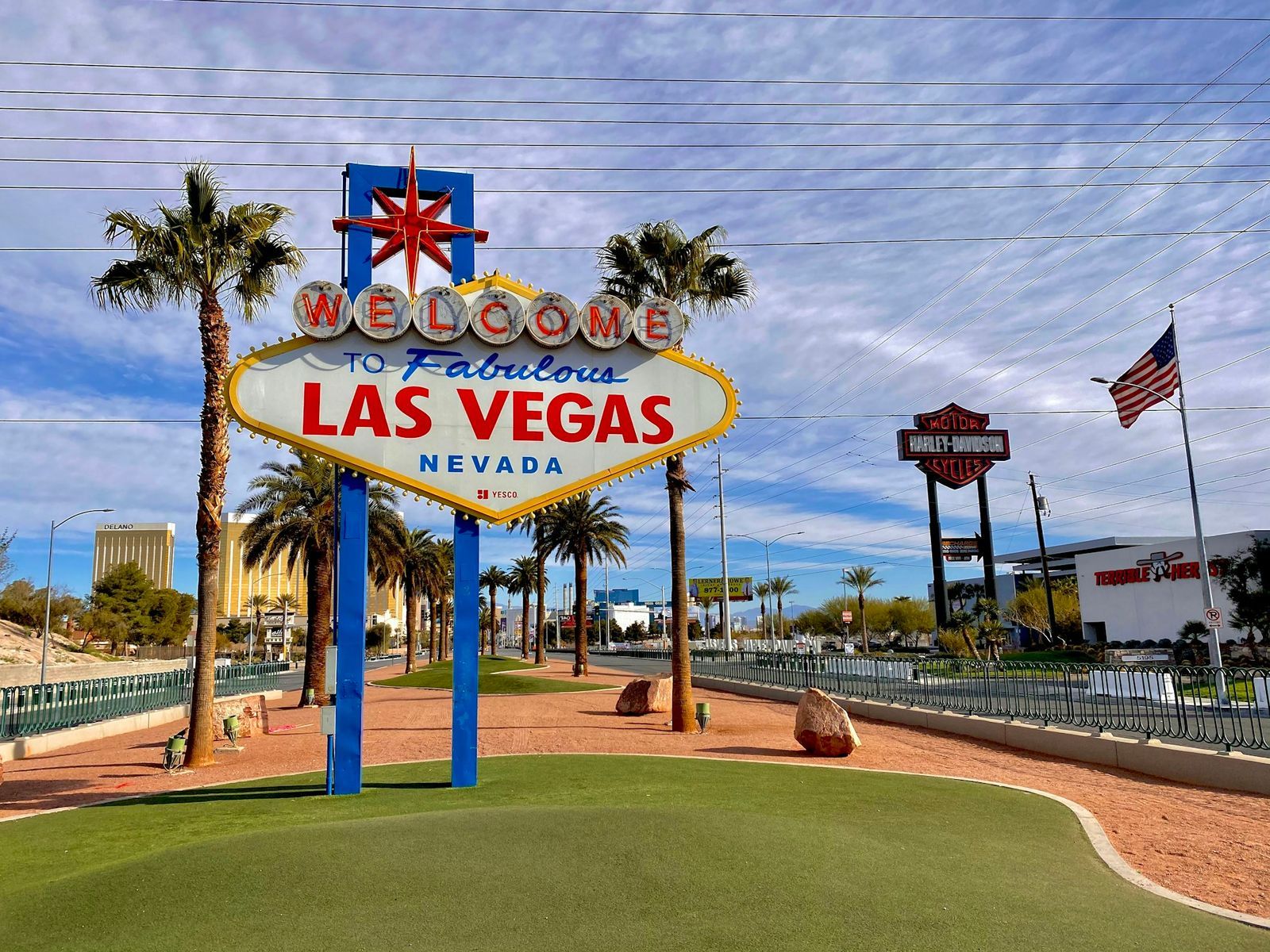
Do you have the classic picture in front of the iconic "Welcome to Fabulous Las Vegas" sign? If you snapped it and then drove to another city, we hate to break it to you, but you weren’t in Las Vegas.

The famous sign, installed in 1959, actually sits a couple of miles outside the city limits. In fact, the sign and most of the Strip are technically located in the towns of Paradise and Winchester, unincorporated communities in Clark County, Nevada, not within Las Vegas itself. And that’s no accident: much of the Strip and its casinos were originally developed outside the city in the 1950s to avoid municipal taxes and regulations.

4
Fragments of the Antarctic ice sheets (Denver, CO)

Image: Marco Bianchetti

Did you know that the Mile High City stores miles of ice from Greenland and Antarctica? Ok, but how?

At Denver’s National Ice Core Laboratory, part of the Federal Science Center, the ice is kept at around -32.8°F. Researchers study it not just to understand Antarctica itself, but also to inspect Earth’s history. Some of these blocks of ice are hundreds of thousands of years old, and from them, scientists can reconstruct ancient temperatures, track greenhouse gas levels, and even identify major volcanic eruptions preserved in the layers.

5
The hatch at the top of City Hall Tower (Philadelphia, PA)

Image: Miscellaneous Items in High Demand, PPOC, Library of Congress, Public domain, via Wikimedia Commons

Counting the statue of William Penn at its summit, the tower of Philadelphia City Hall rises about 548 feet, making it the tallest municipal building in the United States. But hidden high above the street, the statue conceals a little-known secret.

At its base is a small hatch, originally built to give workers access for maintenance. It offers an incredible vantage point over the city, but getting there isn’t easy. To reach it, you have to climb narrow stairways and walk through tight, elevated passageways. Would you dare give it a try?

6
A 112,544 square-foot underground bunker (White Sulphur Springs, WV)

Image: Kberg115, CC BY-SA 3.0, via Wikimedia Commons

The tense atmosphere and threats of the Cold War led to the construction of thousands of underground bunkers across the US. And one of the most impressive is right beneath the Greenbrier Resort in White Sulphur Springs, West Virginia.

Buried 720 feet into the hillside, this 112,544-square-foot bunker was created to shelter all 535 members of the US Congress in the event of a nuclear attack. Built between 1958 and 1961, it was sealed behind a 25-ton blast door, and it remained a protected secret for more than 30 years.

7
Catacombs underneath City Market (Indianapolis, IN)

Image: Richie Diesterheft, CC BY-SA 2.0, via Wikimedia Commons

In downtown Indianapolis, the City Market has been a gathering place since 1886, filled with local vendors, cafés, and shops. But there’s more to it than what you see above ground. Beneath the market lies a network known as the City Market’s "catacombs."

Despite the name, the reality isn't quite so macabre; they’re a series of brick archways that once supported Tomlinson Hall, a huge market building demolished in the mid-20th century. Today, this underground space remains as a hidden piece of the city’s past, but unlike many places on this list, it’s occasionally open for guided tours.

8
One of history's biggest art heists (Boston, MA)

Image: King of Hearts, CC BY-SA 4.0, via Wikimedia Commons

We all know Boston as the "birthplace of the American Revolution," home to events like the Boston Massacre and the Boston Tea Party. But there’s another chapter of its history you don’t hear about as often.

Just over 30 years ago, Boston was the scene of one of the biggest art heists in history. In the early hours of March 18, 1990, two men disguised as police officers entered the Isabella Stewart Gardner Museum, overpowered the guards, and stole 13 invaluable works of art, including pieces by Vermeer, Degas, Rembrandt, and Manet. To this day, the case remains unsolved, and a multi-million-dollar reward is still offered for information.

9
One of the quietest places on Earth (Minneapolis, MN)

Image: Togabi, CC BY-SA 4.0, via Wikimedia Commons

Where do you think the quietest places on Earth are? You might imagine remote landscapes far from civilization, but one of them is actually right in Minneapolis, Minnesota.

Inside Orfield Laboratories, there’s a room with no windows or natural light, an anechoic chamber that absorbs nearly all sound. That’s right: it blocks almost every noise, making the space even quieter than a vacuum. Visitors say the silence is so intense that you can hear your own heartbeat and even the faintest movements of your body. Simply incredible.

10
A strange law (Los Angeles, CA)

Image: Sean Krieg, CC BY 4.0, via Wikimedia Commons

Why would a city actually pass an ordinance saying that licking toads is a bad idea? That’s Los Angeles, a place full of quirks, some charming, some downright strange. Even its laws can be unusual.

The Colorado River toad, found in parts of California, secretes chemicals that can have powerful psychoactive effects on humans. Because of the risks, both possession and use of this substance are illegal statewide. In 1994, cases occurred, including a teacher who was arrested for possessing the toad substance. But Los Angeles went a step further, passing an ordinance that specifically bans licking these amphibians. And let’s be honest, the poor toad probably doesn’t enjoy it either.

Explore more American facts

Choose your favorite category!

General
General

As American as apple pie—the very best America has to offer!

Culture
Culture

Delve into the astounding richness of American lore.

Geography
Geography

Hop in and explore vast and diverse American landscapes.

History
History

Discover the key moments that shaped the United States.