History History 5 min read

Performances that changed everything

No one knew until her show began! 10 shocking Super Bowl halftime moments
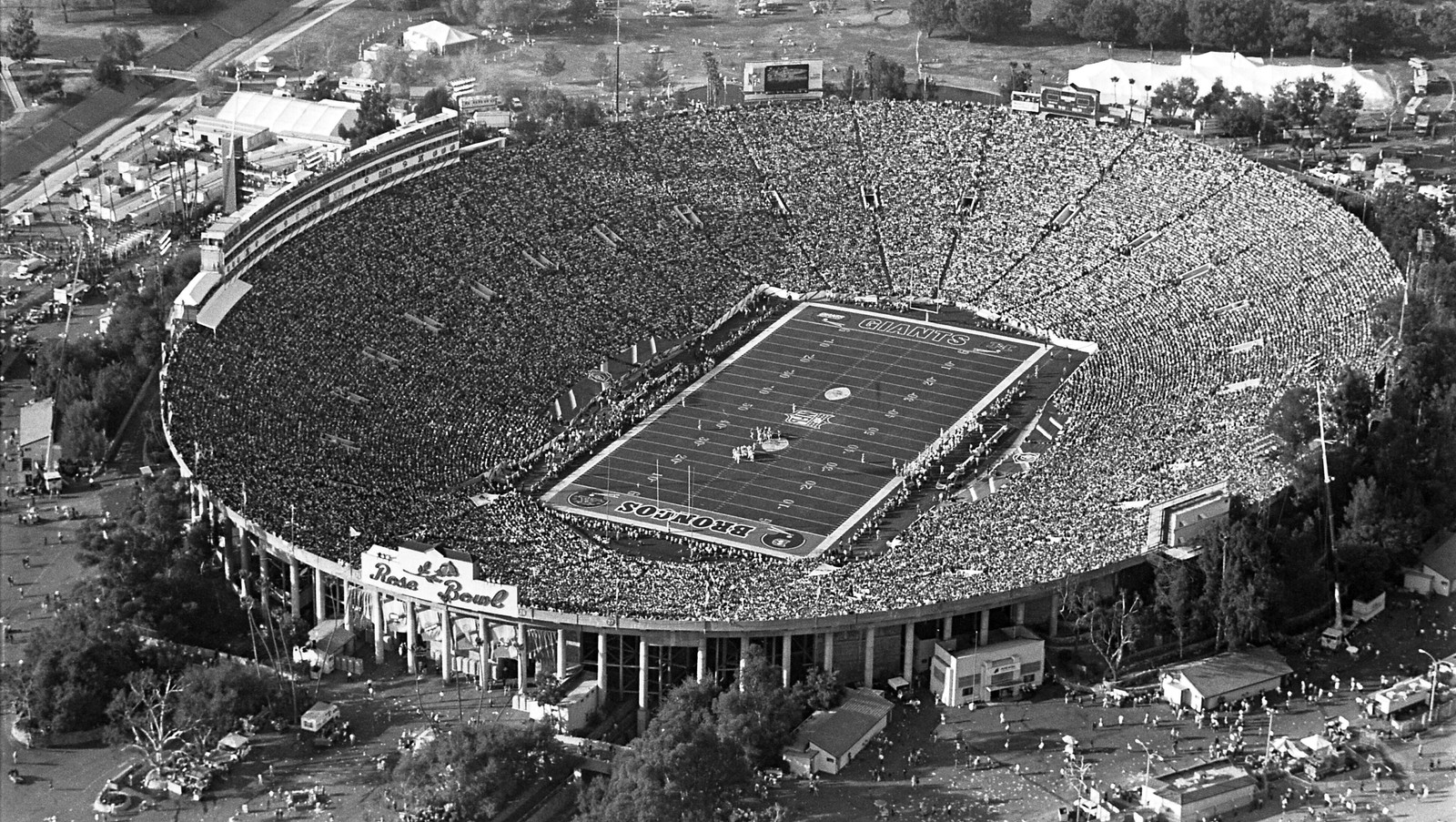
Image: Ellen Jaskol, Los Angeles Times, CC BY 4.0, via Wikimedia Commons

Do you remember Prince singing "Purple Rain" in a real downpour at Super Bowl XLI in 2007? Or Bruce Springsteen telling people to "Put the chicken fingers down" in 2009? What began in 1967 as a marching band show has grown into one of the most-watched events in the entire world. Let’s look back at these 10 halftime performances that totally changed the game.

1
Prince (2007)
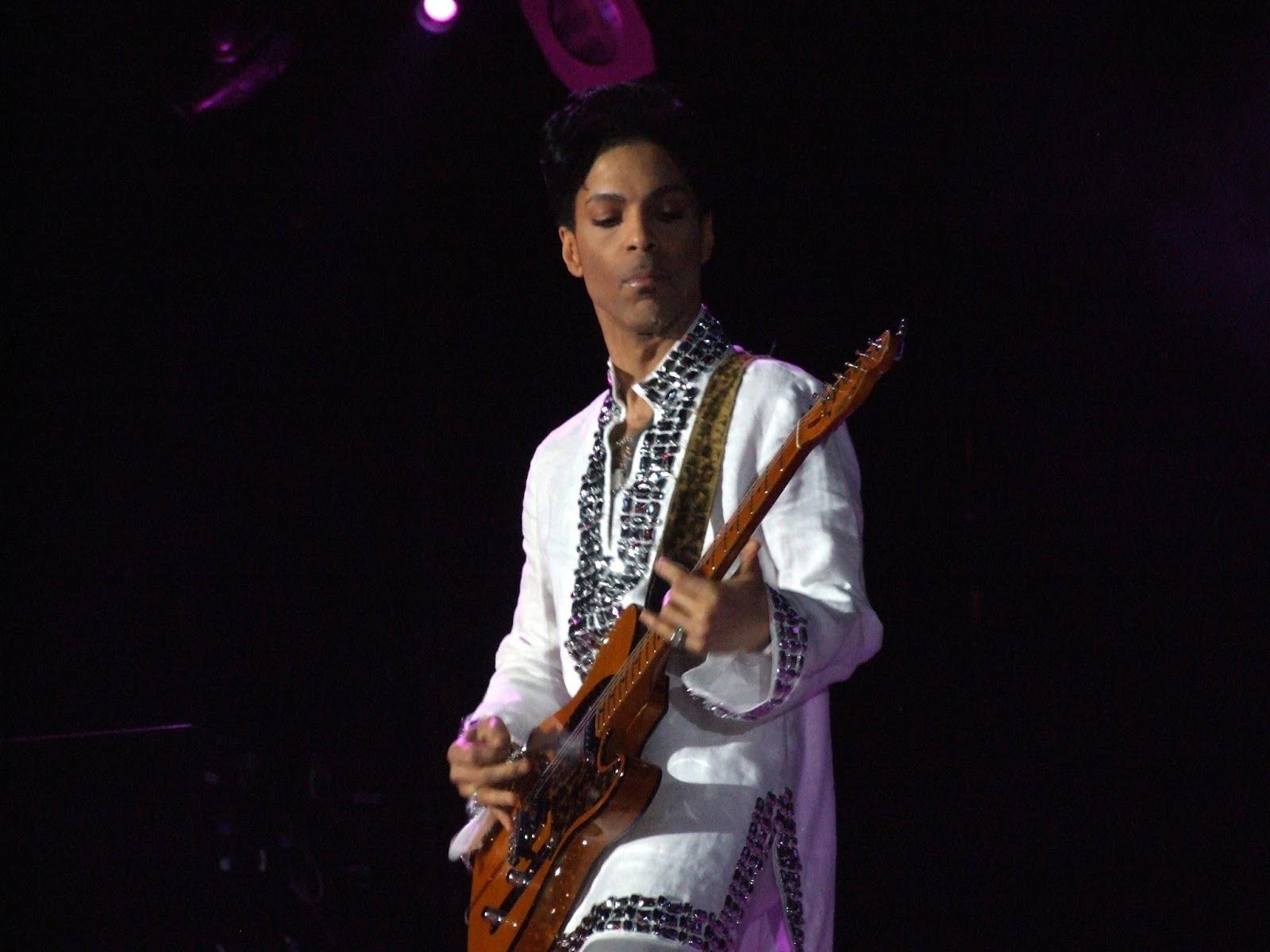
Image: penner, CC BY-SA 3.0, via Wikimedia Commons

Prince delivered a legendary performance at Super Bowl XLI in 2007, often considered the greatest halftime show ever. Without tricks or surprise guests, just his incredible talent and iconic guitar, Prince killed it with songs like "Let’s Go Crazy" and "Baby I’m a Star." But the true gem of the night was "Purple Rain": As heavy rain poured from the sky and purple lights washed over the stage, everyone at the Dolphin Stadium and millions of us watching live at home lived a moment we would never forget.

2
Michael Jackson (1993)
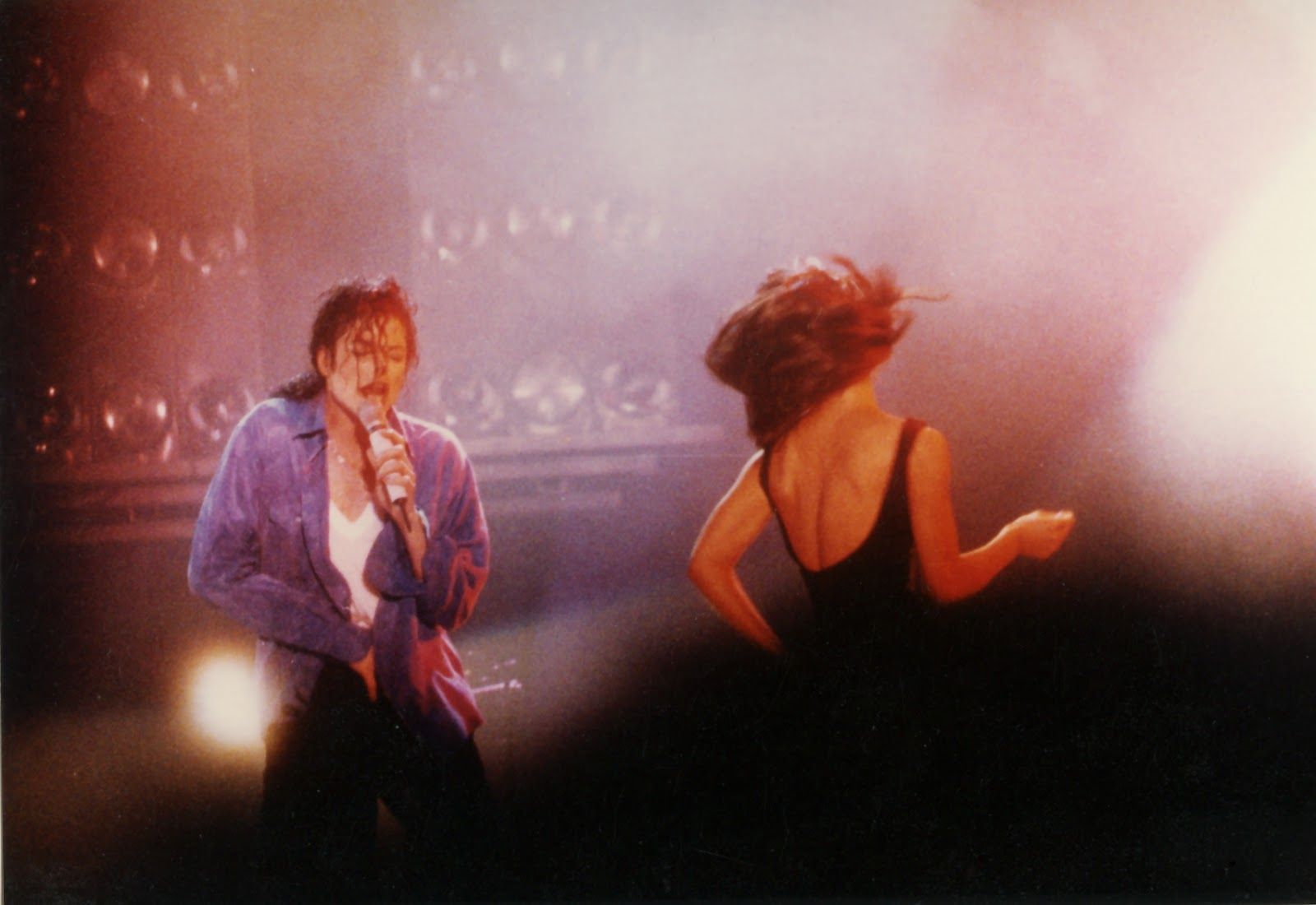
Until 1993, the Super Bowl halftime show looked very, very different. But the marching bands and themed productions came to an end when Michael Jackson took the stage at the Rose Bowl during Super Bowl XXVII. He turned the halftime show into a world-class pop concert. With a dramatic opening, perfectly coordinated choreography, and shocking visuals, Jackson got more viewers than the game itself, something that had never been done before.

3
The Rolling Stones (2006)
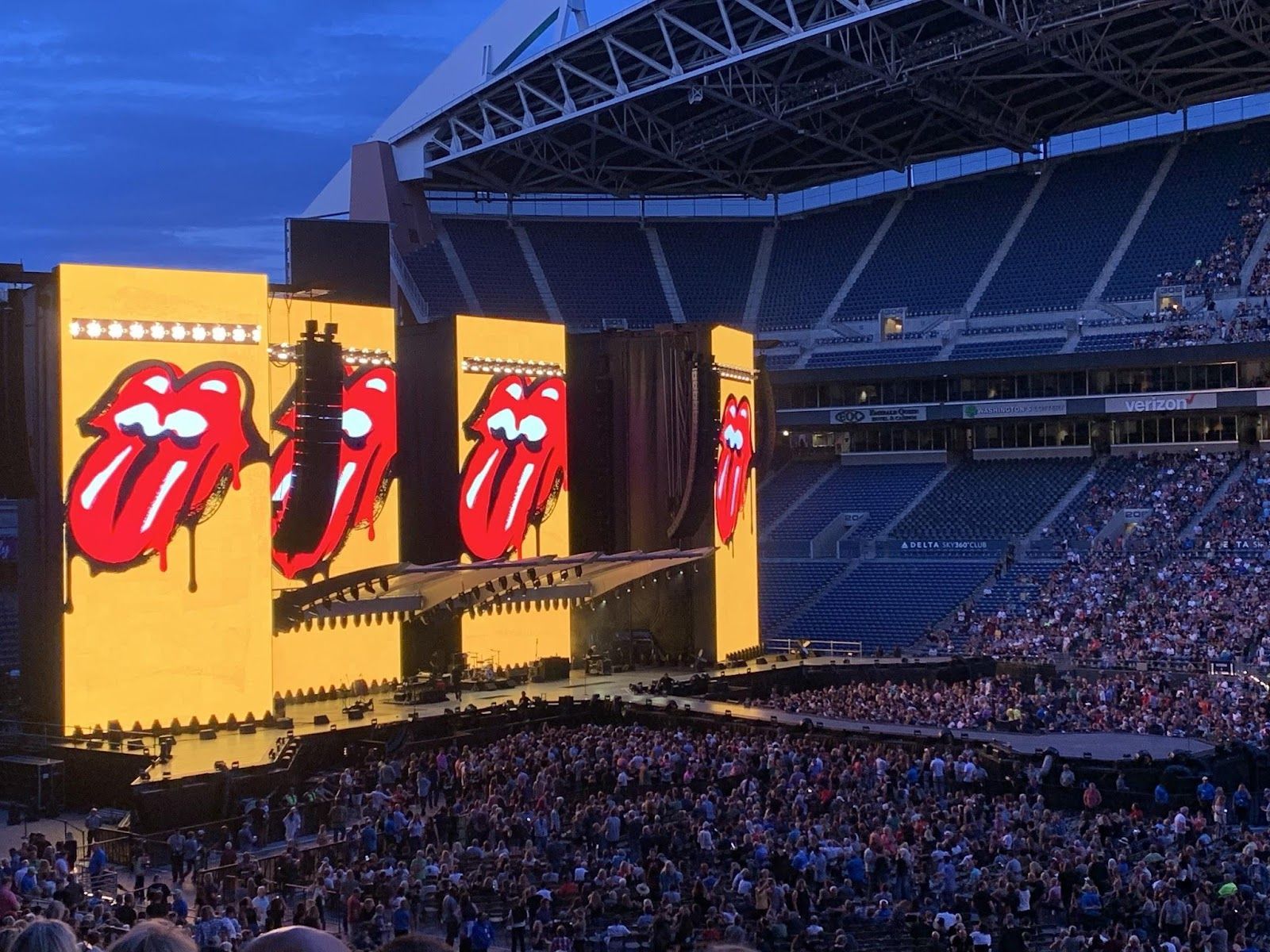
Image: TheSandDoctor, CC BY-SA 4.0, via Wikimedia Commons

There were about 68,200 people at Ford Field in Detroit for Super Bowl XL on February 5, 2006, when the Rolling Stones hit the stage. As Mick Jagger delivered the opening lines of "Start Me Up," the crowd knew they were witnessing something special.

The legendary band didn’t need gimmicks or elaborate effects, just true rock and roll. However, they still gave the show their own special touch: a giant stage shaped like their iconic tongue logo.

4
Paul McCartney (2005)
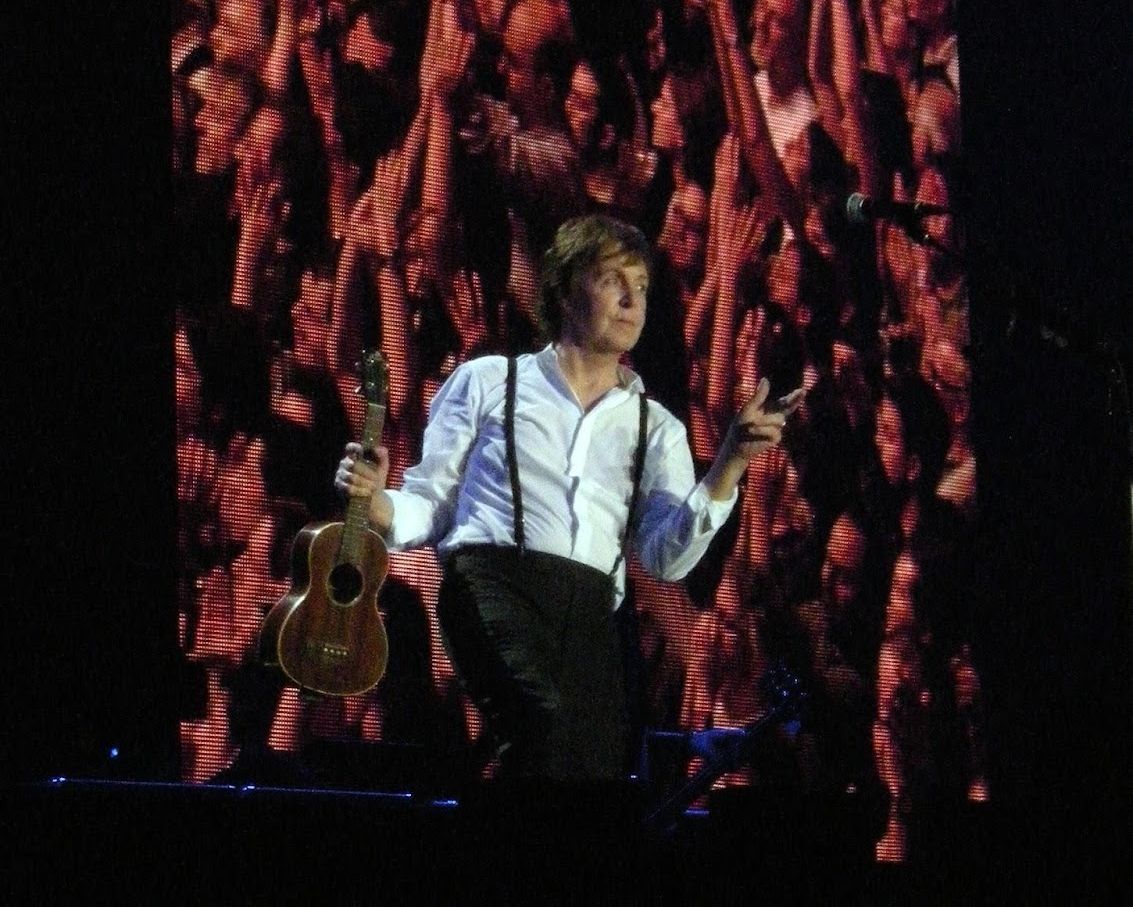
Image: Gorupdebesanez, CC BY-SA 3.0, via Wikimedia Commons

In 2005, the NFL chose one of the world’s most respected musicians to lead the halftime show at Super Bowl XXXIX. Luckily for us, Paul McCartney said yes and took the stage at Alltel Stadium to deliver one of the Super Bowl’s most memorable performances.

Music lovers were euphoric as the former Beatle performed classics like "Drive My Car," "Get Back," and "Live and Let Die." Of course, he saved the best for last and closed his show with more than 80,000 people in the stadium singing along to "Hey Jude."

5
Bruce Springsteen (2009)
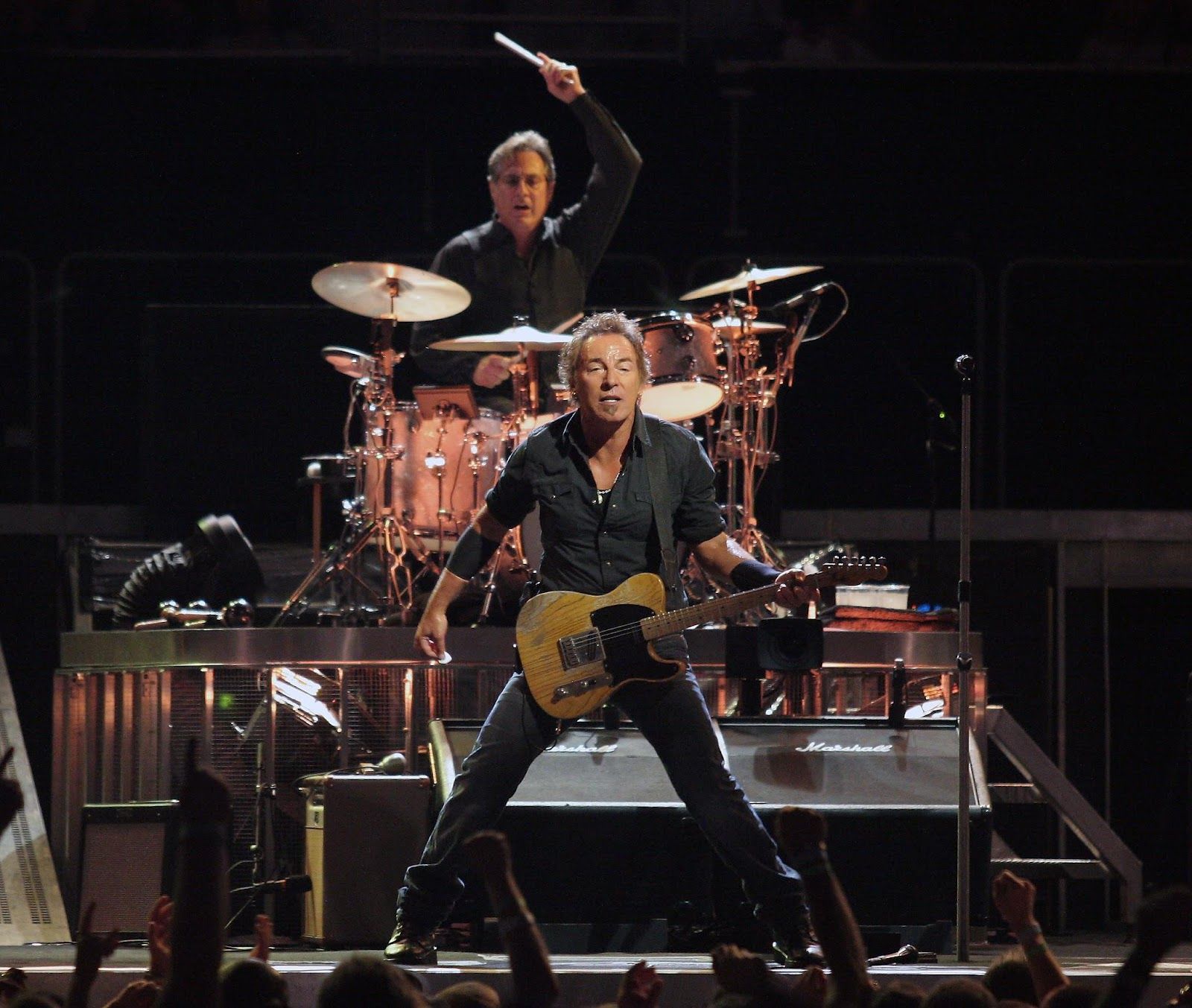
Image: Craig ONeal, CC BY-SA 2.0, via Wikimedia Commons

The energy of real music filled the stage at Raymond James Stadium from the very first second of Bruce Springsteen’s halftime show at Super Bowl XLIII. The E Street Band was already doing its thing when the singer tossed his guitar aside, took the mic, looked straight into the camera, and told America, "Put the chicken fingers down and turn your TV all the way up!", becoming one of the most memorable shows for old-school rock and roll fans.

6
Janet Jackson (2004)
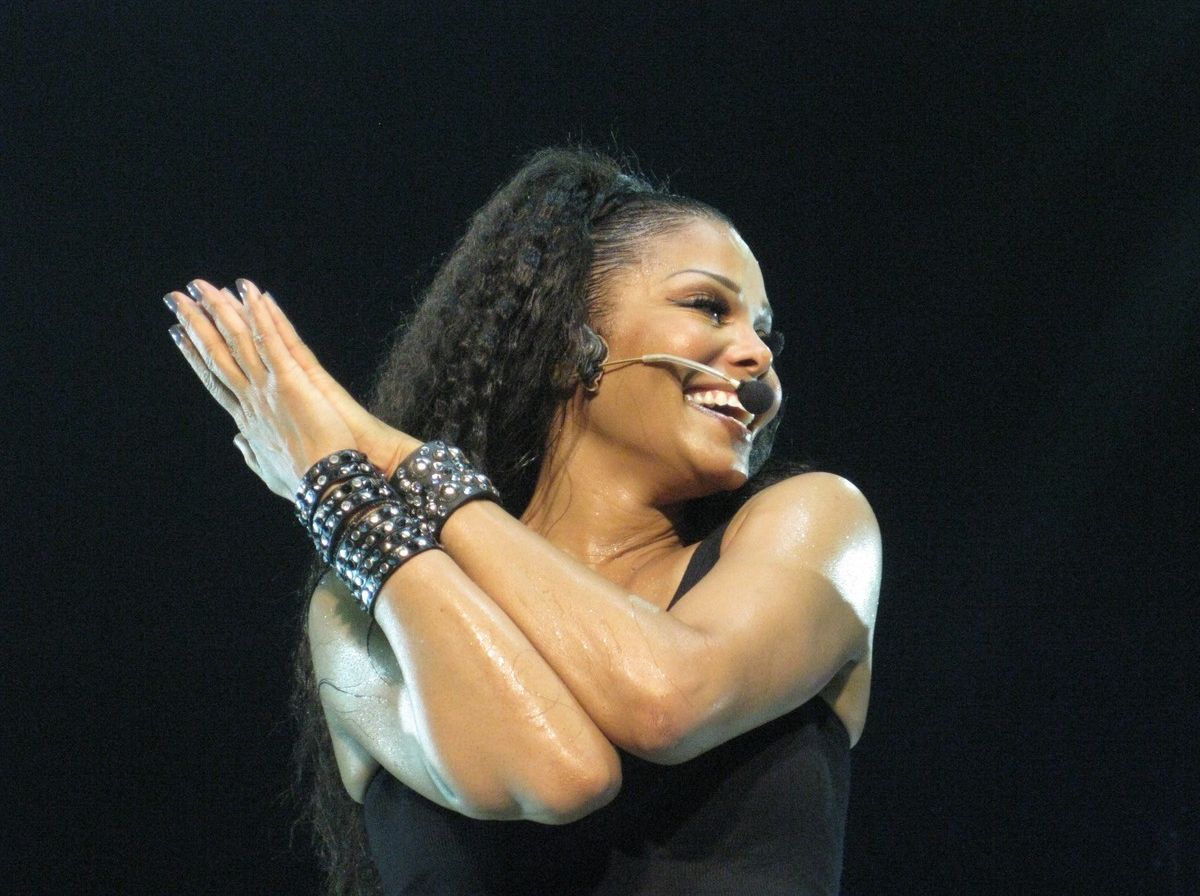
Image: Amy Leiton, CC BY 2.0 , via Wikimedia Commons

Janet Jackson filled the stage with talent, dance, and impressive stage effects during her halftime show at Super Bowl XXXVIII at Reliant Stadium. But what most people remember isn’t the music; it’s what happened at the very end of the show.

For the final song, "Rock Your Body," Janet was joined by Justin Timberlake. Everything was going perfectly until a miscalculated move led to the infamous "wardrobe malfunction." The incident sparked immediate controversy and overshadowed what had been a great and powerful performance.

7
Madonna (2012)
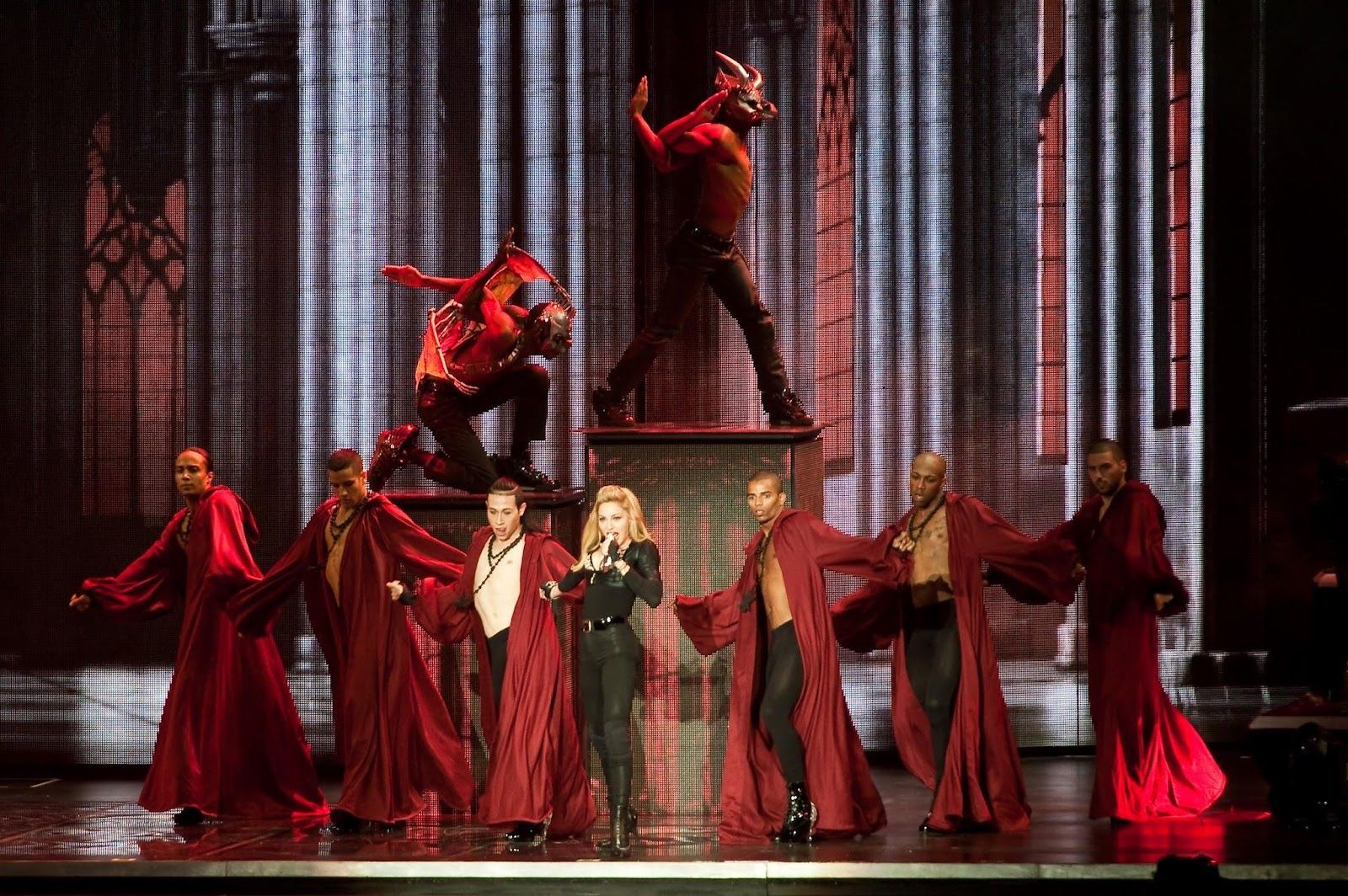
Image: Youngrobv, CC BY-SA 3.0, via Wikimedia Commons

A legion of Roman gladiators in armor and helmets introduced the incredible Madonna during her halftime show at Lucas Oil Stadium for Super Bowl XLVI. The Queen of Pop was carried in as the unmistakable intro to "Vogue" began to play. With precise choreography, amazing visuals, and captivating stage design, the spectacle fascinated audiences around the world, drawing more than 114 million viewers.

8
Beyoncé (2013)
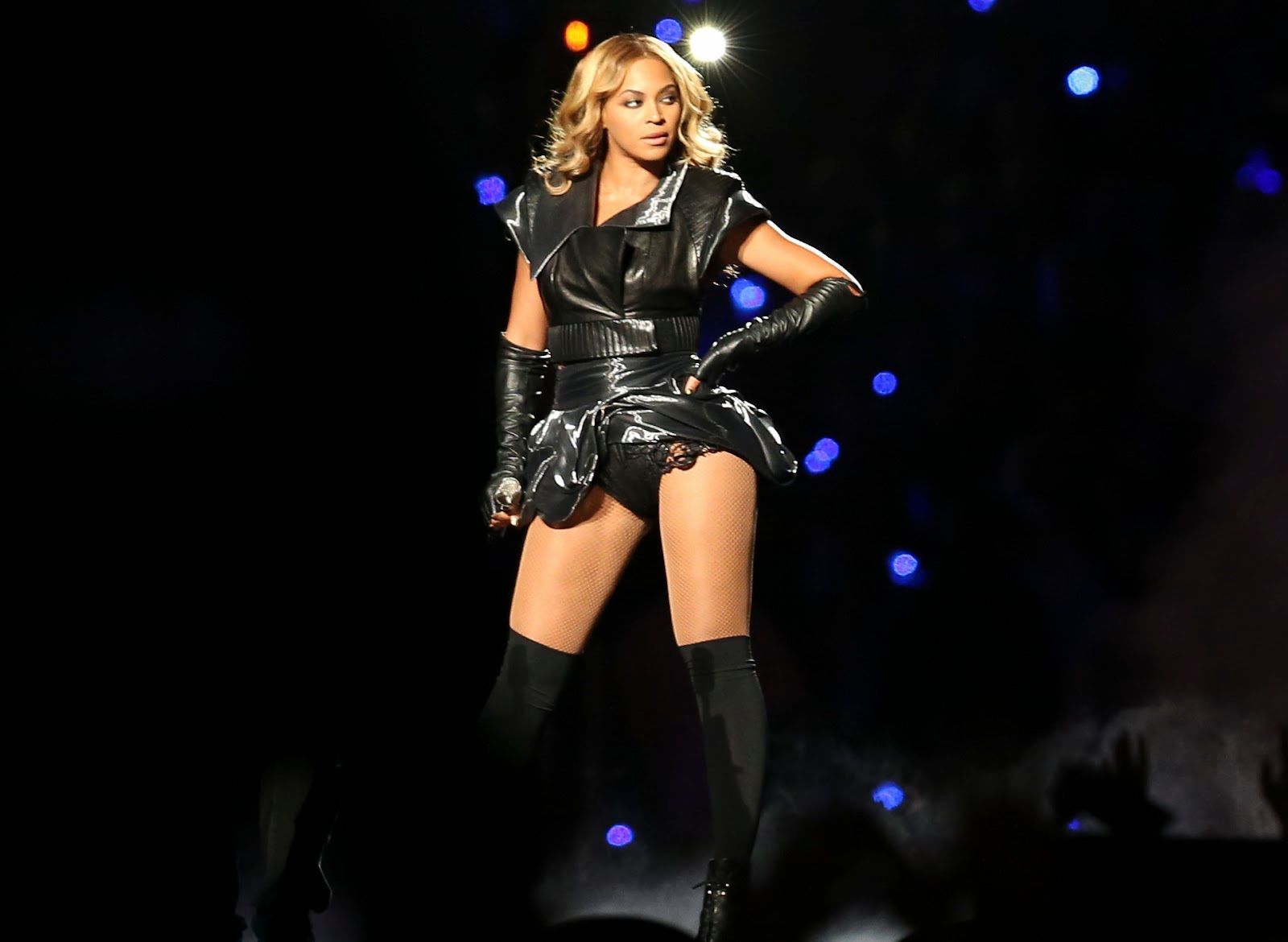
Image: Pete Sekesan from New York, USA, CC BY 2.0, via Wikimedia Commons

In 2013, the stage at Super Bowl XLVII literally burst into flames as one of pop’s biggest stars prepared to deliver a halftime performance that people would remember for years.

Before we could even clearly see her face, Beyoncé’s powerful voice echoed through the stadium, letting us know that we were about to see an unforgettable performance. Still, few expected what came next. Just minutes into the show, Kelly Rowland and Michelle Williams, her former bandmates from Destiny's Child, rose onto the stage, making fans go wild.

9
Dr. Dre and friends (2022)
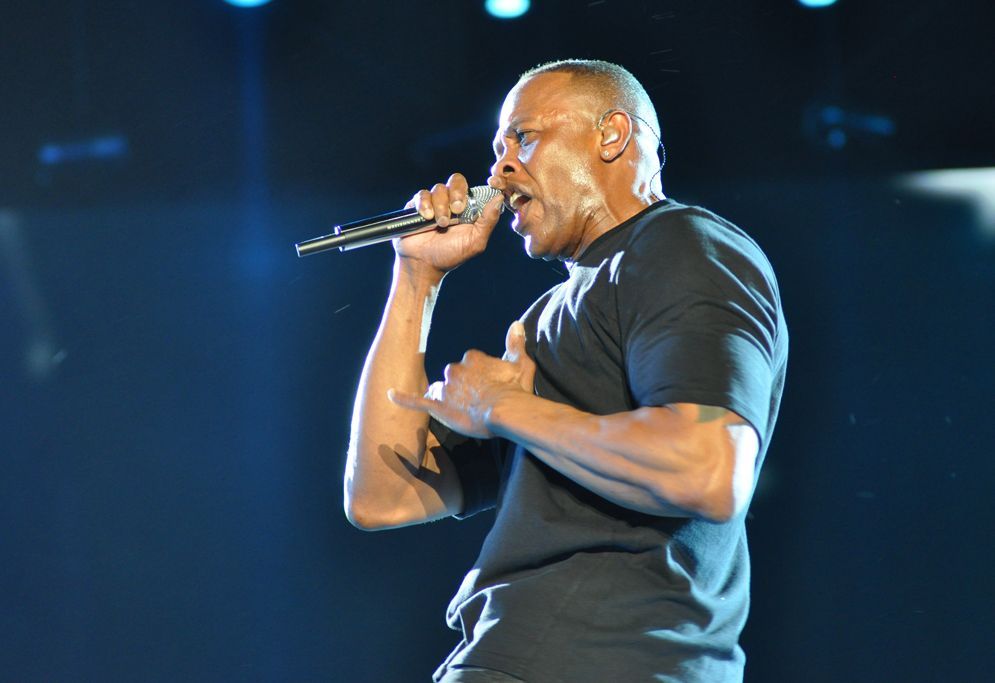
Image: Jason Persse, CC BY-SA 2.0, via Wikimedia Commons

Rap and hip-hop fans will never forget the electrifying halftime show led by Dr. Dre and friends at Super Bowl LVI in 2022. The stadium trembled as stars like Snoop Dogg, Eminem, Kendrick Lamar, and Mary J. Blige joined him on stage. But as if that weren't enough, in one of the night’s biggest surprises, 50 Cent appeared to perform his hit "In Da Club." The event marked a turning point for both the Super Bowl show and the hip-hop genre, and won several Primetime Emmy Awards.

10
Rihanna (2023)
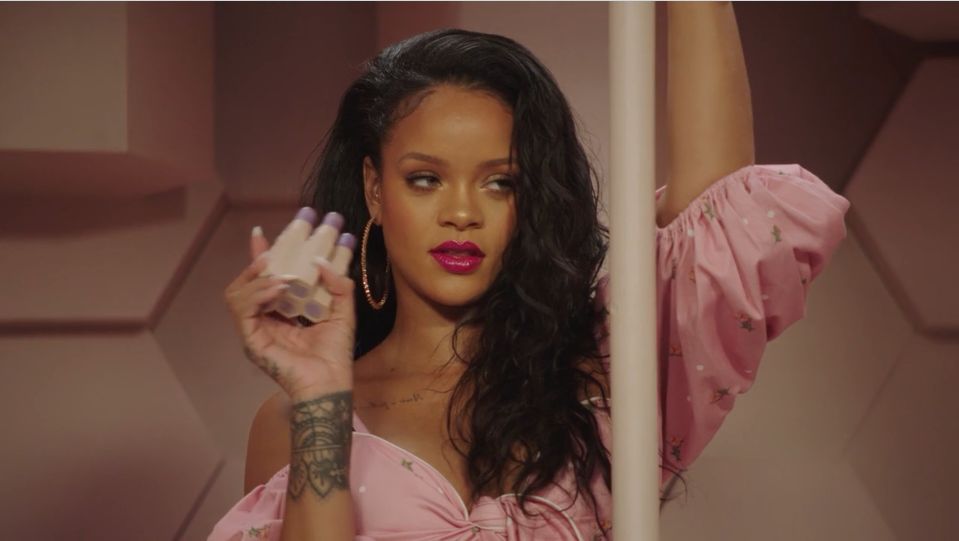
Image: SIGMA, CC BY 3.0, via Wikimedia Commons

Rihanna’s 2023 Super Bowl performance at State Farm Stadium was definitely special. What at first seemed like a typical pop show became one of the biggest surprises in halftime history. As she started to sing the very first song, Rihanna suddenly revealed her baby bump: she was pregnant with her second child, a secret that even her dancers and team didn’t know. The show drew around 121 million viewers, making it the most-watched halftime ever at that time.
Geography Geography 4 min read

Behind tall faces

Mount Rushmore hides many secrets. Did you know all of these?

Image: Jake Leonard

What famous woman’s face almost became the fifth face on Mount Rushmore? Did the sculptor Gutzon Borglum really intend to just carve out the heads? Why is the mount named that, and not Borglum? The answers to these questions are some lesser-known facts about one of the most famous landmarks and sights in our country. Let’s dive into these stories!

1
The original plan included full-body figures

Image: Thomas Shockey

Mount Rushmore was supposed to be even more colossal than it already is. Sculptor Gutzon Borglum envisioned the four presidents carved from the waist up .

He even made plaster models showing Abraham Lincoln's coat folds and Teddy Roosevelt’s hand clutching his lapel. But as costs went up, Congress said: "heads only, please."

2
Charles Rushmore was just a curious New Yorker

Image: Maarten van den Heuvel

Back in 1925, when the mount was about to be carved into a monument, Charles Rushmore wrote a letter explaining why the peak bore his name. He recalled that in the 1880s he was a young New Yorker working in the area, and fell fond of that particular granite peak .

When he asked the locals about it, they informed him that it had no name, but that if he wished so, they would just start calling it Rushmore Peak, or Mount Rushmore, or the likes. Years later, that very name had been inscribed in the public domain to designate the peak.

3
Yes, there’s a hidden room behind Lincoln’s head

Image: Laura Nyhuis

Behind Abraham Lincoln’s hairline lies a hidden chamber, part of Borglum’s lofty idea for a "Hall of Records." This room was meant to house foundational American documents like the Constitution or the Declaration of Independence.

Instead of that, in 1998, a titanium box was placed inside, filled with copies of important documents and biographies, as a time capsule to preserve the treasure of knowledge for future generations.

4
Thomas Jefferson was moved

Image: Dave Baraloto

Jefferson was originally supposed to go to Washington’s right, but after 18 months of chiseling , the granite betrayed them. Cracks and flaws made the site unworkable.

Borglum made the painful decision to blast Jefferson’s half-formed face clean off and start anew on Washington’s left.

5
The mountain was almost a monument to western heroes

Image: Timberly Hawkins

Before presidents took over, the mountain was pitched as a giant tribute to the Wild West . South Dakota historian Doane Robinson wanted to see frontier legends like Lewis & Clark carved into the Black Hills.

But when Borglum came aboard, he had a grander (and more politically bankable) idea: four presidents to symbolize national unity and expansion.

6
A woman’s face was almost added

Image: Tom Fournier

In the 1930s, there was serious talk of honoring Susan B. Anthony alongside the Founding Fathers, as a nod to the women’s suffrage movement.

Borglum wasn’t opposed to the idea, but Congress quickly nixed it, stating that only U.S. presidents could be included.

7
The workers were mostly local miners and loggers

Image: Pixabay

They were neither sculptors nor artists. Most of the workforce came from nearby Keystone, South Dakota: miners, loggers, and hard-up laborers looking for work during the Great Depression.

Borglum trained them himself. There were no safety harnesses, and yet, remarkably, no one died on the job.

8
Dynamite did 90% of the work

Image: Alexander Paramonov

To carve the faces of Washington, Jefferson, Roosevelt, and Lincoln, workers used carefully timed dynamite blasts to remove over 450,000 tons of rock. They got so precise, they could blast within inches of where the final surface would be.

The last details, like wrinkles, pupils, or Roosevelt’s glasses, were done with jackhammers and chisels.

9
The noses are disproportionate

Image: Dudubangbang Travel

Standing in front of the mountain, the faces seem alright. But that’s a trick of perspective. Each presidential nose is a whopping 20 feet long .

If the sculptures had included full bodies as planned, each figure would have stood 465 feet tall. That’s taller than the Statue of Liberty and most downtown skyscrapers.

10
Teddy Roosevelt was the most controversial pick

Image: Dudubangbang Travel

Washington, of course. Jefferson, made sense. Lincoln, sure. And Teddy? Some critics raised their eyebrows at Borglum’s fourth choice. Roosevelt had only recently passed away in 1919, and many questioned whether he'd stood the test of time.

But Borglum defended the decision Roosevelt’s role in breaking up monopolies, conserving national parks, and engineering the Panama Canal. Plus, Borglum had met him personally and was a fan.

11
It was supposed to have inscriptions

Image: Dan Pick

Borglum had grander plans than just four giant heads. He wanted to carve a massive inscription next to them, a timeline of America’s most important milestones , chiseled straight into the mountain. In time, the idea was scrapped for practical and aesthetic reasons.

12
The visionary died before completion

Image: Lisa Reichenstein

Gutzon Borglum, the visionary behind it all, didn’t live to see his masterpiece finished. He died in March 1941, just as the construction was reaching its end. His son, Lincoln Borglum (yes, named after that Lincoln), took over the project.

Still, with WWII drawing resources elsewhere, funding was slashed, and Lincoln had to wrap things up quickly . Some features, like Lincoln’s ear, were never fully detailed.

History History 3 min read

Post history

11 shocking facts about the U.S. Postal Service

Image: Ekaterina Belinskaya

If you think that the U.S. Postal Service is just about delivering mail and selling stamps, you’ve got another thing coming. Over its long history, the USPS has encountered some unusual occurrences, like the time someone mailed a child, or how it has a whole department just to decode messy handwriting. Prepare to be surprised by these 11 incredible facts about our postal service!

1
Postal "Army" (of Sorts)

Image: Emily Powers

The U.S. Postal Inspection Service (USPIS), founded in 1775, is the nation’s oldest federal law enforcement agency . It protects the USPS, its employees, and its customers from crimes such as mail fraud, theft, and identity theft.

USPIS agents investigate mail-related crimes, provide security at postal facilities, and work to stop illegal drugs from being transported through the mail system.

2
Zip codes

Image: Tareq Ismail

ZIP codes were introduced by the USPS in 1963 to improve mail sorting and delivery. The five-digit code, short for Zone Improvement Plan, pinpoints specific geographic areas.

The digits represent a region, a city or county, and a local delivery zone . Today, ZIP codes are also used to study demographics and help businesses target mailings to particular areas.

3
The Postal Anthem

Image: Keagan Henman

The "United States Postal Service Anthem," composed by Jack Stamp (yes, that is his real name), honors the USPS and its long-standing service to the nation. It’s a musical tribute to the dedication of postal workers and the agency’s role in American life.

The lyrics highlight the USPS’s core values: honesty, integrity, and reliability, while celebrating its impact on U.S. history and everyday citizens.

4
Guaranteed delivery

Image: Victória Kubiaki

The USPS is legally required to deliver to every U.S. address, no matter how remote . This includes over 153 million addresses, even in hard-to-reach areas.

To meet this huge challenge, USPS uses curbside mailboxes, local post offices, and partnerships with community centers. Virtual mailbox services, such as Stable, also help remote residents access and manage their mail online.

5
A lot of mail

Image: Sam LaRussa

Every day, the USPS handles over 400 million pieces of mail, including 162 million First-Class items. It delivers worldwide to more than 180 countries through its Global Express Guaranteed service and processes approximately 44% of the world’s mail . That is a lot of mail, by any standard.

To manage this massive volume, USPS uses advanced automation tools and operates over 34,000 retail locations, keeping its system fast, efficient, and reliable.

6
Going out West

Image: Jim Strasma

In the 19th century, the USPS played a vital role in developing the American West, providing new settlements with access to mail, supplies, and communication. Post offices and mail routes connected remote areas to the rest of the country.

This network helped settlers stay in touch with loved ones, receive news, and trade goods. Without the USPS, much of the frontier would have remained isolated.

7
Post office in a tavern

Image: Kevin Snow

The first USPS office was established in Boston in 1775, inside a tavern associated with Benjamin Franklin , who served as the first Postmaster General. Franklin viewed mail delivery as key to America’s independence and began developing a postal network.

The office supported routes to Philadelphia and New York, and by 1789, post offices existed in all 13 colonies.

8
A floating post office

Image: Alessio Billeci

The Halibut Cove Post Office in Homer, Alaska (ZIP code 99603, in case you are interested), is unlike any other: it floats on water!

This tiny post office operates from a houseboat that’s permanently docked , serving the local community right from the harbor.

9
Bad handwriting department

Image: Kit (formerly ConvertKit)

We are not sure as to how often this happens, but it must be often. When automated equipment at a USPS processing plant cannot read a piece of letter mail, an image of the mail is captured and sent to the Remote Encoding Center (REC). At the REC, employees review the image and manually enter the address information .

The information is matched up with a valid address, the data is transmitted back to the equipment at the plant, and a barcode is printed on the letter, which can be read by the processing machines.

10
Mail a brick

Image: Math

Yes, you can mail a brick through the U.S. Postal Service. Just write the recipient’s address and return information directly on the brick with a permanent marker .

Once it’s weighed and stamped with the correct postage, your brick is ready to ship.

11
Someone mailed a kid

Image: Jonathan Borba

In 1913, shortly after the Parcel Post service began, some parents mailed their children to relatives. One baby in Ohio was sent to his grandmother just a few miles away .

The child arrived safely, but the incident led to new rules banning people from being sent through the mail.

Explore more American facts

Choose your favorite category!

General
General

As American as apple pie—the very best America has to offer!

Culture
Culture

Delve into the astounding richness of American lore.

Geography
Geography

Hop in and explore vast and diverse American landscapes.

History
History

Discover the key moments that shaped the United States.