Geography Geography 3 min read

Don’t believe the movies

Debunking myths about the state of California
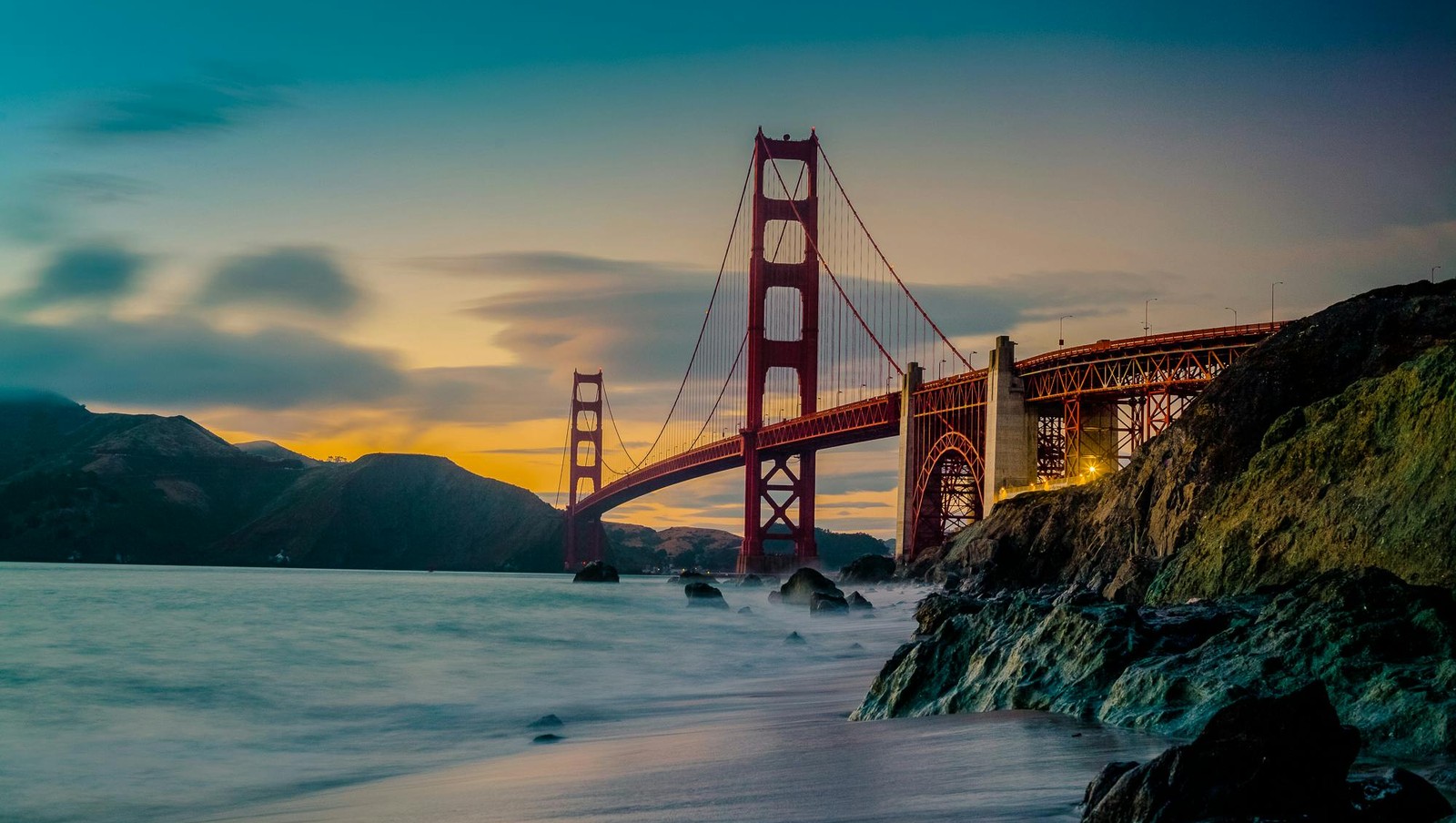
Image: zoe pappas

California inspires big dreams and even bigger expectations. Beaches that stretch forever, celebrities roaming freely, and the long-standing promise that anyone can "make it" there. But as much as the Golden State shines, it also carries a bushel of myths that don’t survive contact with reality. Ready for a myth-busting tour?

1
The entire coastline is made of glorious sandy beaches

Image: Jeremy Bishop

California’s coastline is long, gorgeous, and wildly varied. Much of it is dominated by cliffs, rocky shores, and chilly waters. Even many popular beaches require a wetsuit if you actually want to get in the water.

Yes, some stretches are ideal for volleyball and sunbathing, but others are better suited to photography.

2
Celebrities are everywhere and happy to mingle

Image: Bibi

It’s tempting to imagine Los Angeles as one giant red-carpet event, but daily life looks a lot more ordinary. Celebrities tend to live in gated communities, travel in private cars, and pick very discreet places to relax.

You might spot one, but you’re far more likely to meet tourists looking for celebrities than actual celebrities themselves.

3
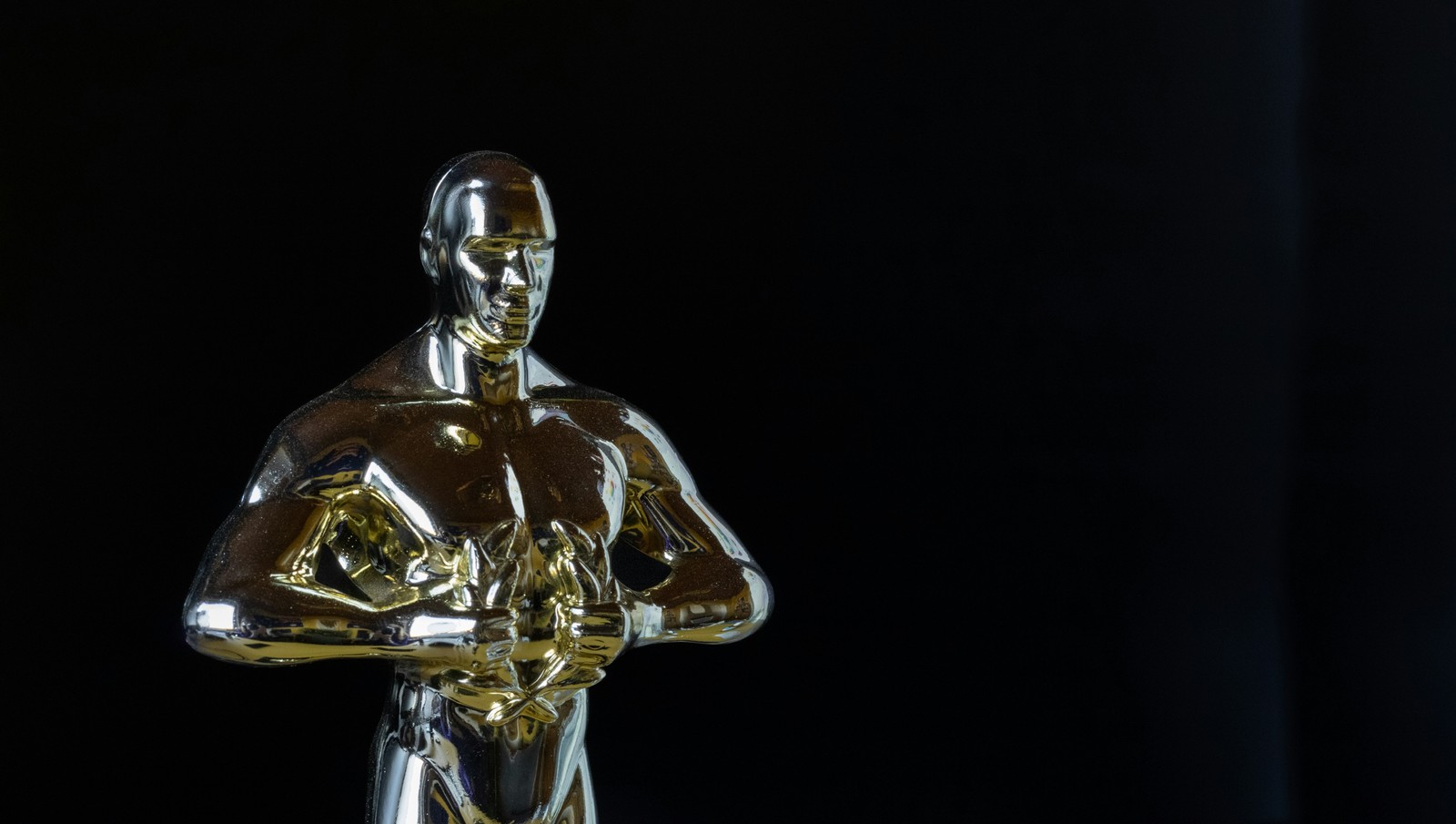
Move to Hollywood and become a star overnight

Image: Edgar Colomba

Hollywood is full of dreamers, but most of them are hustling on the side, waiting tables, doing gig work, and going to audition after audition.

Fame is rarely instant. It’s more like a very long, very competitive marathon that most people don’t see unless they live there.

4
Move to Silicon Valley and become an overnight startup whiz
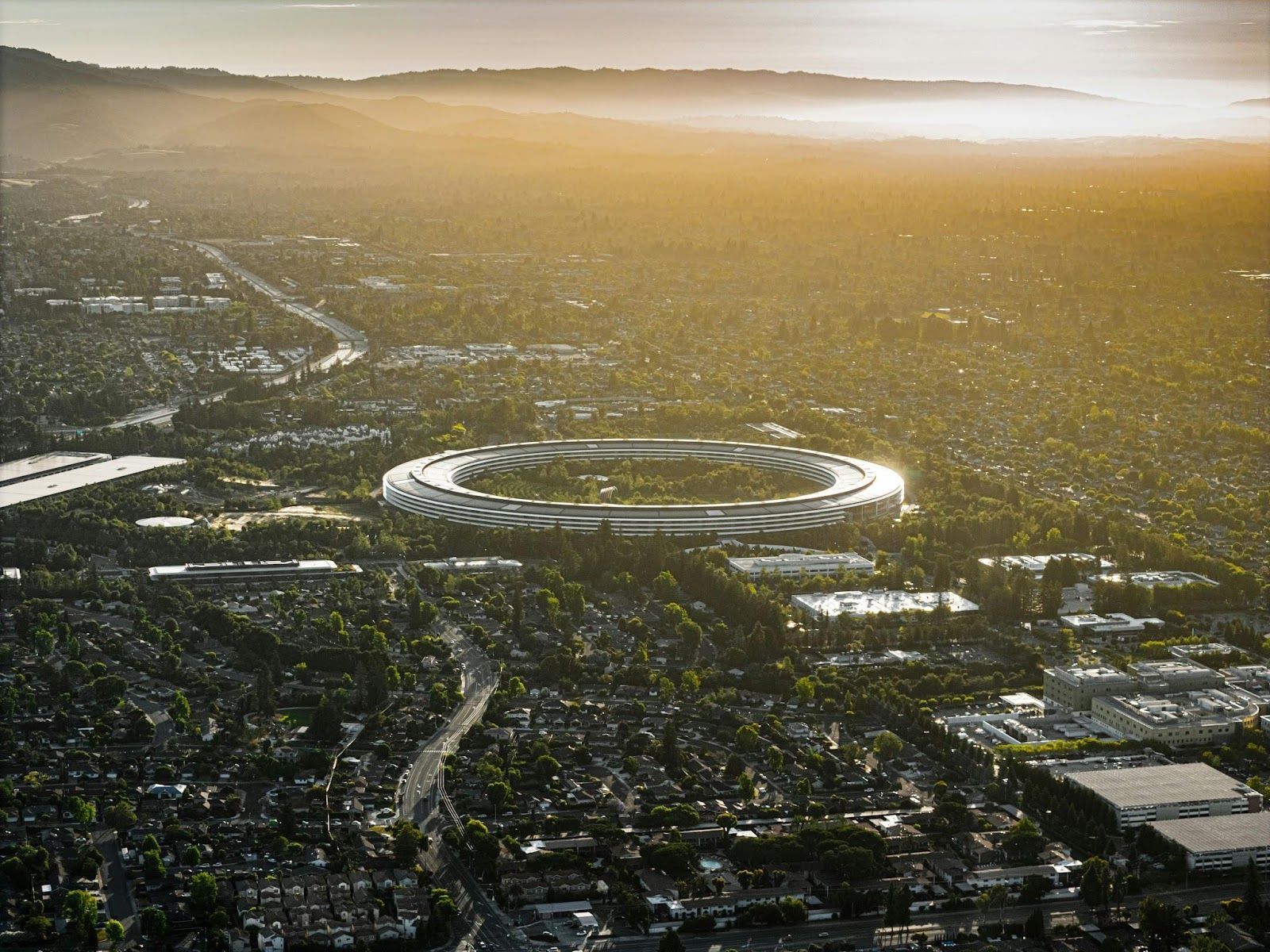
Image: Nils Huenerfuerst

It’s true that Silicon Valley is packed with entrepreneurs and investors. But it’s also full of failed startups, intense work schedules, and fierce competition.

Raising money is tough, building a product is tougher, and surviving long enough to succeed is almost heroic. The myth of "instant unicorn status" is just like the myth of instant movie stardom.

5
The weather is sunny and perfect year-round

Image: Roberto Nickson

California’s climate varies dramatically. Coastal fog in the Bay Area can last all day, winter rainstorms sweep through the north, inland valleys hit triple-digit heat, and wildfire season is a yearly threat.

6
Traffic is terrible, everywhere
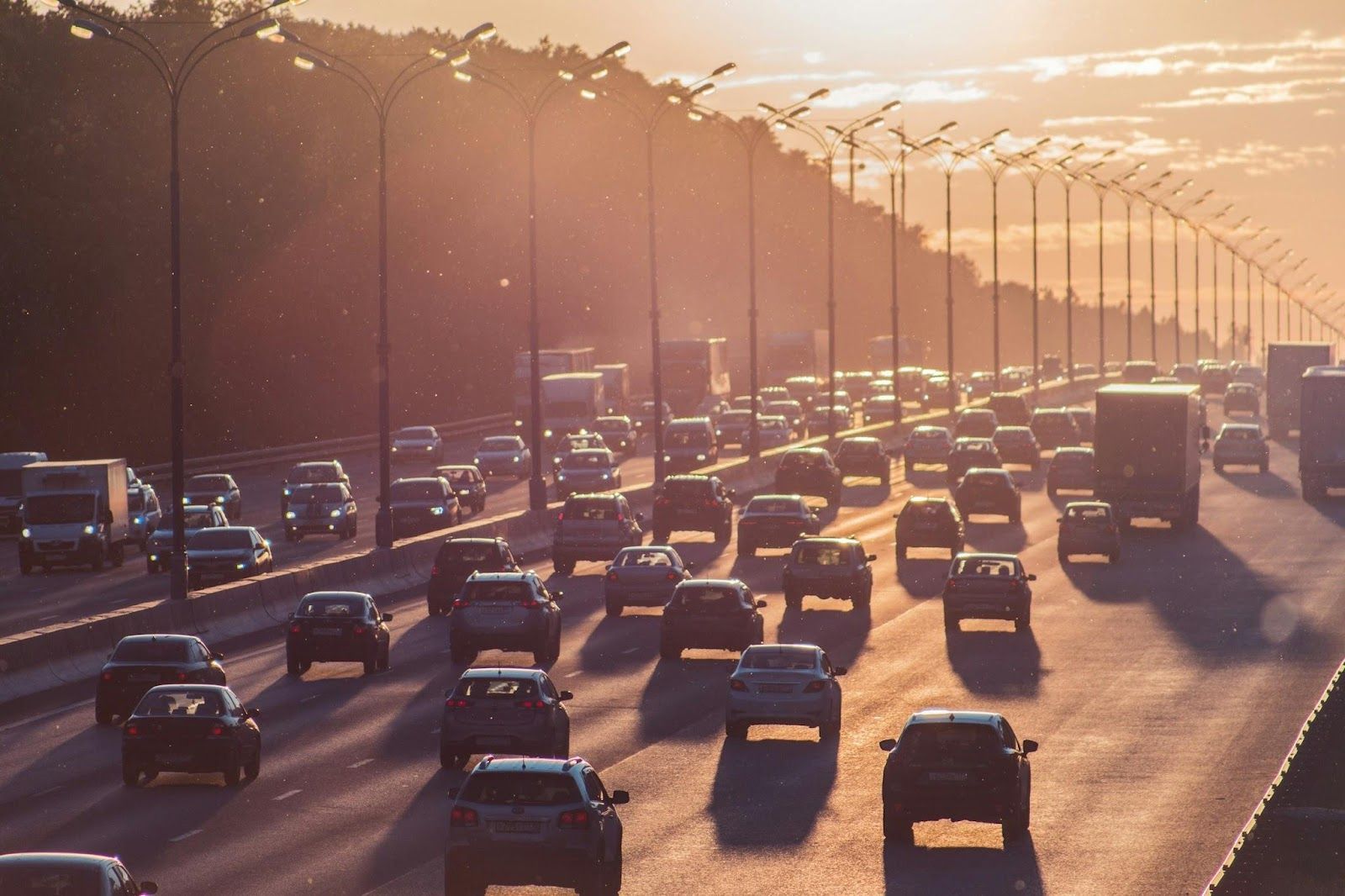
Image: Aleksandr Popov

The traffic horror stories from Los Angeles are quite real, but they’re not universal. California is huge, and plenty of mid-sized cities and rural areas have perfectly manageable commutes. Even in LA, traffic ebbs and flows.

7
Californians go to Disneyland every other weekend
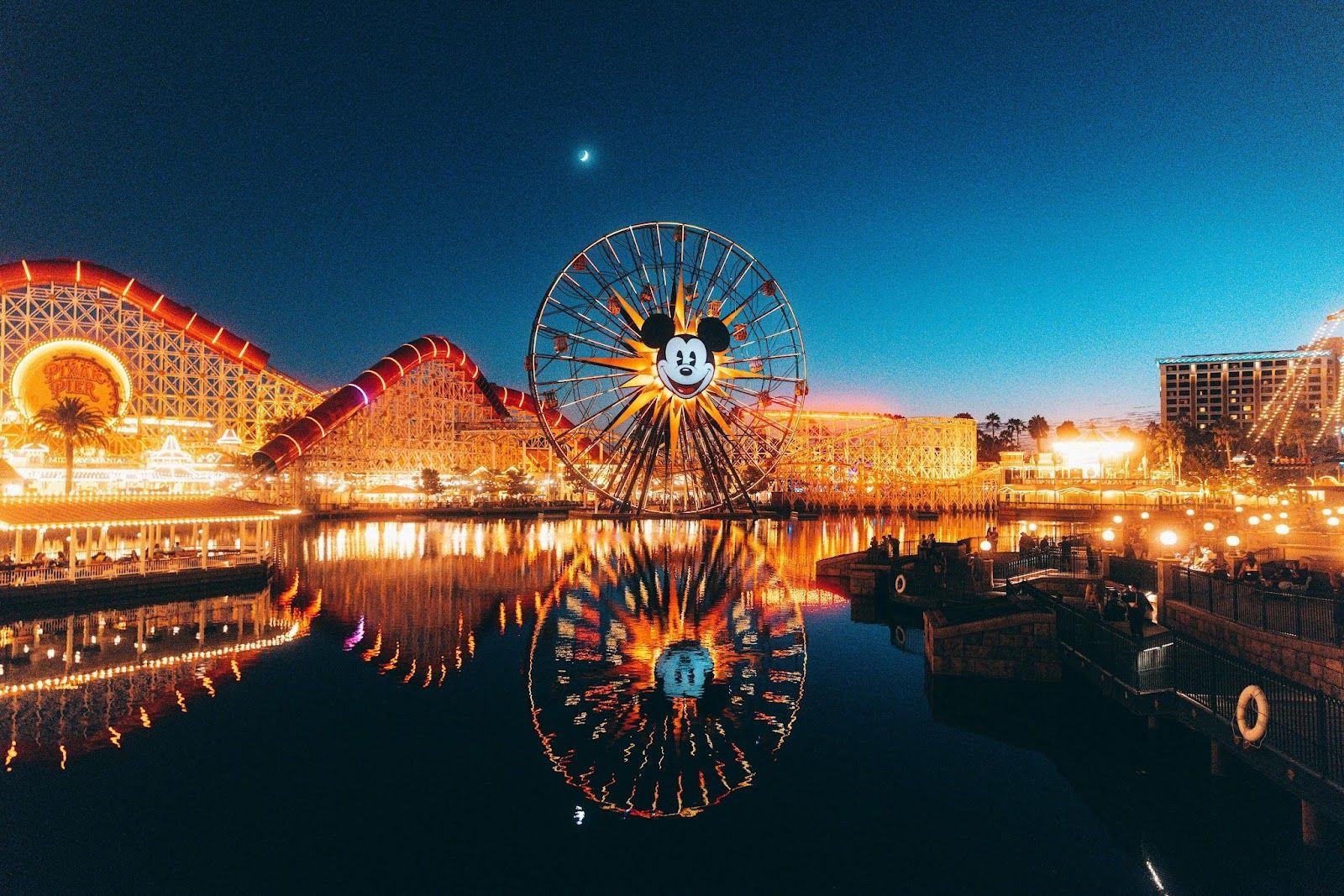
Image: Isaac Garcia

Disneyland may be magical, but it’s also expensive, crowded, and logistically complex. Most residents go once in a while, not as a biweekly ritual. Sure, annual passholders exist, but they’re the exception.

8
You’ll find palm trees everywhere

Image: Mitchell Luo

Palm trees are iconic, but they’re not the dominant tree across the state. Many were imported, and Los Angeles’ famous palms are aging out and not being widely replaced. Walk outside the major tourist zones, and you’ll see oaks, pines, sycamores, and far fewer "tropical vacation" vibes than the postcards suggest.

9
Movies are being filmed on every corner
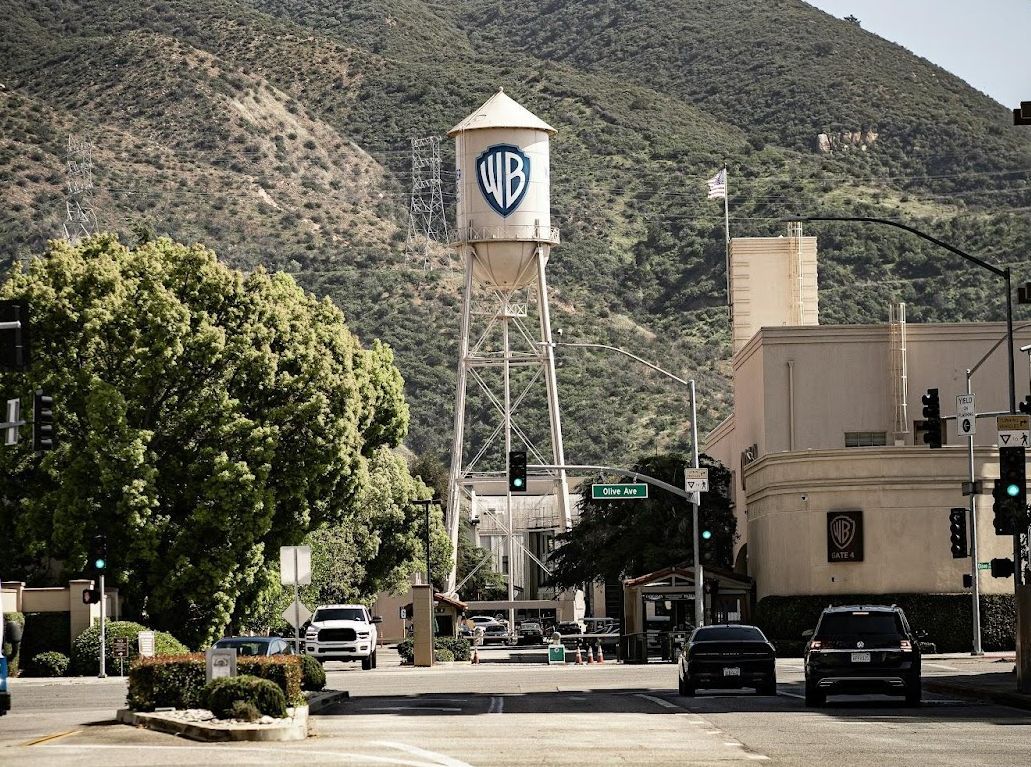
Image: clement proust

You may stumble across a film crew once in a blue moon, but the vast majority of production happens on studio lots or in specifically chosen neighborhoods. Filming permits are expensive, traffic control is complicated, and spontaneous street-corner movie shoots aren’t as common as people think.

10
Everyone is a surfer

Image: Jacob Steckmann

Surfing is a proud part of California culture, but not a universal one. Many residents have never touched a surfboard, and the cold Pacific waters can be intimidating even for the brave. The idea that everyone wakes up, grabs a board, and runs to the beach is more Hollywood montage than real life.

11
Everyone lives close to the ocean
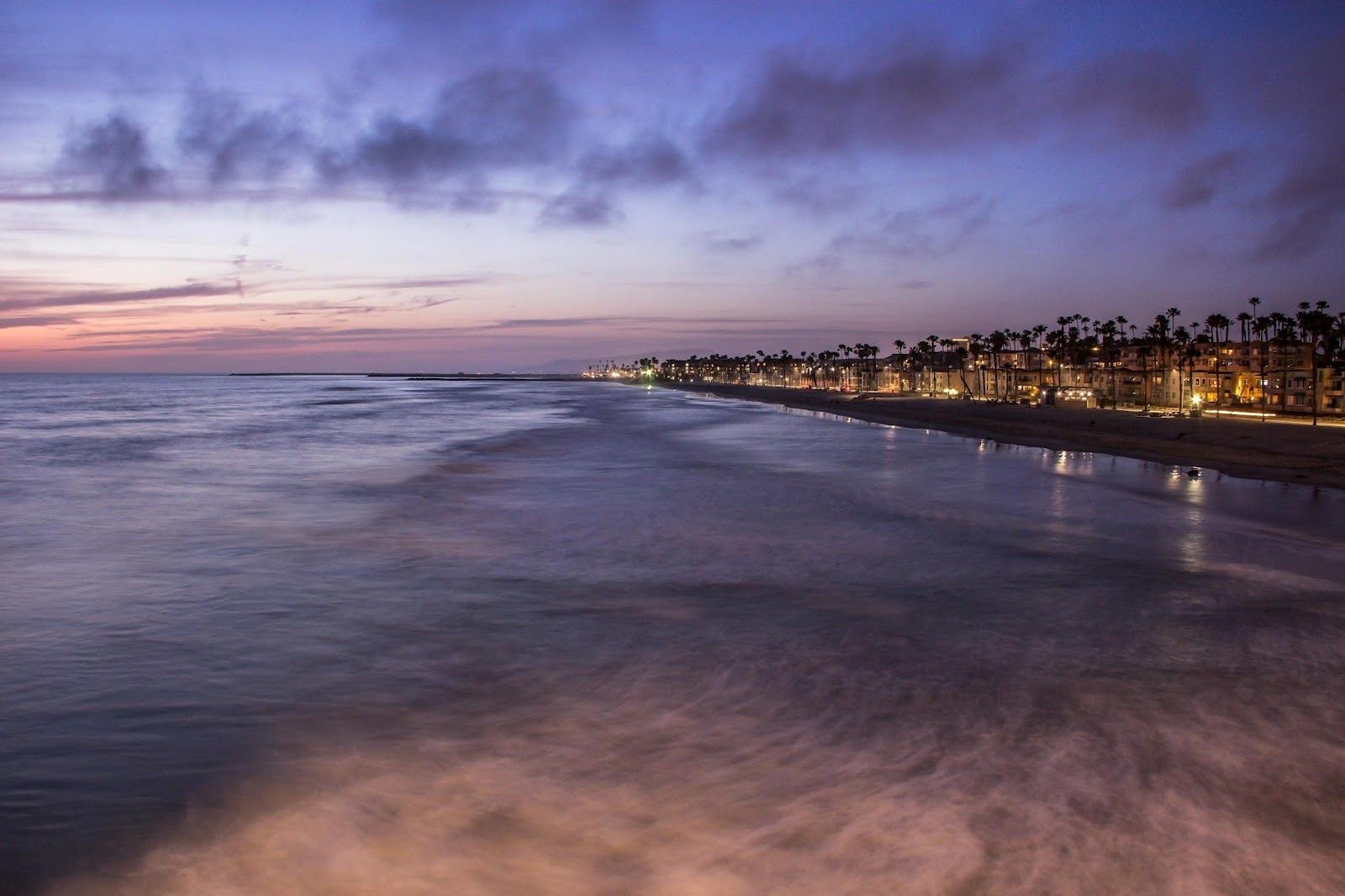
Image: Jonathan Schmer

California’s population is spread across vast inland regions, including the Central Valley, Sacramento, and the Inland Empire, which are all hours away from the coast. Plenty of Californians only see the ocean during vacation.

12
The food is all organic, clean, and hyper-healthy

Image: Jannis Brandt

Yes, you’ll find green juices, vegan cafés, and farm-to-table everything. But California is also home to drive-thrus, giant burritos, and some of the most indulgent comfort food around. The "everyone eats quinoa and sunshine" trope doesn’t hold up once you explore beyond the trendy spots.

13
Everyone commutes by bike, skateboard, or electric scooter

Image: Hiboy

It looks cool in TV shows, but in reality, most Californians commute by car. Public transportation is limited outside a few areas, and long distances make biking impractical for many.

14
Everything in California is incredibly expensive
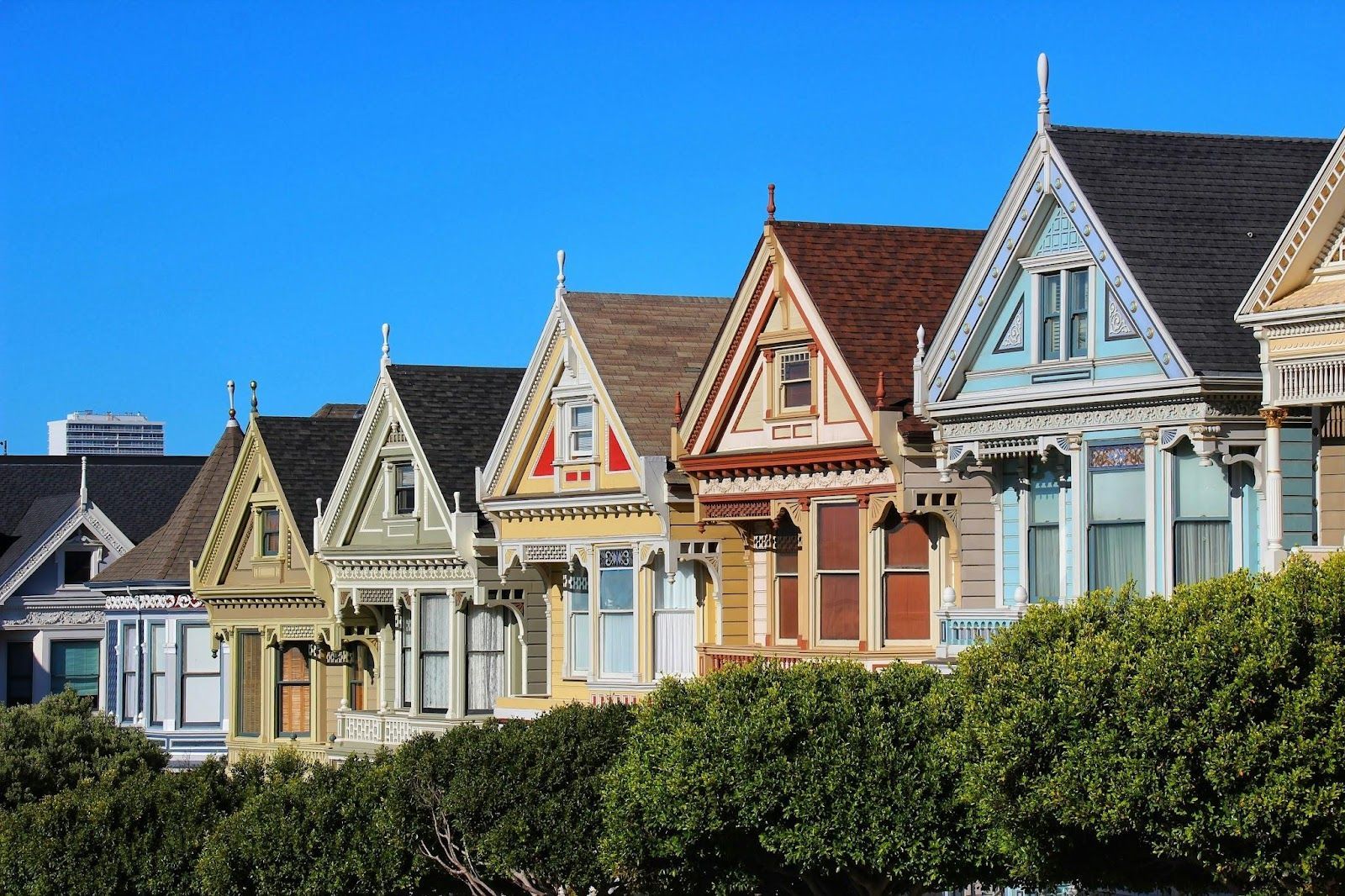
Image: Martin Zenker

Housing in places like San Francisco is famously pricey, but California also includes smaller cities and rural communities where the cost of living is much closer to the national average.

General General 4 min read

Not all fun and games

Who were the least-liked presidents in the history of the US?

Image: Sora Shimazaki

Becoming President of the United States is a tremendous honor, but it's not always a bed of roses. For one reason or another, quite a few who made it to the Oval Office weren't exactly well-liked or left office with reputations that are, at best, debatable. Historians haven’t overlooked Herbert Hoover’s inaction during the Great Depression, just as the public hasn't forgotten Nixon's role in the Watergate scandal. Join us as we take a look at 10 presidents often considered among the least popular in American history!

1
Richard Nixon (1969–1974)

Image: History in HD

One of the most controversial presidents in US history, Richard Nixon, led the country from 1969 to 1974. Although it's true that Nixon was indeed popular for his foreign policy achievements before the Watergate scandal, his involvement in that unforgettable episode forced him to resign, making him the first and only US president to step down from office.

2
Herbert Hoover (1929–1933)

Image: Tomasz Zielonka

Judging a president goes beyond assessing their decisions: a lack of empathy for the people they serve can be just as damaging. Herbert Hoover was president when the Great Depression began, following the stock market crash of October 1929. He maintained a largely hands-off approach that was harshly criticized as inadequate and led many to see the president as out of touch with the suffering of Americans.

3
Ulysses S. Grant (1869–1877)

Image: Library of Congress

Ulysses S. Grant, the 18th US President, was a polarizing figure. As a Union general, he played a crucial role in securing victory during the Civil War. However, during his presidency, there were several scandals related to corruption that affected his image negatively, both during his time in office and for many years afterward.

4
Andrew Johnson (1865-1869)

Image: Library of Congress

After Abraham Lincoln's assassination, Andrew Johnson served as the US president from 1865 to 1869, just six weeks after becoming Lincoln's vice president. It was a critical period in American history, and he is remembered for opposing many Reconstruction efforts . He even vetoed several key congressional initiatives, including the Civil Rights Act of 1866, though Congress overrode many of his vetoes. In 1868, Johnson became the first US president to be impeached.

5
James Buchanan (1857-1861)

Image: Library of Congress

Often ranked among the least popular presidents, James Buchanan led the nation during a period of deep internal division, just before Abraham Lincoln took office. Despite the growing tensions, he chose to stay out of the conflict. He's most often criticized for his inaction as Southern states began seceding from the Union and making only minimal efforts to prevent the Civil War.

6
Chester A. Arthur (1881–1885)

Image: Library of Congress

Some presidents aren't necessarily considered unpopular because of any specific scandal or failure, but rather they simply went unnoticed. One such figure is Chester A. Arthur, who served as president from 1881 to 1885 after the assassination of James A. Garfield. Although many historians view him as a capable and reform-minded leader, Arthur remains one of the most overlooked presidents in US history.

7
Warren G. Harding (1921–1923)

Image: Library of Congress

Warren G. Harding, the 29th President of the United States, is often regarded by historians as an ineffective leader. Although Harding himself wasn't directly involved, corruption scandals implicating members of his administration along with his inaction in response to them–did the most damage to his reputation and legacy.

8
Millard Fillmore (1850–1853)

Image: Pixabay

Millard Fillmore, who served as US president from 1850 to 1853, is widely criticized for decisions that deepened national divisions , most notably his signing of the Fugitive Slave Act. The law inflamed tensions in an already fractured nation, pushing the country even closer to civil conflict.

9
John Tyler (1841–1845)

Image: Joanna Kosinska

In 1841, John Tyler became the first vice president to assume the presidency following the death of a sitting president. His assumption of office was unexpected even for himself–and his frequent clashes with Whig Party leaders didn't help his image among voters. In fact, he was expelled from the party while still in office. To make matters worse, years after his presidency, Tyler sided with the Confederacy during the Civil War.

10
Zachary Taylor (1849–1850)

Image: Library of Congress

Zachary Taylor became the 12th President of the United States in 1849, but his sudden death in July 1850 meant his time in office lasted only 16 months. While he isn't necessarily disliked, he's less remembered, partly because of his short time in office.

Geography Geography 6 min read

WORDS OF WISDOM

Celebrate all that makes us great with these 10 American state mottos!

Image: Maik Poblocki

Mottos truly have a tough job, don’t they? These phrases usually have the gargantuan task of having to summarize everything they represent in just a few words. However, it’s in that simplicity and brevity that their beauty truly shines, and perhaps this concept is most clearly seen in our nation’s inspiring state mottos. These brief yet powerful words are astonishingly able to convey the beauty, history, and character of each of our 50 states, so we have decided to pay homage to 10 of the most remarkable American state mottos. Enjoy!

1
California - "Eureka"

Image: Chor Tsang

According to legend, after the Ancient Greek mathematician Archimedes discovered his groundbreaking principle, he happily proclaimed, " Eureka! " This expression, which means "I have found it," is almost as famous as Archimedes’ work, so it stands to reason that the State of California chose Eureka as its state motto.

The Golden State’s slogan references the California Gold Rush. It is believed that a miner who finally struck gold was as excited about his discovery as Good Old Archimedes was. While the California State Seal has included the word Eureka since its design in 1850, it was only adopted as the state’s official motto over a hundred years later, in 1963.

2
Kansas - "To the stars through difficulties"

Image: Taylor Hunt

In 1861, the State of Kansas adopted its official state seal which depicted a beautiful prairie at dawn, filled with hardworking Kansans under 34 stars and the Latin motto Ad Astra Per Aspera. Anyone who reads the English translation of this motto will immediately realize how perfectly it describes the industrious and resilient people of Kansas: Ad Astra Per Aspera means "To the stars through difficulties."

Our 34th state chose this phrase alongside its state seal in 1861, only a few months after the first Governor of Kansas delivered the inaugural "State of the State" address. Nowadays, this motto stands as a reminder of both the bravery and diligence of the state’s first settlers, as well as the hardships that Kansas had to go through in order to gain statehood.

3
Indiana - "Crossroads of America"

Image: Steven Van Elk

The phrase "Crossroads of America" has long been associated with the state of Indiana , particularly after a specific intersection in Terre Haute, where U.S. Highways 40 and 41 met. Over time, Indiana itself proudly embraced the title of "the Crossroads of America," eventually adopting it as the state motto in 1937.

Interestingly, while "Crossroads of America" is the state’s official motto, some Hoosier cities have adopted this phrase —or variants of it— as their respective city slogans. For instance, Indianapolis adopted the motto in 1988, to reference how the city serves as a junction of 4 different Interstate Highways.

4
West Virginia - "Mountaineers are always free"

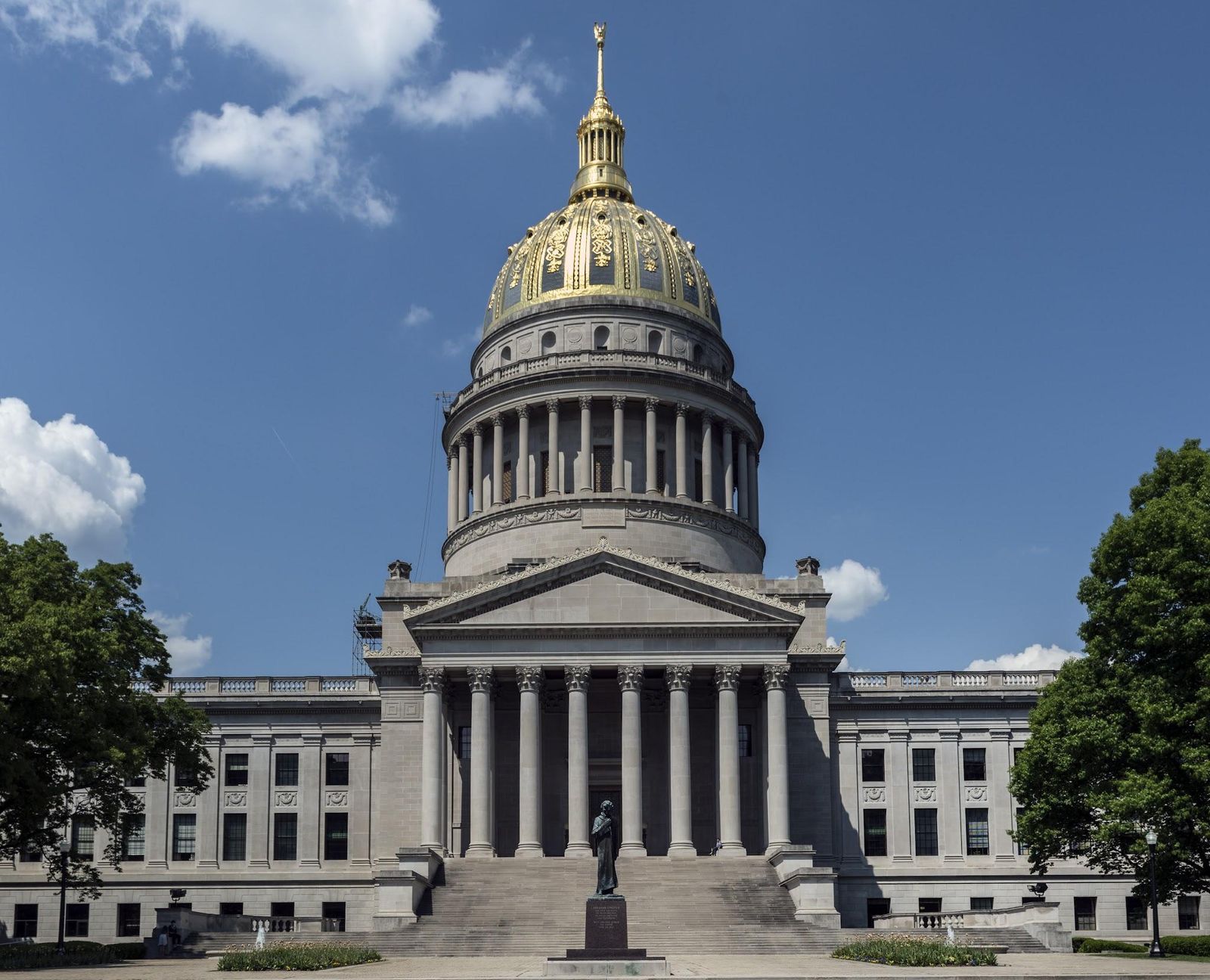
Image: Sara Cottle

Have you ever reached the summit of a particularly steep mountain after hours of arduous trekking? If you had to describe that amazing feeling in one word, what would it be? We’ll leave you to ponder that while we tell you the first word that came into our minds: freedom.

Apparently, we share this feeling with the good people of West Virginia , since its motto reflects the freedom that its magnificent mountains and hills inspire. West Virginia’s motto is the Latin phrase Montani Semper Liberi, which means "mountaineers are always free." Furthermore, since one of West Virginia’s demonyms is "mountaineers," this phrase also speaks to the core of West Virginians’ identity.

5
New York - "Excelsior"

Image: ben o'bro

Any Marvel fan will associate this phrase with comic-book legend Stan Lee, after all, he made this word his catchphrase throughout his many media appearances. However, you might be surprised to learn that "Excelsior" is also New York’s official state motto, and it perfectly describes New Yorkers’ industrious and resilient nature.

"Excelsior" is a Latin word that’s commonly translated as "Ever Upward," but it can also mean "higher" or "superior." It is featured in New York’s coat of arms, which features the representations of Liberty and Justice standing above the state’s motto.

6
Montana - "Gold and Silver"

Image: Trevor Vannoy

Just like West Virginia, Montana pays tribute to its breathtaking mountains and landscapes with its motto. However, it focuses on another key aspect of its geography, more akin to its nickname: Montana’s motto Oro y Plata literally translates to "Gold and Silver," which is a direct reference to The Treasure State’s proud mining history.

Montana first included the phrase Oro y Plata on its State Seal many years before it was adopted as the state’s official motto. Shortly after Montana was declared an official U.S. territory in 1864, the newly formed state honored the gold rush that had led to its territorial status by including its two most precious metals into its State Seal. Finally, the state motto was officialized in 1865.

7
Tennessee - "Agriculture and Commerce"

Image: Nathan Anderson

It’s no secret that state mottos sometimes reference their state’s most prominent industry: As we mentioned before, Montana and California pay tribute to the mining that helped build their economies. In that regard, Tennessee is no exception; its state motto is incredibly straightforward, directly praising the industries that helped the Big Bend State grow.

Tennessee chose "Agriculture and Commerce" in 1987. In turn, this motto was directly taken from the State Seal, which was adopted in 1801. The seal shows both sides of this state’s industry, with "Agriculture" referenced by a bundle of wheat and a cotton plant, while "Commerce" is depicted by a riverboat, presumably trading goods.

8
Texas - "Friendship"

Image: Brandon Zanders

Texas’s state motto may only feature one word, but it singlehandedly describes an essential part of Texan history. Before we can delve into that, though, we have to take a quick look into the etymology of the name of this great state. The word Texas is believed to come from the Caddo word táy:shaʼ , which means "friend." Spanish settlers adopted this word for the area, spelling it as Texas or Tejas.

In that sense, Texas pays homage to its history with the single-word motto "Friendship." Not only that, while Texas is mostly known by the nickname "The Lone Star State," its official slogan is "The Friendly State."

9
Vermont - "May the fourteenth star shine bright" & "Freedom and Unity"

Image: Eric Chen

Vermont is the only state on this list to feature two official mottos: "Freedom and Unity" and the Latin phrase " Stella quarta decima fulgeat, " which translates to "May the 14th Star Shine Bright." Interestingly, this last phrase is also the newest slogan to be made official, since it was elected as Vermont’s state motto in 2015.

In any case, both mottos represent Vermont’s individuality, strength, and, perhaps more importantly, its solidarity: "Freedom and Unity" describes Vermont’s mission to create a free and neighborly community, while "May the 14th Star Shine Bright" depicts the search of the common good throughout the entire state.

10
Rhode Island - "Hope"

Image: Praswin Prakashan

We’ll end this article with probably the most beautifully simple American state motto. The State of Rhode Island has the single-word motto "Hope," which is also featured in its State seal. In tune with their long maritime history, the seal depicts a golden anchor emblazoned in a dark blue field.

The inspiration behind both Rhode Island’s state motto and seal is probably a biblical quote found in the New Testament, which reads "Hope we have as an anchor of the soul." Considering that this state was founded by a Christian minister seeking to escape religious persecution, this single word expresses a very powerful sentiment: the hope that people could find in this new land a place of refuge and freedom.

Explore more American facts

Choose your favorite category!

General
General

As American as apple pie—the very best America has to offer!

Culture
Culture

Delve into the astounding richness of American lore.

Geography
Geography

Hop in and explore vast and diverse American landscapes.

History
History

Discover the key moments that shaped the United States.