History History 5 min read

Proud moments

These Team USA victories will go down in history

Image: Jon Tyson

American Olympic athletes have always garnered admiration and envy in equal measure worldwide, with Team USA collecting titles and breaking records around the world. But some victories have made indelible marks on sports history. Here are 10 iconic Team USA moments that made us proud.

1
The "Miracle on Ice" (1980 Winter Olympics, Lake Placid, NY)
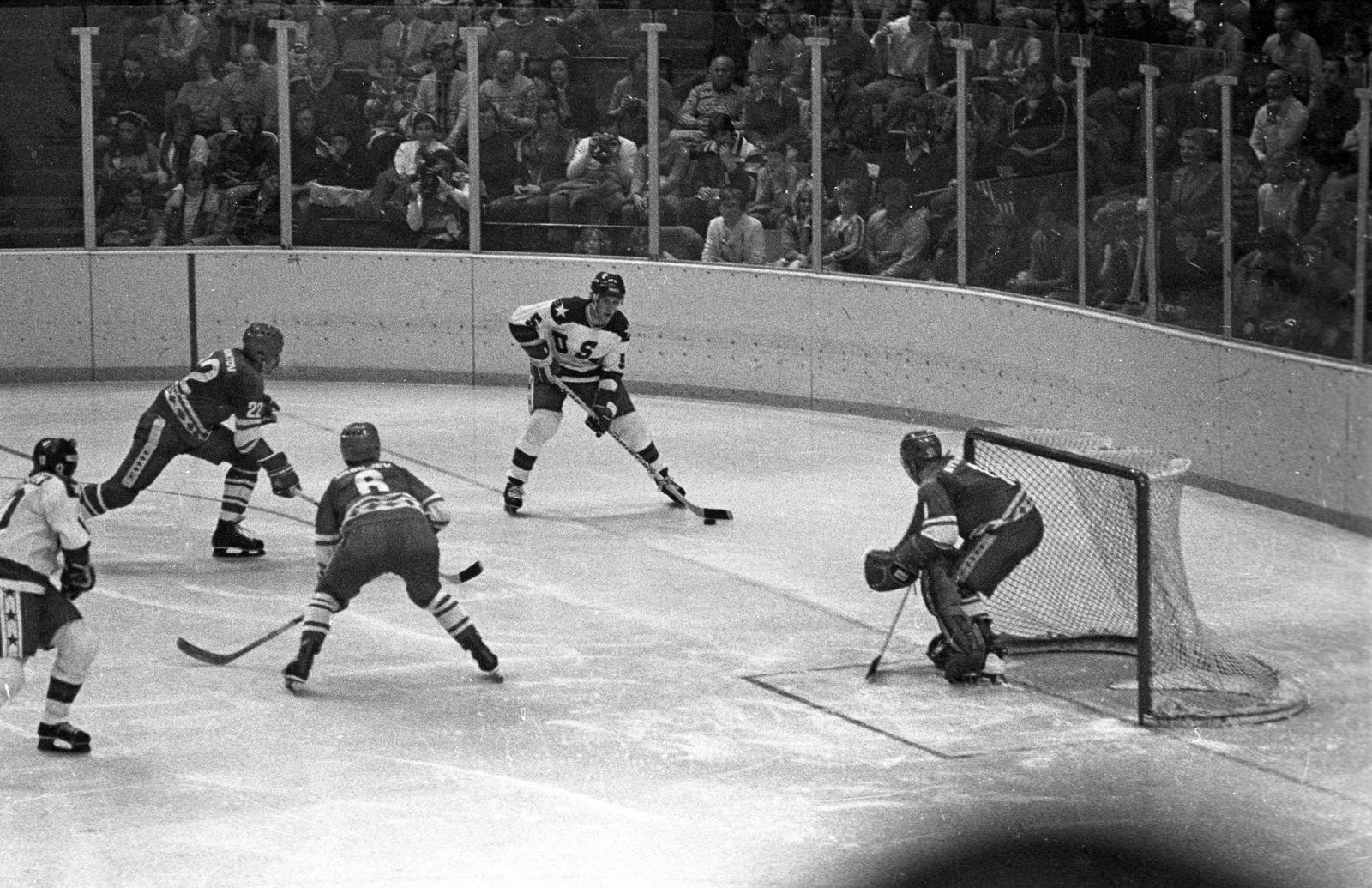
Image: Henry Zbyszynski, CC BY 2.0, via Wikimedia Commons

A landmark moment in Olympic men’s hockey history, the first medal-round match saw an amateur Team USA —as Olympic rules barred professional athletes from competing— against a four-time gold-winning Soviet Union that had bypassed regulations to gather a professional team. Against all odds, Team USA achieved a 4-3 upset victory and would go on to win gold against Finland.

2
Jesse Owens (1936 Summer Olympics, Berlin)
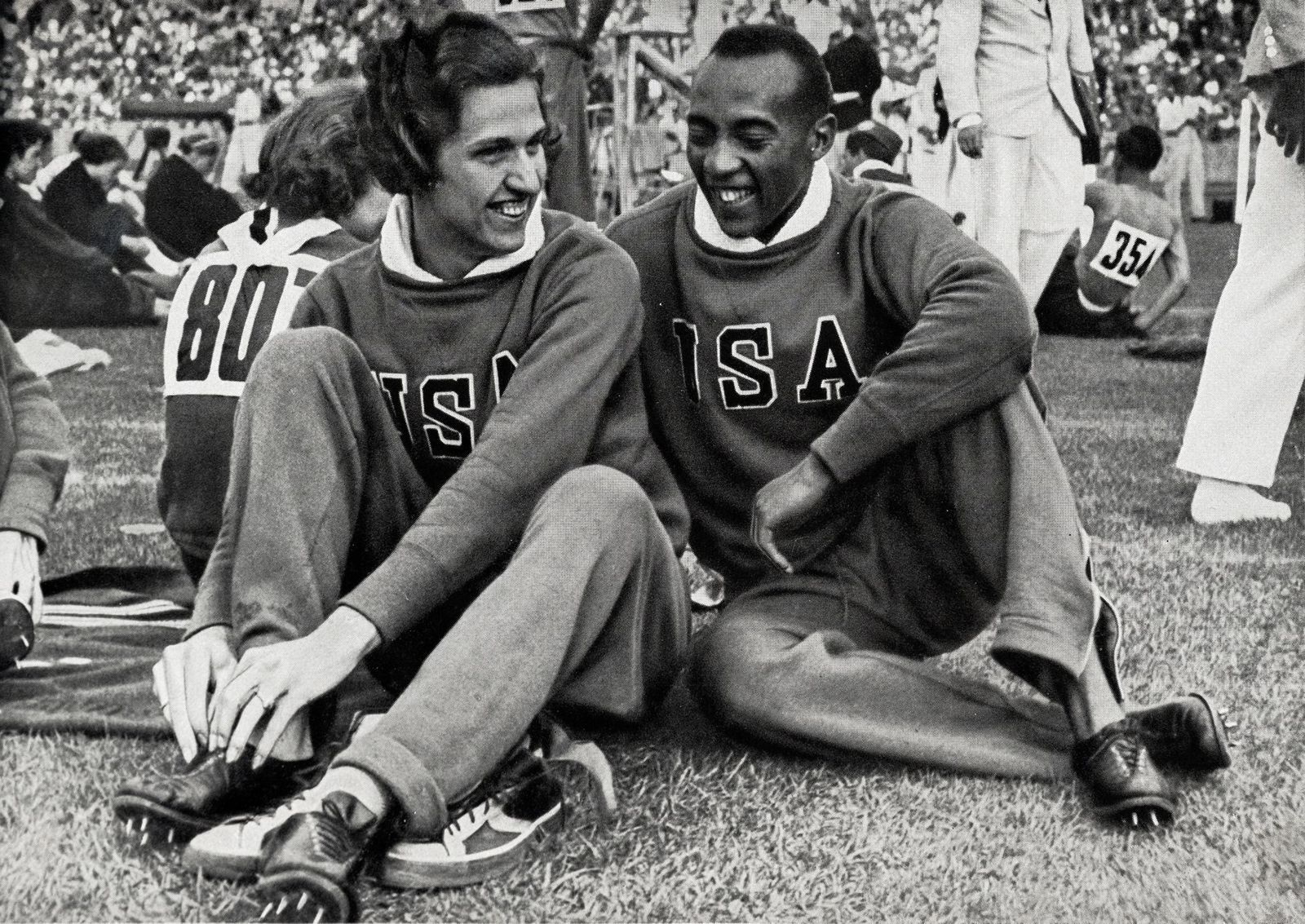
Image: Andreas Wolochow

The Berlin 1936 Summer Olympics were celebrated with uncertainty and fear, under a full-fledged Nazi regime that had "softened" its regulations during the event, but still barred Romani and Jewish athletes from the competition. As an African-American athlete, Jesse Owens was under intense pressure, but was still able to win four gold medals , becoming the first track and field athlete to achieve this record.

3
The Dream Team (1992 Summer Olympics, Barcelona)
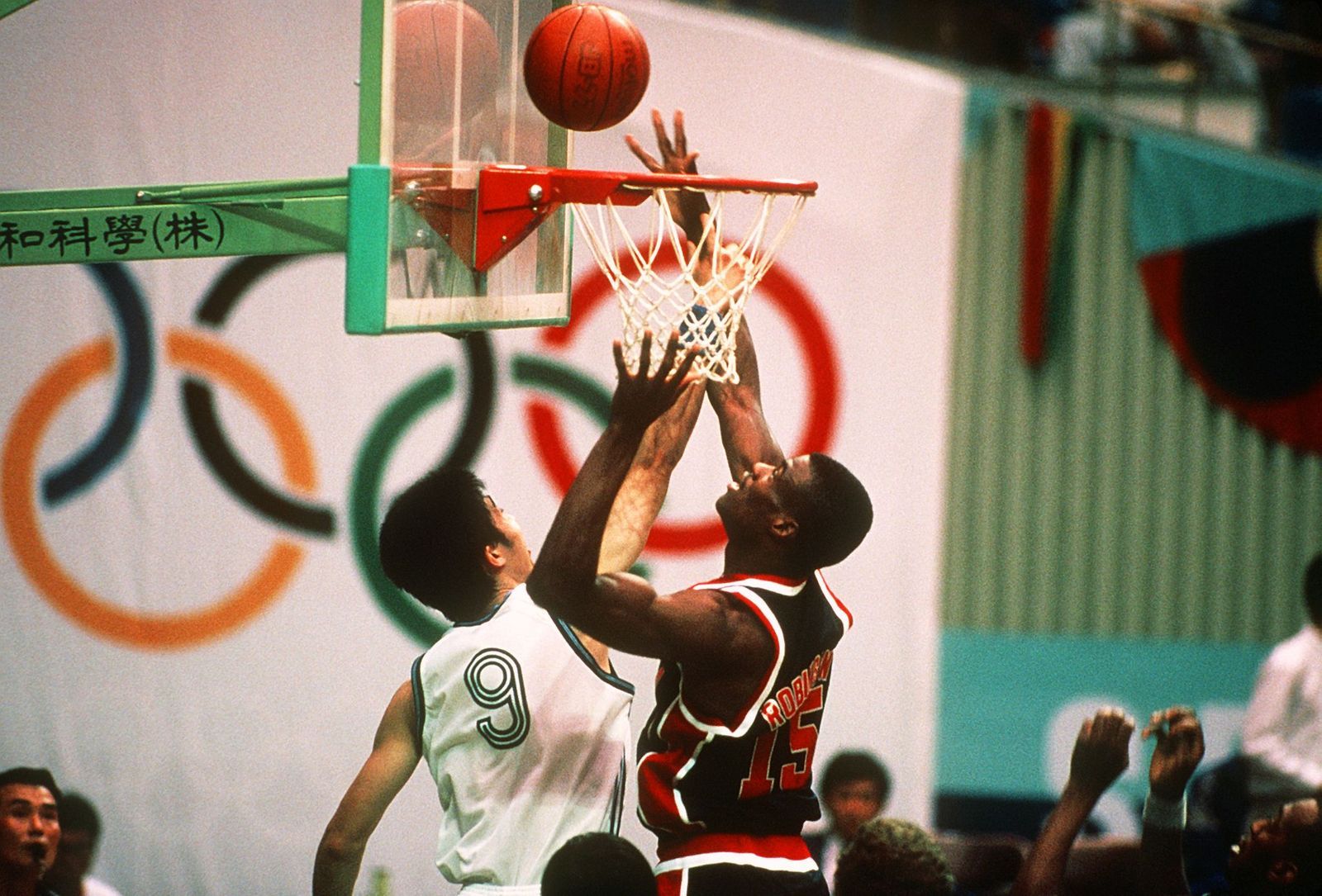
Image: Ken Hackman, Public domain, via Wikimedia Commons

The 1992 Barcelona Olympics were the first to see a men’s Basketball Team USA with active NBA players, who until then were not allowed to compete due to FIBA regulations. Considered one of the most talent-packed teams of all time —with a roster that included names such as Michael Jordan, Magic Johnson, Larry Bird, Charles Barkley, Karl Malone, Patrick Ewing, Scottie Pippen, and David Robinson. The so-called "Dream Team" would remain undefeated through the competition and take the gold medal home, winning each game by at least 32 points —and without Head Coach Chuck Daly having to ever call for a timeout.

4
Michael Phelps (2008 Summer Olympics, Beijing)

Image: Everett Collection

Nicknamed "The Baltimore Bullet" and "Flying Fish", Michael Phelps is one of the great names in Team USA swimming history, with a record total of 24 medals across four Olympic Games . After tying the record for most medals of any color by winning six gold and two bronze in the 2004 Athens Summer Olympics, Phelps would go on to make history in the following 2008 Olympic Games, where he took home eight gold medals, setting a new record, undisputed in any Olympic sport to this day.

5
Mary Lou Retton (1984 Summer Olympics, Los Angeles)
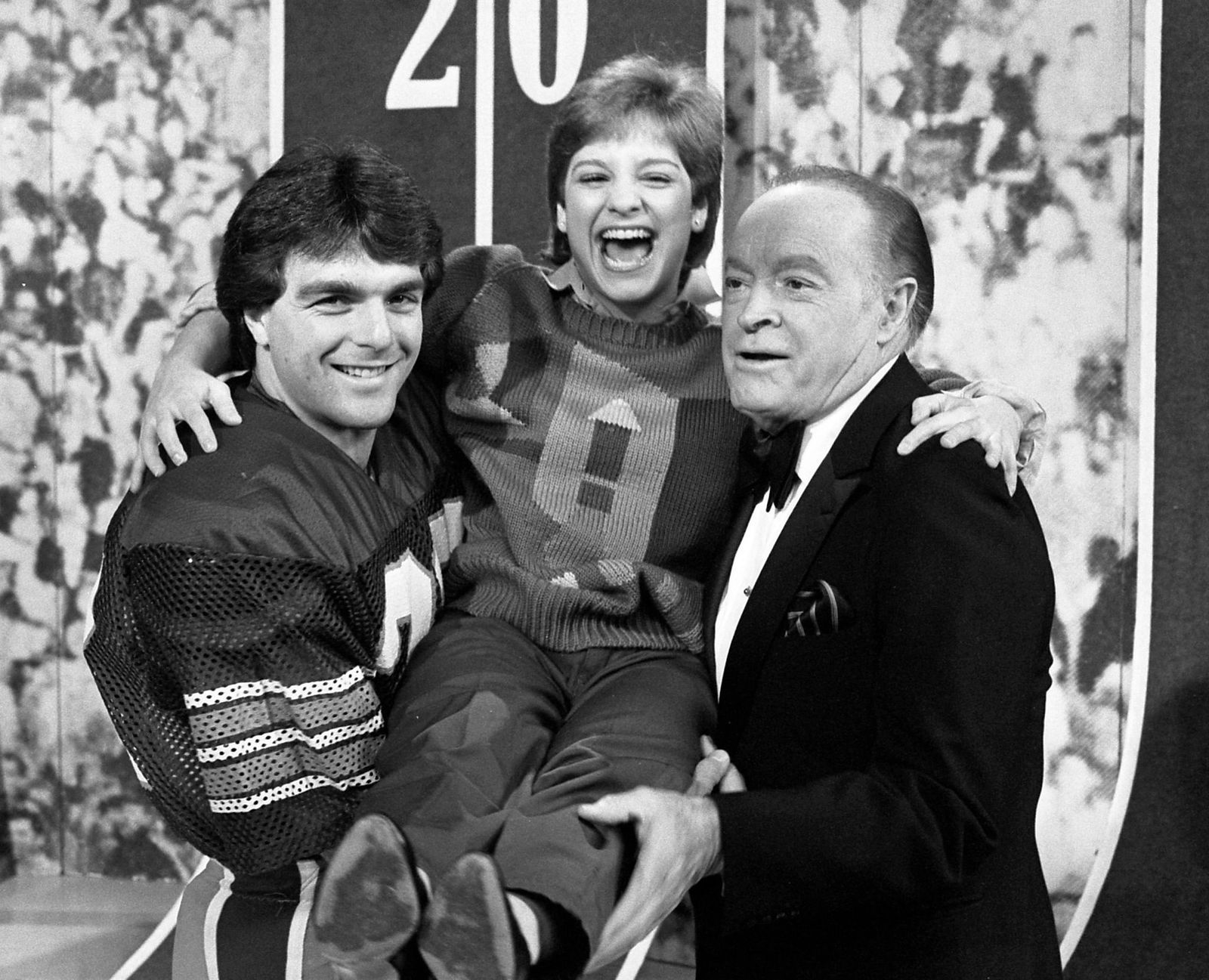
Image: Scott Flynn, Los Angeles Times, CC BY 4.0, via Wikimedia Commons

The perfect-score victory of 14-year-old Romanian gymnast Nadia Comăneci in 1976 inspired gymnasts around the globe, among them an 8-year-old Mary Lou Retton. Trained by Comăneci’s former coaches, Retton made a name for herself at a young age, but suffered a devastating knee injury five weeks before the 1984 Los Angeles Olympics. Despite undergoing surgery, Retton recovered just in time and went head-to-head against Romanian athlete Ecaterina Szabo for the all-around medal. Beating Szabo by 0.05 points, Mary Lou Retton became the first American (and the first non-Eastern European) female gymnast to win all-around gold at just 16 years old. She would also win two silver and two bronze medals in the individual events.

6
1996 U.S. Women's Olympic Basketball Team (1996 Summer Olympics, Atlanta)
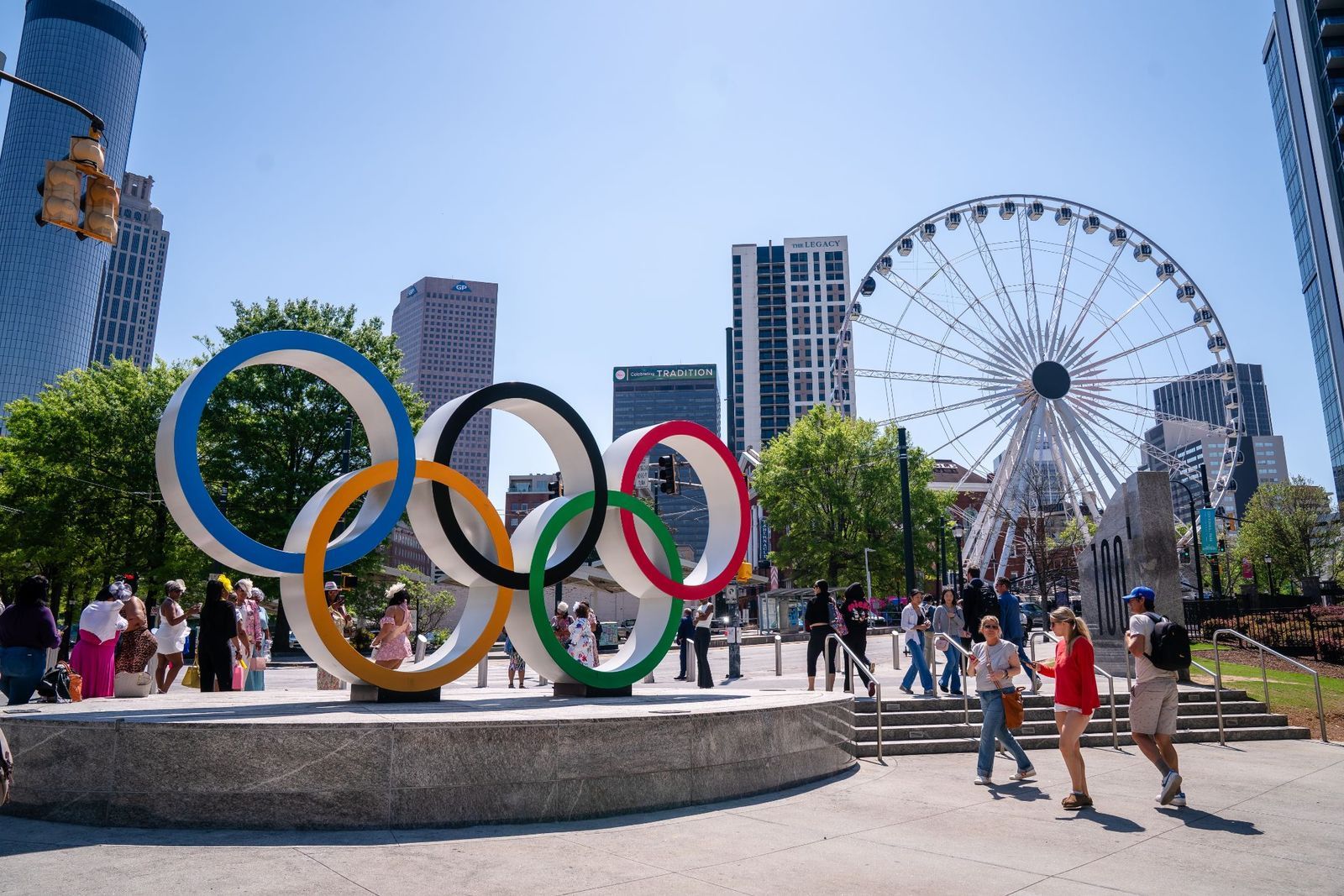
Image: 26ShadesOfGreen

With the men’s teams hogging the spotlight, women’s basketball in the 1990s was still underestimated. The NBA was considering launching a women's professional league, but the 1996 Atlanta Summer Olympics were to be the deciding factor. In order to give their all, the team lived and trained together for a whole year before the competition , with an undefeated pre-Olympic tour and Olympic run. Their Olympic success would pave the way for the WNBA and, more broadly, for women’s basketball across America.

7
Mark Spitz (1972 Summer Olympics, Munich)
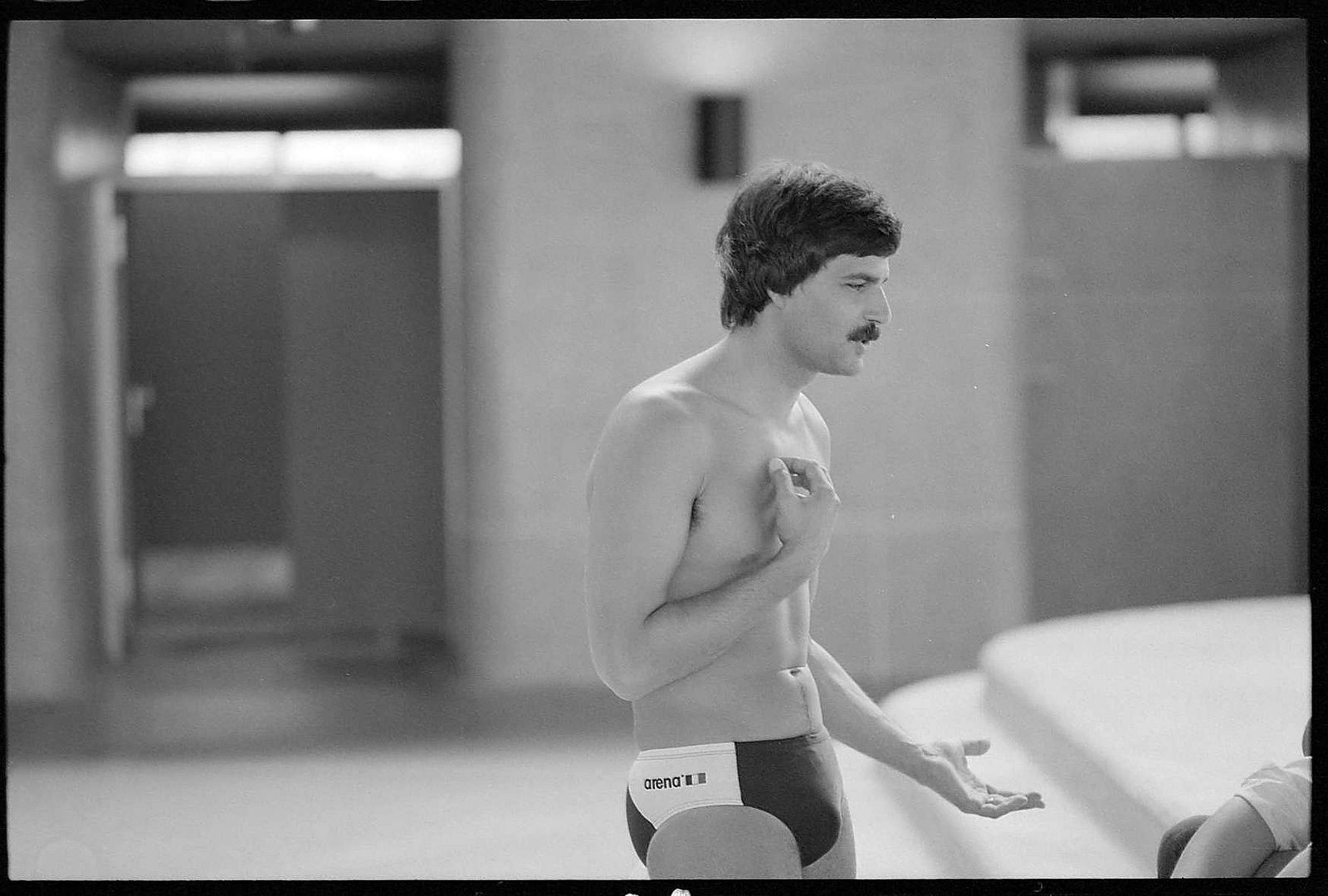
Thirty-six years before Michael Phelps’ gold medal record, Mark Spitz made swimming history in the 1972 Munich Olympic Games. With a record-setting career, Spitz had entered the 1968 Games as the favorite for at least six golds, but was only able to achieve two golds, a silver, and a bronze. The following games were different, though: Spitz competed in seven different categories, winning gold and breaking the world record for each one , remaining undefeated until 2008.

8
Florence Griffith-Joyner (1988 Summer Olympics, Seoul)
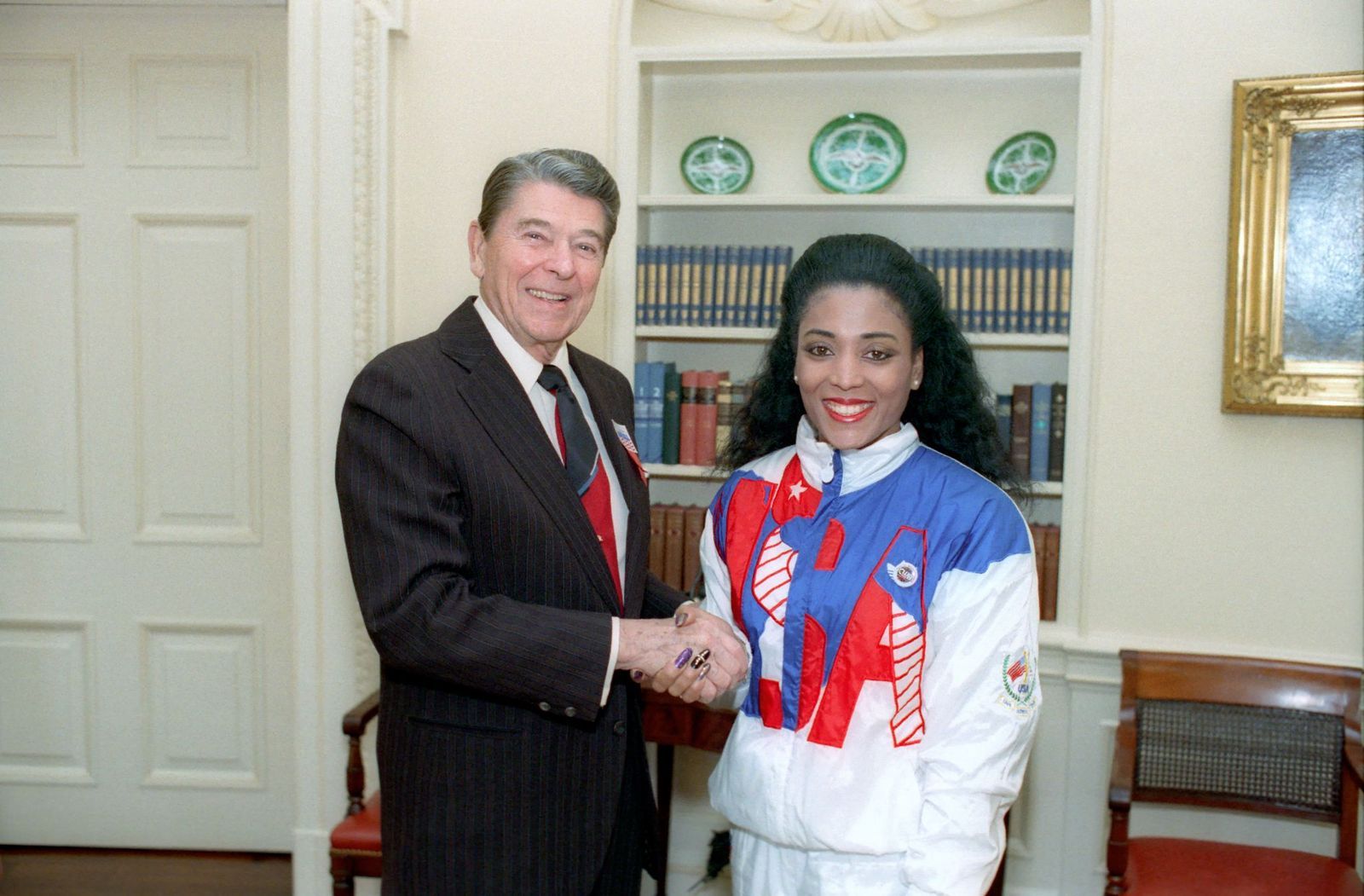
Image: Ronald Reagan Presidential Library, Public domain, via Wikimedia Commons

Despite her 3 golds and one silver at the 1988 Seoul Games, one of Flo-Jo’s most impressive records was set a few months earlier , during the Olympic trials in Indiana, where she set a world record for the 100-meter dash in 10.49 seconds. During the games, she would also set a world record for the 200-meter dash in 21.34 seconds. Both these records have remained undefeated to this day.

9
Carl Lewis (1984, 1988, 1992, and 1996 Summer Olympics)

Image: Jamie Lamor Thompson

Carl Lewis’ track and field career has impressive numbers, with 10 Olympic medals (9 of them gold) and 10 World Championship medals. However, the numbers don’t stop there. After matching Jesse Owens’ record by winning four golds in the same Olympics in 1984, he would go on to win gold for the same event in four consecutive games , being one of six athletes overall, and one of two track and field athletes to achieve this record.

10
The "Magnificent Seven" (1996 Summer Olympics, Atlanta)
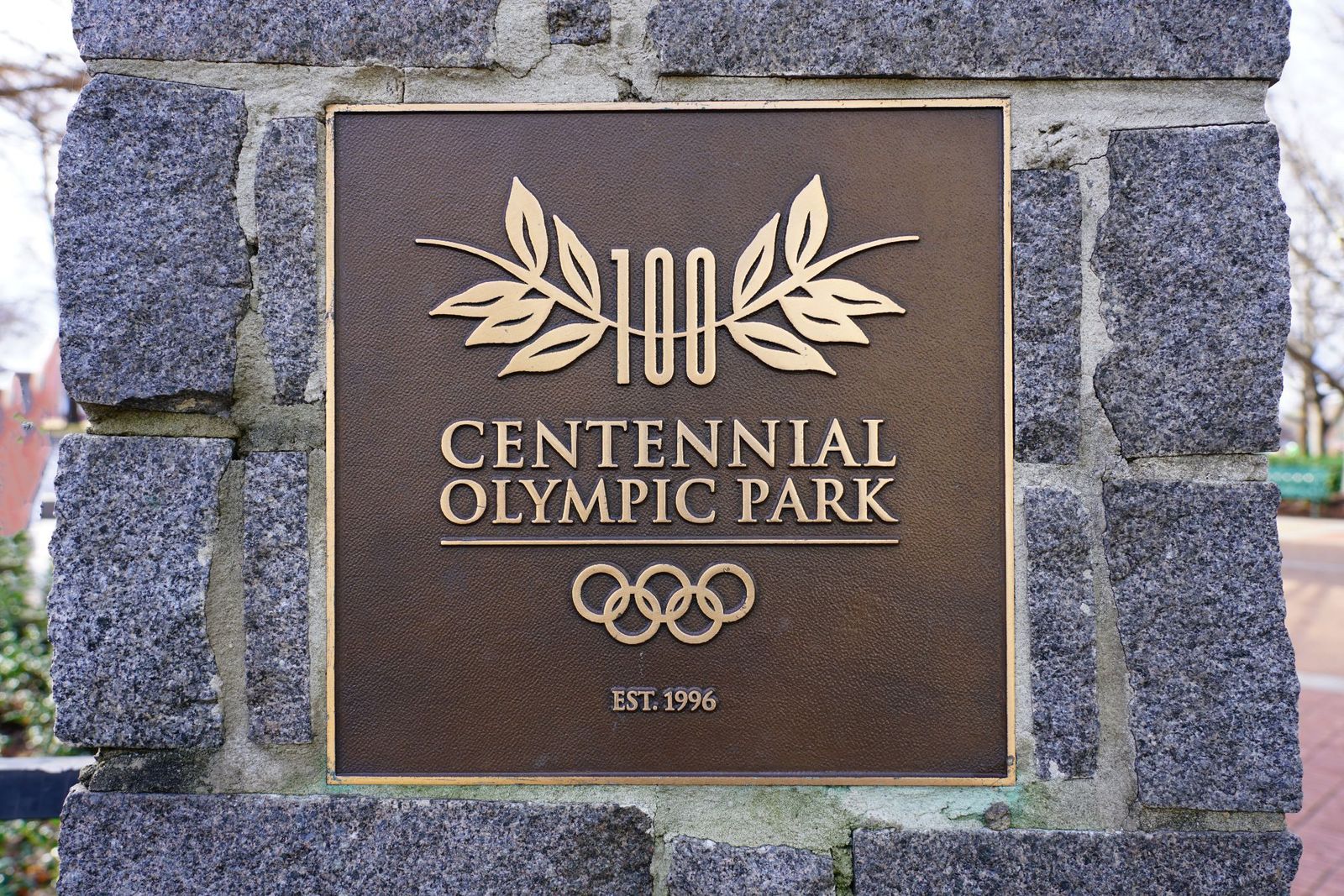
Image: EQRoy

We’re now used to seeing Team USA dominate women’s gymnastics, but a few decades ago the picture was quite different, with powerhouses like Romania and the Soviet Union dominating the sport. By 1996, Team USA had never managed to win a team gold, but the "Magnificent Seven" —Shannon Miller, Dominique Moceanu, Dominique Dawes, Kerri Strug, Amy Chow, Jaycie Phelps, and team captain Amanda Borden— would change history. With a team composed of athletes with strong individual performances, Team USA had managed to reach the finals, with the vault as the defining apparatus. Under immense pressure and after falling on her first attempt, Kerri Strug (with a torn ligament that caused her immense pain) executed a near-perfect jump, landing on one foot and beating Russia’s overall score by 0.851 points.
Culture Culture 6 min read

Wartime Inventions

Why M&M's never melt in your hand: 10 wartime inventions

Image: Shutterstock

The phrase "Necessity is the mother of invention" is especially apt during wartime. During World War II, for example, soldiers needed lots of things to survive that didn’t exist yet. These inventors weren’t just scientists: mothers, businessmen, and car companies joined the challenge, too. When the Army asked, they took action and invented these 10 products that remained part of our everyday lives long after wartime.

1
Duct Tape Was Made to Protect Ammunition Cases

Image: Shutterstock

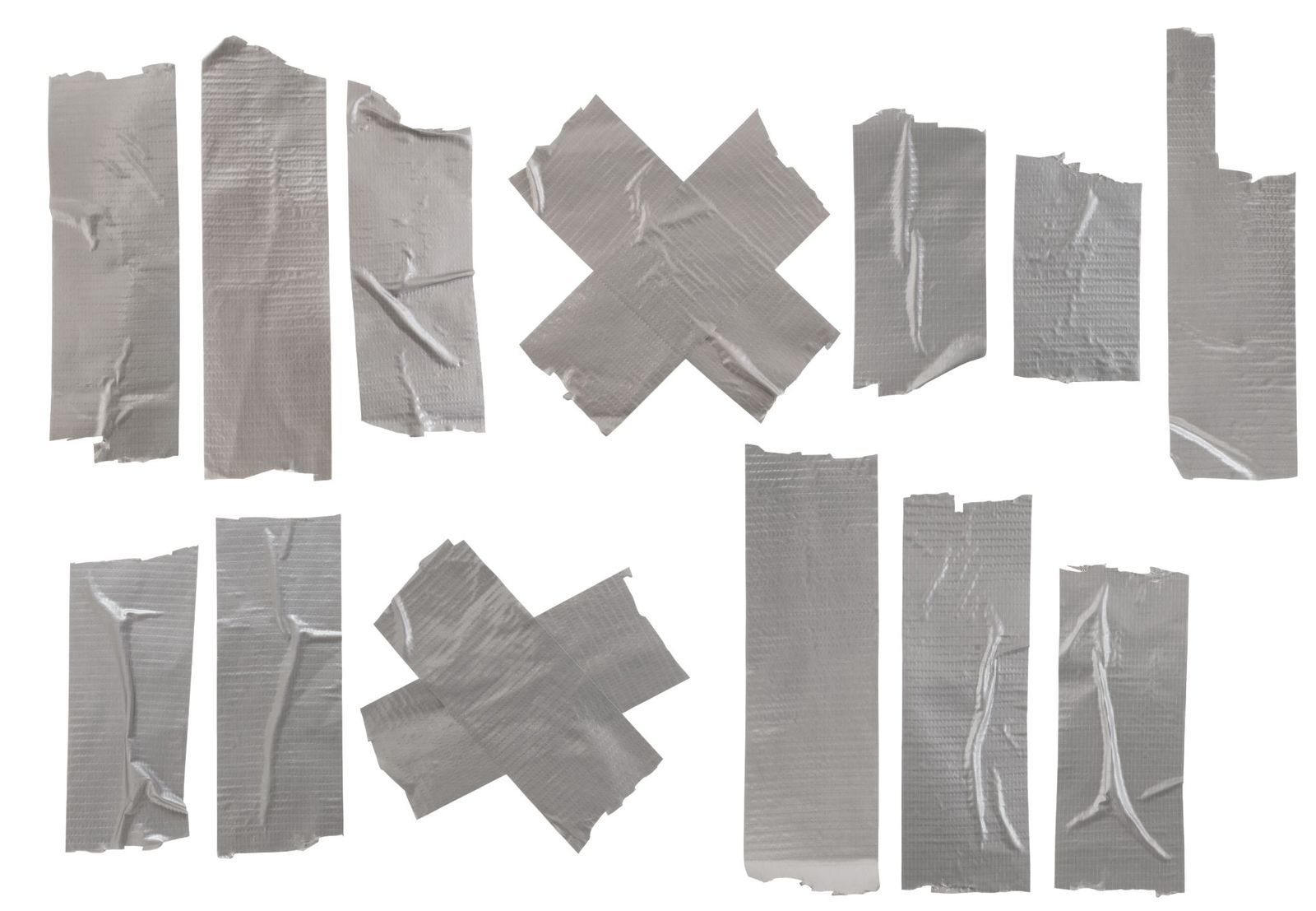
During World War II, the ammunition boxes sent to American troops were sealed with paper tape and dipped in wax to keep water out. Soldiers were supposed to pull a small paper tab to open them quickly. But the thin tape could tear, leaving them struggling to reach the ammunition. Vesta Stoudt, who packed and inspected these boxes at the Green River Ordnance Plant in Illinois, recognized this danger. She also had two sons serving in the U.S. Navy, so she devised a solution.

Stoudt proposed replacing the paper tape with a strong, waterproof cloth tape that soldiers could easily pull off. As she had no response from her supervisors, she wrote directly to President Franklin D. Roosevelt, including drawings of her idea. Roosevelt sent the proposal to the War Production Board, which asked a Johnson & Johnson operating company to manufacture the tape. It not only worked, but troops soon used the strong tape to repair boots and fix military vehicles too. Today, duct tape is still the solution to many everyday repairs.

2
M&M’s Were Designed With Soldiers in Mind

Image: Shutterstock

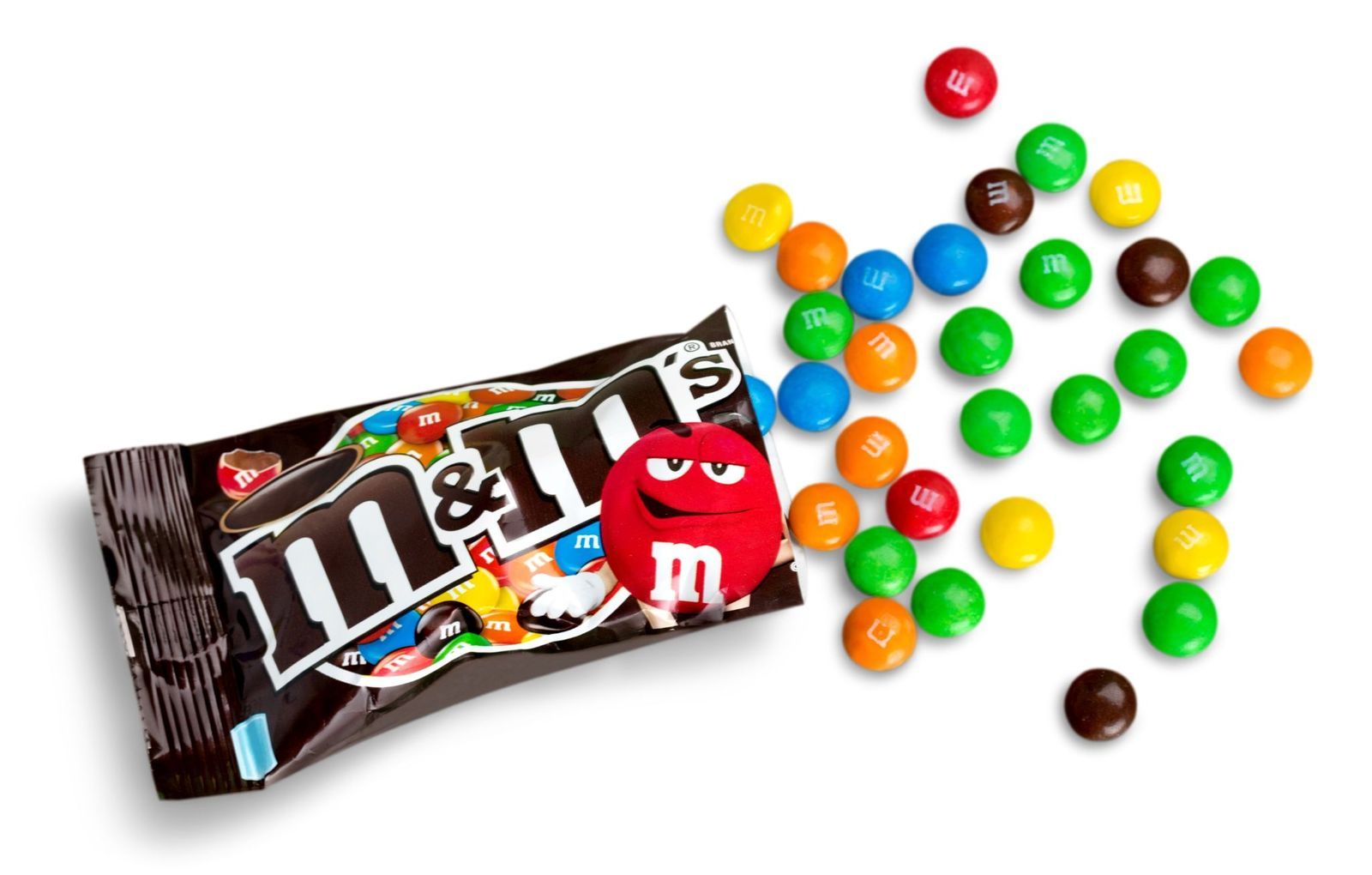
You probably remember the iconic M&M's slogan "melts in your mouth, not in your hand." Well, this characteristic was intentionally created for troops, allowing them to eat chocolate even under the hot sun.

When businessman Forrest Mars Jr. was travelling to Spain in the late 1930s during the Spanish Civil War, he observed how soldiers ate chocolate encased in sugar shells. The sugar crust prevented the chocolate from melting, and soldiers could enjoy the treat, even in hot temperatures. Mars soon partnered with Bruce Murrie, the son of Hershey's president, to secure a steady supply of chocolate for American troops. Their collaboration led to the creation of M&Ms, named after the initials of their last names. By 1947, the candy was made available to the public.

3
The Jeep Was Built for the U.S. Army

Image: Shutterstock

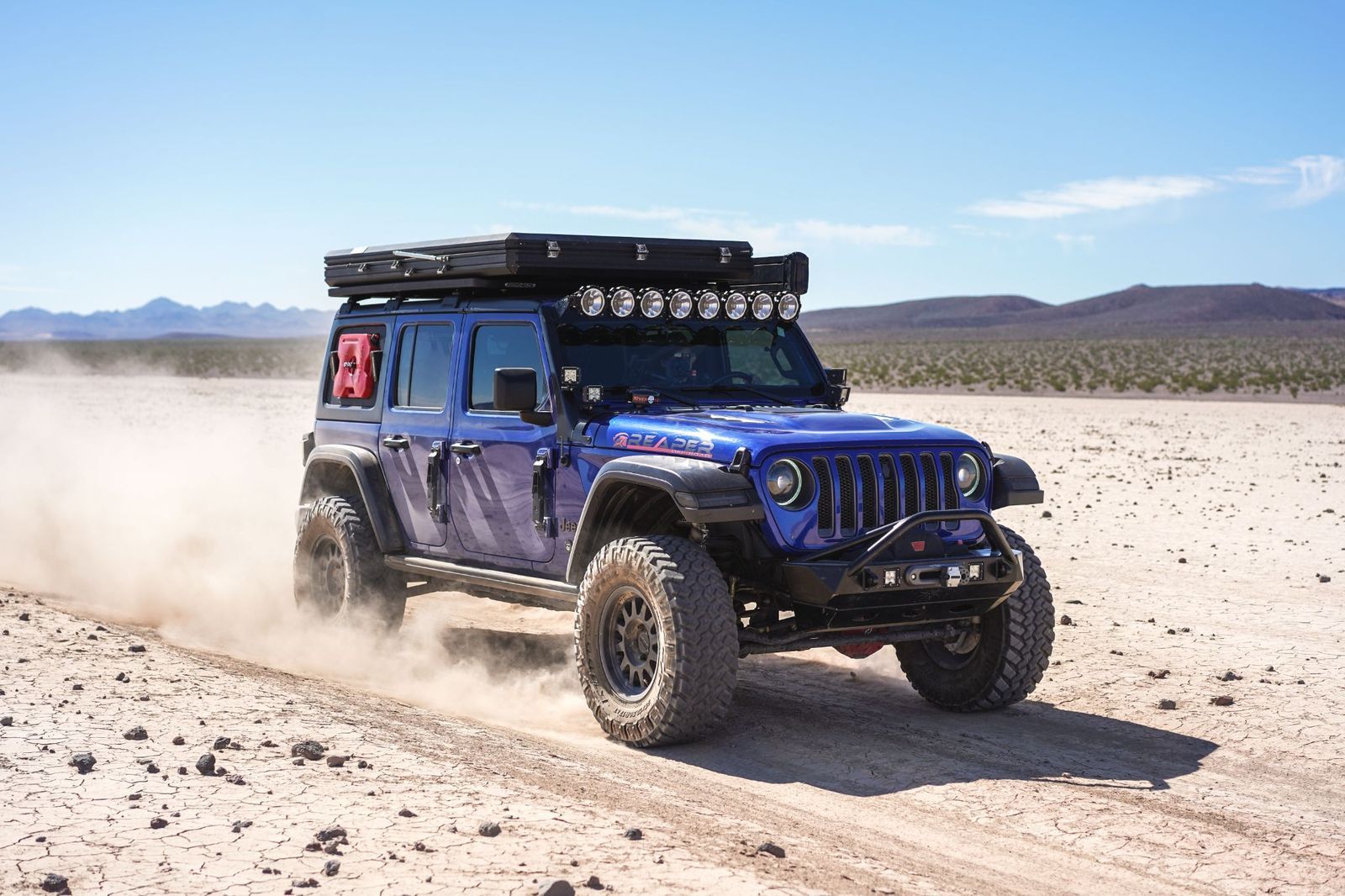
In 1940, the U.S. Army asked automakers to create a small four-wheel-drive vehicle that could carry soldiers across rough terrain. Bantam, Willys, and Ford entered the competition, and Willys won the main production contract. However, the final Willys MB also borrowed some of Ford’s flat grille and hood fastener design.

The new Jeep could travel through mud, climb steep roads, and reach places trucks couldn’t. Soldiers and mechanics could repair it quickly, and its parts were easy to remove and replace. Soldiers liked it so much that demand continued after they returned home, and Willys introduced the civilian CJ-2A in 1945 shortly after the war ended. The modern Jeep Wrangler still carries the same adventurous spirit.

4
The Slinky Started With a Naval Engineer’s Spring

Image: Shutterstock

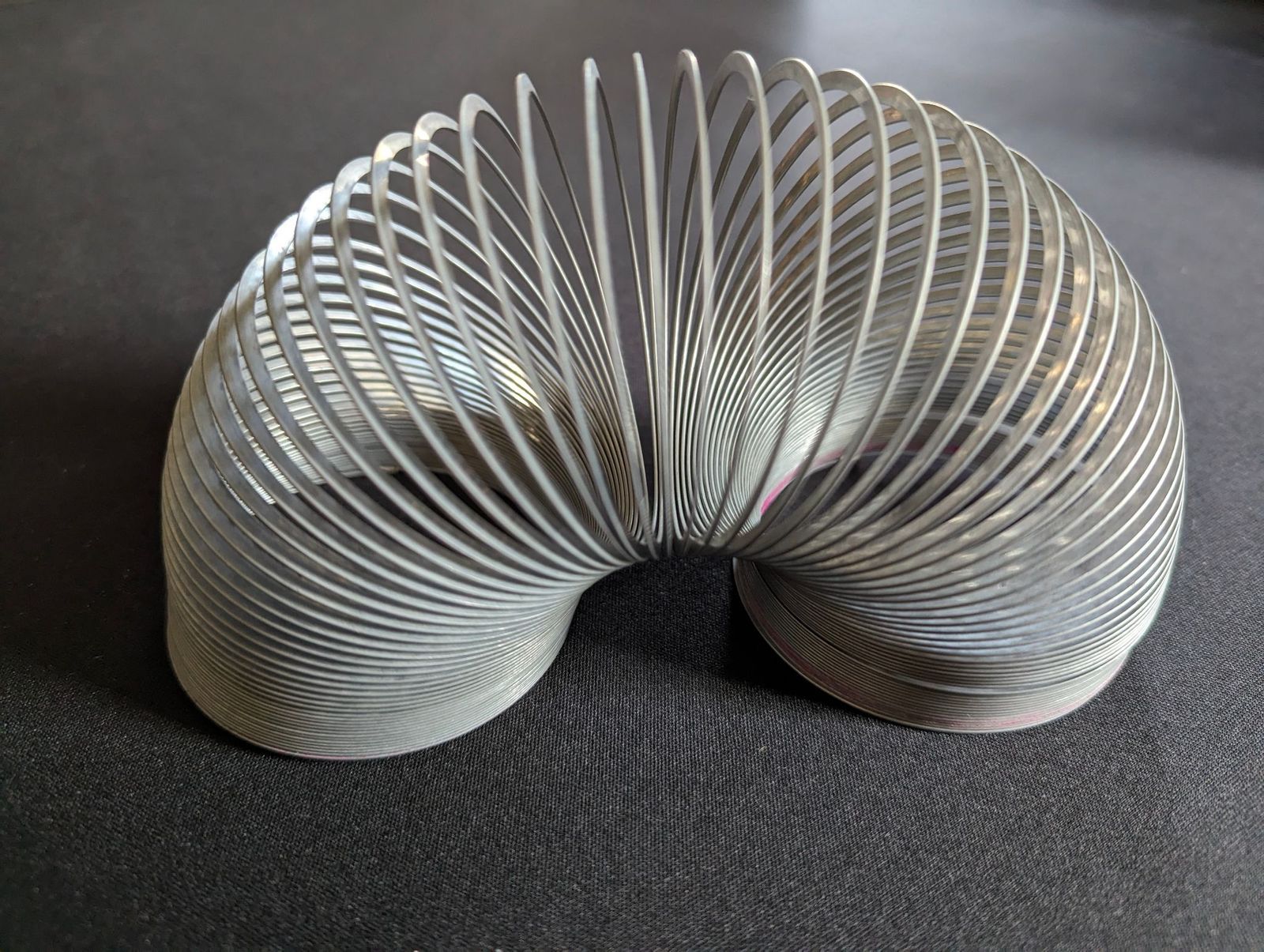
In 1943, naval engineer Richard James was developing a spring to keep equipment steady on ships during rough seas. One day, he knocked one of his experimental springs onto the floor. Instead of falling in one place, it moved end over end. James rapidly realized its potential as a toy.

He spent the next two years finding the right size and tension for the spring. His wife, Betty, named it "Slinky," because of its smooth movement, and they introduced it to the market in 1945. But shoppers were confused and didn’t know what to make of it at first. The situation changed after James demonstrated it at a Philadelphia department store: all 400 Slinkys were sold in less than two hours.

5
Super Glue Emerged From Wartime Research

Image: Shutterstock

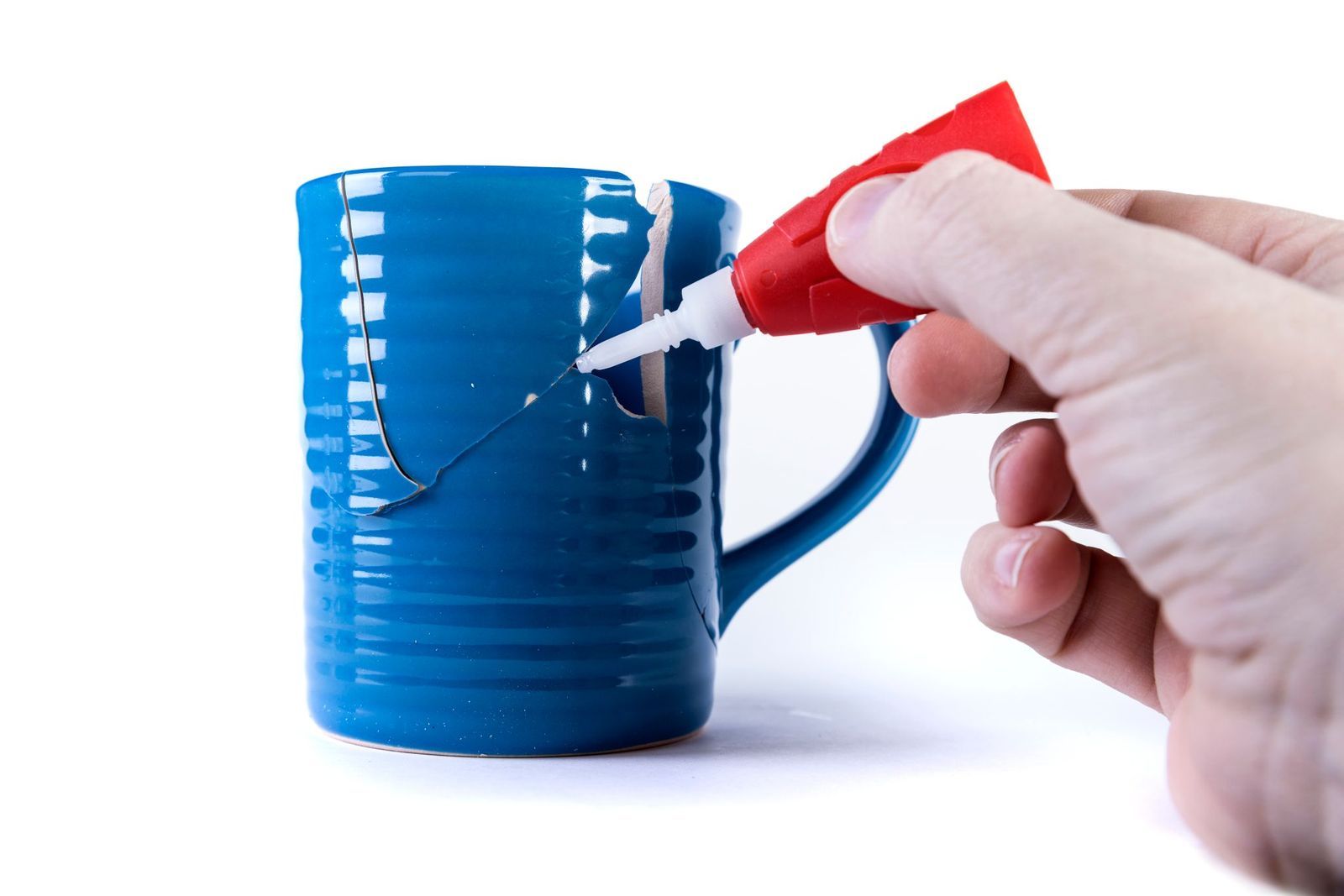
Today, we use Super Glue to repair broken items, for crafting, woodworking, and for countless quick fixes. But in 1942, chemist Harry Coover created it while trying to make a clear plastic for military gunsights during World War II. He was testing chemicals called cyanoacrylates when his team found that they stuck to almost everything they touched. As that feature made them unsuitable for the original project, the researchers moved on.

Coover encountered the chemicals again in 1951 while his team was developing materials for jet canopies. This time, he realized that their powerful bond was useful because it required no heat or pressure. Kodak later refined the adhesive and released it as Eastman 910 in 1958. That accidental discovery became widely known as Super Glue.

6
Silly Putty Grew Out of a Search for Synthetic Rubber

Image: Shutterstock

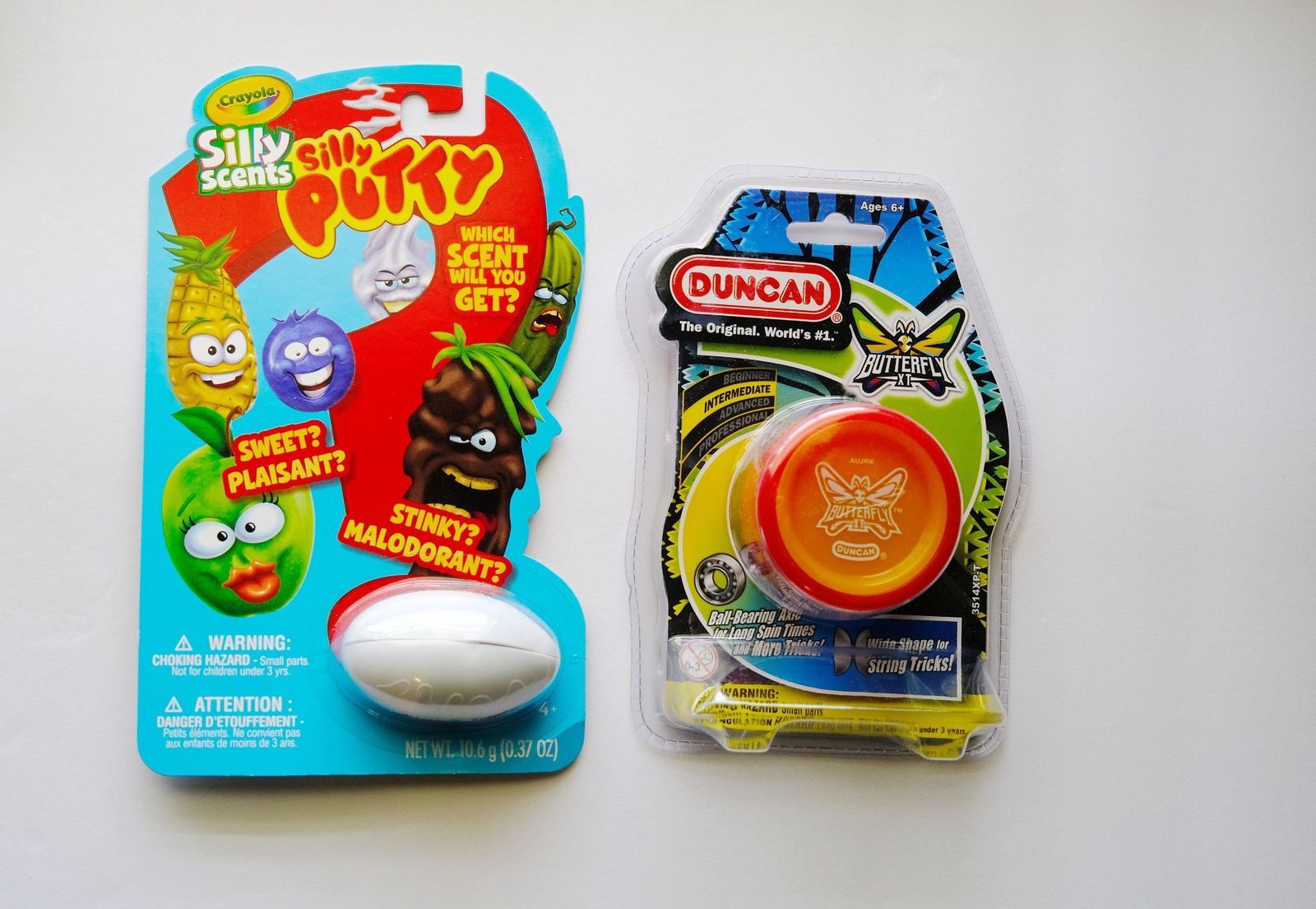
Silly Putty is that stretchy stuff that comes in plastic eggs and bounces and bends, depending on how you pull it. It was created during World War II, when rubber was needed for tires, boots, gas masks, and other military supplies. Japan’s expansion in Asia cut the United States off from much of its natural rubber, so American scientists were forced to look for a replacement.

In 1943, General Electric engineer James Wright mixed boric acid with silicone oil and created a strange, elastic material. It bounced higher than rubber, but it wasn’t strong enough for the military’s needs. General Electric shared samples with scientists, hoping someone might find a practical use for it. Meanwhile, people began passing it around at parties for fun. At one of them, hosted by a General Electric executive, businessman Peter Hodgson watched guests play with it, recognized its potential as a toy, named it Silly Putty, and in 1950, he commercialized it.

7
Frozen Orange Juice Was Developed for American Troops

Image: Shutterstock

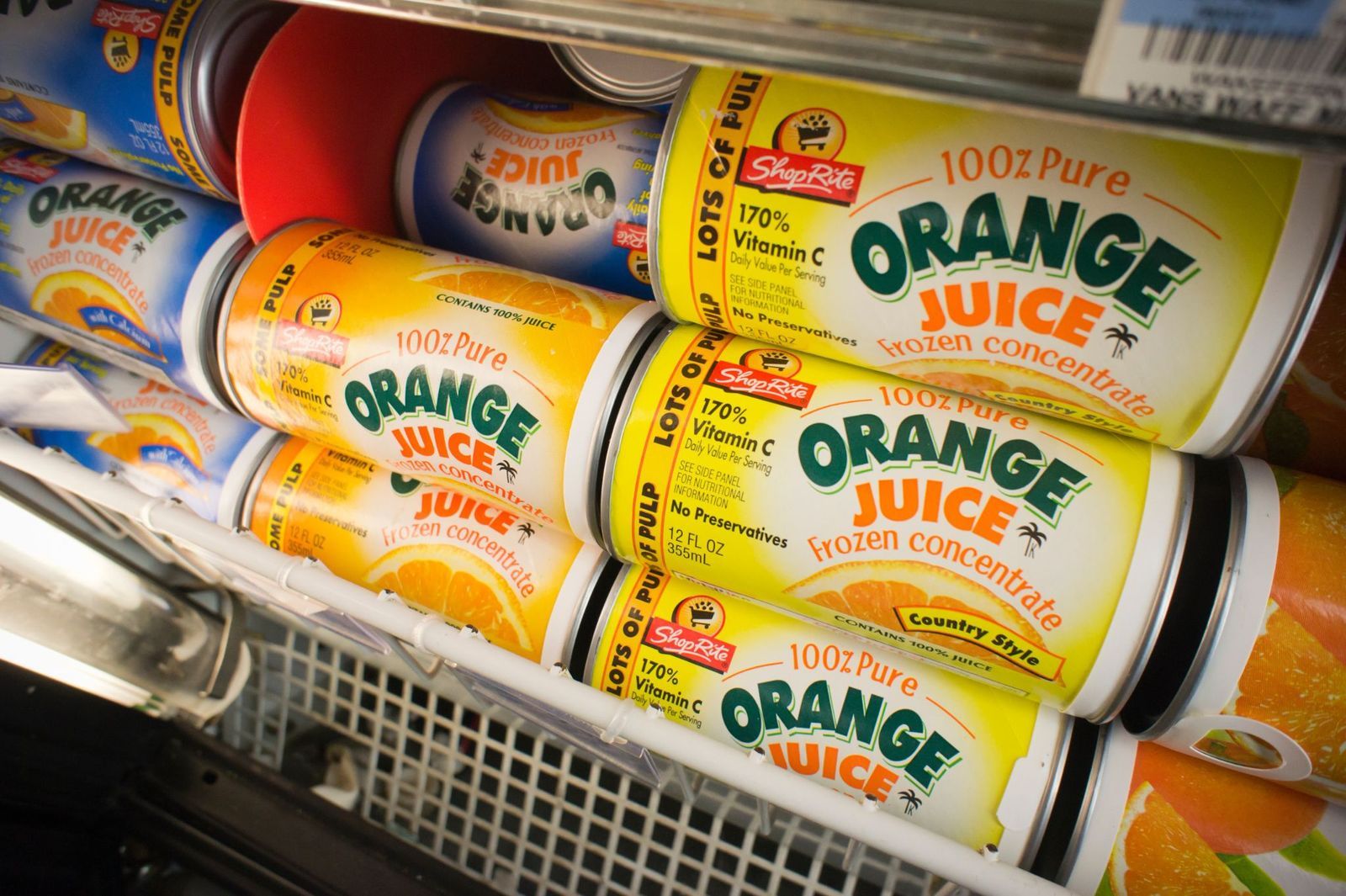
Orange juice provides vitamin C, which supports the immune system and helps the body heal wounds. During World War II, the military understandably needed to make sure troops received enough vitamin C. However, regular frozen juice lost its fresh taste during storage and transport, sometimes developing a flavor compared to turpentine. So in 1942, the Army asked researchers to create a frozen version that could travel without losing its flavor.

And by 1945, scientists of the Department of Agriculture removed water from fresh juice at low temperatures and then added a little fresh juice back into the concentrate. The process preserved the orange oils responsible for its familiar taste. The Army ordered 500,000 pounds, but the war ended before the product could be delivered. Instead, it reached American grocery stores in 1946 under the name Minute Maid and soon became a breakfast favorite.

8
Penicillin Became Widely Available Through U.S. Wartime Production

Image: Shutterstock

Penicillin offered a powerful solution to bacterial infections, which could otherwise turn a small wound deadly. But there was still one major problem: even a small amount took a lot of time and effort to produce. With thousands of wounded troops needing treatment during combat, the Allies had to find a way to produce much more of it.

British researchers brought their work to the United States, where government laboratories and drug companies took on the challenge. Scientists then found that growing the mold in deep tanks with a corn-based liquid produced much larger amounts . By 1944, American factories were making enough penicillin to treat Allied troops wounded during the D-Day invasion.

9
Aerosol Bug Spray Protected Soldiers From Insects

Image: Shutterstock

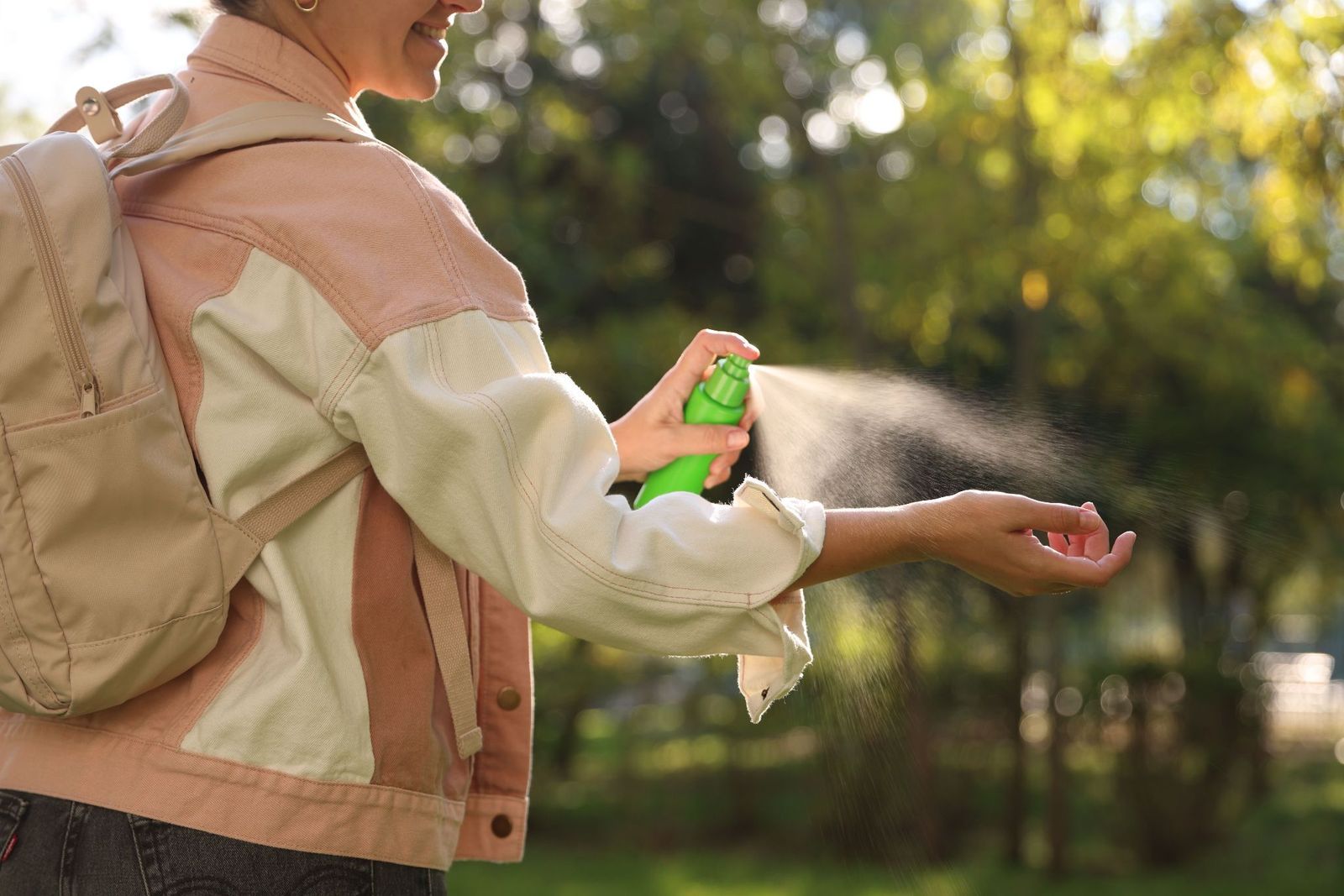
A mosquito bite wasn’t just annoying during war; it could literally take a soldier out of action. In tropical regions, mosquitoes carried malaria and other diseases that sickened lots of soldiers. An easy way to kill insects in tents and planes was needed, and large sprayers weren’t that practical.

Department of Agriculture researchers Lyle Goodhue and William Sullivan developed a small pressurized canister that released insecticide as a fine mist. Nicknamed the "bug bomb," it allowed troops to spray an entire space in seconds. It was patented in 1943, and more than 40 million cans were produced for military use during the war. It didn’t take long for that same technology to be used for home repellents.

10
Synthetic Rubber Kept American Vehicles Moving

Image: Shutterstock

A great number of wartime items needed natural rubber. — to make tires, hoses, engine belts, seals, life rafts, gas masks, and many other waterproof parts . But after Japan captured major rubber-producing areas in Southeast Asia, the U.S. lost access to most of its supply. Recycling and rationing efforts helped, but it wasn’t enough.

The government took action and brought oil, chemical, and tire companies together to build a synthetic-rubber industry at home. Made mostly from petroleum-based chemicals, the new material could do many of the same jobs as natural rubber. U.S. production grew from only 230 tons in 1941 to more than one million tons in 1945. Synthetic rubber kept military vehicles moving during the war and remained essential for tires and other everyday products afterward.

History History 3 min read

Hidden depths

America’s lost ocean: How the Great Lakes came to be

Image: Randy Laybourne

Like legendary giants, the Great Lakes are North America's watery core, influencing commerce, climate, and culture. Stretching across the U.S. and Canada, these five immense lakes—Superior, Michigan, Huron, Erie, and Ontario—contain an astounding 84% of North America's fresh surface water. Here are 11 fascinating facts about these monumental lakes that may have flown under your radar until now.

1
Lake Superior lives up to its name

Image: Jacob Skowronek

Lake Superior is the largest, deepest, and coldest of the five. It holds more water than the other four lakes combined—enough to cover North and South America in a foot of water. At 31,700 square miles, it’s the largest freshwater lake by surface area in the world.

2
Only one is fully American

Image: Ioann-Mark Kuznietsov

Lake Michigan is the only Great Lake entirely within the jurisdiction of the United States. It touches four states—Wisconsin, Illinois, Indiana, and Michigan—and its shores are home to major cities like Chicago and Milwaukee. As if this wasn’t enough, this lake also boasts the world’s largest freshwater sand dunes.

3
They create their own weather

Image: Srikanta H. U

The Great Lakes have a powerful influence on regional weather, especially through the phenomenon of "lake-effect snow." As cold air sweeps over the warmer lakes, it picks up moisture, resulting in heavy snowfall in cities like Buffalo, Cleveland, and Chicago. The lakes also generate localized storms that can rival oceanic tempests in intensity. Yet, not all is harsh; these unique conditions help create microclimates that are perfect for agriculture, supporting a range of crops across the region.

4
A shipwreck graveyard

Image: Vlad Tchompalov

Prone to stormy and unpredictable weather, the Great Lakes are home to over 6,000 shipwrecks. The most infamous of these, the SS Edmund Fitzgerald, sank in Lake Superior during a violent storm in 1975, inspiring Gordon Lightfoot's iconic ballad. In fact, many of these wrecks are remarkably well-preserved, thanks to the cold freshwater, which slows down the decay process and keeps these sunken ships intact for decades.

5
They contain a fifth of the world’s freshwater

Image: Sime Basioli

The Great Lakes hold about 21% of the world's fresh surface water. That’s roughly six quadrillion gallons—enough to submerge the lower 48 states under about 10 feet of water. Given this staggering quantity, it's no surprise that the lakes are crucial to American drinking water, agriculture, and industry.

6
The Erie Canal’s role

Image: Lucy M

Opened in 1825, the Erie Canal linked the Great Lakes to the Atlantic Ocean via the Hudson River, transforming trade and settlement patterns. It played a pivotal role in making New York City an economic powerhouse and significantly accelerated the movement of goods between the Midwest and the East Coast. While most traffic now flows through the larger St. Lawrence Seaway, the Erie Canal remains a key chapter in U.S. history.

7
When the Niagara Falls stood still

Image: Vishwesh Jirgale

In 1969, engineers temporarily halted the flow of Niagara Falls due to concerns that erosion was progressing so rapidly the falls could disappear in a few years. After a thorough inspection by the Army Corps of Engineers, they concluded that no immediate maintenance was necessary. Despite this, the endeavor was far from futile—it provided valuable insights that would guide future preservation efforts for the iconic falls.

8
America’s forgotten "Third Coast"

Image: Richard Main

The Great Lakes coastline spans about 10,900 miles, which makes it longer than the U.S. East and West Coasts combined. This hidden "Third Coast" features sandy beaches, towering cliffs, and picturesque lighthouses, making it a popular destination for tourism and outdoor recreation.

9
Once an ancient ocean

Image: Andrzej Kryszpiniuk

Millions of years ago, the region now holding the Great Lakes was covered by an ancient sea. Over time, glaciers carved out the massive basins, which filled with meltwater after the Ice Age. The evidence of this transformation is still visible in the region’s fossils and rock formations.

10
Chicago River’s historic reversal

Image: Jake Leonard

In 1900, engineers reversed the flow of the Chicago River to prevent sewage from polluting Lake Michigan, the city’s drinking water source. Using a system of canals, the river was redirected toward the Mississippi River watershed, an astonishing feat of engineering that still works to this day.

11
Protected by an international treaty

Image: Hermes Rivera

The 1909 Boundary Waters Treaty between the U.S. and Canada governs the Great Lakes, ensuring cooperative water management. It led to the creation of the International Joint Commission, which helps both nations resolve disputes and protect this vital natural resource.

Explore more American facts

Choose your favorite category!

General
General

As American as apple pie—the very best America has to offer!

Culture
Culture

Delve into the astounding richness of American lore.

Geography
Geography

Hop in and explore vast and diverse American landscapes.

History
History

Discover the key moments that shaped the United States.