General General 4 min read

The secrets of the greenback

Dollar bills are green for this reason
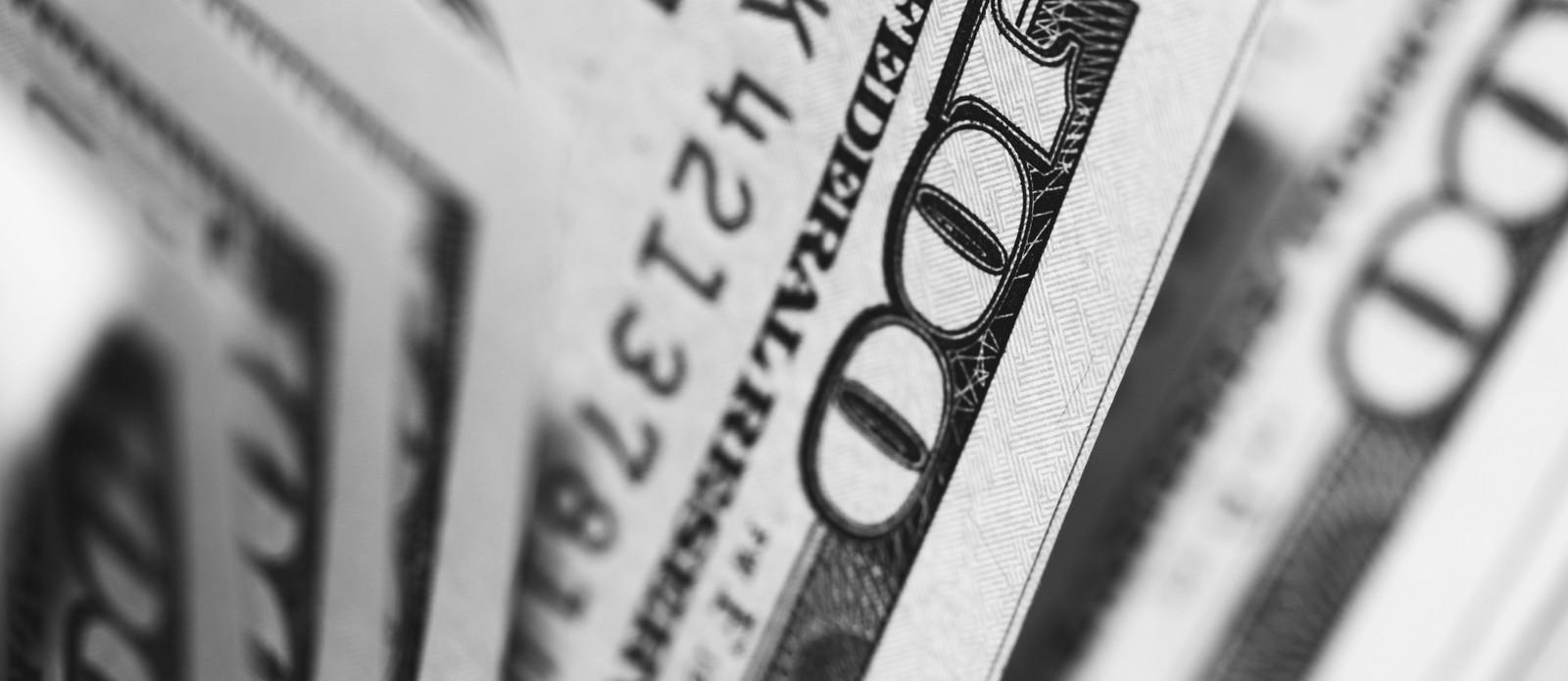
Image: Pepi Stojanovski

The U.S. dollar is one of the most powerful and recognizable currencies in the world, but its physical form is unique for many other reasons . From its composition to its symbols, dollar bills and coins are carefully designed to combine history, security, and convenience. Let’s explore our national currency!

1
What are bills made of?
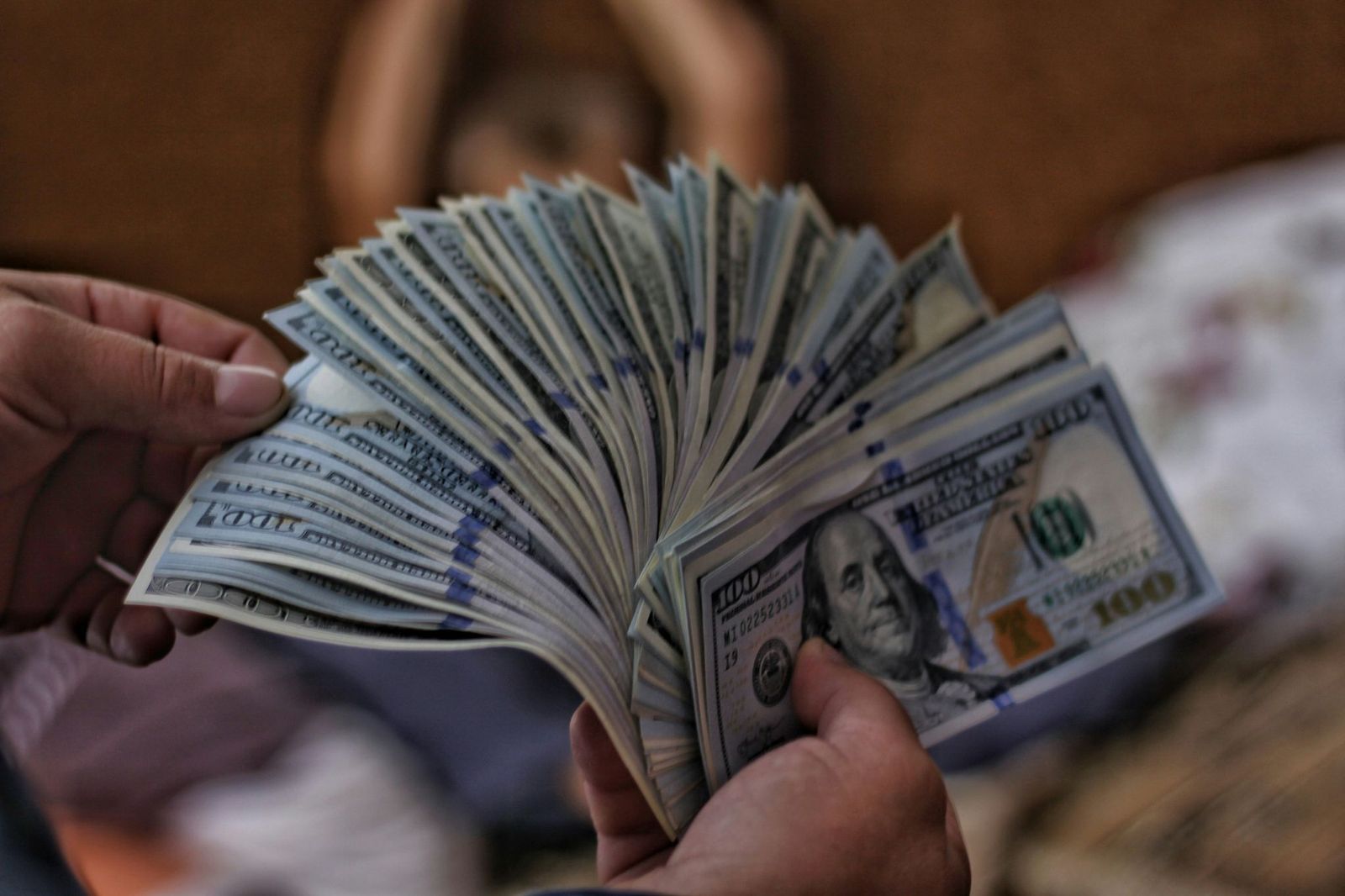
Image: Viacheslav Bublyk

Unlike other currencies, dollar bills are not made of paper or plastic. U.S. dollar bills are made from a special fabric blend composed of 75% cotton and 25% linen. This mix makes the bills extremely durable and resistant, and they can be folded about 4000 times before tearing.

2
What bills are valid?
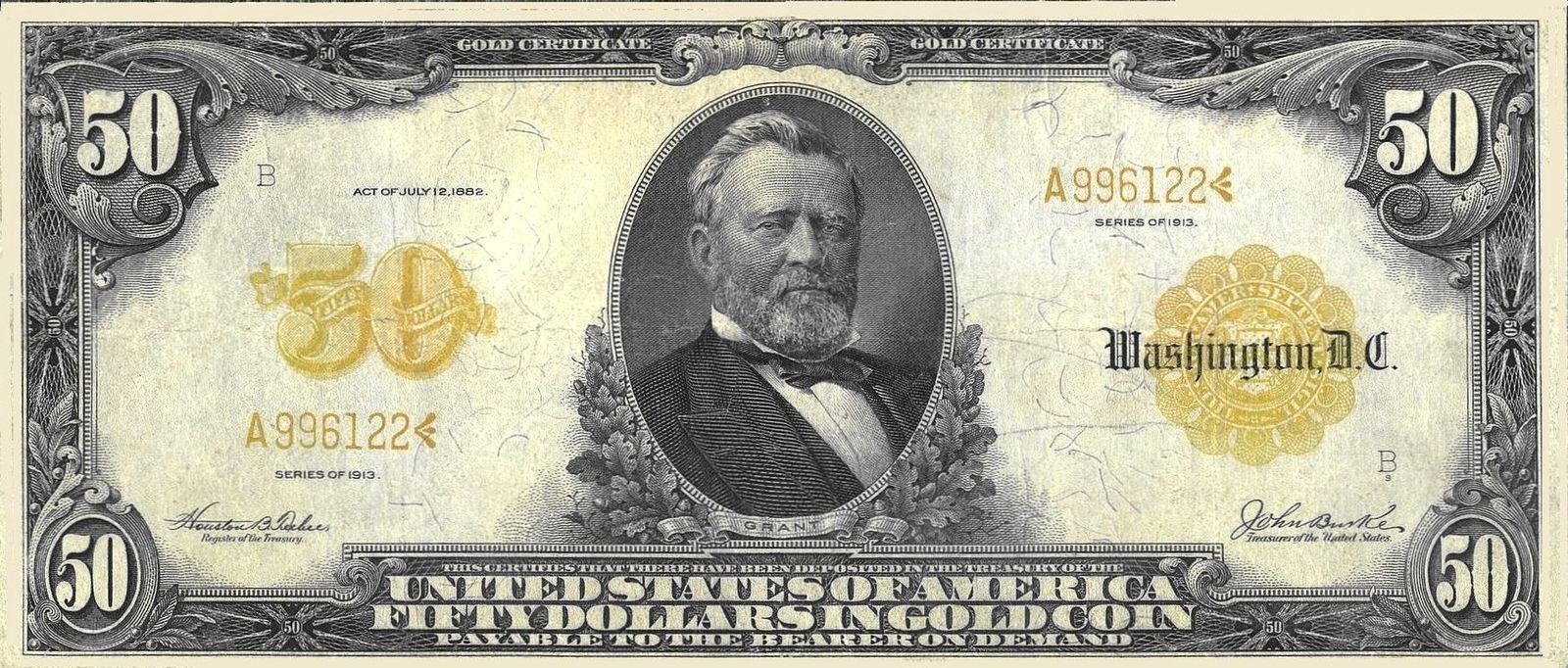
Image: U. S. Government, The Bureau of Engraving and Printing, Public domain, via Wikimedia Commons

Any U.S. dollar bill that was legally printed is valid, no matter how old, as American currency does not have an expiration date. While some bills might not be accepted by businesses of foreign exchange services due to their condition or if they are a discontinued version of the bill, the bills themselves are still valid, and American banks will accept them, though they might take them out of circulation.

3
American leaders
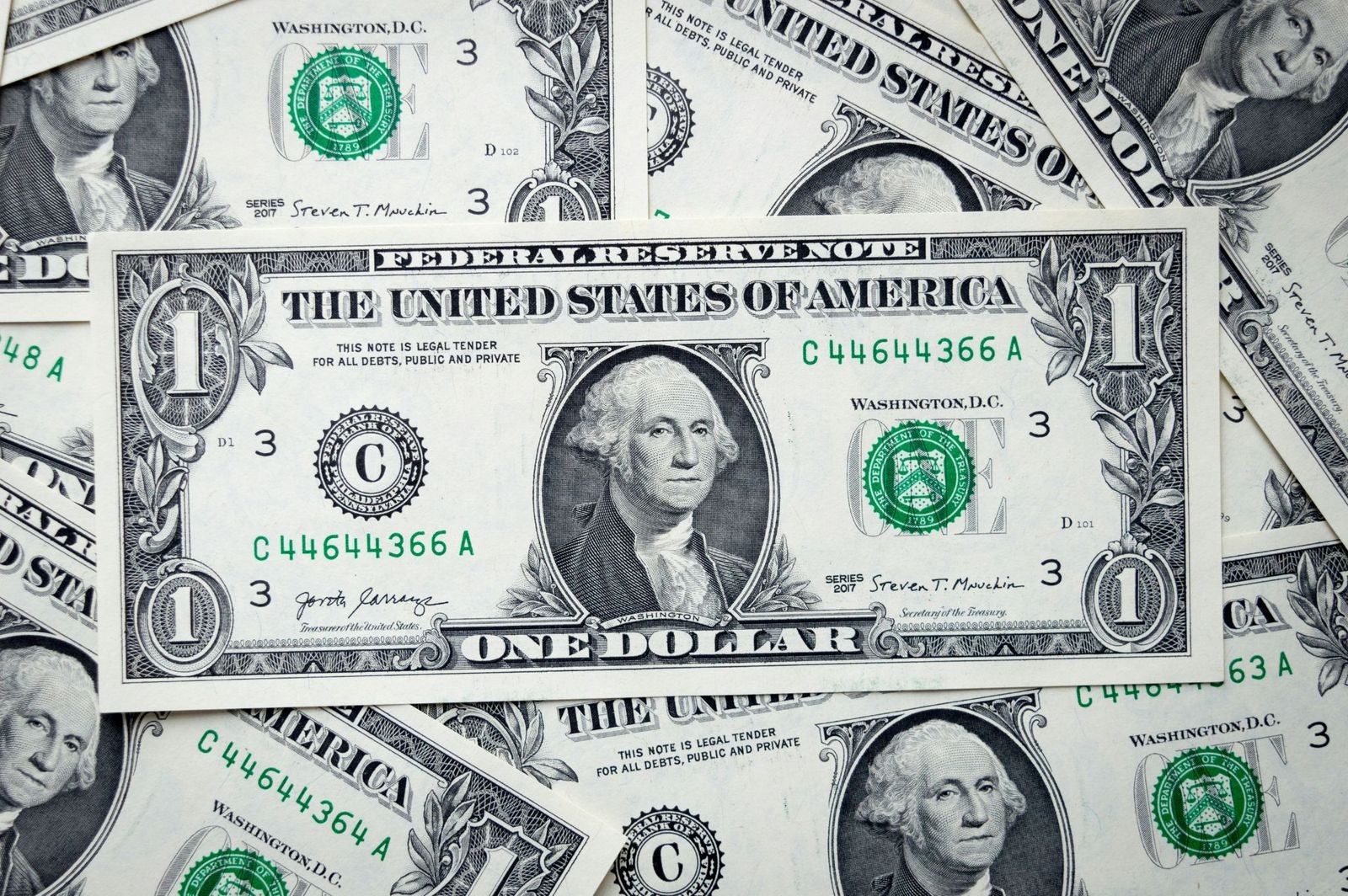
Image: Lukasz Radziejewski

Five bills have a depiction of an American president. The exceptions are the $10 bill, with Alexander Hamilton on the front, and the $100 bill, with Benjamin Franklin. The $1 bill, depicting George Washington, is extremely symbolic: several elements are repeated 13 times as a nod to the thirteen colonies, and it showcases the Bald Eagle and the Eye of Providence as a sign of God watching over America.

4
A change in size
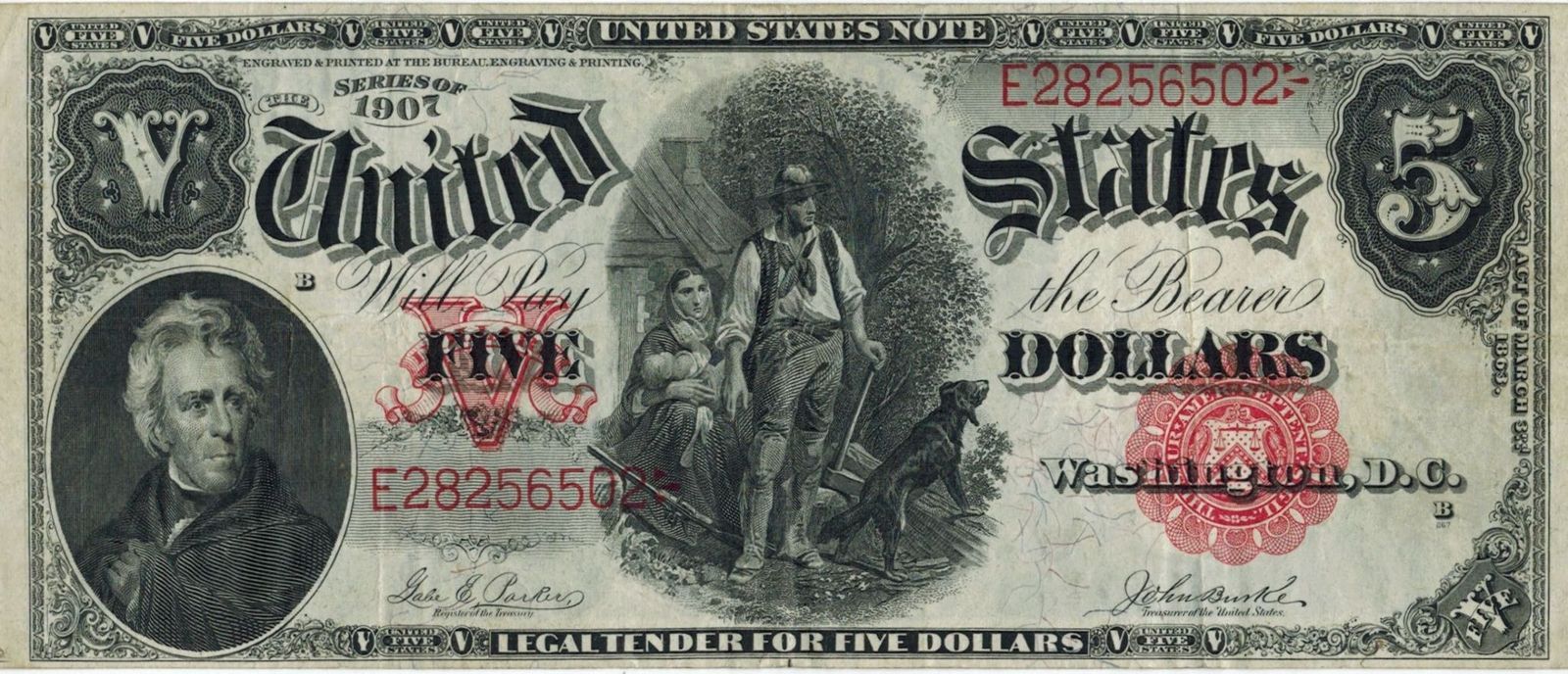
Did you know that dollar bills used to be so big that they were nicknamed "horse blankets"? Original dollar bills were 7.4 × 3.1 inches. In 1929, the Treasury Department reduced the size of bills to 6.14 × 2.61 inches to reduce production costs and materials. Old bills, though still valid, are worth much more as collector items.

5
Uniformity
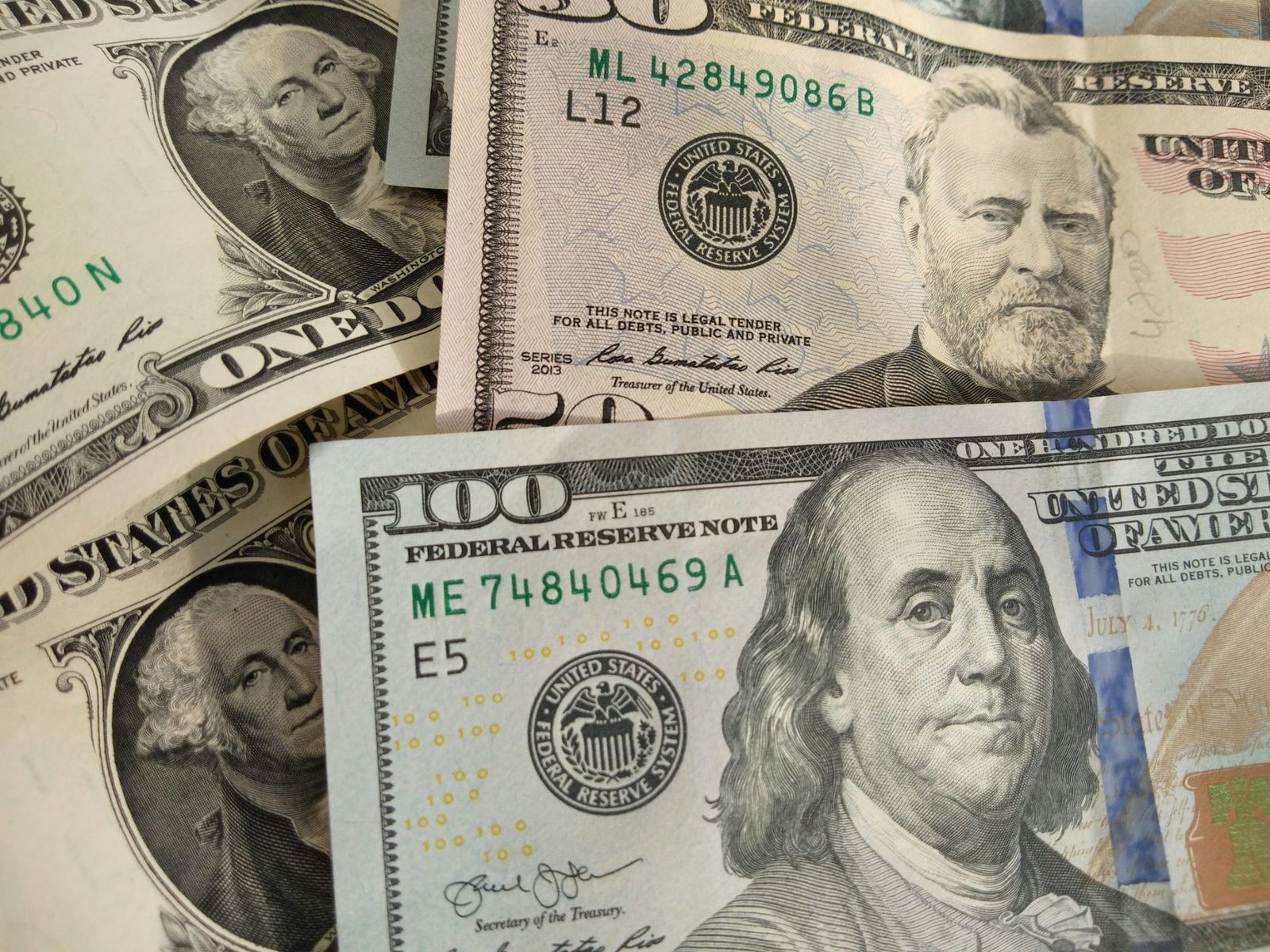
Image: Avinash Kumar

Besides their value and design, all dollar bills have the same size (6.14 × 2.61 inches), color, and weight (1 gram) , which sets American currency apart from other countries where bills of different values are differentiated by size, color, or both. Why doesn’t the U.S. implement differences among bills? The cost of adapting vending machines, bank drawers, and ATMs to new bill sizes would cost billions of dollars.

6
Hard to copy
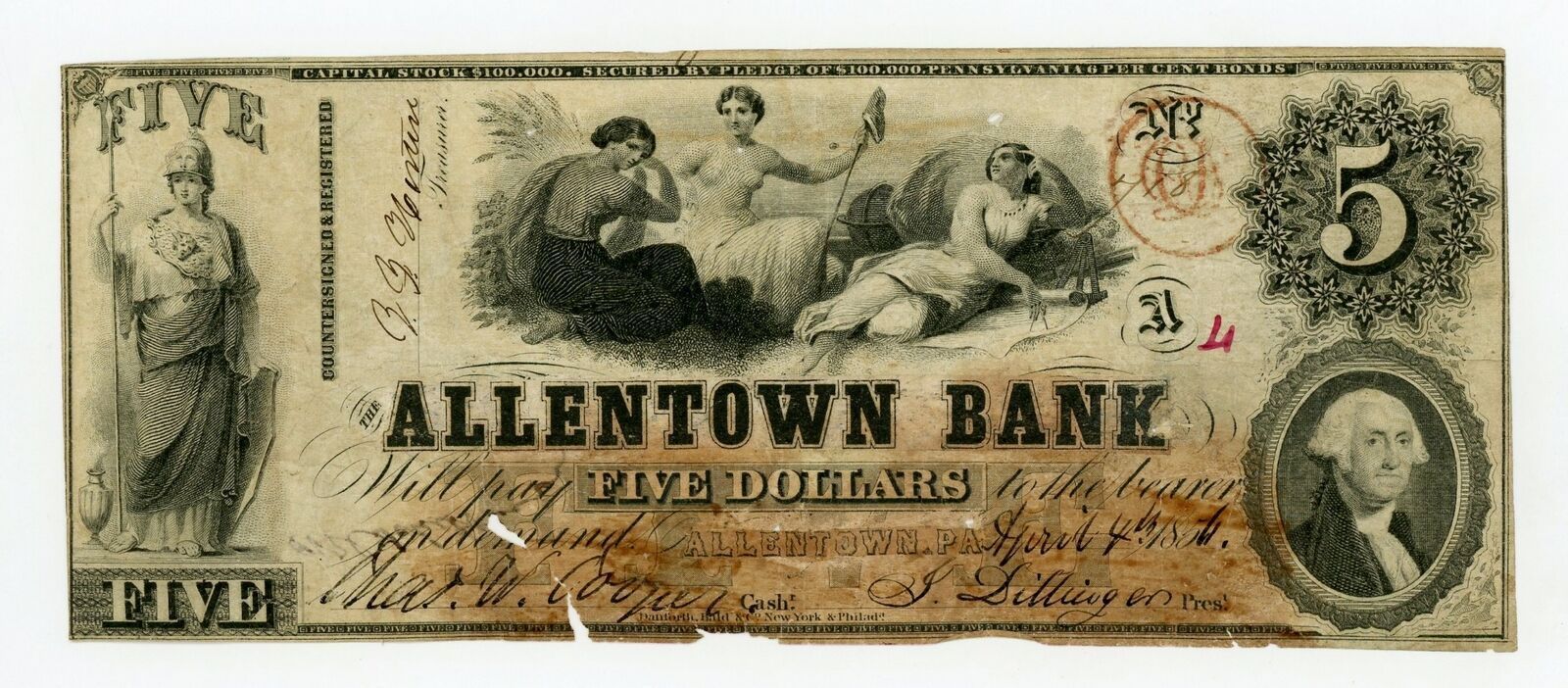
Image: United States Treasury Department, Public domain, via Wikimedia Commons

Originally, dollars were not green, but black. As time passed, green ink was favored, as it was cheap and did not fade as much as black. The new color also prevented people from using black-and-white cameras to create counterfeit money. Currently, dollar bills are predominantly green, but newer versions also include extra colors, such as pink, orange, or purple.

7
A $100,000 bill?
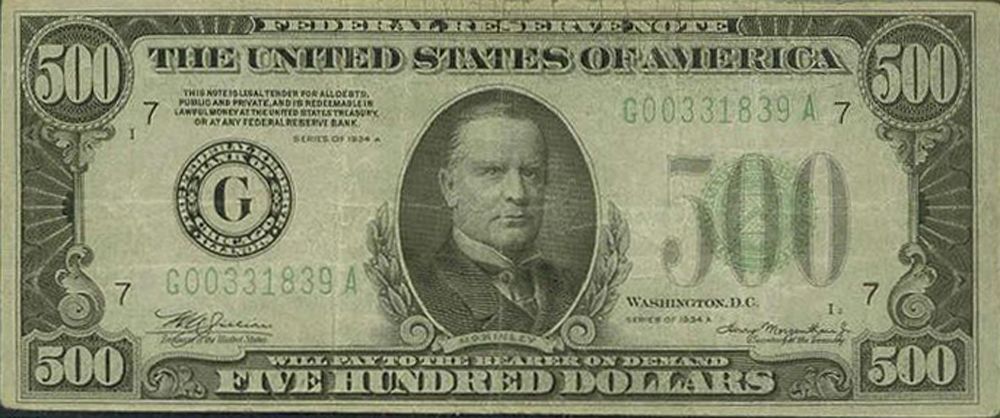
Image: The original uploader was Durova at English Wikipedia., Public domain, via Wikimedia Commons

Have you ever seen a $500 or 1,000 dollar bill? What about a $100,000? Up until 1945, the U.S. Treasury printed $500, $1,000, $5,000, $10,000, and $100,000 notes , in addition to the values currently in use. These higher-value notes were mainly intended for bank and government use, but were sought by criminals as they made it easier to hide large amounts of money. Even though they were officially discontinued in 1969, these notes are still valid, though rare, and they have a high worth as collector's items.

8
No numbers
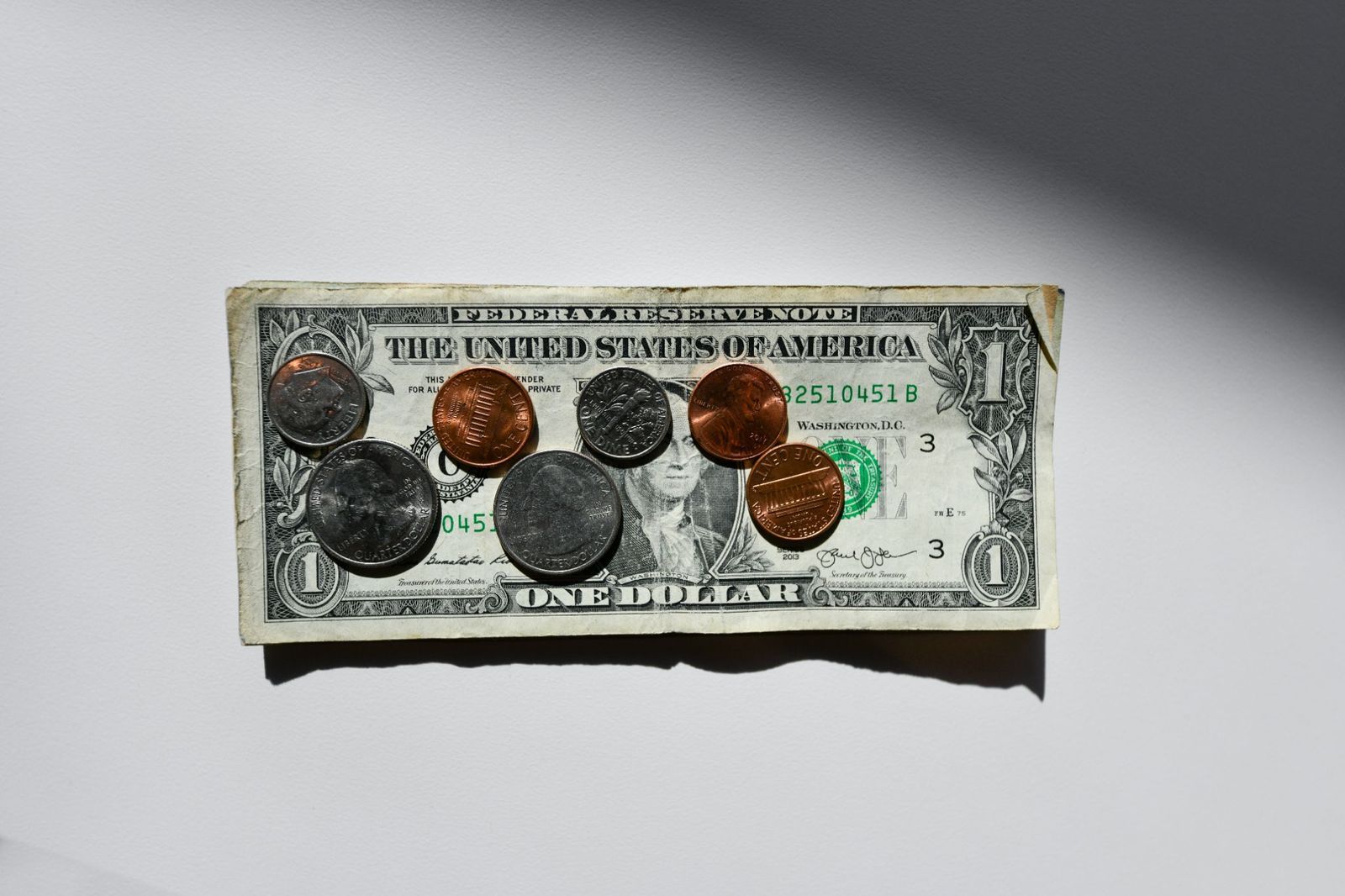
Image: Quilia

Unlike bills, American coins have different sizes and colors related to their value. Originally, gold, silver, and copper were used for coins, but modern coins are made of copper, zinc, or nickel. Besides their size and design, the value of each coin is printed in letters, not in numbers , alongside depictions of American presidents.

9
Liberty for all (the coins)
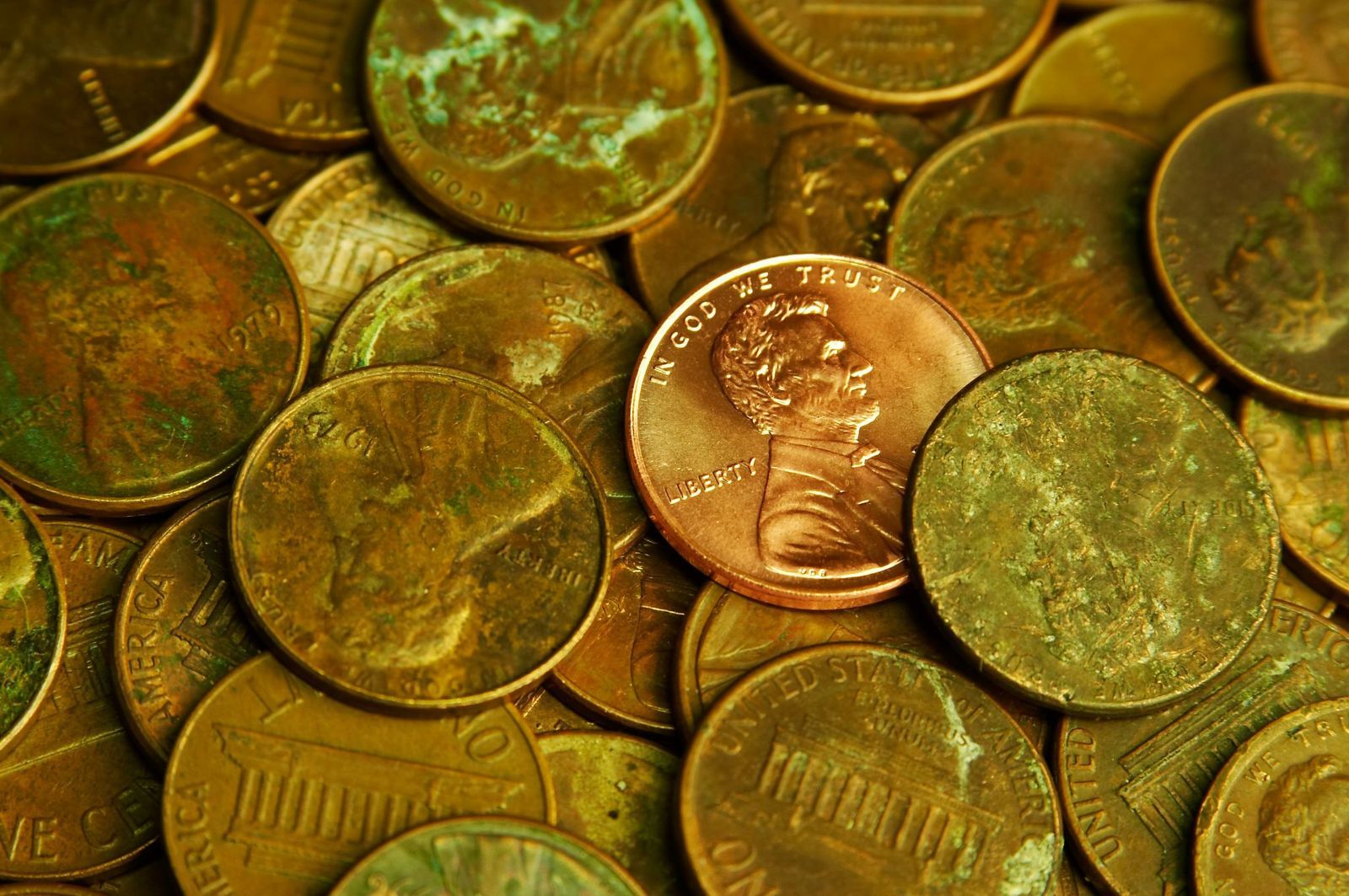
Image: Money Knack

By law, all American coins must include six specific details : the word ‘Liberty’, the name of our country, the national motto "In God We Trust", the oldest American motto "E Pluribus Unum", the value of the coin, and the year. Each coin also includes a mint mark that shows where it was made: "P" for Philadelphia, "D" for Denver, "S" for San Francisco, and "W" for West Point.

10
A global currency
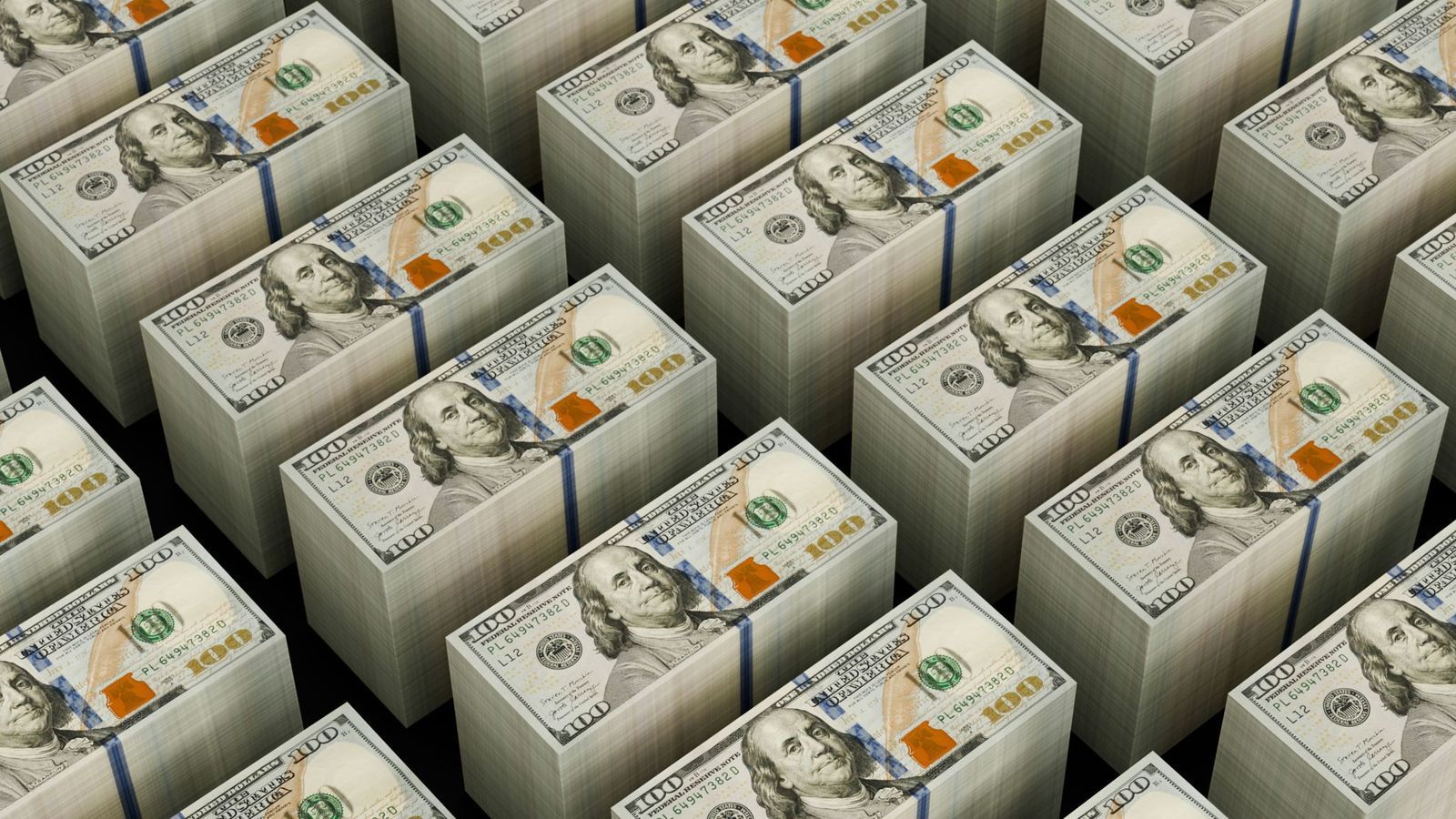
Image: Logan Voss

The American dollar is one of the most powerful currencies in the world, acting as a backbone for international trade and finances. It is estimated that two-thirds of the physical dollars in circulation are outside American territory. Besides the U.S. and its territories, eight sovereign nations have the U.S. dollar as their official currency, with several more accepting it as legal tender.
Culture Culture 6 min read

Wartime Inventions

Why M&M's never melt in your hand: 10 wartime inventions

Image: Shutterstock

The phrase "Necessity is the mother of invention" is especially apt during wartime. During World War II, for example, soldiers needed lots of things to survive that didn’t exist yet. These inventors weren’t just scientists: mothers, businessmen, and car companies joined the challenge, too. When the Army asked, they took action and invented these 10 products that remained part of our everyday lives long after wartime.

1
Duct Tape Was Made to Protect Ammunition Cases

Image: Shutterstock

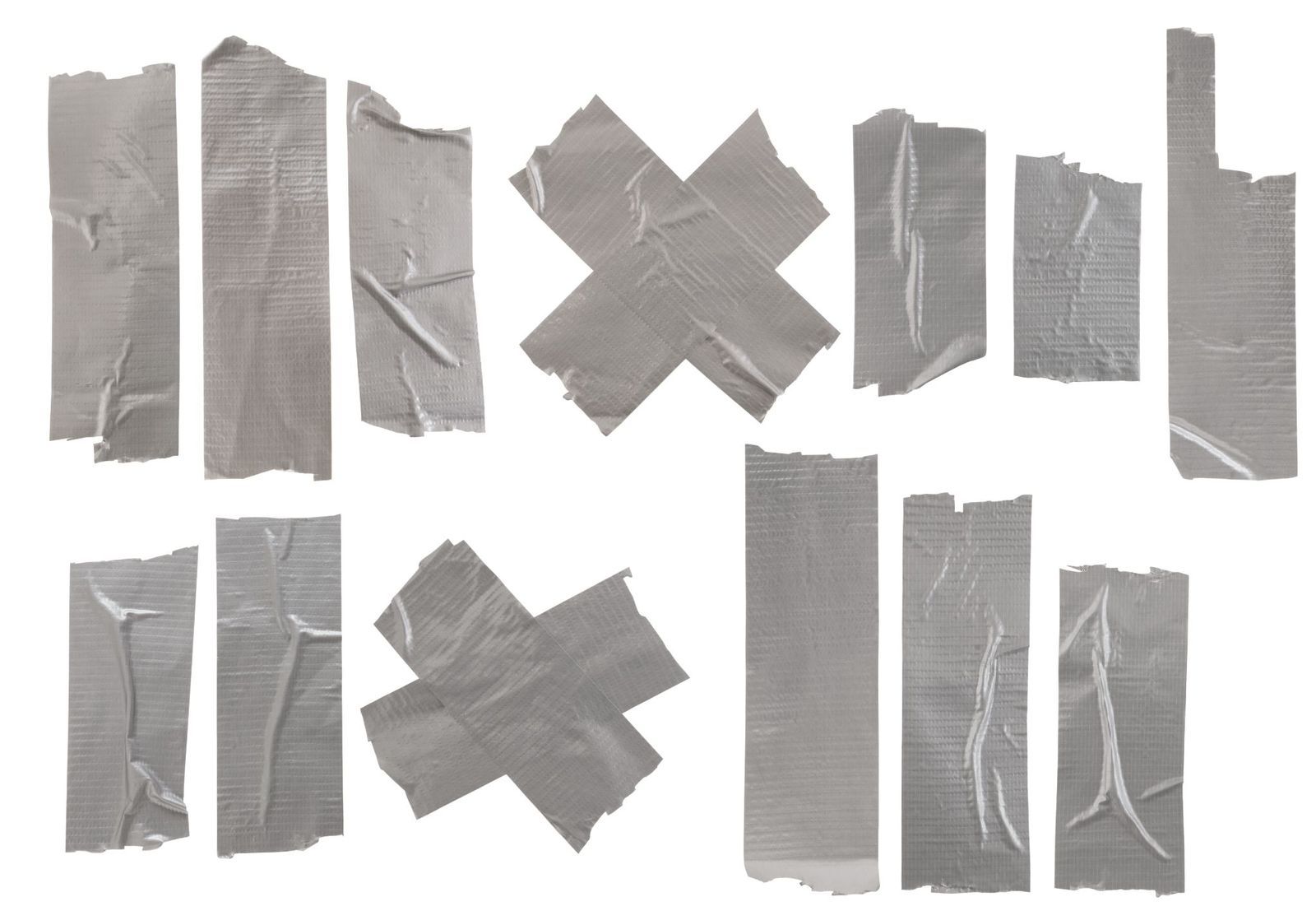
During World War II, the ammunition boxes sent to American troops were sealed with paper tape and dipped in wax to keep water out. Soldiers were supposed to pull a small paper tab to open them quickly. But the thin tape could tear, leaving them struggling to reach the ammunition. Vesta Stoudt, who packed and inspected these boxes at the Green River Ordnance Plant in Illinois, recognized this danger. She also had two sons serving in the U.S. Navy, so she devised a solution.

Stoudt proposed replacing the paper tape with a strong, waterproof cloth tape that soldiers could easily pull off. As she had no response from her supervisors, she wrote directly to President Franklin D. Roosevelt, including drawings of her idea. Roosevelt sent the proposal to the War Production Board, which asked a Johnson & Johnson operating company to manufacture the tape. It not only worked, but troops soon used the strong tape to repair boots and fix military vehicles too. Today, duct tape is still the solution to many everyday repairs.

2
M&M’s Were Designed With Soldiers in Mind

Image: Shutterstock

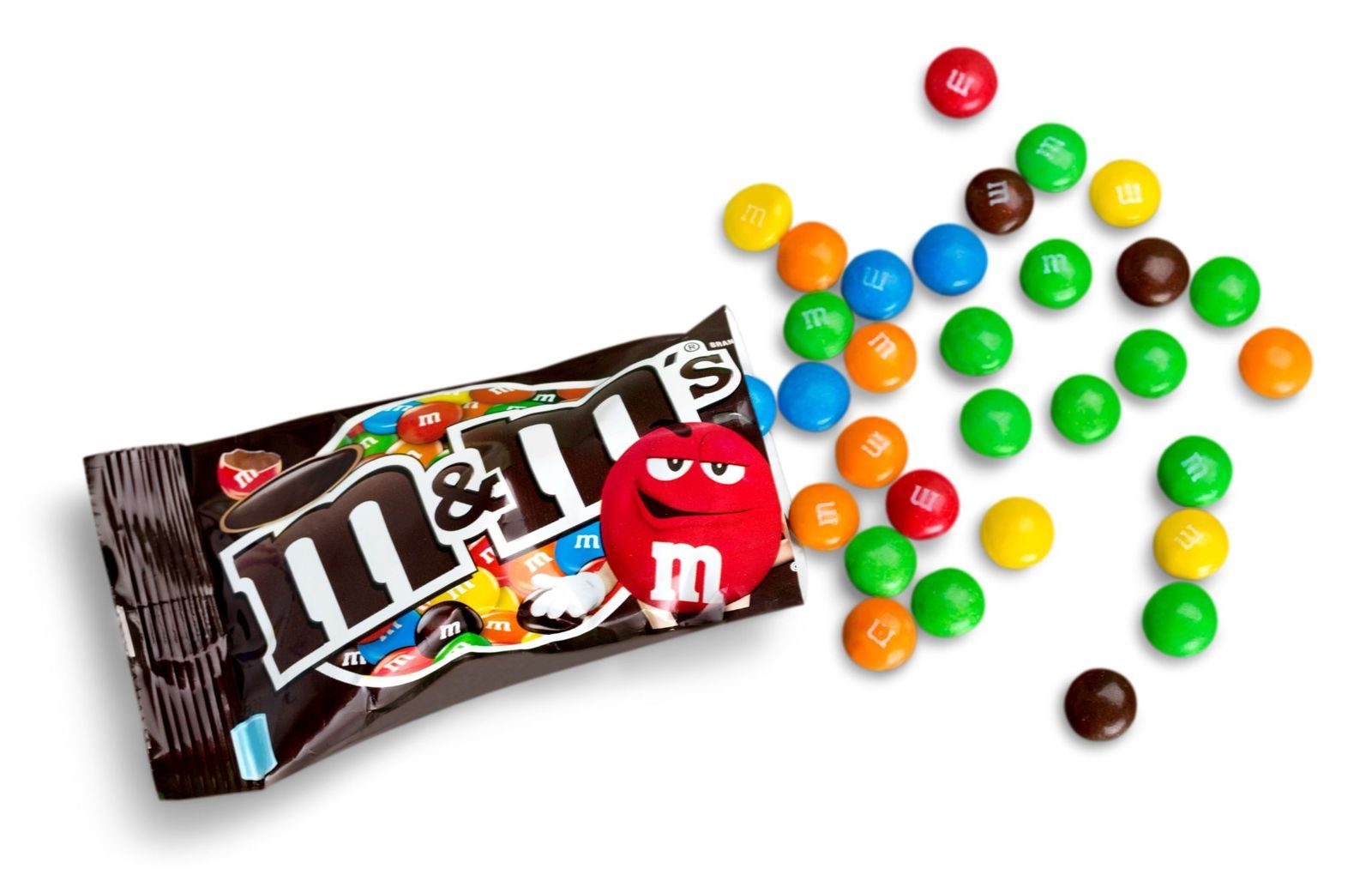
You probably remember the iconic M&M's slogan "melts in your mouth, not in your hand." Well, this characteristic was intentionally created for troops, allowing them to eat chocolate even under the hot sun.

When businessman Forrest Mars Jr. was travelling to Spain in the late 1930s during the Spanish Civil War, he observed how soldiers ate chocolate encased in sugar shells. The sugar crust prevented the chocolate from melting, and soldiers could enjoy the treat, even in hot temperatures. Mars soon partnered with Bruce Murrie, the son of Hershey's president, to secure a steady supply of chocolate for American troops. Their collaboration led to the creation of M&Ms, named after the initials of their last names. By 1947, the candy was made available to the public.

3
The Jeep Was Built for the U.S. Army

Image: Shutterstock

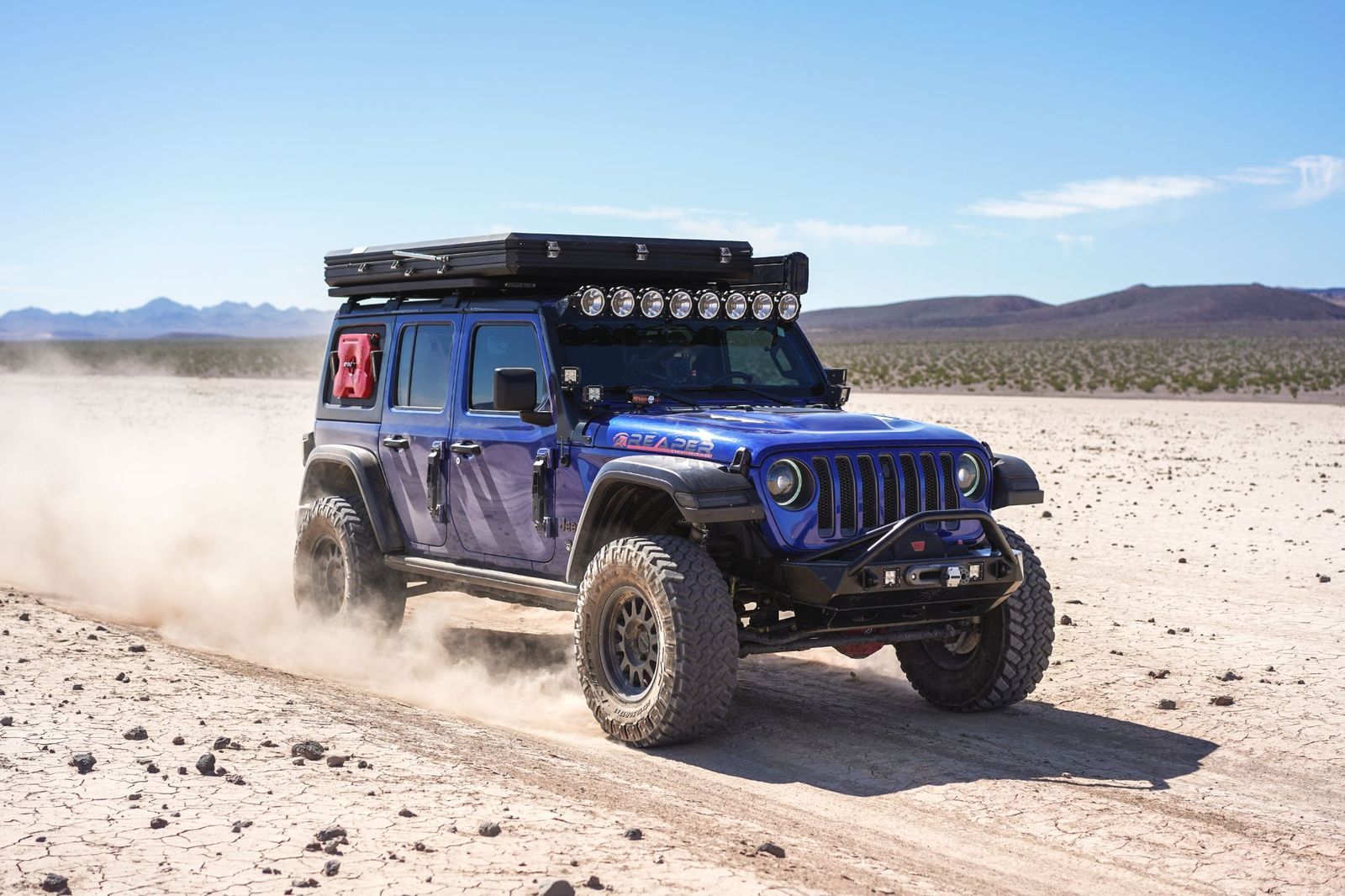
In 1940, the U.S. Army asked automakers to create a small four-wheel-drive vehicle that could carry soldiers across rough terrain. Bantam, Willys, and Ford entered the competition, and Willys won the main production contract. However, the final Willys MB also borrowed some of Ford’s flat grille and hood fastener design.

The new Jeep could travel through mud, climb steep roads, and reach places trucks couldn’t. Soldiers and mechanics could repair it quickly, and its parts were easy to remove and replace. Soldiers liked it so much that demand continued after they returned home, and Willys introduced the civilian CJ-2A in 1945 shortly after the war ended. The modern Jeep Wrangler still carries the same adventurous spirit.

4
The Slinky Started With a Naval Engineer’s Spring

Image: Shutterstock

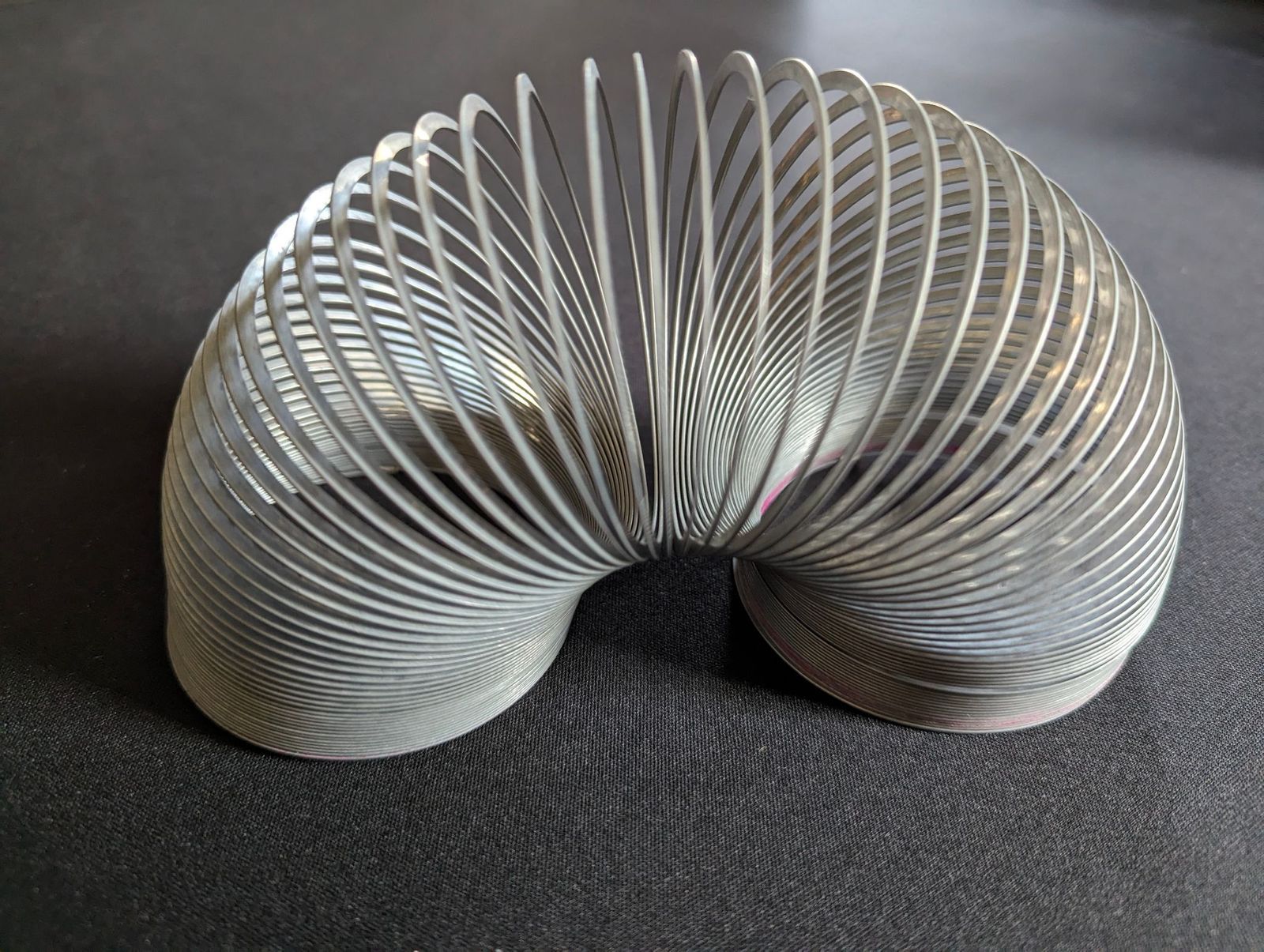
In 1943, naval engineer Richard James was developing a spring to keep equipment steady on ships during rough seas. One day, he knocked one of his experimental springs onto the floor. Instead of falling in one place, it moved end over end. James rapidly realized its potential as a toy.

He spent the next two years finding the right size and tension for the spring. His wife, Betty, named it "Slinky," because of its smooth movement, and they introduced it to the market in 1945. But shoppers were confused and didn’t know what to make of it at first. The situation changed after James demonstrated it at a Philadelphia department store: all 400 Slinkys were sold in less than two hours.

5
Super Glue Emerged From Wartime Research

Image: Shutterstock

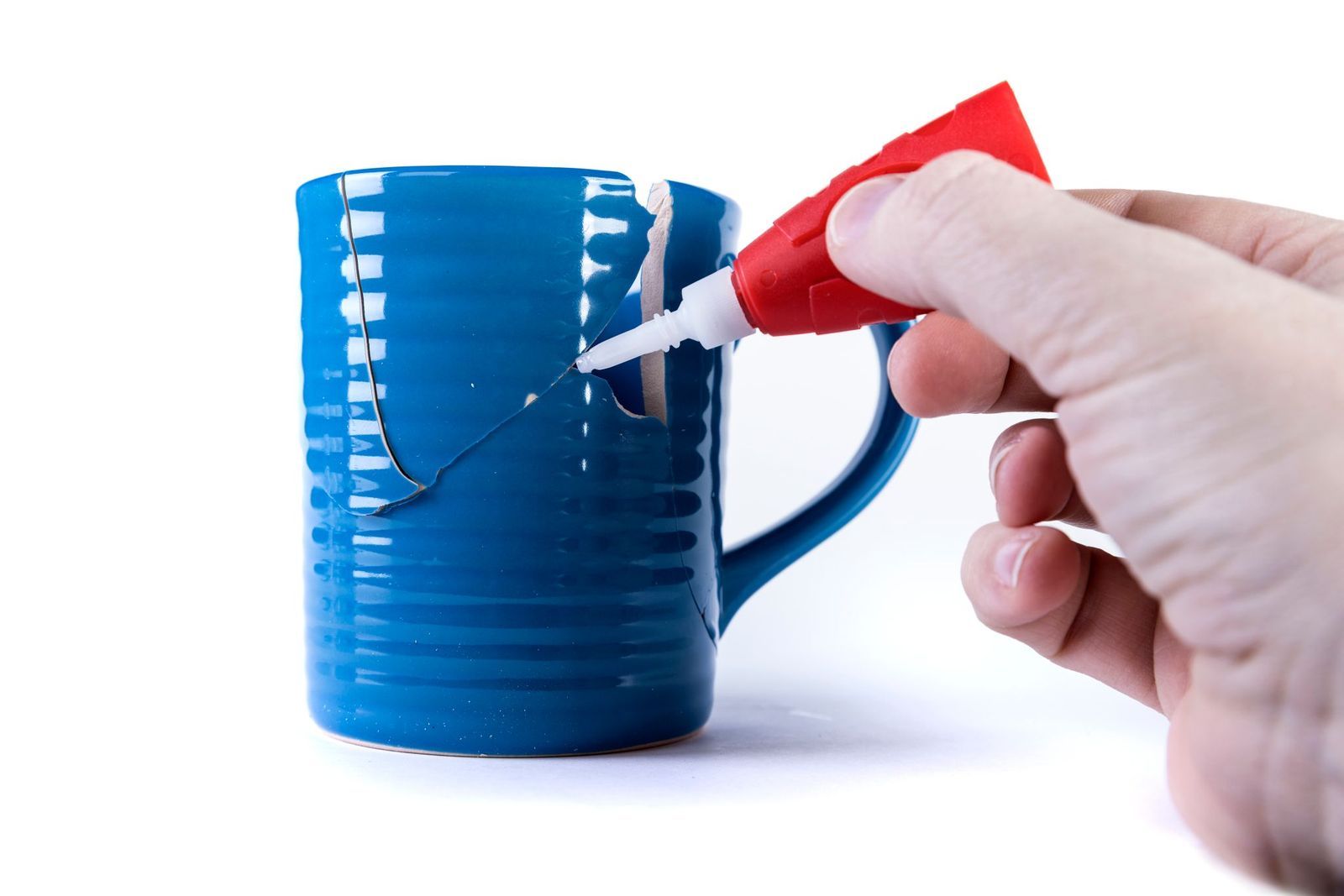
Today, we use Super Glue to repair broken items, for crafting, woodworking, and for countless quick fixes. But in 1942, chemist Harry Coover created it while trying to make a clear plastic for military gunsights during World War II. He was testing chemicals called cyanoacrylates when his team found that they stuck to almost everything they touched. As that feature made them unsuitable for the original project, the researchers moved on.

Coover encountered the chemicals again in 1951 while his team was developing materials for jet canopies. This time, he realized that their powerful bond was useful because it required no heat or pressure. Kodak later refined the adhesive and released it as Eastman 910 in 1958. That accidental discovery became widely known as Super Glue.

6
Silly Putty Grew Out of a Search for Synthetic Rubber

Image: Shutterstock

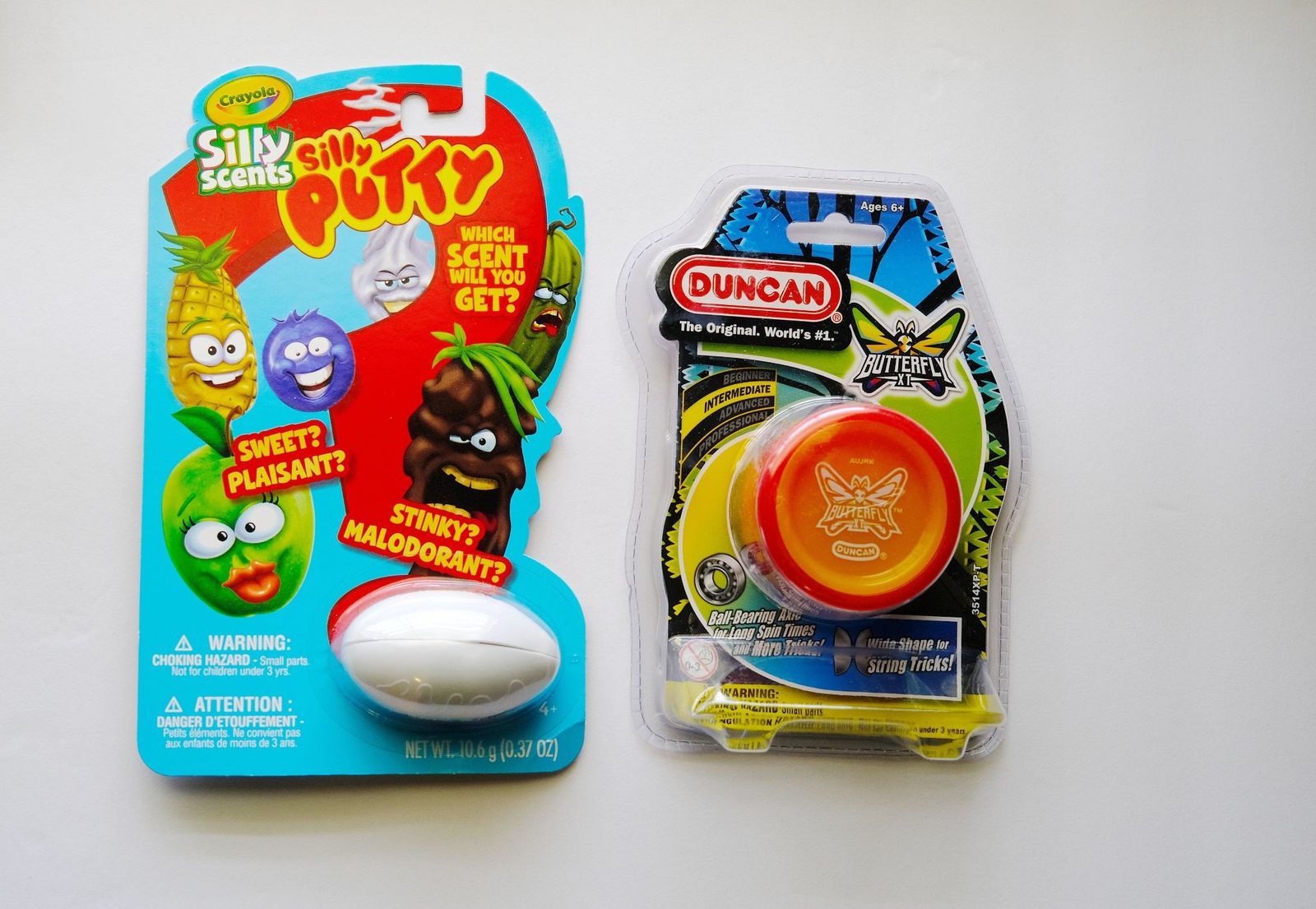
Silly Putty is that stretchy stuff that comes in plastic eggs and bounces and bends, depending on how you pull it. It was created during World War II, when rubber was needed for tires, boots, gas masks, and other military supplies. Japan’s expansion in Asia cut the United States off from much of its natural rubber, so American scientists were forced to look for a replacement.

In 1943, General Electric engineer James Wright mixed boric acid with silicone oil and created a strange, elastic material. It bounced higher than rubber, but it wasn’t strong enough for the military’s needs. General Electric shared samples with scientists, hoping someone might find a practical use for it. Meanwhile, people began passing it around at parties for fun. At one of them, hosted by a General Electric executive, businessman Peter Hodgson watched guests play with it, recognized its potential as a toy, named it Silly Putty, and in 1950, he commercialized it.

7
Frozen Orange Juice Was Developed for American Troops

Image: Shutterstock

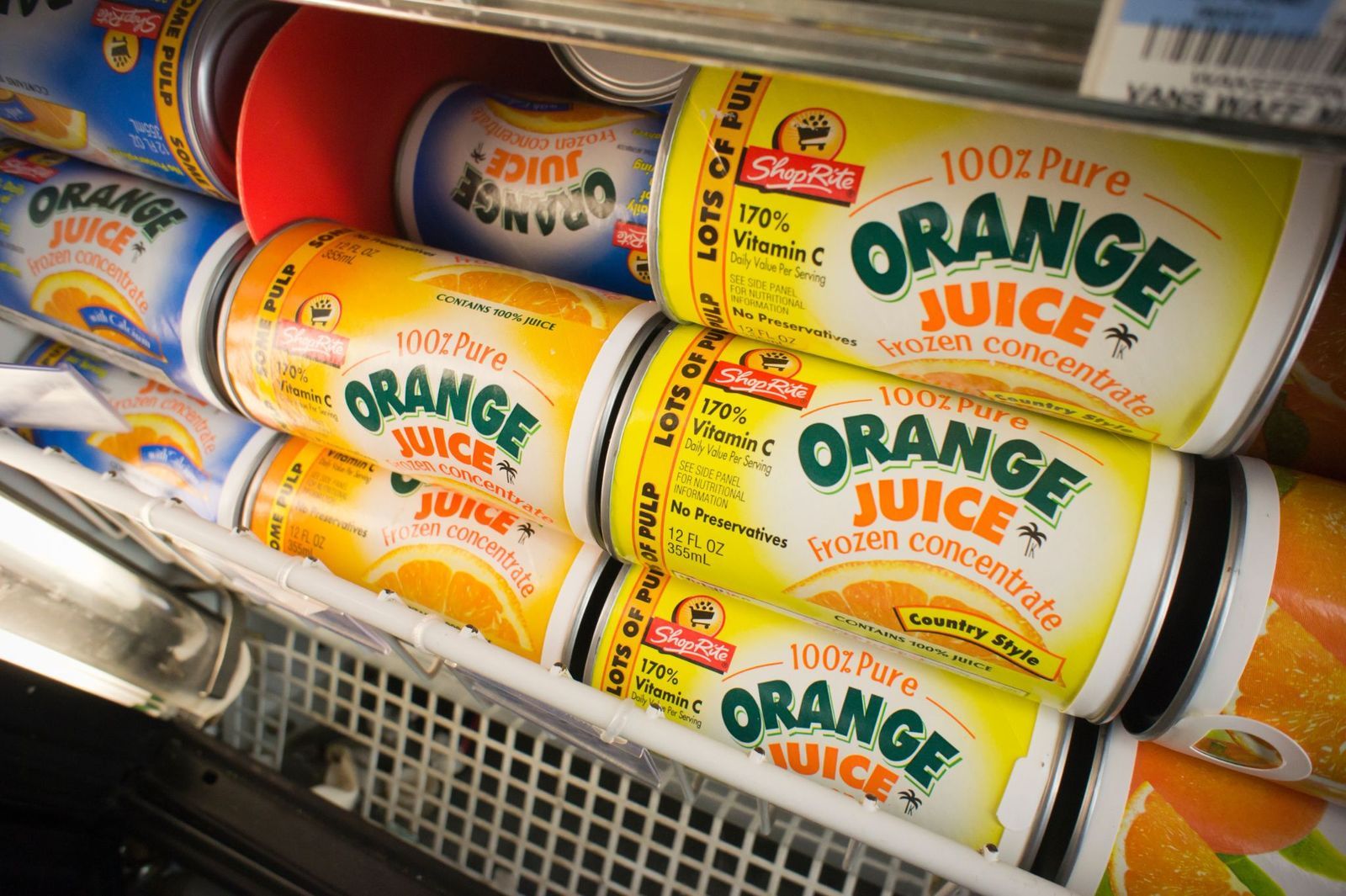
Orange juice provides vitamin C, which supports the immune system and helps the body heal wounds. During World War II, the military understandably needed to make sure troops received enough vitamin C. However, regular frozen juice lost its fresh taste during storage and transport, sometimes developing a flavor compared to turpentine. So in 1942, the Army asked researchers to create a frozen version that could travel without losing its flavor.

And by 1945, scientists of the Department of Agriculture removed water from fresh juice at low temperatures and then added a little fresh juice back into the concentrate. The process preserved the orange oils responsible for its familiar taste. The Army ordered 500,000 pounds, but the war ended before the product could be delivered. Instead, it reached American grocery stores in 1946 under the name Minute Maid and soon became a breakfast favorite.

8
Penicillin Became Widely Available Through U.S. Wartime Production

Image: Shutterstock

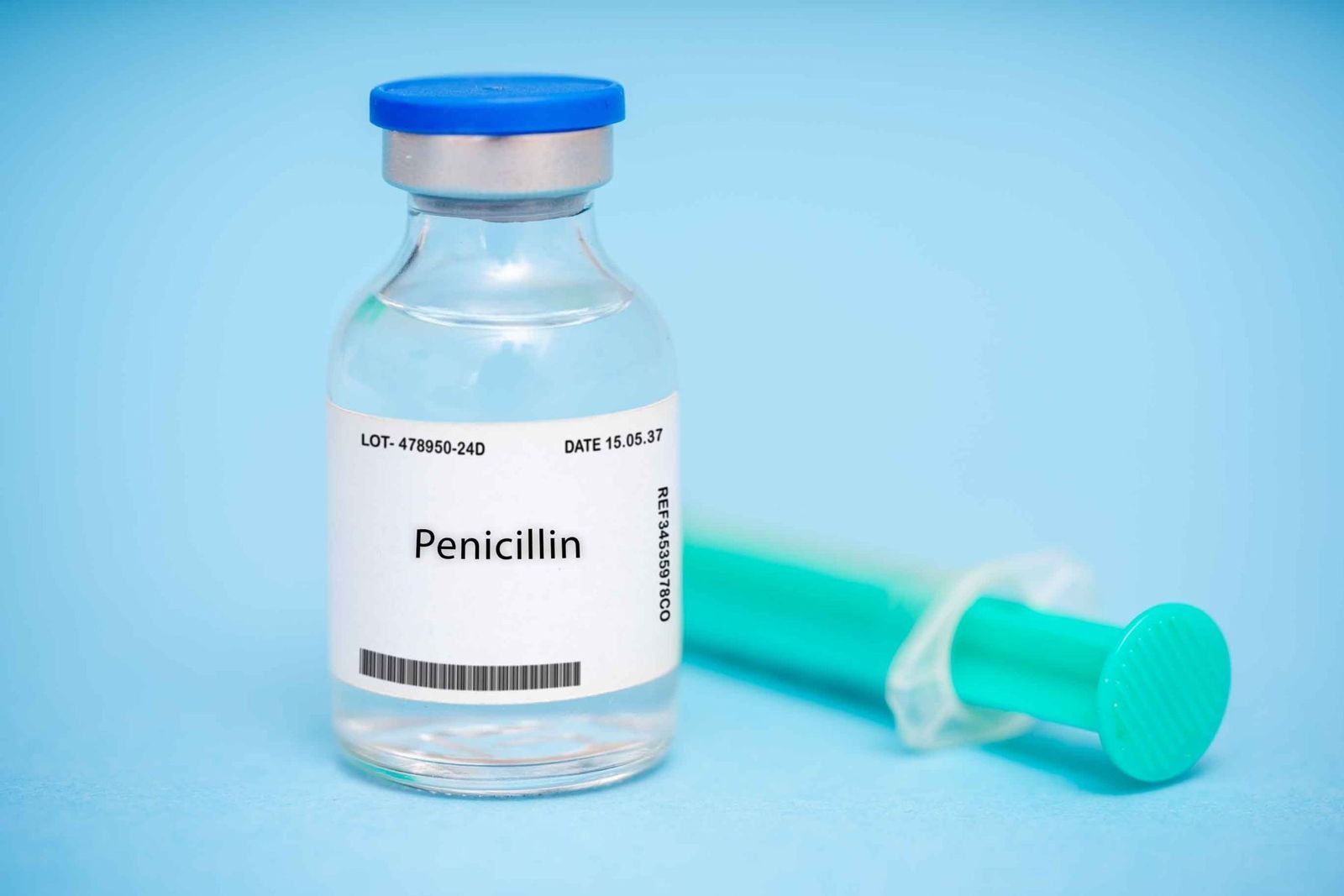
Penicillin offered a powerful solution to bacterial infections, which could otherwise turn a small wound deadly. But there was still one major problem: even a small amount took a lot of time and effort to produce. With thousands of wounded troops needing treatment during combat, the Allies had to find a way to produce much more of it.

British researchers brought their work to the United States, where government laboratories and drug companies took on the challenge. Scientists then found that growing the mold in deep tanks with a corn-based liquid produced much larger amounts . By 1944, American factories were making enough penicillin to treat Allied troops wounded during the D-Day invasion.

9
Aerosol Bug Spray Protected Soldiers From Insects

Image: Shutterstock

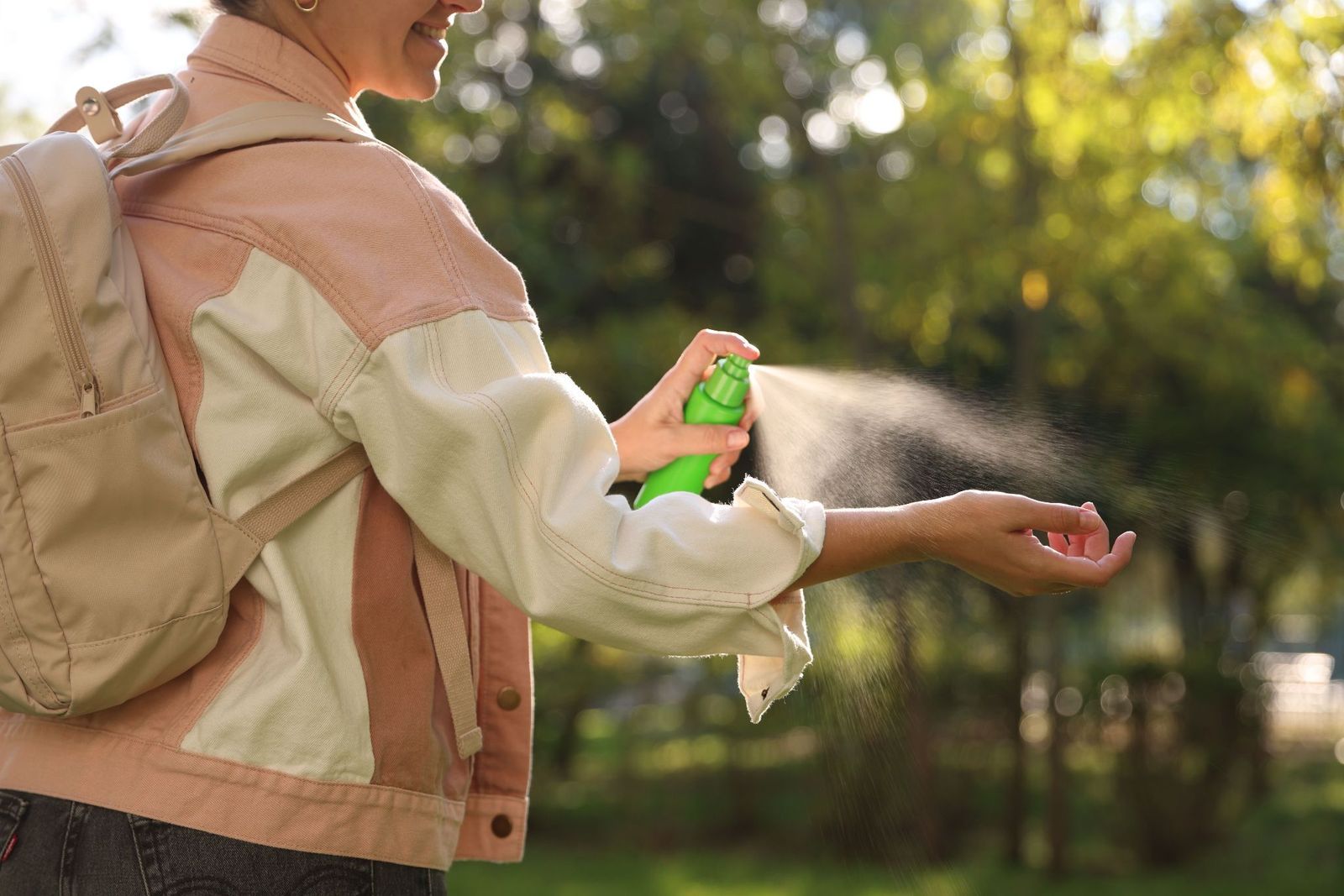
A mosquito bite wasn’t just annoying during war; it could literally take a soldier out of action. In tropical regions, mosquitoes carried malaria and other diseases that sickened lots of soldiers. An easy way to kill insects in tents and planes was needed, and large sprayers weren’t that practical.

Department of Agriculture researchers Lyle Goodhue and William Sullivan developed a small pressurized canister that released insecticide as a fine mist. Nicknamed the "bug bomb," it allowed troops to spray an entire space in seconds. It was patented in 1943, and more than 40 million cans were produced for military use during the war. It didn’t take long for that same technology to be used for home repellents.

10
Synthetic Rubber Kept American Vehicles Moving

Image: Shutterstock

A great number of wartime items needed natural rubber. — to make tires, hoses, engine belts, seals, life rafts, gas masks, and many other waterproof parts . But after Japan captured major rubber-producing areas in Southeast Asia, the U.S. lost access to most of its supply. Recycling and rationing efforts helped, but it wasn’t enough.

The government took action and brought oil, chemical, and tire companies together to build a synthetic-rubber industry at home. Made mostly from petroleum-based chemicals, the new material could do many of the same jobs as natural rubber. U.S. production grew from only 230 tons in 1941 to more than one million tons in 1945. Synthetic rubber kept military vehicles moving during the war and remained essential for tires and other everyday products afterward.

Geography Geography 3 min read

NYC uncovered

Which NYC building has a secret train platform beneath? Find out here!

Image: Florian Wehde

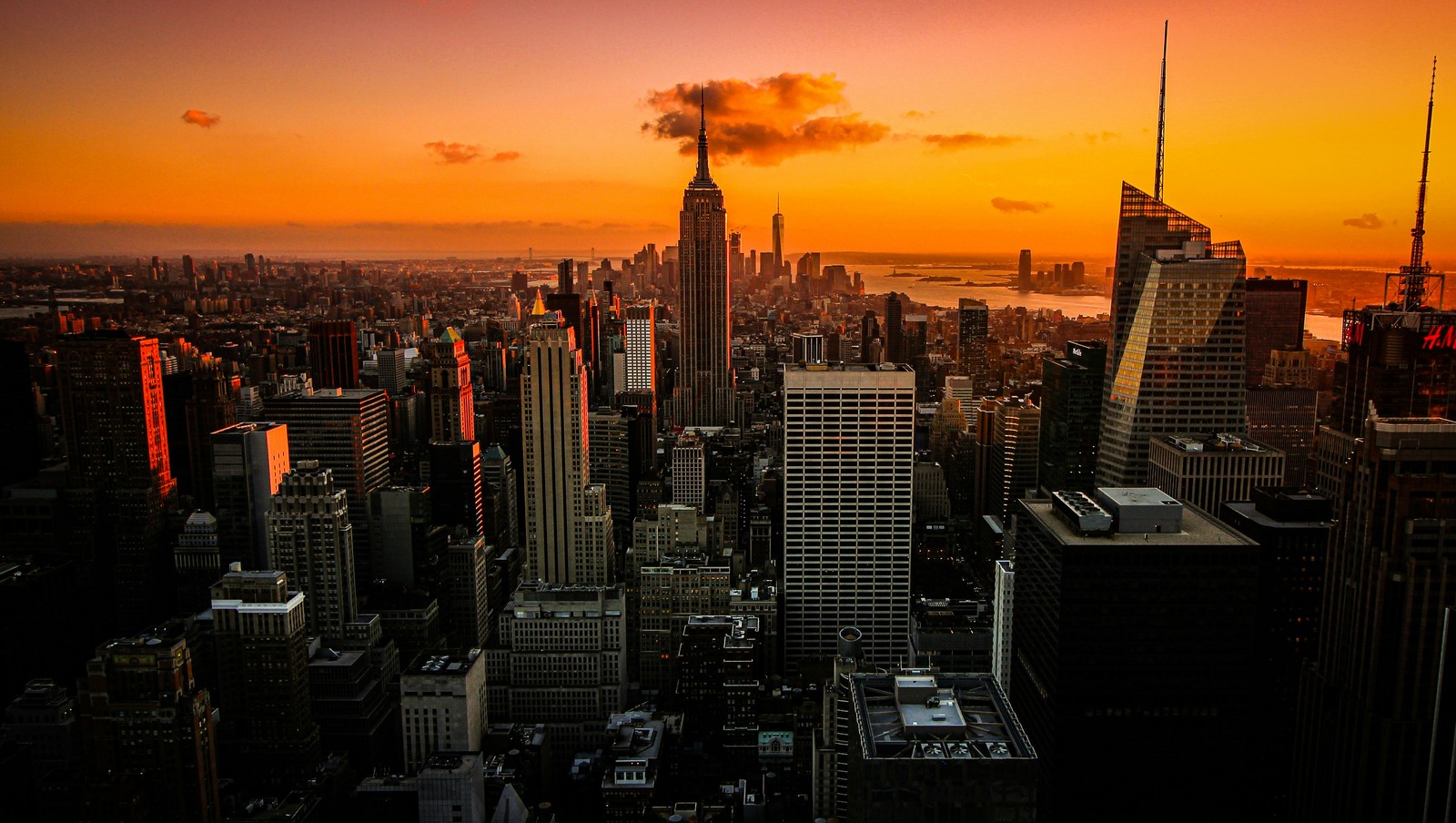
New York City has been written about, filmed, sung about, and argued over for generations. Yet even people who love it and even live there are often surprised by what they do not know. Behind the busy streets and famous landmarks, lots of stories explain how this city grew, who shaped it, and why it continues to feel larger than life. Get ready to get the NYC facts right!

1
New York City population

Image: Scott Evans

More than eight million people call New York City home. That means roughly one out of every 38 Americans lives within its five boroughs. It helps explain why the city feels endlessly busy and why every neighborhood seems to have its own rhythm, personality, and pace. The City that Never Sleeps feels like the right nickname, right?

2
Languages spoken

Image: James Ting

New York City is the most linguistically diverse city on Earth. More than 800 languages are spoken here, and about four in ten households use a language other than English at home. Wanna feel like you’ve travelled across every continent? Walk down a city block and you will!

3
Statue of Liberty

Image: Avi Werde

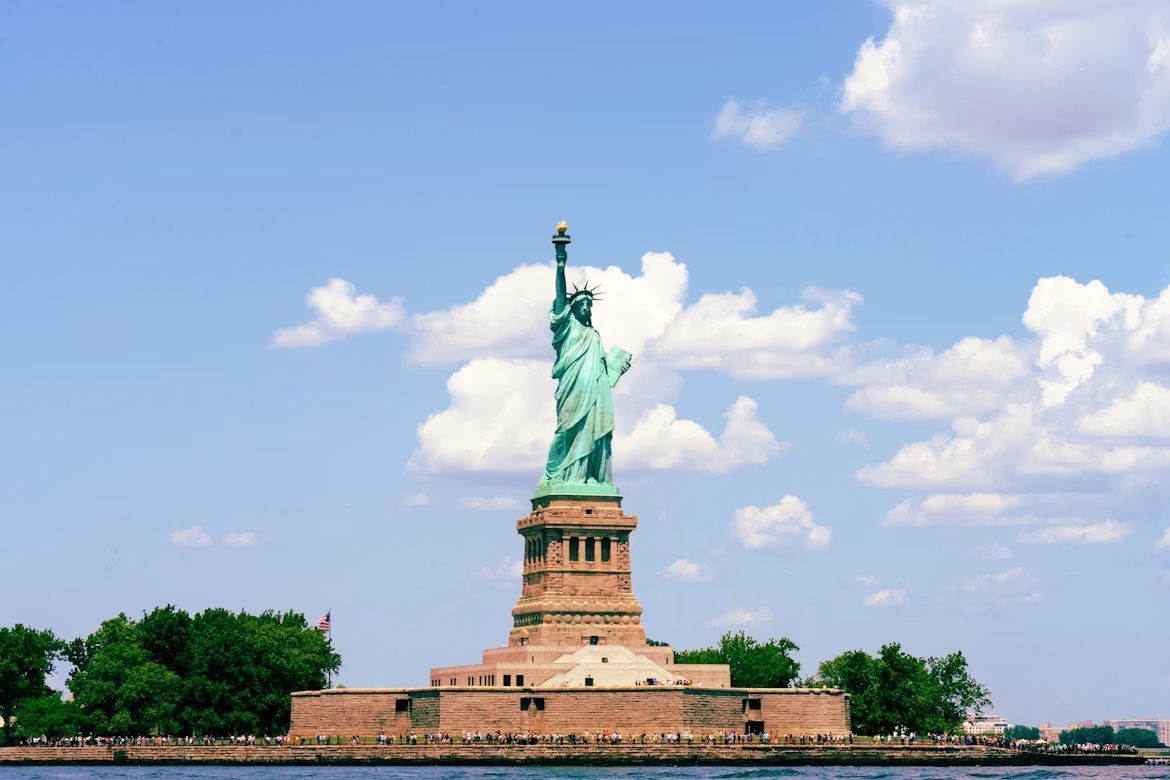
The Statue of Liberty arrived from France as a gift celebrating American independence. She did not come in one piece. Instead, the statue arrived in 214 crates, each containing 350 separate parts, and took four months to assembl e. Even symbols of freedom sometimes require instructions, you know?

4
Federal Reserve Bank gold vault

Image: Diane Picchiottino

Deep beneath the streets of Manhattan sits the largest gold storage vault in the world. Located 80 feet below street level, it holds about $90 billion worth of gold . Most visitors walk right over it without realizing they are passing above one of the most secure rooms on the planet.

5
New York Public Library

Image: Alejandro Barba

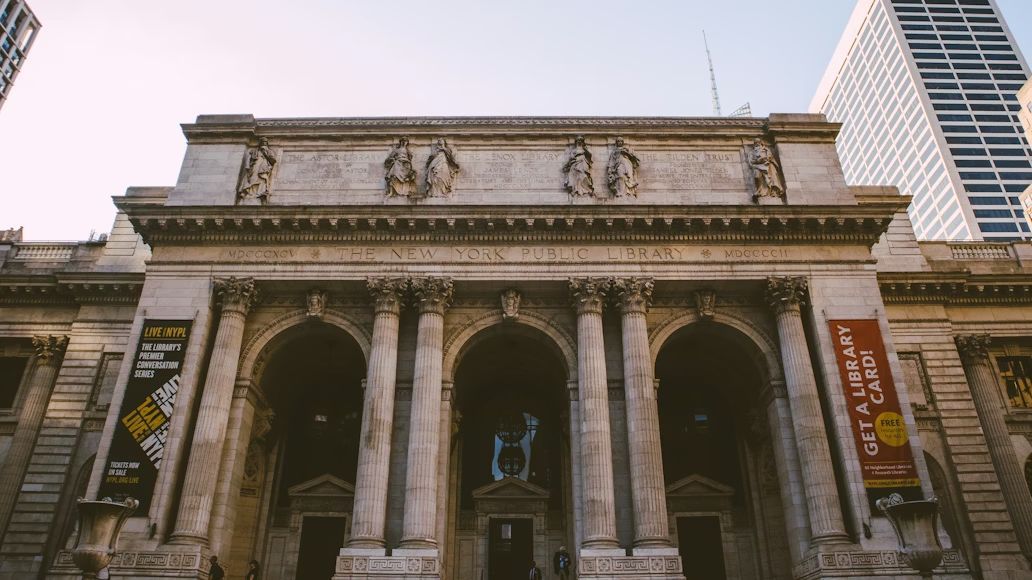
The New York Public Library system holds more than 50 million books and items. It is second in the United States, only to the Library of Congress, and ranks third worldwide . Those iconic lion statues guard far more than a quiet reading room. They watch over an astonishing archive of human knowledge. Have you ever visited it?

6
United Nations headquarters

Image: Nils Huenerfuerst

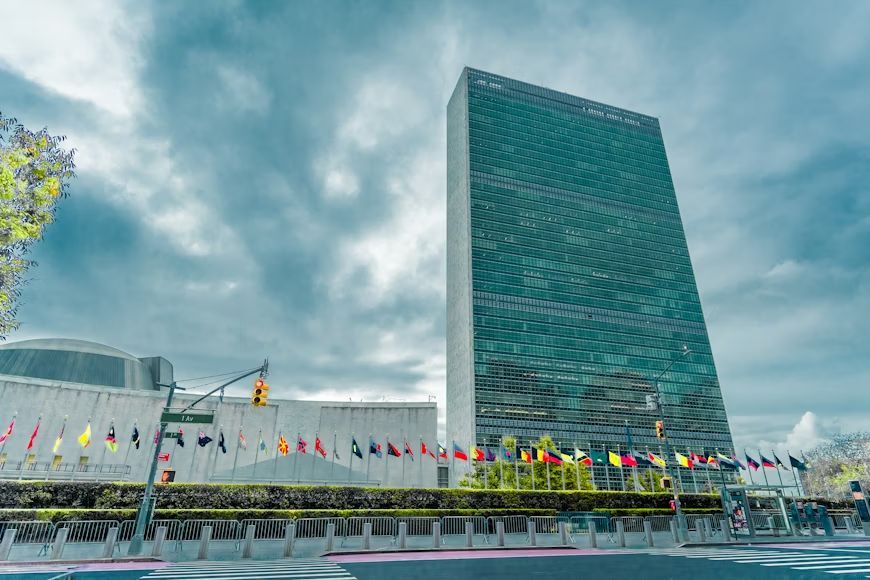
The United Nations established its headquarters in New York City in 1952 following World War II. Since then, diplomats from nearly every country have gathered here to debate, negotiate, and occasionally argue. Few city blocks anywhere else host quite so many global decisions.

7
Brooklyn borough size

Image: Miltiadis Fragkidis

Brooklyn alone would rank as the fourth-largest city in the United States if it stood on its own. Queens would claim the same spot as well. Together, they show just how massive New York City really is, even when broken into boroughs.

8
Times Square naming

Image: James Ting

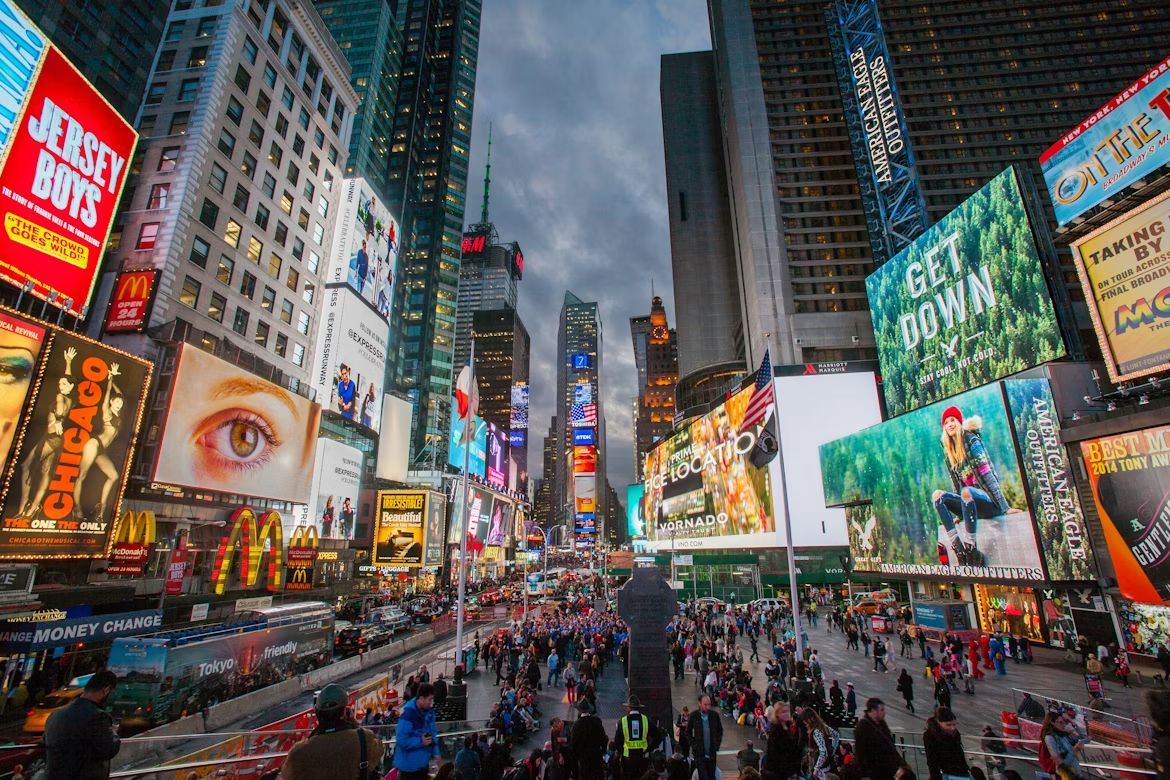
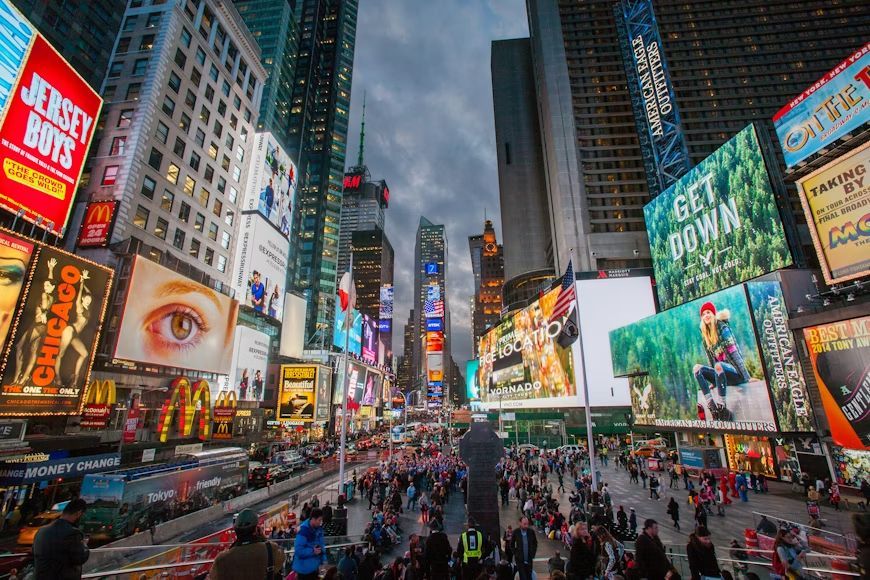
Times Square did not always have its famous name. It was once called Longacre Square until The New York Times moved its headquarters there in 1904. The name stuck, the lights followed, and the area became one of the most recognizable intersections in the world.

9
Chinatown population

Image: Juan Di Nella

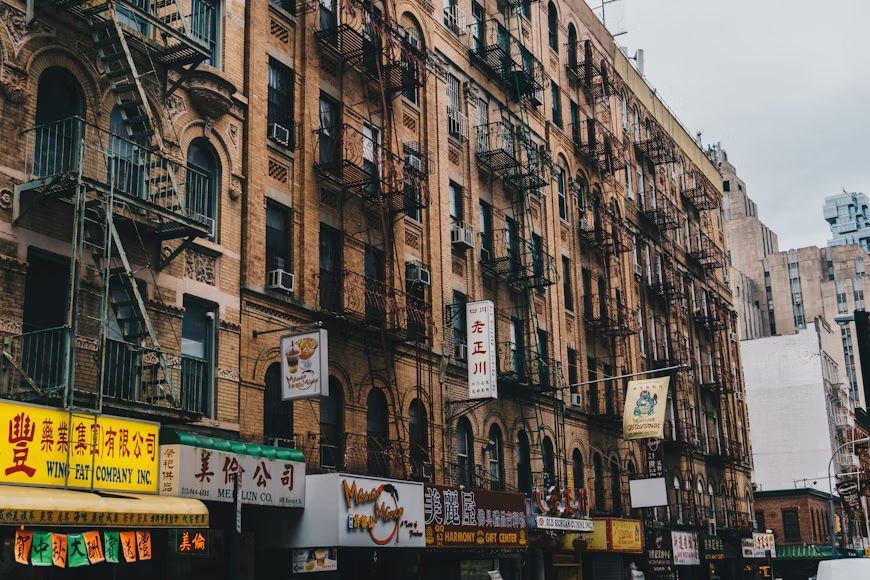
More Chinese people live in New York City than in any other city outside Asia. This influence shapes neighborhoods, food scenes, businesses, and traditions across the city. It is one more reason New York feels like many worlds packed into one place .

10
Pinball ban history

Image: Louie Castro-Garcia

Believe it or not, pinball machines were once against the law in New York City. Back in 1942, city leaders viewed the game as a form of gambling , and Mayor Fiorello LaGuardia ordered it banned. For more than 30 years, pinball disappeared from public view until the rule was finally lifted in 1976.

11
Secret train platform beneath the Waldorf Astoria

Image: Frugal Flyer

Hidden beneath the elegant Waldorf Astoria Hotel is a little-known train platform called Track 61. According to long-standing stories, President Franklin D. Roosevelt used it to arrive and leave discreetly, away from crowds and cameras. The platform is no longer active today , but knowing it exists adds a layer of mystery to an already legendary building.

Explore more American facts

Choose your favorite category!

General
General

As American as apple pie—the very best America has to offer!

Culture
Culture

Delve into the astounding richness of American lore.

Geography
Geography

Hop in and explore vast and diverse American landscapes.

History
History

Discover the key moments that shaped the United States.