History History 5 min read

Mass hysteria, anyone?

Did you fall for any of these 10 outrageous fads?
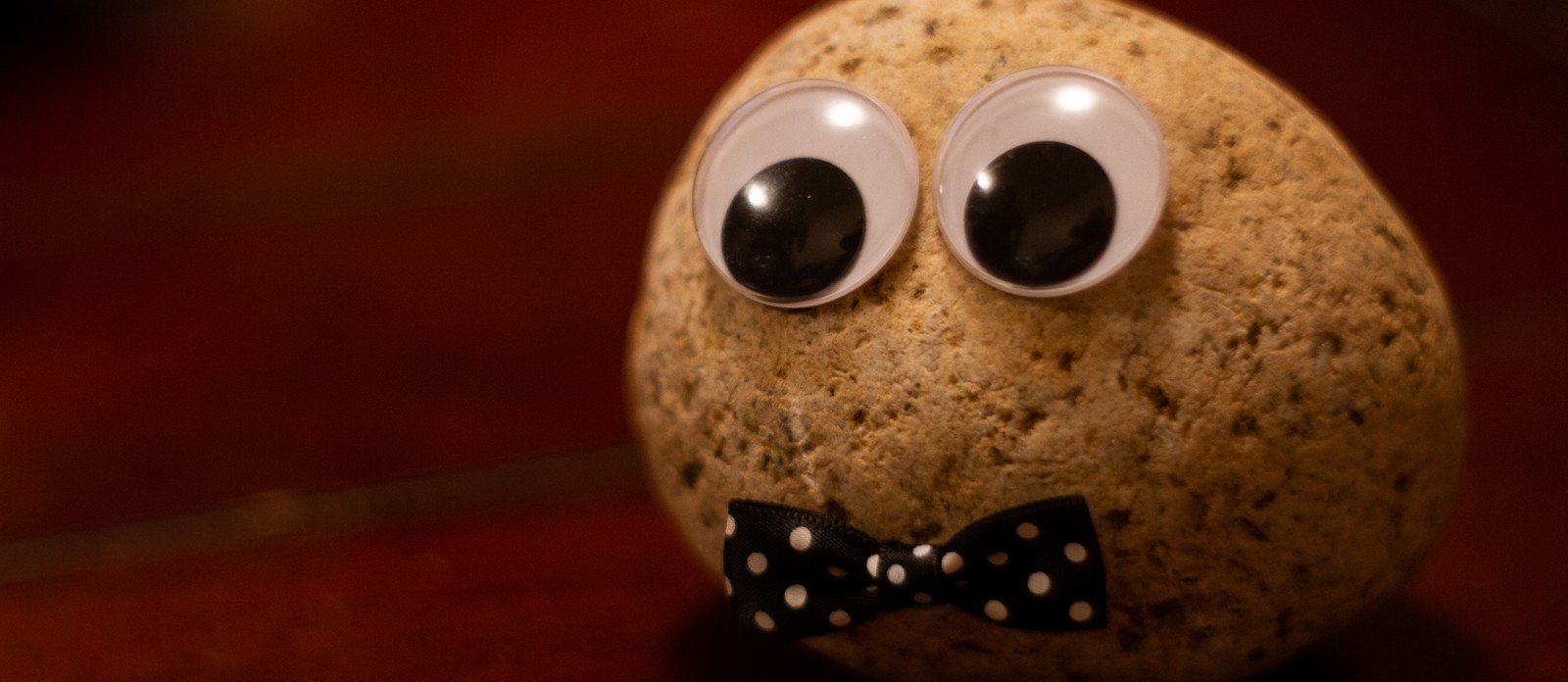
Image: txking

Every generation leaves behind a few trends that make the next one wonder what they were possibly thinking. You probably can think of one or two from your childhood. Long before viral challenges, folks climbed flagpoles, fought over dolls, bought rocks as pets, and turned playground games into miniature economies. Some of these crazes lasted for years, while others disappeared almost overnight. Yet for one strange moment, each of them was enormously popular.

1
People spent weeks sitting on flagpoles

Image: The Camera Dad

In the 1920s, sitting still became a spectator sport —as long as the seat was on top of a flagpole. Stuntman Alvin "Shipwreck" Kelly, from New York City, helped launch the craze in 1924 by remaining aloft for 13 hours and 13 minutes. Soon, imitators across the country were competing to stay up longer.

Kelly kept raising the bar. He spent seven days on a pole in St. Louis, 23 days in Baltimore, and 49 days and one hour above Atlantic City’s Steel Pier in 1930 . He ate, shaved, and even slept on his perch before the Great Depression helped bring the strange craze back down to earth.

2
College students crammed themselves into telephone booths
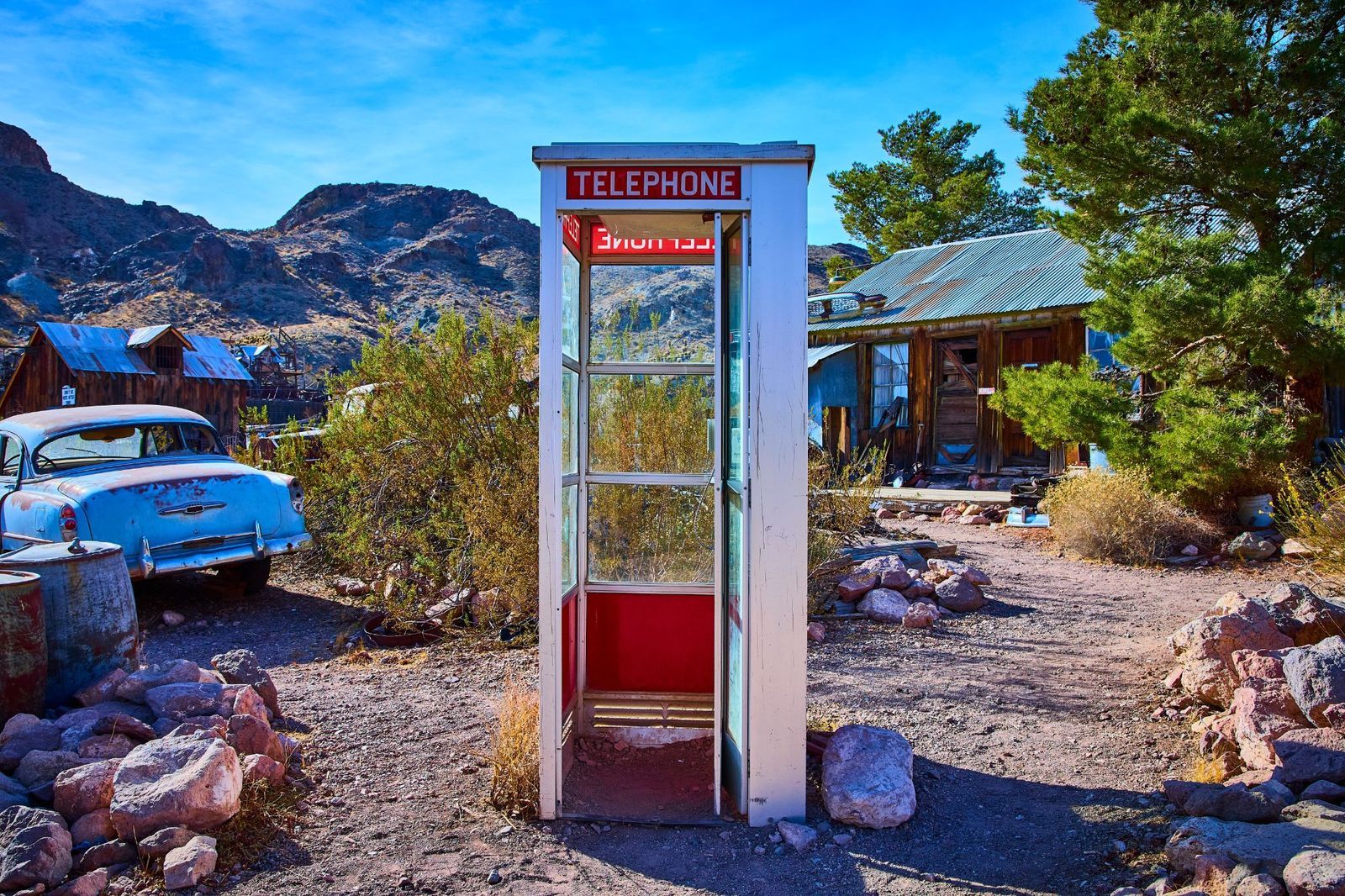
Image: Nicholas J Klein

In 1959, American college students embraced a wonderfully pointless challenge: stuffing as many people as possible into a telephone booth . The fad had already appeared overseas, including a 25-student attempt in Durban, South Africa, before spreading rapidly across U.S. campuses.

At Saint Mary’s College in Moraga, California, 22 students squeezed into one upright booth , producing one of the craze’s most famous photos. Arguments soon broke out over rules: Did feet have to fit? Could the booth lie sideways? By the end of 1959, the fad was already giving way to the next campus novelty.

3
Pet Rocks were a thing
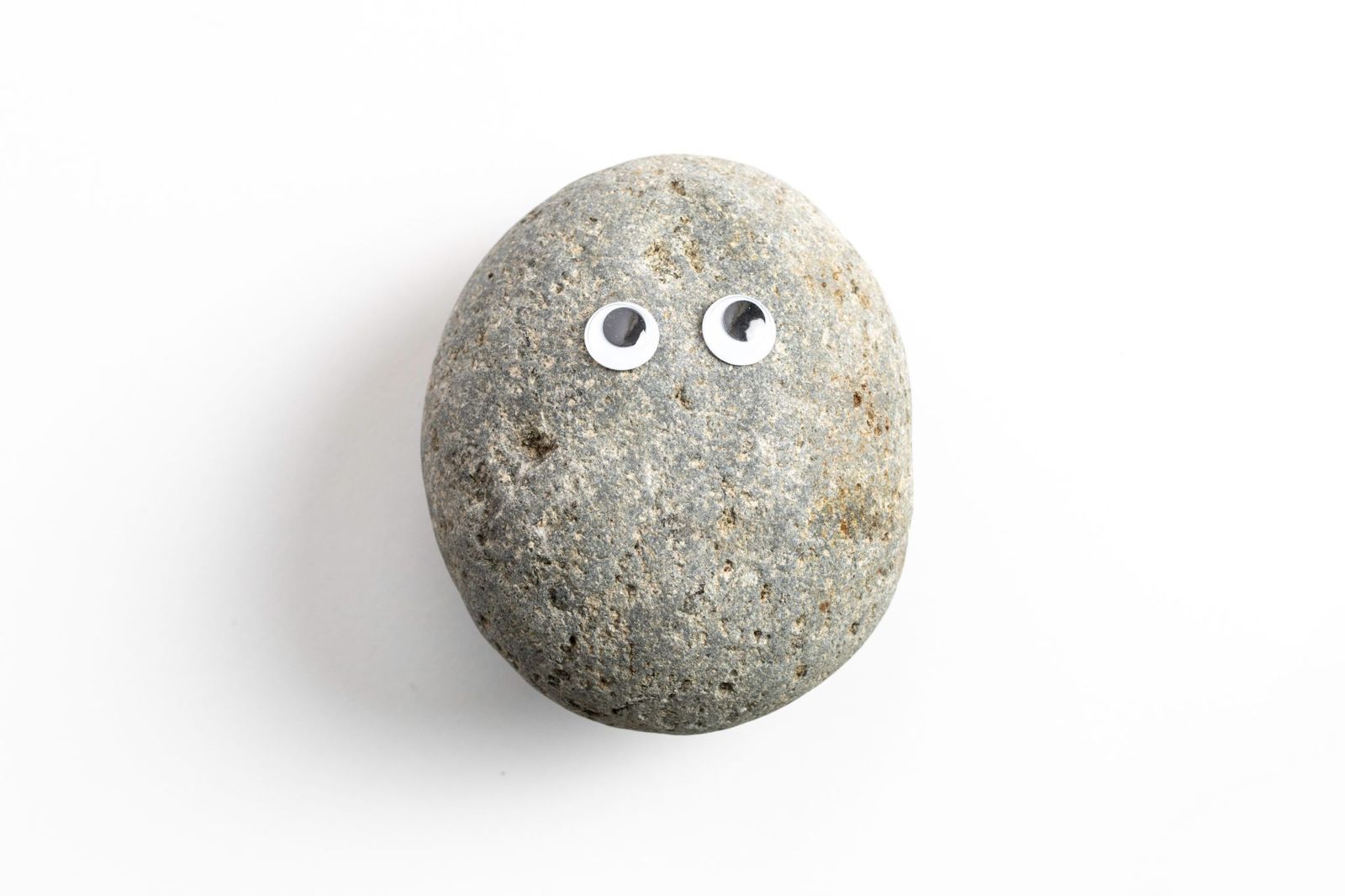
Image: Duntrune Studios

In 1975, advertising executive Gary Dahl came up with the perfect low-maintenance pet: a rock. For about $4, buyers received a smooth Mexican beach stone in a cardboard carrier with straw, air holes, and a tongue-in-cheek manual explaining how to "train" and care for it .

The joke became a genuine business sensation. Dahl later estimated that about 1.5 million Pet Rocks were sold, especially during the 1975 holiday season, making him a millionaire. The craze faded almost immediately afterward, but it proved that clever packaging could turn an ordinary stone into a national phenomenon.

4
Raccoon coats became a college status symbol

Image: Jean Blom

During the Roaring Twenties, enormous raccoon-fur coats became a fashionable badge of college life . Princeton’s student newspaper reported in 1923 that the coats were "as thick as flies" on campus. They were warm enough for chilly open cars, but they also signaled money and status .

They were expensive, too: typical prices reportedly ranged from $350 to $500 in the 1920s (worth about $5,840 to $8,350 today). Football star Red Grange and movie heartthrob Rudolph Valentino helped popularize the look , and the 1928 song "Doin’ the Raccoon" celebrated the fad. After the 1929 crash, however, such extravagant outerwear lost much of its appeal.

5
Troll dolls were everywhere
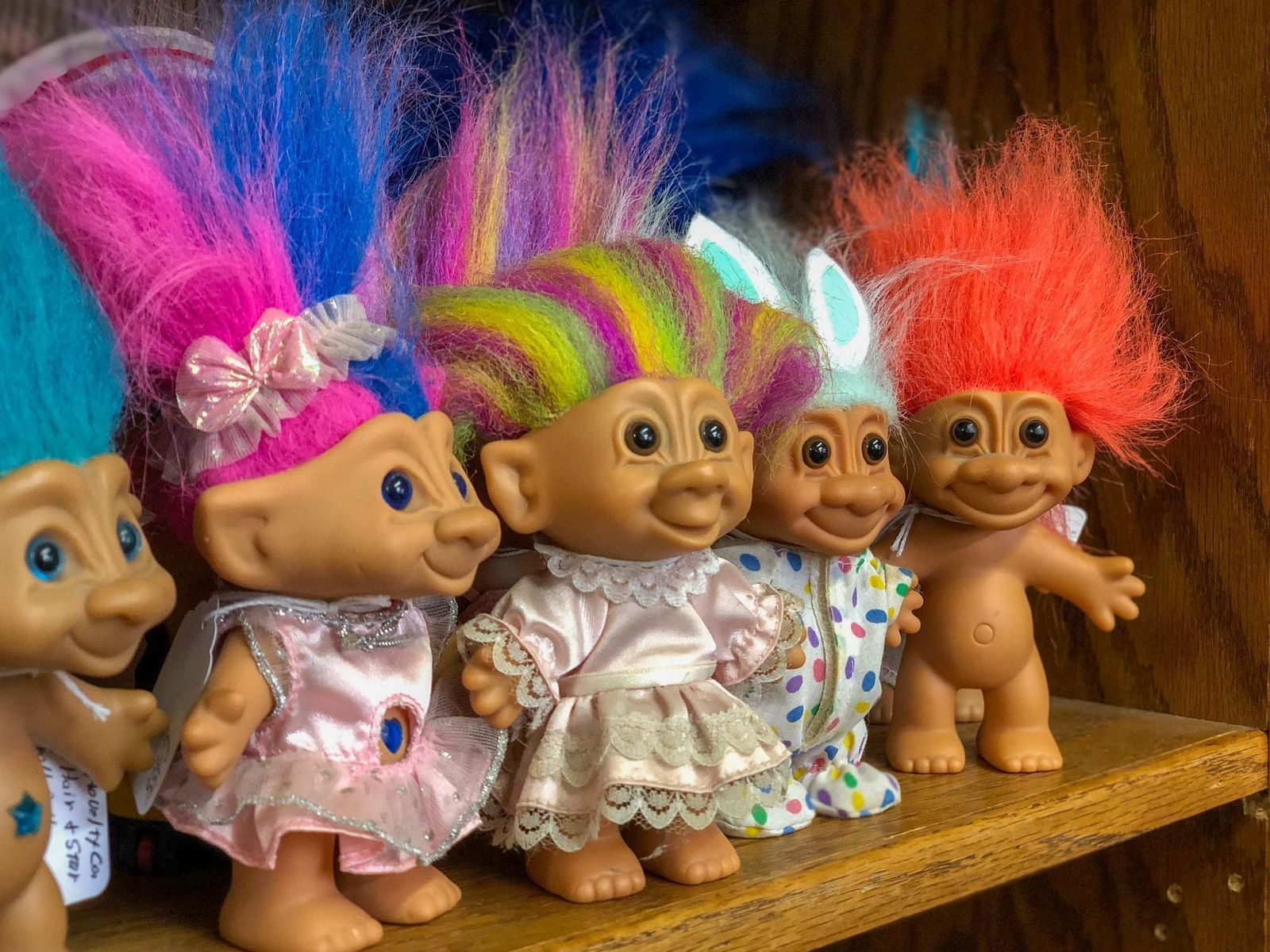
Image: Rex K. Williams

With potbellies, oversized heads, wild hair, and faces that were more odd than cute, troll dolls somehow became a huge American toy craze. Danish creator Thomas Dam developed them in the 1950s, and by the 1960s the strange little figures had become enormously popular in the country .

Americans bought more than one million genuine Dam trolls in 1964 alone. Demand for their distinctive hair reportedly grew so large that Dam’s company bought Iceland’s entire sheepskin harvest. The popular dolls had a revival of sorts in the late 80s and early 90s, but nowhere near their first wave.

6
Cabbage Patch Kids caused shopping mayhem
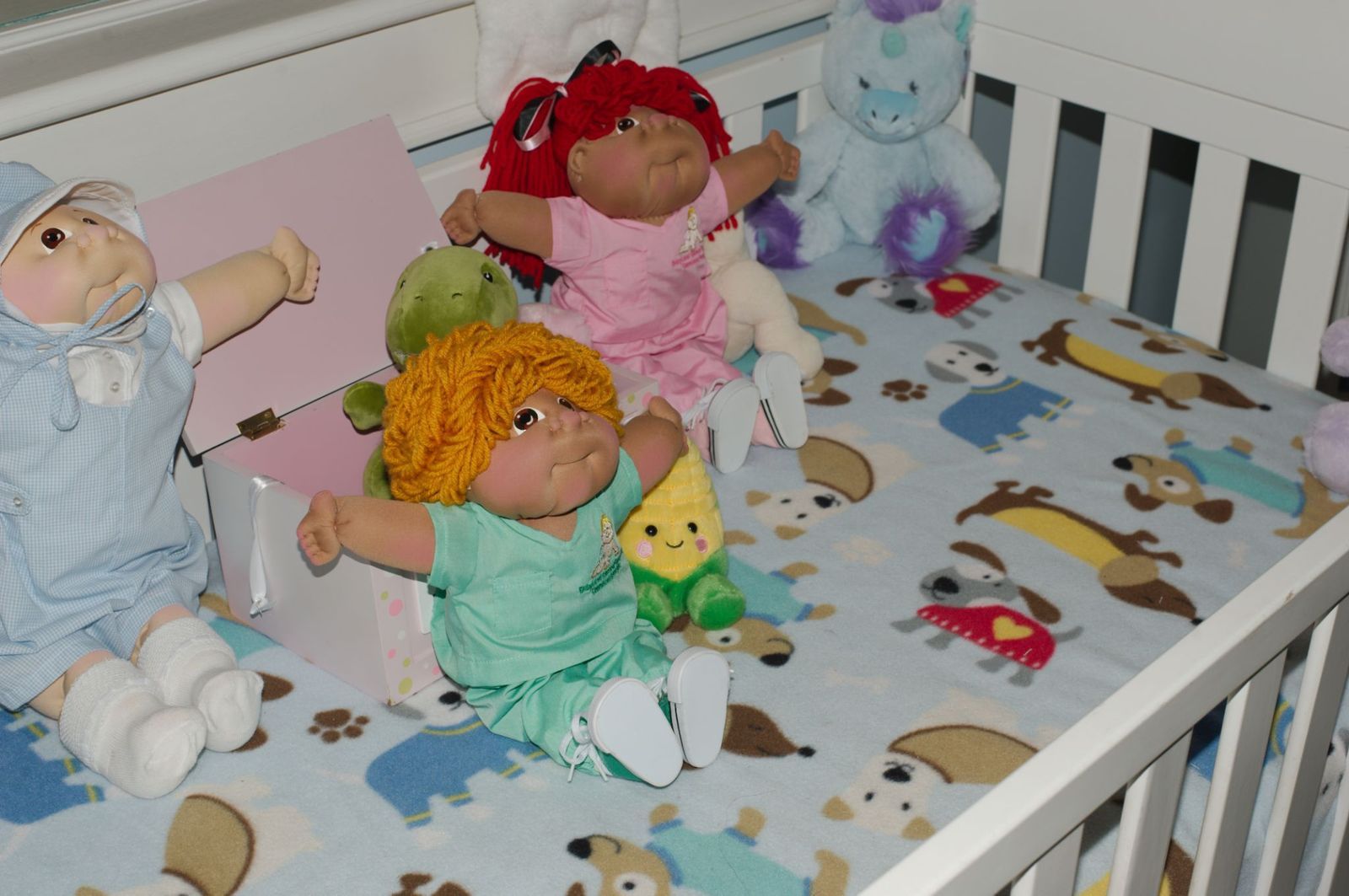
Image: Del Harper

Cabbage Patch Kids turned holiday shopping into chaos in 1983. The dolls, based on creations by Georgia artist Xavier Roberts, came with names, birth certificates, and adoption papers. When Coleco mass-produced them, demand quickly overwhelmed supply across the country.

At a Hills store in Charleston, West Virginia, about 5,000 shoppers reportedly crowded in during one sale. Elsewhere, customers camped outside, grabbed dolls from carts, and even suffered injuries in the rush . More than 2.5 million dolls (not counting the black market versions that preyed on the craze) were sold in their first year, with a price tag ranging from $18 to $35 depending on location.

7
Pogs took over playgrounds
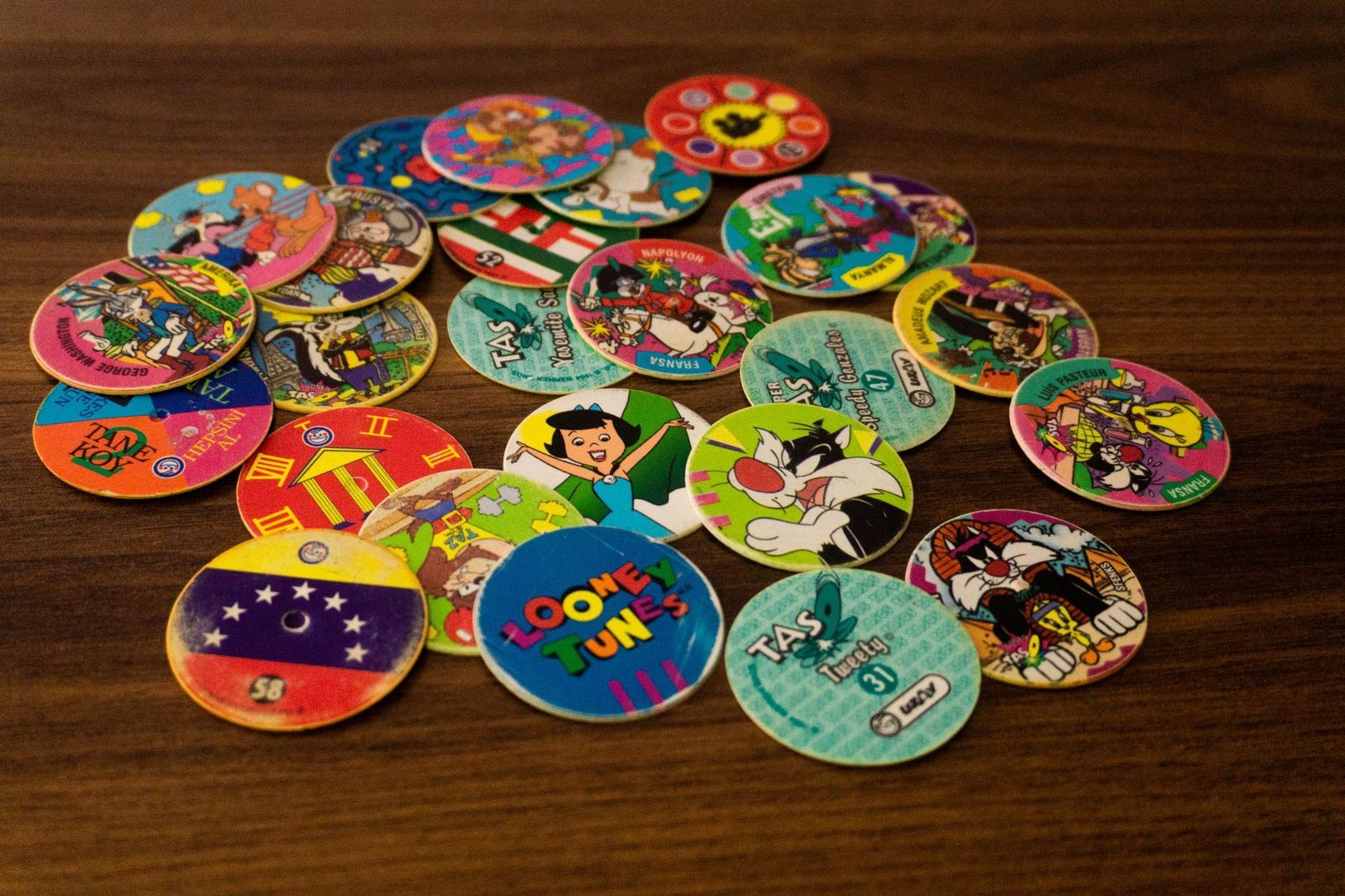
Image: Emre Turkan

For a brief stretch in the 1990s, colorful cardboard discs became serious playground currency. Pogs grew from a Hawaiian milk-cap game revived by teacher Blossom Galbiso around 1991. Players stacked the discs and struck them with a heavier "slammer," trying to flip them over .

The trouble came when children played "for keeps," taking any Pogs they flipped. Arguments, theft, distractions, and concerns about gambling led many schools to ban or restrict the game.

8
Dance marathons lasted weeks

Image: Master1305

Dance marathons began as a 1920s endurance craze and became far harsher during the Great Depression. In 1923, New York instructor Alma Cummings danced for 27 hours, inspiring imitators . Promoters soon turned marathon dancing into paid entertainment watched by large crowds.

Contestants could be required to remain in motion for 45 minutes of every hour, day and night, with only brief rest periods. Some events lasted for weeks: a 1935 marathon in Wenatchee, Washington, ran for 1,492 hours . Cities increasingly objected to the grueling conditions, and Seattle banned the contests in 1928. The bleak Depression-era extremes of the fad were dramatized in the 1969 film They Shoot Horses, Don’t They? starring Jane Fonda.

9
The Davy Crockett caps craze

Image: Phovoir

When Disney aired its Davy Crockett television adventures beginning in late 1954, actor Fess Parker helped turn the frontiersman into a national sensation. Children suddenly wanted the hero’s trademark coonskin cap, complete with a furry tail hanging down the back .

At the height of the craze, about 5,000 children’s caps were reportedly selling each day. "Polly Crockett" versions were even marketed to girls. By May 1955, TIME estimated that Americans had bought about $100 million in Crockett merchandise.

10
More than 20 million Hula Hoops sold in four months
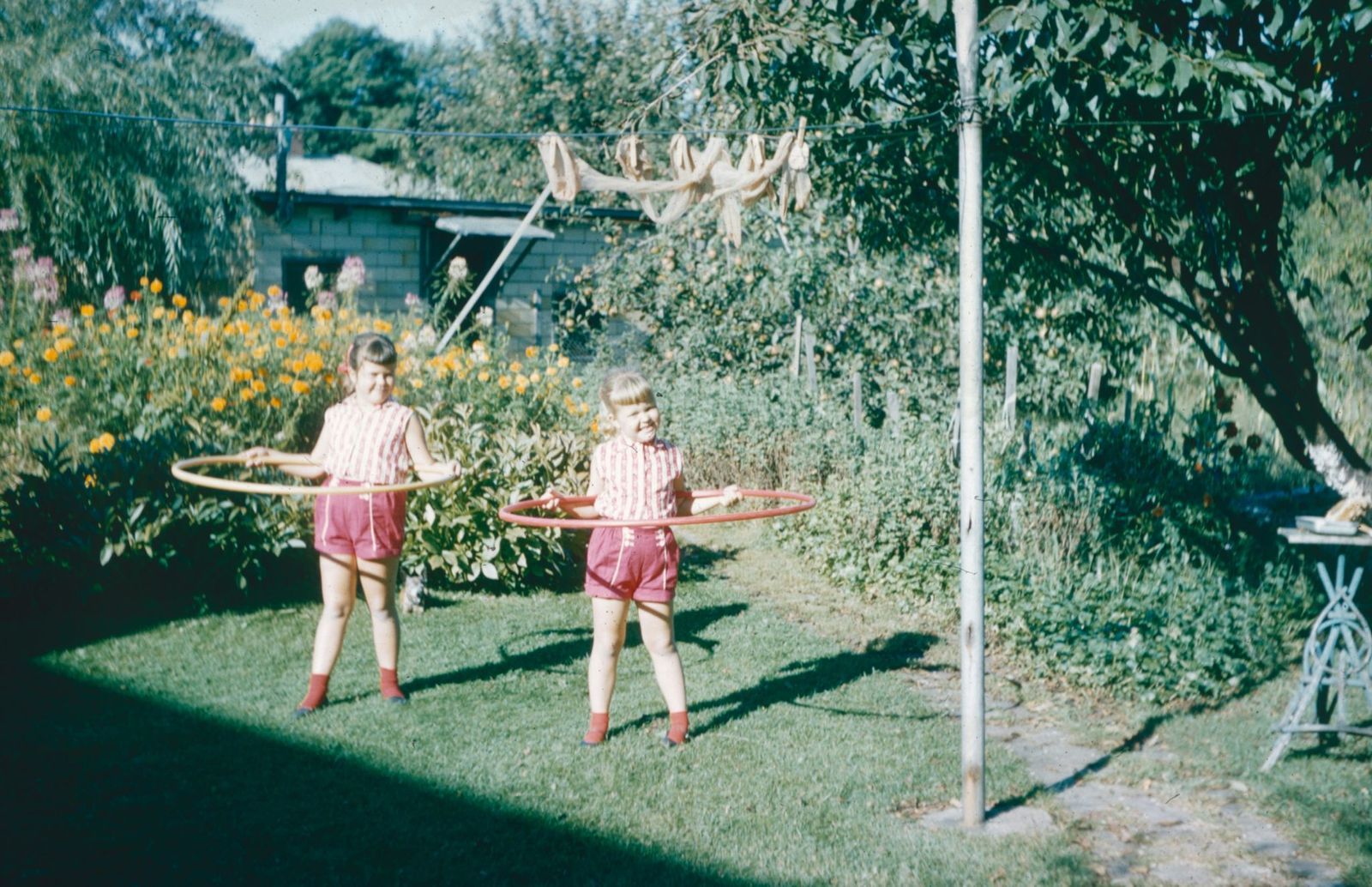
Image: Annie Spratt

When Wham-O introduced the Hula Hoop in 1958, the toy became one of the fastest-moving crazes in American history. Founders Richard Knerr and Arthur "Spud" Melin were inspired by hoops used by Australian children and developed a lightweight plastic version for the local market.

The company promoted the toy directly to schoolchildren, and the strategy worked spectacularly . More than 20 million Hula Hoops were sold in the country within four months. Wham-O was reportedly producing around 20,000 a day as competitors rushed in, before the mania faded almost as quickly as it had begun. Nowadays, Hula Hoops are still popular, but nowhere near their heyday.
General General 4 min read

American uniqueness

10 things America does differently from the rest of the world

Image: Shamblen Studios

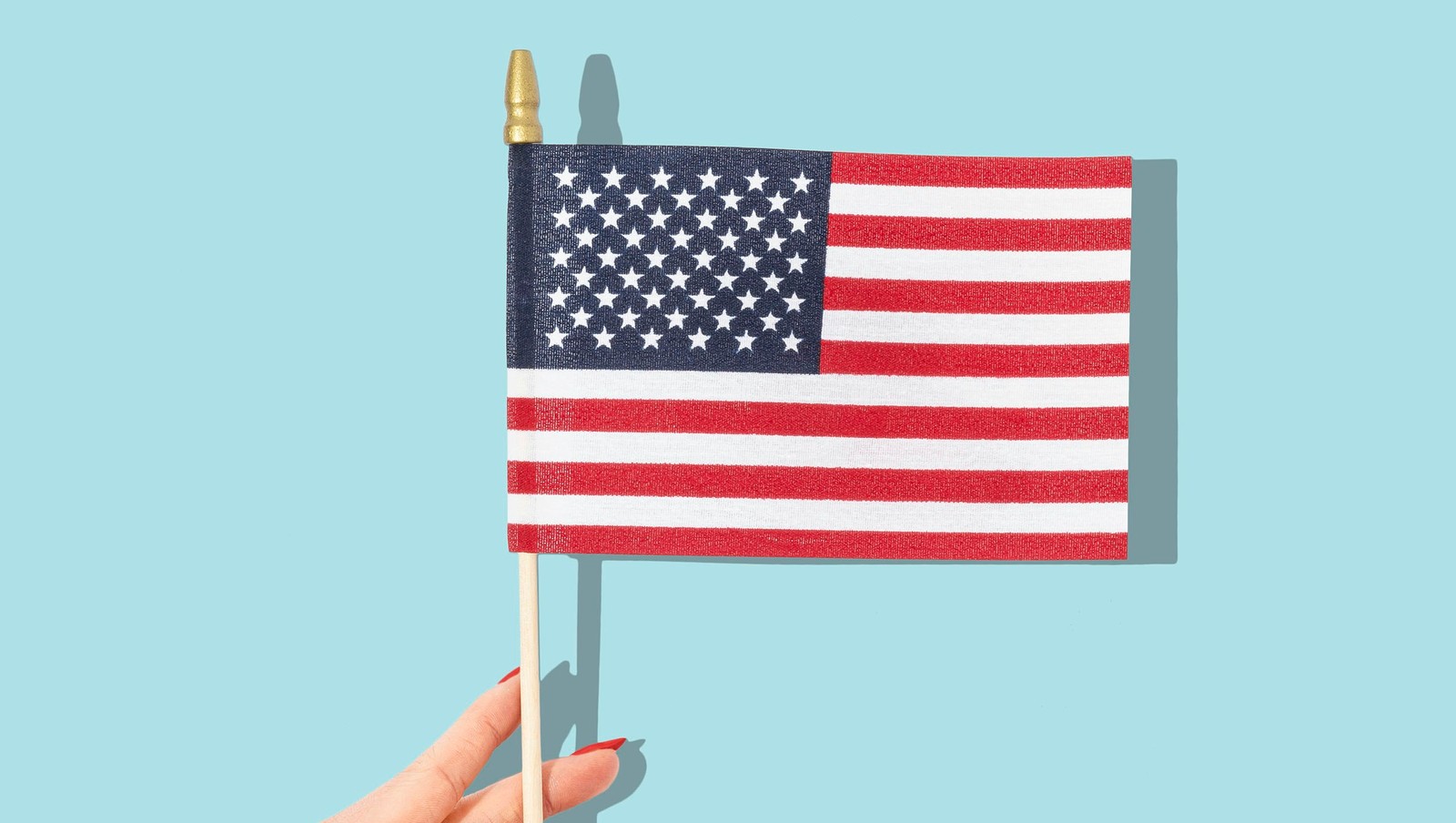
The U.S. is a unique country in many ways , but some of these might shock tourists and foreigners because they differ from how they are done in other parts of the world. From etiquette rules to cooking styles to how to record a date, America has its own way of doing certain things . Let’s have a look at some of them!

1
Measuring

Image: Annie Spratt

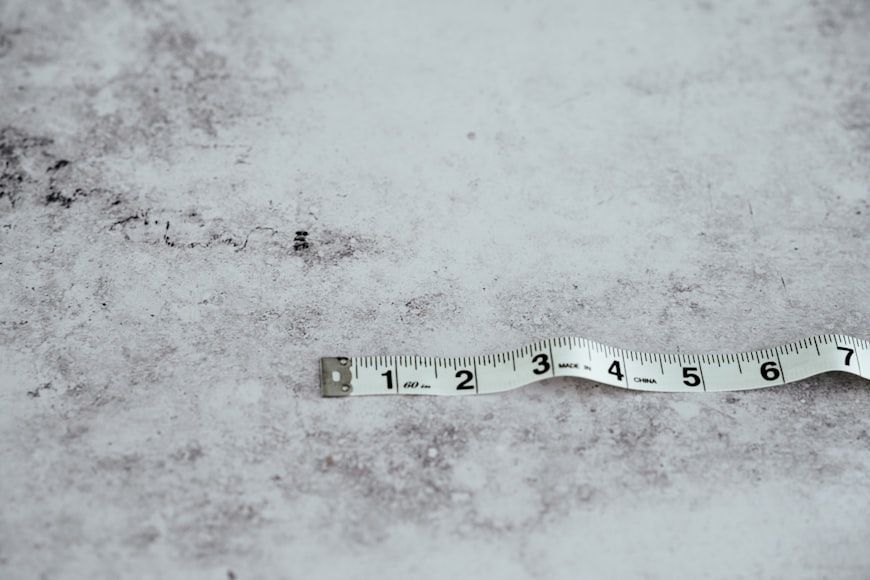
This is a difference most Americans are aware of: most countries use the metric system rather than U.S. customary units, and most use Celsius instead of Fahrenheit. Countries such as the UK and Canada still use some imperial units in everyday life, but they mainly use the metric system. Another measure that confuses foreigners is the particular way ingredients are measured in American recipes, which often use cups, tablespoons, and teaspoons rather than measurements by weight.

Fun fact: The only other countries that use the Imperial system officially are Liberia and Myanmar.

2
Sales tax

Image: Zoshua Colah

Do you find having to calculate sales taxes annoying? That’s a unique American experience. In the majority of the world, the price you see is the price you pay , because it has the sales tax already added.

Why is it different in America? Sales taxes vary across states , so retailers find it easier to showcase the base price and then calculate the total at checkout.

3
Cutlery use

Image: Anna Kumpan

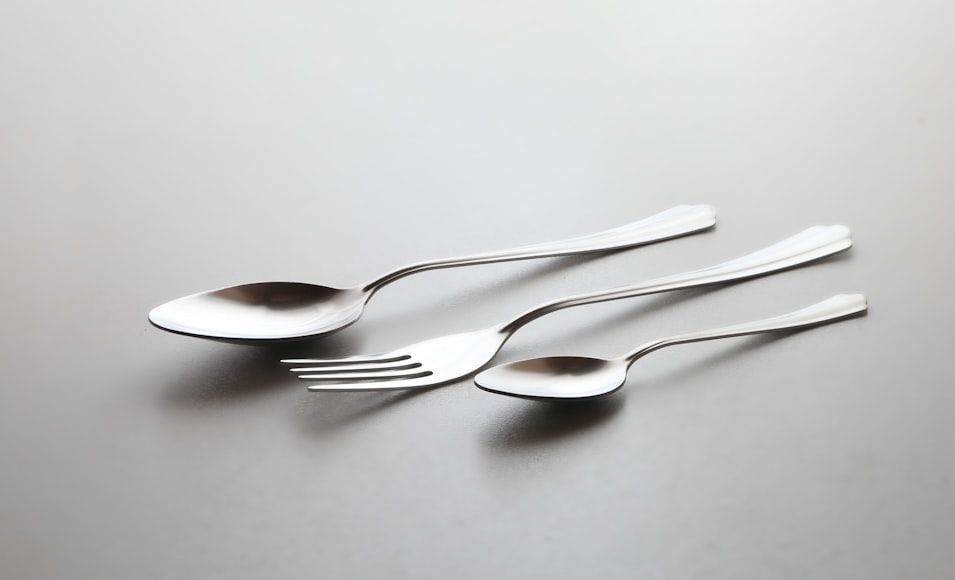
Many Americans abroad are surprised by the realization that not everyone uses a knife and fork in the same way they do . In fact, no one else does. While most Americans have learned the American style —also called the zig-zag or fork switching method— that involves using the fork in the left hand for cutting and then changing it to the right to pick up the food, European and Latin American countries don’t do this . It might seem like a small difference, but it completely changes the way you eat.

4
Iced drinks

Image: Battlecreek Coffee Roasters

Do other countries not have ice? They do, but they don’t necessarily assume everyone will want it. While serving water and other beverages with ice is customary in America, in many other countries, you need to request it —even during the hottest of summers.

But even if you get ice, many times you will need to specify the amount : the same drink that would be filled with ice cubes in America might come to you with just two or three cubes elsewhere.

5
Date formatting

Image: Waldemar

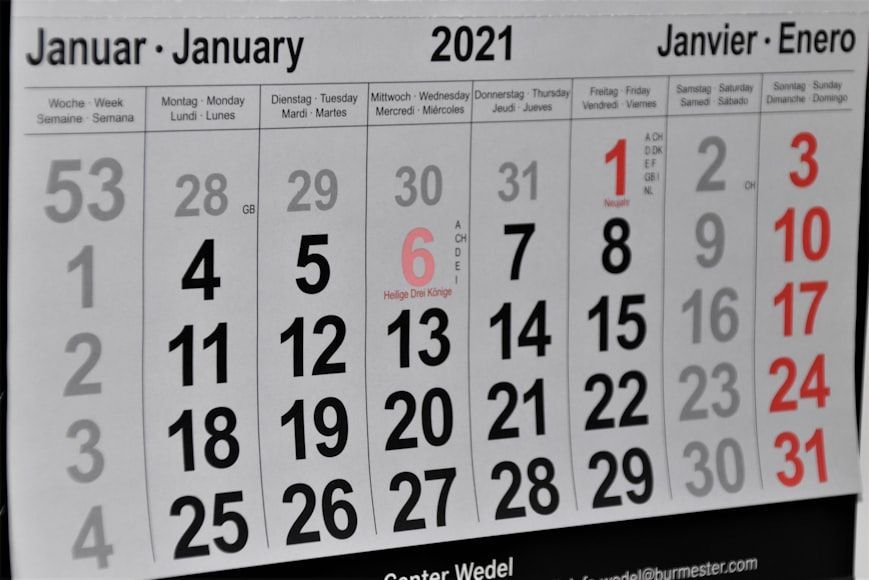
The U.S. is not completely alone on this one, but there’s a difference big enough to be worth mentioning. The standardized way of recording the date in America is month-day-year , a convention also followed by some Caribbean and Asian countries. But in the rest of the Western world, the conventional format is day-month-year , which can lead to confusion for Americans. In most Asian countries , the most commonly used format is year-month-day .

6
The word ‘American’

Image: frank mckenna

In the English language, ‘American’ is the only way to refer to people with U.S. citizenship . Other words, such as ‘Usian’ or ‘Unitedstatian’ have been proposed, but never stuck. This is why many Americans are surprised when other countries —Latin American countries in particular— use ‘American’ for anyone in the American continent , or continents, another big difference. In most European and Latin American countries, there is a different word for U.S. citizens, such as the Spanish ‘estadounidense’ or the Portuguese ‘estadunidense’ .

7
Moving out at 18 years old

Image: Dina Badamshina

This one is not so black and white, but more like a general tendency. Compared with most of Europe, Latin America, and Asia, Americans give serious consideration to the possibility of moving out after high school. Not everyone does, and not everyone can afford it, but it's fairly common.

In other countries, young adults generally move out if their job or education requires it , but they tend to stay at home a few more years if they can.

8
Driving a car as a teenager

Image: Dan Gold

America is quite car-centric , especially if you live outside of the big cities. While not everyone can afford to have a personal car —even a second-hand one—, it is common for 16 and 17-year-olds to legally drive their parents’ car, or save for their own.

In the rest of the world, the chances of high schoolers driving themselves to school are much lower, as most countries don’t allow underage kids to get a driving license .

9
Solo cups

Image: Artem Beliaikin

Do plastic cups exist outside of the U.S.? They do, but they are not as iconic or as widely used as Solo cups, introduced in the 1970s as a disposable but sturdy cup for parties and events. Many foreigners visiting America are surprised when they realize that solo cups are a real thing , and not something that just happens in movies.

10
Filing taxes

Image: Olga DeLawrence

Taxes in the U.S. are not that different from taxes in other countries, except for how they are filed . During tax filing season, thousands of Americans direct their efforts to ensure they have properly reported their income and that their return will match the IRS’s data.

In other parts of the world, however, the one responsible for calculating and filing taxes is the government , while citizens merely corroborate that everything is in order.

Culture Culture 3 min read

I want to believe

11 famous hoaxes in American history that fooled everyone

Image: Hartono Creative Studio

The fact that not every little thing in our world can yet be explained makes life a bit more interesting for many of us. And that urge to believe in certain things has fostered many myths and hoaxes that continue to fool people to this day. How many of the following 11 do you know?

1
The Cardiff Giant

Image: Anton Ivanov

In 1869, workers digging a well in Cardiff, New York, uncovered what appeared to be a 10-foot-tall petrified man. Locals rushed to see the "giant," paying admission to witness history in the soil.

But, as it turned out, it wasn’t ancient at all. A man named George Hull had buried the statue as a prank and made some quick money from the curious crowd.

2
War of the Worlds Broadcast

Image: Michal Balog

This very famous hoax took place on the eve of Halloween 1938. Orson Welles’s radio adaptation of The War of the Worlds aired as if it were breaking news . Many listeners tuning in late thought Martians had really landed in New Jersey.

Some packed up their cars or called the police in panic. Though no invasion occurred, the broadcast became a legend in media history.

3
The Balloon Boy

Image: Ankush Minda

In 2009, Americans watched live TV coverage of a silver balloon drifting across the skies of Colorado , fearing that a six-year-old boy was trapped inside . The story gripped the nation for hours.

When the balloon finally landed empty, police discovered the child hiding safely at home. His parents later admitted it was a publicity stunt gone wrong.

4
The Feejee Mermaid

Image: Nsey Benajah

In 1842, showman P. T. Barnum unveiled a marvel: a preserved "mermaid" supposedly from the South Seas . Crowds lined up to see the half-fish, half-woman curiosity.

The truth was stranger still. It was the upper body of a monkey sewn onto a fish tail and covered in papier-mâché.

5
The Great Moon Hoax

Image: Ganapathy Kumar

Readers of The New York Sun in 1835 were astonished by reports claiming that scientists had spotted bat-like people and crystal palaces on the Moon through a powerful new telescope.

The story was pure invention, but circulation went up. By the time the truth came out, the paper’s readership had reportedly increased dramatically.

6
The Crop Circles Craze

Image: Agent J

When perfect circles began appearing overnight in wheat fields , people talked about UFO landings. The shapes seemed too precise to have been made by human hands.

But, in 1991, two Englishmen confessed they’d used boards and ropes to flatten the crops. While this revelation explained many of the formations, the mystery lives on in popular imagination.

7
Alien Autopsy Film

Image: Leo_Visions

In 1995, a grainy black-and-white video surfaced, showing doctors dissecting what seemed to be an alien recovered from the 1947 Roswell crash. The footage spread quickly worldwide.

Years later, the filmmaker admitted that the film was staged, using latex models and fake organs.

8
The Manti Te’o girlfriend hoax

Image: Kaleb Becker

Notre Dame football star Manti Te’o captured hearts when he revealed that his girlfriend had died of leukemia . Sports fans wept over the tragic love story.

But reporters later learned that the woman never existed. It was an elaborate online catfishing scheme.

9
The Patterson–Gimlin Bigfoot film

Image: Jon Sailer

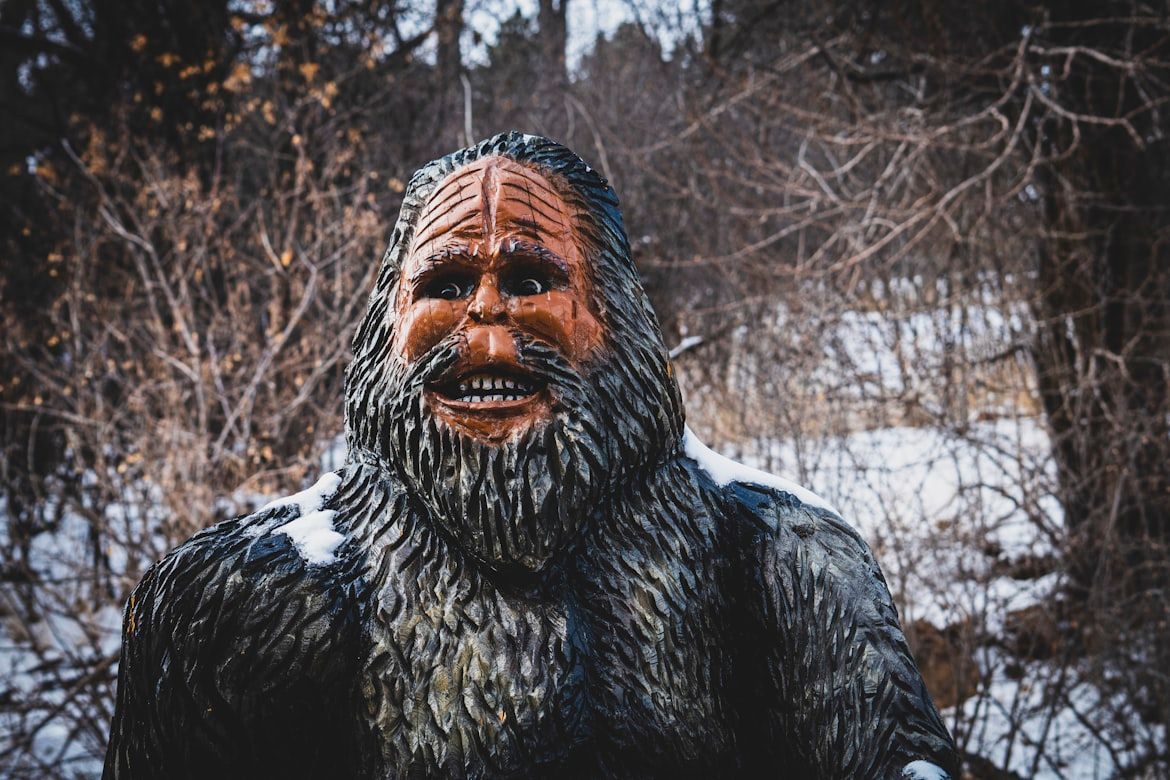
In 1967, a short film shot in California showed a large, hairy creature striding through the woods . Many viewers thought this was real proof of Bigfoot´s existence.

Decades later, one participant claimed it was a man in a gorilla suit, but that claim failed to convince many people who prefer to believe in the existence of this creature.

10
The Drake’s Plate of Brass

Image: David Dibert

In 1936, a shiny brass plate found in California seemed to confirm that explorer Sir Francis Drake had landed there in 1579. Historians called it a priceless relic.

For decades, the plate was displayed proudly, until metallurgical tests in 1977 proved it was modern . It had been made as a practical joke among historians that went too far.

11
Paul Is Dead

Image: Jiamin Huang

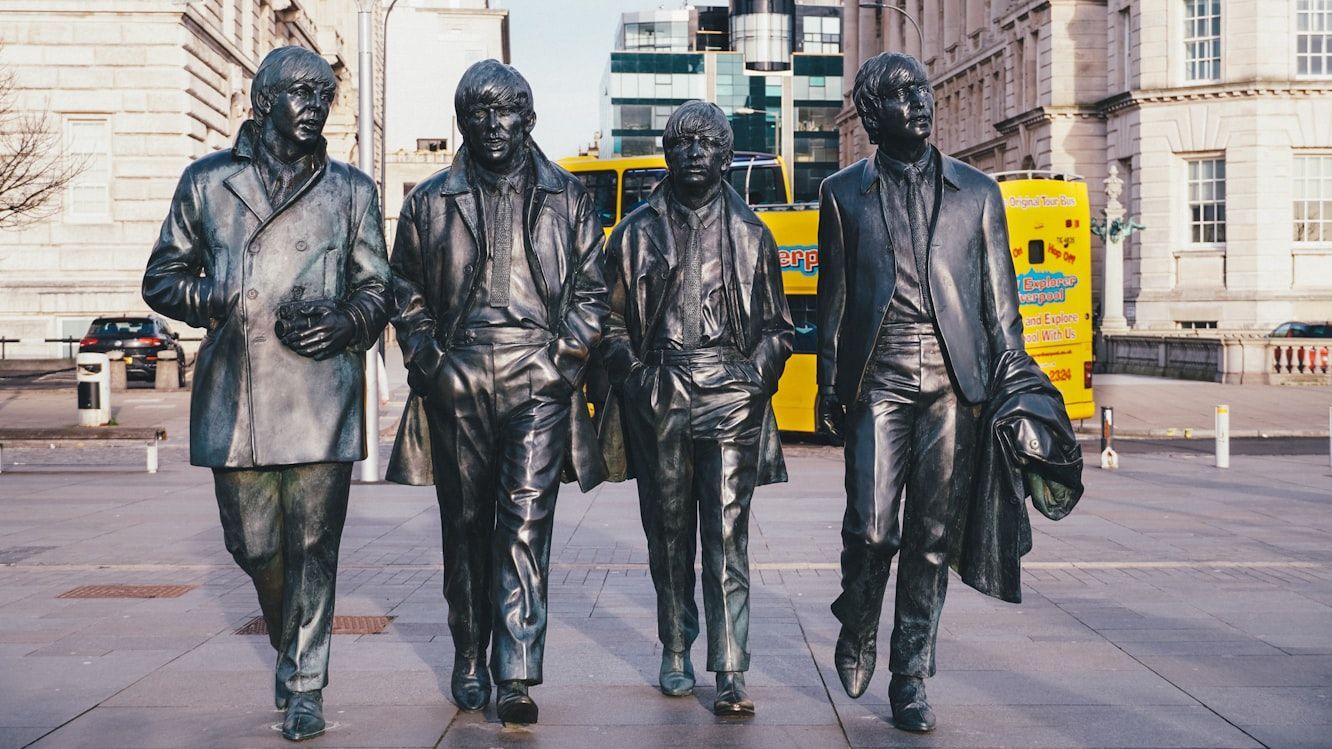
The final entry on our list might not be American per se, but it drew much attention on these shores. In 1969, rumors spread that Beatle Paul McCartney had died and been secretly replaced by a double . Fans scoured album covers for "clues" like hidden messages and backward songs.

Paul, very much alive, later joked about it. The bizarre theory became a lasting pop-culture phenomenon.

Explore more American facts

Choose your favorite category!

General
General

As American as apple pie—the very best America has to offer!

Culture
Culture

Delve into the astounding richness of American lore.

Geography
Geography

Hop in and explore vast and diverse American landscapes.

History
History

Discover the key moments that shaped the United States.