General General 4 min read

Coke or Pepsi?

America loves soda: 10 classic soft drinks worth trying

Image: DS Stories

Taste is a subjective thing. Some people love beverages that others wouldn’t dare to drink, and that’s perfectly fine—everyone is entitled to their opinion. However, even subjective preferences can come with recommendations. You won’t find Coca-Cola, Dr Pepper, or Pepsi on this list. Instead, the following 10 entries highlight big regional names and unique local flavors. Have you tried any of them?

1
Jones Cream Soda

Image: Kevin Butz

Cream soda is a sweet soft drink, typically flavored with vanilla and inspired by the taste of an ice cream float . Many brands and variations can be found across America, and its roots can be traced to at least 150 years ago. Interestingly, Jones Cream Soda, which started in 1886, is not even the oldest one around.

This drink is available in both regular and diet options, and it's also one of the most popular mixers for alcoholic beverages. Cream soda is one of those drinks people associate with their childhood, and it's the perfect perfect pairing for ice cream.

2
Dr. Brown’s Root Beer

Image: David Trinks

Root beer is a sweet and classic American soft drink traditionally made using the root bark of the sassafras tree as the primary flavor . Root beer is usually alcohol and caffeine-free, sweet, and carbonated, with a thick, foamy head.

Dr. Brown's version of this classic soda is unbeatable, offering a harmonious blend of sugar and spice. It’s not just sweet—it boasts a distinct celery seed earthiness that keeps every sip interesting.

3
Olipop Lemon Lime

Image: Mariah Hewines

Lemon lime drinks have been around for a long time now (just ask Sprite or 7-Up), but Olipop manages to add a new twist to this old classic. This fizzy tonic boasts prebiotics, plant fiber, and botanicals, which not only taste great but also help your digestive health.

Olipop is also low in sugar, but that doesn’t mean it’s lacking in sweetness. It uses cassava root and other alternative sweeteners to maintain its delicious flavor.

4
Fever-Tree Mediterranean Tonic Water

Image: Nick Fewings

Tonic water is often considered a soda for adults due to its bitter taste. However, the brave ones who love this delicious beverage will find Fever-Tree’s Mediterranean Tonic Water has the perfect mix of bitterness for tonic water fans, but a balanced flavor that makes it appropriate for people who are just dipping their toe into the tonic water.

In addition to that traditional quinine flavor, this tonic is infused with rosemary and lemon thyme , adding a layer of complexity to its taste.

5
Cheerwine

Image: sq lim

Named for its color and taste, Cheerwine is a cherry-flavored soft drink with a mildly sweet flavor with strong cherry notes, most notably black cherry . It is burgundy-colored and has an unusually high degree of carbonation compared to other soft drinks.

Cheerwine is widely available throughout the southeastern United States, from Maryland to Florida, but it is best known and beloved in the Carolinas.

6
Sangrita Blast Mountain Dew

Image: Ashley Kirk

As the "Limited Edition" tag implies, this product was only available for a limited time, but it was enough to leave a lasting impression. Sangrita Blast, a Citrus Punch-flavored Mountain Dew with a maroon hue, was available at Taco Bell restaurants from 2013 to 2017. It was also released in cans and bottles in 2015 for a short period.

7
Cactus Cooler

Image: Thomas Verbruggen

Cactus Cooler is an orange-pineapple-flavored soft drink sold primarily in Southern California and the surrounding Southwestern region. The orange flavor is very present, with the pineapple appearing a bit behind but adding a layer of complexity to the overall flavor.

This soda has no caffeine, making it a safe product for anyone who gets the jitters from caffeine-infused beverages.

8
United Sodas Toasted Coconut

Image: Jonas Dücker

The words "healthy" and "soda" are not usually heard together but this is one of those occasions. United Sodas is a healthy soda brand that offers products with a lightly carbonated fizz and low sugar content.

Their Toasted Coconut flavor stands out with its distinctive coconut taste. Each can contains fewer than 30 calories, has no artificial ingredients, and is organically sweetened —making it the perfect alternative for health-conscious soda lovers.

9
Boylan Creme Soda

Image: Gourmet Lenz

Even if we started this list with a cream soda, we couldn’t leave out Boylan’s version. This glass-bottled beverage has a rich vanilla flavor and a robust amount of carbonation that make it very easy to drink.

While many cream sodas can be overly sweet, Boylan’s is refreshing, complex, and downright delicious. The use of cane sugar gives it a crisp, clean flavor all the way to the last drop.

10
Moxie

Image: Tom Paolini

The last entry on our list is a bitter and herbal soda named Moxie. It originated in Maine in the late 1800s as a patent medicine called "Moxie Nerve Food." It is flavored with gentian root, sassafras, wintergreen, and other herbs.

Though still somewhat unique to the Northeast, Moxie has become more widely available in specialty and larger grocery stores since Coca-Cola acquired the brand in 2018. Have you ever seen it?
General General 3 min read

What’s in a nickname?

Did you know the stories behind the nicknames of these Americans?

Image: Capitol Records (File No. 3860-25)

Nicknames can be affectionate, teasing, intriguing—or all of these at once. Who comes up with the labels that remarkable people end up carrying forever, and what makes them stick? Here, we explore a list of quirky stories behind some of the most colorful nicknames in American history.

1
"The Chairman of the Board" – Frank Sinatra

Image: Ethan Rougon

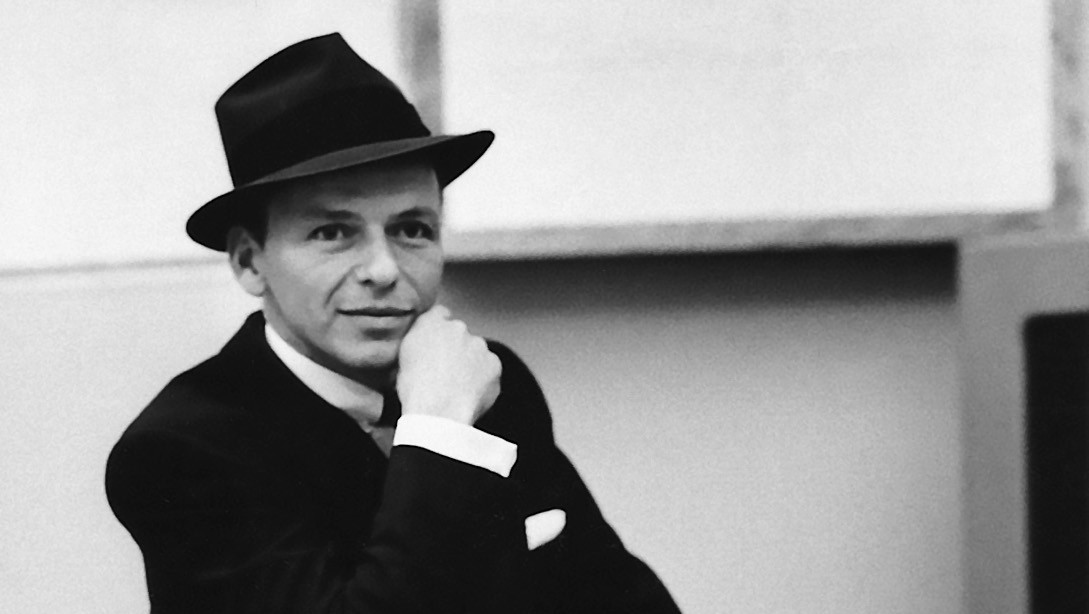
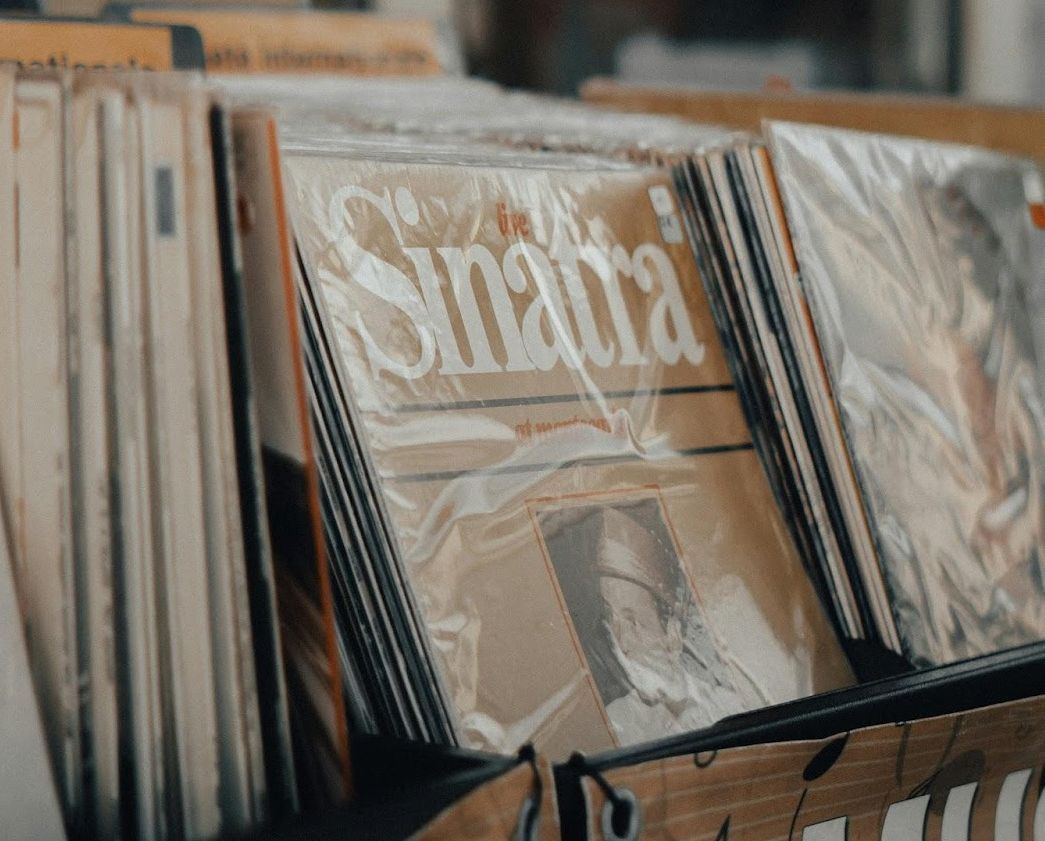
Frank Sinatra co-founded Reprise Records in 1960, giving him full creative control over his music. The nickname "Chairman of the Board" was first used by radio host William B. Williams and quickly caught on. Although Sinatra didn’t particularly love it, the nickname came to symbolize his power and influence in the music industry.

2
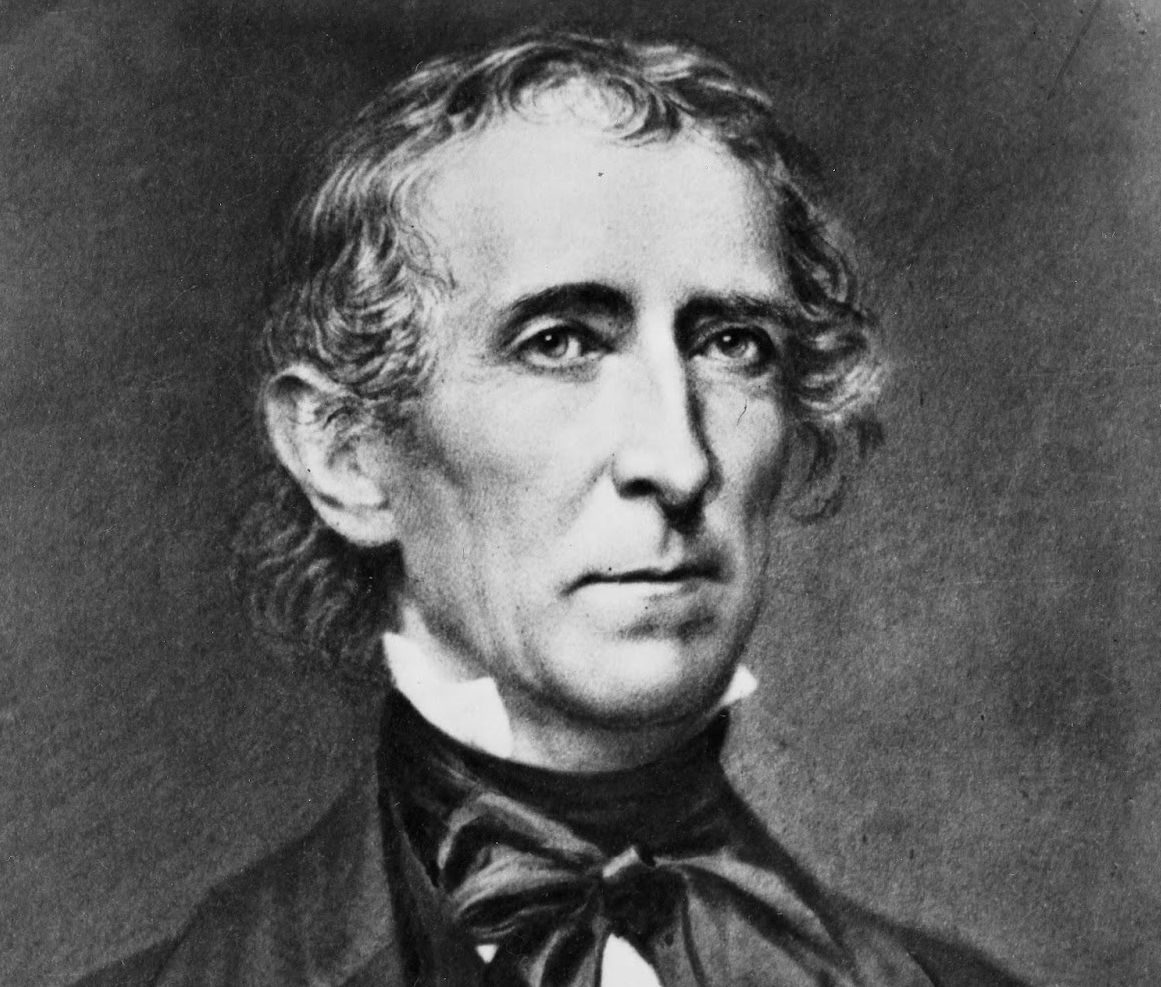
"His Accidency" – John Tyler

Image: Library of Congress

The 10th U.S. president earned this snarky nickname after unexpectedly taking office in 1841, when William Henry Harrison died just one month into his term.

It was the first time a vice president had assumed the presidency due to a president’s death, and many questioned the legitimacy of his authority. His critics called him "His Accidency," a somewhat unfriendly pun that stuck.

3
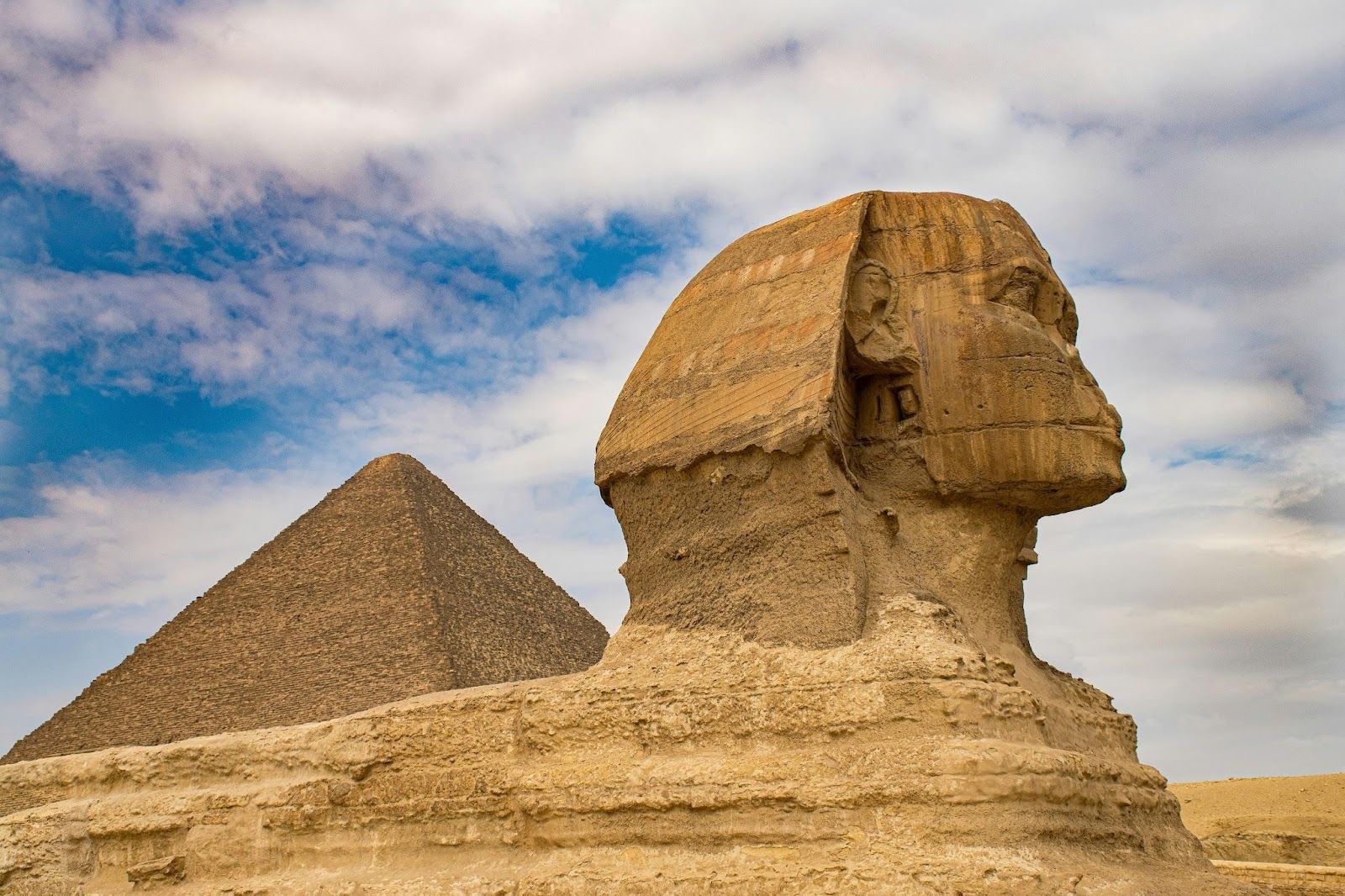
"The Sphinx of the Potomac" – Calvin Coolidge

Image: Lea Kobal

President from 1923 to 1929, Coolidge was notoriously silent and stoic. His reluctance to speak in public and his poker-faced demeanor earned him the nickname "The Sphinx of the Potomac," a nod to the famous Egyptian statue and his Washington, D.C. post. One oft-repeated anecdote claims he once remarked, "I have nothing to say."

4
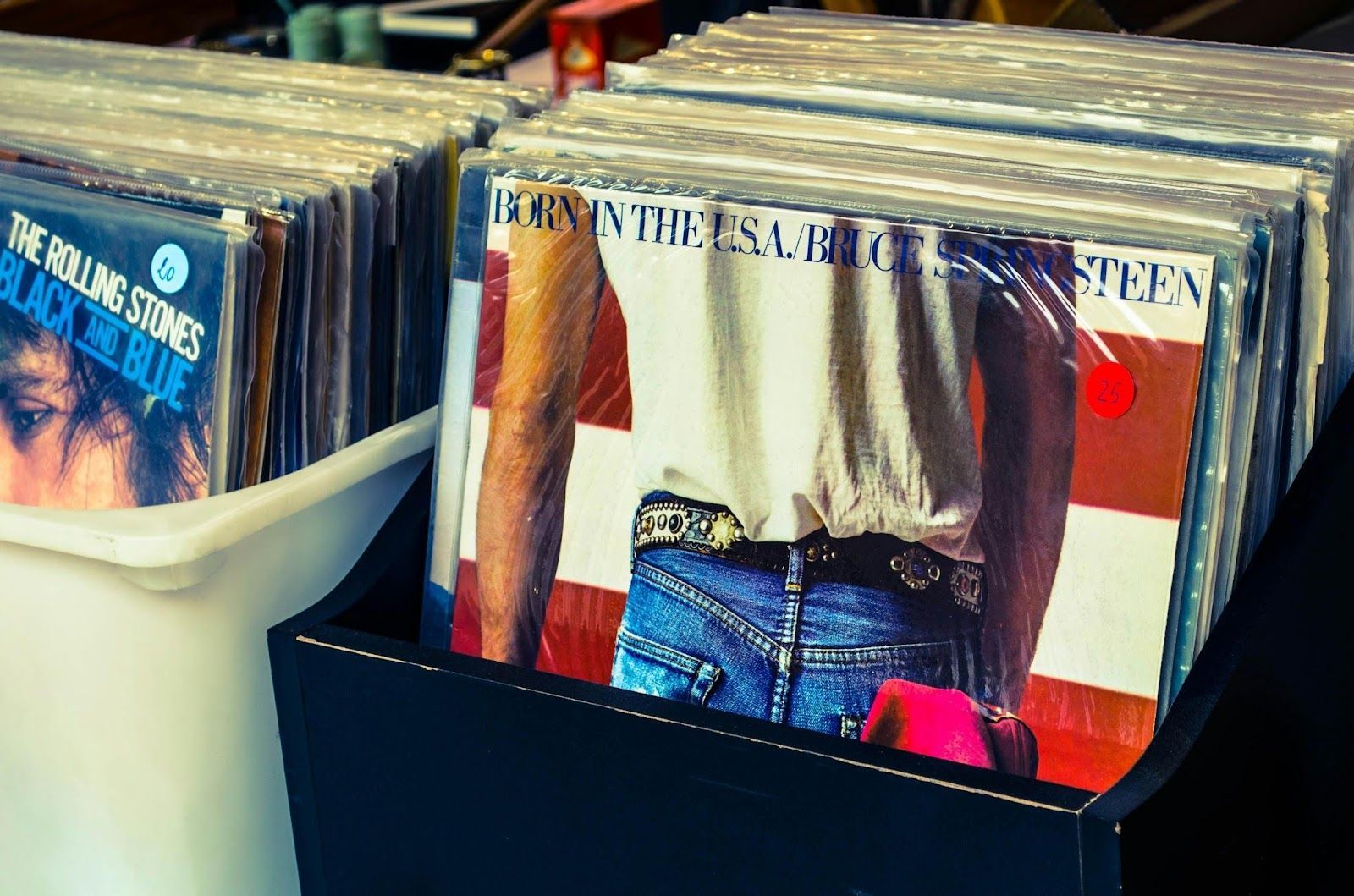
"The Boss" – Bruce Springsteen

Image: Jose Antonio Gallego Vázquez

Bruce Springsteen earned this nickname in the early days of playing Jersey Shore clubs, where he was responsible for collecting and distributing gig money to his band. Originally an internal nickname within the group, it quickly caught on with the media. Ironically, Springsteen has admitted that he’s never really liked being called "The Boss."

5
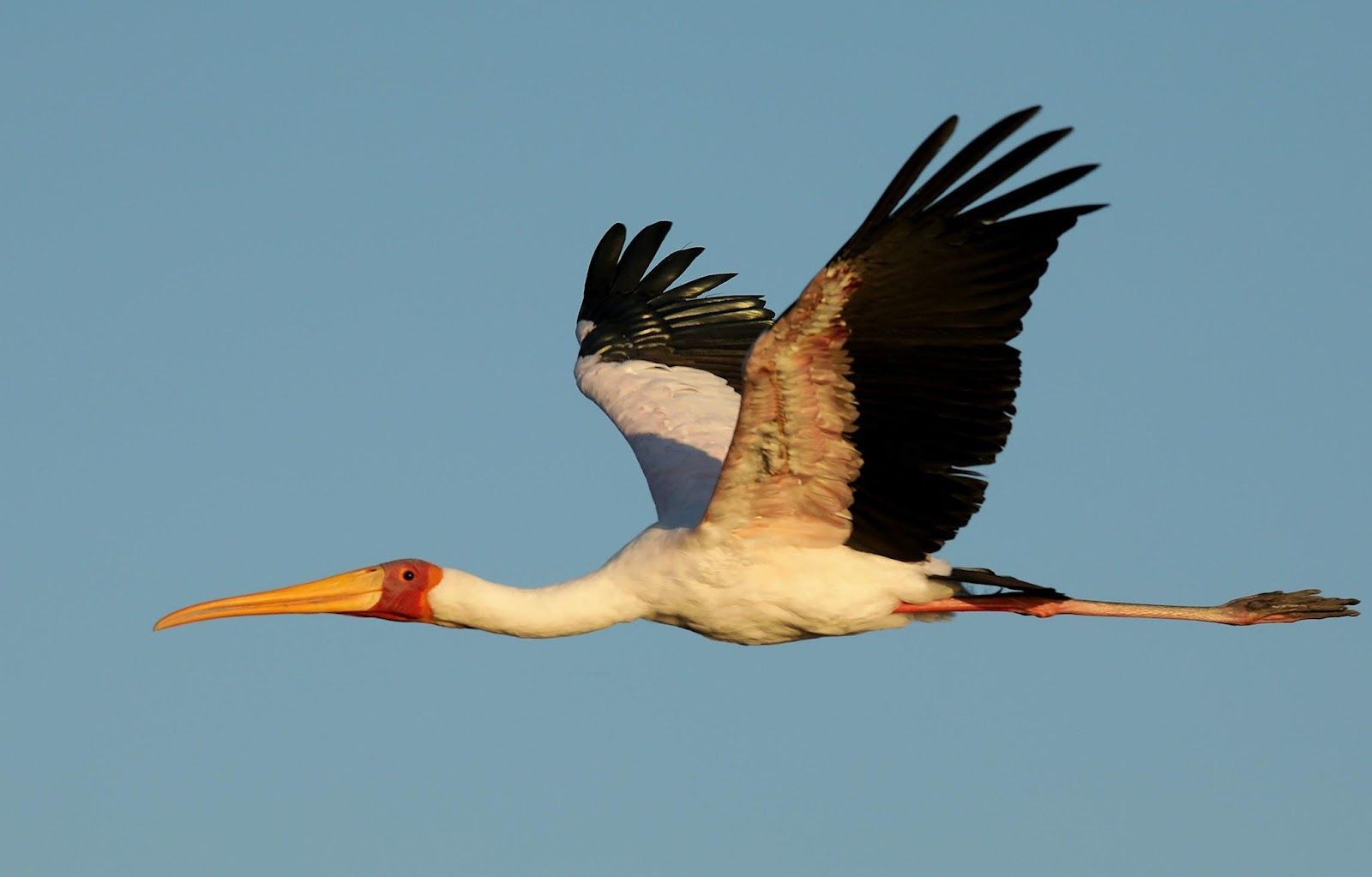
"The Mad Stork" – Ted Hendricks

Image: Wynand Uys

This Hall of Fame linebacker for the Raiders stood 6’7" and had a long, lanky build. His towering figure and unpredictable style of play earned him the nickname "The Mad Stork." Despite the unusual moniker, he was a feared and legendary player in the NFL.

6
"The Snake" – Ken Stabler

Image: Timothy Dykes

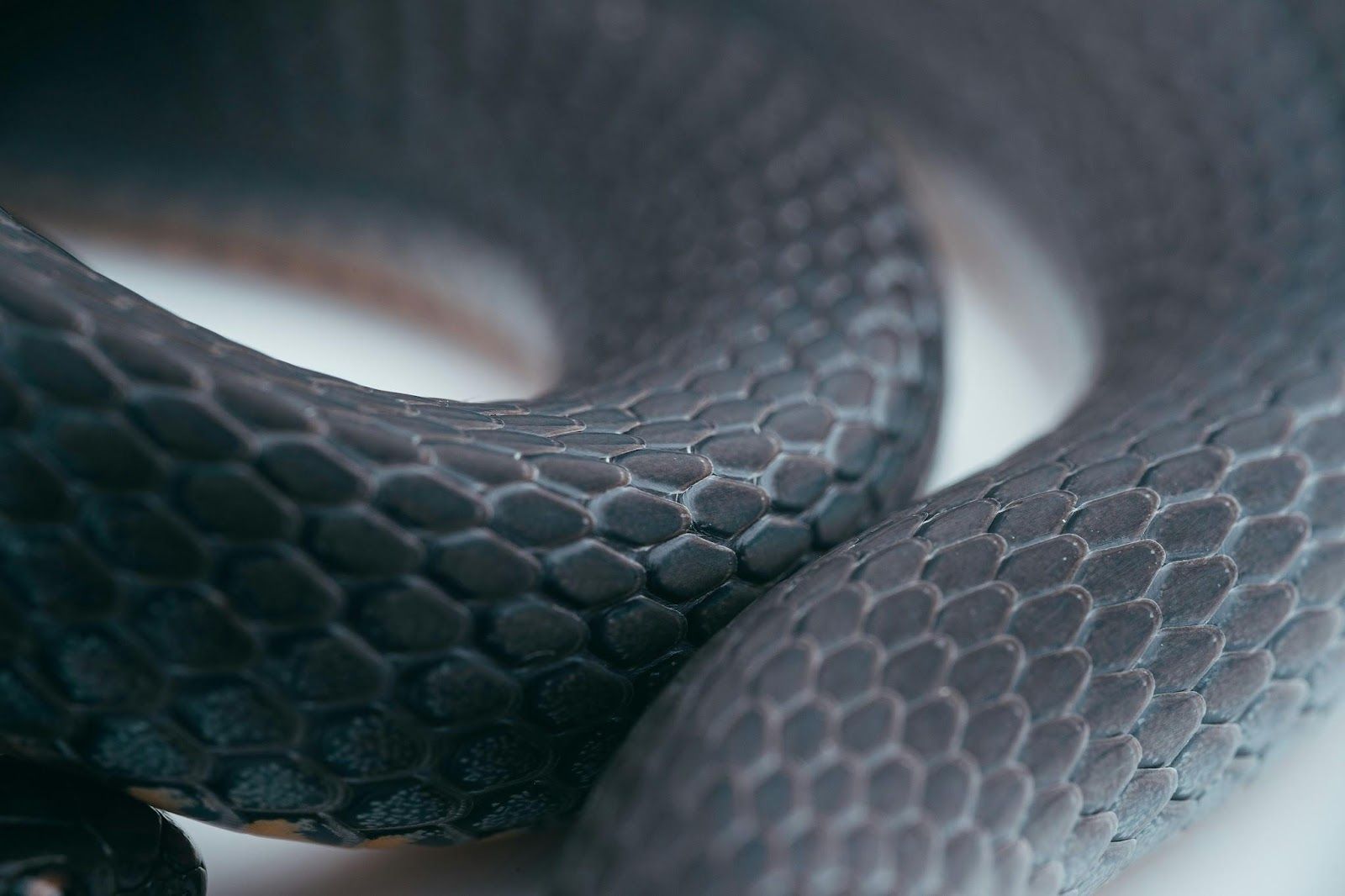
Another Raiders legend, quarterback Ken Stabler, earned the nickname "The Snake" from his college coach after a long, twisting touchdown run. The name stuck because he became known for his slippery, cool-headed play under pressure.

7
"Jane the Grabber" – Hester Jane Haskins

Image: sombre

A dark figure in 19th-century New York, Hester Jane Haskins was a "procuress," luring women with promises of work and then forcing them into brothels. Her nickname, "Jane the Grabber," became infamous in the press.

8
"The Black Swallow of Death" – Eugene Bullard

Image: Heather Wilde

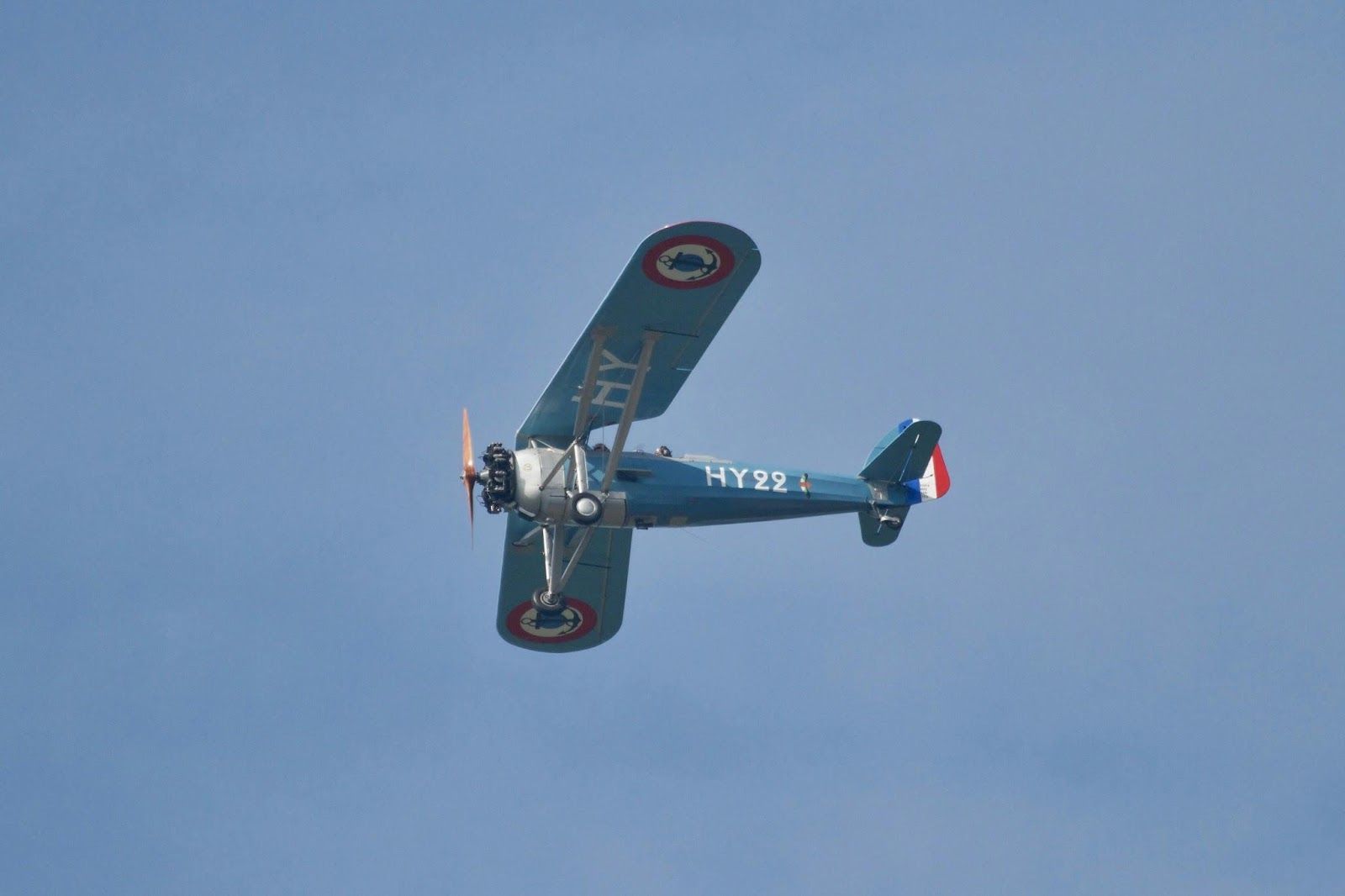
Born in Georgia and later a French WWI pilot, Eugene Bullard was the first African American military pilot. He earned the nickname "The Black Swallow of Death" for his fearless flying and deadly accuracy. Despite his heroism, he still faced racial discrimination upon returning to the U.S.

9
"Little Miss Sure Shot" – Annie Oakley

Image: Jp Valery

Annie Oakley was a folk heroine and a famed sharpshooter from an early age. She earned the nickname "Little Miss Sure Shot" from the Native American leader Sitting Bull, who bestowed it after watching her flawless shooting in Buffalo Bill’s Wild West show.

10
"Kid Gloves" – Benjamin Harrison

Image: Aaron Lefler

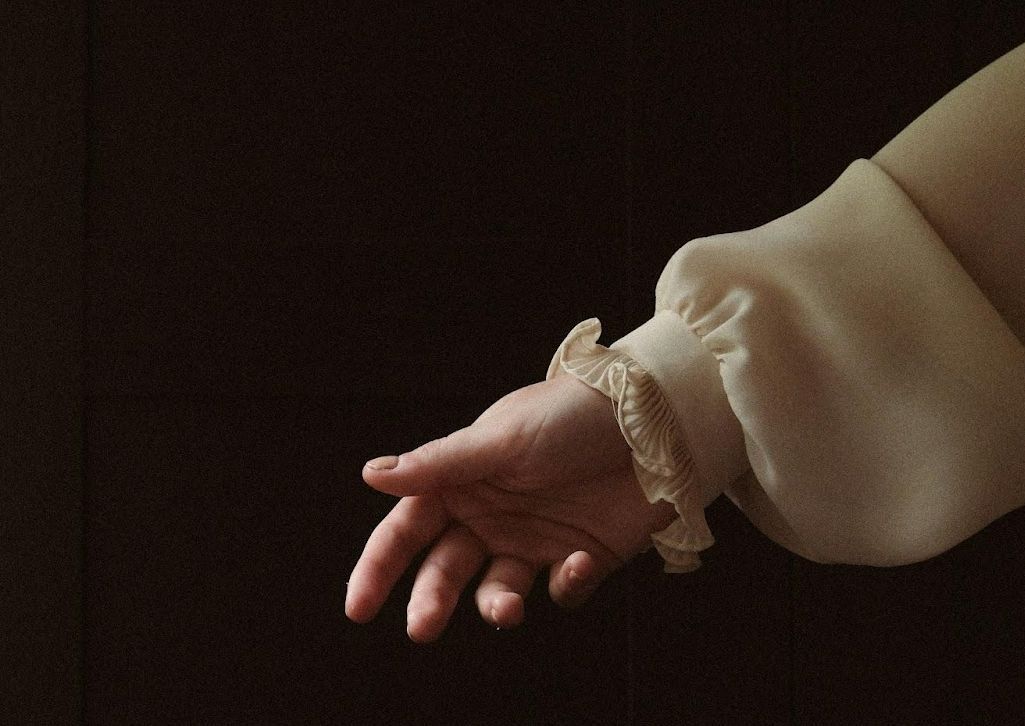
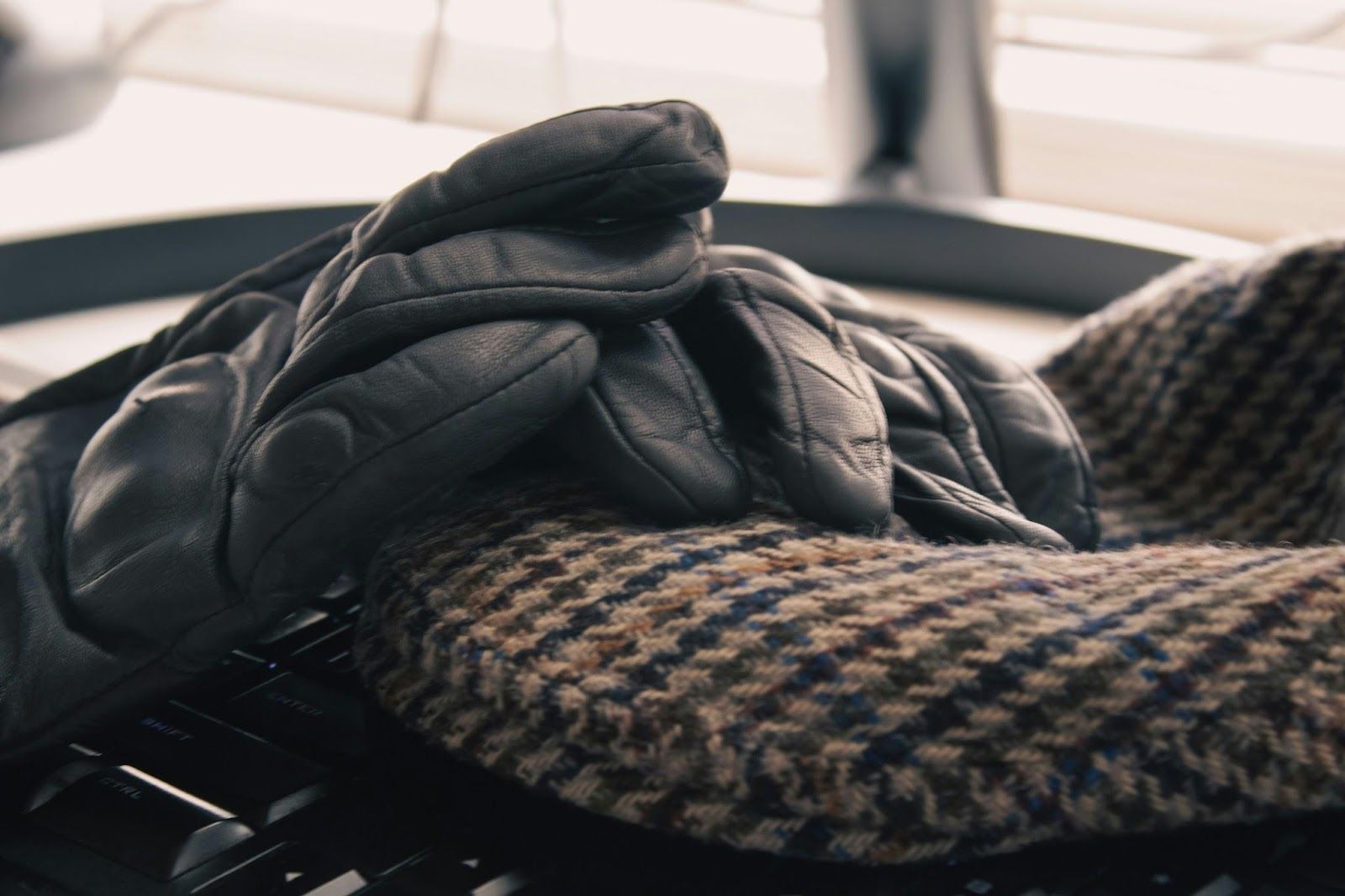
Benjamin Harrison, the 23rd president, frequently wore soft kid-leather gloves in public due to hand ailments. Political opponents seized the opportunity to mock his stiff demeanor and perceived elitism, dubbing him "Kid Gloves." The nickname pointed not only to his physical appearance but also to his aloof attitude.

History History 5 min read

Myth-busting America

Fact vs. fiction: 10 myths that shaped American history

Image: Markus Spiske

American history is loaded with stories—some true, some half-true, and many others pure myth. Despite historians' best efforts, a few tales have been repeated so often they’ve become almost inseparable from real events. Today, we’re separating fact from fiction with a look at 10 of the most common myths and misconceptions in American history. From young Washington's cherry tree to the actual date of the Declaration of Independence, the truth behind these historical myths may surprise you. But wouldn’t the Founding Fathers say that the truth is always worth knowing?

1
The first Thanksgiving feast

Image: Claudio Schwarz

The story of the first Thanksgiving is often heavily romanticized, but it was largely rooted in political and survival needs. Wampanoag leader Ousamequin reached out to the English at Plymouth not out of inherent friendship, but because his people had been devastated by epidemic disease and needed allies.

Moreover, English Thanksgivings were originally solemn occasions of fasting and prayer —quite different from today’s feasts of abundance and celebration. The truth is that around the 1760s, Pilgrim descendants in Plymouth, concerned about their declining cultural influence, began promoting the idea that the original Pilgrims were America’s founding fathers. The notion of a holiday symbolizing unity and friendship between colonists and natives gained traction, eventually shaping the Thanksgiving tradition we know today.

2
Paul Revere’s "Midnight Ride"

Image: Priscilla Du Preez

Though "The Midnight Ride of Paul Revere" is legendary, Revere certainly didn’t act alone. The famous silversmith was only one of several riders, including William Dawes and Samuel Prescott, who warned of the British army’s approach. To be fair, much of the well-known story was fabled by Henry Wadsworth Longfellow’s poem "Paul Revere’s Ride," which is far from a historically accurate account.

Additionally, Revere would have never shouted "The British are coming!"—that wouldn’t have made much sense, as most Massachusetts colonists still identified as British. The actual alert was closer to "The Regulars are coming," referring to British troops.

3
The frontier was lawless

Image: Idean Azad

Popular culture paints the American West as a wild, lawless frontier, but crime was actually lower in many Western towns than in Eastern cities at the time. Local codes, vigilante groups, and early forms of law enforcement helped keep order, even in the most remote pioneer towns.

Many towns established designated areas where firearms were off-limits, requiring visitors to put away their weapons before entering. Of course, cities like Dodge City and Tombstone had their rowdy moments, but local communities established governance quickly. In many cases, justice in the West was rough but effective, and it helped establish America’s early legal backbone.

4
Washington chopped down a cherry tree

Image: Terence Starkey

Though it’s deeply etched in American memory, the story of young George Washington confessing to chopping down a cherry tree is entirely fictional. This tale was fabricated by Parson Weems, Washington’s biographer, to depict him as morally upright and honest from an early age.

While the story is charming and has contributed to America’s sense of ethos, it underscores the tendency in early American history to create heroic, almost mythical personas for its leaders. Yet, Washington’s legacy hardly needs fabricated childhood anecdotes to shine; his real courage and dedication to his country speak for themselves.

5
The Liberty Bell rang on Independence Day

Image: Dan Mall

The story of the Liberty Bell ringing for independence traces back to a fictional tale by George Lippard in an 1847 issue of The Saturday Courier. In this story, an elderly bellman in the State House steeple anxiously awaited news of Congress’s decision. Doubting their resolve, he suddenly heard his grandson’s triumphant shout: "Ring, Grandfather! Ring!"

This story captivated the public and cemented the Liberty Bell’s association with the Declaration of Independence. However, historians now doubt that the bell actually rang in 1776; at the time the State House steeple was reportedly in poor condition, and the bell may not have been in use. Though many bells rang throughout Philadelphia on July 8 to celebrate the Declaration, whether the Liberty Bell itself rang remains uncertain due to a lack of contemporary accounts.

6
Betsy Ross made the first American flag

Image: Luke Michael

The story of Betsy Ross sewing the first American flag is one of America’s favorite tales, but the sad truth is that there’s no historical evidence to support it. The story only emerged nearly a century after the Revolution, when her grandson published the account in a paper for the Historical Society of Pennsylvania in 1870.

While the Continental Congress did approve a flag design in 1777, it’s unclear who actually made it. However, despite historians' doubts, the early flag design with 13 stars in a circle is still popularly known as "the Betsy Ross flag."

7
Orson Welles’ broadcast induced mass panic

Image: Muhammed ÖÇAL

It’s widely believed that Orson Welles’ 1938 radio adaptation of The War of the Worlds caused widespread panic across the United States, with listeners mistaking it for real news of an alien invasion. However, the actual extent of the panic was greatly exaggerated by newspapers looking to discredit radio as a rival news source.

While the broadcast did unsettle some listeners, most of the audience knew it was a dramatic performance. Reports of mass hysteria were largely fabricated, and ironically, the media’s reaction to the broadcast may be a greater testament to its power than Welles’ fictional invasion ever could be.

8
Cowboys wore big, flashy hats

Image: Brice Cooper

While movies and TV shows often show cowboys wearing wide-brimmed, flashy hats, most cowboys actually wore bowler or derby hats until the late 19th century. These hats were more practical and better suited for riding. Men also wore flat wool caps, Mexican sombreros, or even old Civil War hats like the kepi.

The wide-brimmed "cowboy hat" only became popular later and evolved into a cultural icon thanks to cinematic depictions of the Wild West. As with most things, in truth practicality ruled the range, and the stereotype of the cowboy hat developed more from fiction than reality.

9
Benjamin Franklin discovered electricity

Image: Felix Mittermeier

Benjamin Franklin’s famous kite experiment didn’t really "discover" electricity but rather demonstrated that lightning was a form of electrical energy. In fact, historians aren’t even sure whether he performed the famous experiment himself. At the time, scientists in Europe had been experimenting with electricity for decades.

That being said, Franklin’s findings did help advance science, and laid the groundwork for future innovations. His research not only led to the practical study of electricity, but his invention of the lightning rod also helped save both people and structures. In any case, Franklin never patented any of his inventions, believing that "products of the human imagination belonged to no one person," so he likely wouldn’t have wanted credit as the discoverer of electricity either.

10
The Fourth of July marks the signing of the Declaration

Image: Trent Yarnell

The Declaration of Independence is celebrated on July 4th, but the actual timeline of events is a bit more complex. Independence was formally approved by Congress on July 2, 1776, through the Virginia resolution, which officially severed ties with Britain. However, the text of the Declaration was subjected to intense debate and revisions before Congress approved the wording on July 4.

Further complicating things, the Declaration wasn't publicly read until July 8, and it took several more weeks before all signers had added their names. While some Founding Fathers, like John Adams, initially advocated for celebrating on July 2, the public ultimately gravitated toward July 4—the date displayed on the final document.

Explore more American facts

Choose your favorite category!

General
General

As American as apple pie—the very best America has to offer!

Culture
Culture

Delve into the astounding richness of American lore.

Geography
Geography

Hop in and explore vast and diverse American landscapes.

History
History

Discover the key moments that shaped the United States.