General General 6 min read

12 American inventions that shaped modern life
Image: National Gallery of Art, CC0, via Wikimedia Commons

From life-saving medical developments to groundbreaking technologies, American inventors have transformed how we live, work, and communicate. These innovations not only transformed everyday life but also ignited the flame of progress across the globe. Let’s dive into our selection of the 12 inventions that best reflect American creativity and ingenuity.

1
The light bulb

Image: Zach Lucero

Delivering electricity to the masses was one of the greatest technological advances in human history. The mid-1800s saw great competition in this area, as inventors around the world raced to invent their own electric light. The first filament bulb was developed by British inventor Warren de la Rue in 1840, but his use of a platinum filament made it expensive and impractical.

A few years later, Joseph Swan in the UK and Thomas Edison in the US each independently invented bulbs using cheaper elements. However, Edison received a patent on his bulb in early 1880, slightly before Swan. The light bulb, an invention that quickly reached every home, revolutionized life around the world, led to the development of the electrical grid, and set the stage for our modern electricity-dependent society.

2
The telephone
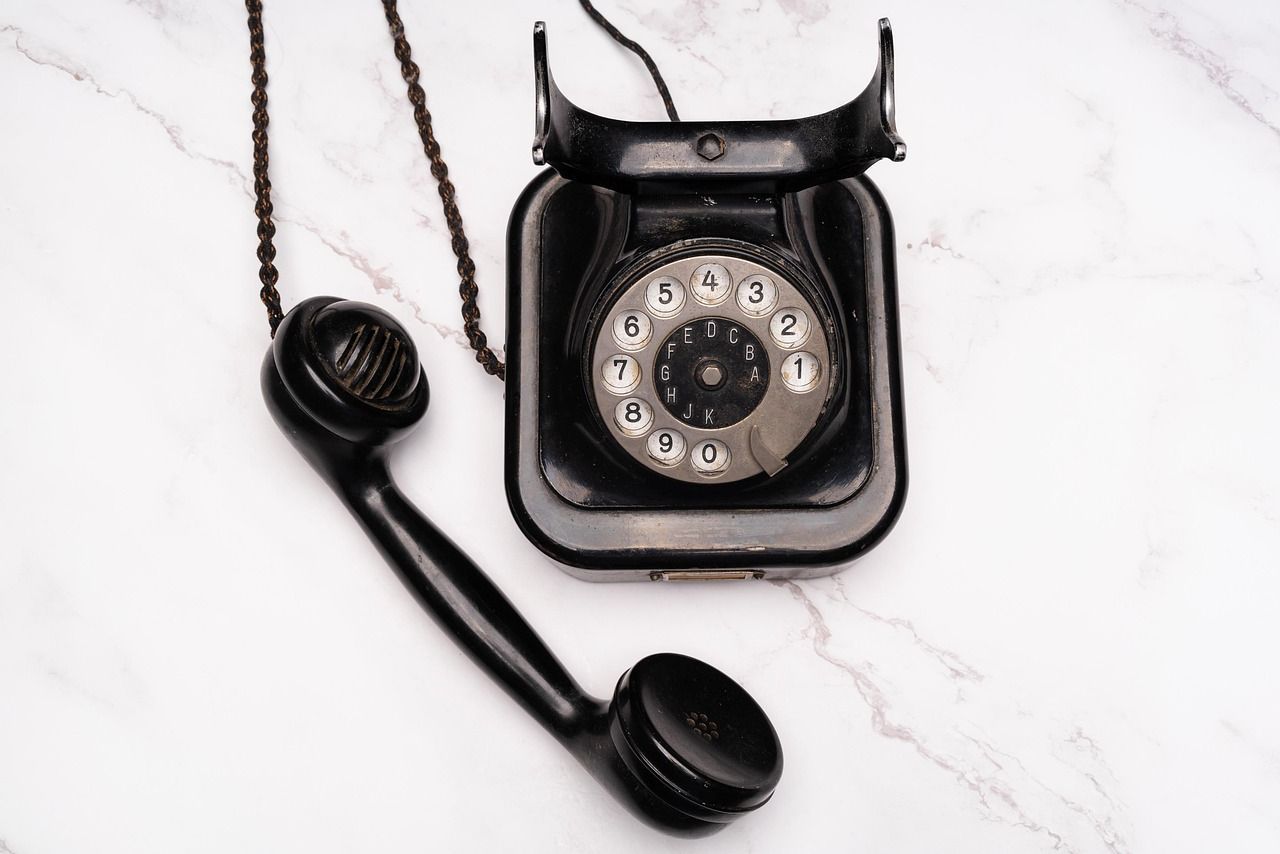
Image: viarami

In this modern era of emails and text messages, it can be hard to appreciate that the telephone was once revolutionary. The telegraph, the phone’s predecessor, only transmitted brief written messages. The telephone, however, allowed people to speak with one another in real time over long distances.

Inventor, scientist, and engineer Alexander Graham Bell invented the electric telephone in 1876. Although Bell was Scottish-born and also lived in Canada, he patented his invention in the US . The telephone was a game-changing technology that improved business efficiency, enabled instant global connections, and allowed emergencies to be reported as they occurred. It effectively made the world more connected and faster-paced.

3
The fire escape

Image: Lewis J Goetz

When we think of US inventions, the first things that come to mind are usually the light bulb or the telephone. But did you know that the modern fire escape was also a US innovation? Designed in 1887, this simple yet life-saving invention changed building safety forever.

In the late 1800s, fires were devastating cities across America. One woman, Anna Connelly, saw this horror up close and decided to do something about it. She designed an external iron staircase system, and in 1887, she patented it. At a time when women couldn’t even vote, Anna’s invention became a safety standard in most major cities, saving thousands of lives. Today her name is barely known, but next time you see a fire escape, remember the woman who made them possible.

4
The cash register
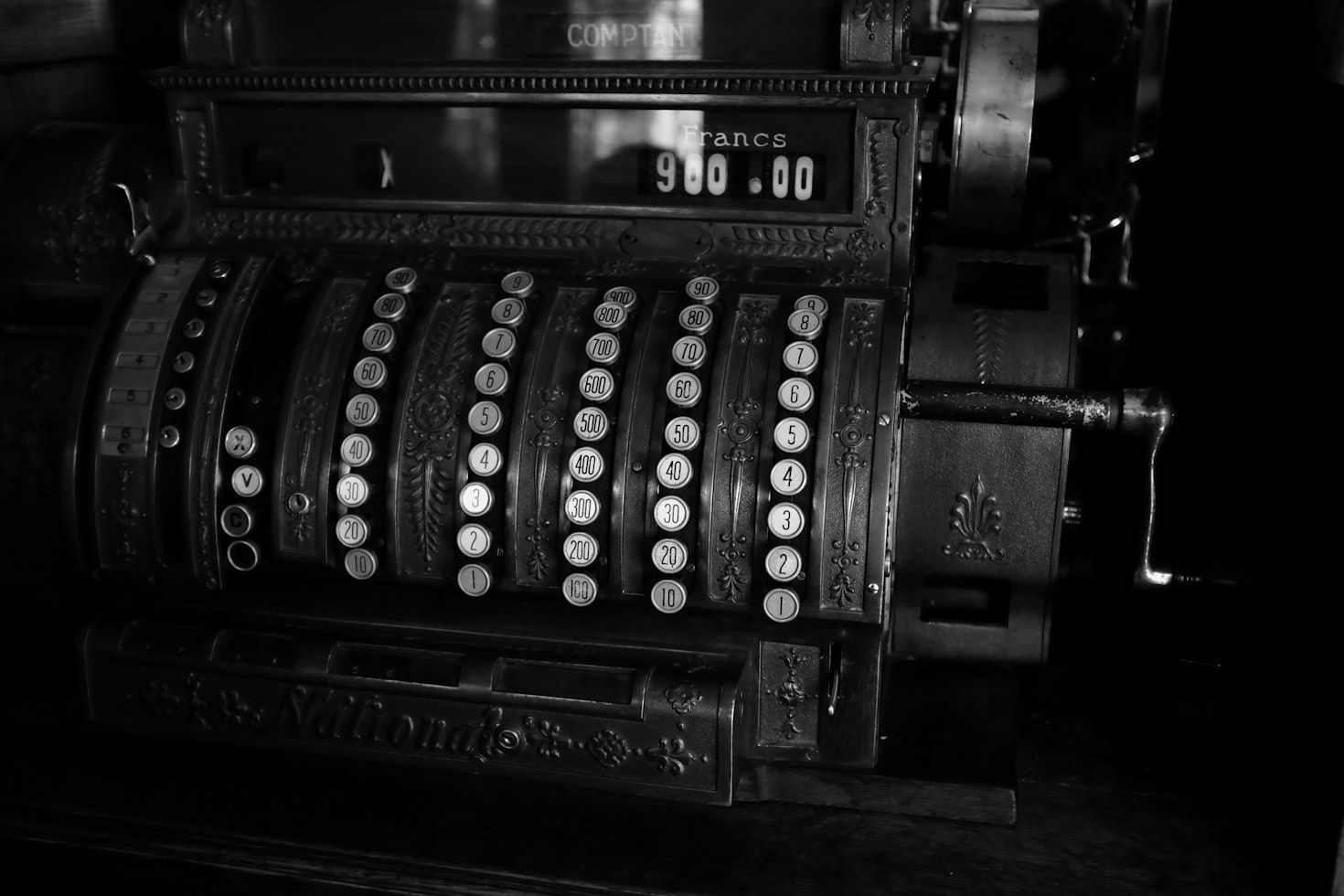
Image: Di Du

The first mechanical cash register for calculating and recording sales transactions was invented by saloonkeeper James Ritty following the American Civil War. He was looking for a way to stop cashiers from stealing, and finally patented his novel invention in 1879.

When a transaction was completed, Ritty's Incorruptible Cashier made a bell sound, and the amount was displayed on a large dial on the front of the machine. During each sale, a paper tape was hole-punched so the vendor could keep track of sales. Pretty ingenious, don’t you think?

5
Interchangeable parts
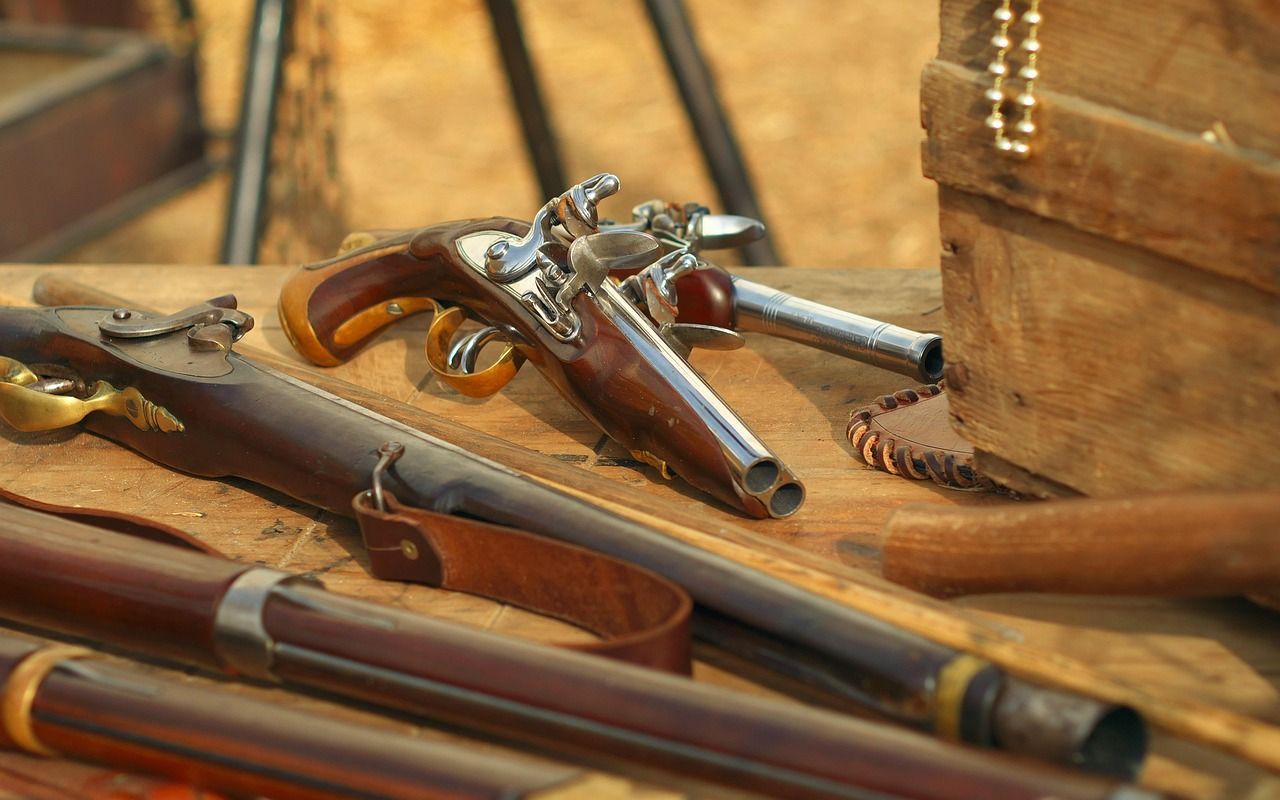
Image: gayulo

Standardized interchangeable parts for machines are now a staple of modern manufacturing, but it’s not a new idea. There’s evidence that thousands of years ago, ancient Carthage used them to build warships, and ancient China applied the idea to crossbows. Many centuries later, French experimentation with interchangeable musket parts inspired Thomas Jefferson.

In 1798, President George Washington and his Congress finally agreed to Jefferson’s idea of implementing the technology in America. They awarded a contract to Eli Whitney—the inventor of the cotton gin—to supply the government with 20,000 muskets. Whitney recognized the potential of developing firearms with identical parts and mechanisms. His advancements in interchangeable parts laid the foundation for modern manufacturing, enabling improved quality control, reduced costs, and faster production of goods.

6
The assembly line
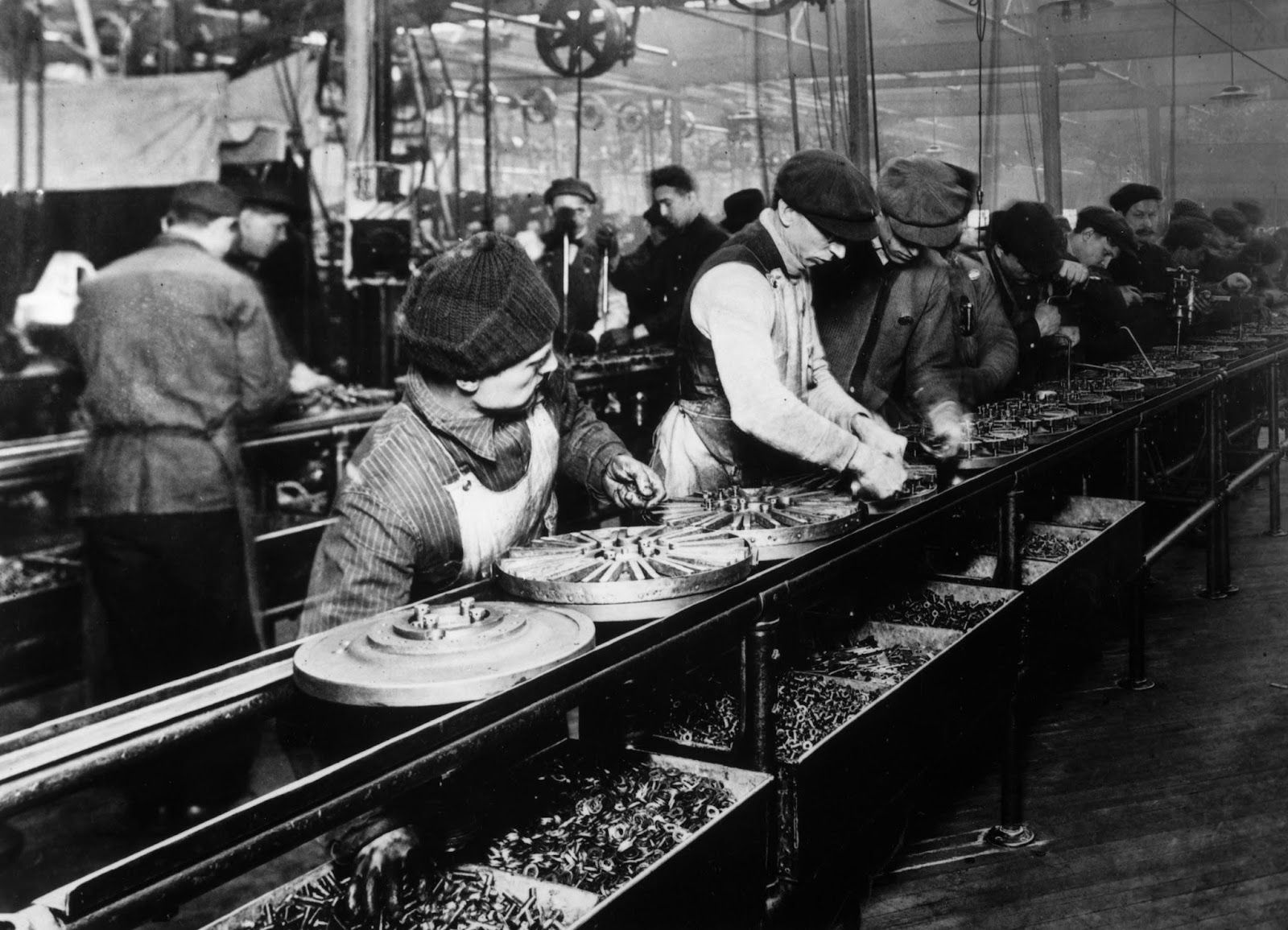
Image: Public domain, via Wikimedia Commons

For most of human history, manufactured goods were custom-made. Every model of a machine, piece of clothing, or tool was unique. The development of interchangeable parts was a huge advancement, but automobile manufacturer Ransom Olds took it a step further with the assembly line in 1901. By standardizing and automating many aspects of manufacturing, uniform goods could be created faster and at lower costs.

Olds’ vehicle, the Oldsmobile Curved Dash, became the first mass-produced car . His method was later adopted and perfected by Henry Ford, whose moving assembly line for the Model T in 1913 revolutionized manufacturing. Today, the assembly line combines human labor and automation to produce nearly every mass-market product on Earth. Many experts agree it was one of the most significant technological developments of the 20th century.

7
The airplane
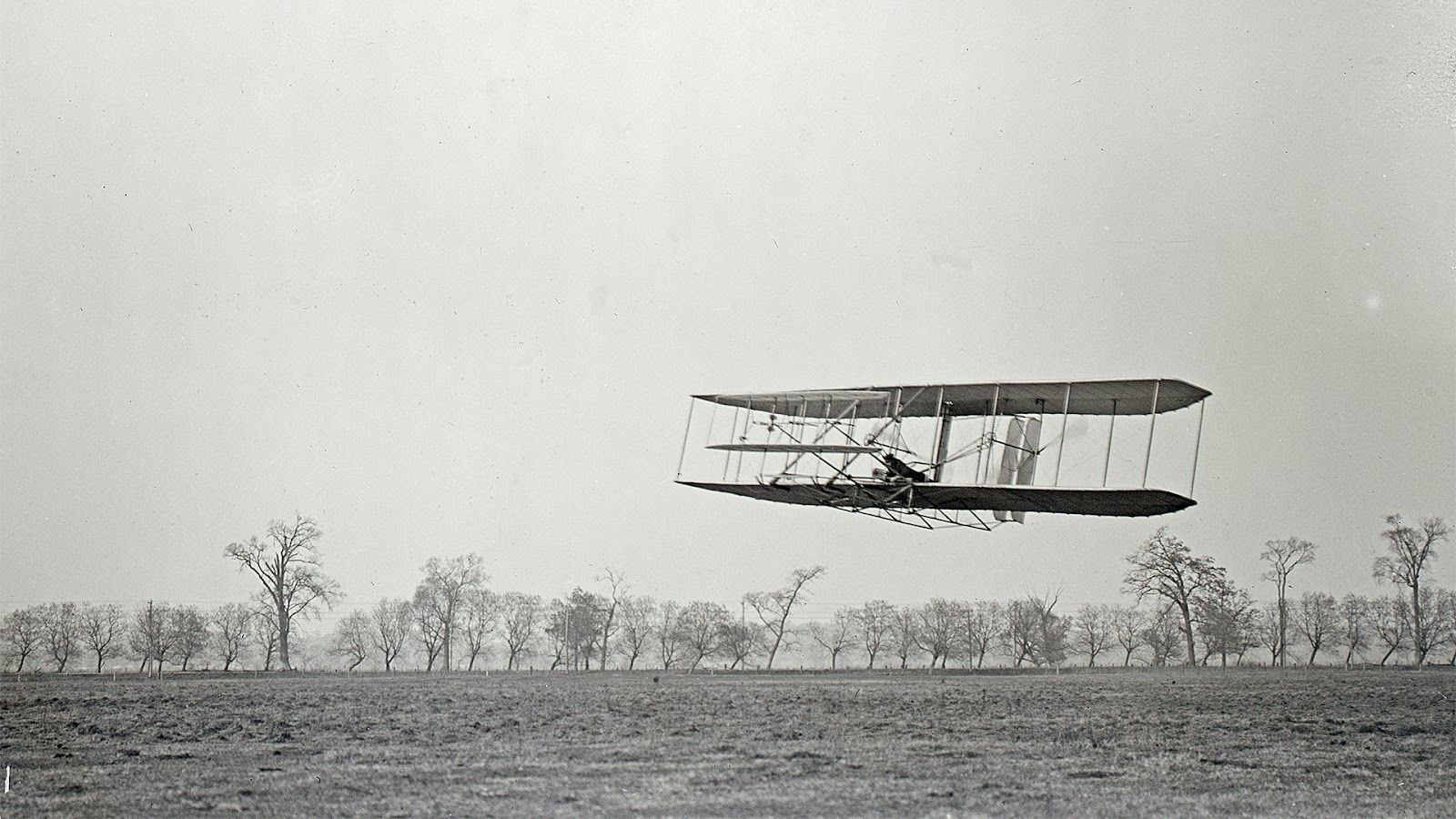
Image: Wright Brothers, Public domain, via Wikimedia Commons

People have always observed birds and insects and dreamed of flying. The Greeks told the story of Icarus and Daedalus, who crafted wings of wax and feathers; Leonardo da Vinci sketched and theorized flying machines, but it wasn’t until 1903 that the airplane became a reality in Kitty Hawk, North Carolina.

Wilbur and Orville Wright experimented with aeronautics for several years before achieving their successful first flight. A few years later, airplanes were first used in warfare. Within seven decades, their technology evolved and took us to the Moon. Today, the airplane is an indispensable technology that allows us to transport goods and people around the world in no time.

8
GPS
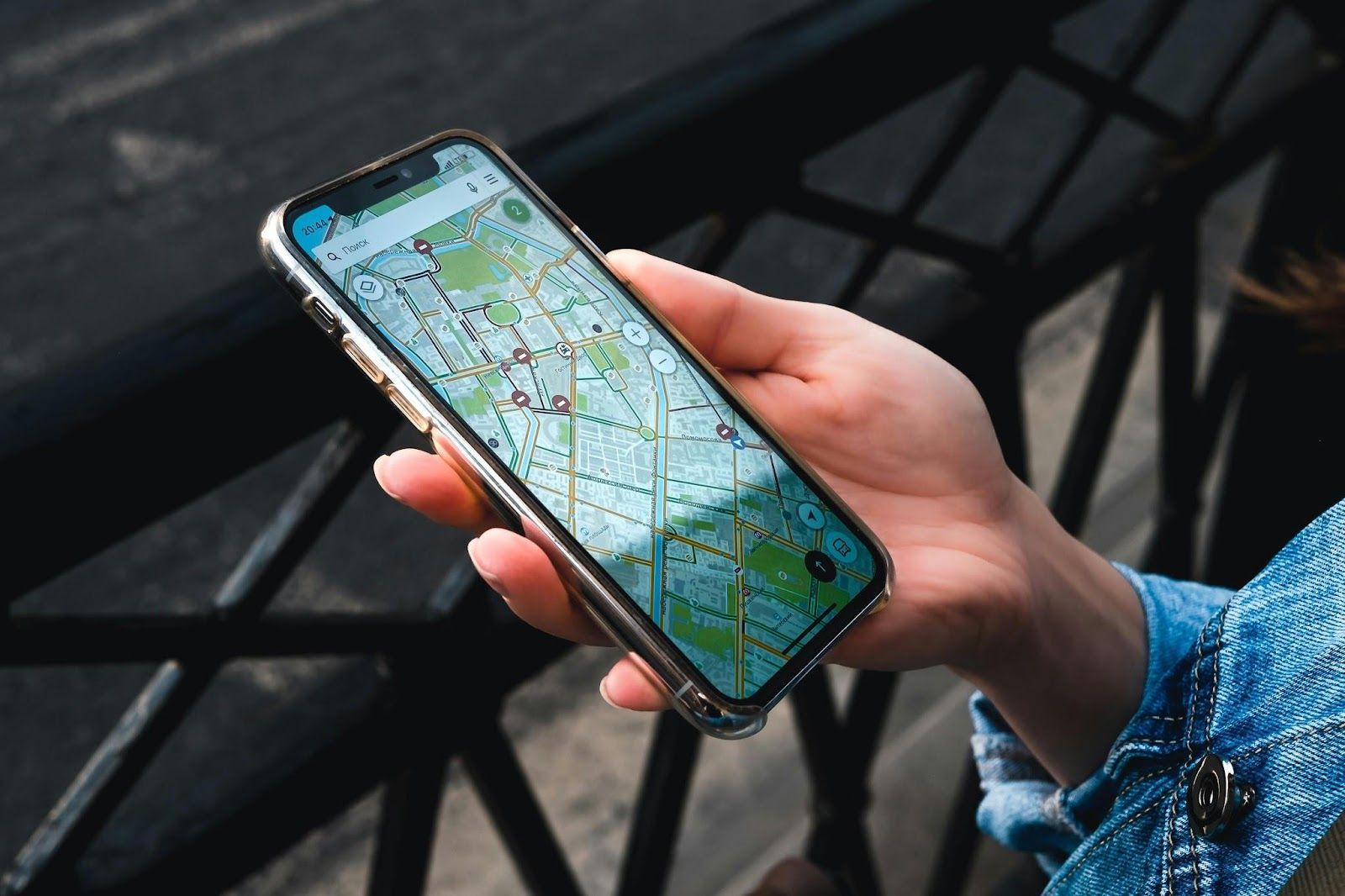
Image: Stanislav Kondratiev

It’s hard to imagine life without GPS—but do you know how it began? When the Soviet Union launched Sputnik in 1957, American physicists realized they could track the satellite’s radio transmissions using the Doppler effect.

Soon after, the U.S. military began testing and launching the Navstar Global Positioning System satellites. In 1983, President Ronald Reagan approved GPS for civilian use, and by the start of the 21st century, GPS devices were widely available in vehicles and mobile phones . Today, GPS is an essential technology for business, travel, and military operations.

9
Personal computers
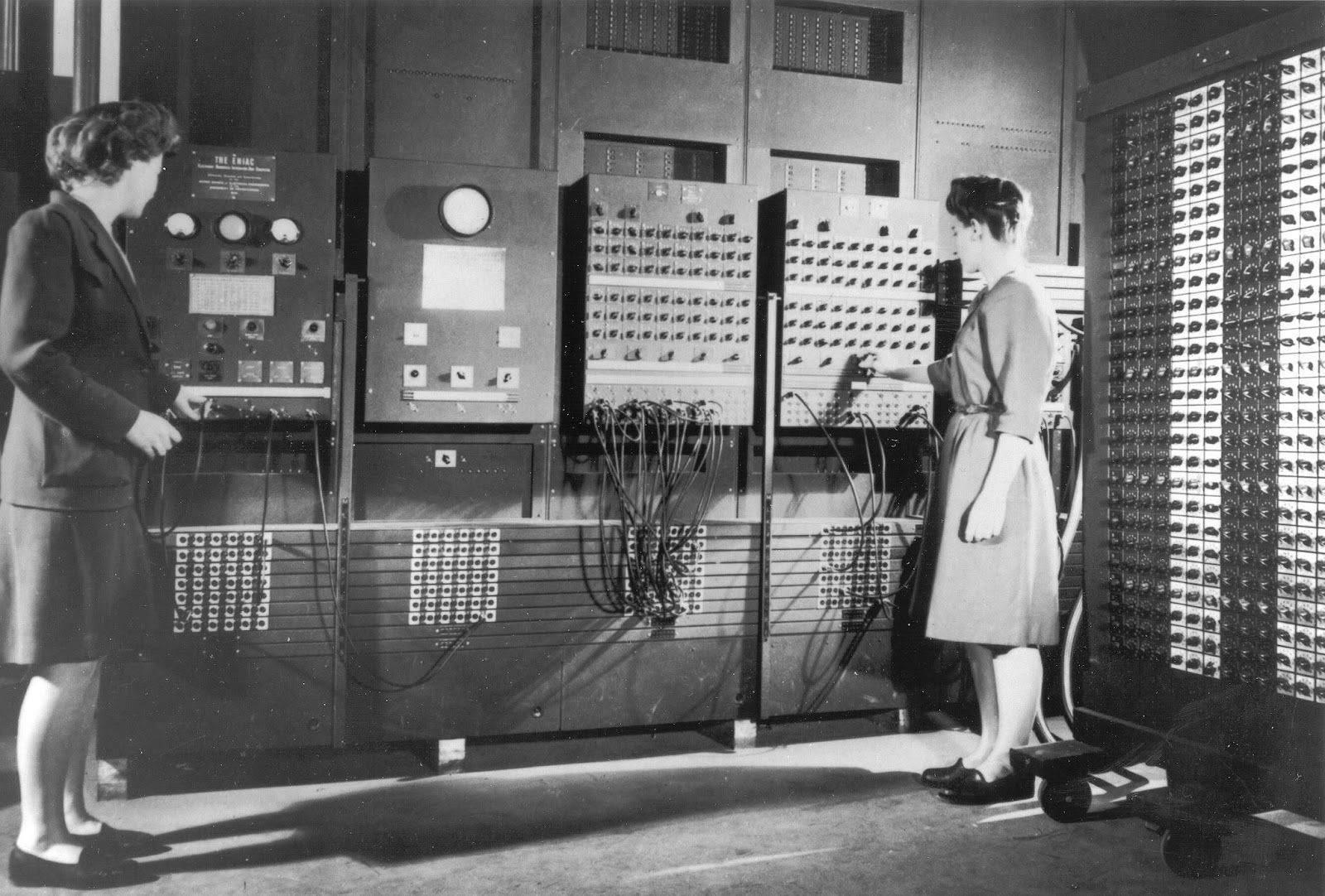
Image: Unidentified U.S. Army photographer, Public domain, via Wikimedia Commons

The first electronic general-purpose computer, ENIAC, was built in 1946 at the University of Pennsylvania. It occupied 1,800 square feet of floor space and weighed 30 tons. At the time, imagining a consumer-grade computer small enough to fit in every home would have seemed impossible. Yet, just one generation later, the impossible became reality.

Over the years, computers became smaller, cheaper, and more powerful than the ENIAC’s creators could have imagined. In 1971, John Blankenbaker developed the first PC, the Kenbak-1. Fifty years later, it is clear that personal computing has fundamentally shaped the modern world.

10
The internet
Image: Lorenzo Herrera

Revolutionary technologies such as the wheel, the internal combustion engine, the telephone, and the airplane have forever changed the way we travel and communicate. The internet is no exception; it gives people access to the entirety of human existence with just a few clicks.

In 1969, computer scientists at the Advanced Research Projects Agency (ARPA) created the first network connecting labs at UCLA and Stanford. Over time, their network expanded, connecting anyone with a device. Since then, the internet has revolutionized the way human beings access resources and share information.

11
E-mail
Image: Brett Jordan

After the personal computer and the Internet, we only needed to invent a modern method of sending messages and letters to each other. The Advanced Research Projects Agency Network, known as ARPANET, sent the first email in 1971. Within five years, the majority of exchanges within the ARPANET community were via email.

With the introduction of attachments in the early 1990s, electronic mail became the fastest and easiest way to send information from point to point. By the start of the 21st century, email enabled people around the world to communicate quickly and inexpensively, and the technology quickly became one of the primary tools for global communications.

12
Magnetic resonance imaging
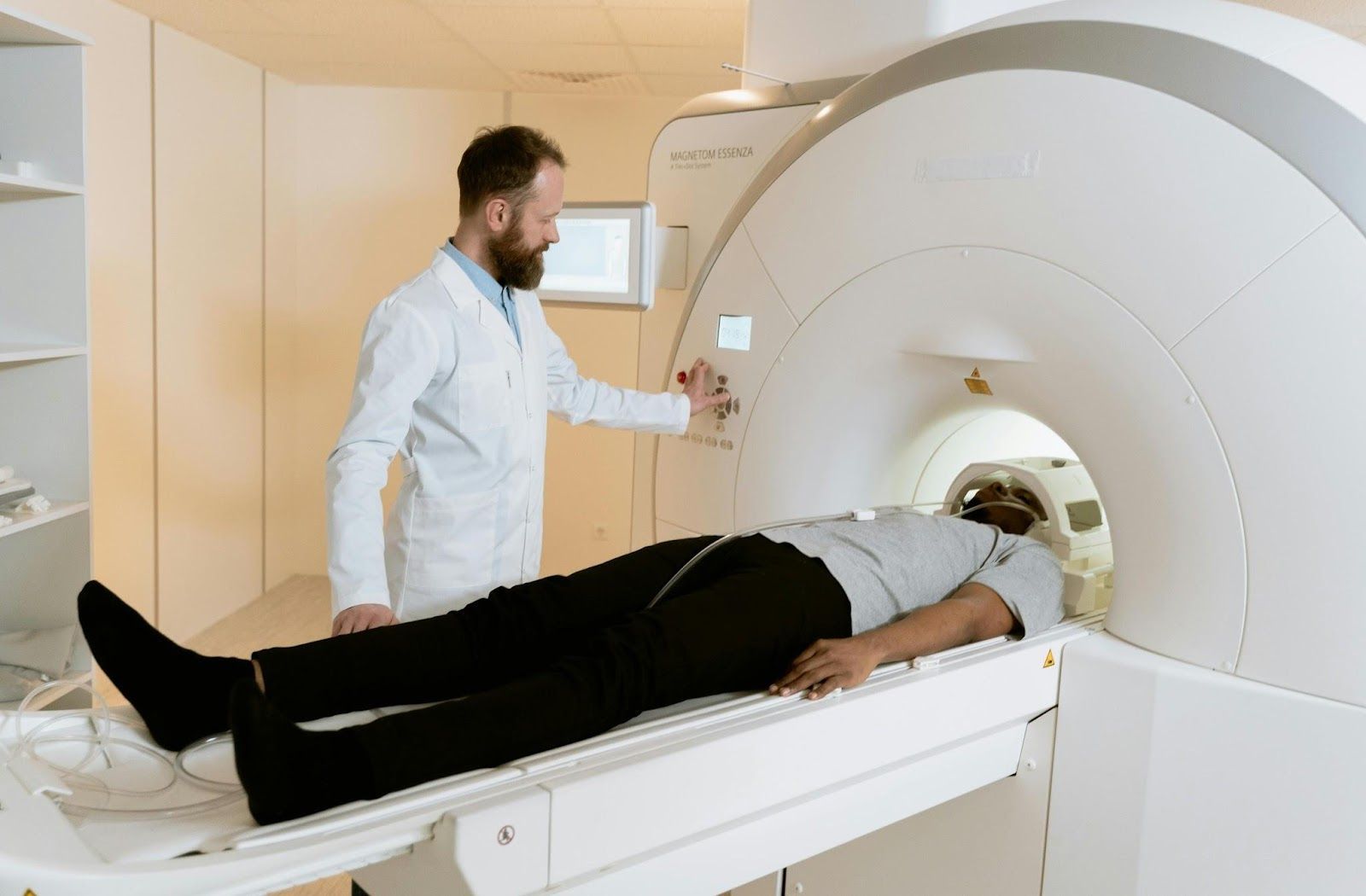
Image: MART PRODUCTION

The impact of the MRI machine on medicine is invaluable. The principles behind nuclear magnetic resonance (NMR) have been known since at least the end of World War II. Yet, two researchers in the late 1960s and early 1970s recognized the potential of this technology to revolutionize medicine forever.

American chemist Paul Lauterbur and physician Raymond Damadian separately experimented with NMR in scanning for cancer cells. After publishing the promising results of their experiments, a patent was filed. By 1977, the first full-body scanner was developed. Since then, millions of lives have been saved by the MRI machine. For his contributions, Lauterbur was awarded the Nobel Prize in Physiology or Medicine in 2003.

Culture Culture 6 min read

American beauties

Who’s the legend in each of these 10 states? A journey through our icons!

Image: Marvin Zettl

Every state in the US has its claim to fame. Some states are known for their landscapes, some for their food. Some are even known for their buildings. But one thing is for sure: All of them produced some of the best people in our country, and in some cases, the best in the world! For example, Mississippi gave us Elvis, and Arkansas, Johnny Cash. But it’s not only about artists, we’ve produced inventors, scientists, politicians, you name it! In this article, we’ll go through 10 states and the most influential figures that were born in them. Can you guess who’s going to make it to the list?

1
Alabama’s Southern charm

Image: Nathan Anderson

You may know Alabama for the peanuts, the cotton, and of course, that typical Southern hospitality. You may also know it for the iconic song "Sweet Home Alabama," but the Southern state has one more thing (or person to be more precise) to make it stand out: Zelda Fitzgerald.

Zelda was a novelist, painter, and socialite, a shining star of the 1920s, known for her creative spirit and marriage to F. Scott Fitzgerald. Zelda embodied the roaring ‘20s and left a lasting artistic legacy.

And as if art was not enough for Alabama, it also produced one of the most important figures in the fight for Civil rights and that’s Rosa Parks whose refusal to give up her bus seat sparked a movement that changed history. Quite a way to kick it off, huh?

2
Arkansas’ man in black

Image: Tommy Bond

The second state is known for its rivers, its lakes, and a bit of extreme weather. Arkansas is famous for its natural beauty, but it’s also the birthplace of one of the most iconic musicians of all time: Johnny Cash.

The "Man in Black" captured the hearts of millions with his deep voice and soulful songs like "I Walk the Line" and "Ring of Fire." Cash’s music transcended genres, blending country, folk, and rock with themes of heartache, redemption, and rebellion.

Few artists have left a mark as deep as Johnny Cash and we’ve got Arkansas to thank!

3
Delaware’s lifesaving innovator

Image: Josefina Lacroze

What’s the first thing you think of when you think of Delaware? Is it that it was the first state to ratify the Consitution? Maybe it’s the fact that it is a tax-free state. But did you know this is also Henry Heimlich’s home state ?

If you find that name familiar, it’s because you probably heard of the maneuver. Born in Wilmington, Delaware, revolutionized the field of emergency medicine with the creation of the Heimlich Maneuver.

This simple but life-saving technique has helped countless people who were choking, cementing Heimlich’s place in medical history. Delaware may be famous for being the "First State," but Heimlich’s contribution proves that it’s also a state of firsts when it comes to saving lives.

4
Georgia on our minds

Image: Joey Kyber

Yes, we all know about the peaches, but Georgia has so much more to offer! This state is also the birthplace of one of America’s greatest civil rights leaders: None other than Martin Luther King Jr!

MLK was born in Atlanta, and he became the face of the 1960s civil rights movement, advocating for non-violent resistance and racial equality. His speech "I Have a Dream" was powerful and it remains today as a call for justice. King’s leadership in desegregating the South and fighting for civil rights earned him the Nobel Peace Prize so this state has more than one reason to feel proud. Way to go, Georgia!

5
Illinois’ creative geniuses

Image: Joel Mott

The land of corn and the first McDonalds in America is also home to great creative minds like that of the great Walt Disney!

Born in Chicago, a city particularly known for its artistic spirit, Disney revolutionized the world of animation. Who doesn’t love that fun and loving Mickey Mouse? Or that magical castle that receives visitors from all over in Disney World. He created a truly magical world!

But that is not all, this state also gave us the literary icon Ernest Hemingway, whose works like The Old Man and the Sea continue to be read and loved all over the globe. Disney’s creativity and Hemingway’s literary genius… How are the rest of the states going to top that? Keep reading and you’ll see!

6
Kansas’ flying heroine

Image: Heyzeus Escribo

Kansas may be known for its wheat fields, but it’s also the home of one of history’s greatest aviators: Amelia Earhart.

Amelia was born in Atchison, Kansas, and she made the headlines as the first woman to fly solo across the Atlantic Ocean. This was a turning point in history, as women in aviation were not a thing at all! One can easily imagine how inspiring it was for the rest of the women to pursue this kind of adventure, even when the tragic finale remains one of history’s unsolved mysteries. Her feat was an achievement for women and for aviation too!

Kansas, raise your glasses in pride, to celebrate this courageous woman!

7
Louisiana’s jazz royalty

Image: Joe Lavigne

How many films are set in this vibrant city? We say Louisiana and you think of music, right? And more than that, you probably think of the one and only Louis Armstrong , don’t you? As you should!

With his majestic voice and his amazing trumpet playing, Armstrong remains today as one of the brightest jazz stars. He was born in the heart of New Orleans and he contributed music with some of the greatest hits like "What a Wonderful World." His music shaped the sound of 20th-century jazz.

But that’s not all, Louisiana also gave us literary genius Truman Capote, who wrote classics like In Cold Blood and Breakfast at Tiffany’s . This is a state that knows how to produce world-class talent, don’t you think?

8
Massachusetts’ master of the macabre

Image: Piermario Eva

Massachusetts didn’t need to prove anything, that is, this was the place where the Pilgrims landed. We could say it’s the birthplace of our nation. But Massachusetts didn’t come here to play, it also gave us one of America’s most famous literary figures, Edgar Allan Poe .

Poe was born in Boston, and he is known for being the master of the macabre: He wrote thrilling stories with a gothic style like The Raven and The Telltale Heart.

More related to the history Massachusetts is known for, this is also the birthplace of one of America’s Founding Fathers, Benjamin Franklin , who helped shape the American Revolution and contributed to innovations in science. Did Massachusetts win the contest or what?

9
Michigan’s motorman

Image: Bruno Guerrero

Sometimes it’s not very clear what came first, it still remains a mystery whether the chicken or the egg came first. Now, in the case of Michigan, there’s no doubt what came first. This is the home state of Henry Ford and that is why this state suddenly came to be known for the automobile industry.

Ford revolutionized manufacturing with the introduction of the assembly line, making cars affordable to the middle class and transforming the way products were made. His Model T became a symbol of the modern world. Michigan’s Motor City, Detroit, owes much of its fame to Ford’s pioneering work. A word and legacy that is still a reality today!

10
Mississippi’s musical legends

Image: Jp Valery

We couldn’t end this article without including one of America’s most beloved characters. And this might cloud your judgment, but it will probably help you choose a winner. Mississippi is the birthplace of none other than the King of Rock ‘n’ Roll, Elvis Presley!

We don’t need to describe how influential Elvis was, or how his music contributions changed the industry forever. If this had been everything Mississippi had to offer, it would have been more than enough!

But the state’s contributions don’t end there, Mississippi saw many more great minds, like

Tennessee Williams , the famous playwright. He was known for works like Cat on a Hot Tin Roof or A Streetcar Named Desire . From rock ‘n’ roll to Broadway, Magnolia State’s influence is undeniable.

History History 4 min read

Sip back in time

Ombibulous times: Talking the talk of prohibition

Image: Moussa Idrissi

Back in the 1920s, when alcohol was outlawed but far from out of reach, people got creative—not just with cocktails, but with their lingo, too. From secret bars to shady drinks and sly lawmen, the Prohibition era brewed up a whole dictionary of clever slang. Some of these phrases are still with us today, while others sound like something out of an old gangster flick. Let’s raise a (legal) glass and dive into the wild vocabulary of the dry years!

1
Giggle water

Image: Tristan Gassert

Sounds fun, doesn’t it? "Giggle water" was slang for champagne, but later came to mean any kind of alcoholic drink that made you feel good.

The term popped up around 1910 and hung around well into the ’20s. Lighthearted and cheeky, it captured the mood of a tipsy good time. It was all laughs—until the next morning.

2
Blind pig

Image: Annie Spratt

A "blind pig" was code for an underground bar, or speakeasy, where patrons paid to see an "exotic animal" and conveniently received a cocktail with the show. This ruse was an early attempt to skirt the law. The term dates back to the 1800s and had a cousin in crime: the "blind tiger." No matter the name, nobody was there to admire animals—they came for the booze.

3
Juice joint

Image: John Hernandez

At first glance, this might sound like a fruit stand. But during the 1920s, a "juice joint" was slang for a speakeasy—especially the more modest ones. However humble, they had it all: music, dancing, and definitely drinks, legal or not.

The name originally referred to soda stands, but it didn’t take long before it meant something much stronger. If you were thirsty during the dry years, this was a must-stop.

4
Jake walk

Image: Ve al perfil de Andreas M Andreas M

Here’s a sobering one. "Jake" was shorthand for Jamaican ginger extract, a legal tonic with high alcohol content. But manufacturers altered it to skirt regulations—and the results were tragic. Drinkers developed a distinct limp from nerve damage, called the "Jake walk" or "Jake leg." Thousands were affected, especially in the South. It became both a medical crisis and a dark symbol of the risks people took to sneak a drink.

5
Ombibulous

Image: Kelsey Chance

Writer H.L. Mencken had a way with words—and a taste for booze. In 1920, he dubbed himself "ombibulous," meaning he happily drank anything alcoholic, no matter what. He was also known for calling bootleggers "booticians," always with a wink. A strong critic of Prohibition, Mencken turned his drinking habits into witty declarations.

6
Needle beer

Image: Wil Stewart

You know the drill: desperate times, desperate measures. Some barkeeps took regular beer, injected it with alcohol via a syringe through the cork, and served it up as the real deal. This DIY hack became known as "needle beer." It was risky and often poorly mixed, but in an era when options were slim, creativity was all people had. Probably not the safest pint you ever drank, though.

7
Brick of wine

Image: Kym Ellis

Yes, really! You could buy a block of grape concentrate, add water, and wait—voilà, wine! These "bricks" came with an ironic warning not to store them in a cool, dark place (wink, wink), or they might "accidentally" ferment. For wine lovers who craved a glass during the dry years, this was a sly workaround. Just add water, patience, and a sense of humor, of course!

8
Bathtub gin

Image: Bjarne Vijfvinkel

Not a flavor—a method. "Bathtub gin" referred to homemade hooch often mixed in, you guessed it, a bathtub. Tall bottles didn’t fit under sink taps, so a larger space was needed. We’ve said it before, and we’ll say it again: how creative could they get?

The quality varied wildly, and safety wasn’t exactly guaranteed. However, it became the generic term for all sorts of homebrewed booze.

9
Teetotaler

Image: Jessica Smith

This word originated before Prohibition but got plenty of use during it. A "teetotaler" is someone who avoids alcohol entirely. The term comes from the emphatic "T" in "total abstinence." It gained popularity thanks to temperance movements in the 1800s, long before the ban was official. While others were sneaking into blind pigs, teetotalers were proudly saying, "Thanks, but no thanks."

10
Dry

Image: engin akyurt

If you were "dry," you were all in on Prohibition. Drys supported the ban, and dry counties banned alcohol completely. Agents who enforced the law were often called "dry agents." The term became both a political and cultural identifier. You were either dry or...

11
Wet

Image: CHUTTERSNAP

...you were wet. A "wet" person supported legal alcohol sales, plain and simple. Wet cities and counties allowed booze to flow, and many Americans never bought into the dry movement. The wet/dry divide wasn’t just about drinks—it represented a much larger cultural clash. And as we know now, the wets eventually won.

12
Whale

Image: Todd Cravens

Not a sea creature, but someone who could drink like a fish. A "whale" was a heavy drinker, often the life of the party and the last one standing. Whether at a juice joint or speakeasy, whales had reputations to uphold. The term lives on today in gambling circles, too—but back then, it was all about your booze tolerance.

Explore more American facts

Choose your favorite category!

General
General

As American as apple pie—the very best America has to offer!

Culture
Culture

Delve into the astounding richness of American lore.

Geography
Geography

Hop in and explore vast and diverse American landscapes.

History
History

Discover the key moments that shaped the United States.