Young bright minds

Did you know these 11 things were children's ideas?
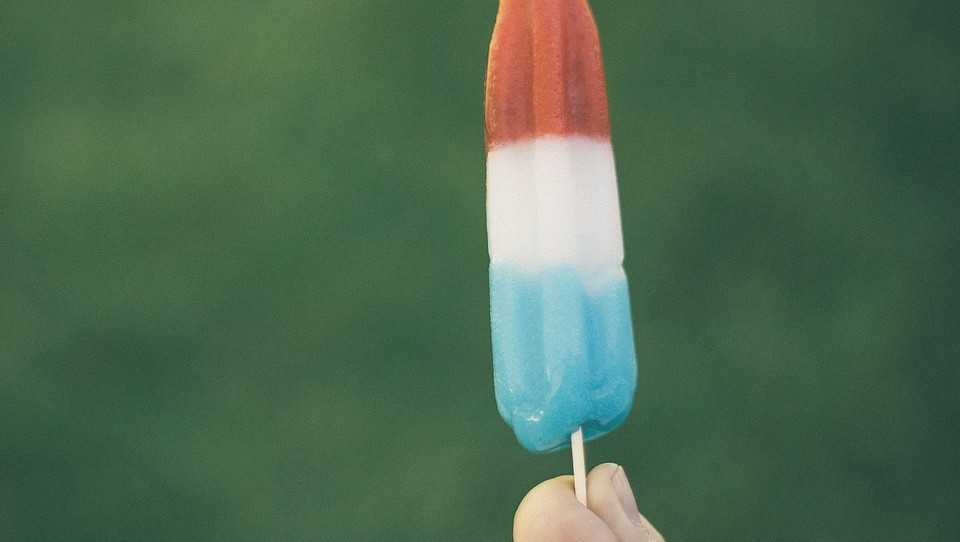
Image: Pexels

Do you remember how you spent your free time at age 12? As it turns out, some young creative minds were running around inventing things like popsicles, trampolines, and earmuffs. Sure, most kids come up with new stuff all the time, but today we’re looking at inventions that adults actually paid attention to—and they worked!

1
Swim fins
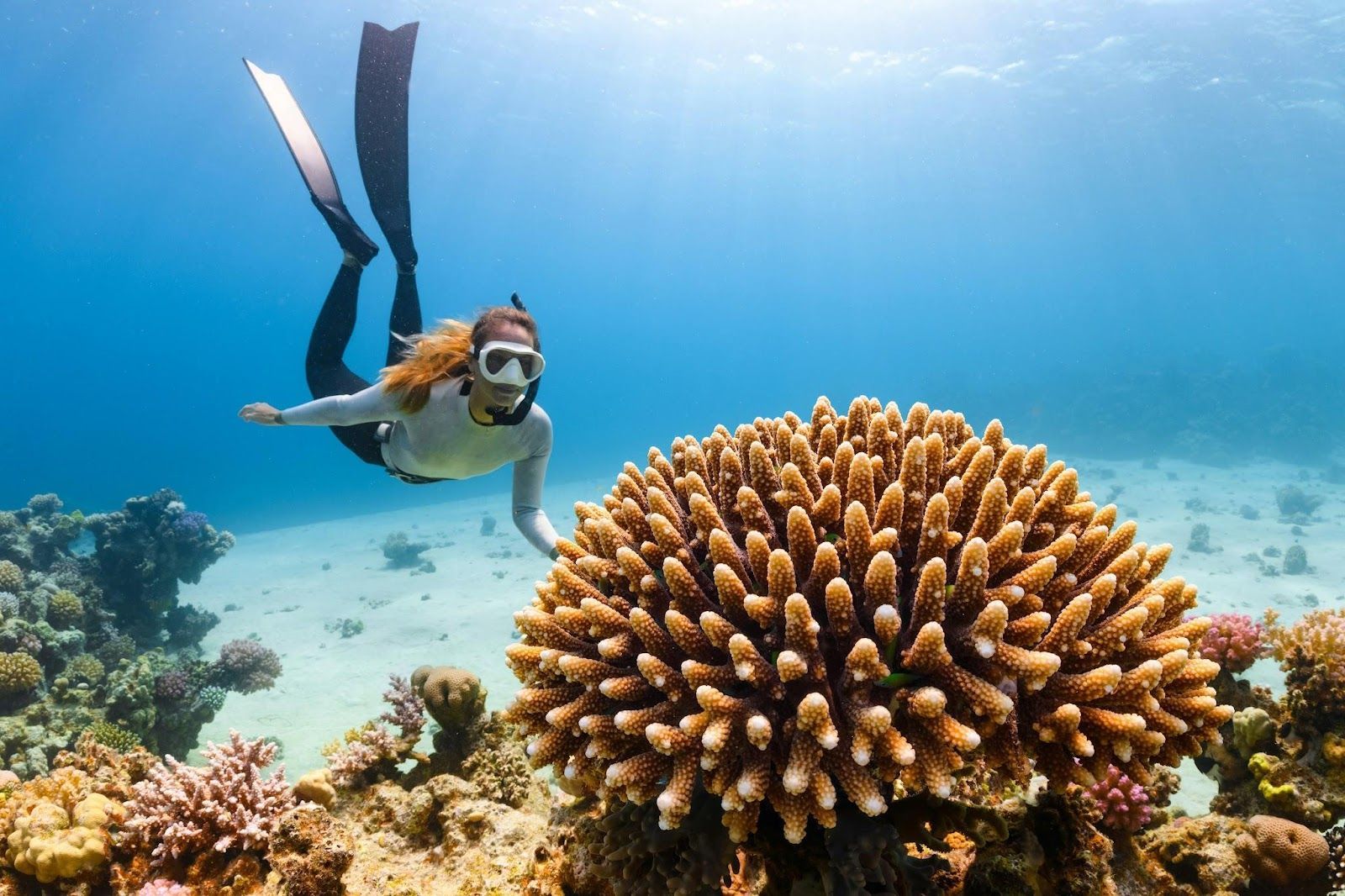
Image: NEOM

If you don’t know who invented swim fins, this one might startle you! Before he was flying kites in thunderstorms, Benjamin Franklin was just an 11-year-old boy who loved to swim.

He invented early swim fins, but not the kind we wear on our feet. He designed wooden paddles with thumb holes that could be held in the hands to help propel a swimmer through the water faster. He also tried strapping fins to his feet, but found them less effective and even painful.

2
Popsicles
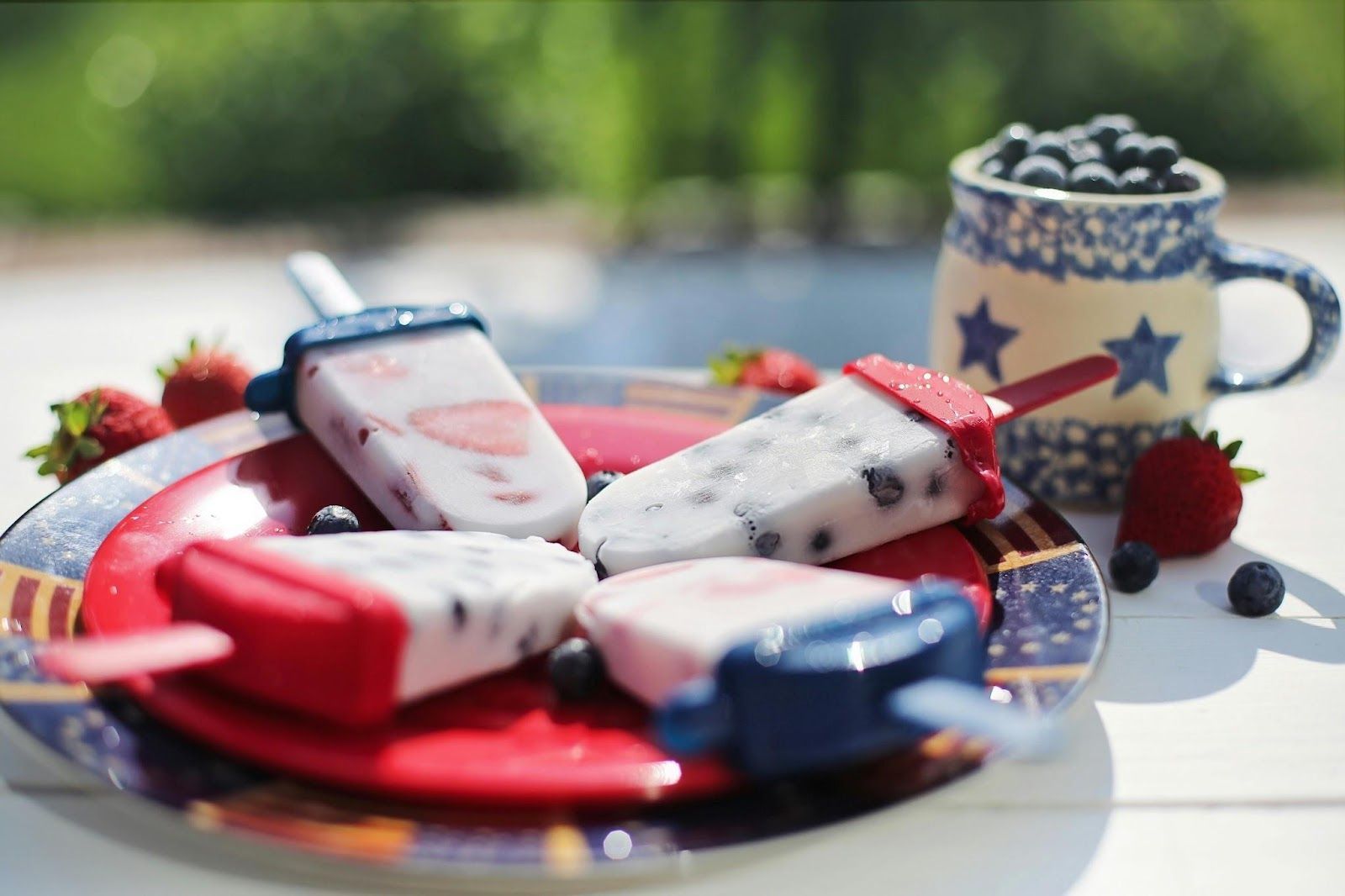
Image: Jill Wellington

The brand Popsicle tells the legendary story: eleven-year-old Frank Epperson left his soda drink with a stirring stick on the porch overnight. When he returned the next morning, he discovered a brilliant idea— frozen juice on a stick !

Originally named the "Epsicle" (after himself), the invention was patented in the 1920s. His children called them "Pop’s ’sicles," and the name Popsicle stuck.

3
Earmuffs
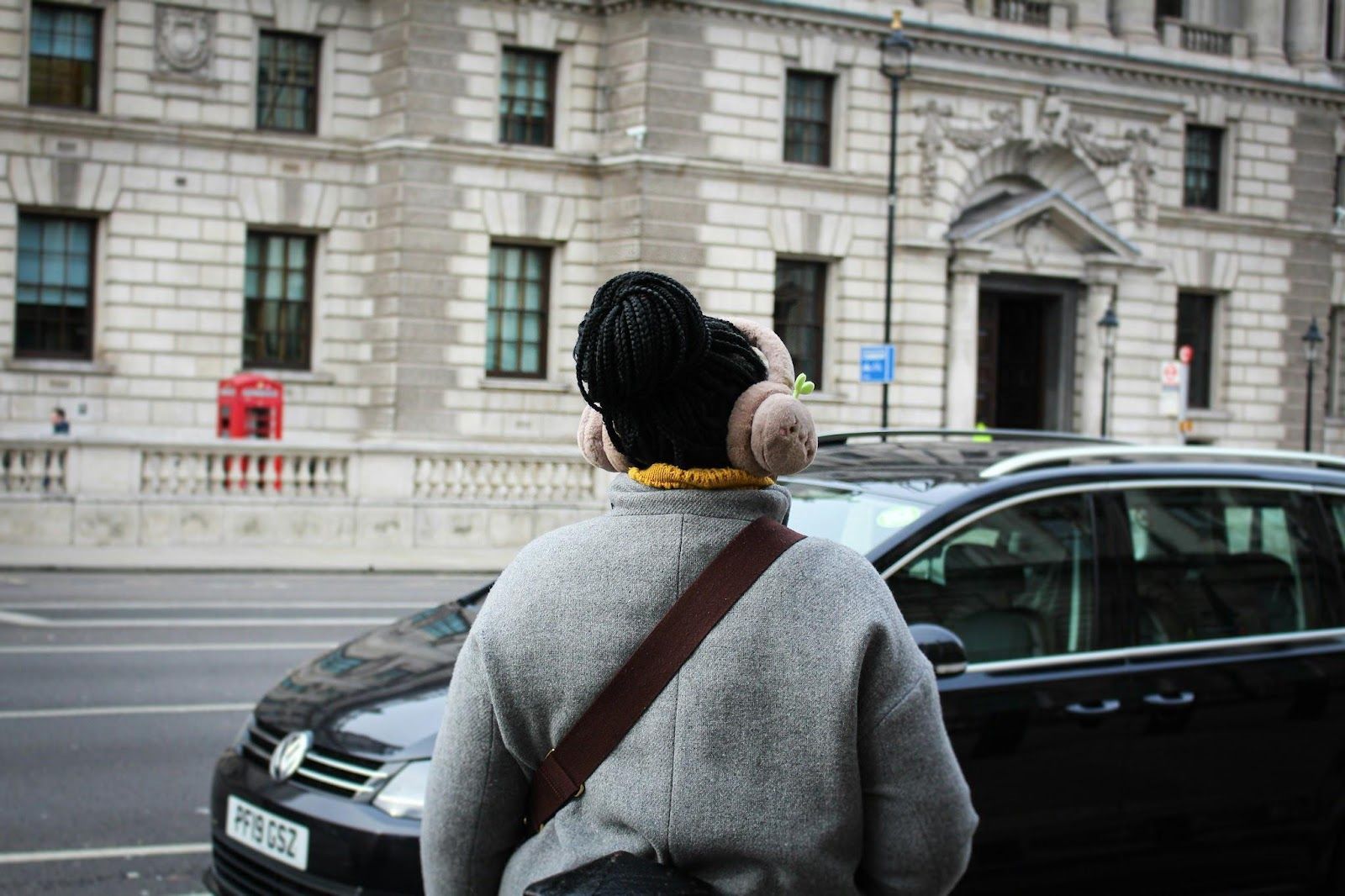
Image: Ellen Kerbey

Chester Greenwood couldn’t endure Maine winters. At 15 years old, his ears got cold, and he didn’t like the feeling of wool hats on his skin. So he devised a creative solution: his grandmother sewed beaver fur onto a wire headband that he shaped into circular ear loops.

That invention was later patented in the 1870s, becoming the world’s first earmuffs, according to historical records.

4
Toy trucks
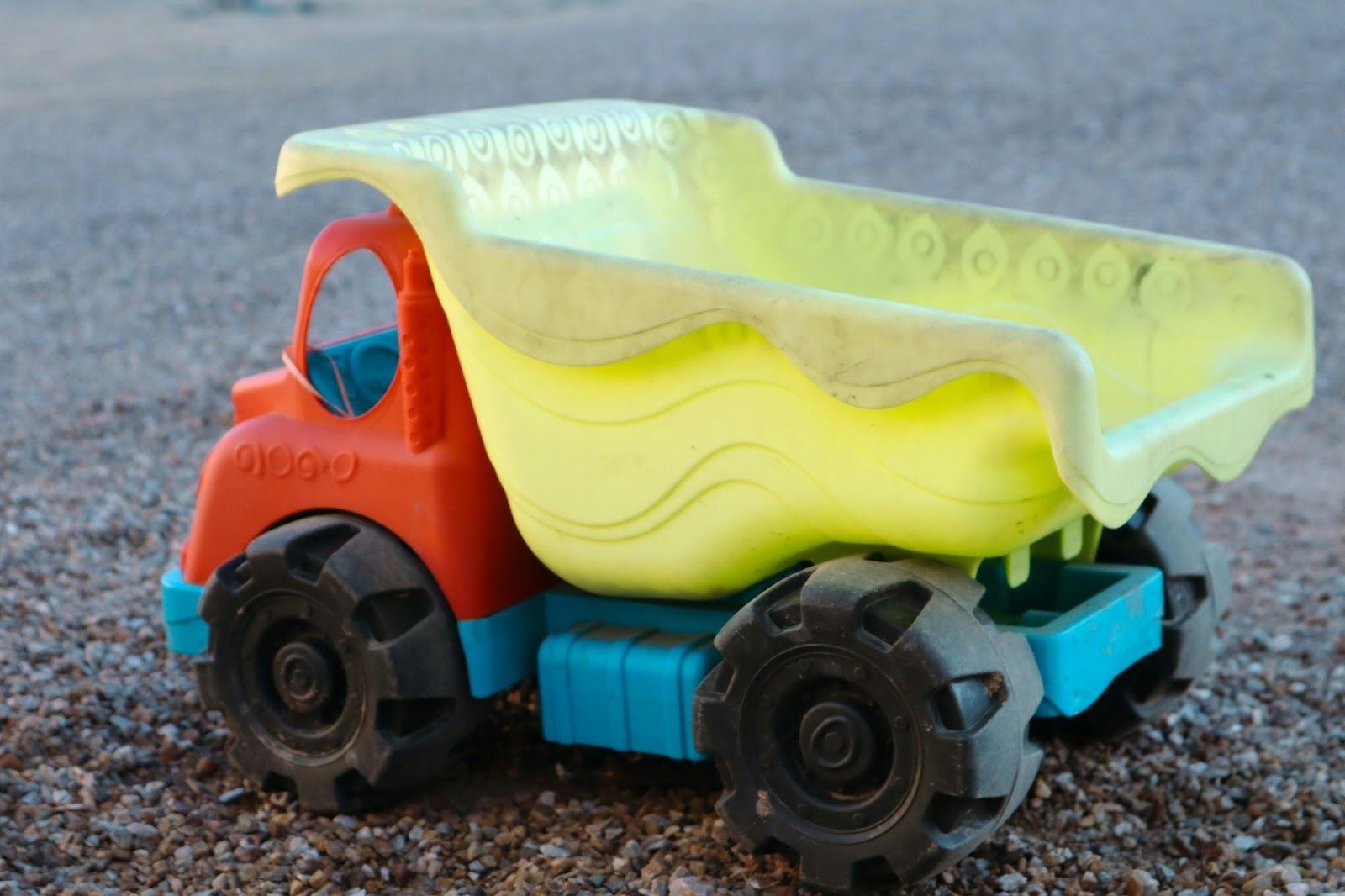
Image: Allison Astorga

Using bottle caps, cardboard, and ingenuity, Robert W. Patch created a toy truck that could transform into multiple styles: a dump truck, flatbed, or box truck. And he was only 5 years old.

The modular vehicle concept was so compelling that his father, who happened to be a patent attorney, filed for official recognition. By the time Patch turned six, he had been granted a U.S. patent, making him one of the youngest inventors in history.

5
Superman
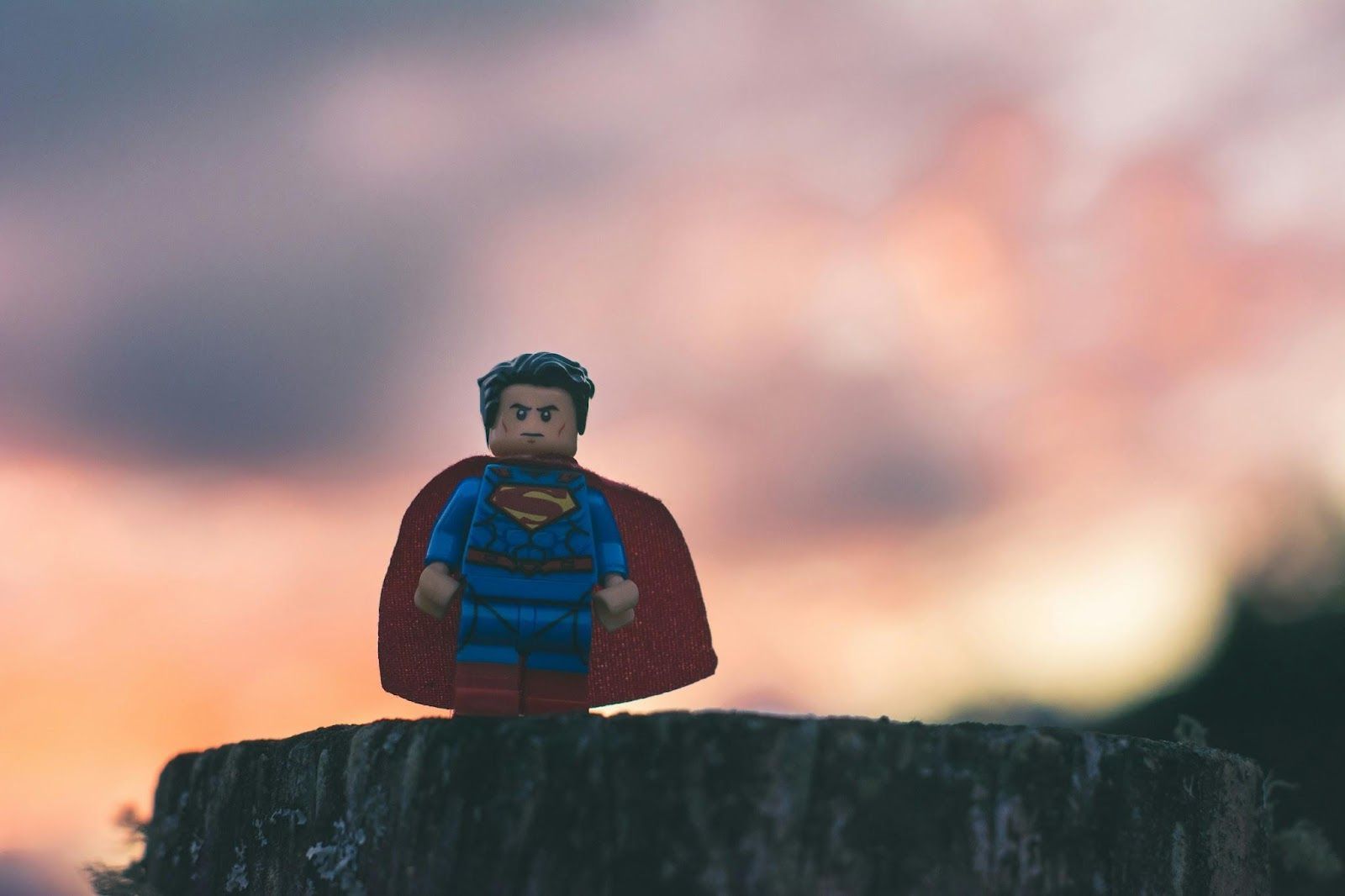
Image: Esteban López

Jerry Siegel and artist Joe Shuster were both high school students when they came up with the idea for the Man of Steel in 1933.

They created Superman as the ultimate underdog: an alien orphan who fights for justice. The character was sold to Action Comics in 1938, launching the entire superhero genre.

6
Hot seat
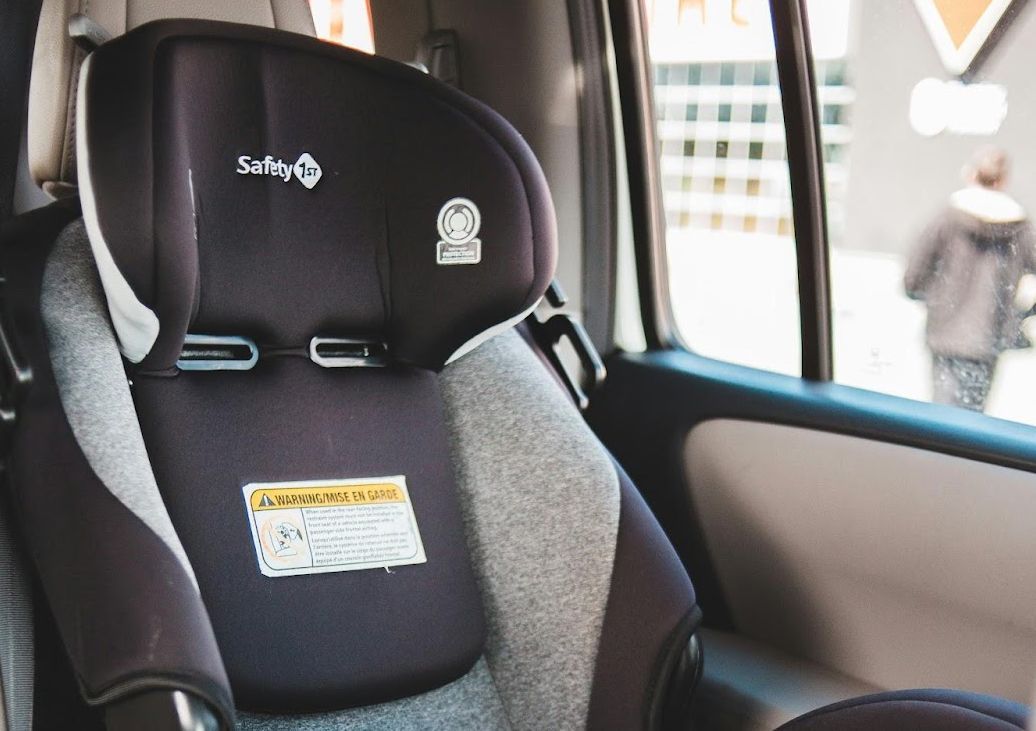
Image: Erik Mclean

A heartbreaking story of a baby dying after being left inside a hot car reached Bishop Curry V when he was 10 years old.

This inspired him to design a device he called Oasis (often referred to in the media as the "Hot Seat"). His invention detects rising temperatures in a car, blows cool air, and alerts parents and emergency services.

7
Water skis
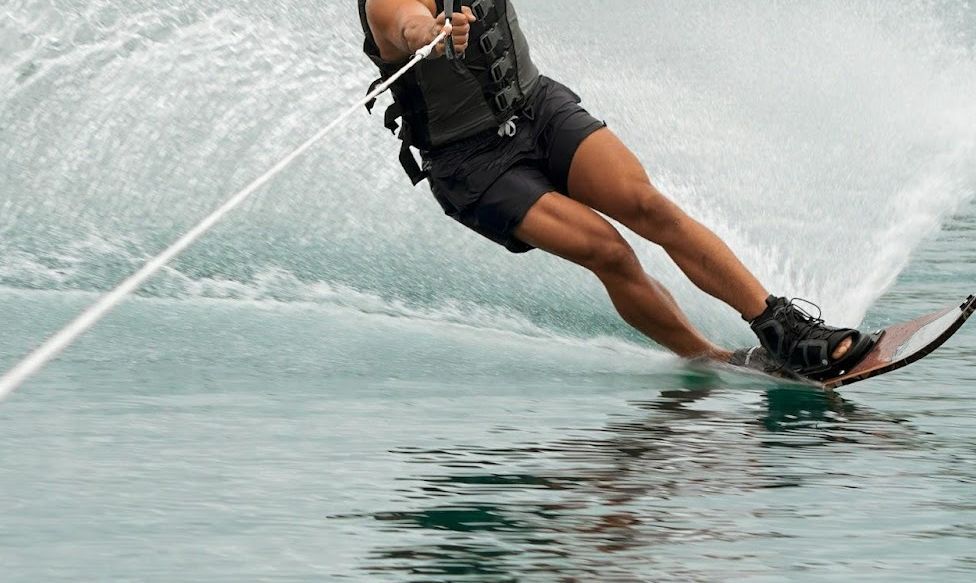
Image: Wyatt Harrom

Ralph Samuelson was a teenager when he had an idea: if people could ski on snow, why not on water? In the early 1920s, he took two pine staves , curved the tips using boiling water , and hit the lake with his brother, towing him behind a motorboat.

After many belly flops, he figured out the proper posture and became the first water skier in history. Although he never patented his creation, he spent years performing and became known as the "Father of Water Skiing."

8
Trampolines
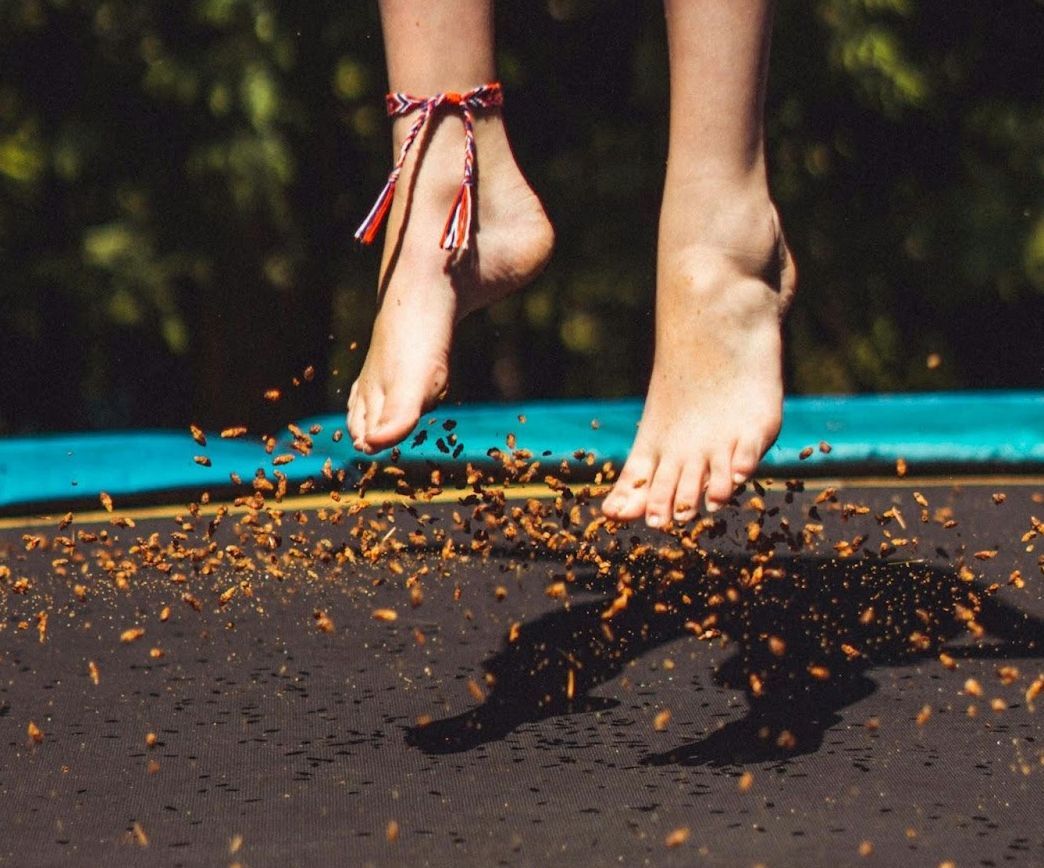
Image: Jasper Garratt

Who knew? George Nissen was just 16 when he devised the bouncy fun. In the early 1930s, he watched circus trapeze artists drop and land into safety nets and realized: what if you could bounce back ?

Working out of his parents’ garage, he stretched canvas across a frame and added springs. Initially, trampolines were used for gymnastics training, but even NASA later adopted them to train astronauts.

9
Makin’ Bacon
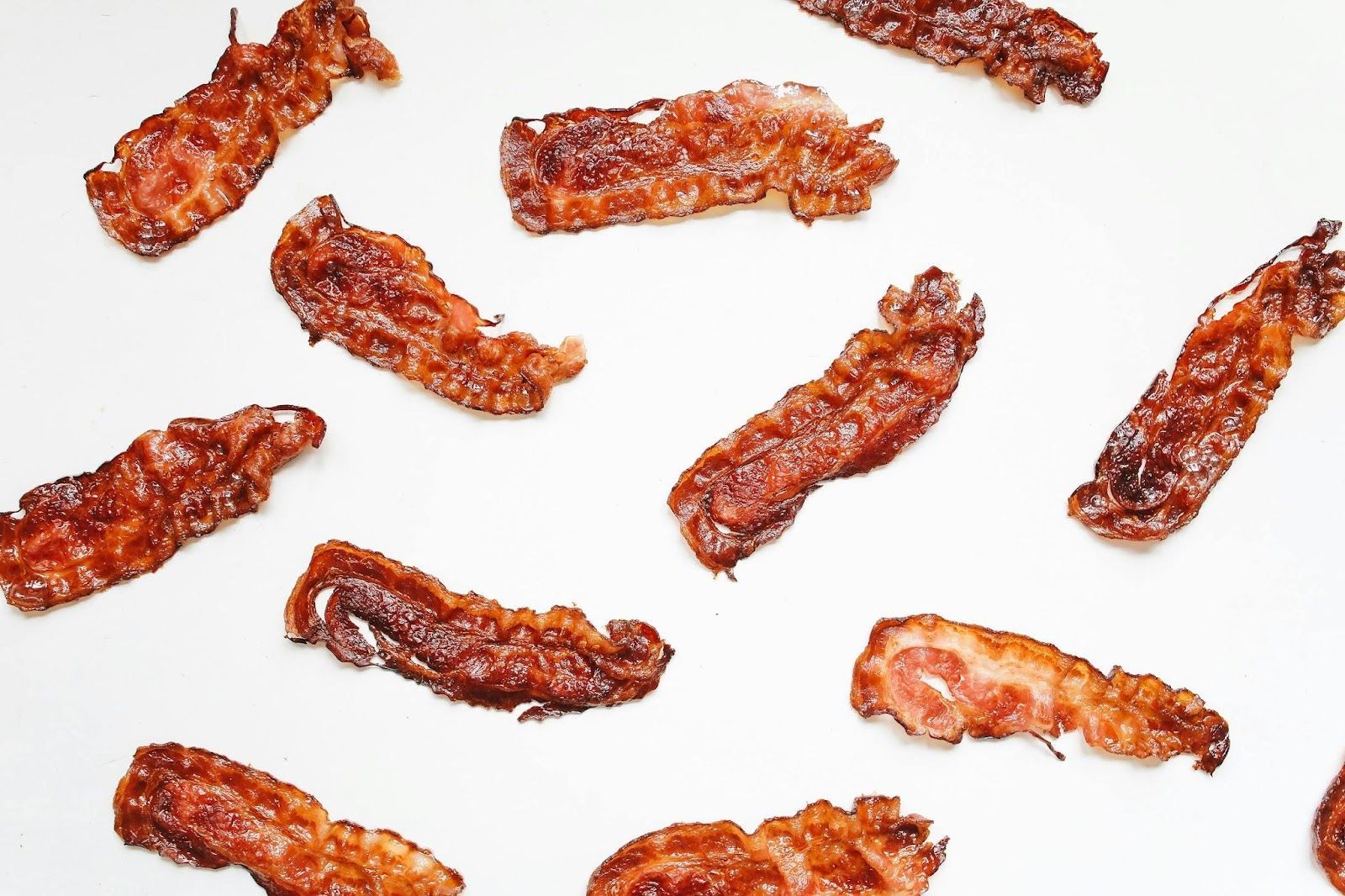
Image: Polina Tankilevitch

Michigan native Abbey Fleck did not invent bacon itself, but at 8 years old, she had grown tired of soggy bacon and paper towels. She brainstormed a simpler solution: hang the bacon while it cooked, allowing grease to drip away cleanly.

Together with her dad, she built a prototype in the 1990s and earned a U.S. patent for the microwavable "Makin’ Bacon" tray. It became a retail hit .

10
Wristies
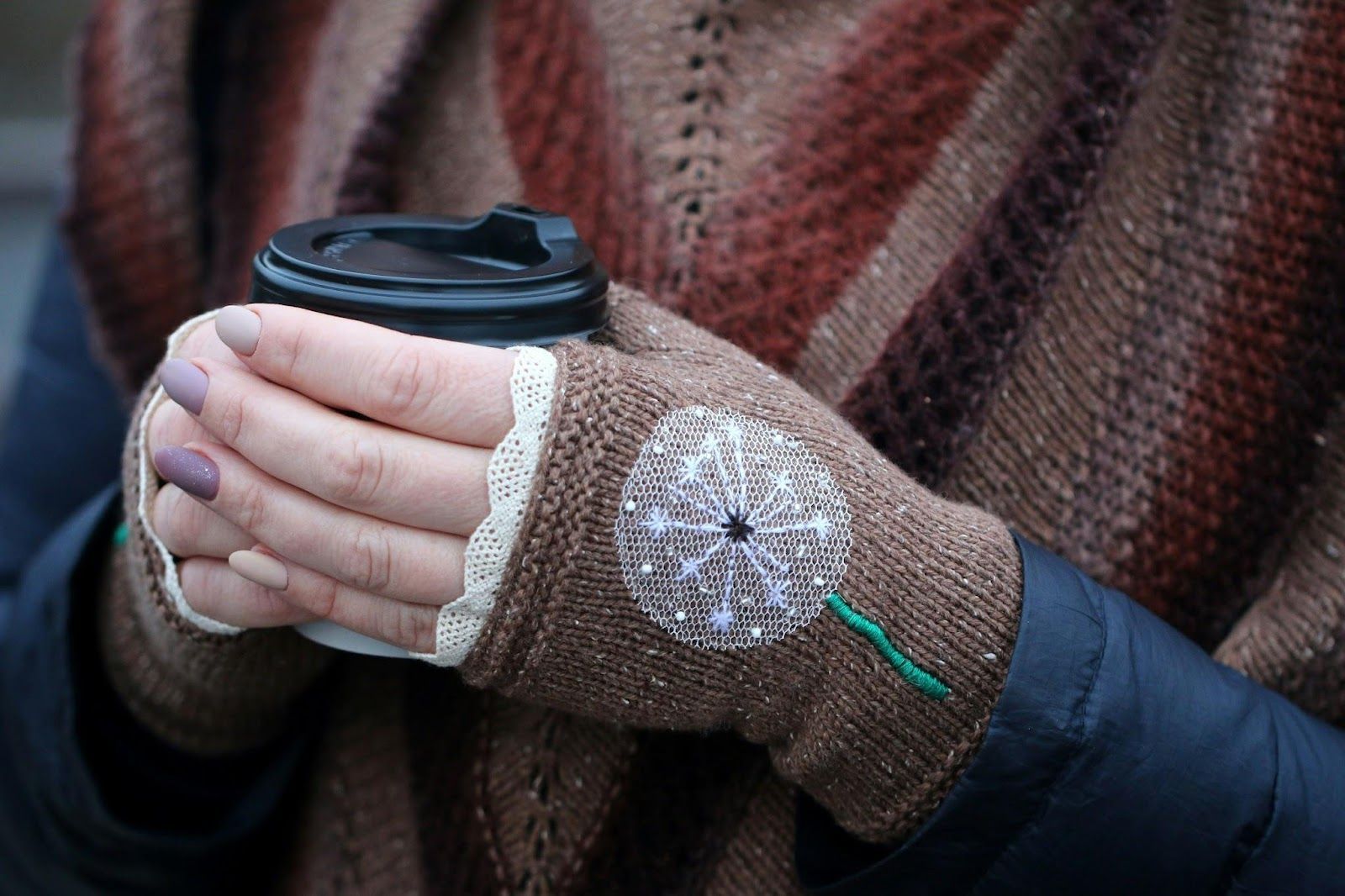
Image: Valeriy Borzov

Cold, wet sleeves are a winter misery. 10-year-old Kathryn Gregory grew frustrated with snow slipping between her mittens and coat sleeves, so she sewed together a pair of warm fleece tubes to cover the gap between glove and sleeve .

She called them Wristies. Her invention was such a hit with friends and family that her Girl Scout troop encouraged her to patent it—and she did! Kathryn became one of the youngest inventors to receive a U.S. patent.

11
Crayon holders
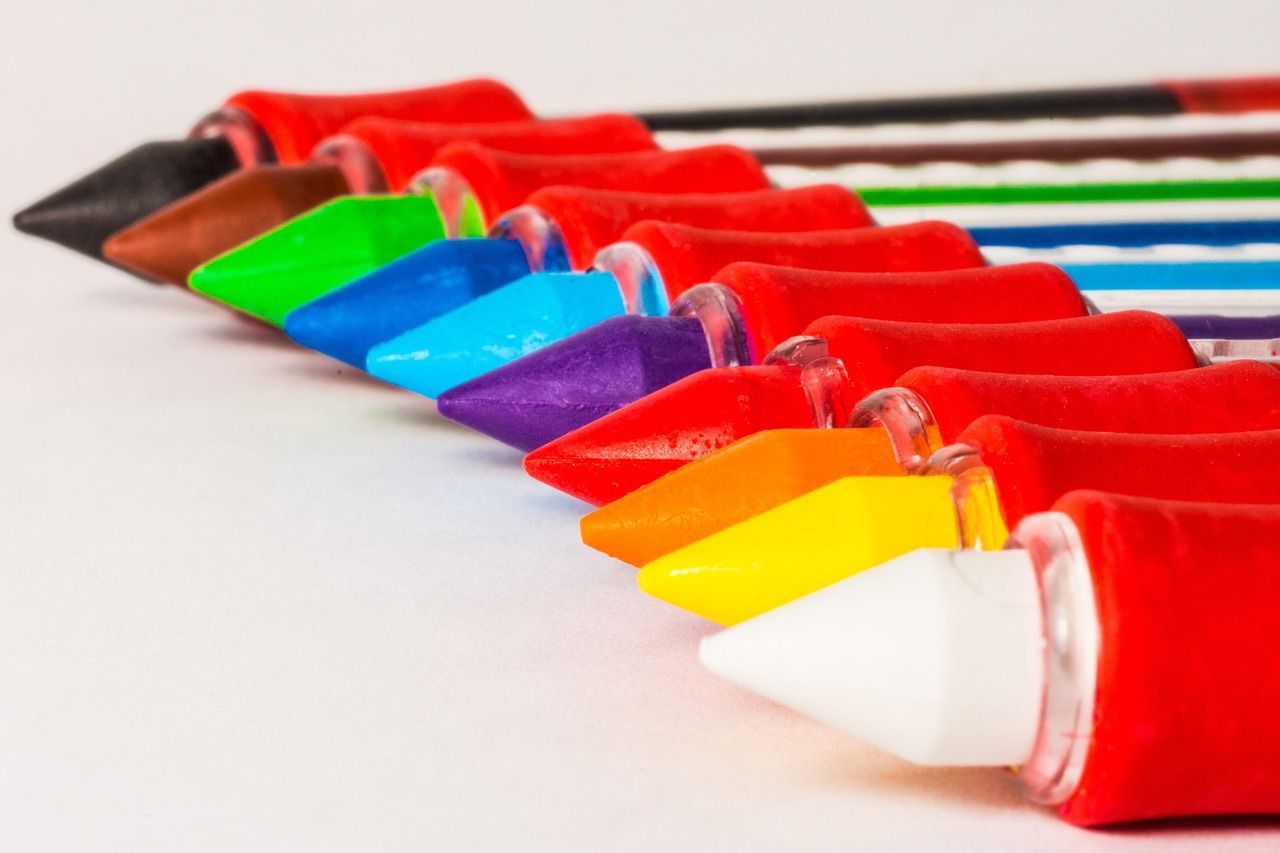
Image: AlexanderStein

Ever struggled to hold a crayon that’s worn down to a stub? So did 11-year-old Cassidy Goldstein. She noticed how frustrating tiny crayons could be, especially for kids just learning to grip.

She came up with a simple solution: a plastic cylinder that could hold broken or short crayons , making them easier to use. Patenting the design earned Cassidy the Youth Inventor of the Year Award.
Waving wild

Why does Oregon have a design on the back of its flag? Find out here!

Image: Mathew Schwartz

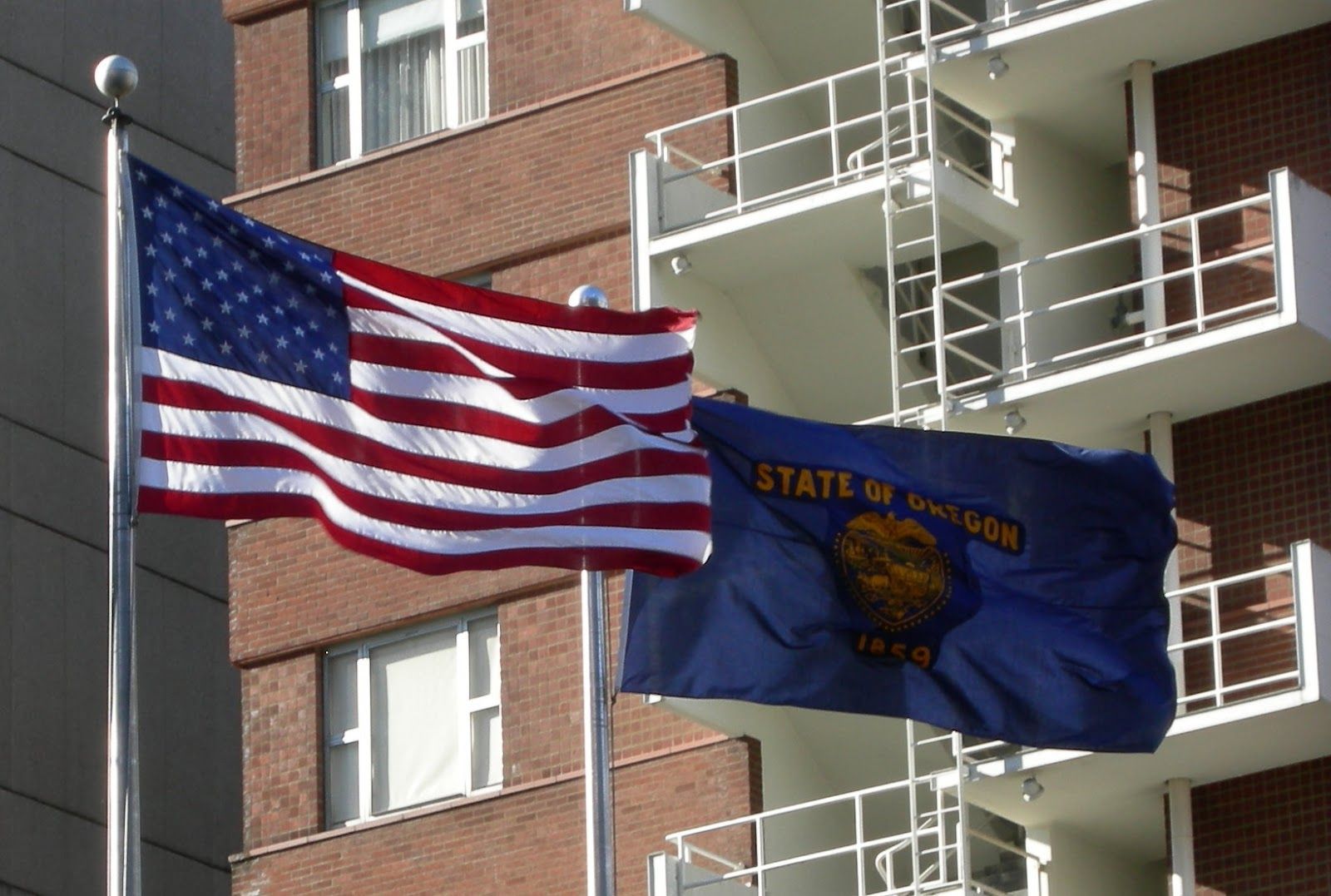
Every state has its own symbols, and among them, those related to wildlife are often in the spotlight. From tiny bees or birds to huge bears and bison, our state flags display an amazing variety of creatures. But why were they chosen? Let’s find out!

1
Beaver – Oregon (reverse)

Image: Makaristos, Public domain, via Wikimedia Commons

As you’d expect from the Beaver State, this rodent appears on Oregon’s flag. The thing is, you just can’t see it here because it’s on the reverse side! That’s right, Oregon is the only state with designs on both sides of the flag. But why that animal? In the 19th century, the beaver fur trade played a key role in Oregon’s economic growth, forever linking this clever creature to the state’s identity.

2
Bear – California

Image: Drei Kubik

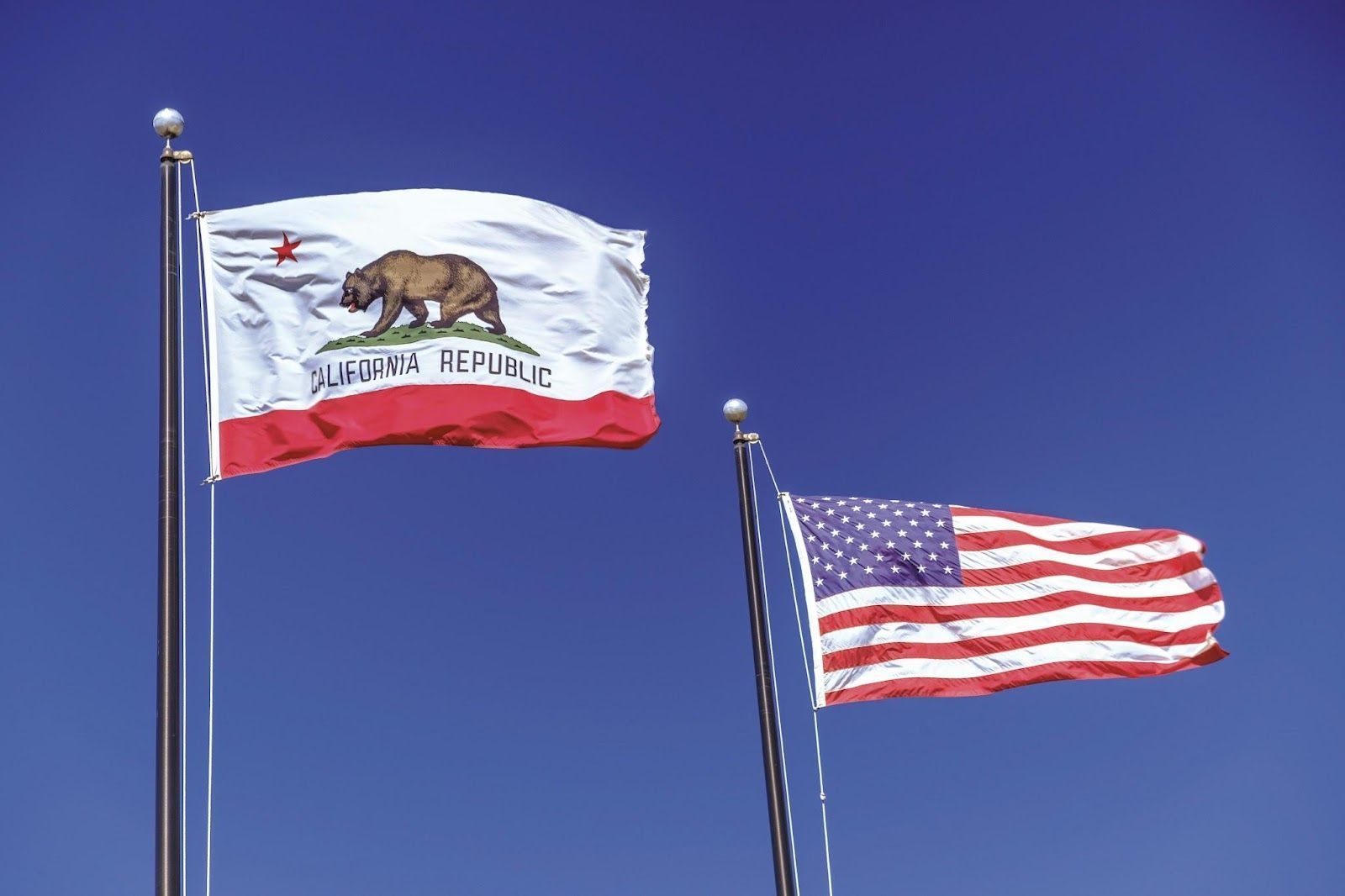
When you think of grizzly bears, California is probably the first state that comes to mind, and for good reason. Its flag is one of the most recognizable in the country. Grizzlies once roamed the region, and although they’re now extinct in the state, the animal lives on as a symbol. Back in the 1840s, American settlers pushing for independence from Mexico raised a flag with a grizzly and a star to mark their revolution. The design has evolved since then, but the iconic bear remains!

3
Bison – Wyoming

Image: Tony Webster, CC BY 2.0 <https://creativecommons.org/licenses/by/2.0>, via Wikimedia Commons

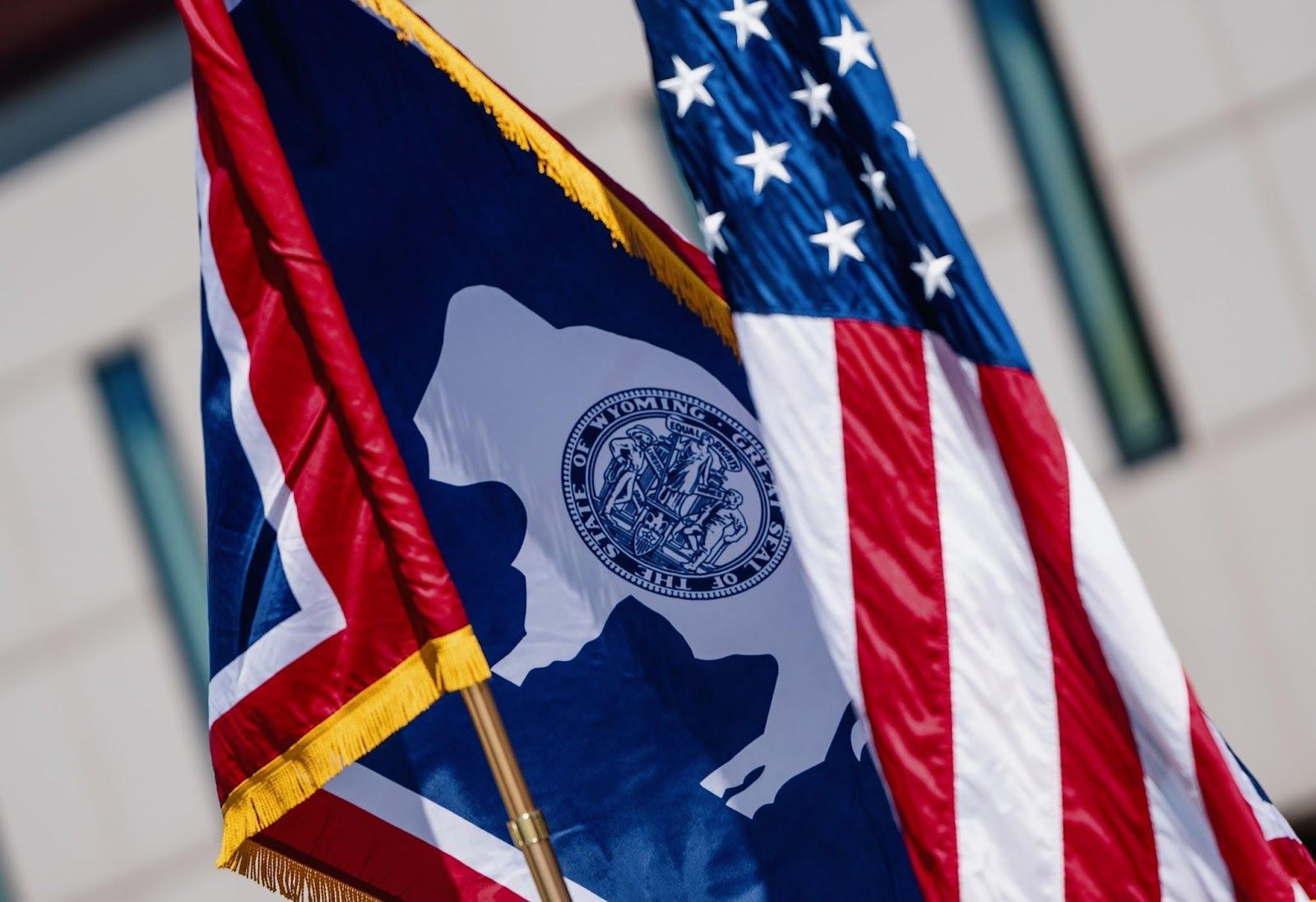
As one of the few places where American bison have roamed freely for centuries, it’s no surprise that this animal was chosen to represent the state of Wyoming. At the center of its flag, the white silhouette of the bison (often called a buffalo) features Wyoming’s coat of arms, which honors the state's key industries: livestock, mining, grain, and oil.

4
Bees – Utah

Image: JohnnyAstros, CC BY-SA 4.0 <https://creativecommons.org/licenses/by-sa/4.0>, via Wikimedia Commons

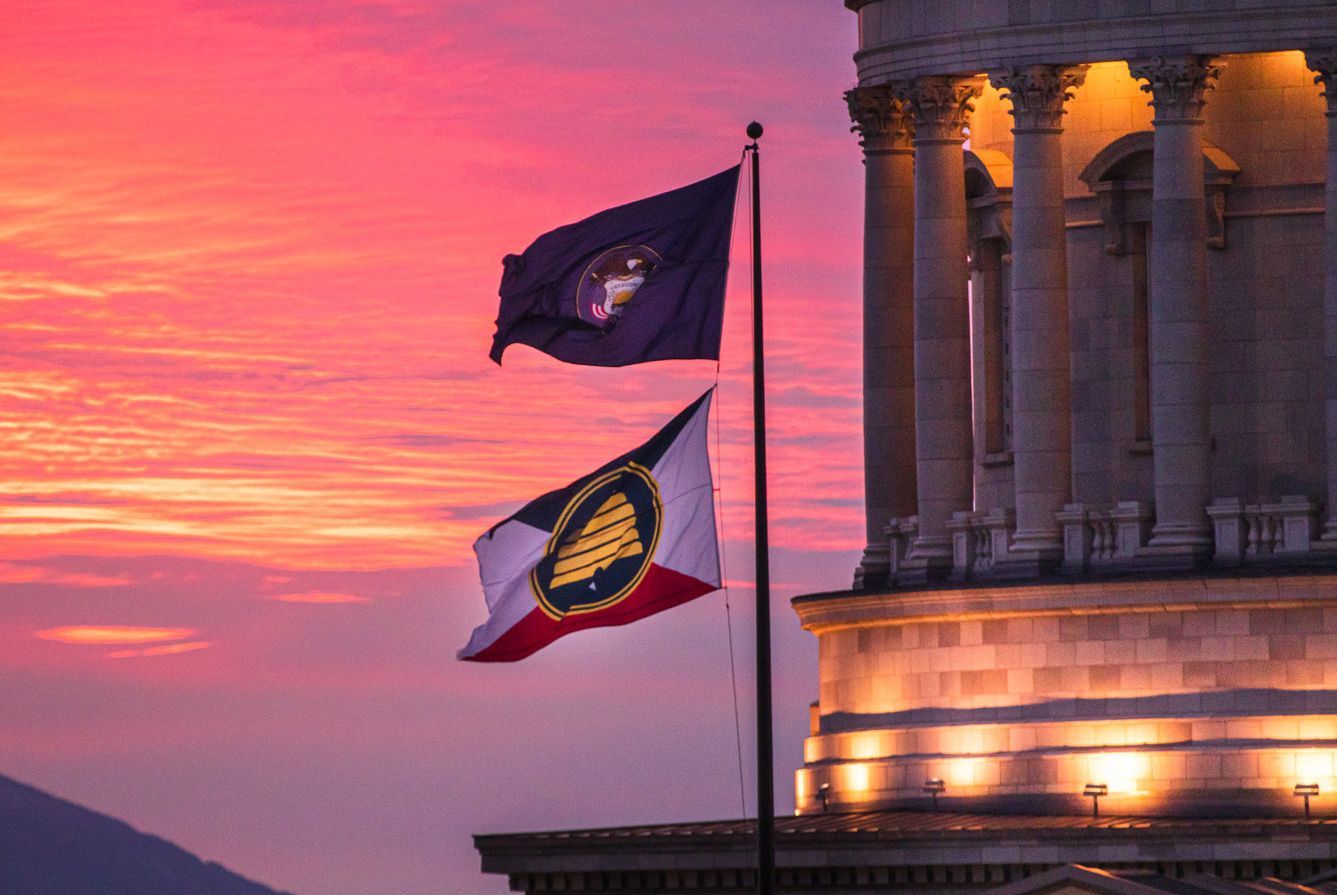
The new Utah flag, adopted in 2024, has a peculiar and modern design. The main characters in this story are none other than bees. Or, actually, a beehive, which was chosen to symbolize community, cooperation, and the hard work that reflects Utah’s industrial spirit.

5
Badger – Wisconsin

Image: Kenneth C. Zirkel, CC BY-SA 4.0 <https://creativecommons.org/licenses/by-sa/4.0>, via Wikimedia Commons

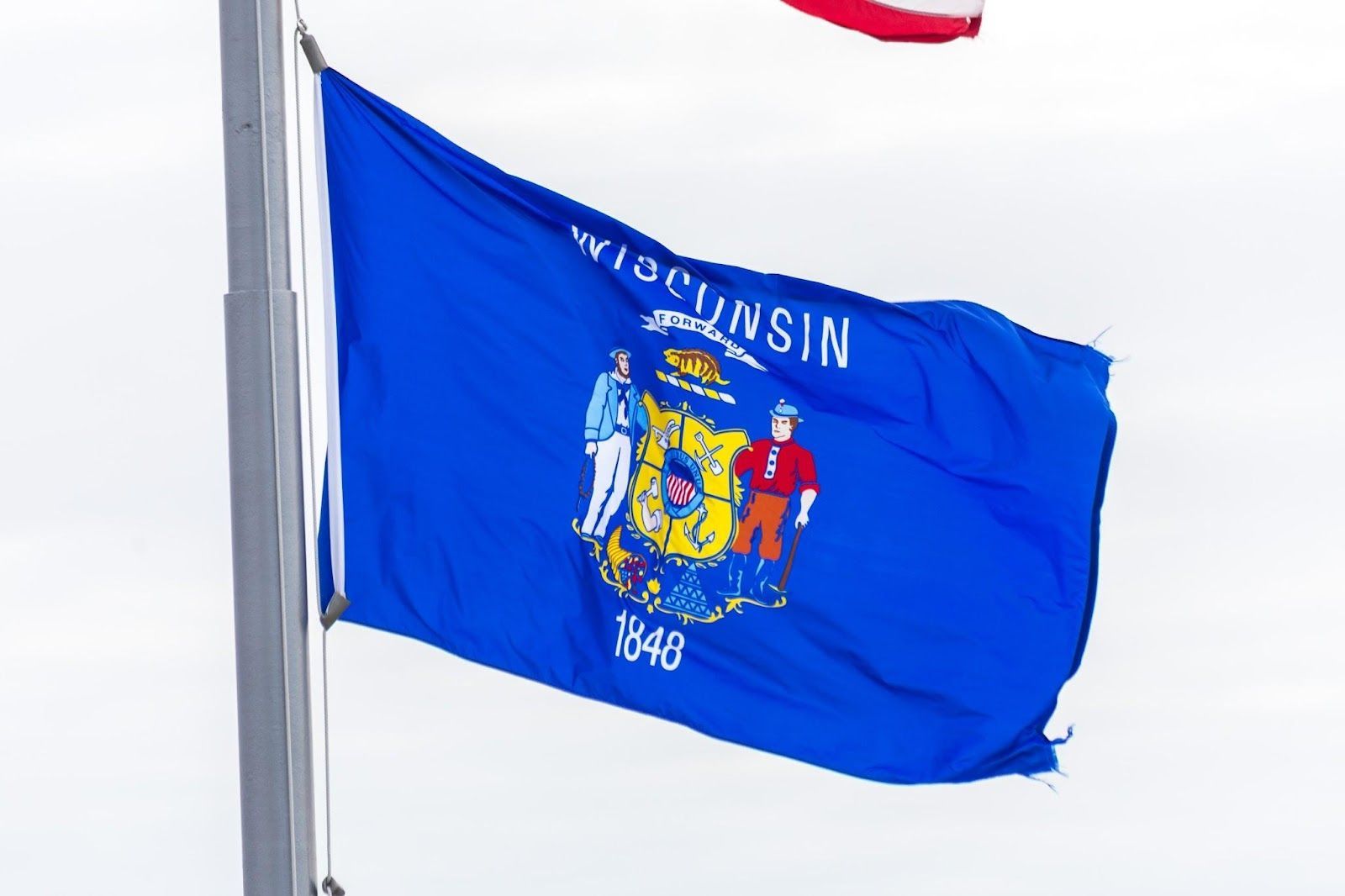
See that small yellow-and-brown figure above the shield on Wisconsin’s flag? Although many people don't notice it, that’s a badger, the state animal. But why a badger? Back in the 1800s, the first lead miners who worked in southern Wisconsin used to live in hillside tunnels during the winter, which resembled badger burrows. These workers were the first to be given the nickname, which was later transferred to the state.

6
Deer and cow- Vermont

Image: Tablelegs6, CC0, via Wikimedia Commons

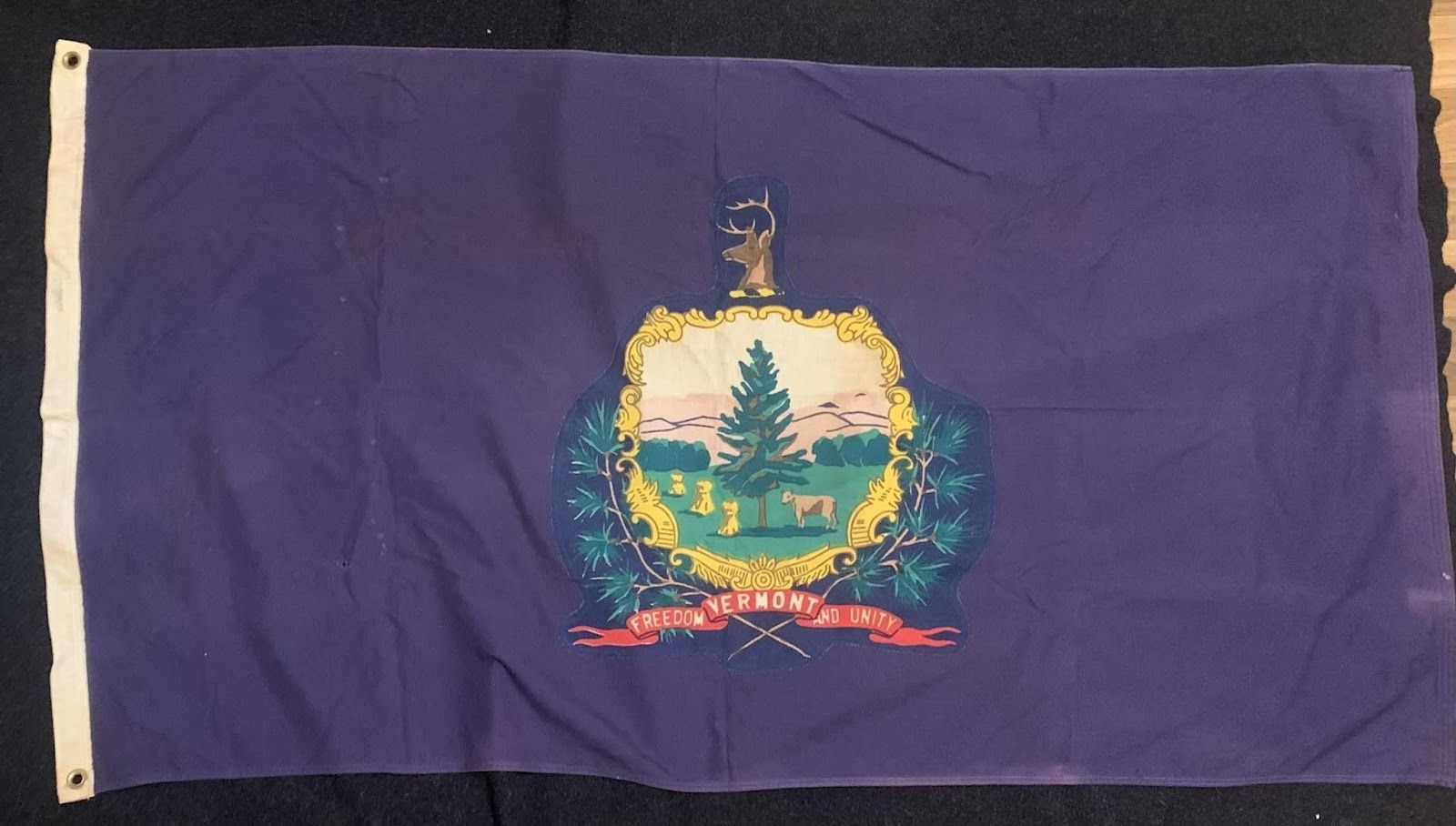
The Vermont flag has plenty to see, but the most striking feature is the deer head that tops the shield. With deer abundant throughout the state, it was chosen to represent all of Vermont’s wildlife. But what about the cow? Tucked inside the shield, this small figure symbolizes the state’s dairy and agricultural industry.

7
Horse – New Jersey

Image: Public domain, via Wikimedia Commons

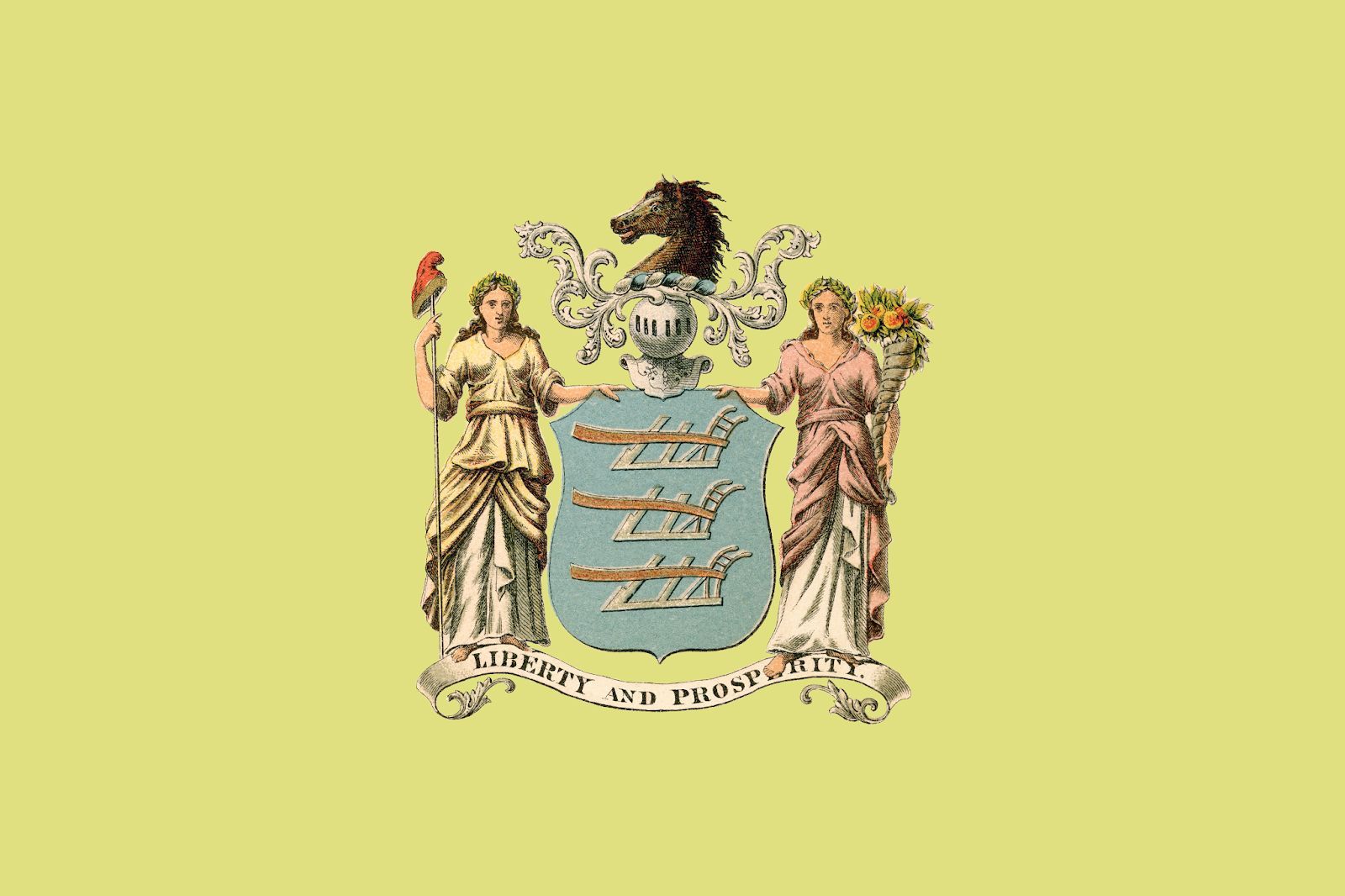
As part of the state coat of arms, a horse appears atop the beautiful New Jersey state flag. As in many other regions, horses were vital to New Jersey’s colonial economy, playing a key role in agriculture. For that reason, in 1777, the coat of arms’ designer placed the horse at the top, symbolizing both strength and the speed of the state’s growth. On both sides of the shield are two women: Liberty and Ceres, the Roman goddess of agriculture, honoring the state motto, "Liberty and prosperity."

8
Moose/Elk – Michigan

Image: Tony Webster, CC BY 2.0 <https://creativecommons.org/licenses/by/2.0>, via Wikimedia Commons

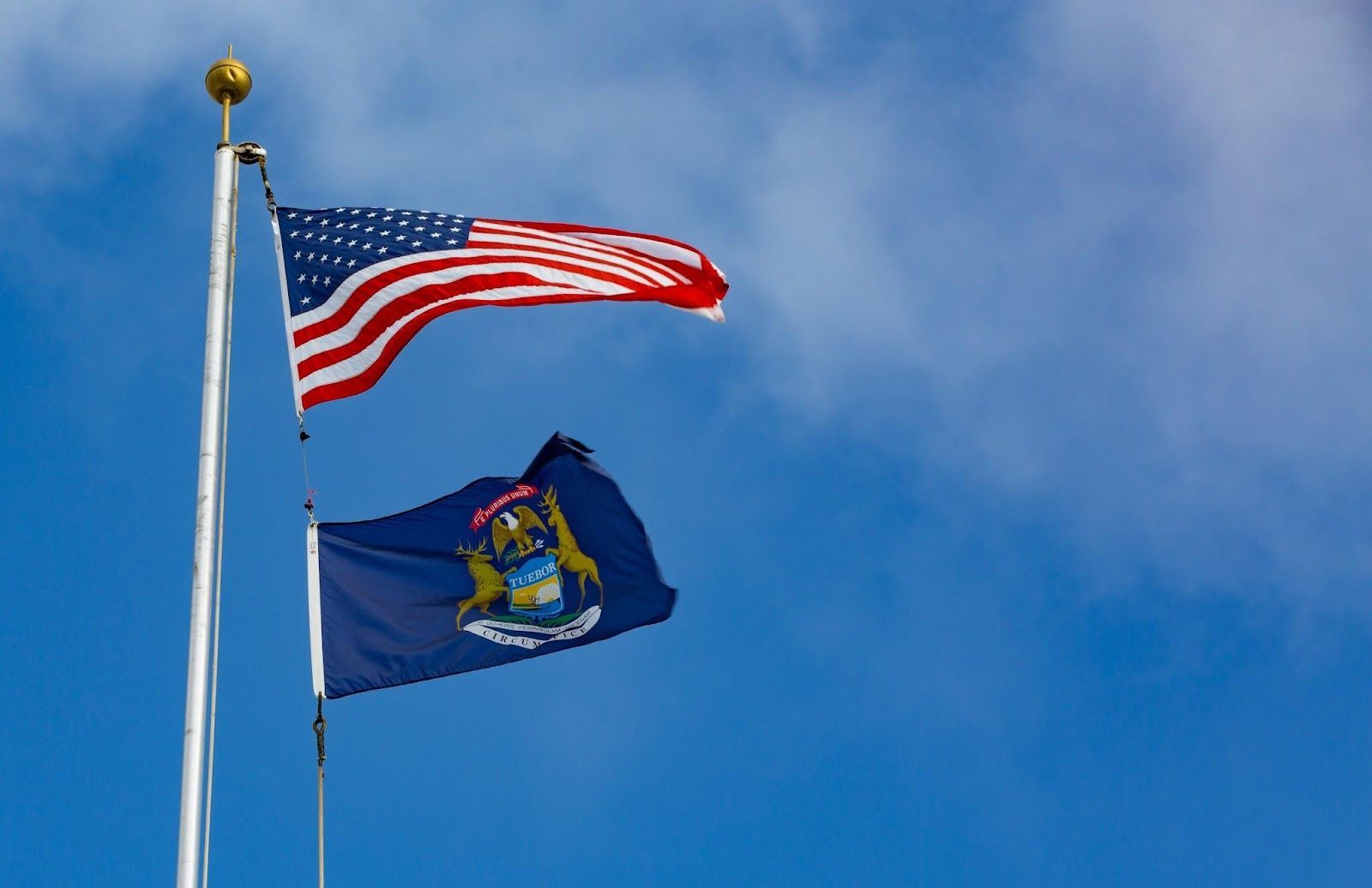
A moose and an elk seem like great choices for offering support, don’t they? That’s exactly what the designers of Michigan’s flag and coat of arms thought. These two majestic animals appear standing on their hind legs, as if holding up the shield. Both native to the state, they symbolize Michigan’s abundant wildlife and natural resources.

9
Pelican – Louisiana

Image: Public domain, via Wikimedia Commons

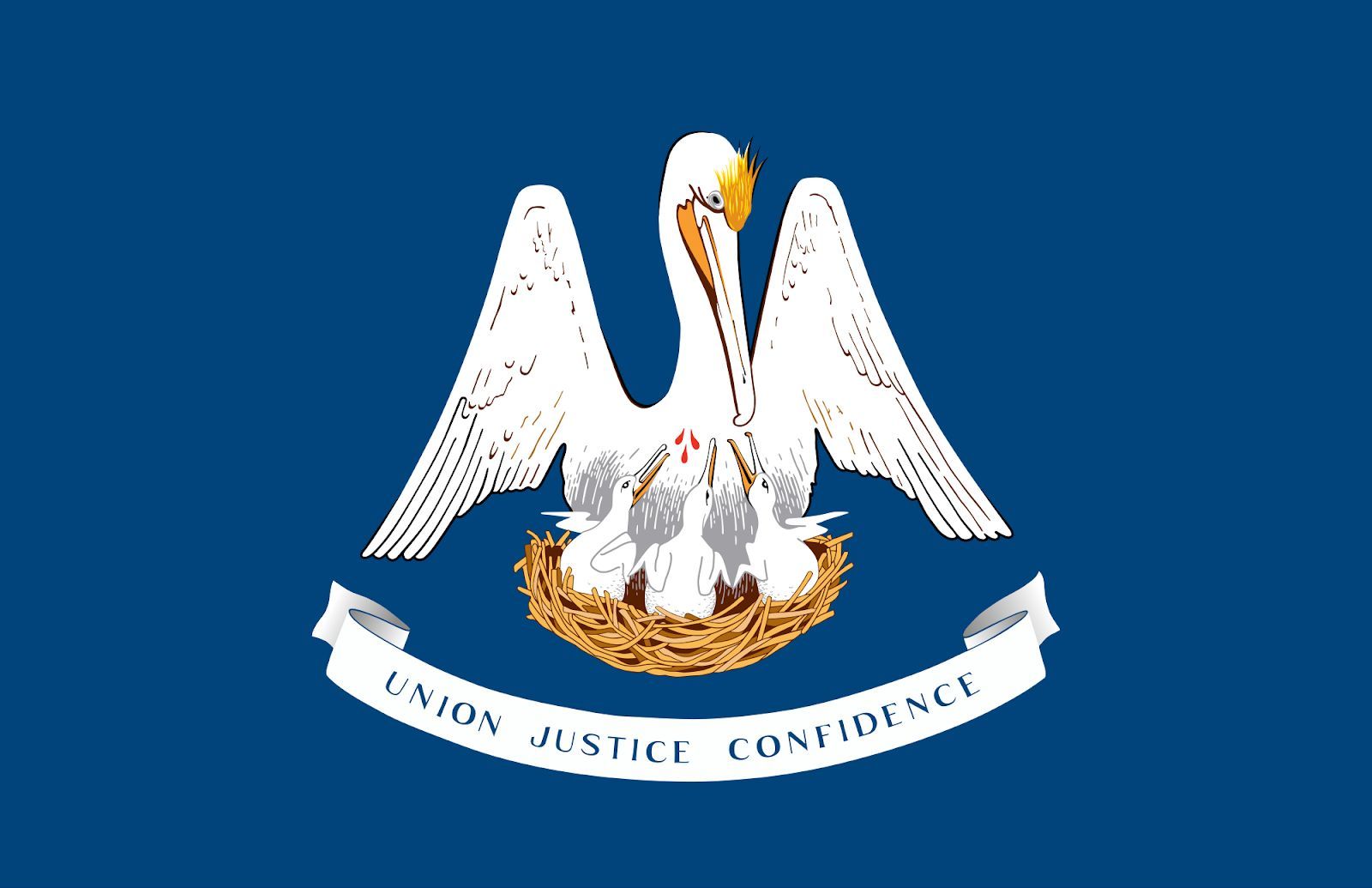
Although the pelican on Louisiana’s state flag is white, its actual name is "brown pelican", a species that abounds along the state’s coast. On both the flag and the coat of arms, the bird is shown wounding itself to feed its young; a strong symbol of devotion and sacrifice that reflects Louisiana’s motto: "Union, Justice, and Confidence."

10
Bald Eagle – Many

Image: Alexas_Fotos

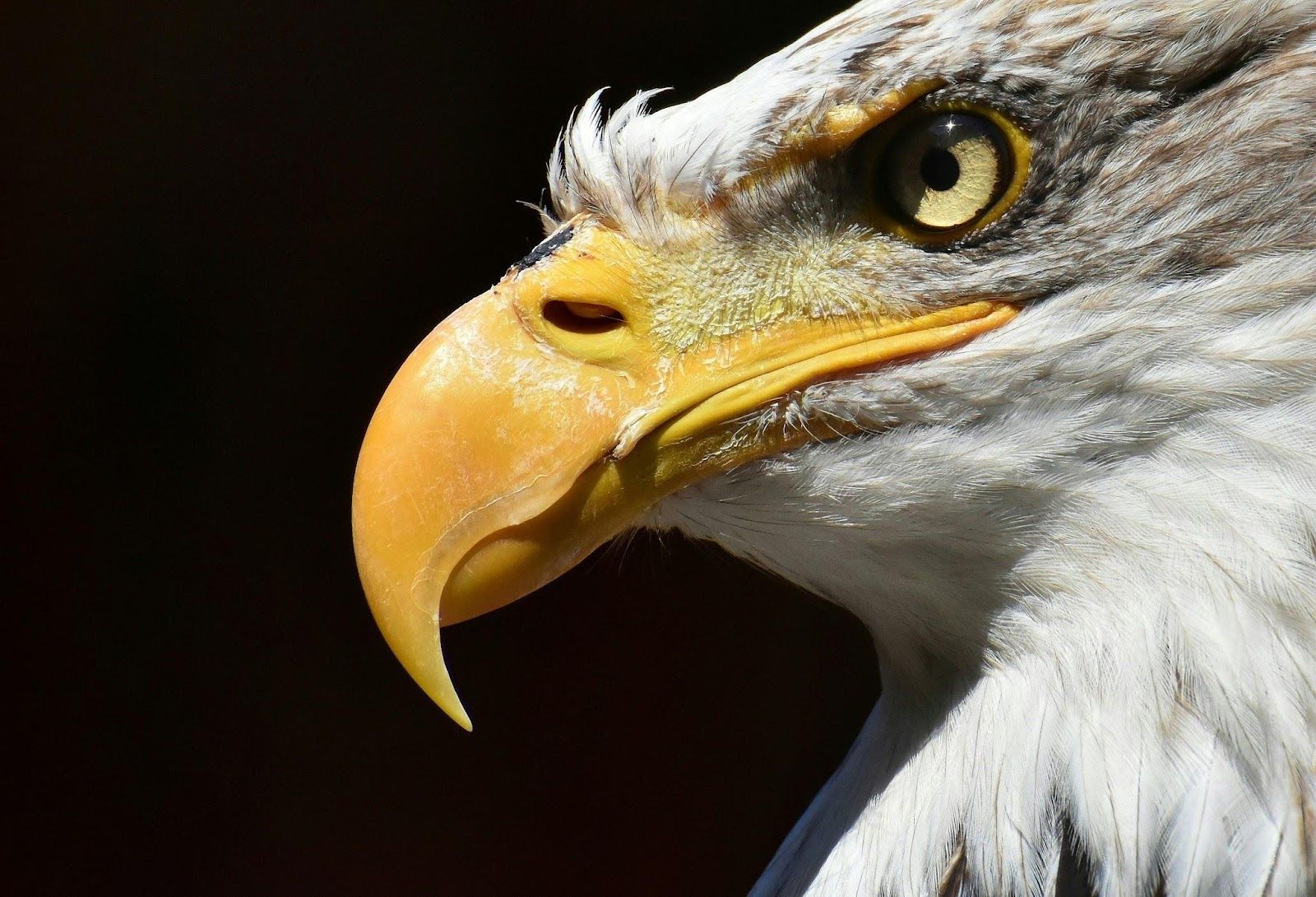
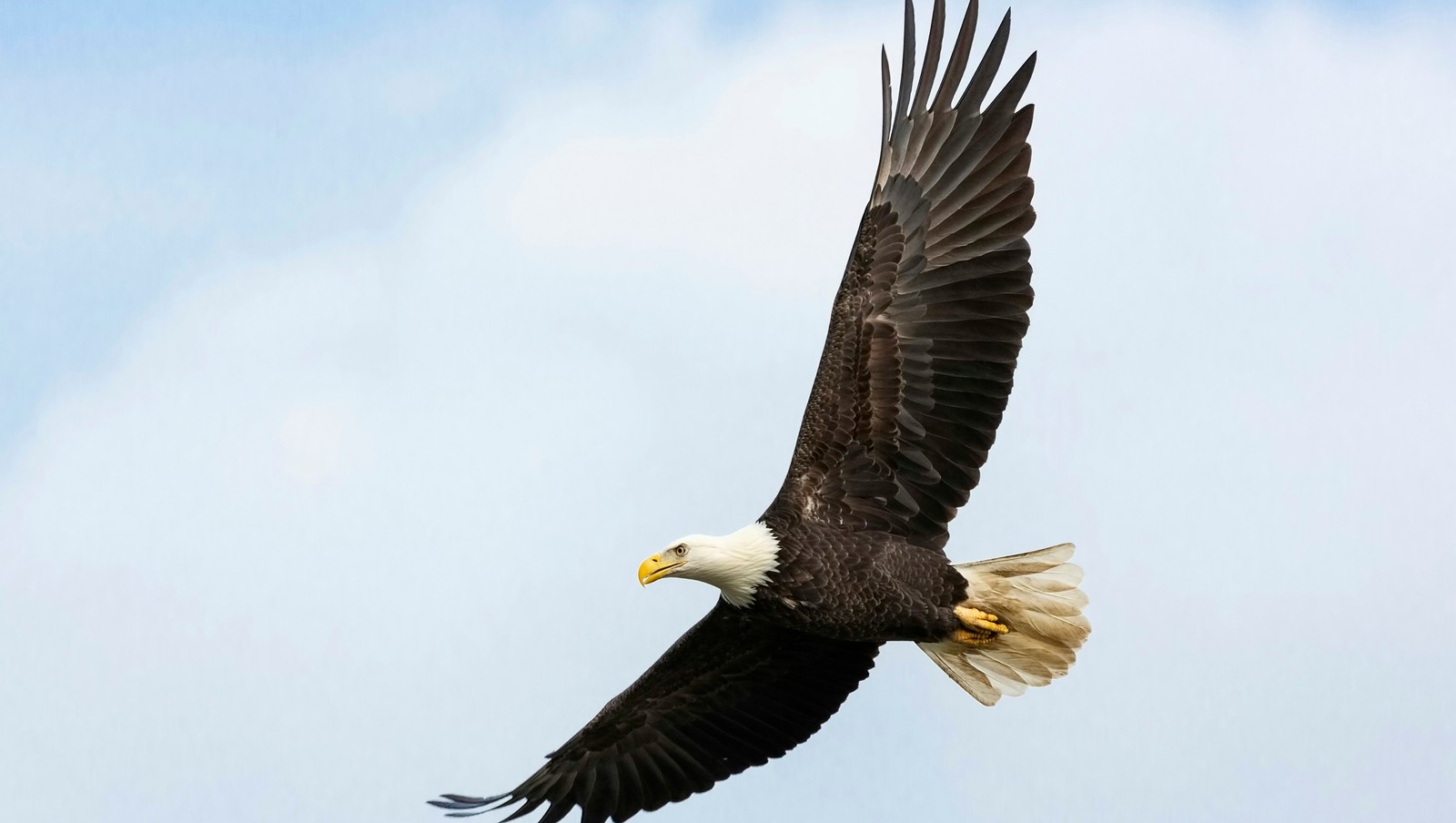
We saved the unmistakable bald eagle for last. Native to North America, this majestic bird has become a symbol of the United States, representing strength, courage, freedom, and longevity. But the eagle isn’t just on the national coat of arms; it also appears on many state seals and flags, including Illinois, Iowa, Michigan, Missouri, New York, North Dakota, Pennsylvania, and Utah’s historic flag.

Heroines of the American Revolution

Discover 10 amazing Founding Mothers who often get forgotten

Image: Gerald R. Ford Presidential Museum, Public domain, via Wikimedia Commons

Stories about the American Revolution are usually about battles, generals, and soldiers. Since most women did not fight in battles, they are often left out of this period in history. But they did contribute to the struggle for American freedom, just in less conventional ways. From influential politicians' wives to journalists, artists, and spies, this article about revolutionary heroines is a reminder that women's patriotism and bravery also helped to win American independence.

1
Abigail Adams

Image: Christian Schussele, Public domain, via Wikimedia Commons

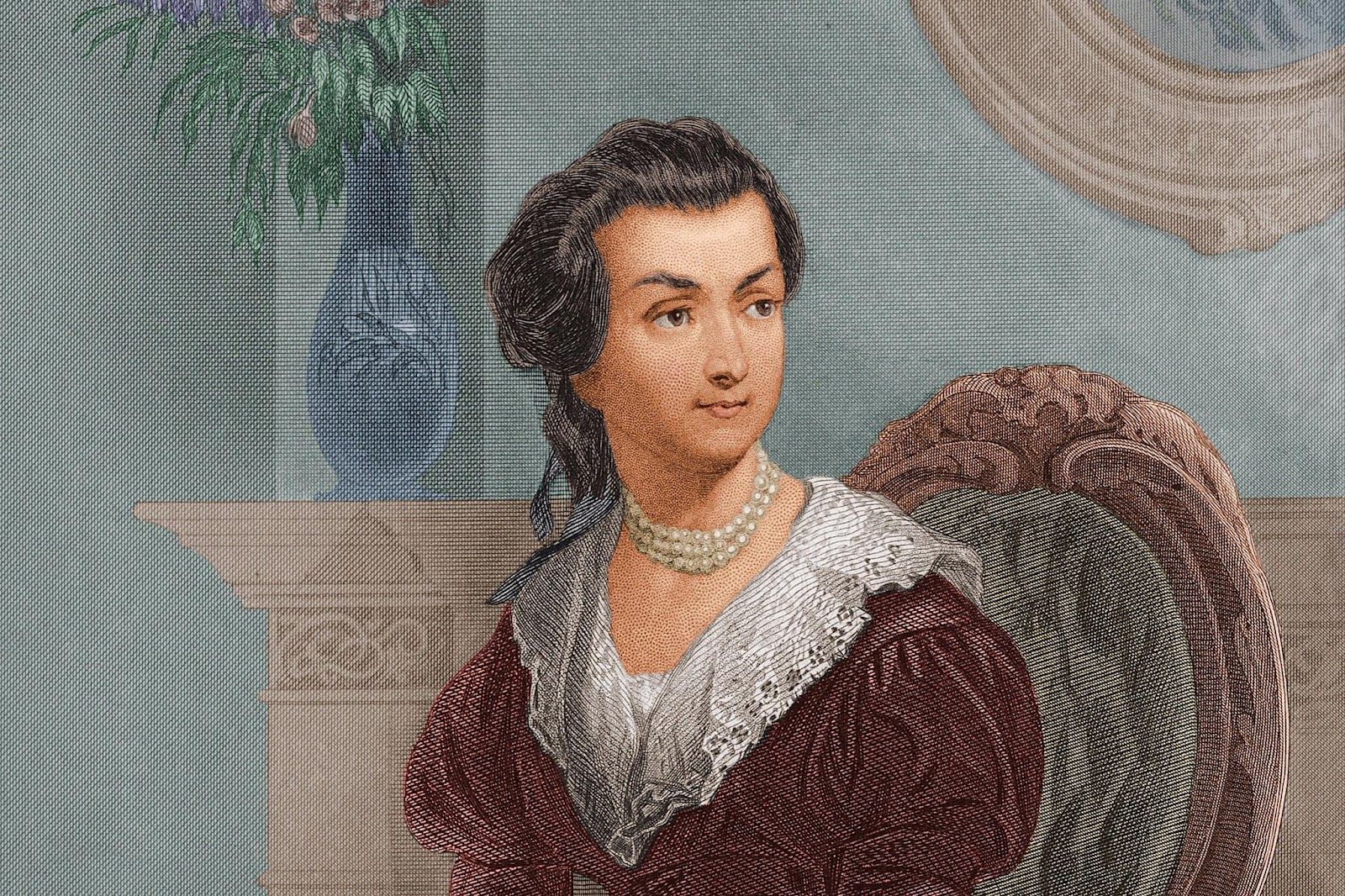
Women in the 1770s were not supposed to be concerned about politics. But Abigail Adams, wife of the second president of the United States, talked and wrote about politics with extraordinary insight. She was one of the earliest supporters of independence, and her ideas influenced the Founding Fathers.

Often ill as a child, Abigail educated herself in her father’s library. Her studies prepared her for a life of public service in which she fought for freedom from England and women’s rights, and stood firmly against slavery. She even wrote the famous "Remember the ladies" letter 150 years before women were allowed to vote. Abigail’s influence over John Adams was so great that some rival politicians nicknamed her "Mrs. President."

2
Mary Katherine Goddard

Image: Thomas Jefferson, Public domain, via Wikimedia Commons

Mary Katherine Goddard was the director of the Baltimore Post Office and one of the world's first female publishers. Her greatest contribution to the Revolution, however, was the printing of the first copy of the Declaration of Independence that included the names of all signatories.

During the war, she ran the Providence Gazette and Maryland Journal , two newspapers that actively supported the American patriots' efforts. Despite the challenges she faced as a woman trying to make her way in a male-dominated society, Mary Katherine Goddard left an invaluable legacy as a pioneering woman in journalism and federal government work.

3
​​Martha Washington

Image: Billy Hathorn, CC0, via Wikimedia Commons

During her lifetime, she was known as Lady Washington, but Martha Dandridge Custis Washington will always be remembered as the first in a long line of first ladies of the United States. Martha married George Washington in 1759 and would be by his side in private and public life, even joining him on the battlefield.

While Washington was in office, Martha was in charge of the Presidential galas held to entertain members of the administration and foreign dignitaries. Although at that time she had no official duties or title, her warm temperament and classy poise laid the foundations for a key role that continues to this day.

4
Esther de Berdt Reed

Image: National Portrait Gallery, Public domain, via Wikimedia Commons

Even though Esther was born and raised in England, she sided with her husband, an aide to General Washington, in the American fight for independence. Five years into the war, Esther felt it was time for women to support the Continental troops in a more active way.

Esther's group, the Philadelphia Association, went door to door to ask for contributions. They ended up raising a large sum of money, which they used to supply soldiers in desperate need of provisions. Eventually, they stitched over 2,000 shirts by hand. Esther's vision and the group's dedicated efforts helped remind the men fighting the American Revolutionary War how much they were appreciated.

5
Elizabeth Schuyler Hamilton

Image: Ralph Earl, Public domain, via Wikimedia Commons

Elizabeth Hamilton, sometimes called "Eliza" or "Betsey," was the daughter of one of New York State's wealthiest and most politically influential families. In 1780, Eliza married Founding Father Alexander Hamilton. During their more than 20 years of marriage, she helped Hamilton write his letters and newspaper contributions and accompanied him on numerous historic events.

Strong-willed but caring, Eliza would devote her long widowhood to charity, helping to found New York's first private orphanage. In addition, she worked tirelessly to spread her husband's legacy and ensure that Hamilton had the place he deserved in American history.

6
Patience Lovell Wright

Image: William Faden, Public domain, via Wikimedia Commons

Did you know that during the American Revolutionary War, the Patriots had an American spy in the heart of King George's court? More interestingly, it was a woman! Famous for molding incredible wax sculptures, Patience Lovell Wright had to move to England after her New York studio caught fire.

Her friend, Benjamin Franklin, introduced her to London society. Soon enough, word of her talent reached King George III, who invited her to Buckingham Palace. But she remained loyal to her "dear America," as she called it, and when trouble started back home, Patience decided she could help America's fight for independence by providing decisive information her prominent clients revealed while posing for her.

7
Mercy Otis Warren

Image: John Singleton Copley, Public domain, via Wikimedia Commons

At a time when women were expected not to air their views on political issues, Mercy Otis Warren was a poet, playwright, and activist.

During the American Revolution, Warren not only maintained a close relationship with leading political figures such as George Washington, Thomas Jefferson, and John Adams, but she also became a historian and outspoken commentator, as well as the leading female intellectual of the early republic.

8
Penelope Barker

Image: Attributed to Philip Dawe, Public domain, via Wikimedia Commons

In the 18th century, women had no public outlet to express their convictions or to take a stand. Rebellion was considered men's business. Yet, the courageous Penelope Barker proved to everyone that women could contribute a great deal to the efforts for independence.

In 1774, in Edenton, North Carolina, a group of fifty-one women signed a declaration by Penelope, stating they would not drink tea or wear clothes made in England. The British press called it the "Edenton Tea Party" and ridiculed them. But soon enough, women all over the colonies were boycotting British products. Thanks to Penelope Barker's declaration, every woman in America discovered a smart and original way to rebel against the colonists.

9
Mary Norris Dickinson

Image: Prateek Katyal

The daughter of wealthy Pennsylvania Quakers, Mary Norris Dickinson was well-educated and owned one of the largest libraries in the colonies. She believed in a life without violence and in equal rights for men and women, ideas that she did not shy away from voicing in public to the dismay of some more conservative individuals.

For her fundamental role in political thought, influence on other women, and involvement in events related to the Constitutional Convention, the wife of Founding Father John Dickinson definitely deserves her place in history.

10
Phillis Wheatley

Image: Phillis Wheatley, CC0, via Wikimedia Commons

Brought to America as a slave, Phillis Wheatley became the first African-American author. Her poems celebrated learning and virtue and described a yearning for freedom. She also wrote a number of patriotic verses on subjects like the peace treaty of 1783 that ended the American Revolutionary War.

Her most famous piece was a poem to George Washington, in which she refers to him as "first in peace." The poem was published several times during the war to promote the Patriot cause, and Washington liked it so much that he asked to meet her. A true patriot and later a symbol for the abolition of slavery, Phillis Wheatley will always be known as a key contributor to freedom.

Explore more American facts

Choose your favorite category!

General
General

As American as apple pie—the very best America has to offer!

Culture
Culture

Delve into the astounding richness of American lore.

Geography
Geography

Hop in and explore vast and diverse American landscapes.

History
History

Discover the key moments that shaped the United States.