We do it our way
10 American conventions that shock the rest of the world
Image: Luke Michael
Have you ever travelled abroad and felt that some things you thought were completely normal are not the standard elsewhere? Or maybe a foreign friend comes to America for a visit and keeps getting surprised by random things like sales taxes, drink refills, or dollar bills? Customs naturally change from country to country, but some American customs can be shocking to others, even if they are completely natural for us. Here are ten American conventions that set us apart from the rest of the world.
1
Unlimited drink refills

The only thing better than a tall glass of iced tea on a hot day is knowing that you can get up and get a refill as many times as you want. This is nothing new for Americans, but it’s one of the most surprising things for foreign tourists. While American restaurants see unlimited refills as a way to keep customers happy at extremely low prices, in most other countries, you usually pay for each drink separately.
2
The measuring system
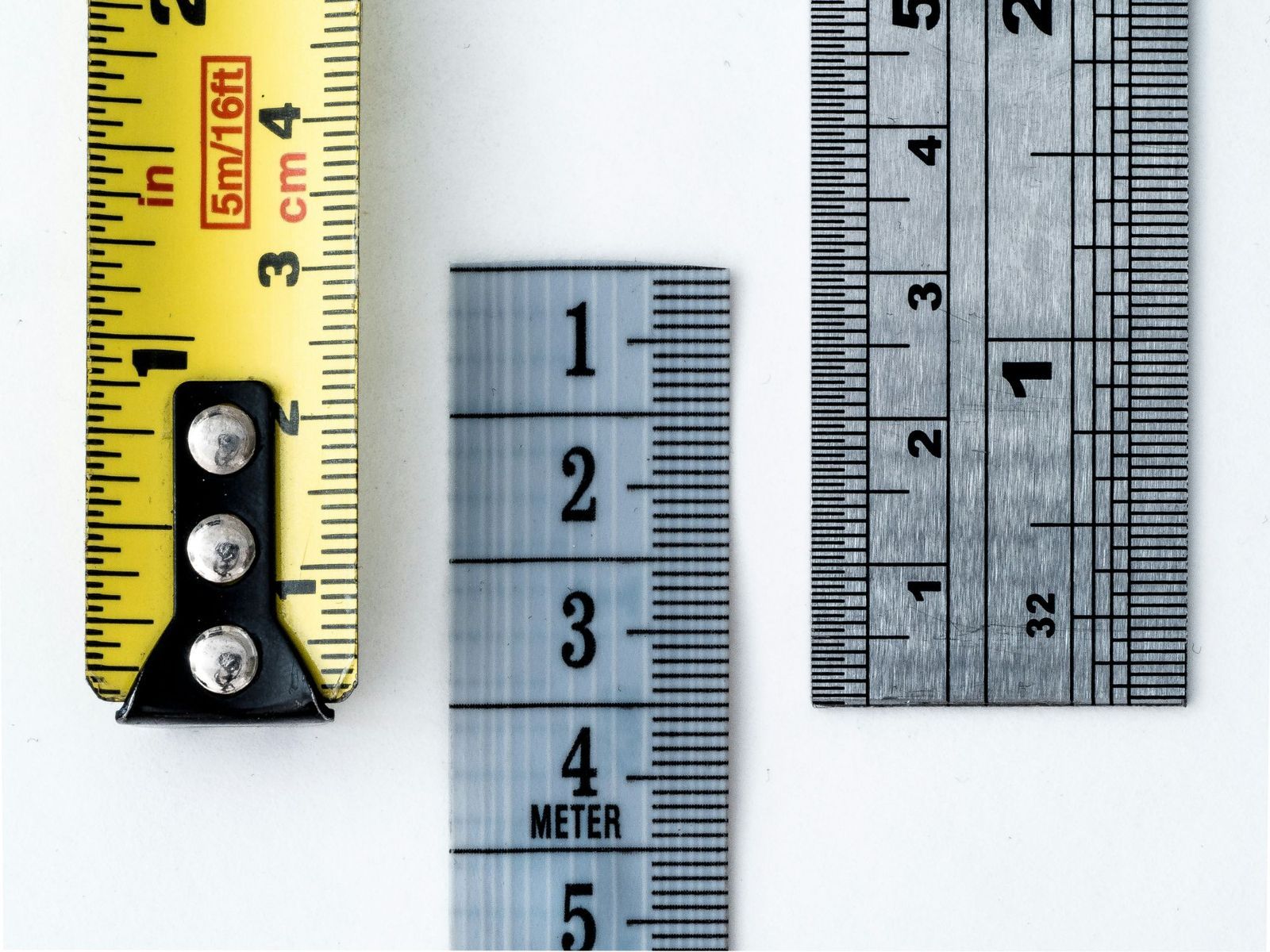
America follows the U.S. customary units system, which includes elements derived from the old Imperial System used in the United Kingdom. Why is it so difficult for foreigners from other English-speaking countries to understand the American system, then? Although countries like Canada or the UK use Imperial units for things like body weight or distances, they also use metric units for other areas, while non-English-speaking countries, as well as Australia and New Zealand, rely entirely on the metric system.
3
Sales taxes

How do you know if you have enough money to buy anything at a store? You look at the price and calculate the sales tax that will be added at checkout —unless you are in one of the five states that don’t charge sales taxes. If you travel abroad, however, you don’t have to worry about calculations; you just have to look at the price tag. It’s not that sales taxes don’t exist elsewhere, but that they are already included in the advertised tag.
4
Measuring temperature

If foreigners are confused about the American measuring system, they are definitely baffled by the way we measure temperature. The Fahrenheit scale was developed following scientific parameters, but also considering human body temperature: 0°F is really cold weather, and 100°F is really hot weather. The Celsius scale, however, is based on water: at 0°C, water freezes, and at 100°C, water boils. The range difference often results in foreigners being confused at the high temperature numbers.
5
Entrees
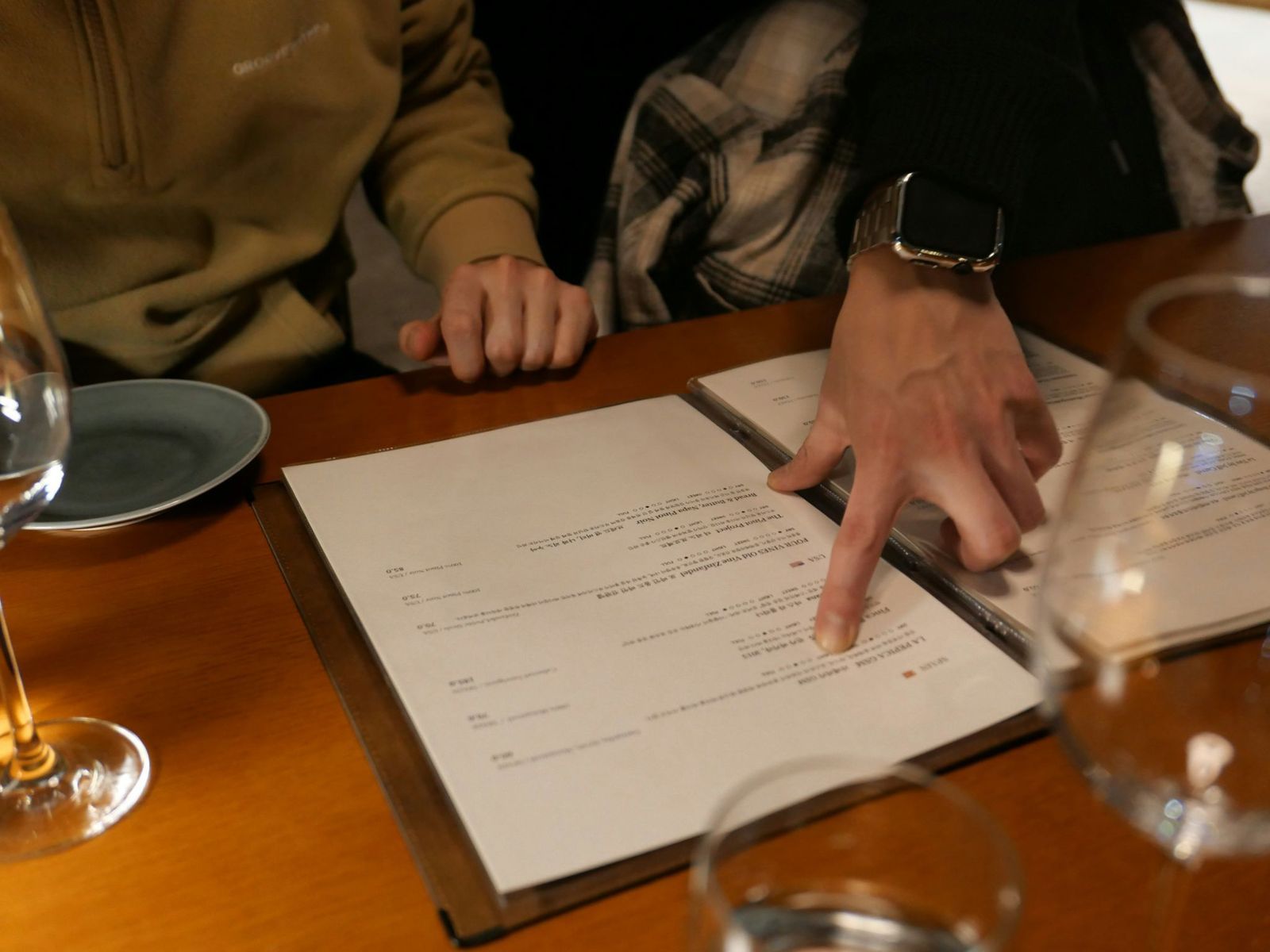
The topic of American portion sizes being bigger than portion sizes elsewhere is nothing new, but is not the only important difference when it comes to eating out. In a standard American menu, the Entree section will include dishes that are considered main courses, while the Appetizer section will have snacks or finger foods typically eaten before the main course. Why is this confusing for non-Americans? The word ‘entree’ originally referred to appetizers, and is still used with that sense in most countries, especially in Europe and Latin America.
6
Dollar bills
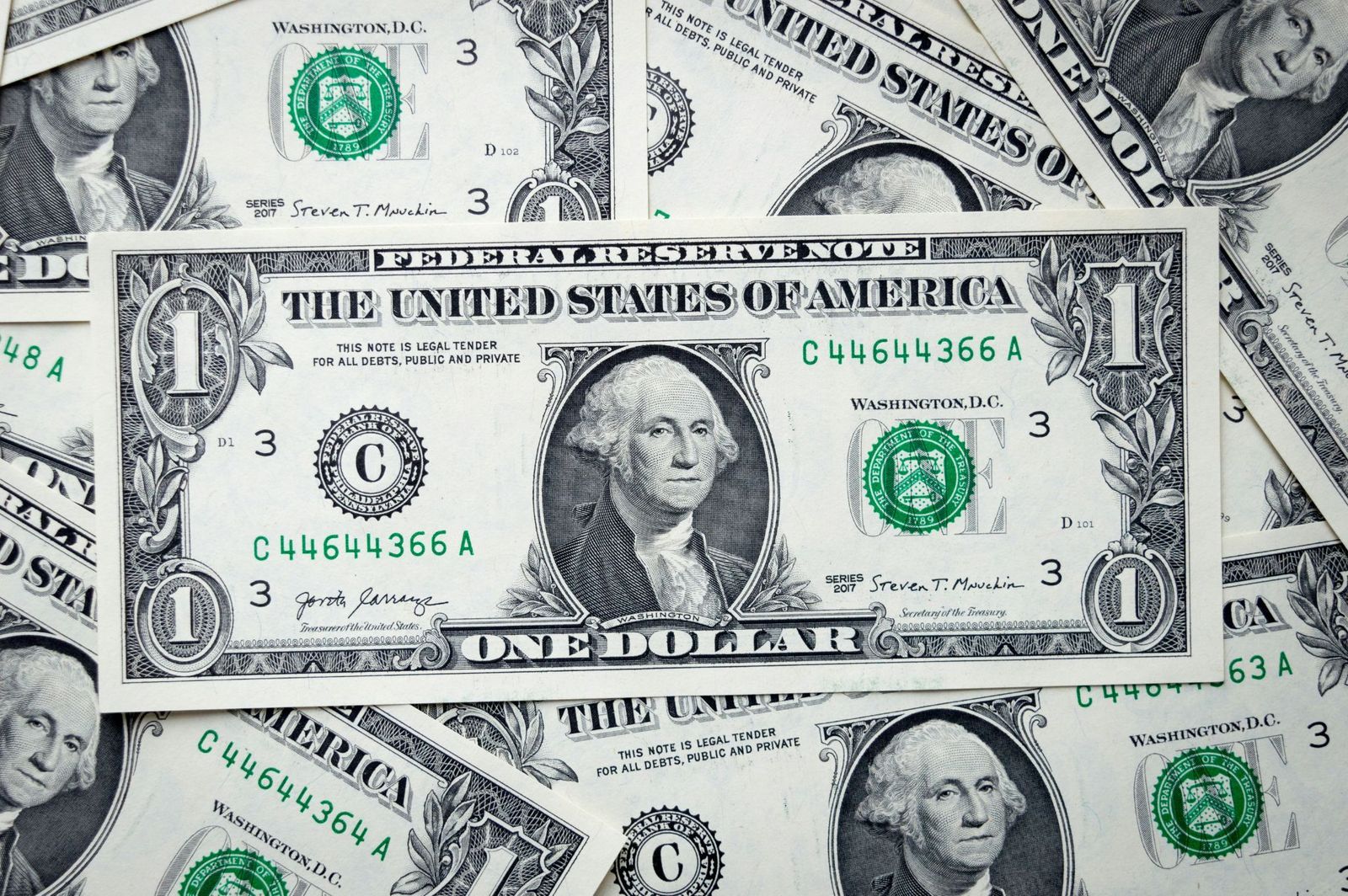
American dollar bills are easily recognizable all around the world, not only because they are often used as an international currency, but also because dollar bills are somewhat unique. Firstly, they are made of a special cotton and linen blend that gives them a unique texture and makes them extremely durable. They are also the same size and color, no matter the value, while other countries tie the size or color of the bill to the different values.
7
Decimals and thousands separators

This is less of a U.S. and more of an English-speaking countries issue, but one that confuses foreigners nonetheless. All around the world, we learn that big numbers are grouped in threes: once we go from nine hundred and ninety-nine to a thousand, we have to use a comma. Or is it a period? While English speakers use a comma for the thousands, non-English speakers use a period. When it comes to decimals, the symbols are also swapped: in English, decimals are separated by a period, but for the rest of the world they are separated by a comma.
8
Citizen-based taxation

Foreigners often find the American taxing system confusing, but this particular instance can also surprise many American citizens who realize that they have to pay taxes even if they live abroad and don’t do business or have properties in America. The U.S is one of two countries in the world that uses citizenship (and not residence) as a taxing basis. The only other country that uses this system is Eritrea, located in East Africa.
9
Political colors
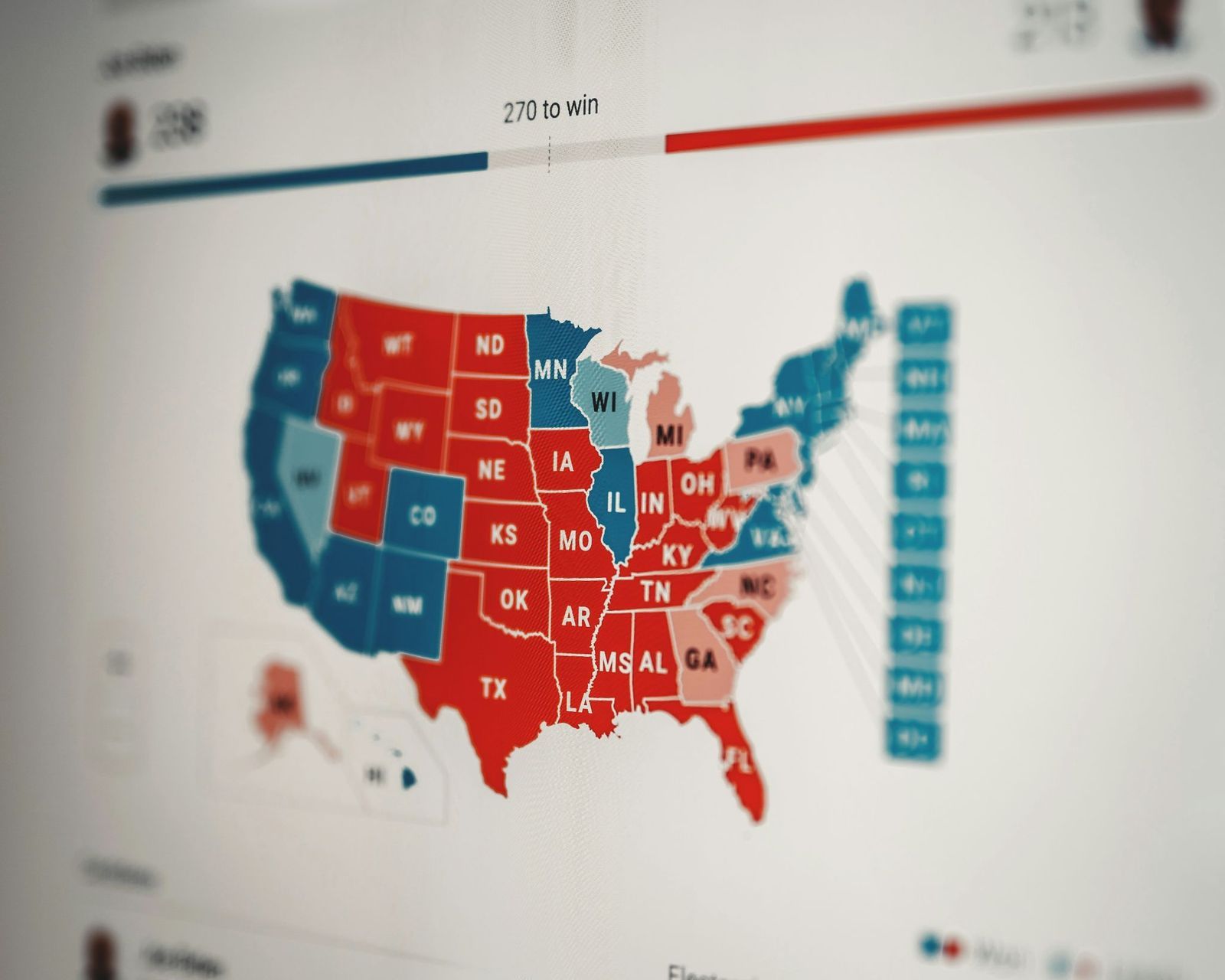
The history of political colors in the U.S. is fairly recent —the red-blue dichotomy was formally established during the 2000 presidential election— but no less important or symbolic. It does, however, stand out from the political use of color in other parts of the world where —leaving specific color associations aside— red is often tied to left-wing ideologies, and yellow (not blue) is the color associated with liberalism.
10
Football

Why is America the only country that uses the name football for a sport that is not soccer? The English are to blame here. In the 19th century, football was used for many different sports, among them Rugby football, Association football, and Gridiron football. Association football, also called assoccer (and later, soccer), became extremely popular in England, while Gridiron became popular in America. While the English ultimately decided to use football for Association football, Americans had already identified that word with Gridiron football, so they adopted soccer as the alternative.