History History 6 min read

The forgotten seconds in command

How long did it take for a Vice President to be charged with a felony?

Image: Brandon Mowinkel

How many vice presidents do you remember? We know that several presidents served initially in the number two role, and that a few of them had to step up to the presidential office due to death or resignation. But beyond that, what else is there to know? Well, many things, but we’ll stick to unusual facts and circumstances. Which one was accused of murder? Why are they called Veep? Were they always chosen by their party? Let’s dive into some interesting Vice Presidents of the U.S.

1
The criminal Veep
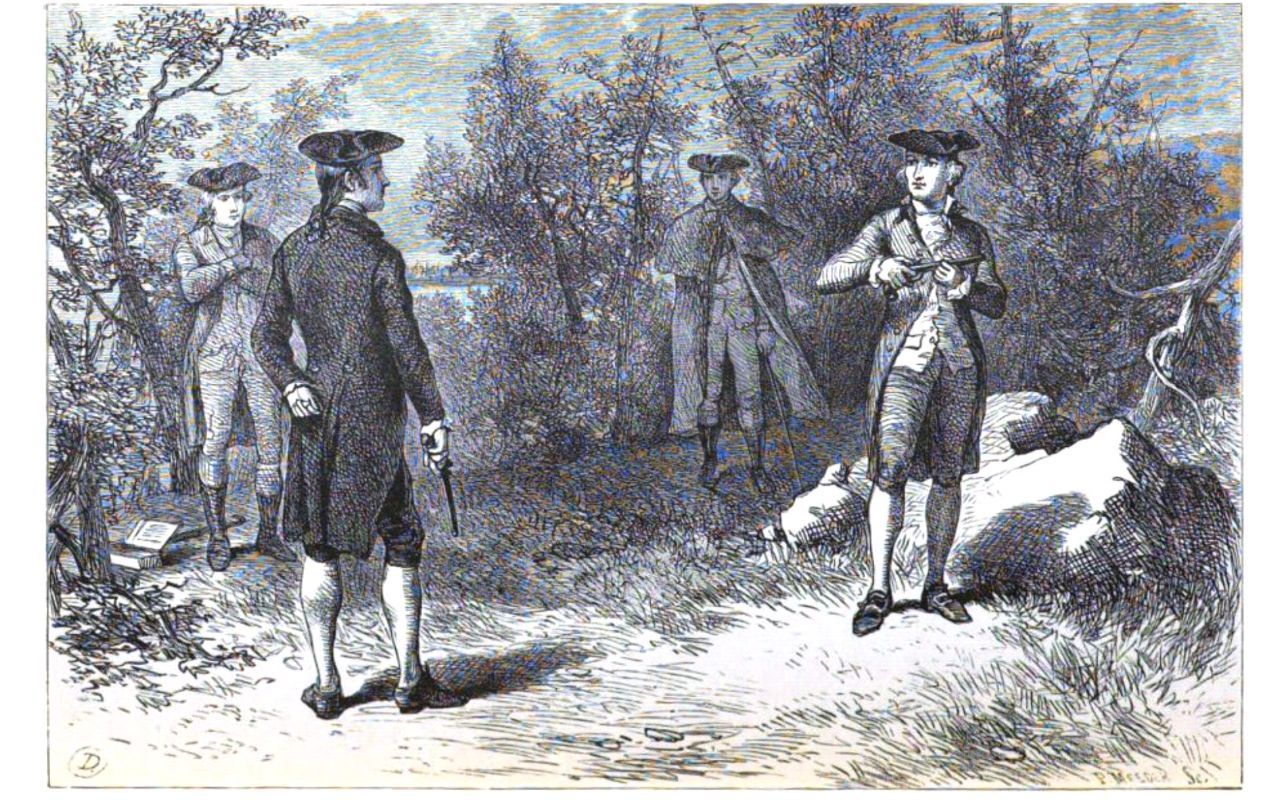
Image: See page for author, Public domain, via Wikimedia Commons

America never lacked politicians who were suspected criminals —vice presidents included— but not every day is the second most important person in the nation formally accused of murder. It is a known fact that Aaron Burr, America’s third vice president, fatally shot founding father Alexander Hamilton in a duel in 1804. What many don’t know is that he was formally indicted for that murder in New York and New Jersey , but he fled to South Carolina and never stood trial, and the charge was eventually dropped. He was also accused of treason, but we can’t say that he was unique among politicians in that sense.

2
The first Veep that was actually elected
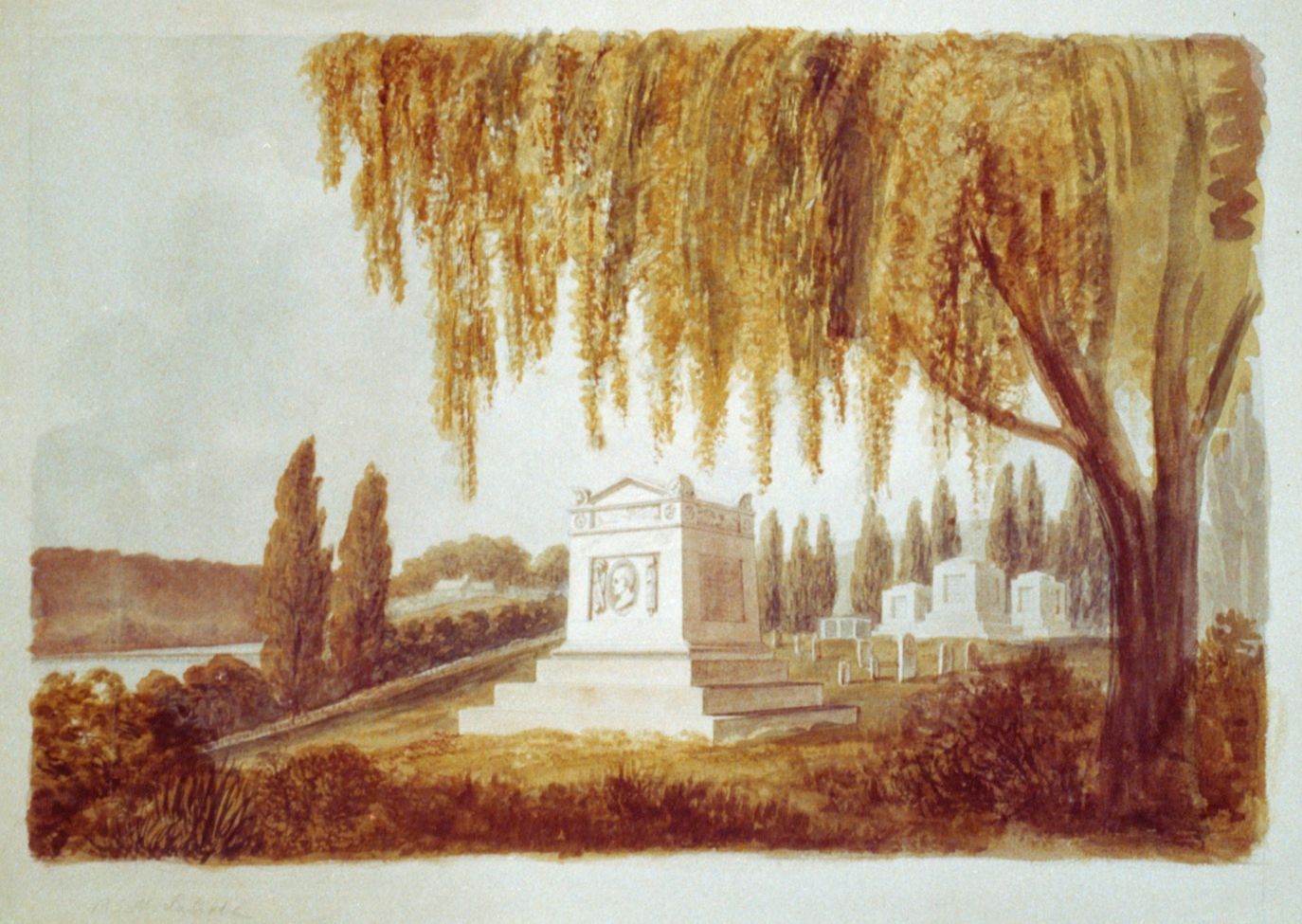
Image: Benjamin Henry Latrobe, Public domain, via Wikimedia Commons

Did you know that, in the beginning, vice presidents were not elected as running mates of a presidential candidate? For the first three presidencies, the position was filled by the runner-up, which created endless conflicts. After all, who wants to work with the guy who beat you? After Thomas Jefferson struggled to govern with Aaron Burr as his second, he pushed for the 12th Amendment, which allowed vice presidents to be elected on their own . For his next term, Jefferson chose George Clinton as running mate —not only because he was popular, but also because his age (65 years old) made it unlikely that he would challenge Jefferson’s successor, James Madison, for the presidency. In the end, Jefferson didn’t have to worry about it because Clinton was the first vice president to die while in office in 1812.

3
The unelected Veep
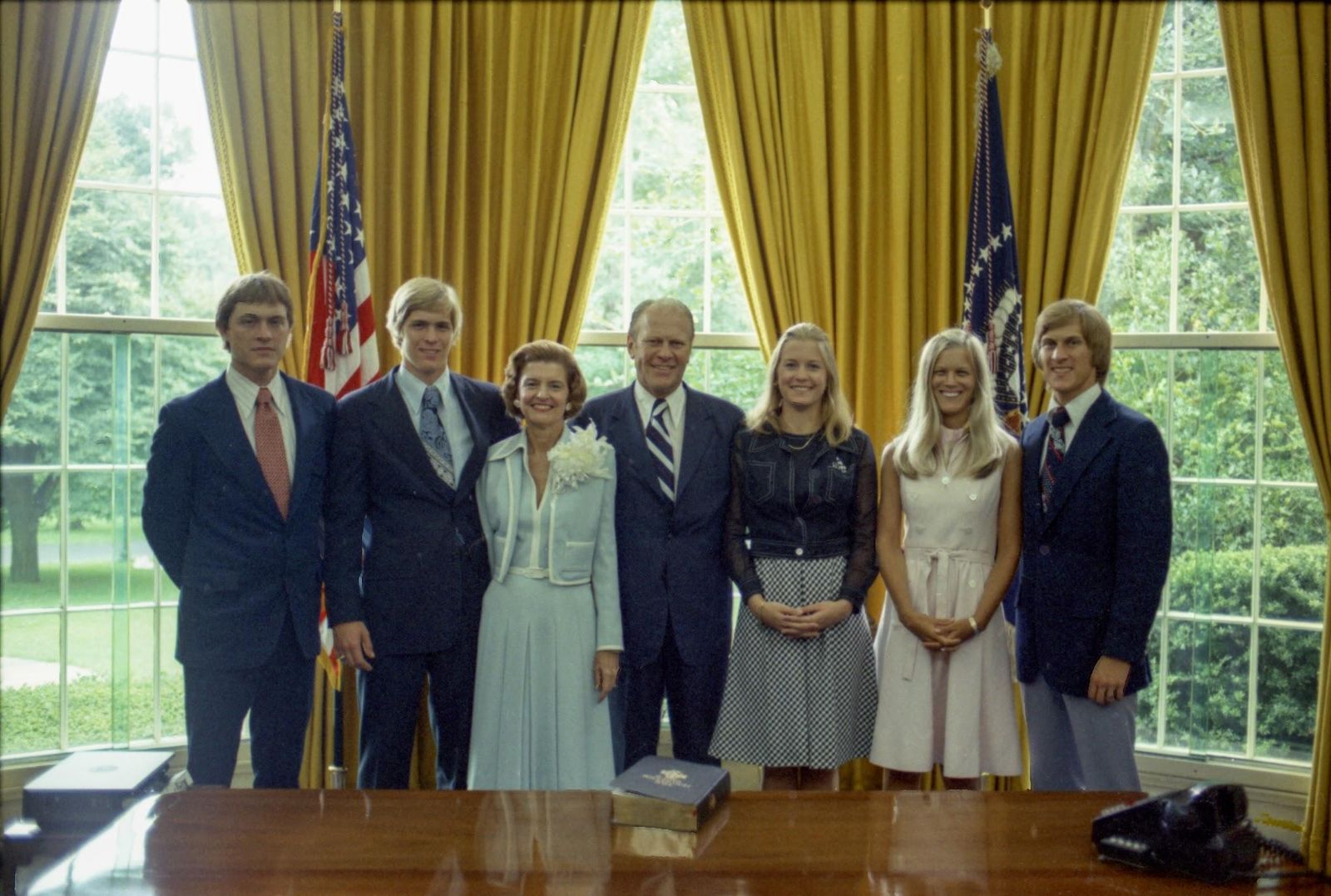
Image: White House, Public domain, via Wikimedia Commons

In 1973, Vice President Spiro Agnew resigned under accusations of corruption. The newly ratified 25th Amendment stated that the president, Richard Nixon, had to nominate someone for the position, to be later ratified by Congress. He chose Gerald Ford, at the time the House Minority Leader , and widely respected by his peers. Less than a year later, Nixon was forced to resign due to the Watergate scandal, and Ford assumed the presidency, making him the only vice president and president who was not elected.

4
The first Veep to have a ‘Second Gentleman’
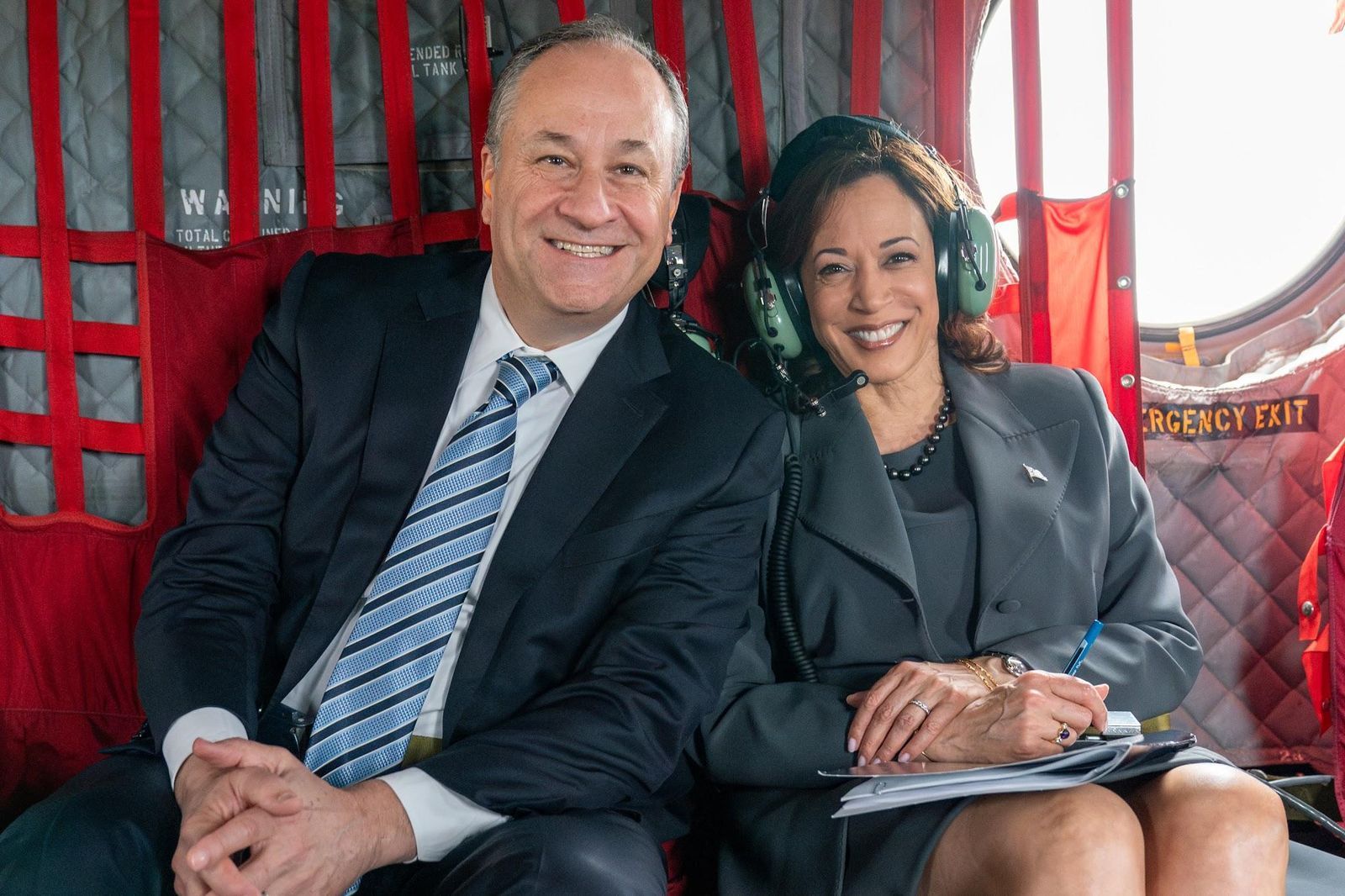
Image: The White House, Public domain, via Wikimedia Commons

We’ve had many memorable First Ladies in our history, but, seeing that we never had a female President, we don’t know what that role would look like in a reversed situation. But what about a Second Gentleman? In 2021, Kamala Harris was the first woman to serve as Vice President, and her husband, Doug Emhoff, became the first ‘Second Gentleman’ of the nation , which meant that the acronym for the position (SLOTUS) had to be updated to SGOTUS.

5
The first Veep to be a proper Veep
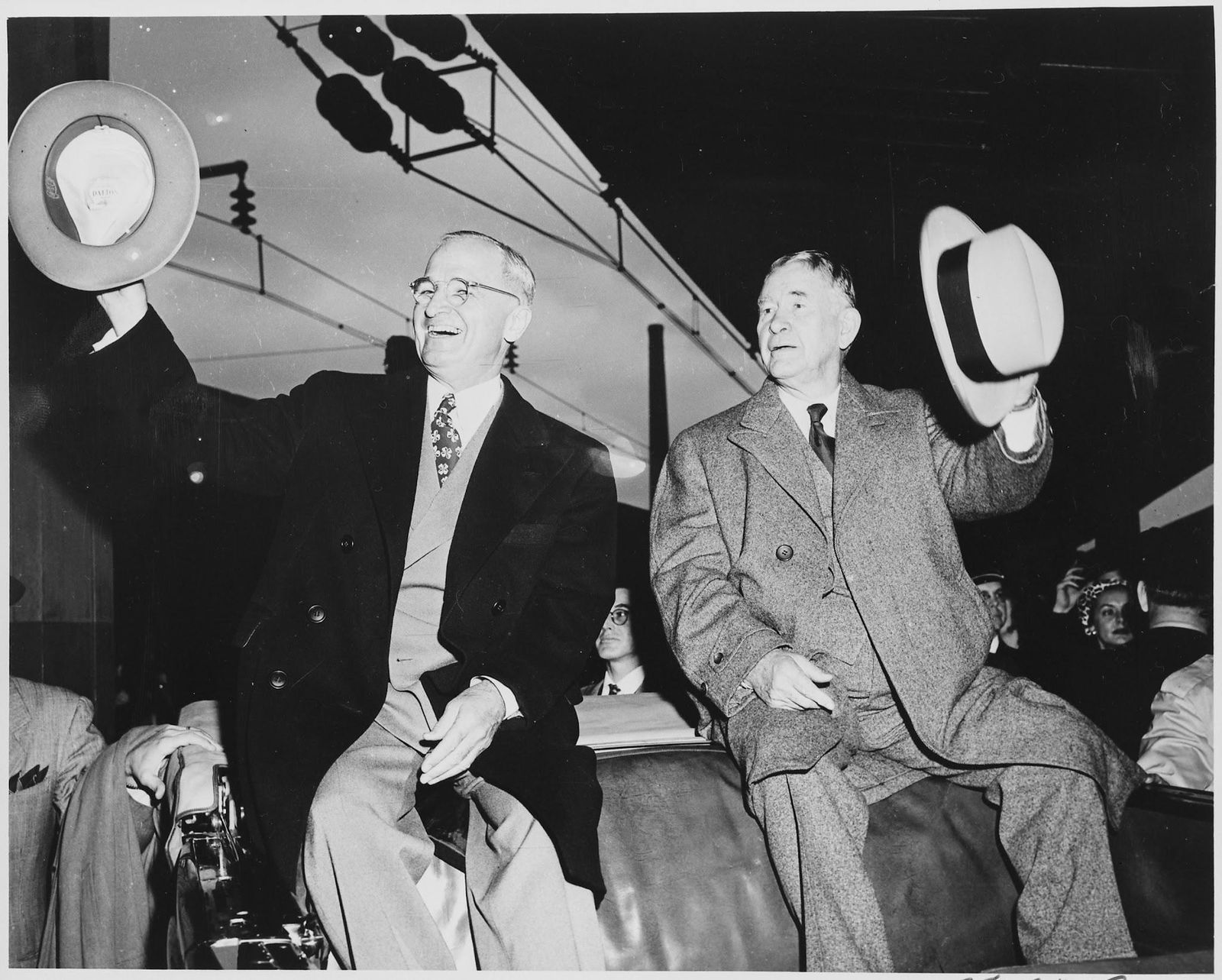
Image: Abbie Rowe, Public domain, via Wikimedia Commons

Where does the use of "Veep" for vice president come from? In 1949, Alben W. Barkley was elected as VP under President Harry S. Truman. Barkley thought that ‘Mr. Vice President’ was a mouthful, and it sounded too formal. His grandson suggested the term Veep (after the VP initialism) , which became popular when Barkley told the story to the press. Although the following vice president, Richard Nixon, refused to use the term out of respect for Barkley, it has become the common phrase used to informally refer to vice presidents.

6
The shortest Veep-to-President pipeline
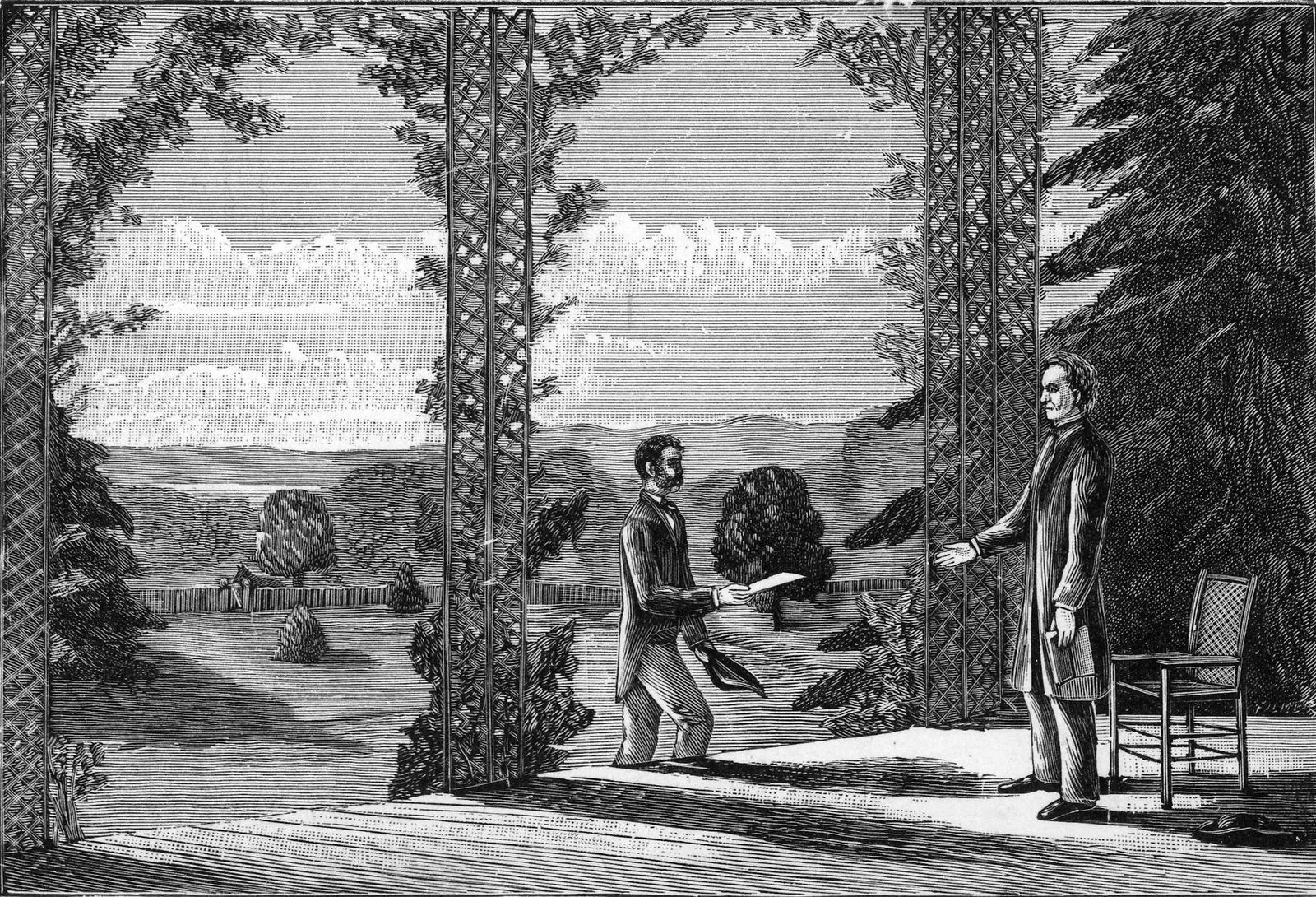
Out of the fifteen vice presidents to later become president, nine of them did so due to the president dying or resigning. The 10th Vice President, John Tyler, was not only the first Veep to assume the role after the President’s death, but also the Veep with the shortest tenure in American history. After only 31 days in office, in 1841, he became president due to the passing of William Henry Harrison , setting the precedent that vice presidents who assumed the presidency were official and not just acting presidents.

7
The first Veep to live at Number One Observatory Circle
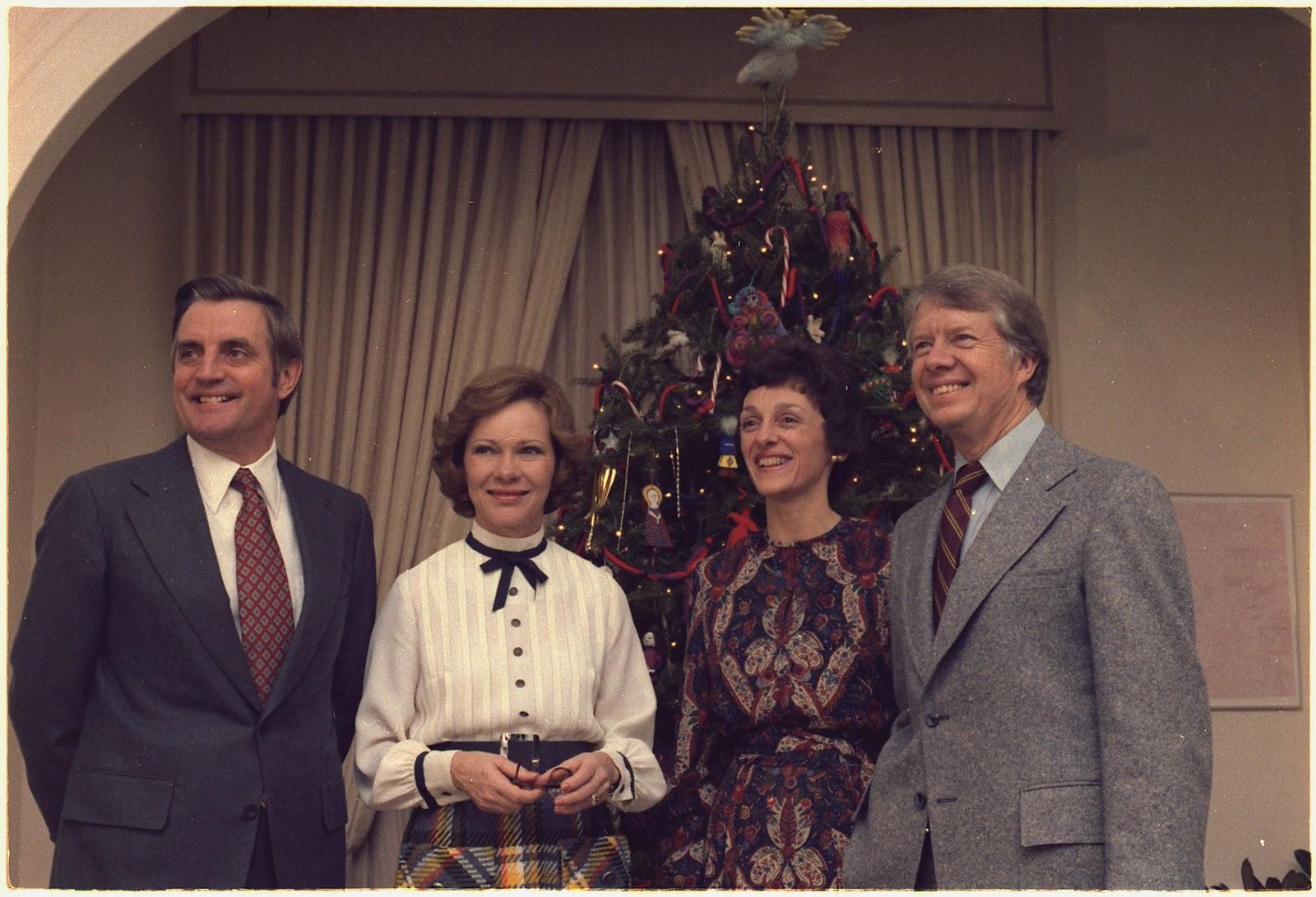
Image: National Archives and Records Administration, Public domain, via Wikimedia Commons

Unlike presidents, vice presidents didn’t always have an official residence. Up until 1974, when Congress designated Number One Observatory Circle as the official residence of the vice president , Veeps lived in their own houses. At the time, Vice President Nelson Rockefeller refused to move in and only used the house for entertaining guests. Walter Mondale was the first vice president to officially move in with his family in 1977.

8
The Veeps that had to step down
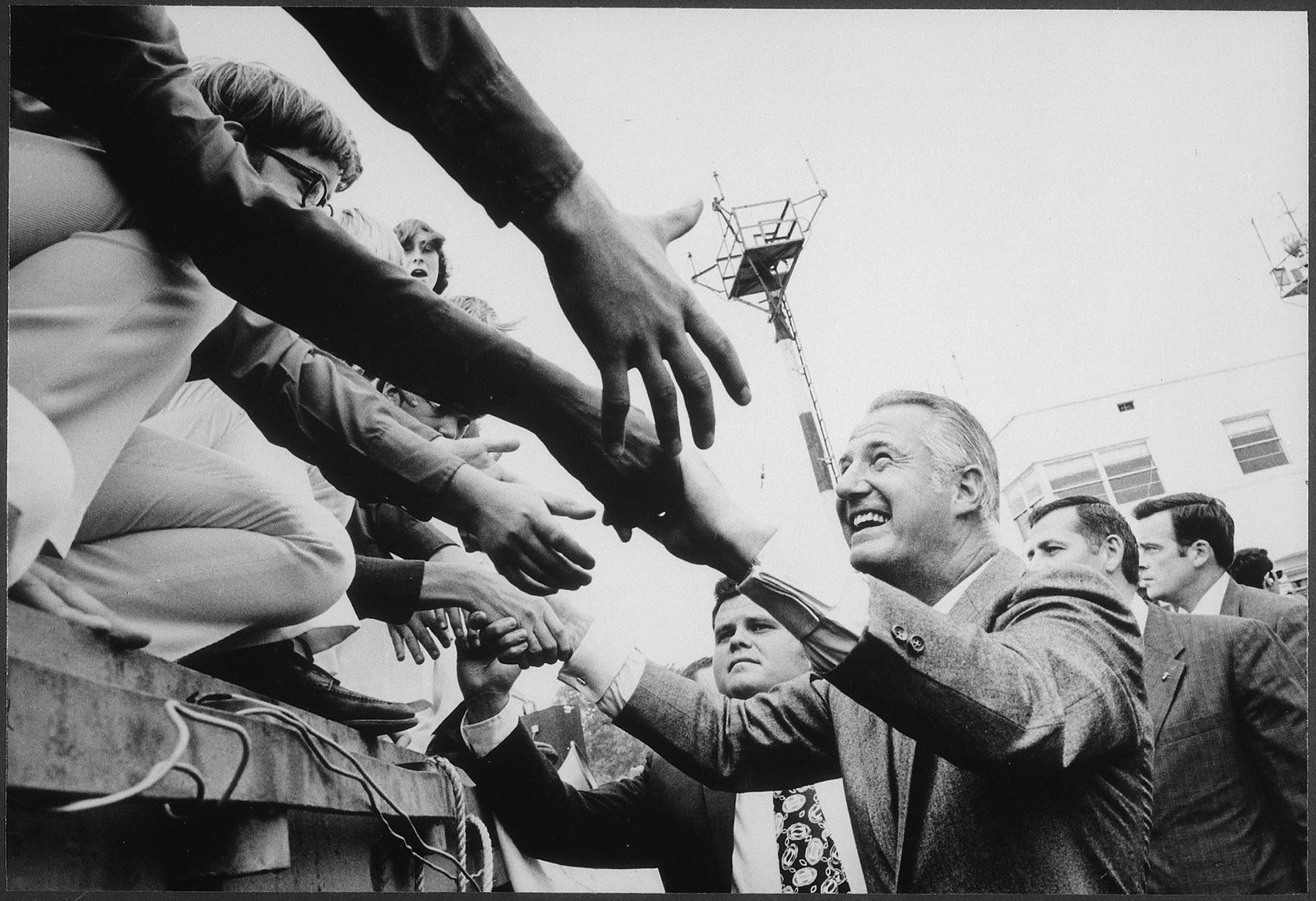
Image: Karl Schumacher, Public domain, via Wikimedia Commons

Only two out of the 50 vice presidents in American history resigned their position. In 1832, Andrew Jackson’s vice president, John C. Calhoun, resigned during his second term to accept a seat in the Senate after a series of political differences with Jackson. In 1973, Spiro Agnew was accused of corruption and bribery , and charged with tax evasion. He resigned and pleaded no contest to the charges. His President, Richard Nixon, would also resign less than a year later.

9
The Nobel Veeps
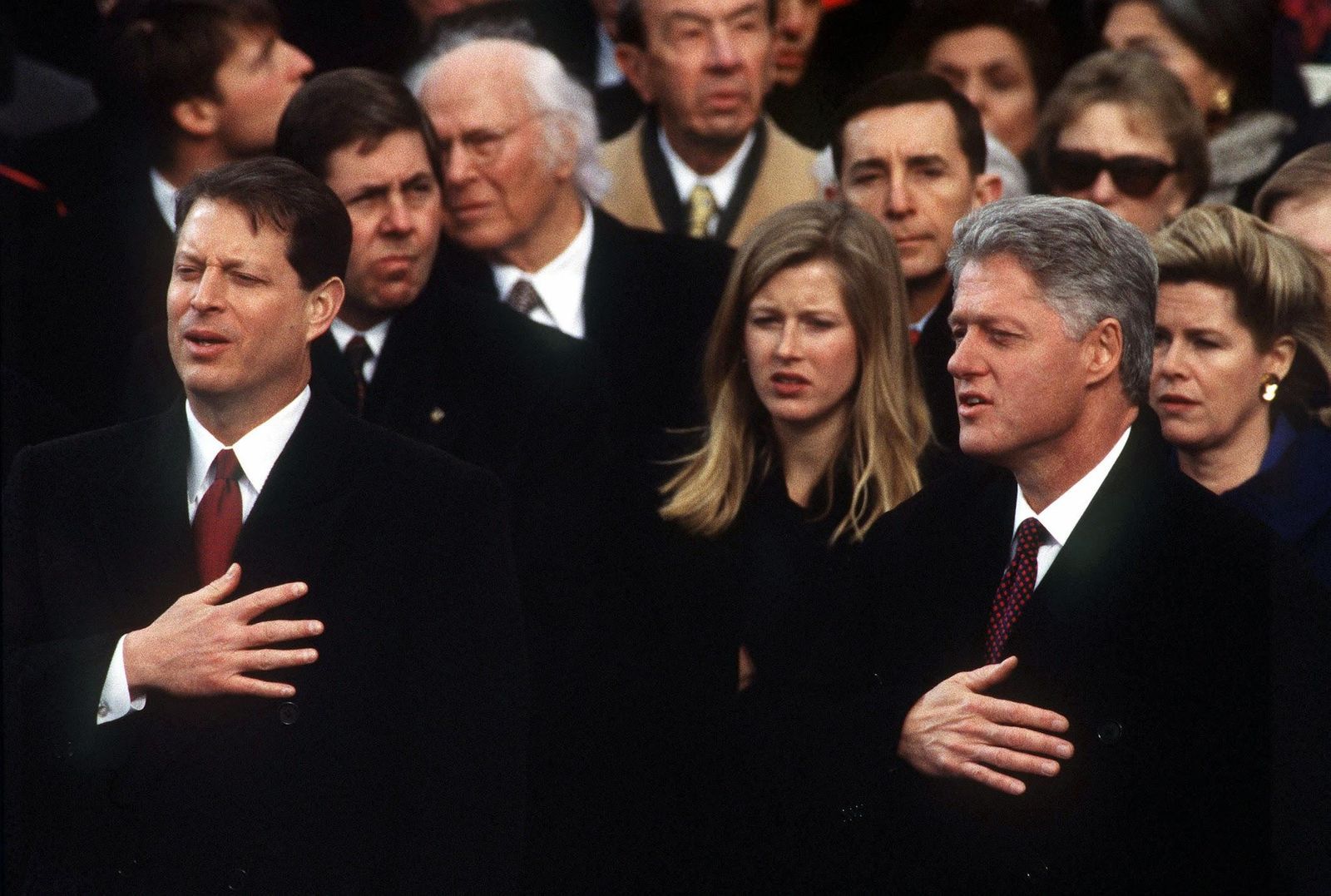
Image: MSGT Fernando Serna, USAF, Armed Forces Inaugural Committee, Public domain, via Wikimedia Commons

Only two vice presidents were awarded the Nobel Peace Prize: Charles G. Dawes received the prize in 1925 for the "Dawes Plan", an initiative to stabilize the German economy after WWI , while Al Gore received it in 2007 —jointly with the Intergovernmental Panel on Climate Change— for his efforts towards the conscientization of man-made climate change . Some also include Theodore Roosevelt in this list on account of his having served as vice president, but at the moment of receiving the prize in 1906, he was serving his second term as president.

10
The youngest and oldest Veeps
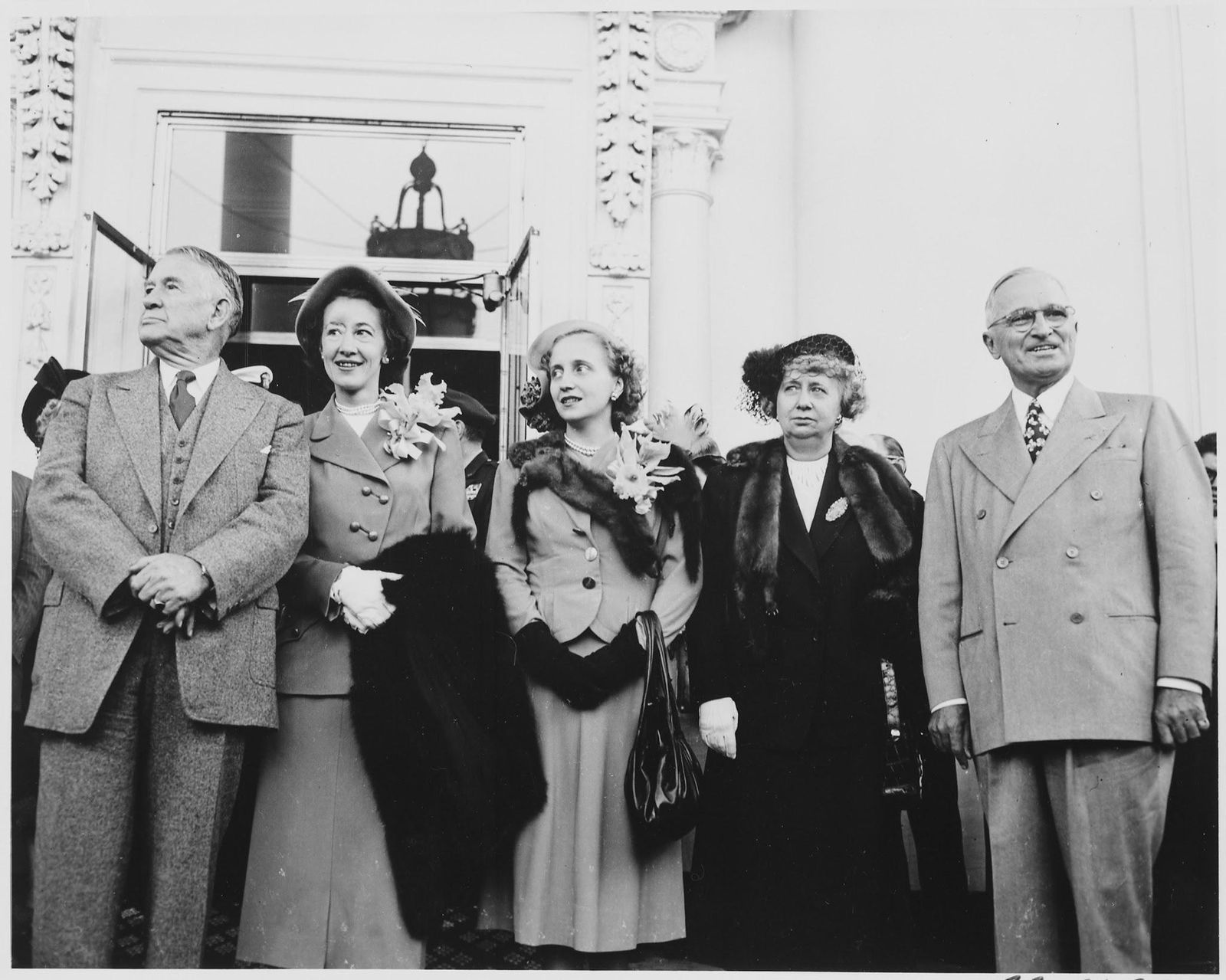
Image: Abbie Rowe, Public domain, via Wikimedia Commons

According to the Constitution, the minimum age requirement for the vice president is 35 years old. The youngest ever vice president in office was John C. Breckinridge at 36 years old , serving under James Buchanan in 1857, followed by Richard Nixon and J.D. Vance, who both assumed the role at 40 years old. The oldest vice president to take office was Alben Barkley, who in 1949 served under Harry S. Truman at 71 years old , followed by Charles Curtis at 69 years old, and Hubert Humphrey at 67 years old.

General General 3 min read

Behind the columns

White House tea: Did you know Madison moved out and never came back?

Image: Nils Huenerfuerst

The White House may be the most famous home in America, but even if you’ve toured it or seen it in dozens of movies, there’s still plenty you probably haven’t heard. Tucked behind those white columns and sprawling lawns are fascinating facts, quiet quirks, and little-known stories that go beyond the textbooks. Whether you're a history buff, a trivia lover, or just curious, these 12 facts about the White House might just surprise you.

1
Rebuilt from the ashes

Image: Edward Kucherenko

When the British set fire to the White House in 1814, it didn’t just singe a few curtains; it gutted the place. Enter James Hoban, the original architect, who was brought back to restore what had been lost. It was a second chance for the home he first designed, and he saw it through with grit and style.

2
Madison moved out and never came back

Image: Carlos Derecichei

You might have worried about the house. But what about the people inside? Well, after the fire, President James Madison packed up and never returned to the rebuilt White House. By the time it was ready again, he was on his way out of office. The next tenant, James Monroe, received the keys to the newly renovated executive mansion.

3
Once the biggest house in America

Image: René DeAnda

Believe it or not, the White House was once the largest home in the entire country. That might sound quaint now, we know, but back in the early 1800s, a residence with 132 rooms was as grand as it got. It’s safe to say the neighbors were impressed.

4
This place is no modest cottage

Image: Michael Schofield

In case you’re wondering just how big the White House really is, it stretches roughly 168 feet long and 85 feet wide. On the south side, it rises 70 feet tall; on the north, 60 feet and change. A serious house for serious business.

5
It sits on a whole lot of lawn

Image: J. Amill Santiago

The next time you're mowing the yard and feeling proud of your quarter acre, consider this: the White House grounds cover a whopping 18 acres. That’s plenty of room for garden parties, Easter egg rolls, and even the occasional helicopter landing.

6
Truman’s big job

Image: Milivoj Kuhar

By the late 1940s, the White House was falling apart—you know, creaking floors, sagging beams, and some serious plumbing problems. President Harry S. Truman had the entire interior ripped out and rebuilt. The exterior stayed the same, but inside? It was practically a brand-new house hidden behind historic walls.

7
There’s a bunker down below

Image: Lukáš Lehotský

Tucked underneath the East Wing is the Presidential Emergency Operations Center, or PEOC. Built during WWII, it's the secure location presidents go to in times of crisis. It’s strictly off-limits to the public—and no, it’s not a James Bond villain lair, but it’s movie-worthy for sure!

8
There’s a secret Oval Office exit

Image: Donghun Shin

Behind what looks like just another panel in the Oval Office, there is a secret door that leads to a private hallway. President Franklin D. Roosevelt used this discreet passage to come and go without fanfare. We don’t know about you, but oh, the money we would pay to take a look at it!

9
Lincoln’s ghost still makes the rounds

Image: Girma Nigusse

You may not believe in ghosts, but plenty of people (including presidents and White House staff) have said they’ve seen or felt Abraham Lincoln’s presence in the White House. His old bedroom seems to be the hot spot. Some say he’s still keeping an eye on the place.

10
A hidden treasure trove of gifts

Image: Tomasz Zielonka

Foreign leaders bring all sorts of gifts when they visit the White House—from art and artifacts to, back in the day, even exotic animals. Many of these items end up tucked away inside the residence, far from public view. It’s like a museum without the tour guide.

General General 4 min read

Made in the U.S.A.

Are you familiar with these 10 iconic American car brands?

Image: Brett Sayles

America lovers cars. And cars love America. Its infinite roads and vast landscapes are the perfect environment for a four-wheeled vehicle to thrive in. From historic brands still alive and kickin’, like Ford, to new and disrupting players like Tesla, or the gone but not forgotten, like Oldsmobile, this list showcases ten examples of what America’s car industry can produce. Have you ever driven any of these brands?

1
Ford

Image: Ross Sokolovski

What is to say about Ford that hasn’t been said already? This omnipresent American car brand, founded by Henry Ford in 1903, is popularly known as the auto manufacturer responsible for putting America on wheels. Ford’s first car, the Model A , was assembled at a plant in Detroit.

The Model T was an affordable, reliable, and efficient vehicle . Within 10 years, half the cars in America were Model T’s. Ford created the world’s first moving assembly line for cars, which would change the industry forever. This invention allowed the company to produce one Model T in under thirty seconds.

2
Chevrolet

Image: Gary Sandoz

Another legendary brand, Chevrolet was founded in 1911, in Detroit, Michigan, by Louis Chevrolet and William C. Durant. Chevrolet introduced its first model, which was the Series C Classic Six and almost three thousand cars were sold the first year.

Chevrolet produced its one-millionth vehicle in the 1920s. In the late 1920s, Chevrolet surpassed Ford in sales, becoming the top seller of both cars and trucks. This position for first place went back and forth between the two brands over the years.

3
Jeep

Image: Kenny Eliason

A brand that was born strong, Jeep vehicles were first used in World War II as a reliable ride and then slowly made their way into the American non-military market. This brand is dubbed as a "Go anywhere, Do anything" kind of vehicle, owing to its sturdy frame and powerful engine.

Nowadays Jeep is popular among off-roaders and has several classic models in its roster, including the Wrangler, Cherokee, and Grand Cherokee, among others.

4
Dodge

Image: Dan Gold

Believe it or not, Dodge was a bicycle maker before being a car maker . The brand, established in 1900 dealt with bicycles in the first place and then started supplying car parts before deciding to get into the production of vehicles in 1914.

In the early 1920s, after the original founders passed away Chrysler bought the brand and continued producing successful cars, among them, the Ram, the Charger, the Caravan, and many others.

5
GMC

Image: todd kent

Another hugely successful American brand is GMC. The General Motor Truck Company came into existence in 1911. Over the years, the company started manufacturing large powerful vehicles including SUVs, vans, and a massive range of trucks. Popular GMC models include Acadia, Canyon, Sierra, Sienna, and Yukon among others.

6
Cadillac

Image: Sidney Pearce

The most famous luxury car in America, Cadillac owes its name to Antoine Laumet de La Mothe Cadillac, a French adventurer who discovered the city of Detroit. Believe it or not, passenger seats and an enclosed cabin were introduced for the very first time by Cadillac because, well, that was considered a luxury back then.

Some famous Cadillac car brands include the Camaro, Silverado, Tahoe, and Impala, among others.

7
Lincoln

Image: Arvin Dale

Other than Cadillac, most people would say Lincoln if asked for a luxury car brand, since this company is also a pioneer in this segment. This popular American car manufacturer started making luxury vehicles in 1917, at a time when the concept was not affordable for many.

Some classic Lincoln cars that are timeless to date include the Zephyr, the Town Car, the Mark LT, and the Navigator SUV. The latest SUVs popular among car enthusiasts include the Nautilus, MKC, Aviator, and Lincoln Corsair.

8
Tesla

Image: Tesla Fans Schweiz

Not many car brands have become so iconic in as few years as Tesla has and there is a simple reason for this: this American car brand revolutionized regular automobiles and made them electric . It had been done before, yes. But not with this level of success.

Tesla is a pioneer in reducing the carbon footprint of the environment with its electric vehicles. Many auto manufacturers are now following in Tesla’s footsteps. The revolutionary company unveiled its first creation called the Tesla Roadster in 2008.

9
Buick

Image: Mohammad Hoseini Rad

Buick is one of the oldest automobile brands in the world, having been founded in 1899. The company has a long history of producing high-quality, luxury, and performance-oriented vehicles and has been a part of General Motors since 1908.

In recent years, Buick has seen a decline in sales in the United States and has focused on the Chinese market where the brand has experienced success. Buick has shifted its focus towards producing more crossover and SUV models to meet the demand for larger vehicles in the current market.

10
Oldsmobile

Image: Hombre

Honoring its name, Oldsmobile, like the aforementioned Buick, was one of the oldest automobile brands in the United States, being founded in 1897. It initially gained popularity through innovations such as the first mass-produced car and the first automatic transmission.

In the mid-20th century, it was known for its performance and style, being a public favorite. However, by the late 1990s, Oldsmobile’s sales began to decline, leading to its discontinuation in 2004 as part of General Motors’ restructuring.

Explore more American facts

Choose your favorite category!

General
General

As American as apple pie—the very best America has to offer!

Culture
Culture

Delve into the astounding richness of American lore.

Geography
Geography

Hop in and explore vast and diverse American landscapes.

History
History

Discover the key moments that shaped the United States.