General General 4 min read

Facts to make up your mind

Is living near a data center good or bad? 12 facts to make up your mind
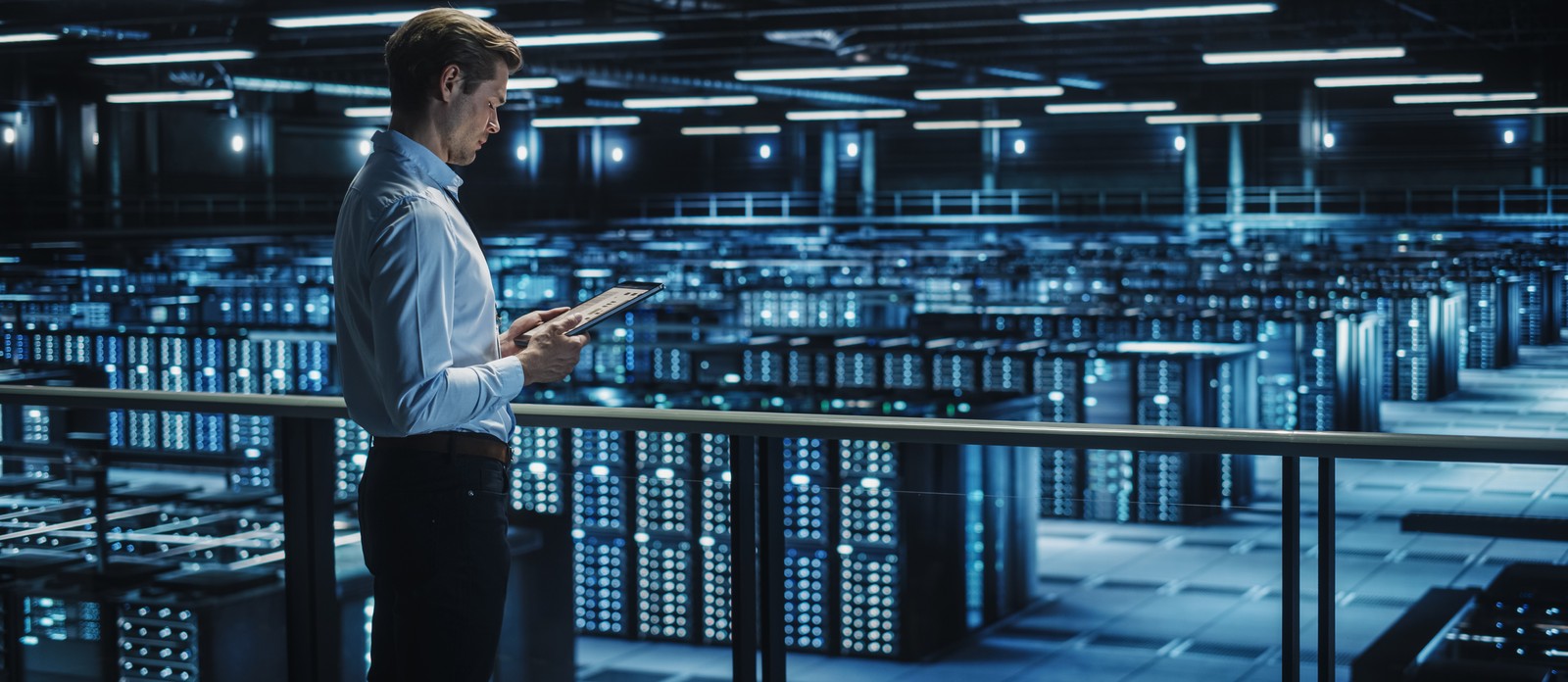
Image: Gorodenkoff

Nearly everything you do online depends on data centers. Let that sink in, because it’s true. They power cloud storage, streaming, banking, shopping, artificial intelligence, and much more. As these facilities spread across the country, more people are finding themselves living nearby. Perhaps you do too. While these centers can bring economic benefits, they also raise concerns about noise, energy, and community impact. Whether you like this or not, we are not here to change your mind. But we can present six advantages and six drawbacks worth knowing about.

1
Pro: More local tax revenue

Image: Alexander Schimmeck

Data centers generate unusually large property-tax bills because they house millions of dollars' worth of servers and specialized equipment. That often makes them among the largest taxpayers in a county .

In Northern Virginia, tax revenue from data centers helps fund schools, roads, parks, libraries, and emergency services. Some counties report receiving far more in taxes than they spend on providing public services to these facilities.

2
Con: Constant noise
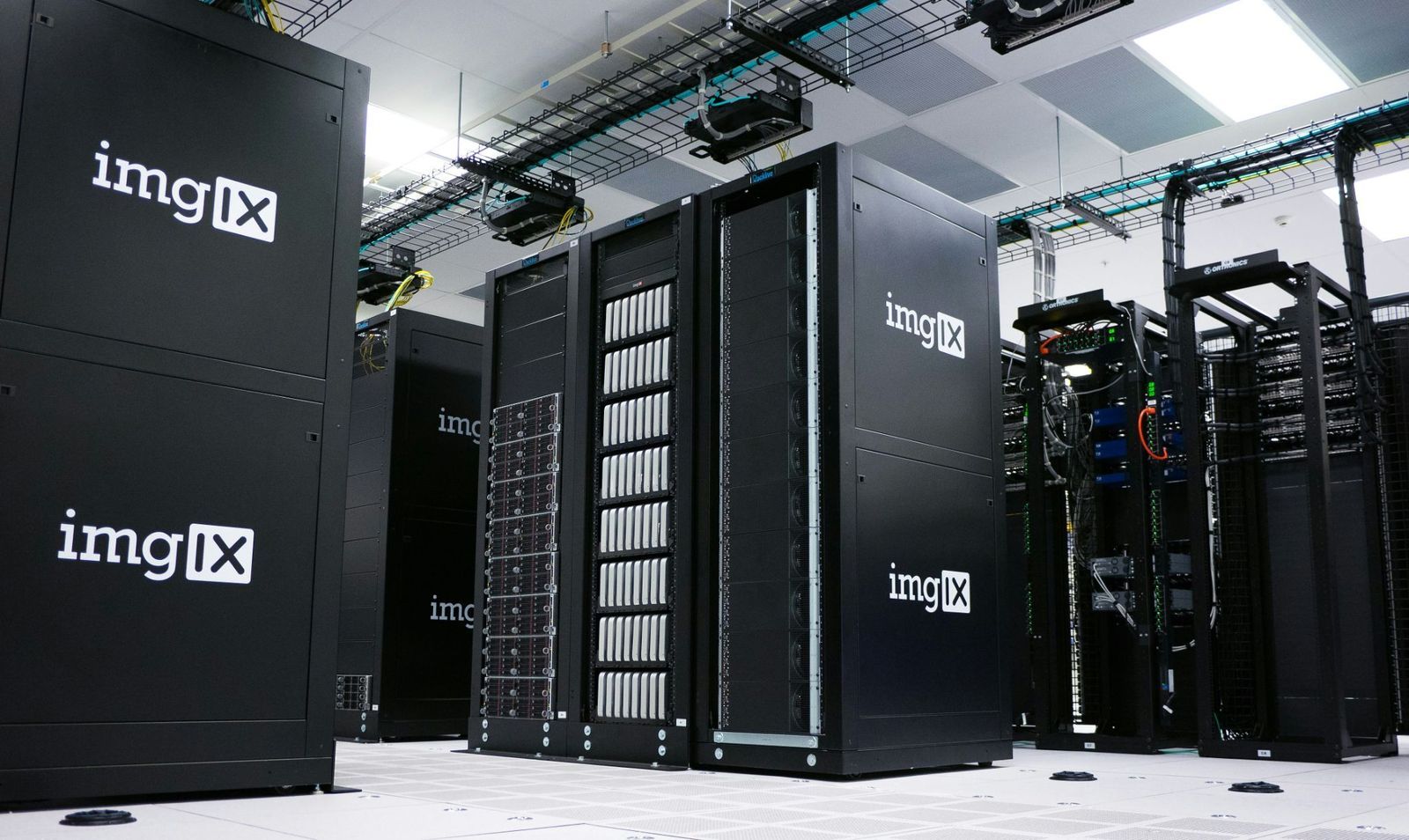
Image: imgix

Cooling equipment, ventilation systems, and electrical infrastructure operate continuously to keep thousands of servers from overheating. Together, they can produce a steady mechanical hum day and night.

Residents living closest to certain facilities have complained that low-frequency noise is noticeable even indoors , especially during quiet nighttime hours when background noise is minimal.

3
Pro: Better infrastructure investment
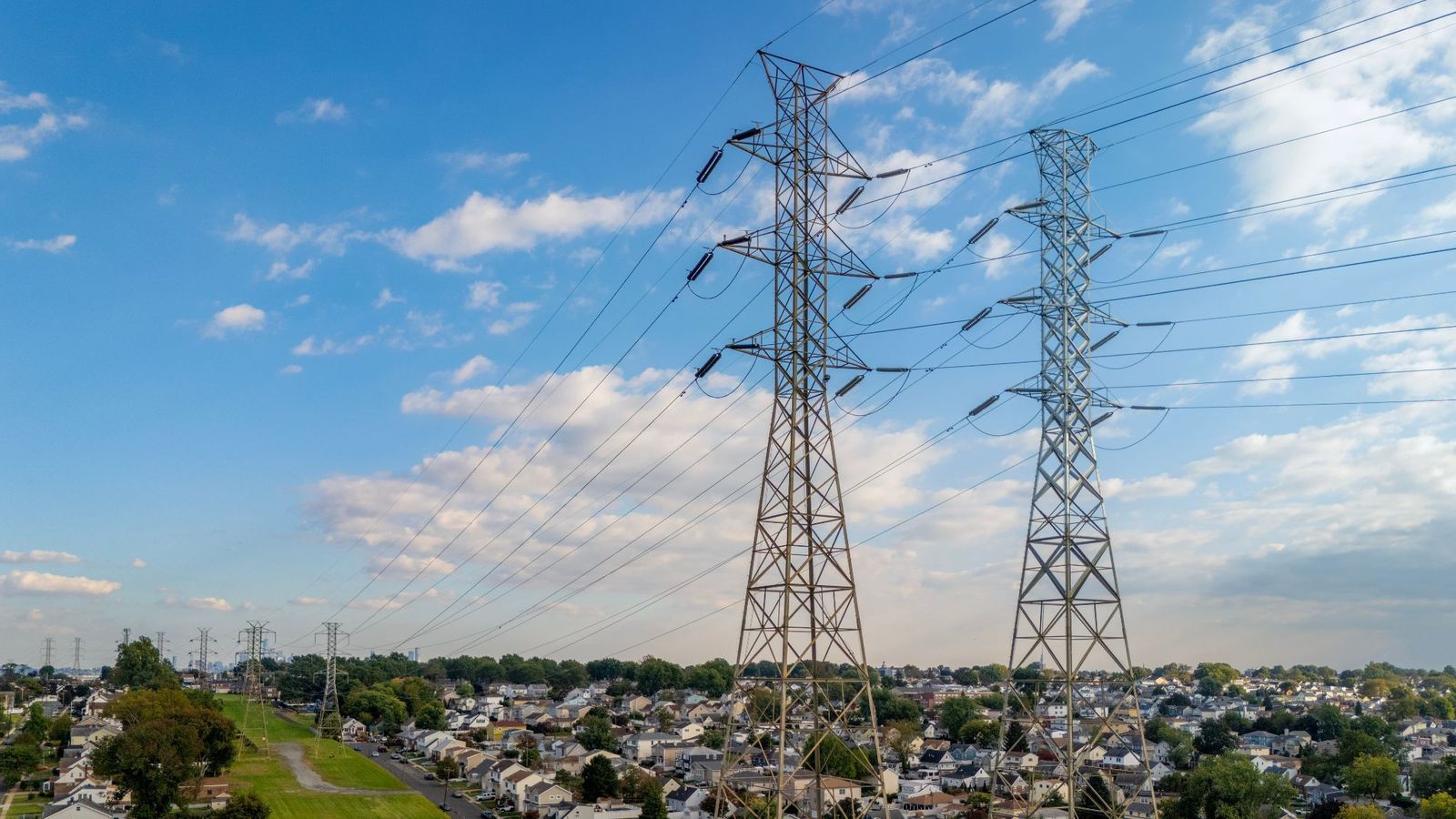
Image: BART SADOWSKI PL

Building a major data center often requires improvements to nearby infrastructure. Utilities may expand electrical capacity, while roads, substations, and water systems are upgraded before the facility opens .

Although these improvements primarily support the project itself, neighboring communities frequently benefit from stronger infrastructure that might otherwise have taken many years to receive through normal public investment.

4
Con: Massive electric consumption
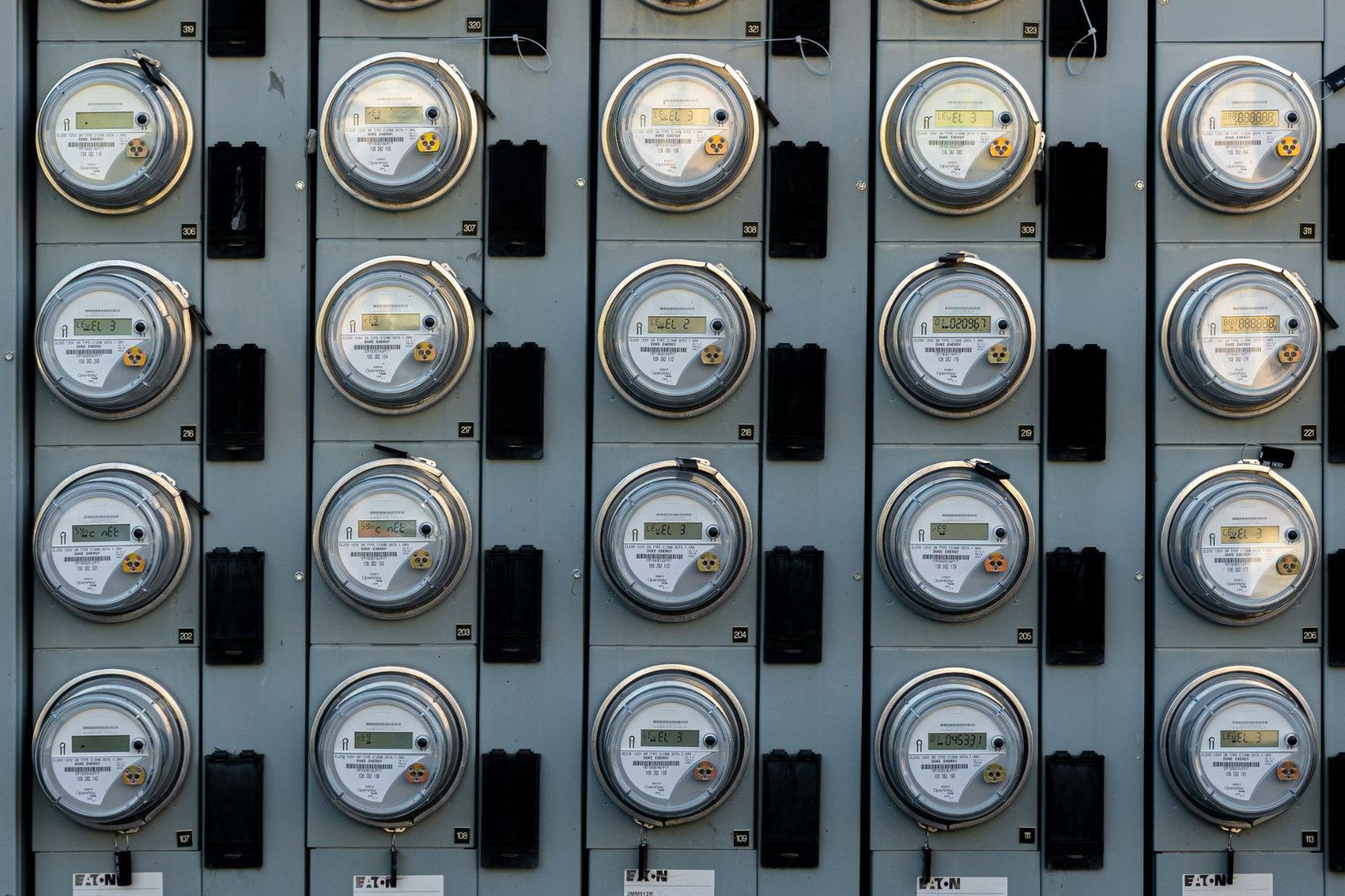
Image: Jon Moore

Modern data centers consume enormous amounts of electricity because servers run continuously while powerful cooling systems remove the heat they generate around the clock .

As cloud computing and artificial intelligence continue expanding, experts expect electricity demand from American data centers to grow rapidly, requiring utilities to build additional generating and transmission capacity.

5
Pro: Construction jobs and economic activity
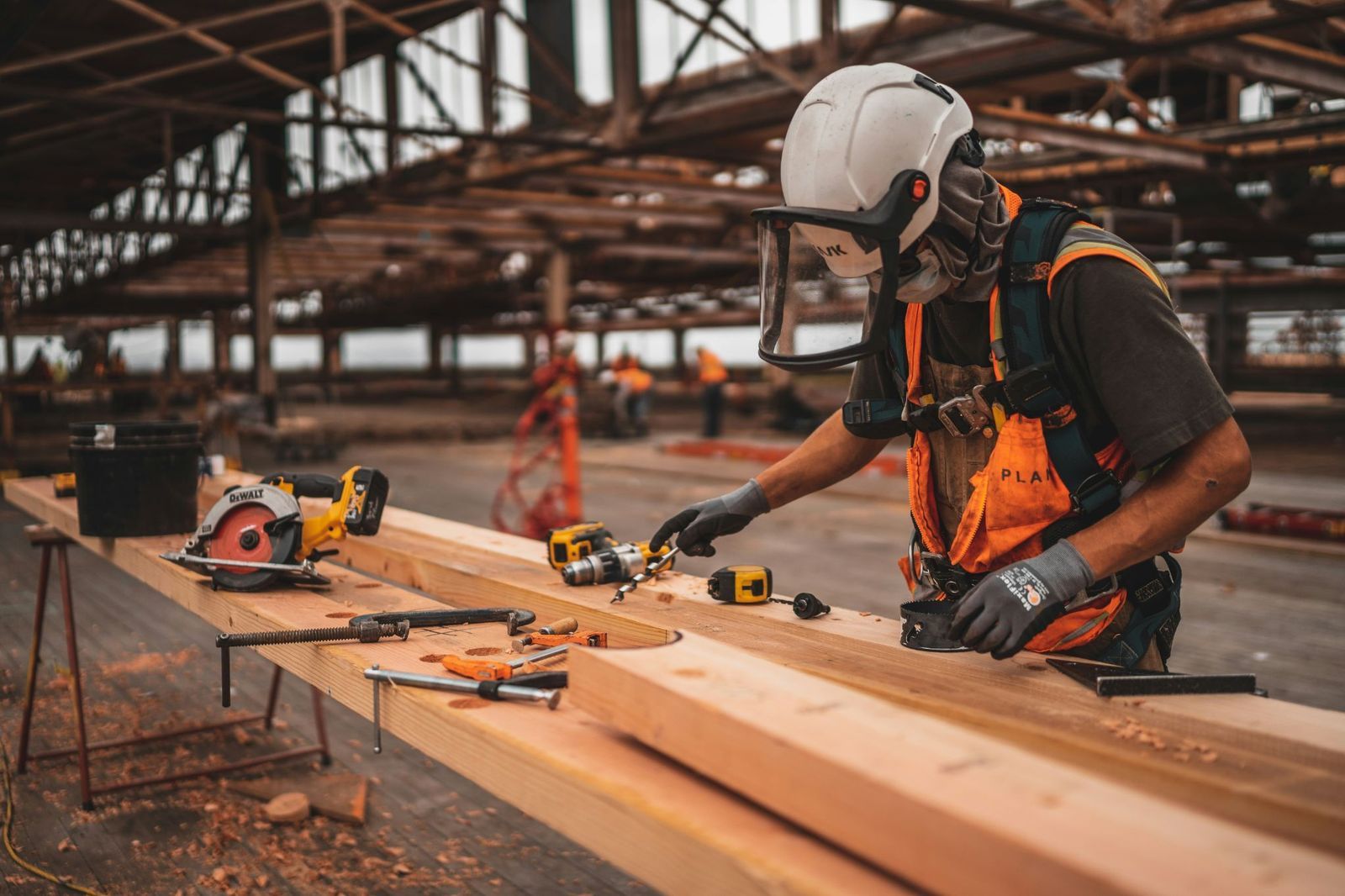
Image: Jeriden Villegas

Constructing a hyperscale data center is a massive undertaking that can last several years. Hundreds of construction workers, electricians, engineers, truck drivers, and contractors may be involved during the building phase .

The project also boosts nearby hotels, restaurants, equipment suppliers, and local businesses serving the temporary workforce. Much of this economic activity occurs before the facility even begins operating.

6
Con: High water use
Image: Daniel Sinoca

Many facilities use water-based cooling systems to improve efficiency, particularly during hot weather. Depending on the technology used, consumption can be significant throughout the year .

This has become a growing concern in drought-prone regions, where residents and local officials debate whether expanding technology campuses should compete with other important community water needs.

7
Pro: Some permanent high-paying jobs

Image: ThisisEngineering

Once completed, data centers require technicians, network specialists, electricians, maintenance engineers, and security staff to keep operations running around the clock without interruption.

Although permanent staffing is relatively small, many of these technical positions pay well above average local wages and can help attract additional technology companies to the surrounding area.

8
Con: Large, industrial-looking buildings
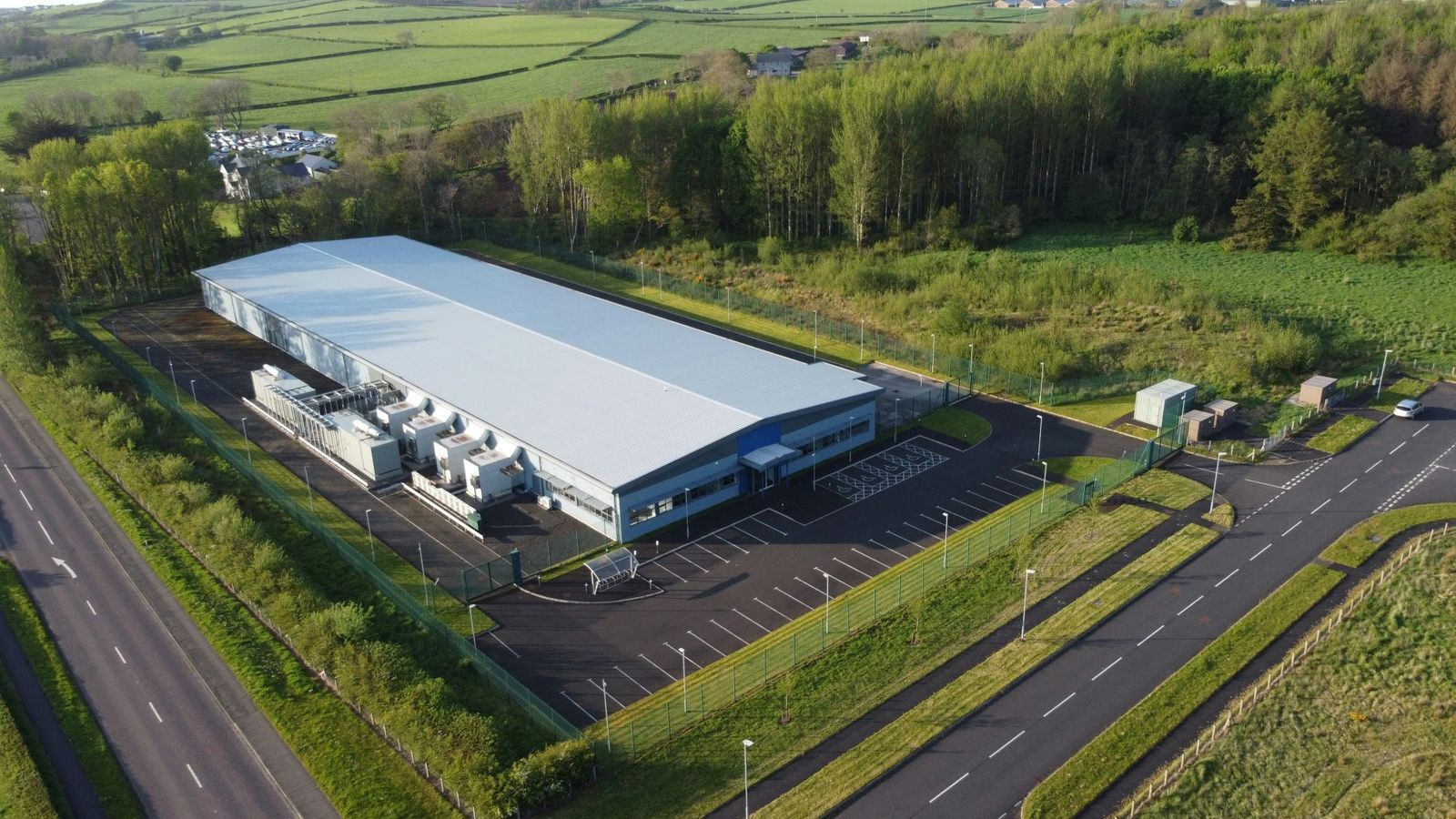
Image: Geoffrey Moffett

Most data centers are designed for function rather than appearance. They are typically large, windowless buildings surrounded by fences, cooling equipment, substations, and security systems.

Even with landscaping, these facilities often resemble industrial warehouses . Some residents worry they will permanently change the character of suburban neighborhoods or previously rural communities.

9
Pro: potential property-value gains in some markets

Image: Artful Homes

The effect on nearby home values varies from one community to another. In some growing technology regions, new investment has coincided with rising demand for housing and stable property prices .

Researchers caution that there is no universal rule. Local planning, neighborhood design, and overall economic growth all influence whether nearby homeowners ultimately benefit from higher property values.

10
Con: Limited long-term employment relative to their size
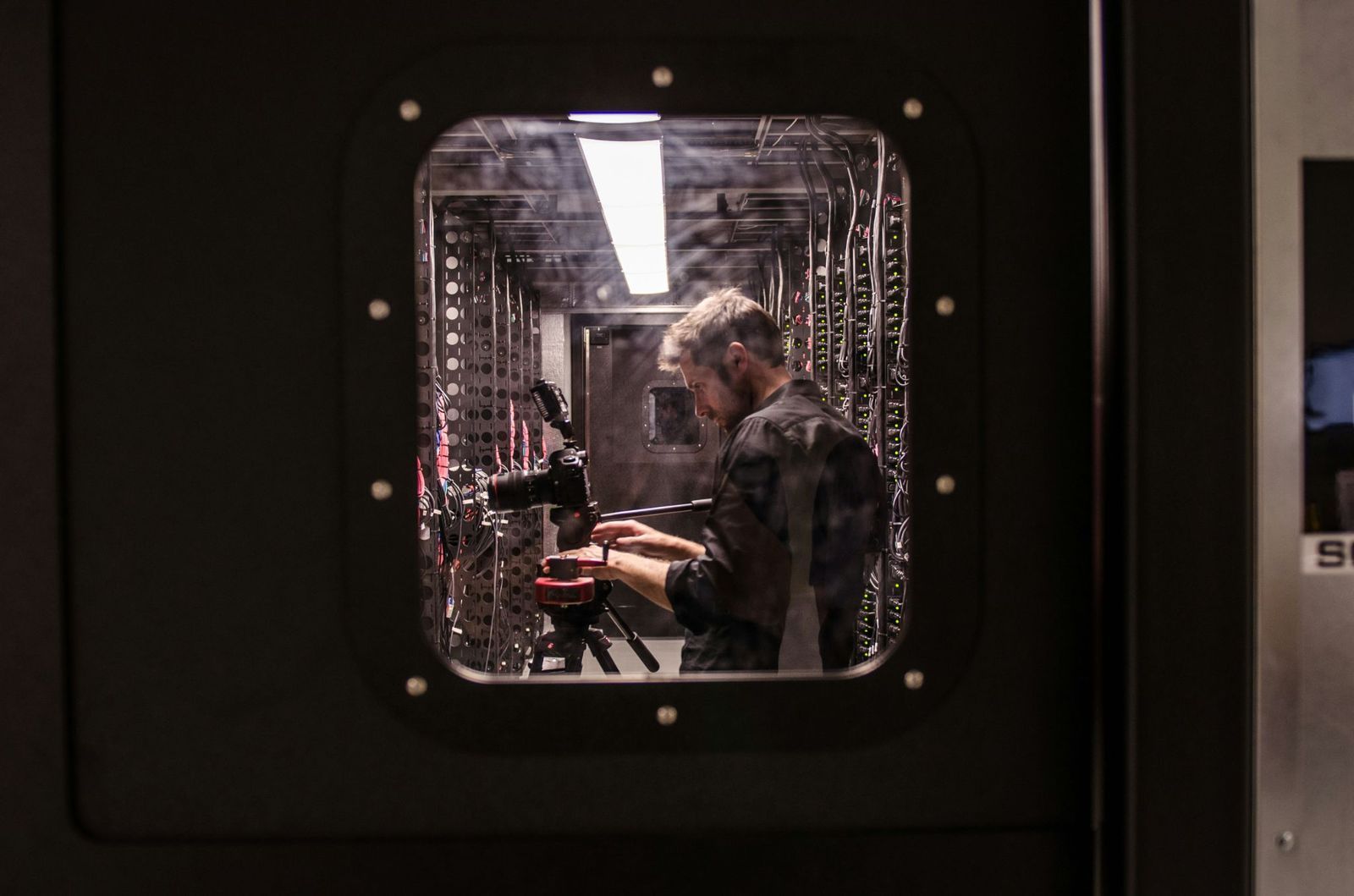
Image: jesse orrico

Construction creates hundreds of temporary jobs, but the finished facility usually requires only a relatively small permanent workforce to operate and maintain its systems .

Critics argue that billion-dollar campuses occupying vast amounts of land often provide far fewer long-term jobs than factories, manufacturing plants, or large distribution centers of similar size.

11
Pro: Very little traffic after construction
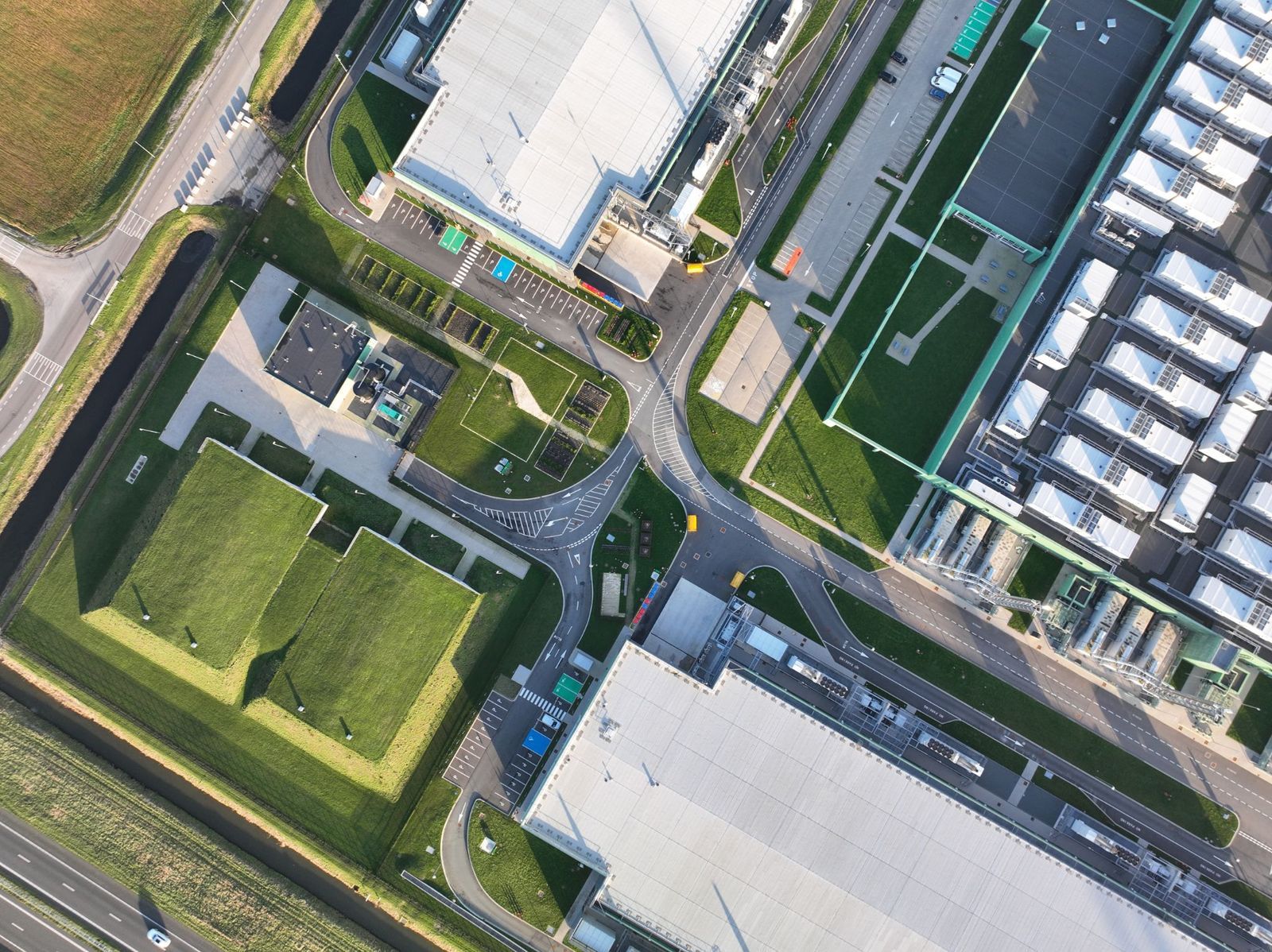
Image: Make more Aerials

Construction brings heavy equipment, delivery trucks, and hundreds of workers. Once the building is finished, however, daily traffic usually drops dramatically compared with many other industrial sites .

Unlike warehouses or factories, operational data centers employ relatively few people. Most days, only technicians, maintenance crews, security personnel, and occasional service vehicles enter the property.

12
Con: Backup generator emissions and air quality concerns
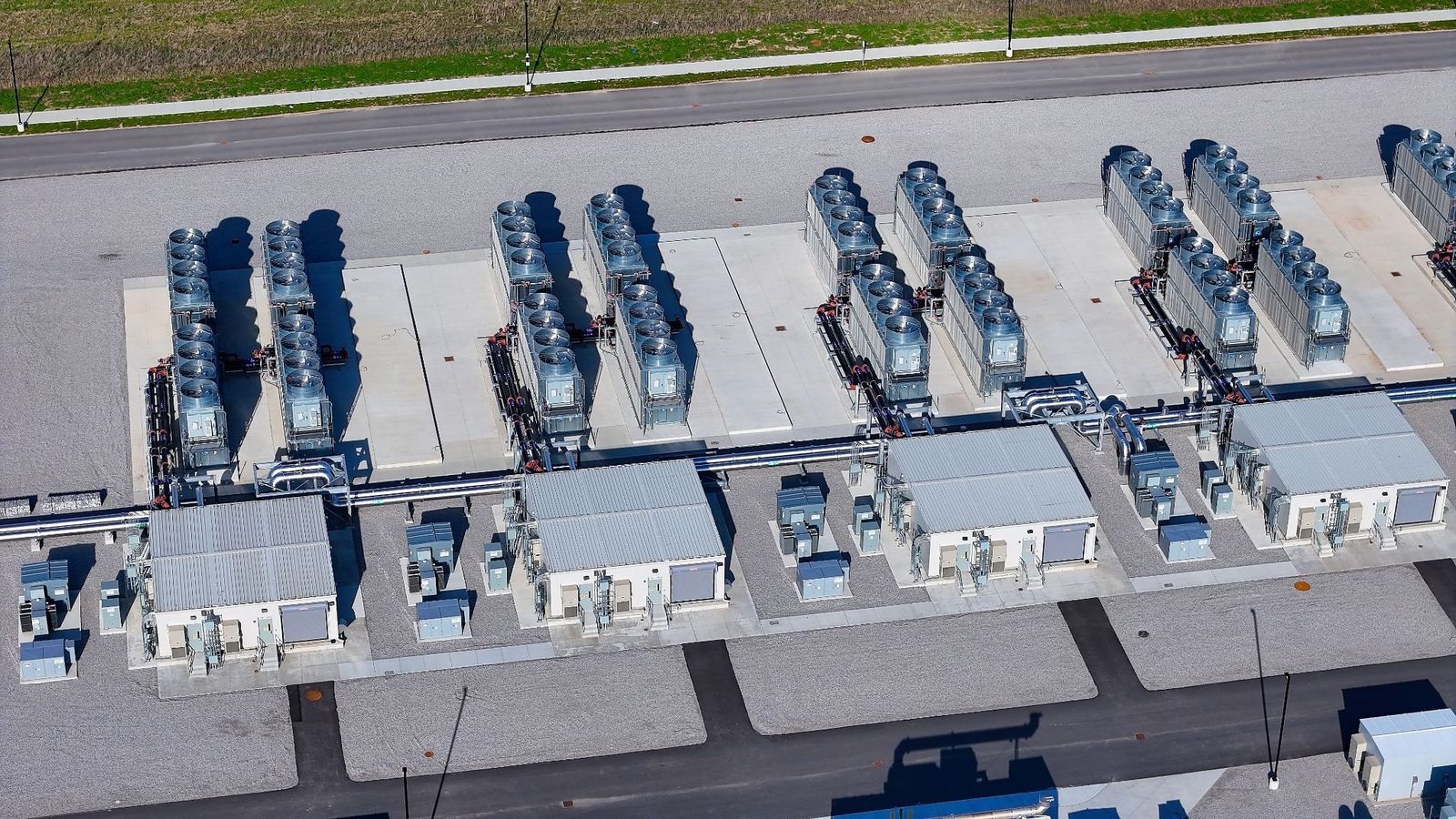
Image: Matthew G Eddy

Nearly every data center maintains large diesel backup generators that automatically provide power during electrical outages. They are also tested periodically to ensure reliable operation.

Although these engines are regulated under environmental laws, nearby residents sometimes express concerns about exhaust emissions, air quality, and the cumulative effects as more facilities are built .


Geography Geography 3 min read

Rediscovering our land

Ghostly caves, surreal swamps, and other US natural oddities

Image: Drahomír Hugo Posteby-Mach

America is as vast as it is diverse, so it's no wonder that you'll find every kind of scenic marvel here, from the ordinary to the truly surreal. Ever heard of a national park filled with volcanoes, where glowing lava flows across the land and pours straight into the ocean? If you’re ready to discover 10 natural wonders in the US that will blow your mind, keep reading!

1
Hawaii Volcanoes National Park, Hawaii

Image: Mandy Beerley

If you've ever imagined what hell might look like, Hawaii Volcanoes National Park could come close—not because it’s a place of suffering (you'll actually witness some of the most incredible views on Earth), but because it's full of glowing, molten, menacing lava. The lava flows from Kīlauea, one of the most active volcanoes in the world. But not everything here burns; this national park is also home to unique flora and fauna.

2
Grand Prismatic Spring, Wyoming

Image: Dan Meyers

What you're looking at might resemble a weather forecast map, but it's not. It's the Grand Prismatic Spring, Yellowstone's most famous hot spring. With its brilliant blue, orange, yellow, and green hues, it looks like a surrealist painting. Although it might look small in pictures, the Grand Prismatic Spring is huge—about 370 feet in diameter and 160 feet deep. That makes it the largest hot spring in the US and the third largest in the world!

3
Antelope Canyon, Arizona

Image: Fudo Jahic

If you want to feel like you're walking through a giant red stone maze, Antelope Canyon near Page, in northern Arizona, is the perfect spot. Carved over thousands of years by flash floods and erosion, its towering walls allow sunlight to stream in from above, creating an unforgettable experience for visitors.

4
Painted Hills, Oregon

Image: Ashley Bard

If an artist were to paint a series of enormous hills in vibrant colors, it would probably look a lot like Oregon's stunning Painted Hills. Located within the John Day Fossil Beds National Monument, these hills display stripes of red, yellow, gold, and black. But that's not all! The colors shift with the seasons and change throughout the day, creating a breathtaking, ever-changing landscape.

5
Mendenhall Glacier Ice Caves, Alaska

Image: Salomé Guruli

Exploring caves can be risky and terrifying for many, but imagine a cave system made entirely of ice! It sounds like something from a fantasy movie, but it really exists—and it's in Alaska. The stunning Mendenhall Glacier Ice Caves lie beneath the glacier of the same name, formed by meltwater carving tunnels and chambers deep within the ice.

6
Turnip Rock, Michigan

Image: Maria Teneva

Turnip Rock, located in the famous Lake Huron in Michigan, is as fascinating as it is mysterious. What makes this rock so special? Standing about 20 feet tall, it has a turnip-like shape—its narrow base supports a much wider top—giving it a perfectly balanced appearance that amazes all who see it.

7
Hubbard Glacier, Alaska

Image: Peter Hansen

The Mendenhall Glacier Ice Caves are just one of Alaska's many spectacular sights. Another must-see is the incredible Hubbard Glacier in southeastern Alaska, one of the largest and most active tidewater glaciers in North America. Trust us— its sheer size and dramatic ice cliffs will absolutely blow your mind!

8
Bisti/De-Na-Zin Wilderness, New Mexico

Image: Robert Harkness

When it comes to surreal landscapes, New Mexico's Bisti/De-Na-Zin Wilderness can't be left out. Its towering rock formations, blending shades of white, gray, red, and orange, were shaped by erosion and look like something straight out of another planet!

9
Mammoth Cave, Kentucky

Image: Adrien Tanic

A cave doesn't always have to be a small, cramped space. Mammoth Cave stands out with its enormous underground chambers, filled with impressive rock formations in both shape and size. In fact, it's the world's longest-known cave system—and it's right here in the state of Kentucky!

10
Atchafalaya Basin, Louisiana

Image: Carlo Lisa

If you're easily spooked, Louisiana's Atchafalaya Basin might not be your idea of a fun trip, especially at night! It's the largest swamp and wetland area in the US, packed with twisting bayous, spooky cypress trees, and massive alligators lurking around.

Culture Culture 4 min read

TV said it first

10 popular catchphrases that were born on TV

Image: Stephen Monterroso

How many times have you said "yada, yada, yada" or "d’oh!" without thinking twice about it? Or used "wassup" or "how you doin’" as a greeting? Many catchphrases that we use regularly originated on TV —or were popularized by it — making their way into everyday conversations and interactions. Let’s have a look at some examples!

1
"Yada, yada, yada" ( Seinfeld )

Image: Librarygroover, CC BY 2.0, via Wikimedia Commons

Though the phrase "yada, yada, yada" already existed in the 1990s, dating back to the 1940s, it was not nearly as common as it is today. It was after the April 24, 1997, Seinfeld episode, where a character constantly uses the phrase, that it became globally known , turning it into a common catchphrase for glossing over boring or irrelevant details.

2
"It's a bird! It's a plane! It's Superman!" ( The Adventures of Superman )

Image: Fleischer Studios, Public domain, via Wikimedia Commons

The iconic Superman opening was originally part of the 1940s Superman radio show, and it carried over to the television series. While the series was extremely popular, this catchphrase became a trope of its own beyond the Superman phenomenon and a go-to quote for any instances of unidentified flying objects.

3
"To boldly go where no man has gone before" ( Star Trek )

Image: Paramount Television, Public domain, via Wikimedia Commons

There is no doubt that "Space, the final frontier" is _Star Trek_’s most quoted and recognizable line, but its application to real-life situations is quite restricted by the allusion to space. The last line of the iconic intro, though, has also become a more easily adapted catchphrase of its own , even for those who aren’t into sci-fi or haven’t seen the show.

4
"Winter is coming" ( Game of Thrones )

Image: mauRÍCIO SANTOS

HBO’s famed TV adaptation of George R. R. Martin's A Song of Ice and Fire book series is one of the most successful shows of all time, and many of its elements have become part of popular culture. "Winter is coming", the motto of House Stark and one of the taglines of Season 1, is now a ubiquitous catchphrase for impending challenges and difficulties.

5
"How you doin’?" ( Friends )

Image: ArtMediaWorx

It isn’t just the phrase, but Joey Tribbiani’s (Matt LeBlanc) Italian-American accent and flirtatious attitude that have made this seemingly plain greeting iconic . Out of the many hilarious and easily recognizable Friends quotes, Joey’s preferred pickup line is embedded in the minds of a whole generation.

6
"Cowabunga" ( The Howdy Doody Show & Teenage Mutant Ninja Turtles )

Image: Alex de Koning

Coined as the angry retort of a Native American chief in the 1950s The Howdy Doody Show and adopted by Californian surfers as a celebration, most people nowadays instantly associate "Cowabunga" with the Teenage Mutant Ninja Turtles , and with good reason, as it was popularized globally via the animated show. While later reboots tried to replace it with other catchphrases, "cowabunga" remains indelibly tied to the Ninja Turtles.

7
"D'oh!" ( The Simpsons )

Image: Haelen Haagen

Can a TV catchphrase become so popular as to change a dictionary? It can if it’s said by Homer Simpson. Repeated more than a thousand times across the 37 seasons of The Simpsons , "D’oh!" is so ingrained in the English language that it has been incorporated into the Oxford Dictionary.

8
"You rang?" ( The Addams Family )

Image: Pleasure IslandUploaded by We hope at en.wikipedia, Public domain, via Wikimedia Commons

This iconic line was created by accident. In the original 1960s The Addams Family , lanky butler Lurch was supposed to be mute, but after actor Ted Cassidy ad-libbed the famous "You rang?", the producers found it hilarious and went with it. The phrase eventually transcended the Addams Family universe and became a popular catchphrase on its own.

9
"Is that your final answer?" ( Who Wants To Be a Millionaire? )

Image: JulieK2

The only entry of this list that comes from a game show, "Is that your final answer?" became the catchphrase of Who Wants To Be a Millionaire? with host Regis Philbin in the 1990s and 2000s, and is now a common way of asking "are you sure about it?".

10
"What's up, Doc?" ( Looney Tunes )

Image: https://commons.wikimedia.org/wiki/File:Wabbitwhocametosupper.jpg

One of the most popular catchphrases, but not the only one, by Bugs Bunny in Looney Tunes , the widespread popularity of "What’s up, Doc?" has had a lasting influence. First aired in the 1940s —with "Doc" as a common slang term similar to ‘pal’ or ‘dude’— it was the "what’s up" part that caused a cultural shift , with the popularity of the greeting evolving into "wassup?" in the 1990s and even inspiring the name of the messaging app WhatsApp.

Explore more American facts

Choose your favorite category!

General
General

As American as apple pie—the very best America has to offer!

Culture
Culture

Delve into the astounding richness of American lore.

Geography
Geography

Hop in and explore vast and diverse American landscapes.

History
History

Discover the key moments that shaped the United States.