General General 6 min read

Beloved American brands

Why did Kodak and Woolworth's disappear? The real reason
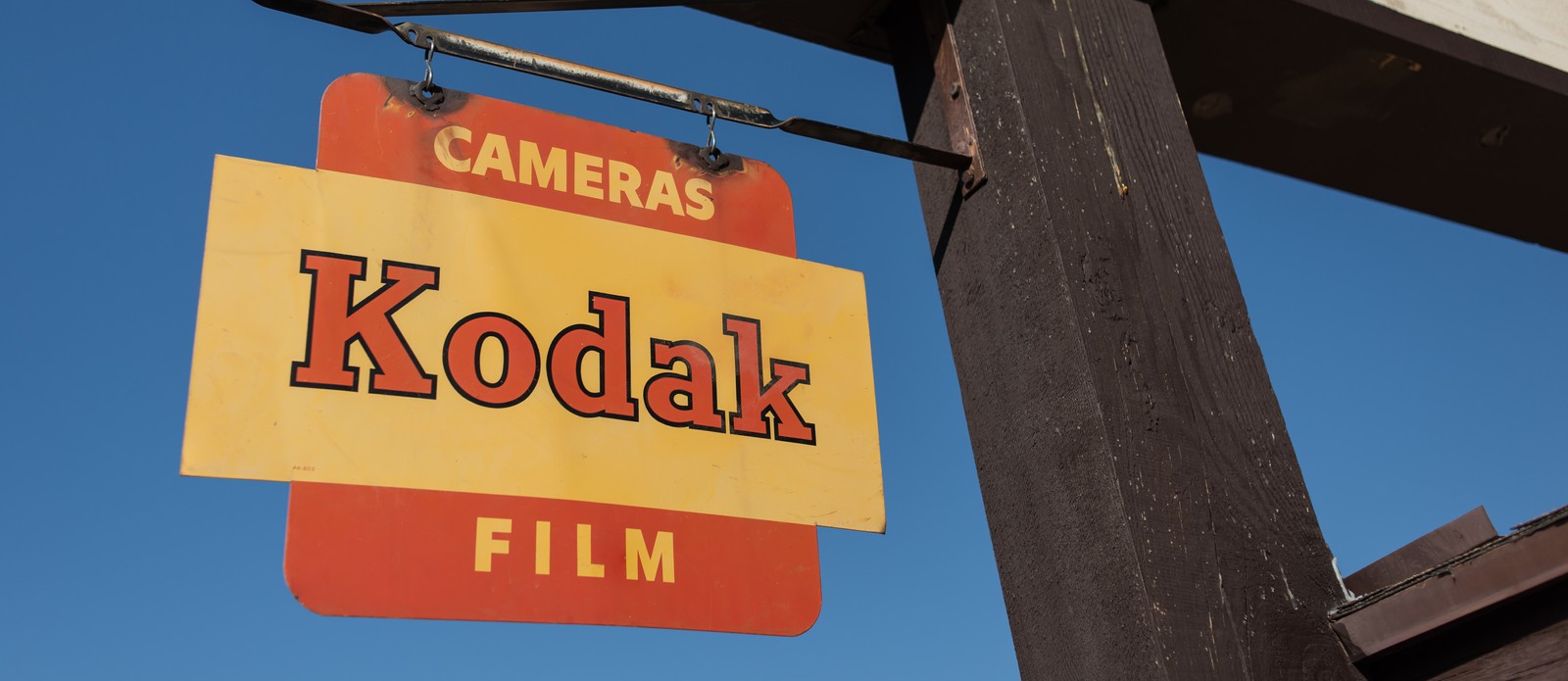
Image: pony rojo, CC BY-SA 2.0, via Wikimedia Commons

Blockbuster, Kodak, Woolworth’s… just hearing those names can bring back many memories, even though the brands have long since gone. T hese weren’t just brands; they were part of our routines, our weekends, and our family vacations. For decades, these companies seemed unstoppable. Then, they disappeared. So what happened? Here’s the story behind 10 iconic American brands that once stood at the top, and the real reasons they faded away.

1
Blockbuster
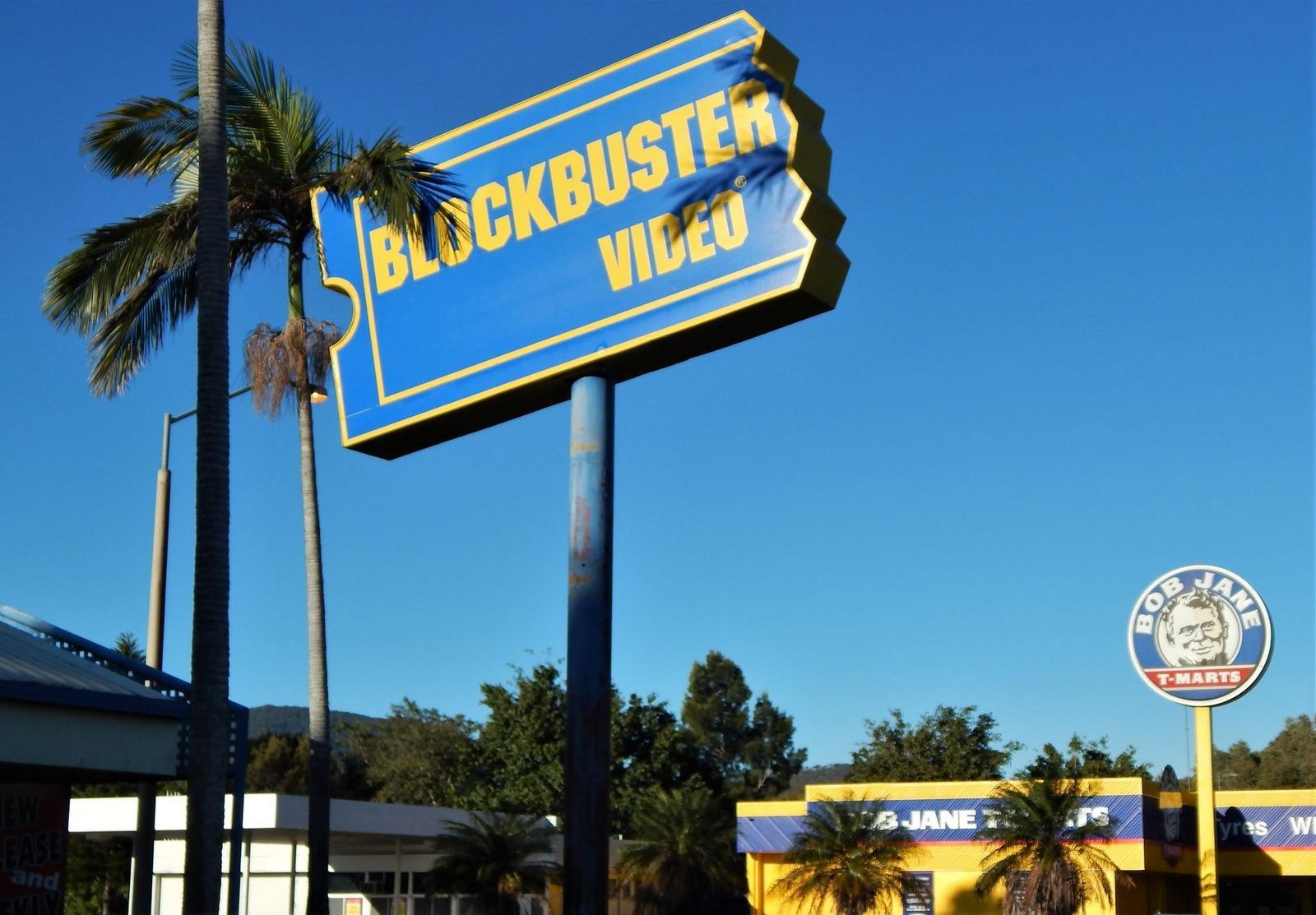
Image: RegionalQueenslander, CC BY-SA 4.0, via Wikimedia Commons

During the 1980s and 1990s, Friday night often meant one thing for American families: a trip to Blockbuster. Browsing the aisles for a movie, debating what to watch, and grabbing popcorn at the counter became a weekly routine. But nothing lasts forever.

Born in 1985, Blockbuster conquered the massive home-video market with thousands of stores by the late 1990s and early 2000s, catering to families with at-home VCRs. Then technology changed everything. First came DVD-by-mail services like Netflix, followed by streaming, which left Blockbuster struggling. Late fees and inconvenience only pushed more customers away. The company filed for bankruptcy in 2010. Today, just one official store remains in Bend, Oregon, where visitors still stop by for a dose of the video-store era.

2
Kodak
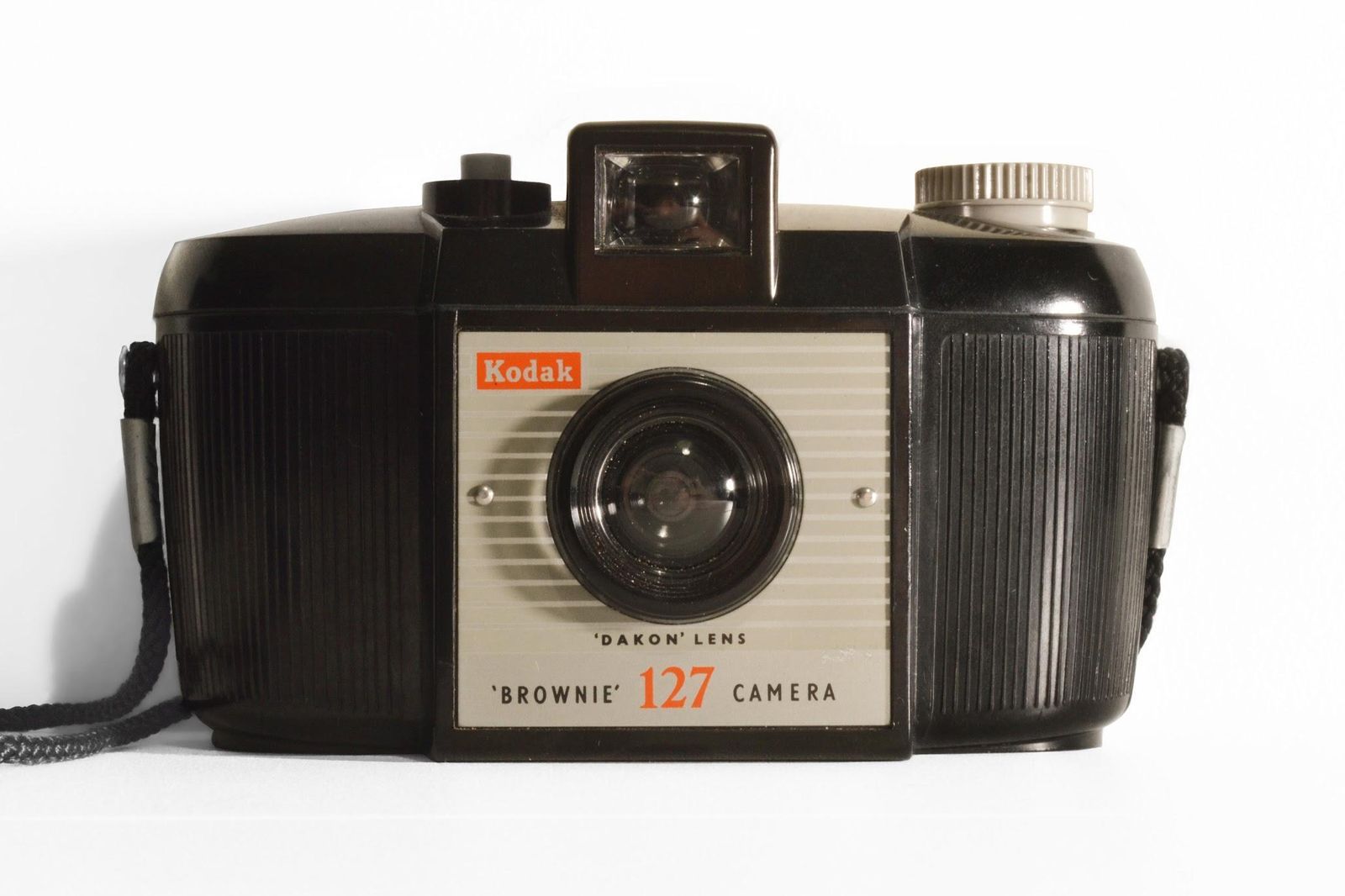
Image: 多多123, CC BY 4.0, via Wikimedia Commons

Back in the day, almost every vacation, birthday, wedding, or holiday gathering seemed to include a Kodak camera, or at least a roll of Kodak film. Founded in 1881, Kodak helped keep the moments that filled family photo albums for generations.

From the 1960s through the 1990s, Kodak dominated the world of film and photography. But that success also made the company slow to accept that technology was changing. Ironically, Kodak helped invent one of the first digital cameras in 1975, yet it hesitated to embrace the future. By the 1990s and 2000s, digital cameras (and later camera phones) quickly replaced traditional film. In 2012, the company declared bankruptcy.

3
Pan Am
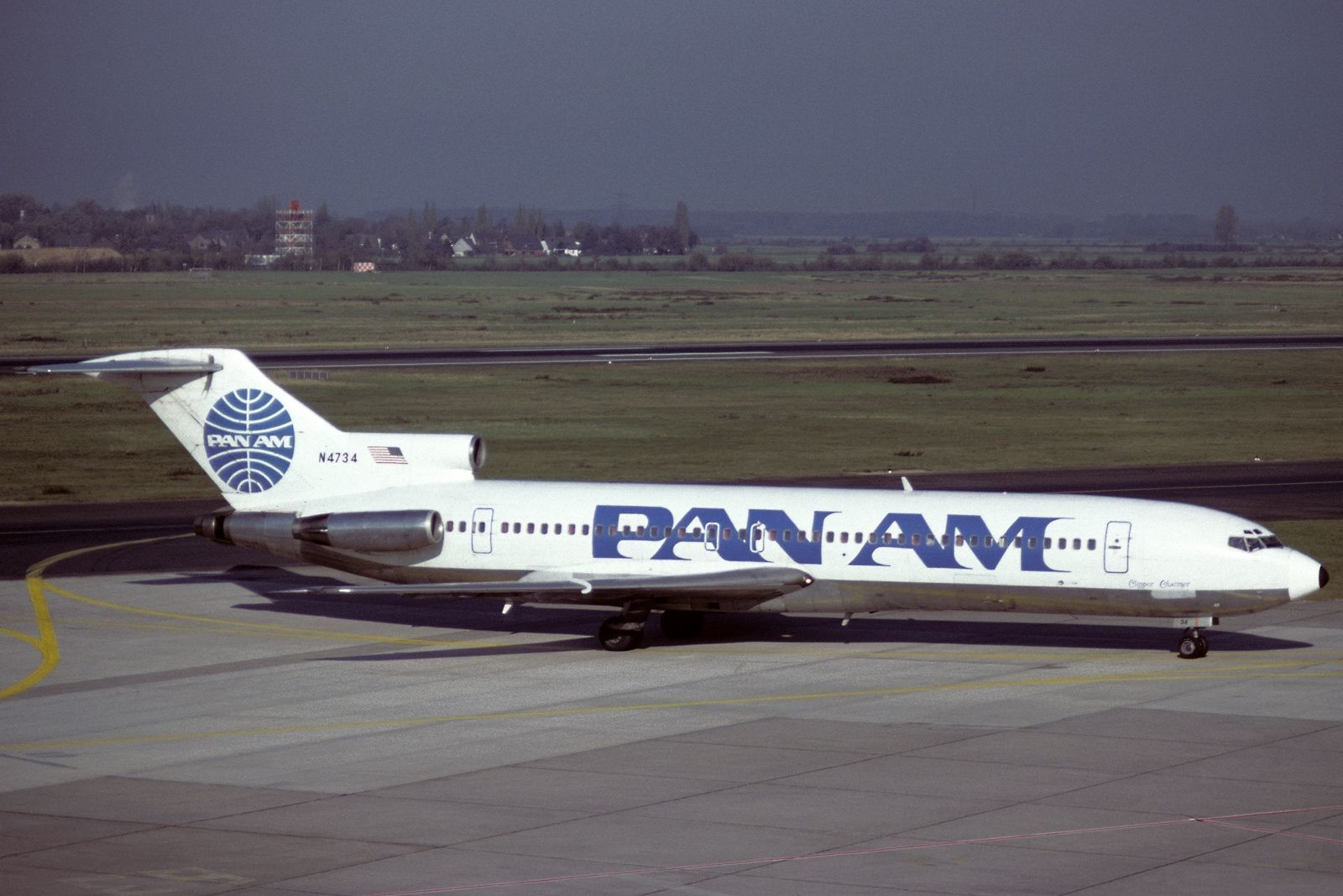
Image: Felix Goetting (GFDL 1.2 or GFDL 1.2), via Wikimedia Commons

Long before flying became an everyday experience, Pan American World Airways, better known as Pan Am, was already carrying Americans across the world. It was founded in 1927, and during the 1960s and 1970s, the airline became a symbol of glamorous air travel.

Its famous blue globe logo was instantly recognizable, even to those who rarely flew. But by the late 1970s, rising competition, fuel costs, and financial troubles began weakening the company. After years of mounting losses and debt, Pan Am shut down in 1991. Even so, its fame was such that even today, more than 30 years later, we still remember it.

4
Woolworth’s
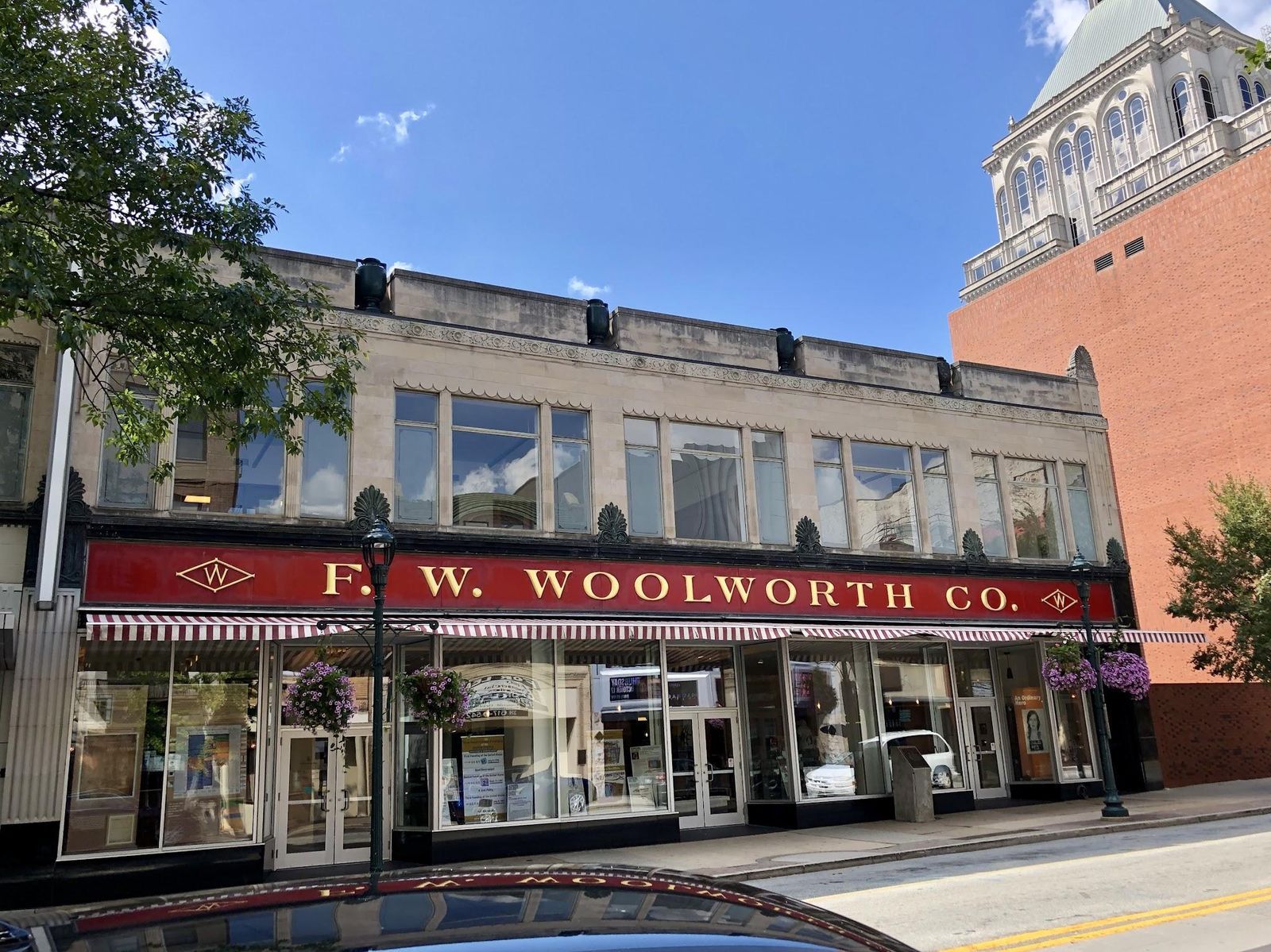
Image: Warren LeMay from Cullowhee, NC, United States, CC0, via Wikimedia Commons

Before Woolworth's made the "five-and-dime" famous, shopping in America looked very different. For decades, Americans visited Woolworth’s for everything from toys and school supplies to household goods and everyday essentials. By the 1960s, the brand had become a familiar part of American life.

Created in 1879 by Frank Winfield Woolworth, the chain grew into one of the country’s largest retailers. But in the 1970s, malls and discount giants like Walmart changed the way Americans shopped, and Woolworth struggled to keep up. By the 1980s, the iconic chain was slowly disappearing. Most stores closed during the 1990s, and the Woolworth retail chain officially ended in 1997.

5
Circuit City
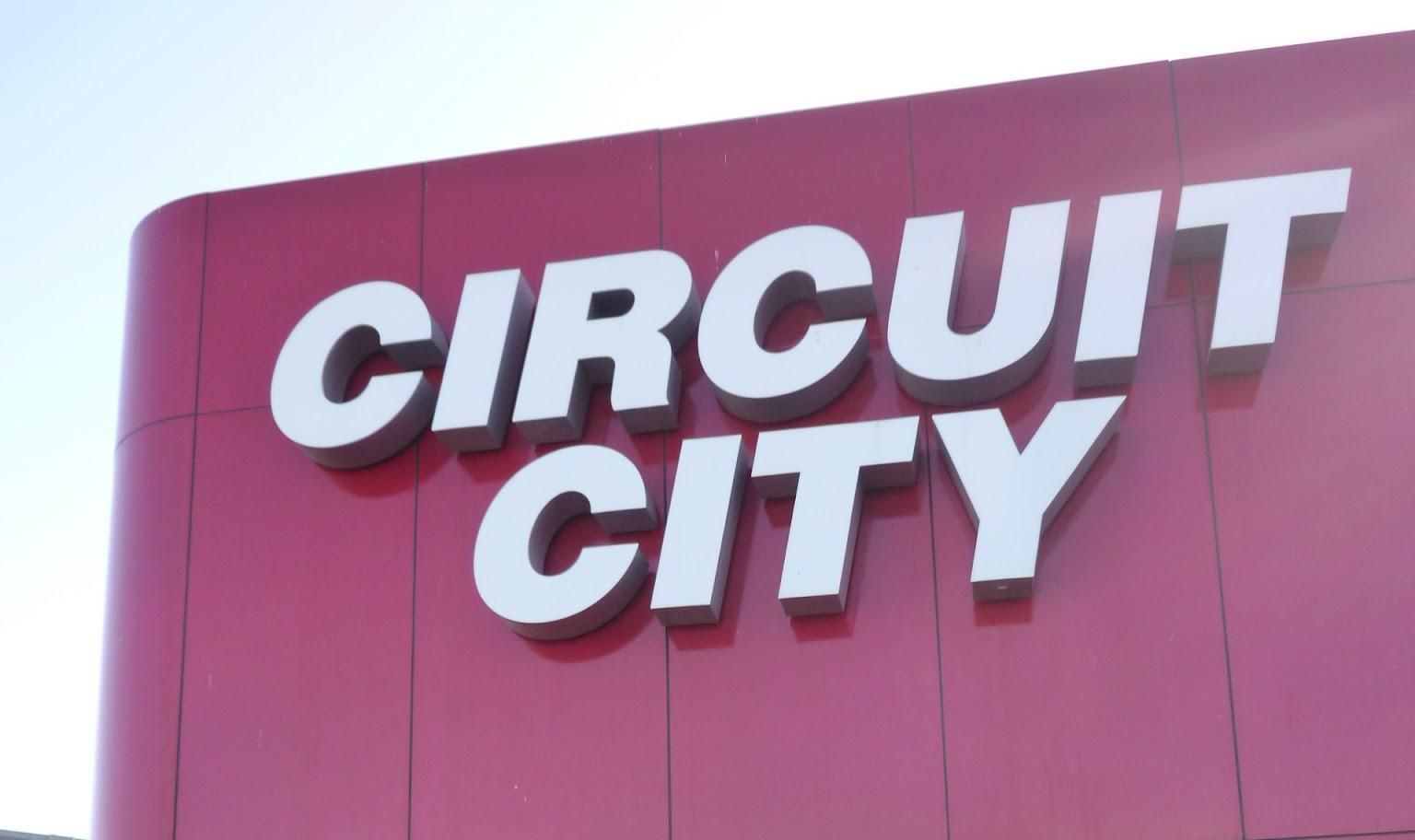
Image: kennejima, CC BY 2.0, via Wikimedia Commons

Testing giant stereo systems, browsing rows of CDs and video games, and shopping for the newest TV were all part of the experience at Circuit City, once one of America’s biggest electronics chains.

Founded in 1949 by Samuel S. Wurtzel in Richmond, Virginia, as "Wards Company," the retailer adopted the Circuit City name in 1984. During the 1980s, 1990s, and early 2000s, it became the go-to place for Americans buying a TV, stereo, computer, or any electronic device. But like many companies on this list, Circuit City struggled as shopping habits changed and online stores became more convenient. A controversial 2007 decision to lay off thousands of experienced employees further hurt the company’s reputation. Circuit City couldn’t survive mounting losses and closed all remaining stores in 2009.

6
Borders
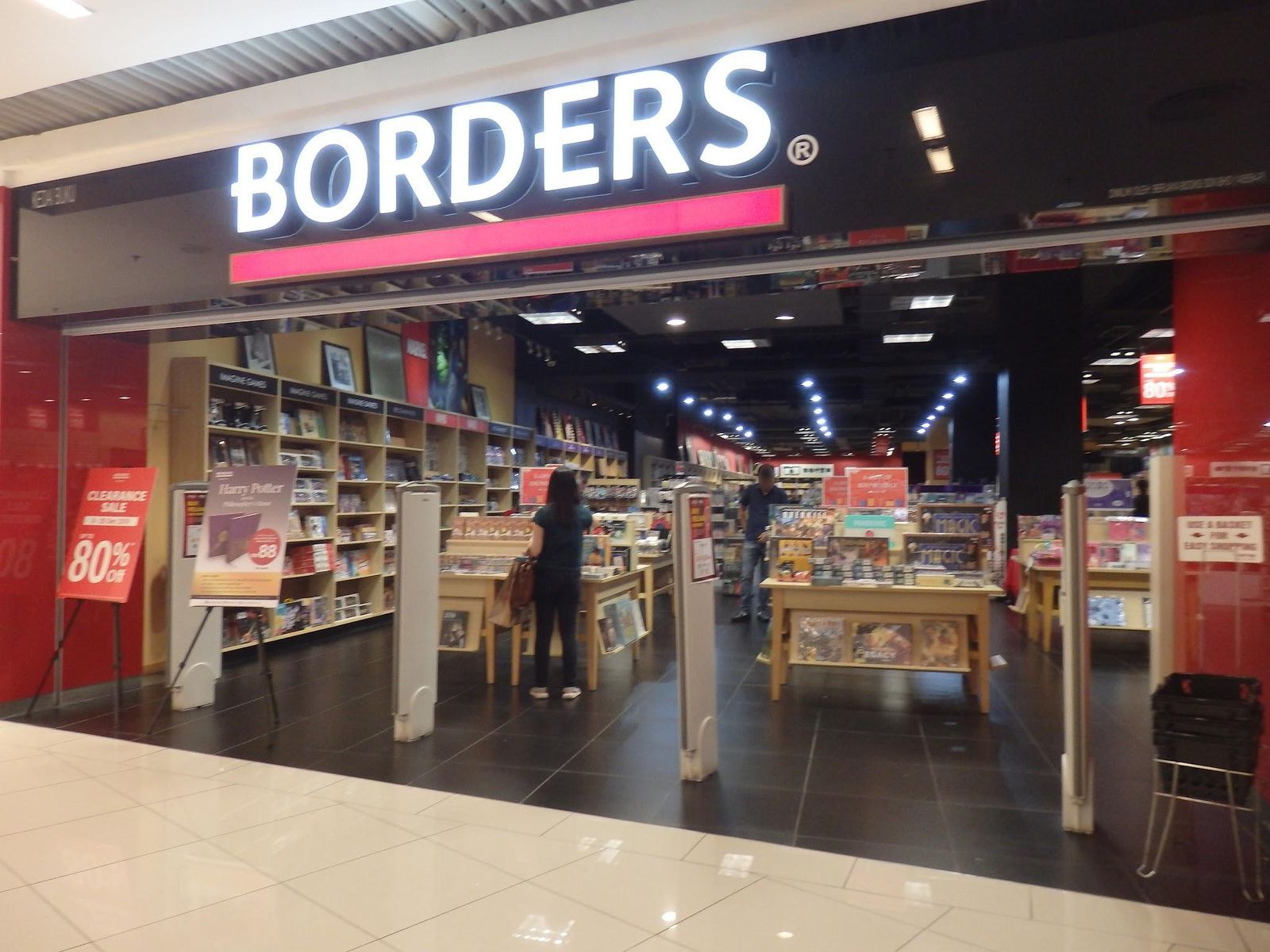
Image: Bindydad123, CC BY-SA 4.0, via Wikimedia Commons

Remember Borders? Born in 1971, its huge stores, filled with books, music, magazines, and cozy reading spaces, invited customers to spend entire afternoons there.

During the 1990s and early 2000s, the rise of large shopping malls actually helped Borders thrive, turning its bookstores into popular destinations inside malls across the US. But eventually, the company ran into a challenge it couldn’t overcome: online shopping and digital reading. Competitors like Amazon surged ahead, while Borders struggled to adapt and made costly business decisions, including outsourcing its online sales to Amazon for years. The company collapsed financially in 2011 and soon closed all remaining stores.

7
Bugle Boy
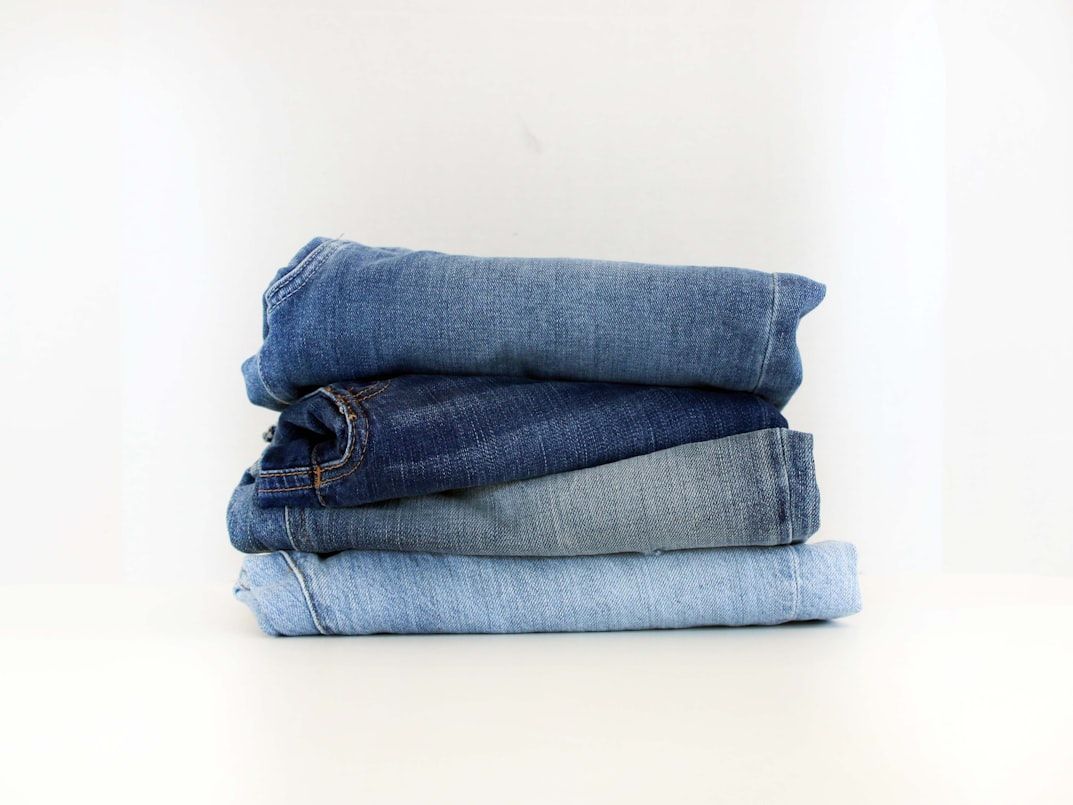
Image: Claire Abdo

In the late 1980s and early 1990s, teenage fashion became almost synonymous with Bugle Boy. Famous across the country for its casual jeans and memorable TV commercials, the brand became a major part of American mall culture and was sold in department stores nationwide.

But fashion never stands still, and brands have to constantly adapt to survive. By the late 1990s, newer youth-oriented labels had taken over with fresh styles that quickly made Bugle Boy seem outdated. Sales began to fall, and after years of struggling to keep up with changing trends, the company closed its stores in 2001.

8
Howard Johnson’s restaurants
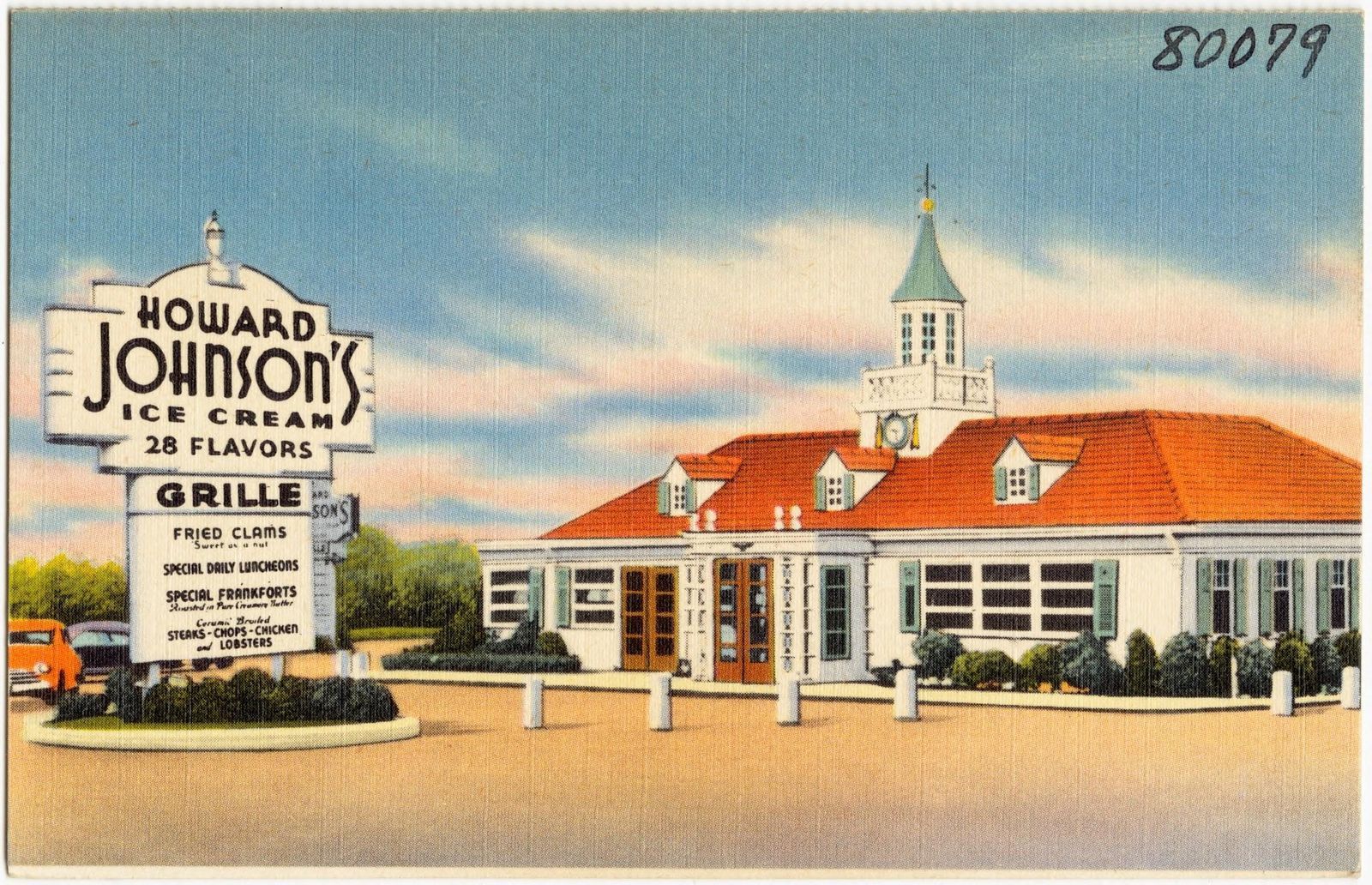
Image: Tichnor Quality Views, Made Only by Tichnor Bros., Inc., Boston, Mass., Public domain, via Wikimedia Commons

During the 1960s and 1970s, a stop at Howard Johnson's was part of the classic American road-trip experience for many families, and that was no accident.

Founded in 1925 in Quincy, Massachusetts, the famous orange-roofed chain reached its peak when America’s expanding highways and booming car culture made roadside travel more popular than ever. But by the late 1970s and early 1980s, the growing popularity of fast-food chains like McDonald's began changing the way Americans ate on the road. Drivers increasingly wanted meals that were faster, cheaper, and more standardized, while interstate highways also redirected traffic away from many older roadside locations. Unlike some other brands on this list, Howard Johnson’s faded away slowly over the decades. The last restaurant finally closed in 2022.

9
Burger Chef
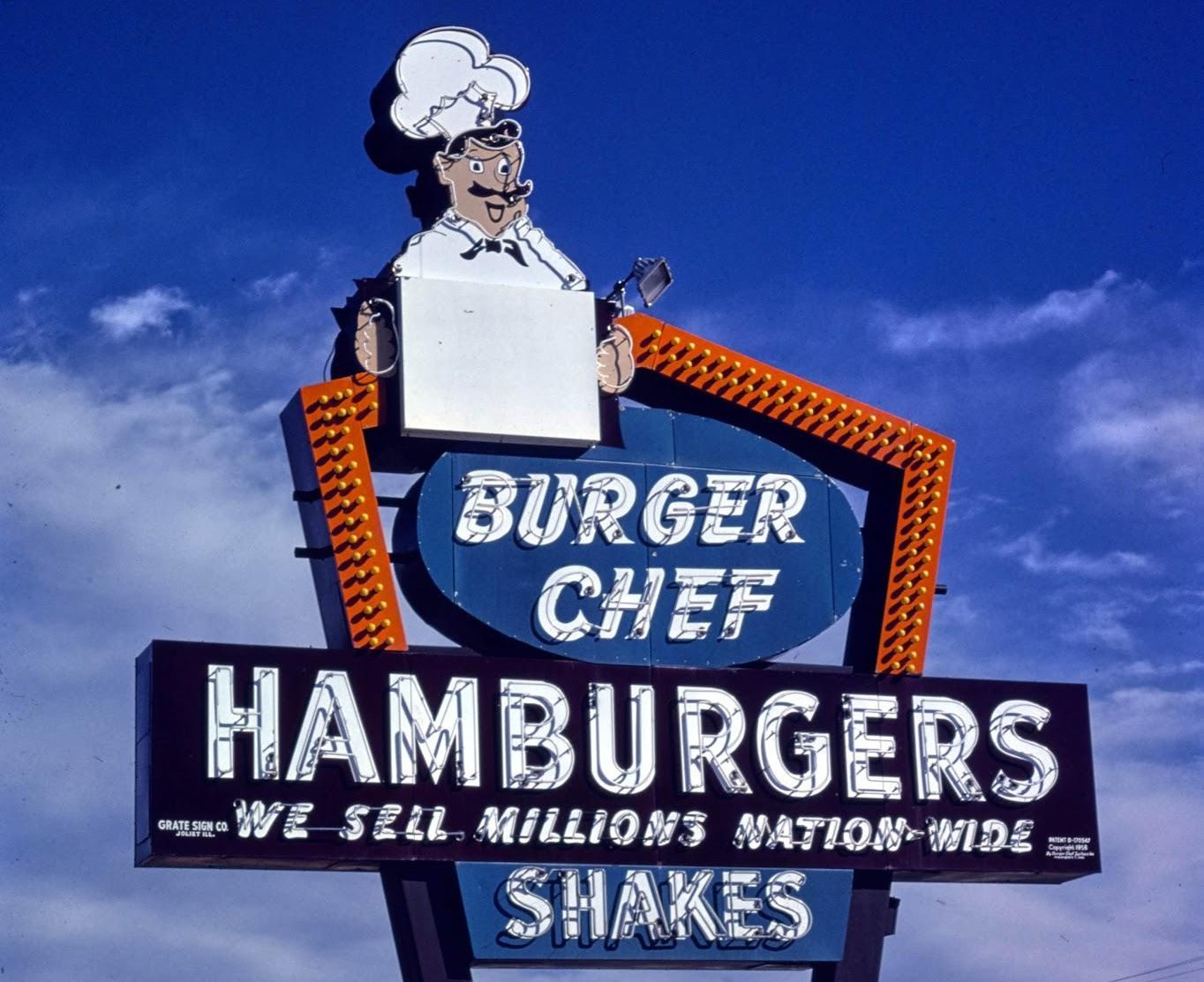
Image: John Margolies, Public domain, via Wikimedia Commons

In 1958, a name emerged as one of the pioneers of America’s growing fast-food industry: Burger Chef. By the late 1960s, the chain had more than 1,000 locations across the country and had become one of McDonald's’s biggest competitors.

Long before Happy Meals became famous, Burger Chef helped popularize the idea of marketing meals directly to children with toys and themed publicity. But during the fast-food wars of the 1970s, competition became fiercer than ever. While McDonald’s and Burger King expanded by leaps and bounds, Burger Chef struggled with financial problems and changing consumer tastes. In 1982, the company was sold to Hardee's, which gradually converted most Burger Chef locations into Hardee’s restaurants.

10
Sports Authority
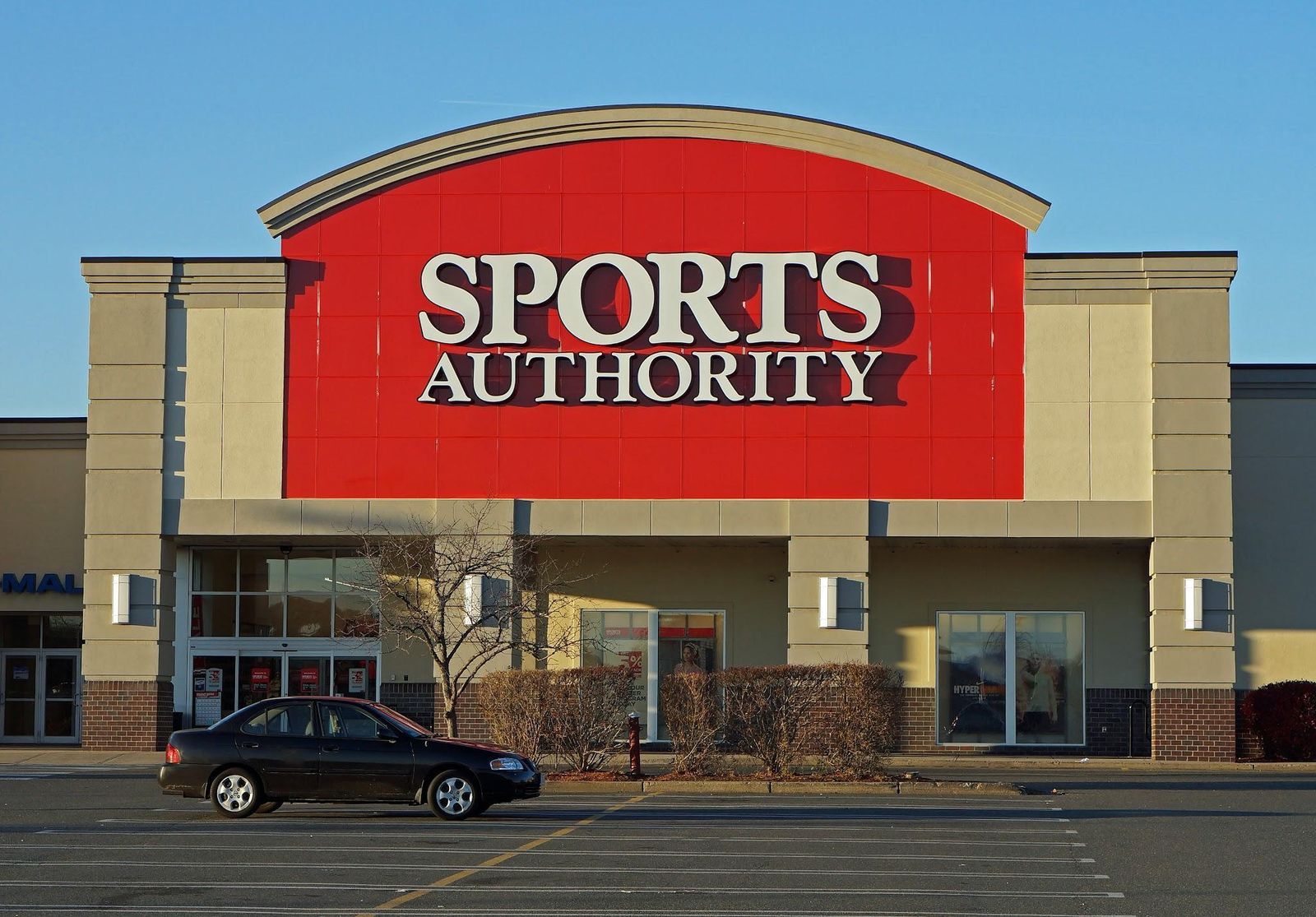
Image: Anthony92931, CC BY-SA 3.0, via Wikimedia Commons

Throughout the 1990s and 2000s, many Americans looking for running shoes, gym shorts, and sports gear headed straight to Sports Authority.

Known for its huge stores packed with athletic apparel, exercise equipment, bicycles, camping gear, and team sports products, Sports Authority became the ideal shopping destination for families and athletes across the US. But as online shopping rapidly changed retail in the 2000s, the company struggled to adapt. Heavy debt from expansion efforts and a slow shift to e-commerce eventually caught up with the chain. Sports Authority declared bankruptcy in 2016 and closed all remaining stores later that year.
History History 3 min read

Stars, stripes, and surprises

What's written on the back of the Declaration of Independence?

Image: Paul Weaver

The 4th of July is all about fireworks, parades, and patriotic pride, and for good reason: It marks the birth of our nation's independence. But the way to that historic day wasn't easy, it was full of challenges and a few surprises. Did you know some Founding Fathers wanted to celebrate Independence on July 2nd? Or that there's actually something written on the back of the Declaration? Get ready to discover 10 fun and little-known facts about the 4th of July that might surprise you.

1
July 2nd

Image: Joe deSousa

In a letter to his wife Abigail, John Adams predicted that July 2nd would go down in history. Why? Well, because that's the day in 1776 when the Continental Congress voted in favor of independence from Great Britain. But while the vote happened on the 2nd, the text of the Declaration of Independence wasn't approved until the 4th, so that's the date we celebrate.

2
Secret signers

Image: Pierre Bamin

The signing of the Declaration of Independence wasn't as simple as it might seem. In fact, signatures were added over time, from July to August. In addition, the names of the signers were kept secret from the public for six months. Why? Because if the fight for independence had failed, those who signed the document would have been labeled traitors, and under British law, that meant a punishment of death.

3
Washington invites

Image: phil cruz

In the middle of the Revolutionary War, 1778 marked the second anniversary of the Declaration of Independence. As Commander-in-Chief of the Continental Army, George Washington wasn't about to let the anniversary go unnoticed, so he ordered a double ration of rum for his soldiers to celebrate the holiday.

4
Something written on the back

Image: Anne Nygård

There's actually something written on the back of the Declaration of Independence. This handwritten note appears upside down at the bottom of the back of the parchment, and it reads: "Original Declaration of Independence dated 4th July 1776." Just like we label the files we save on our computers today, it's believed they added the note to help identify the original document from other copies.

5
We are many more now

Image: Rob Curran

Many courageous people did everything they could to make the Independence dream a reality and help the nation grow. And it did grow. While there's no exact official data from that time, the US Census Bureau estimates that about 2.5 million people lived in America in 1776. By the most recent census in 2020, that number had grown to about 332 million.

6
John Adams' idea

Image: Jingda Chen

It's hard to imagine the 4th of July without the classic barbecues, parades, and -of course- fireworks lighting up the sky. But even though these traditions are now staples, there was a first time for all of them. It's said that John Adams himself, in that letter to his wife Abigail, suggested using fireworks and illuminations to celebrate this important day.

7
Busy hospitals

Image: camilo jimenez

While fireworks are beautiful and help raise patriotic spirit during Independence Day celebrations, it's also true that they can sometimes be dangerous. In fact, it's been reported that hospitals see more patients than usual on July 4th due to fireworks-related injuries.

8
Thomas Jefferson's laptop

Image: Alicia Razuri

Of course, laptops didn't exist at the time of the drafting and signing of the Declaration of Independence, but that's a fun way to describe the lap desk Thomas Jefferson used to write it. That's right: The father of the Declaration of Independence didn't need a grand marble desk or anything fancy to put his ideas into words.

9
Surprising coincidences

Image: Thomas Park

The 4th of July isn't just the day America officially declared its independence; it also holds some incredible historical coincidences. On Independence Day in 1826, both Thomas Jefferson and John Adams died, exactly 50 years after the birth of the nation they helped create. Five years later, in 1831, James Monroe became the third president to die on the 4th of July.

But it's not all about endings: President Calvin Coolidge was born on the 4th of July, 1872, making him the only US president born on Independence Day.

10
Millions of hot dogs

Image: Ball Park Brand

It's clear we Americans love hot dogs, and for good reason. This iconic food is closely tied to one of the most important days in our nation's history. According to the National Hot Dog and Sausage Council (yes, that's a real thing), Americans typically eat around 150 million hot dogs on Independence Day alone.

History History 5 min read

FURRY RESIDENTS

Remember These 10 Famous Presidential Pets?

Over the years, the White House has seen many different residents. And among the most peculiar are the presidential pets that have roamed those halls and gardens throughout history. While our presidents have had different exotic animals -such as alligators and bear cubs- it's the more traditional pets that won the hearts of the whole country.

You've probably heard of the famous Fala, Socks, and Checkers, right? These beloved animals are just a few of the 10 most famous presidential pets . Let's take a look at their stories!

1
Fala Roosevelt

Image: Nathália Arantes

A star in his time, the charming dog we knew as Fala was a great companion to Franklin D. Roosevelt during his time in the White House .

The dark-coated Scottish Terrier arrived in 1940 as a gift for Roosevelt and reached his peak of fame thanks to the President's remembered "Fala Speech" from 1944 , in which he jokingly mentioned the dog.

While we all knew him by his nickname, it is said that the pet's full name was actually "Murray the Outlaw of Falahill," in homage to a Scottish ancestor of Roosevelt.

2
Bo and Sunny Obama

Image: Zé Maria

Bo and Sunny , the Obamas' two Portuguese Water Dogs, became famous across the country and even internationally.

Bo came to the White House as a gift from JFK's younger brother , Senator Ted Kennedy, in 2009 . His peculiar name was a decision by Barak's daughters, Malia and Sasha Obama, in honor of Michelle Obama's father. His presence in the media was frequent, and he even had his own web page for fans to dedicate gifts or words of affection to him. Sunny, meanwhile, came into the family 4 years later, in 2013, and became Bo's faithful companion.

And here's a fun fact : The Portuguese Water Dog breed was chosen by the Obama family because its coat is hypoallergenic , which helped prevent the allergies of their eldest daughter, Malia, from being triggered.

3
Socks Clinton

Image: jbc

Choosing a name for your pet is no easy task. But this was not the case for Bill Clinton and his family.

Socks , adopted from a shelter in Little Rock, Arkansas, was easily recognizable by his peculiar appearance. With black fur and white paws , it was almost as if this cat's name was printed on him.

When Clinton came to the White House in 1993 , Socks quickly became a star and even appeared in merchandise and toys with his face on them.

4
Buddy Clinton

Image: Siep van Groningen

But it wasn't all rosy for Socks Clinton.

When Buddy , a beautiful chocolate Labrador Retriever, arrived in the family in December 1997 , Socks didn't receive him in the best way. Let's just say they got along like "cats and dogs." Fortunately, it is said that after a while, they got to know each other and got along much better.

Like his cat brother, Buddy also garnered media attention and became quite famous. As a celebrity, people would often ask for photos with him!

5
Checkers Nixon

Image: Matteo Vistocco

If we discuss true dog celebrities, we can't overlook Checkers , Richard Nixon's iconic Cocker Spaniel.

Joining the family in 1952 , Checkers didn't become a "presidential pet" or reside in the White House. However, his name didn't go unnoticed during Nixon's campaign as the Republican candidate for vice president.

You probably remember the iconic "Checkers Speech" of 1952 , in which Nixon mentioned Checkers in a move that mimicked Roosevelt's "Fala Speech" and ultimately contributed to Nixon's election as Vice President.

6
Liberty Ford

Image: David Moynihan

Liberty , with her playful and friendly personality, was the first Golden Retriever to inhabit the White House.

Liberty came to the Ford family in 1974 when Gerald was already President of the United States. Some stories suggest that Ford had a deep connection with Liberty. It is said that Ford had a special sign that he would use with the dog, particularly when he wanted to end an awkward or heavy conversation. When Liberty received the signal, she would approach and warmly greet the guest.

Some of Liberty's most typical appearances during the Ford administration were her walks along with Susan , the youngest daughter of the Ford family.

7
Pushinka Kennedy

Image: Berkay Gumustekin

Now it's the turn of Pushinka , a dog that wasn't born in America but went on to become a loved presidential pet!

But she was not just any puppy. She was the offspring of Strelka , one of the first dogs to travel into space and return safely aboard Korabl-Sputnik 2 in 1960.

After her space journey, Strelka gave birth to a litter of puppies, including one named Pushinka . In 1961 , Pushinka was gifted to John F. Kennedy by Soviet Premier Nikita Khrushchev. Pushinka lived happily in the White House during JFK's presidency, and she even had offspring in the halls of the Executive Mansion! What an extraordinary life for a pup, right?

8
Macaroni Kennedy

Image: Zosia Szopka

But Pushinka was not the only pet in the Kennedy White House. Among the animals in the presidential family was Macaroni , a pony gifted to Caroline , daughter of President John F. Kennedy.

Isn't it true that almost every girl dreams of having a pony? Vice President Lyndon B. Johnson and his wife, Lady Bird Johnson, made Caroline's dream come true by giving her this cute gift in 1962 .

Of course, it quickly became the little girl's favorite and was often photographed with her. Macaroni was quite a celebrity at the time, and even made the cover of Life magazine in 1963!

9
Millie Bush

Image: Rafaëlla Waasdorp

Even though the 90s might feel like they were just yesterday, it's been quite a while since then, and some unforgettable events took place during that decade.

For example, a presidential pet "wrote" a book . That's right! Millie's Book , published in 1990 , was ghostwritten by Barbara Bush's chief of staff and tells the life in the White House from the dog’s perspective. But Millie was not only a bestselling author , she was also an honorary member of the American Kennel Club!

Millie, an English Springer Spaniel , joined the family of Barbara and George H. W. Bush in 1985 as a gift from friends. She remained with Bush until 1997, and even after her passing, some of her puppies continued to be part of the family.

10
Barney Bush

Image: paje victoria

Shortly after George W. Bush was elected President of the United States in 2000 , a cute Scottish Terrier named Barney came into his life.

With his playful personality, Barney stole everyone's attention during his time in the White House. He was also the star of the "Barney Cam" videos during the holiday season, in which the little dog was seen roaming around the White House and playing with family and staff members, always wearing his distinctive blue, red, and white patriotic collar . Do you remember him?

Explore more American facts

Choose your favorite category!

General
General

As American as apple pie—the very best America has to offer!

Culture
Culture

Delve into the astounding richness of American lore.

Geography
Geography

Hop in and explore vast and diverse American landscapes.

History
History

Discover the key moments that shaped the United States.