Culture Culture 3 min read

Haters gonna hate

Which of these bestselling books was the most hated by the critics?

Image: Araix Rand

Not every bestseller wins over the critics. In fact, some of the most wildly popular books were absolutely roasted when they first hit shelves. Whether it was the writing, the message, or just sheer snobbery, these 12 hugely successful books — many of them pop culture phenomena — didn’t get much love from literary gatekeepers of the time.

1
The Da Vinci Code - Dan Brown

Image: Marek Studzinski

A 2003 global bestseller later turned into a movie starring Tom Hanks, The Da Vinci Code, the second in Brown’s Robert Langdon series, thrilled millions with its fast-paced plot and conspiracy-laden narrative. Readers devoured its mix of history, religion, and puzzles.

Critics, however, slammed the novel’s writing as clunky and the characters as wooden . Many reviews mocked Brown’s prose and accused the book of historical inaccuracies and sensationalism.

2
Valley of the Dolls - Jacqueline Susann
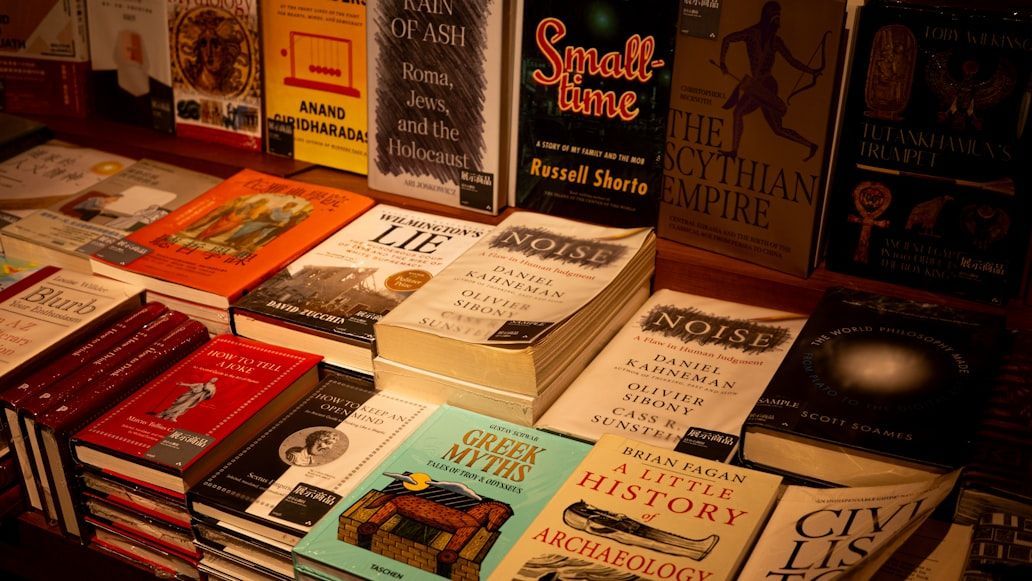
Image: 鱼 鱼

Published in 1966, Valley of the Dolls became a sales phenomenon, later inspiring a camp classic film. Its scandalous look at fame, drug addiction, and the lives of glamorous young women captivated readers.

Critics were merciless, branding it vulgar, trashy, and poorly written . Literary elites dismissed it as pulp, with some refusing to review it at all.

3
Atlas Shrugged - Ayn Rand
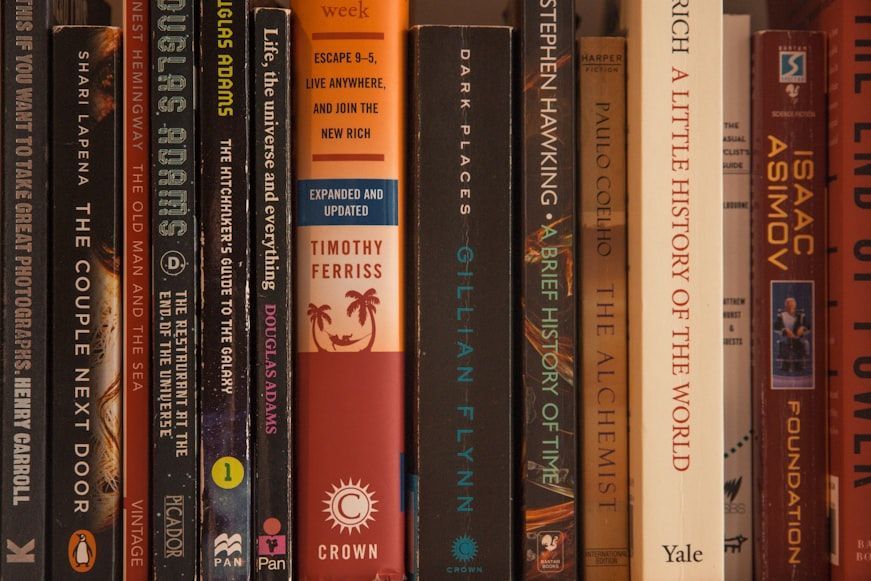
Image: Stephen Phillips - Hostreviews.co.uk

Published in 1957, Atlas Shrugged developed a cult following and continues to sell decades after publication. Rand's philosophical vision of objectivism inspired fierce devotion among fans.

The literary world, however, tore it apart. Critics found the dialogue stilted and the message overly didactic . Many viewed it as a bloated, moralizing tome with little literary merit.

4
Fifty Shades of Grey - E.L. James

Image: Dollar Gill

This erotic romance, published in 2011, became a pop culture sensation, spawning multiple sequels and movies. Millions were drawn to its taboo themes, sparking debates and fan fervor worldwide.

Critics eviscerated the book for its repetitive prose and one-dimensional characters . It was widely mocked for poor grammar, simplistic plotting, and glorifying unhealthy relationships.

5
The Bridges of Madison County - Robert James Waller

Image: Logan Gutierrez

This romantic novel, published in 1992, was a runaway hit, touching readers with its brief tale of a passionate affair between a photographer and a housewife, inspiring a film starring Meryl Streep and Clint Eastwood.

Critics, though, rolled their eyes. The book was labeled melodramatic, emotionally manipulative, and stylistically flat , with more schmaltz than substance.

6
The Celestine Prophecy - James Redfield

Image: Filios Sazeides

This spiritual adventure novel, released in 1993, gained traction through word-of-mouth, eventually becoming a mega-bestseller. Its mystical insights resonated with readers interested in all things New Age.

Critics were unimpressed, calling it preachy and amateurish . Many dismissed it as pseudo-philosophy dressed up in a thin narrative , lacking depth or literary quality.

7
Jonathan Livingston Seagull - Richard Bach

Image: Francais a Londres

Bach's fable about a seagull chasing transcendence captured the imagination of millions in the 1970s. Its short format and uplifting message struck a chord.

Yet reviewers derided it as shallow and overly sentimental . Critics said its philosophical posturing felt empty and simplistic.

8
The Shack - William P. Young
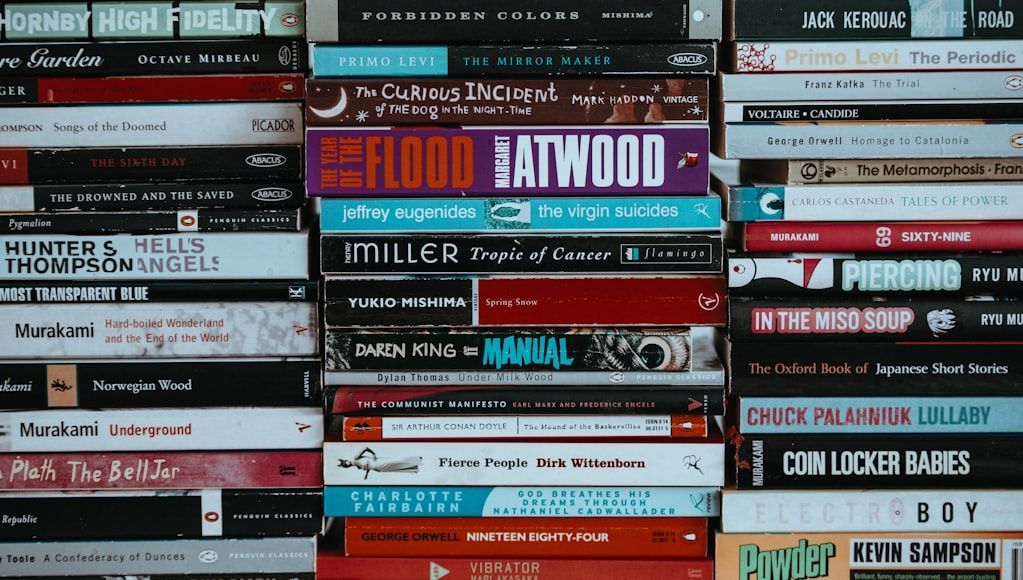
Image: Annie Spratt

In 2007, The Shack found immense success, especially among religious readers. Its emotional story and portrayal of God in unconventional forms drew deep emotional reactions.

Theologians and critics, however, lambasted its theology and weak storytelling .

9
Twilight - Stephenie Meyer

Image: Sincerely Media

This vampire romance became a cultural juggernaut when it was published in 2005. Teens and adults alike were swept into Bella and Edward’s forbidden love story, fueled even further by three more books and the movies.

Critics were less kind. The writing was often mocked as juvenile, with characters deemed flat and the relationship dynamics problematic .

10
The Alchemist - Paulo Coelho

Image: QingYu

Though first published in Brazil, The Alchemist found enormous success in the U.S. in 1988. Readers praised it for its inspirational message and simple allegory.

Critics weren’t convinced. Many called it trite, vague, and overly didactic .

11
The Secret - Rhonda Byrne

Image: α Oinam

This 2006 self-help bestseller promised readers they could manifest anything they desired. Its message of positive thinking struck a chord worldwide.

But critics lambasted it as pseudoscience . Detractors called it naïve and irresponsible , arguing it oversimplified real-world problems and encouraged magical thinking over action.

12
A Million Little Pieces - James Frey

Image: Sugam Yadav

This memoir of addiction recovery became an Oprah Book Club pick and soared in sales. Readers found its raw honesty and chaos compelling.

But then, much of the book was revealed to be fabricated . Critics turned on it, calling the prose self-indulgent and the deception unforgivable in a marketed memoir.

General General 6 min read

UNCOVERING SIN CITY SECRETS

Visible from space? 10 fun facts about Las Vegas you probably didn't know

Image: David Lusvardi

Frenetic, passionate, shocking, exciting, dazzling, monumental, and even overwhelming. All of this is Las Vegas, a city that evokes so many feelings and emotions that any adjective falls short. Few cities carry such a mystique as Las Vegas. Also called "Sin City", it concentrates the largest number of casinos and hotels in the world, making it one of the tourist destinations most chosen by travelers. But Las Vegas is a lot more than just gambling and fleeting entertainment. In fact, it hides some juicy secrets you'll want to learn. Join us to discover 10 fun facts about Las Vegas you probably didn't know.

1
The Strip is not really in Las Vegas

Image: Stephen Leonardi

The Strip is probably the most iconic attraction in Las Vegas. It stretches approximately 4.2 miles along Las Vegas Boulevard and is the vibrant heart of the city , attracting millions of tourists to experience a unique combination of entertainment and luxury. However, did you know that The Strip is not in Vegas?

Well, it's a technicality. The Strip is located south of the city of Las Vegas, more specifically in Clark County, Nevada, in the unincorporated towns of Paradise and Winchester. In any case, this area is one of the most filmed and photographed in the United States. It is also home to many of the world's largest hotels, casinos, and resorts, such as The Mirage, the Caesars Palace, and The Bellagio.

2
There’s more than one Vegas

Image: Jim Witkowski

Although Las Vegas, Nevada is the most famous of them all, it is not the only one. In New Mexico, just a few miles from Santa Fe and Albuquerque, there is another city called Las Vegas. Founded in 1835, it was one of the main stops on the Santa Fe Trail.

Being part of this trail and preserving the Spanish Colonial style of its buildings has earned this town the right to have up to 900 of its buildings on the National Register of Historic Places. And it is the only place in the United States to reach that number!

Like its big sister in Nevada, Las Vegas, New Mexico is now a major film and television set. Series like House of Cards and movies like No Country for Old Men and Wyatt Earp have been filmed here. Who would have guessed?

3
The Great Sphinx is bigger than the original

Image: lindsayascott

The Great Sphinx of Giza is one of the most beautiful and emblematic monuments ever erected in the history of mankind. So, of course, Sin City had to have one of its own. This replica is located in Luxor Las Vegas, a casino following the theme of Ancient Egypt on The Strip.

Interestingly, however, the Luxor Las Vegas Sphinx is much larger than the Egyptian Sphinx at Giza. The original statue is only 66 feet tall, while the Las Vegas version is over 110 feet tall. What’s more accurate is the massive Luxor Pyramid making up the main building of the casino, it is as large as the Red and Bent Pyramids of Egypt.

4
One bright city

Image: Isaac Davis

Las Vegas is famous for its spectacular nighttime lights. In fact, it is considered one of the brightest cities in the world. But can you see it from space? The answer is yes! Las Vegas can be seen from space, as confirmed by NASA and images taken aboard the International Space Station.

In 2021, astronaut Shane Kimbrough tweeted an aerial photograph of the city taken 250 miles above Earth. In it, you can spot clearly a brighter band where The Strip is located. This is due to the high concentration of lights from casinos, hotels, and other attractions in this famous area. It is estimated that approximately 12,000,000 lights are turned on every night on the Las Vegas Strip!

5
Some hotels are missing a floor

Image: jaygeorge

Americans are used to hotels with no 13th floor, but why do some Las Vegas casinos lack 4th floors? Las Vegas hotels avoid numbering floors with a four to ward off any superstition associated with death.

Fear of the number four, called tetraphobia, is common in many Asian countries, especially China. The word death sounds eerily similar to the number four in Chinese and Japanese. Given that Las Vegas receives a large number of Asian tourists each year, it makes sense that so many casino owners want to avoid making them uncomfortable. In fact, many hotels such as the Aria, the Wynn, and the Elara don't even have floors 40 through 49.

6
More than 200 weddings a day

Image: Pexels

Las Vegas is where reality becomes fantasy, where the Eiffel Tower, Egyptian pyramids, and medieval castles shine away on a glamorous desert strip. It's no wonder, then, that Sin City remains a popular wedding destination.

In September 2023, Las Vegas celebrated its 70th anniversary as the "Wedding Capital of the World." There are about 100 chapels in the city issuing more than 200 licenses a day for couples looking for a simple, quick, and —why not?— themed wedding. Throughout history, lots of couples have tied the knot in the city, including celebrities such as Jennifer Lopez and Ben Affleck, Frank Sinatra and Mia Farrow, and Elvis Presley and Priscilla Beaulieu.

7
A ghost town below Lake Mead

Image: Nikola Majksner

Located 24 miles from the city of Las Vegas, Lake Mead is one of the most important tourist attractions in the state of Nevada. It is the largest lake and reservoir in the United States and is a great destination for water activities and fishing.

However, this place holds a big secret. A few years ago, the lake's low water level revealed the ruins of the abandoned city of St. Thomas, approximately 18 meters below the surface. St. Thomas, founded in 1865 by Mormons, was one of the communities directly affected by the construction of the Hoover Dam.

Today, its gloomy structures have become an attraction for those who want to see the remains of a town that once housed 500 people. The foundations of what was originally a school, a post office, a supermarket, and a church make it a true ghost town.

8
A mecca for antique collectors

Image: Kenny Eliason

There's so much more to do in Sin City besides gambling! Did you know that there is an impressive number of antique stores in Las Vegas? These second-hand shops are a favorite among locals and tourists alike and have been in the area for decades.

For example, Downtown Las Vegas, the city’s historic center, is the best place to find bargains, one-of-a-kind items, collectibles, vintage fashion, and unique pieces of jewelry. If you are visiting the city and, at some point, you get tired of the slots, you can go thrifting and take home a piece of the city's history.

9
FedEx wouldn’t exist without Sin City

Image: Michał Parzuchowski

Today FedEx is one of the best-known companies in the United States. With a large fleet of planes and trucks, the company delivers 16.5 million packages daily to 220 countries and territories. However, the delivery giant had a rocky start and there was a moment, five decades ago when it was close to disappearing.

In the mid-1970s, the oil crisis increased the company's operating costs. Overwhelmed by debt, founder Frederick W. Smith withdrew the last US$5,000 and spent a weekend gambling in the famous Las Vegas casinos. Fortunately, luck was on his side and today we can enjoy this service that changed the postal system forever.

10
The largest bronze sculpture in the U.S.

Image: Wadems, Public domain, via Wikimedia Commons

As we’ve seen, everything in Las Vegas is grandiose and monumental. So it's no wonder that this city is home to the largest bronze sculpture in the United States. The iconic MGM Grand lion weighs a staggering 90,000 pounds and stands 45 feet tall.

This sculpture was placed at the entrance of the hotel in 1998 to replace a cartoon-like giant lion head made of fiberglass. The thing is, record-breaking has been at the heart of the MGM Grand since its beginnings: It was the largest hotel in the world at the time of its opening. Now, it is the largest single hotel in the country, with 5,124 rooms in one building.

General General 3 min read

Which is your favorite food?

Did you know these 12 very American foods are not really American?

Image: Fernando Andrade

When your country is a melting pot of nationalities and cultural backgrounds, as America is, many things you might consider local are actually not, including food. You might be surprised to learn about the true origins of some of these American culinary icons, from the hamburger to apple pie and beyond. Which one do you like the best?

1
Hamburger

Image: Carles Rabada

Due to their popularity and widespread appeal, hamburgers are considered an unofficial national dish of the United States, and there’s good reason for this. It's hard to think of a more American dish than a hamburger, right?

Well, hamburgers may be a national treasure today, but their very name gives us a clue about their true origin: Germany’s Hamburg .

2
Hot dogs

Image: Peter Secan

Few things are as American as buying a hot dog from a street vendor and enjoying it in the sun, right? Well, not exactly. The more formal names of the humble hot dog—frankfurters and Vienna sausages—give us, once again, a hint about their German and Austrian true origin.

3
French fries

Image: Elizabeth Jamieson

While French fries have been a national staple for quite some time, their very name also gives away their foreign origin. There is an ongoing debate about whether these fries are actually French or Belgian , but in any case, these delicious bits of joy are not American.

4
Mustard

Image: Peter Werkman

Mustard, the first of many popular condiments cherished by Americans, was first consumed by the Egyptians in its original seed form and later by the Romans as the paste we most commonly use today.

5
Ketchup

Image: Dennis Klein

Another condiment that is at least as popular as mustard in America, if not more, ketchup originated as a Chinese fermented fish sauce called "kê-tsiap." Over time, the sauce evolved, leaving the fish behind and replacing it with tomatoes to become the ketchup we know today.

6
Pickles

Image: Mehmet Uzut

Another food highly appreciated on American soil is pickles. Whether on burgers, served as a side with sandwiches, chopped into relish for hot dogs, or enjoyed in many other ways, these vinegar-soaked cucumbers are a staple of our cuisine. But multiple records trace the origin of these treats as far as ancient Egypt , where even Cleopatra was rumored to love them.

7
Apple pie

Image: Priscilla Du Preez 🇨🇦

This may be shocking to some, but alas, it is true: the quintessentially American apple pie is not really American. The earliest known recipes for apple pie belong to the ancient Greeks . And Dutch bakers created the modern version of the pie in the 15th century.

8
Mac and cheese

Image: Hermes Rivera

Thomas Jefferson is often credited with inventing macaroni and cheese after bringing back a macaroni machine from a trip to Europe, but he was not the first to come up with the idea.

The original recipe for macaroni baked with cheese sauce first appeared in the 14th-century cookbook Liber de Coquina, which is believed to have been written by an Italian author.

9
Bacon

Image: Casey DeViese

Nobody "invented" bacon, right? It’s just a piece of meat. The origins can be traced back to the ancient world, where curing and preserving pork became a common practice. But, as it happens, most sources agree that the Celts were the first to prepare and cook it in the way we do today.

10
Meatloaf

Image: RitaE

A humble recipe, for sure, meatloaf was made in Medieval Europe from scraps of meat held together by fruits, nuts, and seasonings. It was created to stretch leftover beef or create a more substantial meal from less expensive cuts of meat.

11
Mayonnaise

Image: May_hokkaido

The third and final condiment on our list is another American staple, even though its French name might give us a pretty straightforward idea of its origin. But it's not that simple.

The French mayonnaise is likely derived from Spanish versions of aioli, which is a garlic mayonnaise.

12
Barbecue

Image: Andrik Langfield

Surely, something as American as a barbecue must be a local invention, right? Wrong, again. Known as "barbacoa" in the West Indies long before it became popular in America, barbecues have been around for a long time. Even the modern barbecue, with spice-rubbed meat slowly cooked over a fire and topped with sauce, originated in the Caribbean .

Explore more American facts

Choose your favorite category!

General
General

As American as apple pie—the very best America has to offer!

Culture
Culture

Delve into the astounding richness of American lore.

Geography
Geography

Hop in and explore vast and diverse American landscapes.

History
History

Discover the key moments that shaped the United States.