General General 6 min read

Humans behind greatness

What’s been Clint Eastwood’s lifelong passion BESIDES movies?
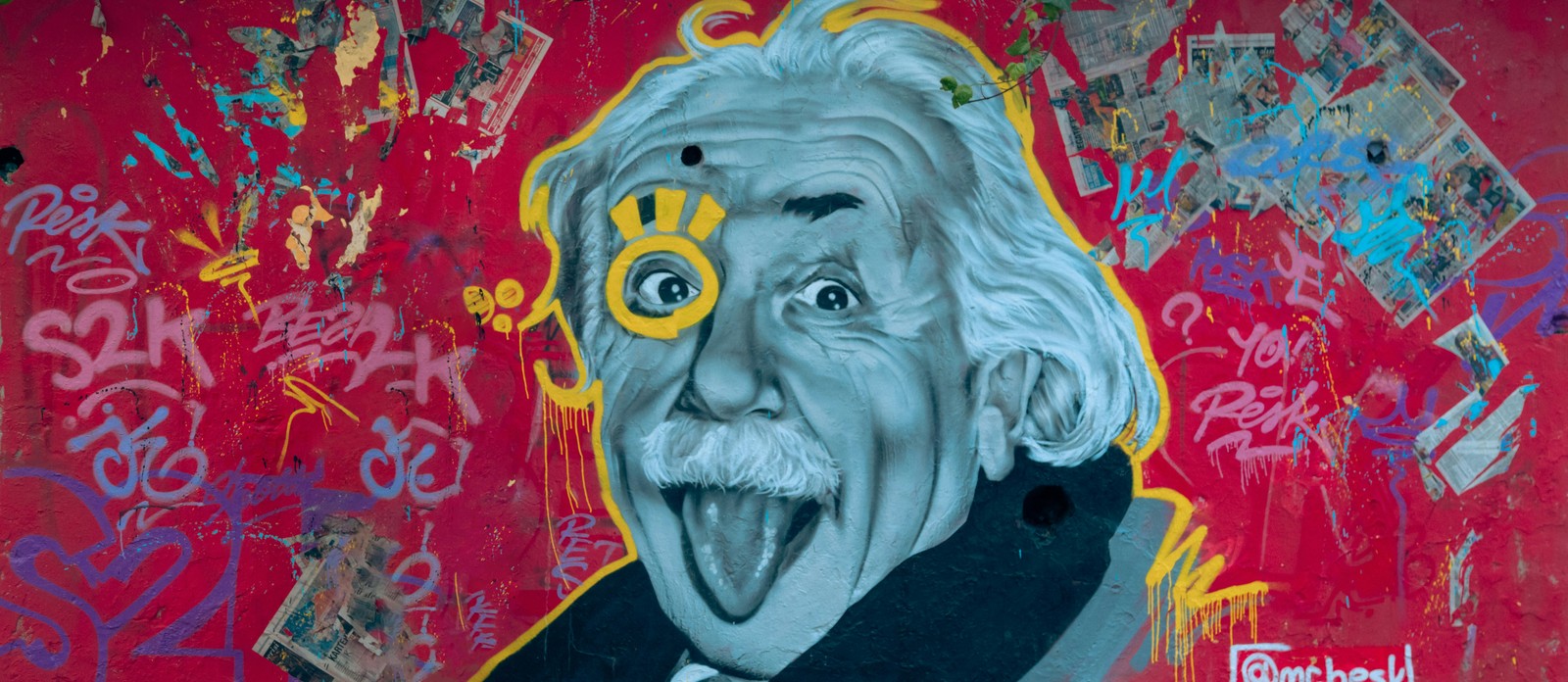
Image: Collab Media

We tend to put celebrities and public figures on a pedestal: they're icons, legends, faces on magazine covers. But behind the fame, they're also just people who get bored, need an outlet, or want to do something fun on a Saturday afternoon . Did you know that Clint Eastwood has played jazz piano his whole life? Or that Albert Einstein preferred to spend his free time drifting on a sailboat with no particular destination in mind? Let's pull back the curtain and take a look at the surprisingly human side of some of America's most celebrated figures.

1
Clint Eastwood: Jazz piano
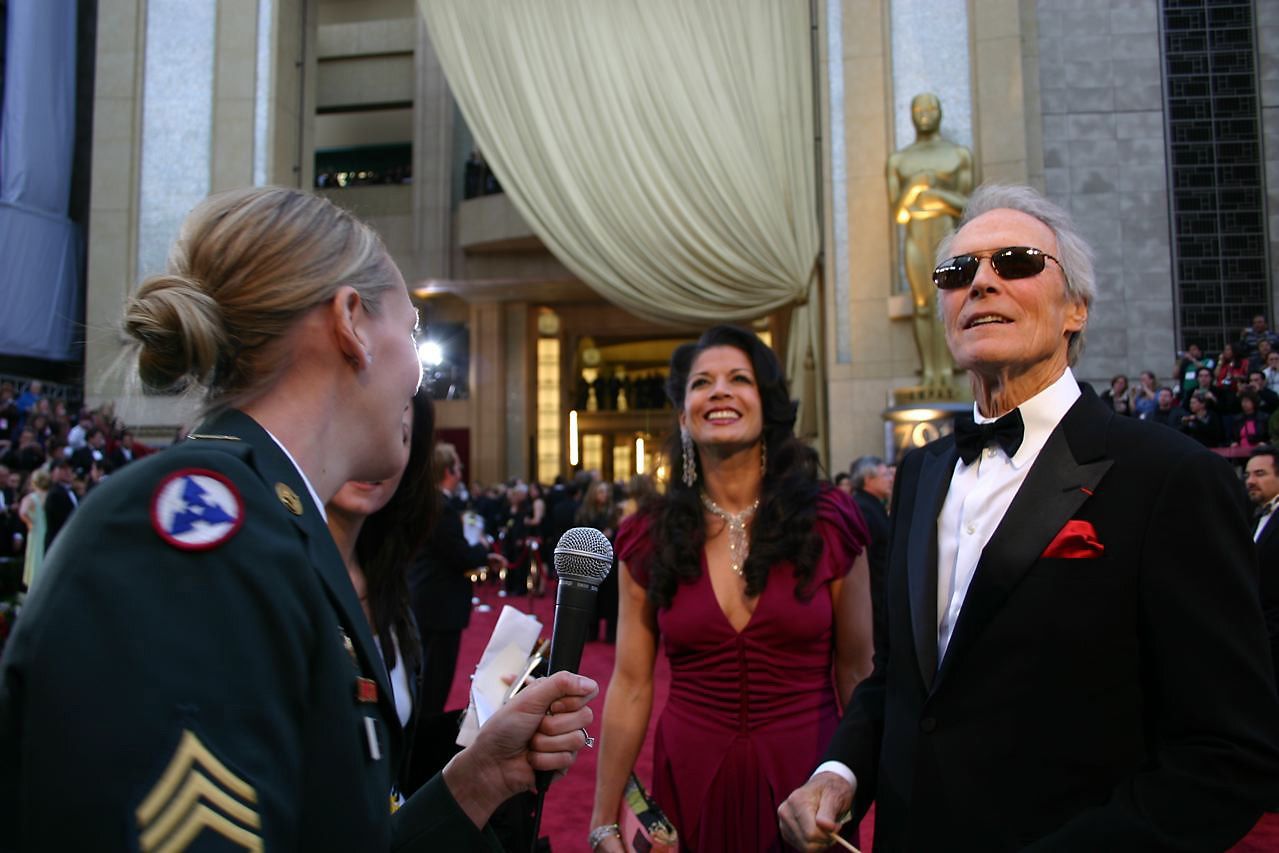
Image: Army.mil, Public domain, via Wikimedia Commons

Clint Eastwood has spent many decades playing the toughest, coolest characters in Hollywood—the Man with No Name, Dirty Harry—men of few words and steely nerves. So it might come as a surprise that he has always had a deeply sensitive, artistic side rooted in jazz piano. He started playing as a teenager in Oakland, California, influenced by the bebop era.

Eastwood has composed music for several of his own films and even directed Bird (1988) , a biographical film about jazz legend Charlie Parker. He plays piano regularly to this day and has spoken about jazz as a lifelong love.

2
Albert Einstein: Sailing
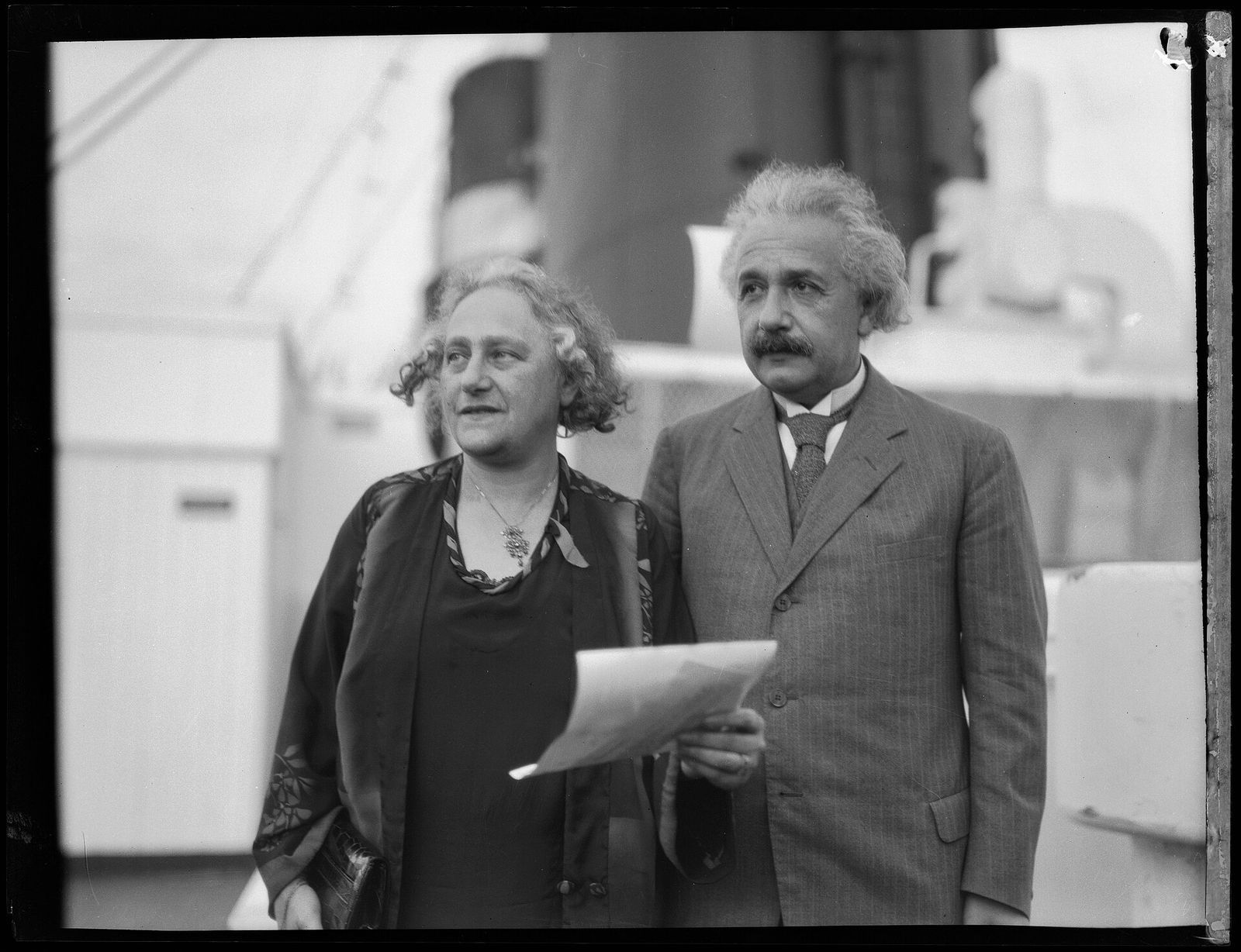
Image: Los Angeles Times, CC BY 4.0, via Wikimedia Commons

You might expect Albert Einstein's hobby to involve something complicated: equations on a chalkboard, perhaps, or building gadgets in a laboratory. Instead, the man who gave us the theory of relativity loved nothing more than to take a small sailboat out on a lake and just… drift. No engine. No motor. Just the wind.

Einstein was, by all accounts, a mediocre sailor who didn't particularly worry about being good at it. He called his sailboat Tümmler (German for "porpoise") and used those quiet hours on the water to think. He often said that some of his best ideas came to him while sailing .

3
Abraham Lincoln: Wrestling
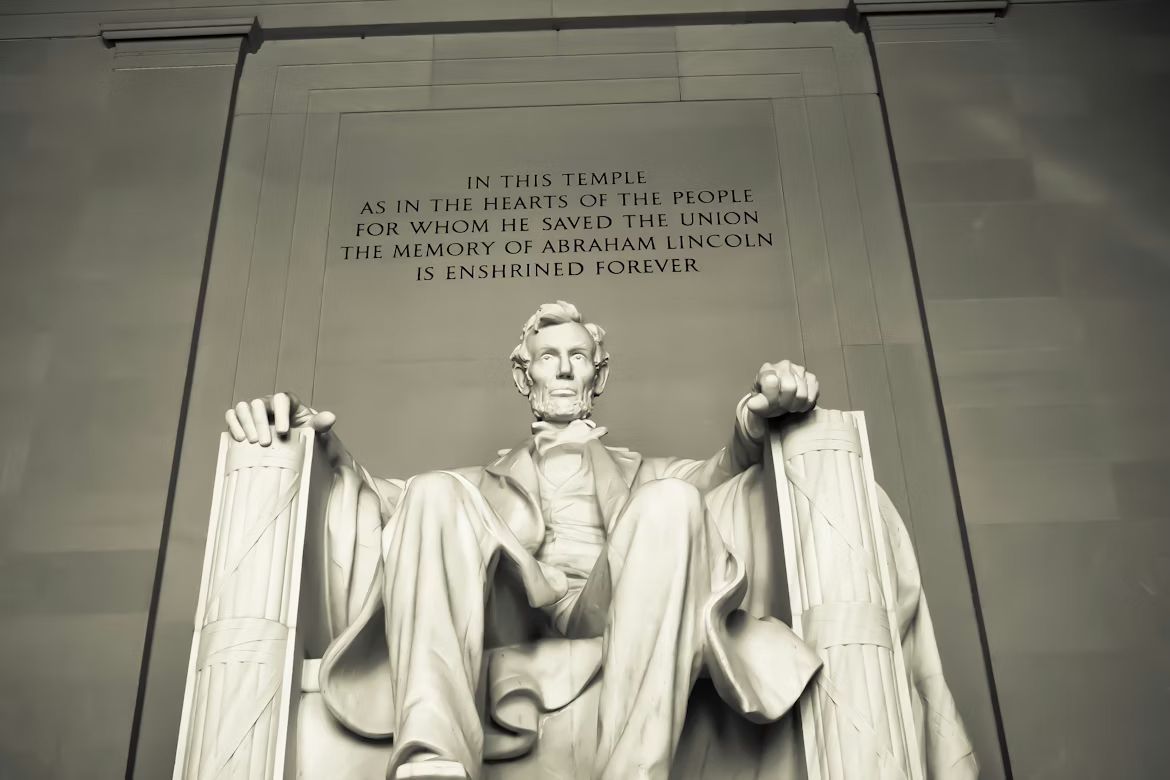
Image: Joshua Bedford

Before he was Honest Abe, Lincoln was just a tall, lanky young man from Illinois with remarkably long arms and a low center of gravity—which, as it turns out, makes you a pretty formidable wrestler. He took up the sport as a young man and quickly developed a reputation in his community as someone you really didn't want to tangle with.

Lincoln compiled an outstanding record, with reportedly one defeat in roughly 300 matches. He was so good that he was eventually honored by the National Wrestling Hall of Fame —yes, that's a real place, and yes, Abraham Lincoln is in it.

4
Meryl Streep: Knitting
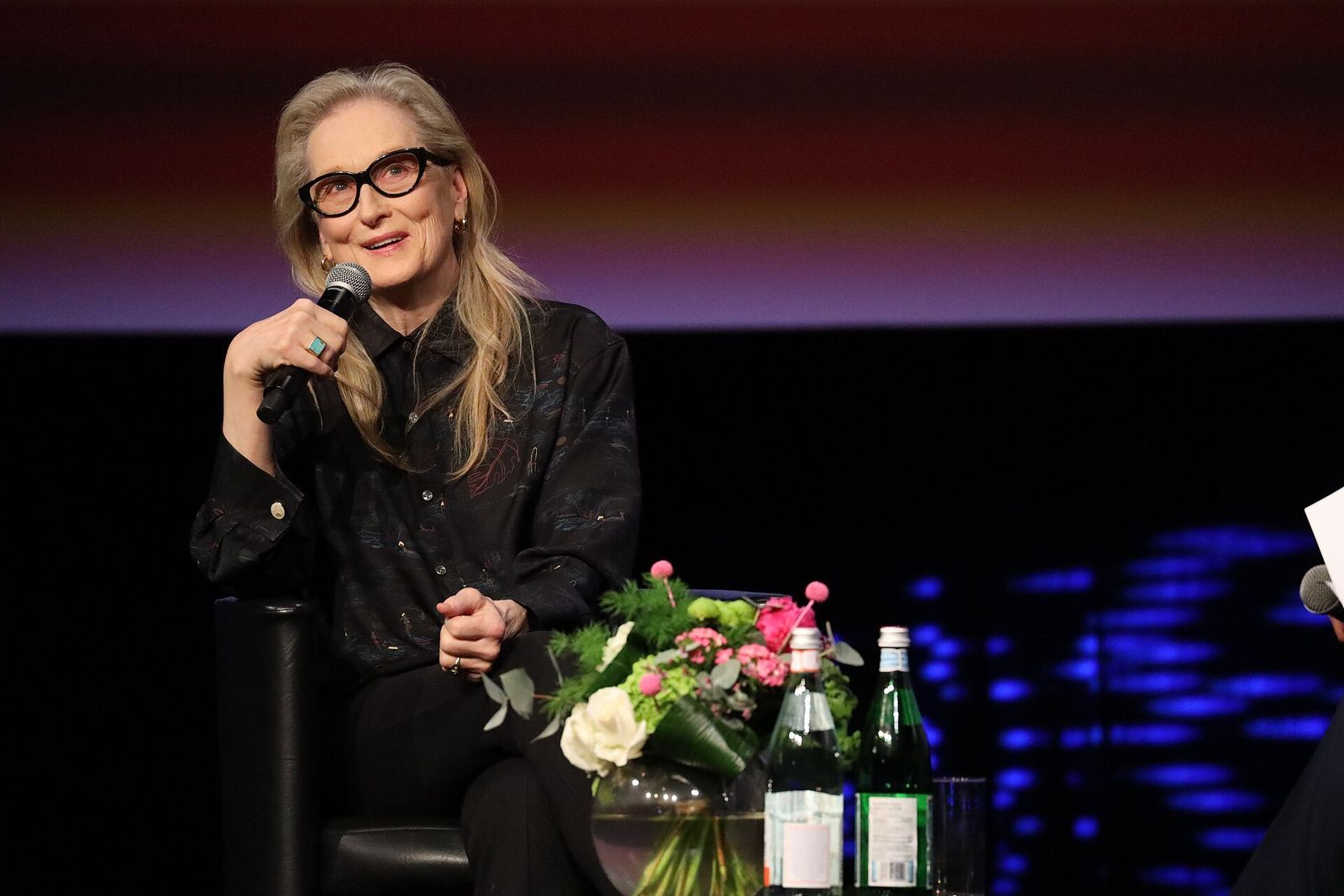
Image: Kevin Payravi, CC BY-SA 4.0, via Wikimedia Commons

Meryl Streep is widely considered the greatest actress of her generation, with a record 21 Oscar nominations to date. She's played everything from a Nazi commandant's mistress to Margaret Thatcher. And between takes on set, she knits.

She's said in interviews that knitting helps her stay grounded and present , even in the middle of emotionally demanding shoots. It gives her hands something to do while her mind processes a role. There's also something wonderfully ironic about the most decorated actress in Hollywood finding her peace in something so delightfully ordinary.

5
Tom Hanks: Typewriter collecting
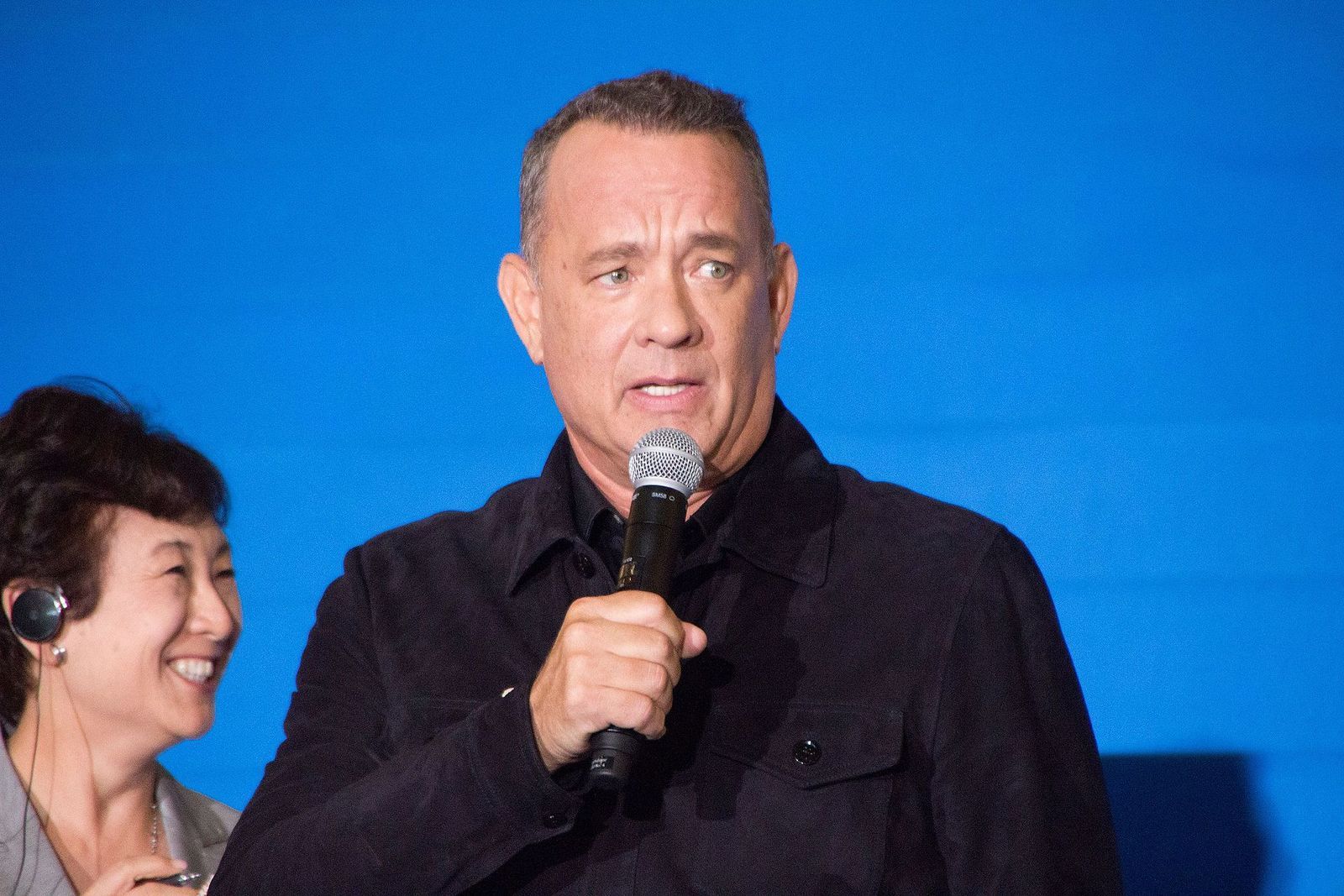
Image: Dick Thomas Johnson from Tokyo, Japan, CC BY 2.0, via Wikimedia Commons

Tom Hanks has won two Oscars, starred in some of the most beloved films in American history, and also owns—by his own estimate—more than 250 typewriters . He started collecting them in the early 1980s when he came across an old machine at a second-hand shop and was instantly hooked by the sound and feel of the keys.

Hanks became such a devoted enthusiast that he wrote an entire book about it: Uncommon Type, a collection of short stories where a typewriter appears in every single tale. He's also said he writes all his personal correspondence by hand or on a typewriter.

6
Steve Martin: Banjo playing
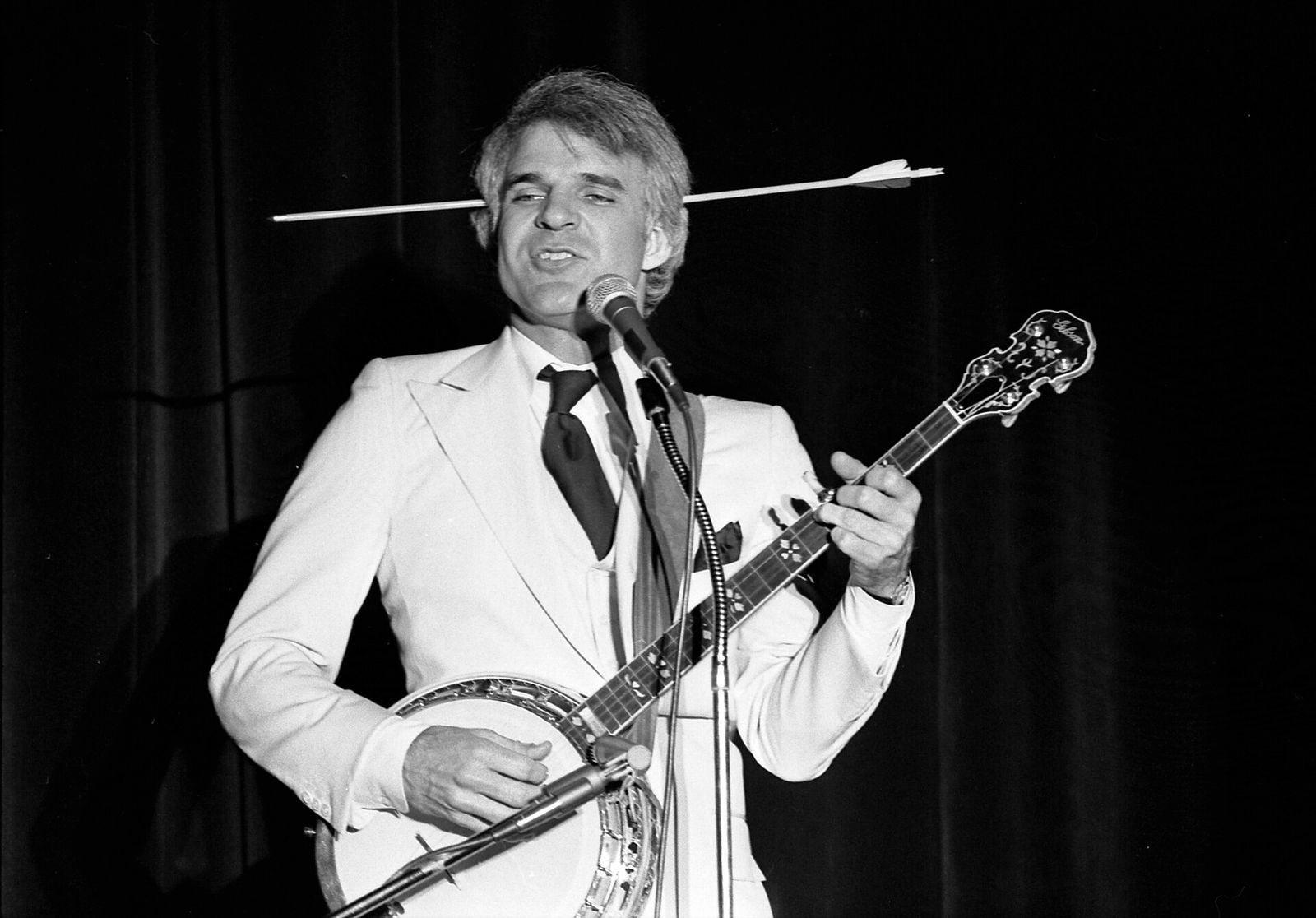
Image: Marianna Diamos, Los Angeles Times, CC BY 4.0, via Wikimedia Commons

Steve Martin built his career on comedy: the arrow through the head, the wild and crazy guy, the absurdist humor that made him a superstar in the 1970s and '80s. But long before the standup, film, and TV career, there was the banjo. He started learning as a teenager while working at Disneyland, drawn in by the bluegrass musicians performing there.

He never stopped playing. Martin has released multiple bluegrass albums, toured with accomplished musicians, and won a Grammy for his 2009 album The Crow: New Songs for the Five-String Banjo . For him, it was never a joke or a gimmick: the banjo is the real deal, and he plays it with genuine heart.

7
Jimmy Carter: Woodworking
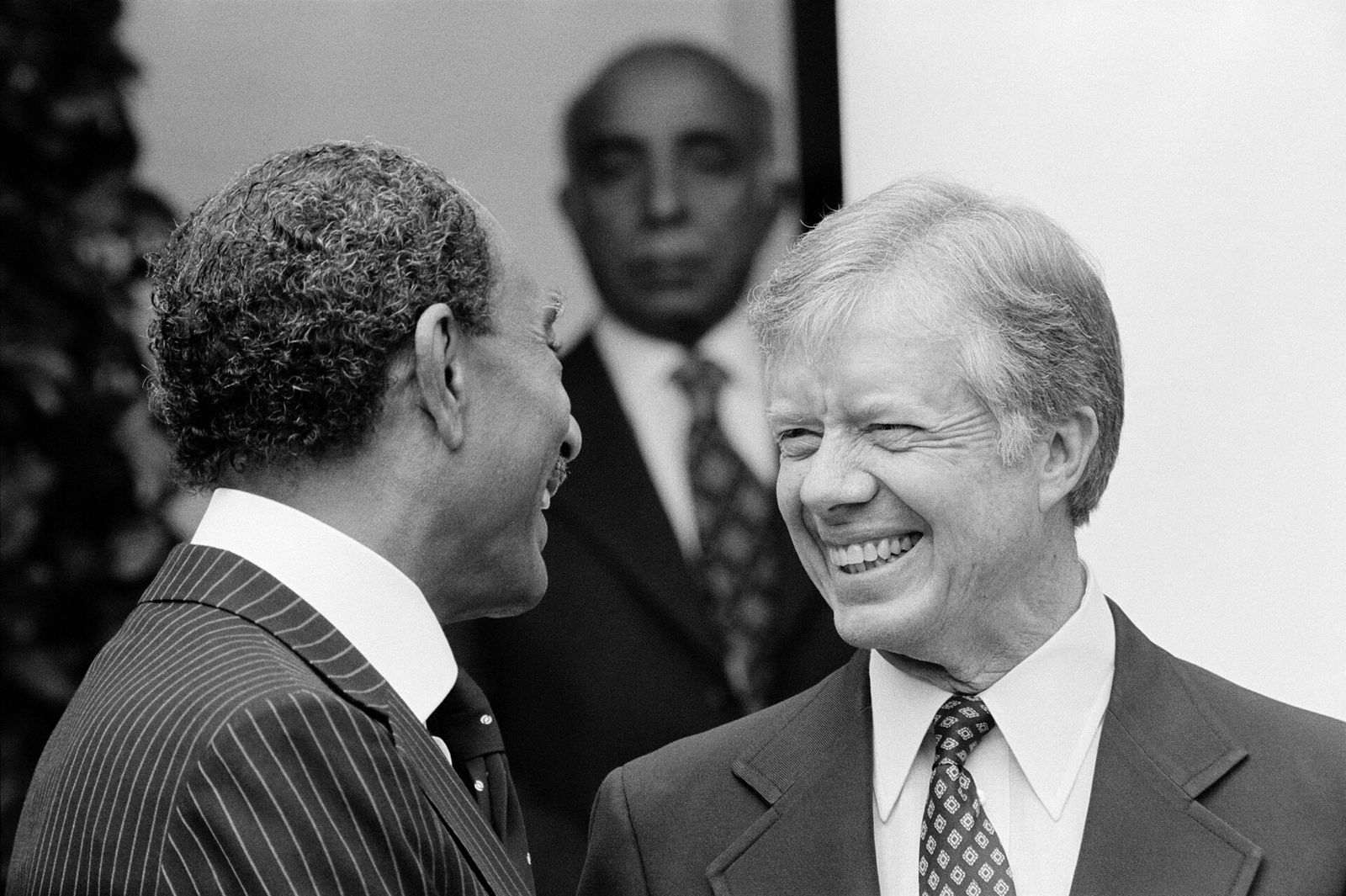
Jimmy Carter didn't pick up woodworking as a retirement hobby: he learned it out of necessity. Growing up on a Georgia farm during the Great Depression, his father taught him to be handy with just about everything. He kept at it through shop class and Future Farmers of America, and even built furniture for his own home during his Navy years.

Carter donated many of his handmade pieces to charity auctions benefiting Habitat for Humanity , a cause he championed throughout his post-presidential life. He even joked that a miniature of the White House he once built had nothing to do with his ambitions — though history would suggest otherwise.

8
Theodore Roosevelt: Boxing and judo
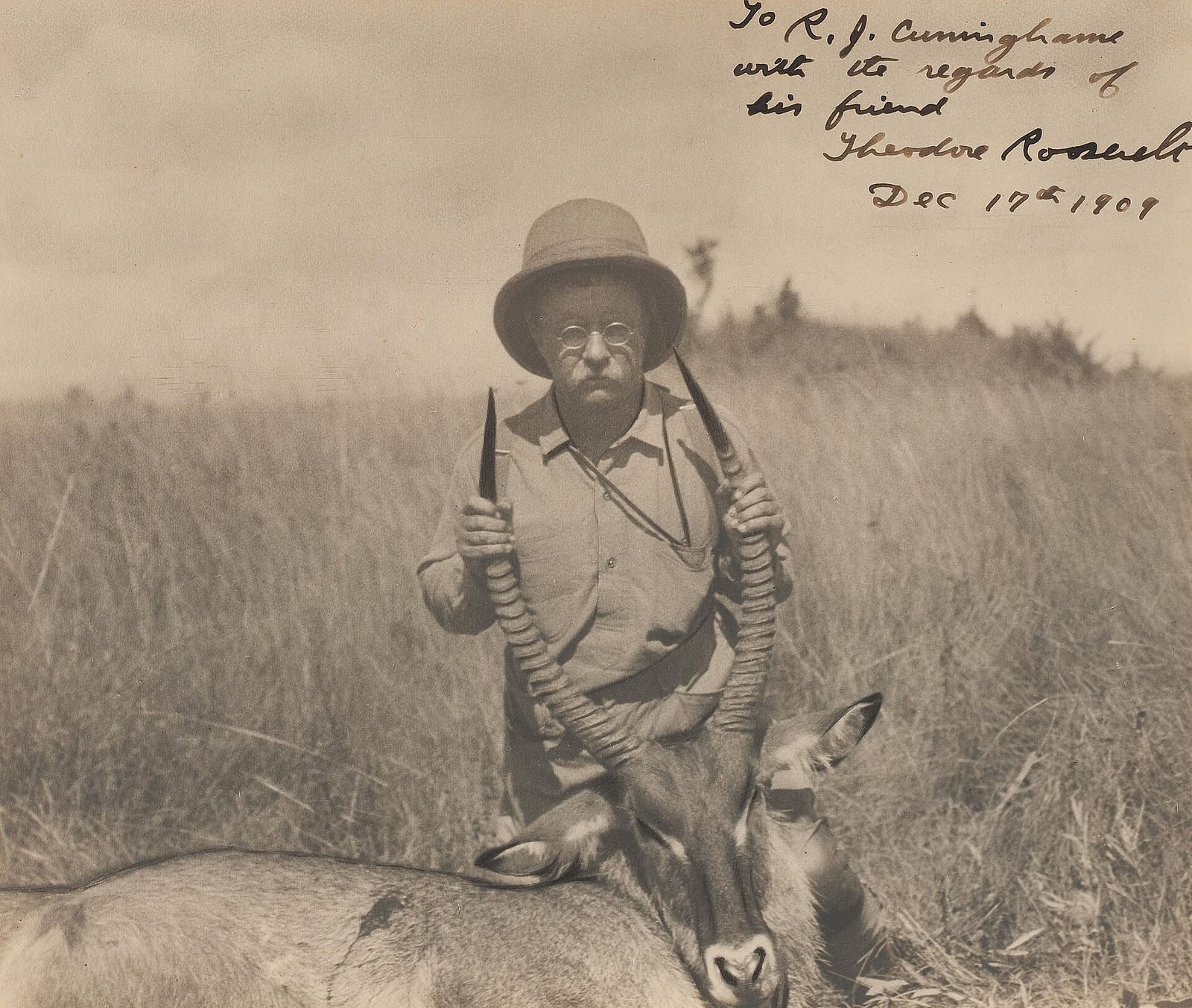
Image: Richard John Cunninghame (1871-1925), Public domain, via Wikimedia Commons

Teddy Roosevelt didn't exactly need a tough-guy reputation boost: the man charged up San Juan Hill, for crying out loud. But even as President of the United States, he kept up a regular boxing practice right inside the White House. He'd spar with aides and military officers, seeing it as a way to stay sharp, both mentally and physically.

That hobby came with a real price, though. In 1908, during one sparring session while in office, a punch left him blind in his left eye, a fact he kept secret for years. He later switched to judo, eventually earning a brown belt.

9
Condoleezza Rice: Competitive figure skating

Image: TechCrunch, CC BY 2.0, via Wikimedia Commons

Condoleezza Rice served as National Security Advisor and then Secretary of State under President George W. Bush, two of the most demanding jobs in the world. She's also a trained classical pianist. But here's the one that really catches people off guard: she was a competitive figure skater as a young girl growing up in Birmingham, Alabama.

Rice started skating as a child and trained seriously enough to compete. She has spoken about how the discipline required in skating —the repetition, the commitment, the ability to get up after you fall— shaped the way she approached everything else in her life . From the ice rink to the world stage, the mindset, it turns out, was always the same.

10
George W. Bush: Painting
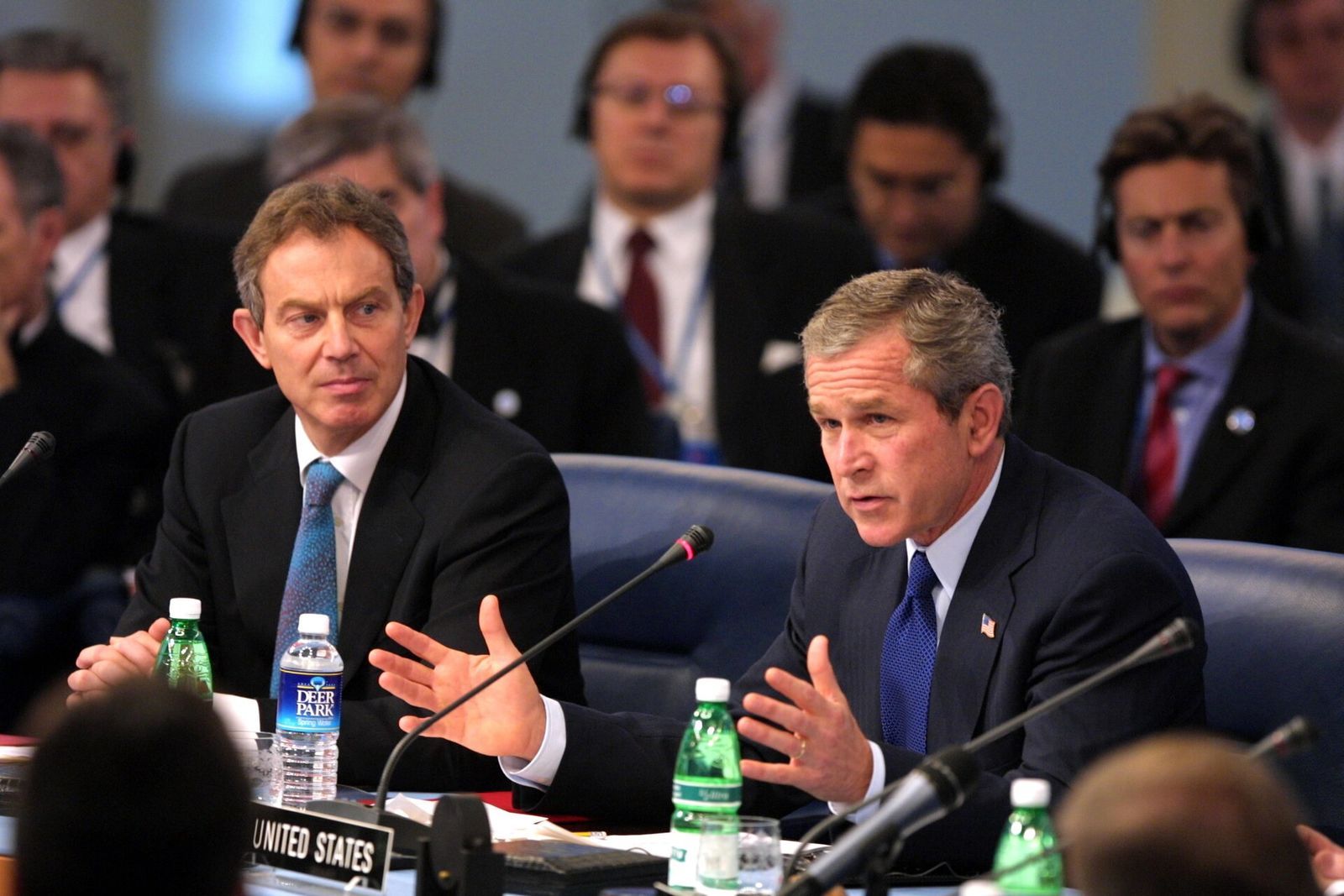
Image: Paul Morse, Public domain, via Wikimedia Commons

After leaving the White House in 2009, George W. Bush picked up a paintbrush, and nobody was more surprised than he was by how much he loved it. He started with his dogs and landscapes, quietly teaching himself the basics of oil painting with the help of online tutorials and books.

He eventually moved on to portraits of world leaders, veterans, and immigrants, and held gallery showings of his work . Critics who expected something amateurish were genuinely taken aback by the results. For instance, Washington Post journalist Karen Tumulty summed up the reaction of many when she admitted on social media that Bush's paintings were, surprisingly, kind of edgy.
General General 3 min read

Do you have a landline?

Can you tell what this was for? 12 items we no longer use!

Image: Luca Onniboni

Little by little, many of the things we used just a few decades ago have been phased out by newer technologies and changing habits. Your relatives no longer invite you over for a family viewing of holiday photos on a slide projector—they share them in the family WhatsApp group. Hardly anyone calls you on a landline anymore—they call your smartphone instead. Take a look at the following 12 things we no longer use. Do you miss any of them?

1
Paper road maps

Image: Sylwia Bartyzel

Paper maps—atlases, or topographic maps—are beautiful and there is always room for those as home decorations or teaching geography in schools. But as far as bulky roadmaps on your back pocket go, smartphones with GPS capabilities have made them obsolete.

2
Bathing machine

Image: Uta Scholl

Back in the day, modesty was far more strictly enforced than it is today. Forget about simply wearing your beach clothes to the shore—the bathing machine was a device, popular from the 18th century to the early 20th century, that allowed beachgoers to change out of their regular clothes , put on swimwear, and wade into the ocean.

3
Public telephones

Image: Pedram Farjam

Before cell phones existed, coin-operated pay phones were the go-to option for contacting someone or leaving a message. Pay phones were everywhere—on street corners, in malls, restaurants, airports, train stations, and hotels, allowing people to make calls in public places.

4
Teleseme

Image: Zoshua Colah

In the late 19th and early 20th centuries, luxury hotels featured an electric signaling device in each room , allowing guests to request goods or services from over 100 options. An attendant in the hotel office would receive the request via a corresponding teleseme and ensure the order was fulfilled.

These devices were eventually replaced by private branch exchange (PBX) telephone systems.

5
Slide projectors

Image: Nathan Anderson

As mentioned earlier, slide projectors were once a common household appliance in many homes and a popular form of entertainment . However, they became obsolete as video projectors became more affordable and accessible.

6
Phonebooks

Image: Brittany Colette

Imagine a book containing the home phone numbers of everyone in your city . It once existed and was delivered annually to every household with a landline by the telephone company. These hefty directories became obsolete with the rise of online listings and the death of landlines in favor of cell phones.

7
Typewriters

Image: Bernard Hermant

Imagine not being able to revise what you’re writing without scrapping the whole page . While that situation was a great exercise for your focusing abilities, it was phased out by home computers and word processors, which allowed for infinite rewrites in no time.

8
Photo Album

Image: Laura Fuhrman

Smartphones have made photography more accessible than ever, yet we print fewer photos than before. When photography wasn’t digital, people took their film rolls to be developed , returning with 36 crisp pictures—some of which, if deemed worthy, were carefully placed in photo albums .

9
Cassette tape players

Image: Dave Weatherall

If you're over 40, you’ve probably owned a cassette player—whether a Walkman, a boombox, or any other model. Cassettes were sturdy, reliable, and easy to use . However, with the arrival of CDs, which offered superior sound quality and the ability to skip tracks at the press of a button, cassettes and their players quickly faded into obscurity.

10
Encyclopedias

Image: James

Before the internet, encyclopedias were the primary source of knowledge. These extensive book collections adorned bookshelves in homes and public libraries, offering detailed descriptions of almost any subject imaginable , all listed in alphabetical order .

11
Fax machines

Image: alecale35

By today’s standards, sending and receiving faxes wasn’t particularly fast, but at the time, it was a game-changer. The fax machine digitized documents with a scanner and transmitted printed pages over telephone lines . However, it became obsolete with the rise of email, scanners, and smartphones.

12
VHS tapes and VCRs

Image: Leonard Reese

Being able to see any movie you want at home feels ordinary today, but, in the early 80s, it was a dream come true. And this dream was made possible by VCRs and VHS tapes. These bulky devices were eventually replaced by DVD players, which offered superior image quality and eliminated the need to rewind the tape.

Culture Culture 4 min read

What if…?

You won’t believe who almost replaced Harrison Ford in Star Wars!

Image: GR Stocks

Some movie characters have become so iconic that it’s hard to picture anyone else in the role. But the truth is, many of these parts almost went to completely different actors. Can you imagine Al Pacino as Han Solo? It nearly happened! In this article, we’ll explore that story and nine other cases where famous characters almost end up with a different face.

1
Han Solo- Al Pacino

Image: Gotfryd, Bernard, photographer, Public domain, via Wikimedia Commons

Can you imagine the legendary Han Solo played by anyone other than Harrison Ford? Hard to picture, right? But it nearly happened: Al Pacino was actually offered the role. According to Pacino, he got the Star Wars script before it became a massive hit, but he "didn’t understand it" and decided to pass.

2
Jack Nicholson- Michael Corleone

Image: Larry Bessel, Los Angeles Times, CC BY 4.0 <https://creativecommons.org/licenses/by/4.0>, via Wikimedia Commons

It’s true that the great Jack Nicholson had no shortage of incredible roles and performances. But did you know he almost played one of cinema’s most iconic gangsters, Michael Corleone? However, Nicholson felt that "an Italian-American character should be played by an Italian-American actor" and passed on the role, which ultimately went to the brilliant Al Pacino.

3
Pretty Woman- Molly Ringwald

Image: Panio Gianopoulos, CC BY-SA 3.0 <https://creativecommons.org/licenses/by-sa/3.0>, via Wikimedia Commons

Pretty Woman (1990) is undeniably one of the iconic films of the ’90s, made unforgettable by the stellar performances of Richard Gere and Julia Roberts. But did you know the role of Vivian almost went to someone else? Molly Ringwald, star of Sixteen Candles (1984) and The Breakfast Club (1985), was originally considered, but she turned it down because she didn’t feel comfortable with the role.

4
Jack from Titanic- Matthew McConaughey

Image: All-Pro Reels from District of Columbia, USA, CC BY-SA 2.0 <https://creativecommons.org/licenses/by-sa/2.0>, via Wikimedia Commons

Can you picture a young Matthew McConaughey as the lovely Jack in Titanic (1997)? Hard to imagine, right? But it almost happened! Although he was five years older than Leonardo DiCaprio, both auditioned for the role. McConaughey came close to landing it but ultimately lost out because he refused to drop his Southern accent.

5
Catwoman- Madonna

Image: chrisweger, CC BY-SA 2.0 <https://creativecommons.org/licenses/by-sa/2.0>, via Wikimedia Commons

When we think of Catwoman, Michelle Pfeiffer instantly comes to mind, as she gave us one of the most iconic portrayals of the character in Batman Returns (1992). But the role wasn’t always meant for Pfeiffer. That’s right! Catwoman almost went to the legendary Madonna. Believe it or not, the singer was originally offered the role but didn’t find it appealing at the time. Years later, she admitted she regretted passing it up.

6
Django- Will Smith

Image: Raph_PH, CC BY 4.0 <https://creativecommons.org/licenses/by/4.0>, via Wikimedia Commons

In 2012, Quentin Tarantino brought us Django Unchained , inspired by the 1966 Spaghetti Western classic Django . The film was a hit, with Jamie Foxx shining as the lead. But it could have looked very different, as another actor was originally offered the role: Will Smith. After reading the script, he passed, feeling that Django was overshadowed by other characters and that the story focused too much on vengeance.

7
Mrs. Smith- Gwen Stefani

Image: Lorie Shaull from St Paul, United States, CC BY-SA 2.0 <https://creativecommons.org/licenses/by-sa/2.0>, via Wikimedia Commons

Mr. & Mrs. Smith (2005) isn’t just one of the sexiest films of recent years; it’s also where Brad Pitt and Angelina Jolie met and fell in love. But we almost missed out on this iconic couple! Why? Well, besides Angelina, other actresses and artists were considered for the role. One of them was singer Gwen Stefani, who said she "almost got it" but chose to focus on her music career instead.

8
Neo- Will Smith

Image: Gage Skidmore from Peoria, AZ, United States of America, CC BY-SA 2.0 <https://creativecommons.org/licenses/by-sa/2.0>, via Wikimedia Commons

We don’t know how many roles Will Smith has turned down over the years, but he appears twice on this list! This time, it’s the legendary Neo from The Matrix franchise. According to Smith, when they offered him the role, he had also been offered Captain James West in Wild Wild West (1999) and ultimately chose that one instead.

9
Captain America- John Krasinski

Image: Gabriel Hutchinson, CC BY-SA 4.0 <https://creativecommons.org/licenses/by-sa/4.0>, via Wikimedia Commons

John Krasinski won our hearts as the clever Jim in The Office . But did you know he nearly became a superhero? He was close to playing Captain America! Although he even auditioned, Krasinski later joked that when he saw Chris Hemsworth in his Thor costume, he realized the role and the movie weren’t quite for him.

10
Iron Man- Tom Cruise

Image: Gabriel Hutchinson Photography, CC BY-SA 4.0 <https://creativecommons.org/licenses/by-sa/4.0>, via Wikimedia Commons

Iron Man, the genius billionaire who uses his brains and wealth for good, is a Marvel icon we all know and love thanks to Robert Downey Jr.’s brilliant performance. But did you know we almost saw Tom Cruise dressed up as a superhero? That’s right! He was seriously considered for the role, though the way the project was pitched didn’t quite convince him.

Explore more American facts

Choose your favorite category!

General
General

As American as apple pie—the very best America has to offer!

Culture
Culture

Delve into the astounding richness of American lore.

Geography
Geography

Hop in and explore vast and diverse American landscapes.

History
History

Discover the key moments that shaped the United States.