Culture Culture 5 min read

The styles that shaped the last 100 years

What was in style for American women, decade by decade
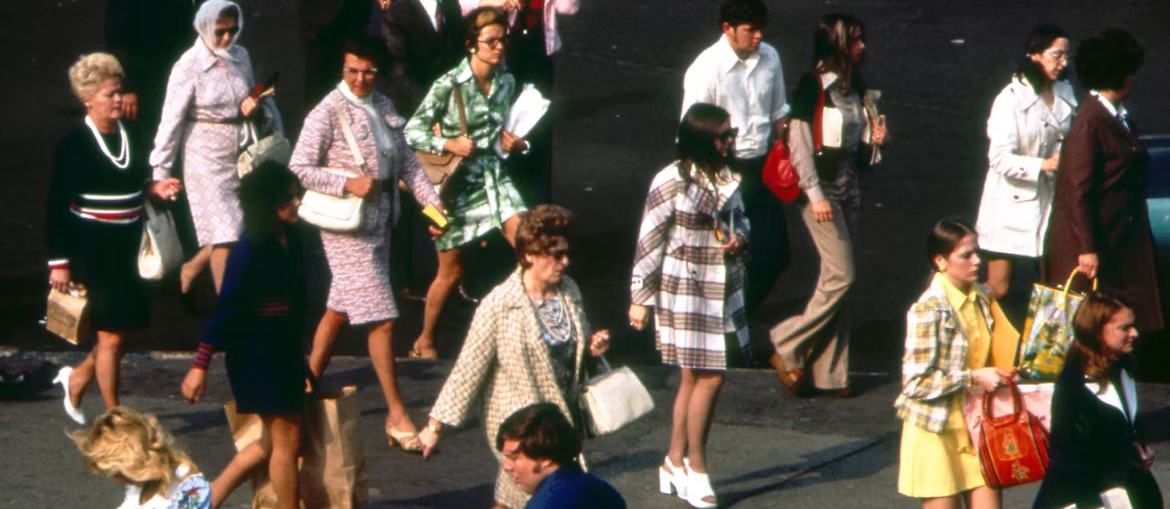
Image: Documerica

Fashion is more than what we wear; it’s a reflection of who we are, how we see ourselves, and the times we live in. Over the past 100 years, American women’s fashion has evolved from the rebellious flapper styles of the 1920s to the comfort and personal expression of the 2020s. Every decade brought its own looks and style icons, shaped by popular culture, changing lifestyles, and social attitudes. Take a journey through the decades to see how American women dressed, and how fashion reflected the spirit of each era.

1
The 1920s: Flappers and a new sense of freedom

Image: Gera Ceja

The 1920s brought a new sense of independence and modernity to American women, and fashion reflected that changing attitude. After centuries of restrictive styles, women embraced clothes that allowed greater freedom of movement and a more youthful appearance.

Flapper dresses, bobbed hair, cloche hats, Mary Jane shoes, and long strands of pearls became signatures of the decade. The rebellious flapper embodied this new attitude, with silent film star Louise Brooks becoming one of the era's most recognizable style icons.

2
The 1930s: Hollywood glamour

Image: cottonbro studio

The hardships of the Great Depression contrasted sharply with the glamorous world presented on the silver screen. Hollywood offered an escape, and movie stars became powerful influences on how American women wanted to look. Fashion was elegant and feminine, with clothing designed to create a long, graceful silhouette.

Bias-cut dresses, fitted gowns, wide-leg trousers, fur-trimmed coats, and chic hats were popular, while satin and silk added a touch of luxury. Jean Harlow, known for her platinum-blonde hair and glamorous gowns, was one of the decade’s most celebrated style icons, alongside other actresses such as Carole Lombard.

3
The 1940s: Fashion during wartime
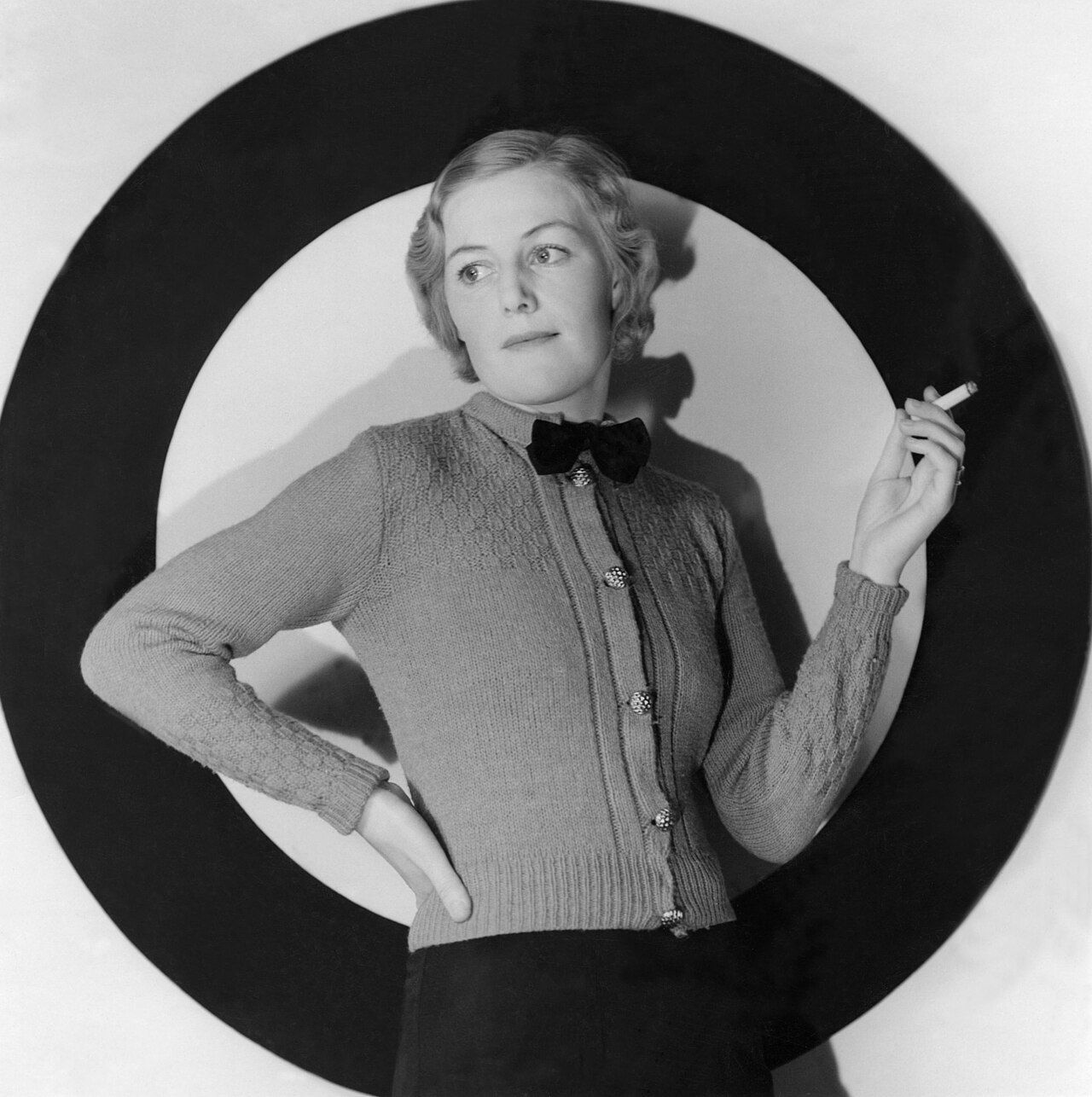
Image: Erik Holmén, Nordiska museet, CC BY 4.0, via Wikimedia Commons

World War II brought practicality to the forefront. With fabric rationed and millions of women entering the workforce, clothing had to be functional, durable, and economical without completely sacrificing style.

Tailored suits, shorter skirts, button-up blouses, trousers, sturdy shoes, and simple dresses became everyday staples. The iconic image of Rosie the Riveter, with her work shirt, rolled-up sleeves, and headscarf, came to symbolize the capable working woman of wartime America.

4
The 1950s: The feminine silhouette returns
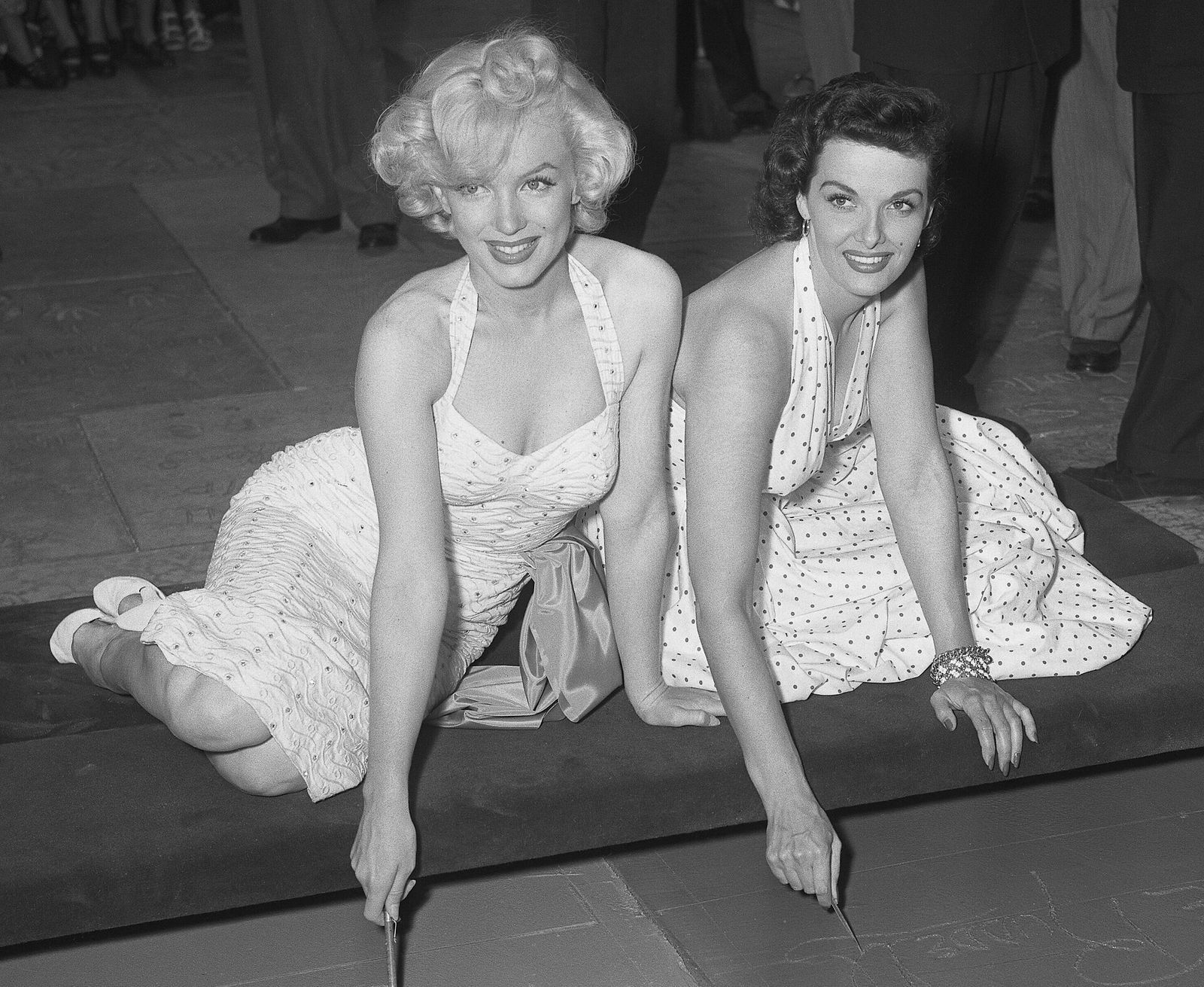
Image: Los Angeles Times, CC BY 4.0, via Wikimedia Commons

The postwar years ushered in a very different mood. As prosperity grew, fashion celebrated femininity, polish, and carefully put-together appearances. The hourglass figure became the decade's ideal silhouette.

Full skirts, cinched waists, fitted sweaters, gloves, pearls, and tailored dresses dominated women's wardrobes. Hollywood stars reinforced the look: Marilyn Monroe represented glamorous, voluptuous femininity, while Grace Kelly became synonymous with restrained, sophisticated style.

5
The 1960s: Mini skirts and mod style
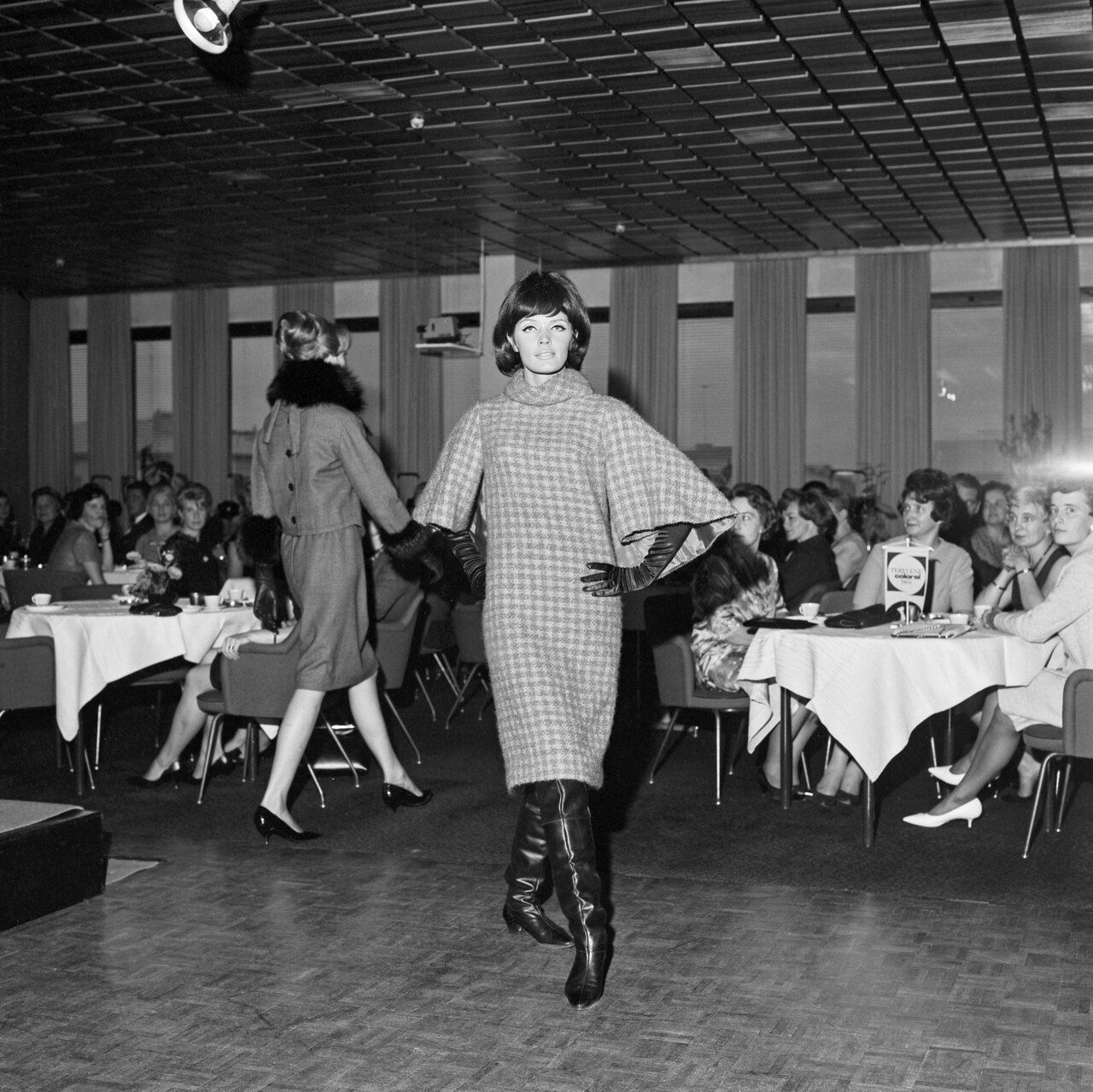
Image: U. A. Saarinen, CC BY 4.0, via Wikimedia Commons

The 1960s belonged to youth culture. Younger women were challenging traditional ideas about fashion and society , and clothing became a way to express independence and a willingness to break the rules.

Mini skirts, shift dresses, go-go boots, bold geometric prints, colorful tights, and bright colors gave the decade its unmistakable look. British designer Mary Quant became closely associated with the mini skirt, while First Lady Jackie Kennedy influenced millions of women with her polished dresses, pillbox hats, and timeless elegance.

6
The 1970s: From hippie to disco
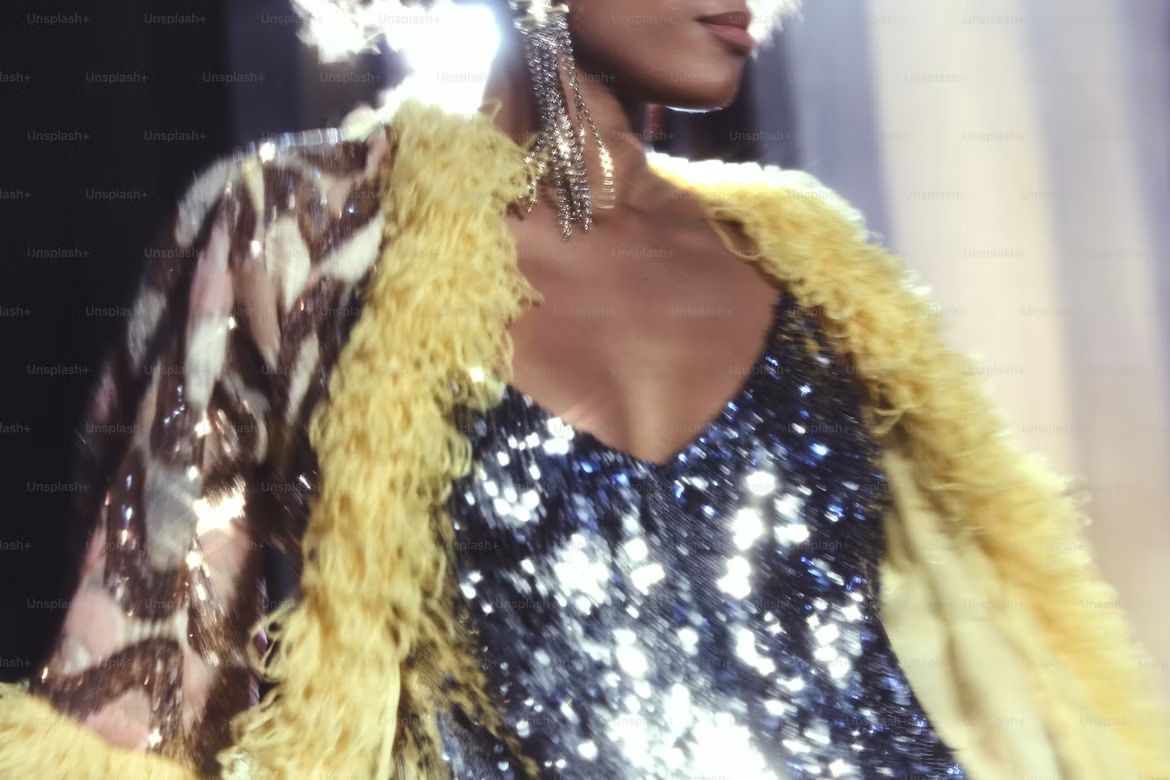
Image: Edu Bastidas

Individuality was the name of the game in the 1970s. The decade's fashion reflected everything from the counterculture and growing women's movement to the glamorous nightlife of the disco era.

Early on, bell-bottom jeans, flowing maxi dresses, peasant blouses, fringe, denim, suede, and platform shoes dominated. Later, sequined dresses, jumpsuits, halter tops, and metallic fabrics took over the dance floor. Diana Ross was one of the era's standout style icons, effortlessly embodying its glamorous side.

7
The 1980s: Big shoulders and bigger statements

Image: Josue Velasquez

Confidence, and plenty of it, defined the 1980s. As more women entered professional and corporate environments, clothing became a way to project ambition and authority , while pop culture encouraged an equally bold approach outside the office.

Power suits, shoulder pads, oversized blazers, leggings, bright colors, statement jewelry, and wide belts captured the decade's love of excess. Madonna influenced a younger generation with lace, layered jewelry, leggings, and rebellious accessories, while Dynasty’s Joan Collins represented the decade's polished glamour.

8
The 1990s: Casual becomes fashionable

Image: Beyzaa Yurtkuran

After the extravagance of the 1980s, fashion took a more relaxed turn. The idea that clothes could be stylish without looking overly polished gained ground, and casualwear moved firmly into the mainstream. Grunge also made its mark, bringing a deliberately undone attitude to everyday fashion.

Straight-leg jeans, flannel shirts, slip dresses, simple T-shirts, sneakers, and minimalist dresses became staples. Inspired by the grunge scene, many women embraced layered, oversized, and thrift-store-inspired looks. Princess Diana was a major style influence, particularly for her effortlessly chic casual outfits, while supermodel Kate Moss represented an edgy, minimalist glamour.

9
The 2000s: Low-rise jeans and celebrity style

Image: Giorgio Montersino, CC BY-SA 2.0, via Wikimedia Commons

Early-2000s fashion was playful, youthful, and heavily influenced by celebrities. Low-rise jeans, cropped tops, velour tracksuits, tiny handbags, platform sandals, and logo-covered clothing were everywhere. Matching sets and highly coordinated outfits were also popular, creating some of the decade’s most recognizable looks.

Celebrities became fashion trendsetters on an unprecedented scale. Jennifer Lopez, Britney Spears, and Paris Hilton were among the decade’s most recognizable style icons, with their outfits frequently appearing in magazines, celebrity news shows, and online. For many women, keeping up with the latest celebrity looks became almost as important as following traditional fashion trends.

10
The 2010s: Social media changes fashion

Image: Nicole Alexander, CC BY 3.0, via Wikimedia Commons

The 2010s ushered fashion into a new digital era. Instagram, fashion blogs, and social media changed how women discovered trends, while celebrities, influencers, and even everyday users could become style authorities. What people wore could suddenly reach millions of people with a single post.

Skinny jeans, leggings, statement necklaces, jumpsuits, sneakers, and athleisure became everyday favorites. Women increasingly mixed casual pieces with more polished ones, creating looks that worked just as well for running errands as they did for going out. Kim Kardashian became one of the decade’s most influential style figures, while fast fashion made it easier than ever to follow new trends.

11
The 2020s: Comfort meets personal style

Image: Vitaly Gariev

The 2020s have brought a more flexible approach to fashion. Comfort has become a major priority, with wide-leg pants, oversized shirts, relaxed denim, sneakers, matching sets, and other comfortable basics becoming everyday favorites. At the same time, women have more freedom to decide what feels stylish and authentic to them.

Rather than following one dominant look, women today can mix styles from different decades, combining vintage dresses with modern sneakers or classic pieces with contemporary trends. The biggest trend of the 2020s so far may simply be personal expression.

Geography Geography 3 min read

Don’t believe the movies

Debunking myths about the state of California

Image: zoe pappas

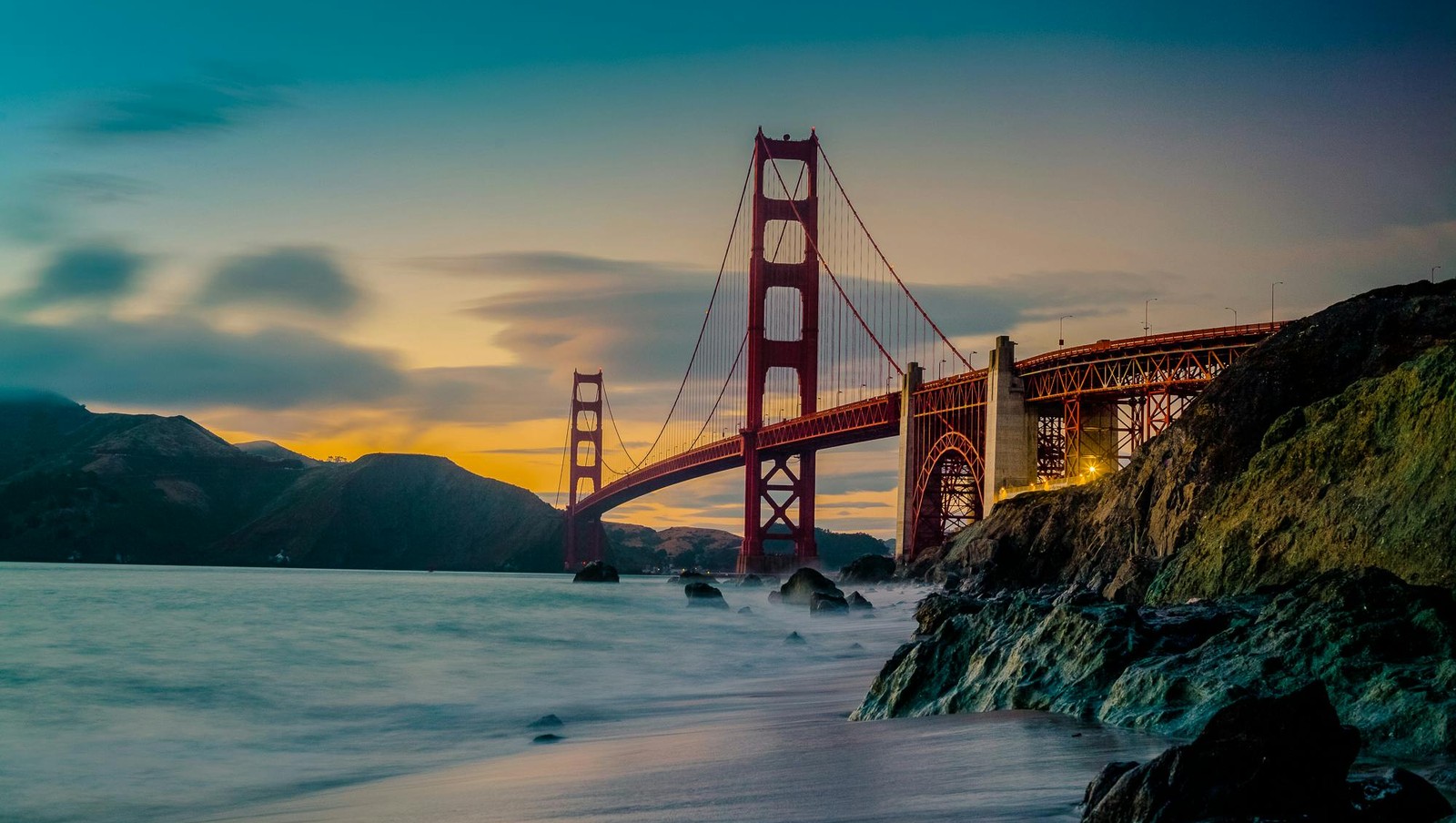
California inspires big dreams and even bigger expectations. Beaches that stretch forever, celebrities roaming freely, and the long-standing promise that anyone can "make it" there. But as much as the Golden State shines, it also carries a bushel of myths that don’t survive contact with reality. Ready for a myth-busting tour?

1
The entire coastline is made of glorious sandy beaches

Image: Jeremy Bishop

California’s coastline is long, gorgeous, and wildly varied. Much of it is dominated by cliffs, rocky shores, and chilly waters. Even many popular beaches require a wetsuit if you actually want to get in the water.

Yes, some stretches are ideal for volleyball and sunbathing, but others are better suited to photography.

2
Celebrities are everywhere and happy to mingle

Image: Bibi

It’s tempting to imagine Los Angeles as one giant red-carpet event, but daily life looks a lot more ordinary. Celebrities tend to live in gated communities, travel in private cars, and pick very discreet places to relax.

You might spot one, but you’re far more likely to meet tourists looking for celebrities than actual celebrities themselves.

3
Move to Hollywood and become a star overnight

Image: Edgar Colomba

Hollywood is full of dreamers, but most of them are hustling on the side, waiting tables, doing gig work, and going to audition after audition.

Fame is rarely instant. It’s more like a very long, very competitive marathon that most people don’t see unless they live there.

4
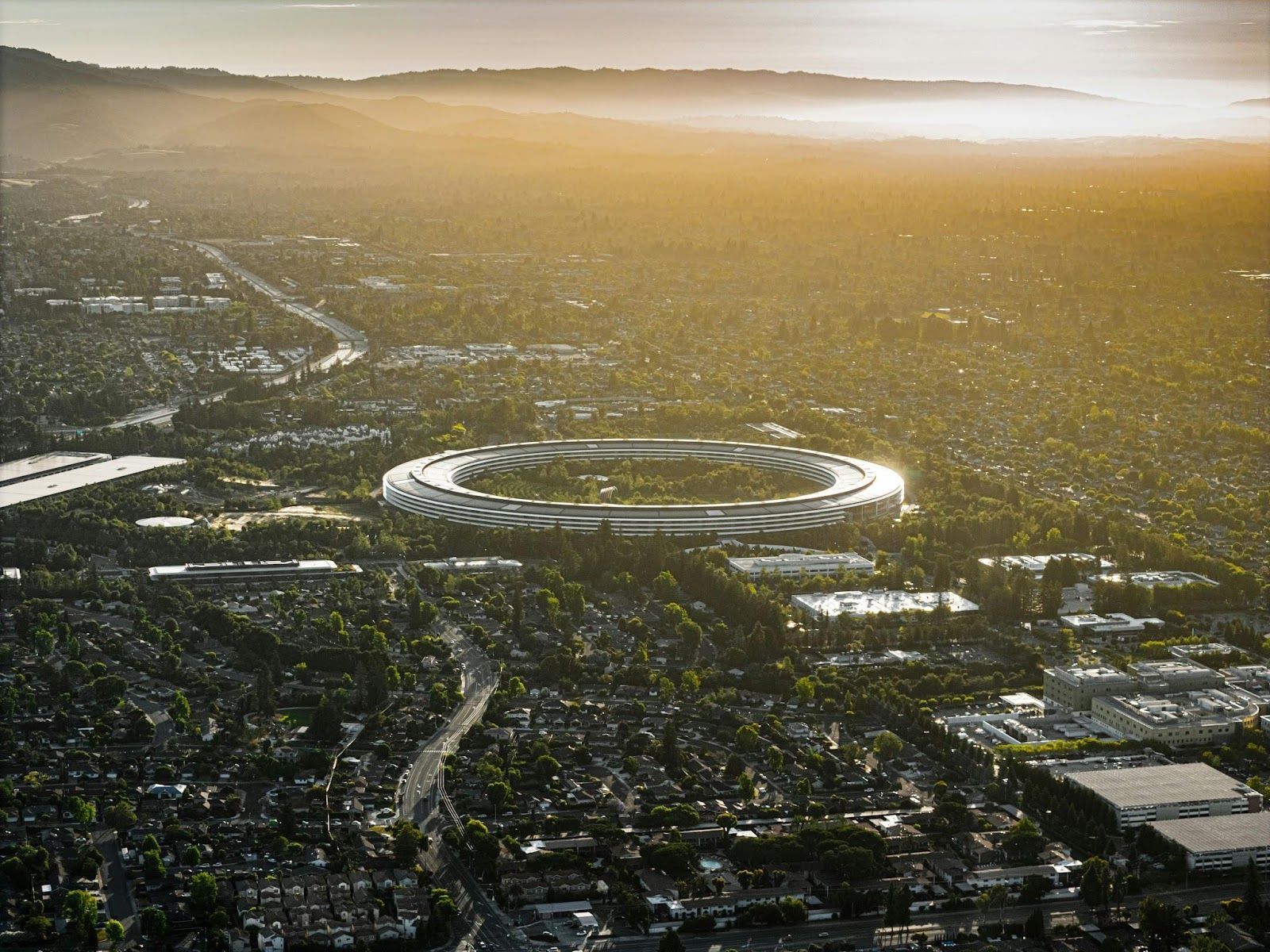
Move to Silicon Valley and become an overnight startup whiz

Image: Nils Huenerfuerst

It’s true that Silicon Valley is packed with entrepreneurs and investors. But it’s also full of failed startups, intense work schedules, and fierce competition.

Raising money is tough, building a product is tougher, and surviving long enough to succeed is almost heroic. The myth of "instant unicorn status" is just like the myth of instant movie stardom.

5
The weather is sunny and perfect year-round

Image: Roberto Nickson

California’s climate varies dramatically. Coastal fog in the Bay Area can last all day, winter rainstorms sweep through the north, inland valleys hit triple-digit heat, and wildfire season is a yearly threat.

6
Traffic is terrible, everywhere

Image: Aleksandr Popov

The traffic horror stories from Los Angeles are quite real, but they’re not universal. California is huge, and plenty of mid-sized cities and rural areas have perfectly manageable commutes. Even in LA, traffic ebbs and flows.

7
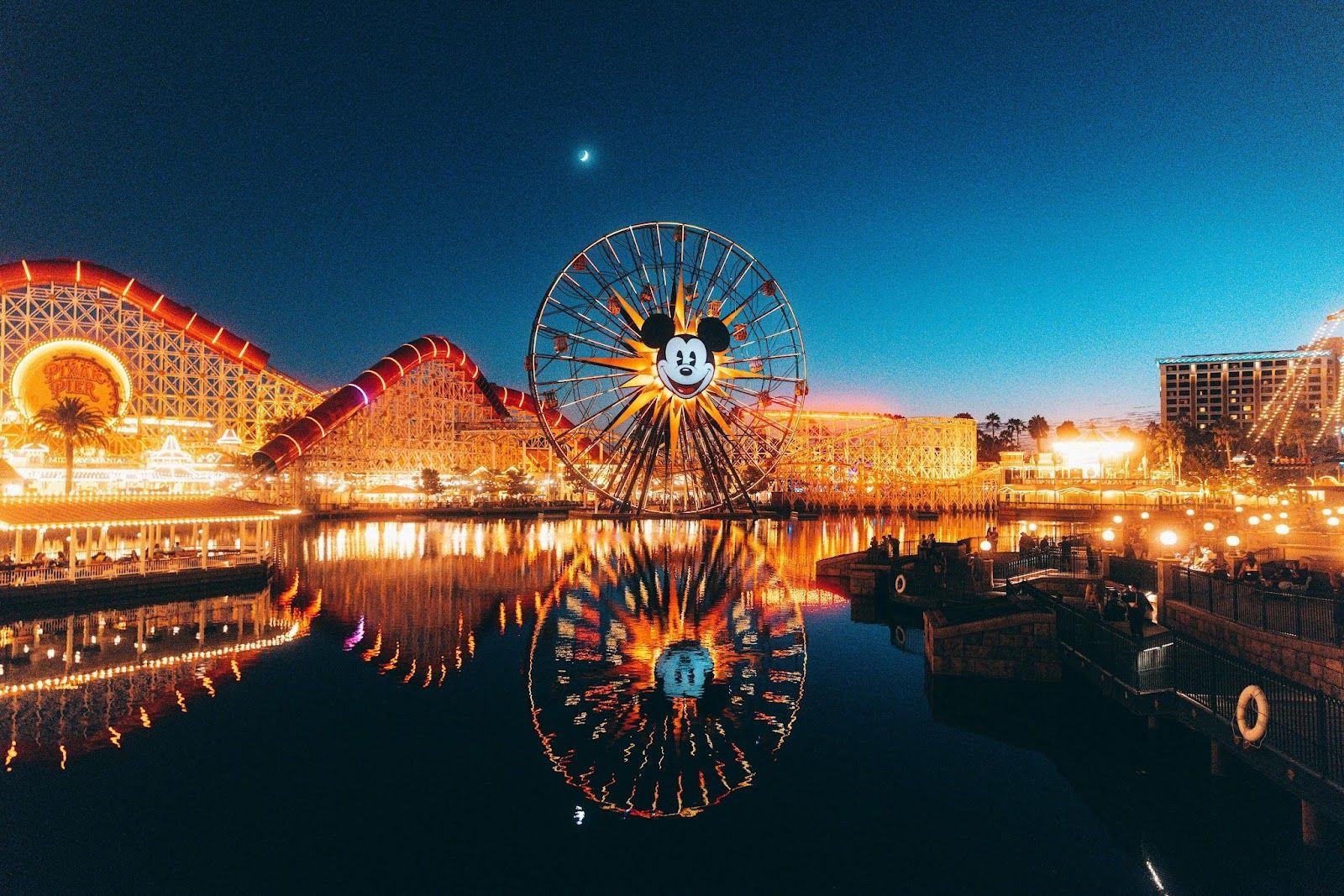
Californians go to Disneyland every other weekend

Image: Isaac Garcia

Disneyland may be magical, but it’s also expensive, crowded, and logistically complex. Most residents go once in a while, not as a biweekly ritual. Sure, annual passholders exist, but they’re the exception.

8
You’ll find palm trees everywhere

Image: Mitchell Luo

Palm trees are iconic, but they’re not the dominant tree across the state. Many were imported, and Los Angeles’ famous palms are aging out and not being widely replaced. Walk outside the major tourist zones, and you’ll see oaks, pines, sycamores, and far fewer "tropical vacation" vibes than the postcards suggest.

9
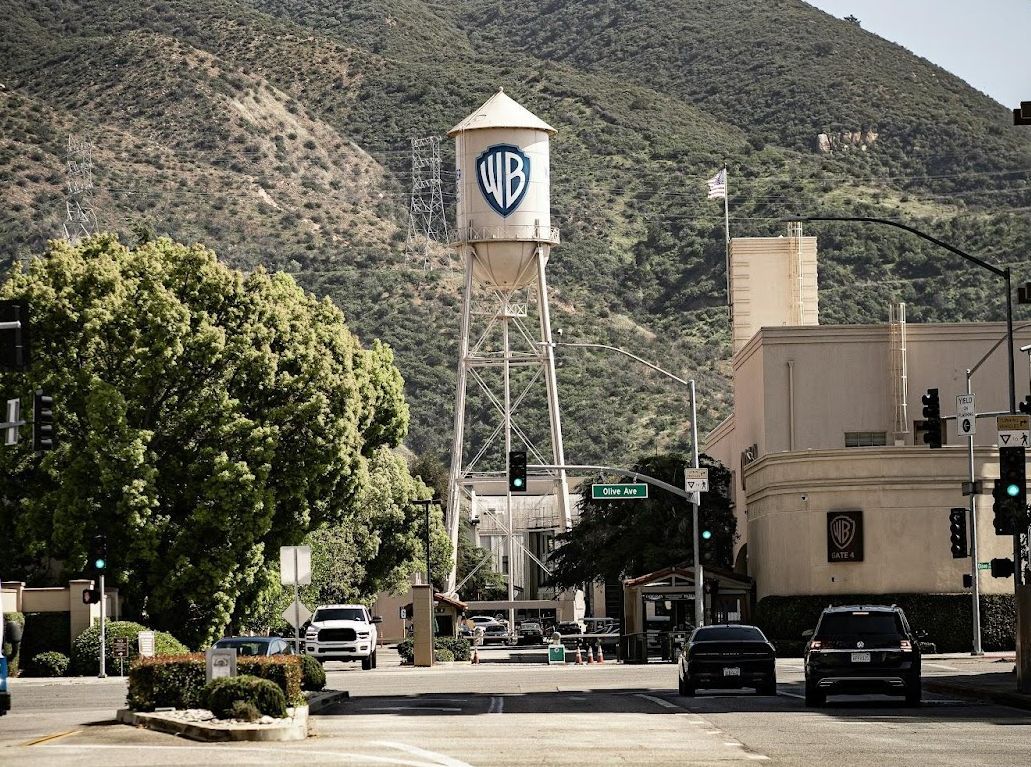
Movies are being filmed on every corner

Image: clement proust

You may stumble across a film crew once in a blue moon, but the vast majority of production happens on studio lots or in specifically chosen neighborhoods. Filming permits are expensive, traffic control is complicated, and spontaneous street-corner movie shoots aren’t as common as people think.

10
Everyone is a surfer

Image: Jacob Steckmann

Surfing is a proud part of California culture, but not a universal one. Many residents have never touched a surfboard, and the cold Pacific waters can be intimidating even for the brave. The idea that everyone wakes up, grabs a board, and runs to the beach is more Hollywood montage than real life.

11
Everyone lives close to the ocean

Image: Jonathan Schmer

California’s population is spread across vast inland regions, including the Central Valley, Sacramento, and the Inland Empire, which are all hours away from the coast. Plenty of Californians only see the ocean during vacation.

12
The food is all organic, clean, and hyper-healthy

Image: Jannis Brandt

Yes, you’ll find green juices, vegan cafés, and farm-to-table everything. But California is also home to drive-thrus, giant burritos, and some of the most indulgent comfort food around. The "everyone eats quinoa and sunshine" trope doesn’t hold up once you explore beyond the trendy spots.

13
Everyone commutes by bike, skateboard, or electric scooter

Image: Hiboy

It looks cool in TV shows, but in reality, most Californians commute by car. Public transportation is limited outside a few areas, and long distances make biking impractical for many.

14
Everything in California is incredibly expensive

Image: Martin Zenker

Housing in places like San Francisco is famously pricey, but California also includes smaller cities and rural communities where the cost of living is much closer to the national average.

General General 3 min read

License and registration, please!

Watch out where you drive! Learn about 12 weird traffic laws in America

Image: Diane Picchiottino

Many laws have been created in response to specific situations to prevent similar incidents from happening again. It’s hard not to imagine these 12 laws originating from such circumstances. At some point in history, someone in Massachusetts drove a car with a living gorilla in the backseat. Someone in Alabama drove blindfolded. Someone in Ohio circled the town square more than 100 times. These individuals are the reason we have these strange traffic laws today. Which one surprises you the most?

1
No blindfolded driving in Alabama

Image: Kirill Balobanov

As we said in the introduction, these situations are likely born out of real incidents. At some point, someone must have driven blindfolded in Alabama , and the consequences were serious enough for state legislators to enact a law preventing it from happening again—a reasonable measure if you ask us.

2
No driving with dogs on the roof

Image: Tadeusz Lakota

As terrible and infuriating as it may sound, there is a very real possibility that someone drove with a poor dog tied to the roof of a car in chilly Alaska . Thankfully, local legislators passed a law prohibiting this dangerous and cruel situation.

3
No reverse driving

Image: Hunter Wiseley

This law makes no sense, and we bet—or at the very least hope—that it’s no longer enforced. Otherwise, how would Arizonans back out of their driveways without breaking the law?

Believe it or not, traveling in reverse on an Arizona road is illegal .

4
No horn honking at the sandwich joint

Image: Simon Daoudi

While it can certainly be an annoyance to hear cars honking when you’re trying to enjoy a Croque Monsieur and a diet soda at your favorite spot, most of us wouldn’t expect a state law banning it.

But in Arkansas, it’s illegal to honk a horn after 9 p.m. outside an establishment that serves sandwiches and cold drinks .

5
No jumping out of the car at 65 mph or faster

Image: Mathias Arlund

This one seems more like common sense than anything else, but apparently, enough people attempted this stunt in California for state legislators to pass a law making it illegal to leap out of a moving vehicle traveling at 65 mph or faster .

6
No black vehicles on a Sunday

Image: Steven Erixon

But what if your car is black and you need to drive somewhere? Hopefully, this law is no longer enforced in Colorado. Yet, for some reason lost to time, it’s illegal in this state to drive a black vehicle on a Sunday .

7
No speeding tickets for politicians

Image: Sumeet Kapadia

This one is downright infuriating. In Georgia, it’s illegal to ticket a member of the assembly for speeding while the assembly is in session. It should come as no surprise—after all, those same assembly members are the ones responsible for this law.

8
No driving with a gorilla in the backseat

Image: MARIOLA GROBELSKA

People in Massachusetts don’t need a law to tell them that driving around with a living gorilla in the backseat is a bad idea—that’s just common sense. But just in case, there’s a state law explicitly prohibiting it.

9
No camel-ridding on the highway

Image: Oskars Sylwan

Camels are great for desert travel but not so much for highway traffic. And no US state is more certain of this than Nevada, where it’s illegal to ride a camel on a highway .

10
No driving around the town square

Image: Felix Mittermeier

Driving around the town square can be a popular Saturday night activity in some towns, but someone in Ohio must have taken it to the extreme. In this state, it’s illegal to circle the town square more than 100 times in a row .

11
No reading comic books while driving

Image: Erik Mclean

For public safety alone, reading while driving should be illegal everywhere. But in Oklahoma, it’s specifically illegal to read comic books while driving —not newspapers, not hardcover novels—just comic books.

12
No driving with intoxicated passengers

Image: Jamie Street

Driving under the influence of alcohol is highly dangerous and, fortunately, banned almost everywhere. But in Texas, legislators have taken it a step further, making it illegal to drive if any alcohol is within arm’s reach of the driver —including if that alcohol is in another person’s bloodstream.

Explore more American facts

Choose your favorite category!

General
General

As American as apple pie—the very best America has to offer!

Culture
Culture

Delve into the astounding richness of American lore.

Geography
Geography

Hop in and explore vast and diverse American landscapes.

History
History

Discover the key moments that shaped the United States.