General General 3 min read

Humble beginnings

American companies that started in a garage
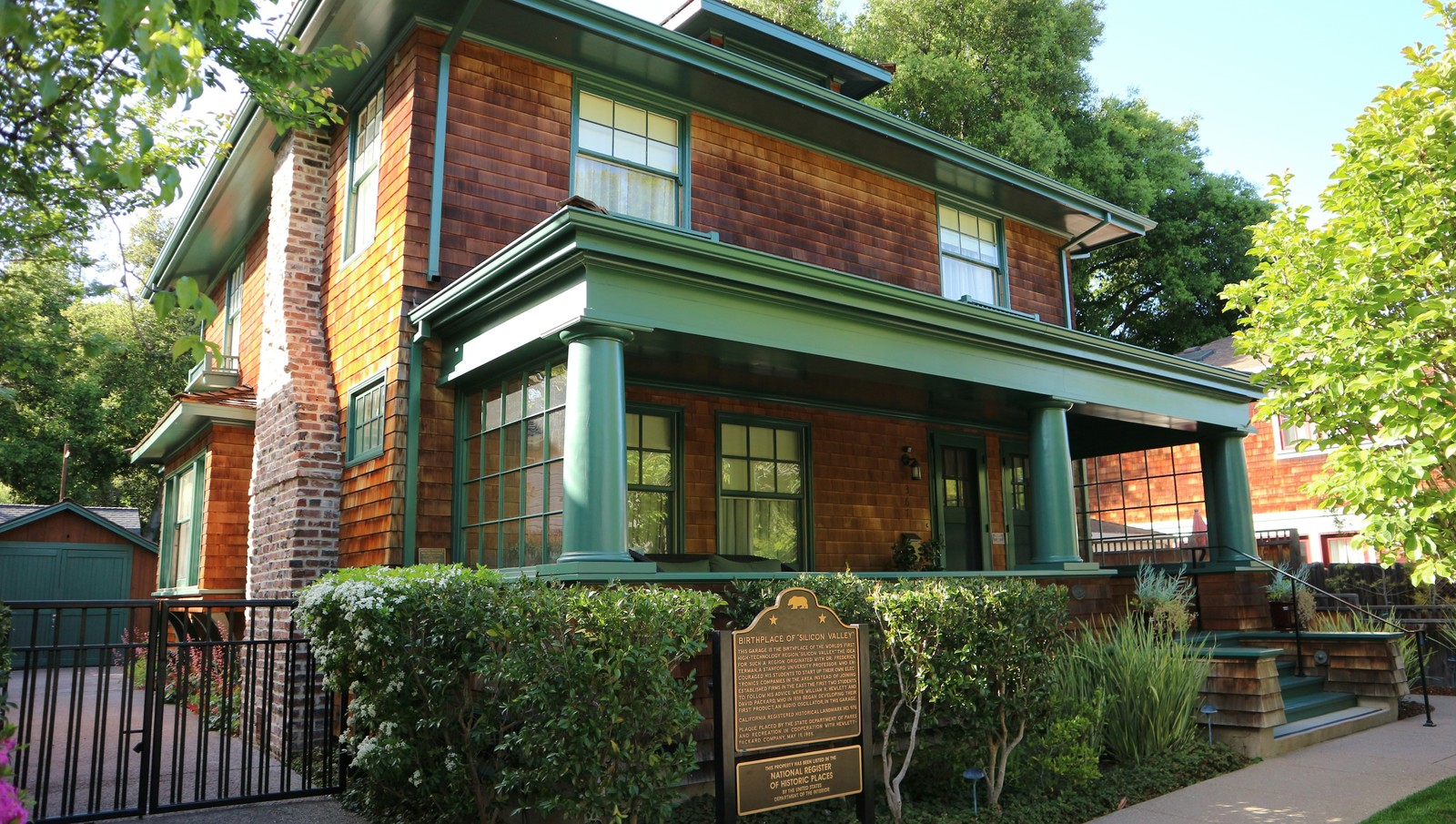
Image: Cristian Iorga

Great companies don’t always begin in shiny office towers or corporate campuses. In fact, some of America’s most influential brands started in the most ordinary place imaginable: a garage. With limited money, basic equipment, and a big idea, a few determined founders managed to build businesses that eventually changed entire industries. Sometimes all it takes is a garage, a few tools, and the determination to turn a simple idea into something extraordinary. Below are ten well-known American companies whose journeys began in garages before becoming global household names.

1
Apple
Image: Laurenz Heymann

Apple Inc. famously started in 1976 in the Los Altos garage of Steve Jobs’ parents. Jobs and Steve Wozniak assembled early versions of the Apple I computer there, selling circuit boards to local computer hobbyists.

What began as a small project between two friends eventually grew into one of the world’s most valuable companies, producing iconic products like the iPhone, Mac, and iPad.

2
Amazon
Image: Marques Thomas

Amazon began in 1994 when Jeff Bezos launched an online bookstore from the garage of his rented home in Bellevue. Early operations included simple desks and computers connected to the growing internet.

From selling books online, Amazon rapidly expanded into nearly every retail category and eventually became one of the largest e-commerce and cloud computing companies in the world.

3
Google
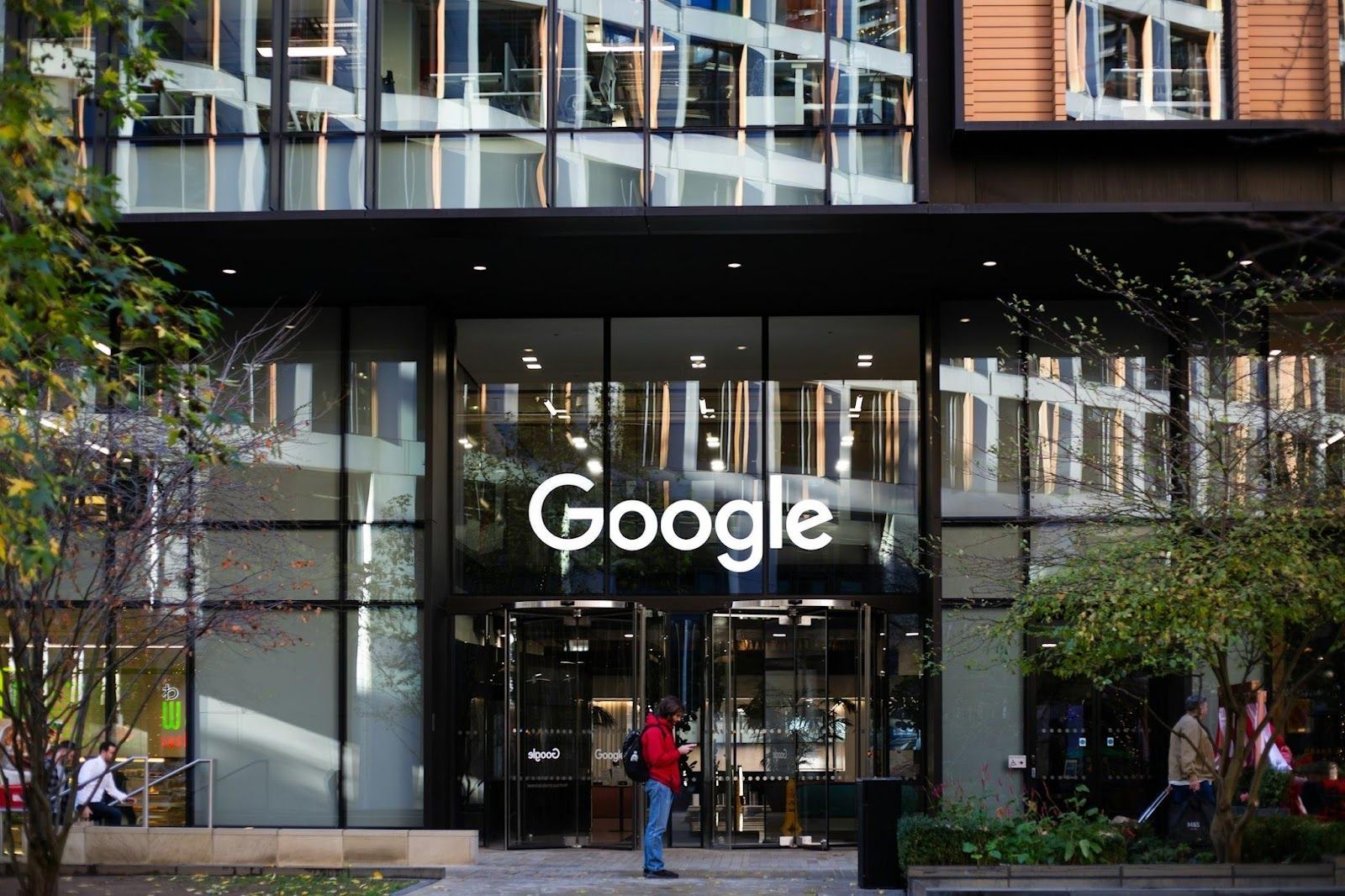
Image: Karollyne Videira Hubert

Google started in 1998 in a garage rented from Susan Wojcicki in Menlo Park. Founders Larry Page and Sergey Brin worked there while developing their revolutionary search engine.

Their algorithm dramatically improved how people found information online, and the company quickly grew into a global tech powerhouse that now operates under Alphabet Inc.

4
Hewlett-Packard

Image: Rubaitul Azad

Hewlett‑Packard, often called HP, was founded in 1939 by Bill Hewlett and Dave Packard in a small garage in Palo Alto.

Their first product was an audio oscillator used by sound engineers, including early customers at The Walt Disney Company. That modest workspace is now considered the birthplace of Silicon Valley.

5
Disney
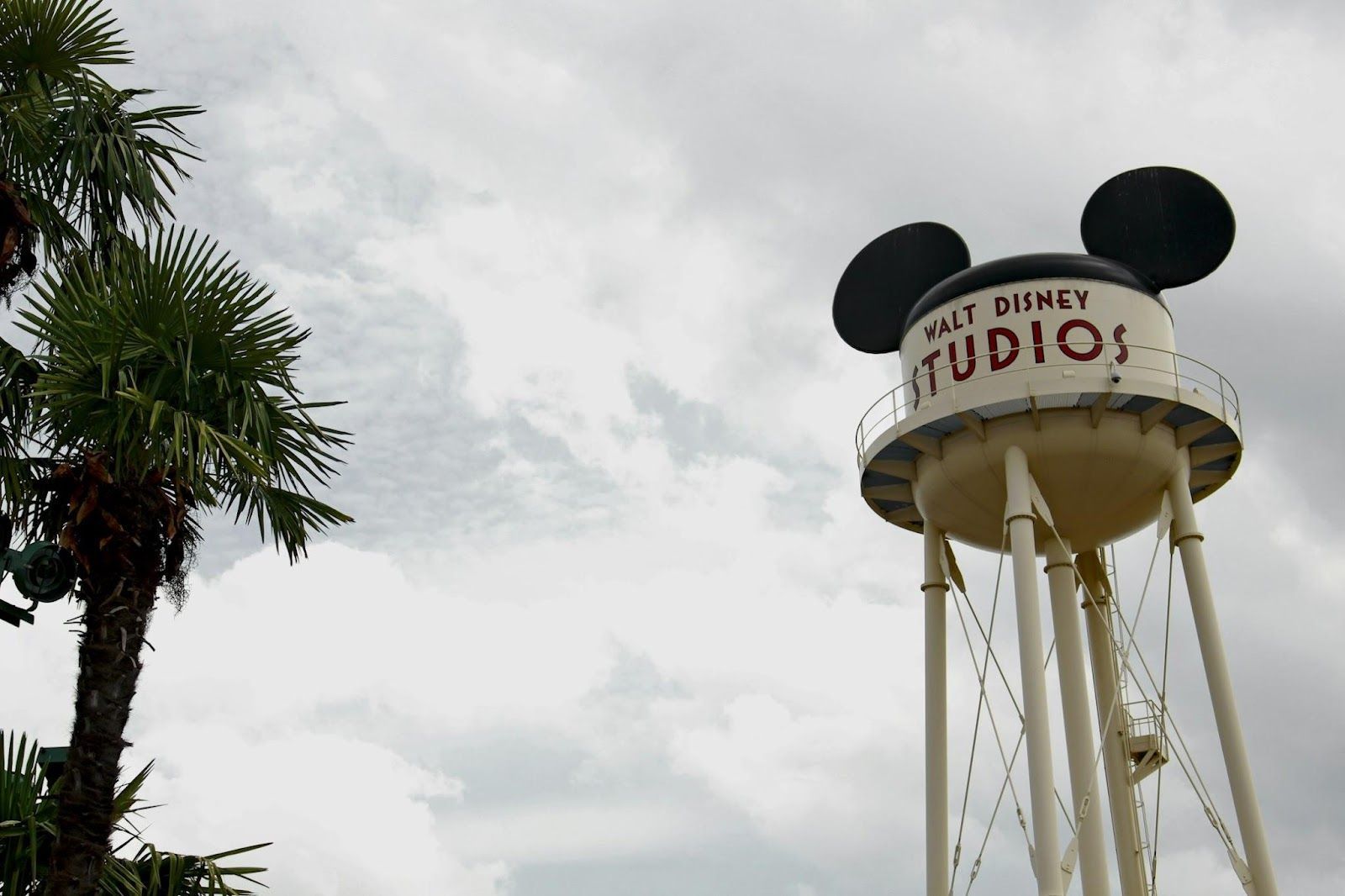
Image: Seif Abukhalaf

The Walt Disney Company traces part of its origin to a garage studio used by Walt Disney and Roy O. Disney in the early 1920s in Los Angeles.

Working with minimal equipment, the brothers produced early animated films that would eventually lead to the creation of Mickey Mouse and a global entertainment empire.

6
Harley-Davidson

Image: Nathan Dumlao

Harley‑Davidson began in 1903 in a small wooden garage in Milwaukee. Founders William S. Harley and Arthur Davidson built their first motorcycle prototype there.

The company grew steadily and became one of the most iconic motorcycle brands in the world, known for its powerful engines and loyal fan base.

7
Mattel
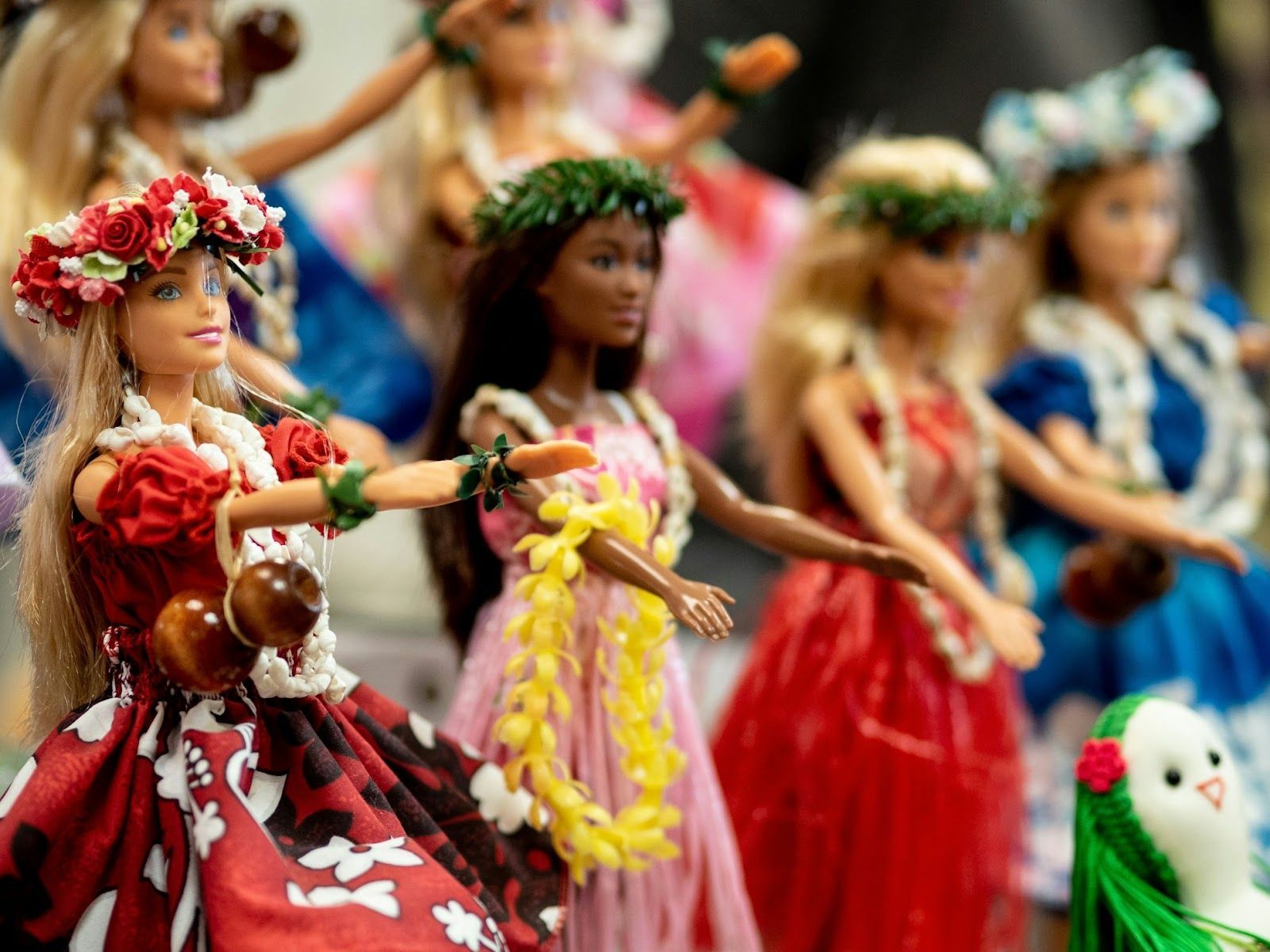
Image: Sean Bernstein

Mattel began in 1945, when Harold Matson and Elliot Handler started making picture frames in a garage workshop in Los Angeles.

Leftover frame scraps were used to create dollhouse furniture, which became so popular that the company shifted its focus to toys. Mattel would later introduce famous products like Barbie and Hot Wheels.

8
Dell

Image: Greg Rosenke

Dell Technologies was founded by Michael Dell in 1984. While the company began in his college dorm room at the University of Texas at Austin, early operations soon moved into a small garage workspace where computers were assembled and upgraded.

Dell’s direct-to-consumer sales model helped transform the personal computer industry and made the company one of the world’s largest PC manufacturers.

9
Yankee Candle
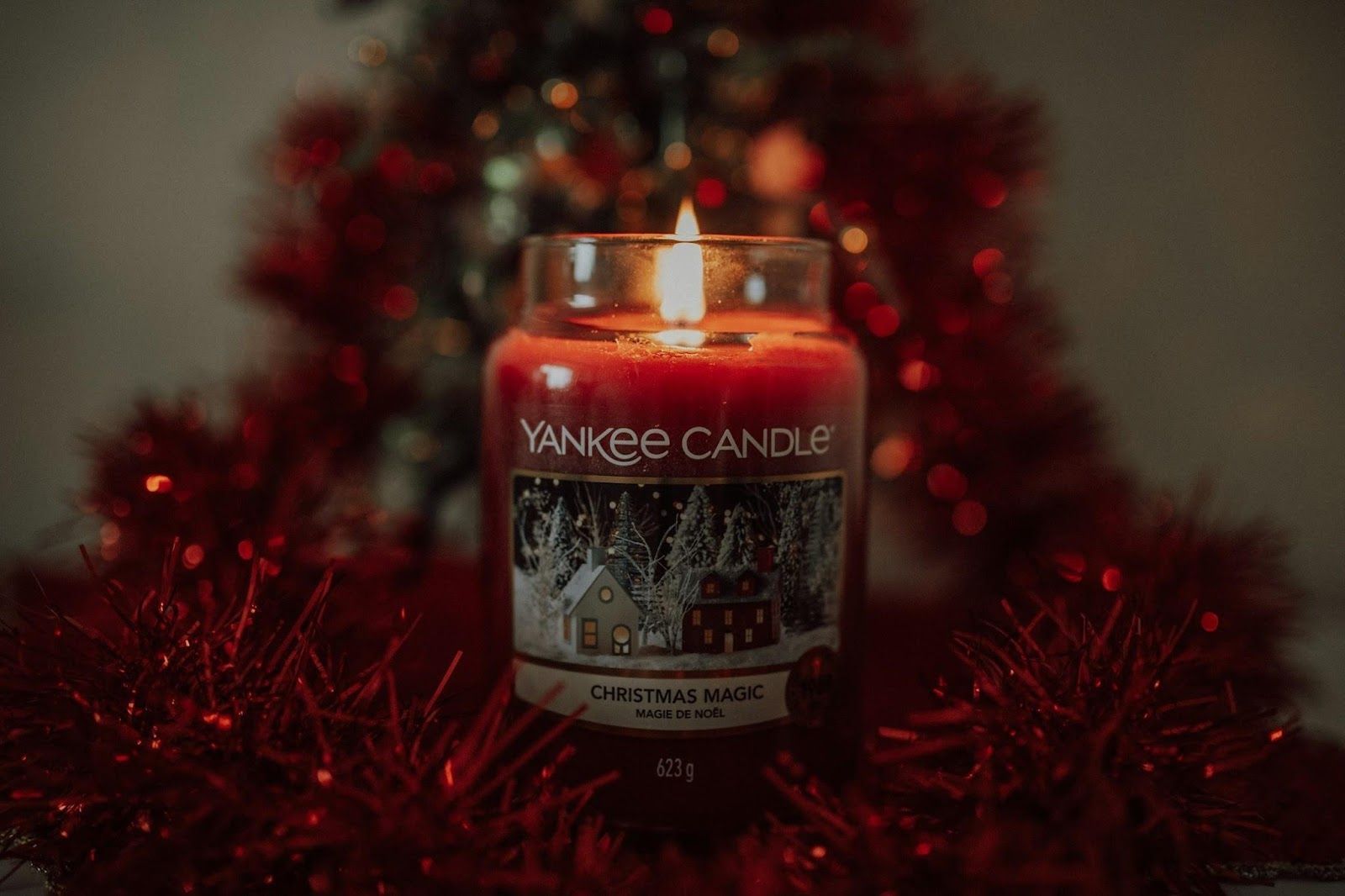
Image: Rhamely

Yankee Candle began in 1969 when teenager Michael Kittredge II made a homemade candle in his family’s garage in South Hadley as a Christmas gift.

Neighbors wanted to buy the candles, and the small hobby quickly turned into a thriving business. Today, the brand is one of the most recognized names in scented candles.
History History 3 min read

I want to believe

Why do we knock on wood for good luck? 12 common superstitions explained

Image: Susannehs

We’ve all heard about the seven years of bad luck that are said to follow if we break a mirror, or why tossing salt over one’s shoulder is supposed to keep misfortune away. Superstitions have been a part of everyday life in the U.S., often passed down through generations without much thought to their origins. Let’s take a look at the origins of 12 common superstitions that continue to influence how people think and act today.

1
Breaking a mirror

Image: Savannah B.

As we’ve all heard, breaking a mirror is said to bring seven years of bad luck— a belief that dates back to the Romans . They thought a mirror didn’t just reflect your face, but also your soul.

Because the Romans also believed that life renewed itself every seven years, the curse was thought to last exactly that long.

2
Walking under a ladder

Image: Nick Fewings

This superstition has its roots in medieval Europe, where ladders leaning against walls formed a triangle, a shape that symbolized the Holy Trinity .

Walking through it was seen as breaking the sacred shape and inviting misfortune. Today, most people avoid it not only out of superstition but also for simple safety.

3
A black cat in your path

Image: Emmeli M

In the Middle Ages, black cats were linked to witchcraft and were thought to be witches’ companions—or even witches in disguise. Crossing paths with one was considered dangerous .

Though many cultures view black cats as lucky, in the U.S., the old stigma has persisted.

4
Knocking on wood

Image: Glen Carrie

The habit of knocking on wood to ward off bad luck likely comes from ancient pagan traditions. Trees—especially oaks—were believed to house protective spirits .

Touching or knocking on wood was a way to call on those spirits for protection. The phrase and the action traveled across centuries, and now it’s a common phrase in everyday conversations.

5
Opening an umbrella indoors

Image: Kato Blackmore 🇺🇦

The superstition that opening an umbrella indoors brings bad luck originates from 18th-century England. Early umbrellas were large, stiff, and often had metal spokes.

Opening one indoors could cause injury or break household items , so the "bad luck" warning worked as a practical safety rule.

6
Friday the 13th

Image: Nik

Friday has long been considered unlucky in Christian tradition because it was said to be the day of the Crucifixion. The number thirteen was also viewed as ominous, connected to the Last Supper .

When the two were combined, Friday the 13th gained its spooky reputation. Despite rational explanations, some hotels skip floor 13, and many people still avoid major plans on that date.

7
Spilling salt

Image: ekaterina shishina

Salt was once precious and expensive, symbolizing purity and friendship. Spilling it was considered wasteful and unlucky in ancient times.

The practice of tossing a pinch over your left shoulder comes from folklore, supposedly to blind the devil lurking there . It’s a tiny gesture that still lingers on dinner tables today.

8
Four-leaf clover

Image: Barbara Krysztofiak

The four-leaf clover is a symbol of good fortune dating back to the Celts, who believed the rare leaves provided protection against evil spirits .

Since clovers typically have only three leaves, the fourth leaf came to symbolize rarity and luck.

9
Rabbit’s foot

Image: Timofei Adrian

Carrying a rabbit’s foot for luck traces back to African and European folklore, where rabbits were seen as fertile, magical creatures .

The superstition spread through American culture in the 19th century, especially in the South. Even though it might seem unusual—and potentially unsanitary—the lucky rabbit’s foot remains a well-known charm today.

10
Wishbone

Image: Museum of New Zealand Te Papa Tongarewa

The tradition of making a wish on a wishbone originates with the Romans, who, in turn, borrowed it from the Etruscans. They believed that birds held divine powers .

Breaking the bone with someone else was thought to transfer luck to the person who ended up with the larger piece .

11
Coin in a fountain

Image: Lila Mitchell

Tossing a coin into water to make a wish has its roots in ancient Europe. Wells and springs were considered sacred, often associated with gods or spirits.

People dropped coins as offerings for health or good fortune . Today, fountains across the U.S. and around the world collect millions of coins.

12
Wishing upon a star

Image: Ali

The superstition of wishing upon a star comes from ancient Greece and Rome, where falling stars were believed to carry messages from the gods .

Even today, looking up at the night sky and spotting a shooting star inspires many people to make a wish.

General General 6 min read

Only in America

Did you know Route 66 has 2,448 miles? 10 things that define America

Image: Polina Tankilevitch

This country has a character of its own, and certain things simply scream "American" to people around the world—and to locals as well. Take our love of Hollywood glamour, for example, or the national pastime of baseball. There are a handful of uniquely American icons that have influenced global culture and made our country truly stand out. In this article, we’ll take a look at 10 things people associate with the United States, each with its own slice of American flavor and history. But don’t count your chickens before they hatch—you might be surprised by what’s on the list!

1
Hollywood

Image: Jake Blucker

Palm trees, long roads, and one iconic mountain with a most recognizable sign that reads "Hollywood." This place is much more than just that—it’s become a symbol of big dreams and even bigger screens.

Since the early 1900s, Hollywood has been the heart of the world’s movie industry . Films that reach global audiences have been made every single day ever since. Americans popularized the blockbuster, and movie stars like Marilyn Monroe and James Dean became household names worldwide. With events like the Oscars, red-carpet premieres, and starry paths like the Hollywood Walk of Fame, the place keeps the mystique alive. This results in millions of tourists flocking to the iconic Hollywood sign every year, hoping to catch a glimpse of stardom. From romantic comedies to superhero flicks, Hollywood movies have a unique style that’s unmistakably American. And hey, who hasn’t secretly wanted to be in the movies?

2
The American Dream

Image: frank mckenna

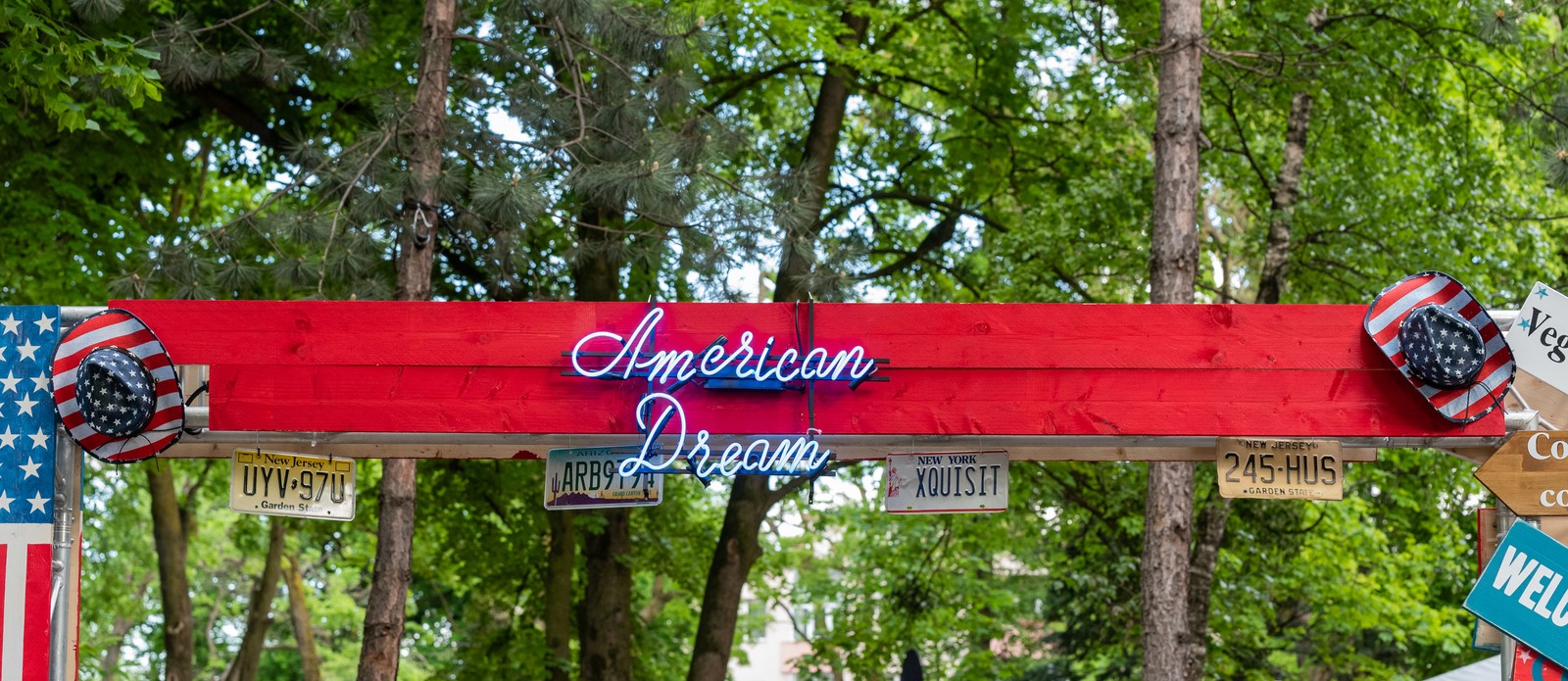
Few phrases denote the American spirit as much as the "American Dream," and no, it’s not just that it’s right there in the phrase. It’s the fact that the phrase has become a source of inspiration for more than one generation. The American Dream is about the chance we all get (or should get) in life to achieve success, regardless of our background.

The idea is rooted in the belief that hard work and determination can lead to prosperity—a notion that has attracted immigrants and risk-takers for centuries. From the Gold Rush to Silicon Valley, the Dream has evolved but remained relevant because it speaks to the essence of the human spirit.

The American Dream can mean building a home, becoming a CEO, or attending an Ivy League college. It doesn’t matter—it's a concept that feels uniquely American, where ambition is practically a national pastime.

3
Fast food

Image: Kenny Eliason

When people think of American food, fast food chains like McDonald's, Burger King, and KFC often come to mind. While fast food wasn’t exactly created in our country, it certainly popularized the quick-and-easy dining experience.

There’s something uniquely American about the convenience of a drive-thru and the guilty pleasure of a cheeseburger and fries. Fast food became a symbol of the American lifestyle in the 1950s, when suburban families sought meals that were fast and tasty.

Today, we even have healthier options, which proves that the industry can adapt while keeping its original charm. It’s quick, it’s familiar, and for many, it just feels like home.

4
Baseball

Image: Joshua Peacock

Speaking of institutions, enter baseball! Rooted in the 19th century, baseball has been a staple of American culture—generations of families united through teams, ballparks, and timeless rivalries .

The crack of the bat, the seventh-inning stretch, and the smell of hot dogs are classic hallmarks of the American baseball experience. You can perfectly picture that, can’t you? The World Series is one of the most anticipated events each year, attracting fans from all over the country.

While it’s played elsewhere, no one embraces baseball quite like America. From Little League to Major League, it’s a sport that feels imprinted in our history. Baseball captures something timeless about America, just as it always has.

5
The Fourth of July

Image: Stephanie McCabe

Summer starts, and with it, one already starts thinking about a certain barbecue, under some certain fireworks, celebrating a certain national date, right?

Every summer for the past 246 years, Americans have gathered to celebrate Independence Day with a bang . Well, not precisely that many years, but you get the point.

The Fourth of July marks the anniversary of the US independence in 1776, and it is celebrated with parades, BBQs, and fireworks displays.

Patriotism meets tradition, and we get flags waving, sparklers shining, and people enjoying a day off work with loved ones. Many cities host grand parades, and fireworks shows light up the skies from coast to coast. There’s nothing quite like the Fourth in this country; it’s a holiday with heart and history.

6
The Wild West

Image: Jeremy Alford

The Wild West conjures images of cowboys, saloons, and dusty trails that are purely American. This period in the 19th century was marked by westward expansion, tales of rugged frontiersmen, and gold rushes.

That was the beginning of cowboy culture, but certainly not the end. Even today, the cowboy spirit lives on in American folklore and pop culture. People still visit old Western towns and attend rodeos to catch a glimpse of that era.

We mentioned Hollywood, and that’s also connected to this because Western movies helped immortalize the myths of the Wild West, with iconic gunslingers and epic standoffs. Although the frontier is long gone, the independent, adventurous spirit it represents still resonates. Don’t you think?

7
Silicon Valley

Image: Amy Vosters

First the cowboys, the gold rush, and the expansion of our territory. But after that was settled, development and innovation knew no bounds, and thus we got places like Silicon Valley—a city that represents modern times and the technology that will take us into the future.

Located in California, this is where major tech giants like Apple, Google, and Facebook all got their start, transforming the area into a hotbed for innovation . Silicon Valley has impacted everything from our daily routines to global communication, with inventions that changed the world. The region is home to countless startups, bringing together brilliant minds and bold ideas.

This technology-driven culture reflects the American spirit of invention and risk-taking. It’s a place where possibilities seem endless, and tech dreams come true.

8
American football

Image: Tim Mossholder

As if baseball wasn’t enough of a cultural activity, American football came to be the country’s favorite sport, bringing people together on fall weekends to cheer for their teams and boo the rivals—admit it!

While other sports are popular worldwide, football, the NFL, and the Super Bowl in particular, are unique to the US. The thrill of game day, with fans tailgating and players charging down the field, is unmatched.

The Super Bowl has even become a cultural event, complete with halftime shows and commercials that people actually watch! Where else have you ever seen something like that?

From high school games to professional leagues, football is a major community event. Fans don their jerseys and root for their team through thick and thin. As American as it gets, right?

9
Route 66

Image: Mateusz Szerszyński

The Main Street of America, the Will Rogers Highway, the Mother Road—how many nicknames can one route have? Well, apparently, that’s what you get when you become the most famous route on the continent.

Route 66 is an iconic symbol of American freedom and adventure. It stretches from Chicago to Los Angeles, and this historic highway takes travelers through diverse landscapes and all kinds of towns.

Route 66 has been immortalized in songs, stories, and even neon signs in roadside diners. Though parts of the road have faded, its legacy remains strong in American culture. Route 66 represents the spirit of exploration that defines our nation. After all, who doesn’t love a good road trip?

10
The Bald Eagle

Image: Mathew Schwartz

Think of words that describe our country. You might be thinking of words like "resilience," "freedom," or maybe even "fierceness." Did we get it right? In any case, if you agree with us on those words, you’ll see that they could describe America or the bald eagle, which was chosen as the national emblem in 1782. This majestic bird has come to represent the United States’ fierce independence.

With its impressive wingspan and piercing gaze, the bald eagle is often seen soaring high in American skies, symbolizing strength and vision. Although once endangered, conservation efforts helped bring the eagle back from the brink, making it an environmental success story. The bird appears on everything from coins to government seals, proudly representing the nation. Even in popular culture, the bald eagle is a go-to image for patriotism. Don’t you just love it?

Explore more American facts

Choose your favorite category!

General
General

As American as apple pie—the very best America has to offer!

Culture
Culture

Delve into the astounding richness of American lore.

Geography
Geography

Hop in and explore vast and diverse American landscapes.

History
History

Discover the key moments that shaped the United States.