Remember these?
There’s still hope: 12 hobbies that make people put down their phones

Image: Angel Santana Garcia
There was a time when many of these hobbies seemed destined for the attic. Why bother developing film when your phone takes thousands of photos? Why buy records when millions of songs fit in your pocket? Yet across the world, people are once again baking bread, building models, growing vegetables, and even hunting for mushrooms. Or, maybe, they just never stopped. Maybe convenience isn't everything. Here are 12 wonderfully analog hobbies finding new life in a digital world.
1
Vinyl records are spinning again
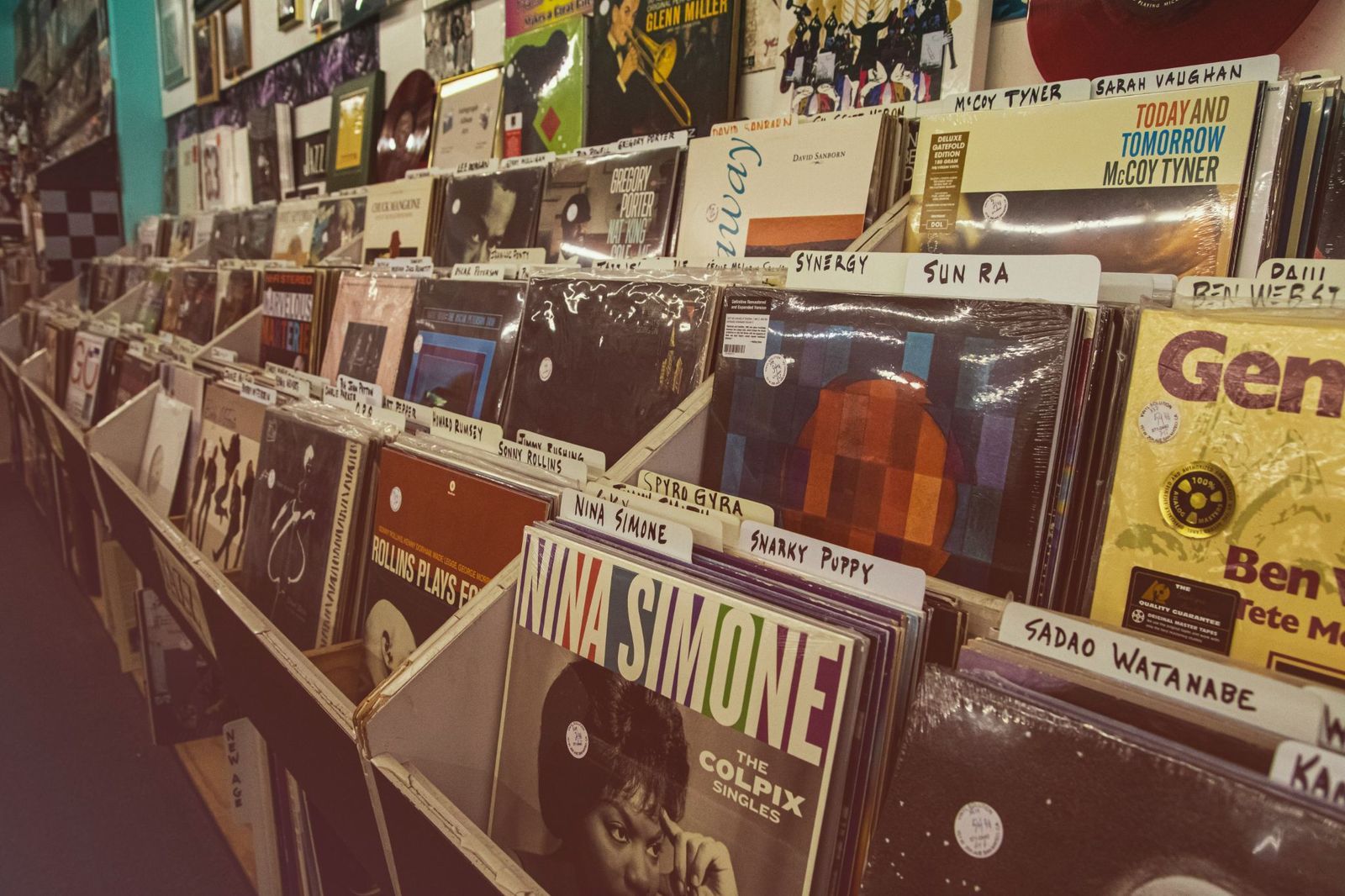
For something declared obsolete decades ago, vinyl is doing remarkably well. According to the Recording Industry Association of America, U.S. vinyl revenue has now increased for 19 consecutive years. In 2025 alone, Americans bought 46.8 million vinyl albums, compared with 29.5 million CDs .
And this revival is happening in the age of streaming, not instead of it. Vinyl topped $1 billion in wholesale revenue in 2025, while streaming still dominated the music business. Apparently, plenty of listeners want both: instant access when convenient and a record they can hold, admire, drop a needle onto, and, yes, get up to flip halfway through.
2
Film photography gets another shot

Digital cameras were supposed to send film the way of the floppy disk. Instead, a generation raised on smartphone cameras has discovered the novel-again pleasure of taking a picture without immediately seeing it . The comeback became difficult to dismiss when Ricoh introduced the Pentax 17, a brand-new 35mm film camera, in 2024.
The company specifically pointed to growing interest among younger photographers. Demand in Japan was so strong that Ricoh temporarily stopped accepting orders shortly after launch. Film hasn't disappeared from Hollywood, either: Kodak counted 33 film-shot productions at the 2024 Cannes Film Festival.
3
Game night isn’t over
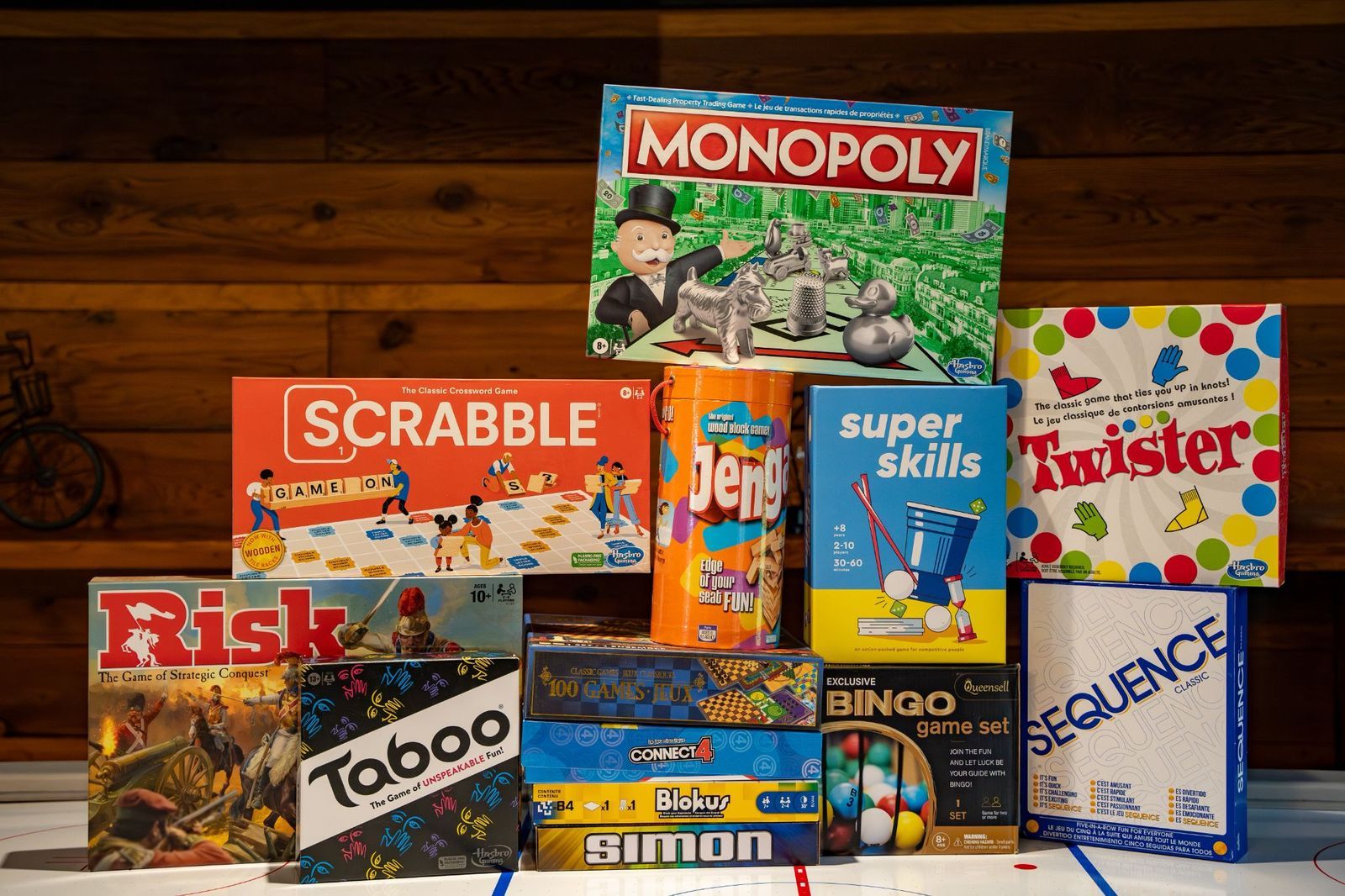
Board games survived television, video games, and smartphones, and somehow came out cooler on the other side. Today's tabletop world extends far beyond Monopoly and Clue, with strategy games, role-playing adventures, collectibles, and board-game cafés turning an old family pastime into a thriving social hobby .
American spending reflects that enthusiasm. Circana reported that U.S. sales in the broader Games & Puzzles category jumped 37% in 2025 , although that figure also includes the booming Pokémon trading-card market. Adults are increasingly important customers, too.
4
Baking is back
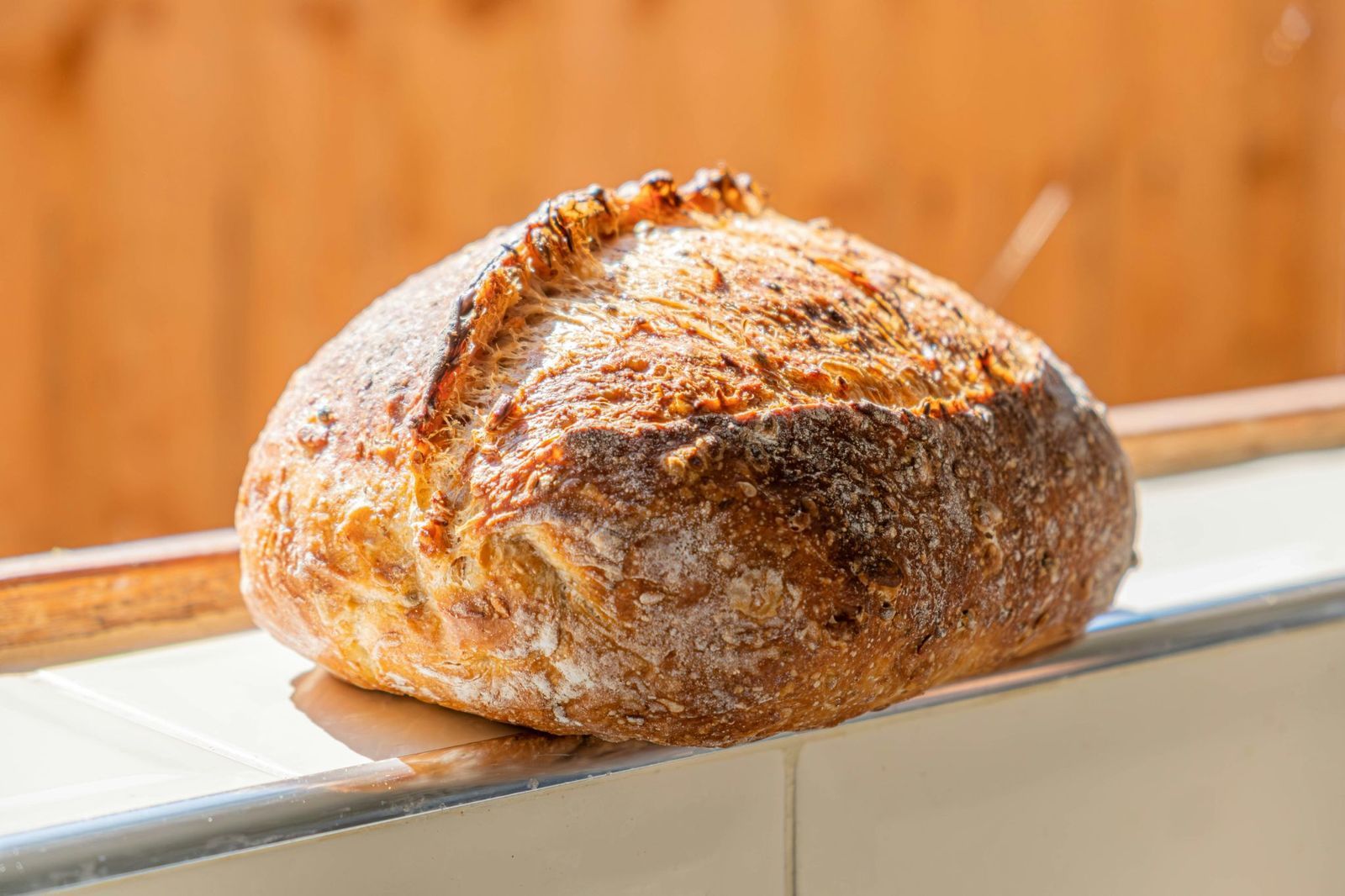
Remember when everyone suddenly had a sourdough starter? The great bread-baking revival exploded during the pandemic spring of 2020, when homebound Americans transformed flour, yeast, water, and an abundance of spare time into homemade loaves.
King Arthur Baking shipped one million bags of flour to retailers in just two weeks in April 2020 . The company also found that 80% of previously infrequent bakers had started baking at least several times per month. The lockdowns ended; plenty of bread starters survived.
5
Birdwatching gains popularity

Birdwatching may conjure images of binoculars, field guides, and extremely patient retirees, but modern American birding is much bigger than that stereotype. Maybe not NFL big, but still big. The U.S. Fish & Wildlife Service estimated that approximately 96 million Americans aged 16 and older participated in birdwatching in 2022: roughly 37% of that population .
Most didn't travel to remote forests. About 91 million watched birds around their homes, while 43 million ventured at least a mile away specifically to see them. Birders also spent billions on trips and equipment. Smartphones have unexpectedly helped the hobby, allowing beginners to identify calls and photograph unfamiliar species. Sometimes technology's best trick is getting us to look away from it.
6
Model kits build a new audience

Model building never completely vanished. Dedicated hobbyists kept assembling miniature cars, aircraft, ships, trains, and military vehicles while other generations moved toward digital entertainment. But the basic satisfaction of turning a box full of tiny pieces into something recognizable is finding fresh admirers.
The hobby has also become far more international . Japan's Gundam model kits, commonly called Gunpla, have become a global phenomenon, with manufacturer Bandai Namco reporting that overseas sales were approaching half of total model-kit sales in 2024 . Whether the finished product is a WWII fighter or a giant Japanese robot, the attraction remains wonderfully old-fashioned: patience, precision, paint, glue, and something real to put on the shelf afterward.
7
Knitting and crochet are cool again
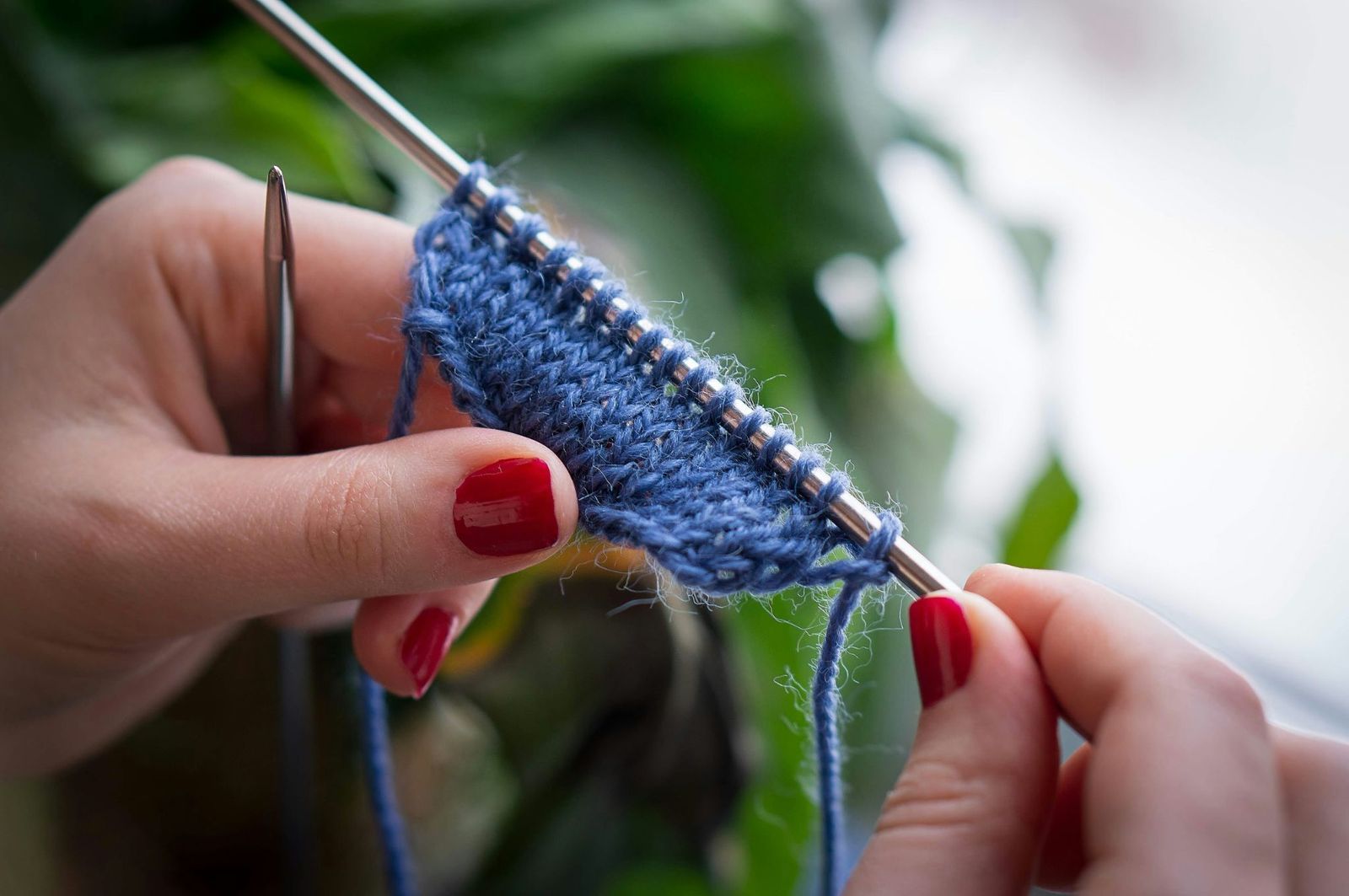
Grandma may have been onto something. Knitting and crochet have joined a broader resurgence of so-called "grandma hobbies," with younger adults embracing needles, hooks, and yarn as a welcome alternative to endless scrolling. The pandemic gave fiber crafts an additional boost, but enthusiasm continued after people were free to leave their homes again.
The appeal isn't difficult to understand. A Craft Yarn Council survey of more than 5,000 knitters and crocheters found that enjoyment was the leading motivation, while stress relief, creativity, and gift-making were also common reasons. Unlike another hour spent online, an evening crocheting leaves behind physical evidence that you actually did something.
8
Canning makes a comeback
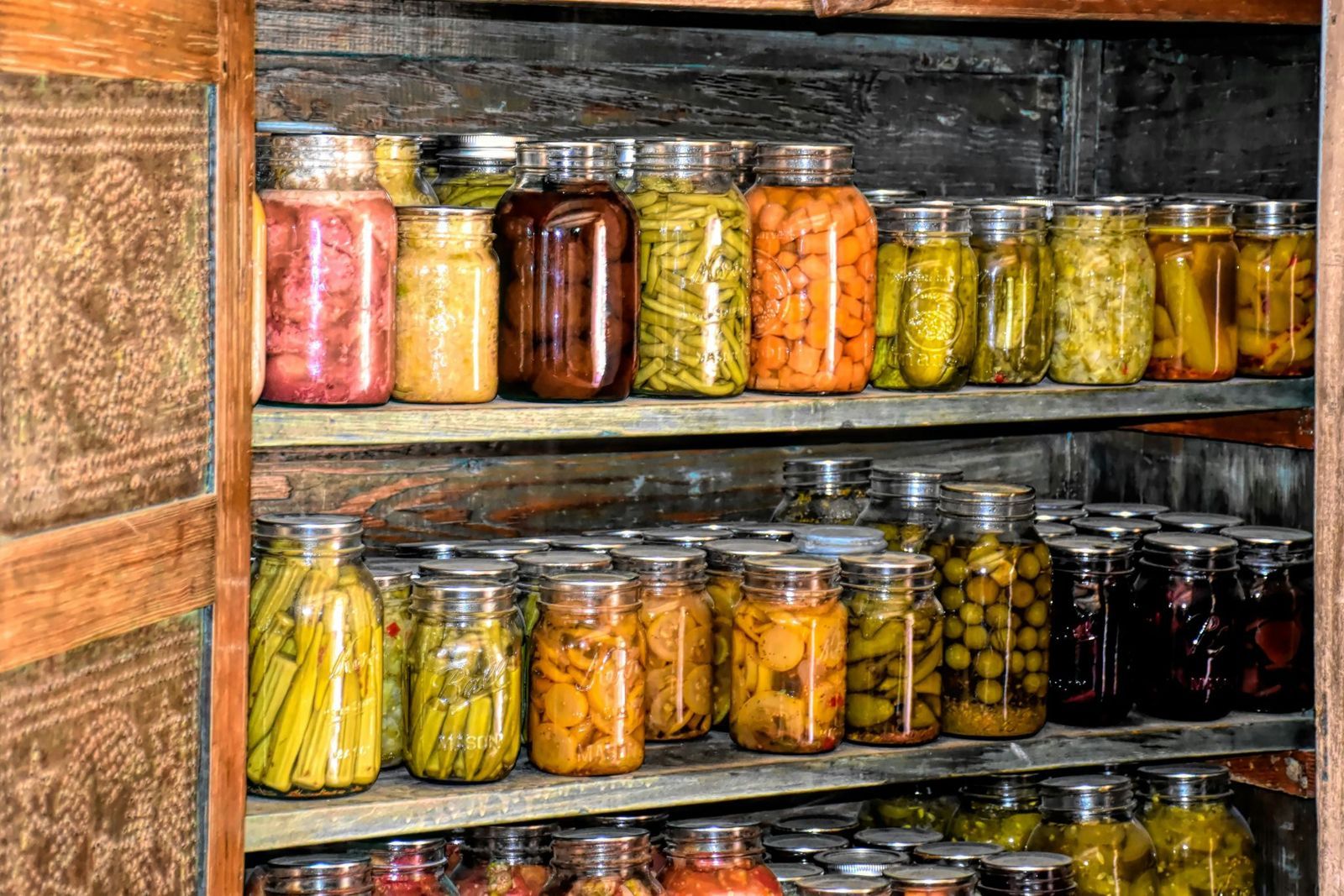
For generations of Americans, late summer meant turning a garden's excess tomatoes, cucumbers, and berries into shelves filled with jars. Supermarkets and freezers made home preservation less essential, but the practice never disappeared, and t he pandemic gave it an unexpected jolt .
The University of Minnesota Extension says interest in home food preservation surged during COVID-19 and remains popular, helped by gardening, farmers' markets, household budgets, and efforts to reduce food waste. Today's enthusiasts aren't limited to canned tomatoes, either: pickling, fermenting, drying, freezing, jams, and jellies are all part of the revival.
9
Book clubs are back too

A book club may be one of the simplest social technologies ever invented: read something, meet other humans, and talk about it. That formula still works remarkably well. Physical bookstores and libraries remain gathering places, while younger Americans haven't abandoned printed books nearly as completely as the arrival of e-readers once suggested.
The concept is evolving, too. Silent Book Club, founded in San Francisco in 2012, reverses the usual formula: members gather together but bring whatever book they happen to be reading. By 2025, the organization said it had more than 1,500 chapters around the world .
10
Painting becomes a night out

Paint-and-sip nights put a modern spin on an extremely analog activity. Instead of sitting alone with an easel, participants gather in studios, follow an instructor, socialize, and usually enjoy a drink while attempting to produce something vaguely resembling the example at the front of the room.
One of America's biggest paint-and-sip businesses grew from an unlikely place. Cathy Deano and Renee Maloney started what became Painting with a Twist in Louisiana in 2007, following Hurricane Katrina . Originally called Corks & Canvas, it offered residents a fun communal escape while the region recovered. The idea eventually expanded to roughly 300 franchise locations.
11
Home gardens are getting bigger

You don't need a farmhouse, or even a backyard, to grow food. Container gardening has brought an old American pastime onto balconies, patios, rooftops, and tiny urban spaces, where tomatoes, peppers, herbs, flowers, and even strawberries can thrive inside surprisingly modest pots.
Gardening's broader popularity remains enormous. The National Gardening Association estimated that 122.3 million U.S. households participated in some form of lawn or garden activity in 2024, including 51.8 million that grew vegetables . The idea isn't new: a predecessor of today's USDA was publishing advice about "The City and Suburban Vegetable Garden" back in 1918.
12
Foraging is cool
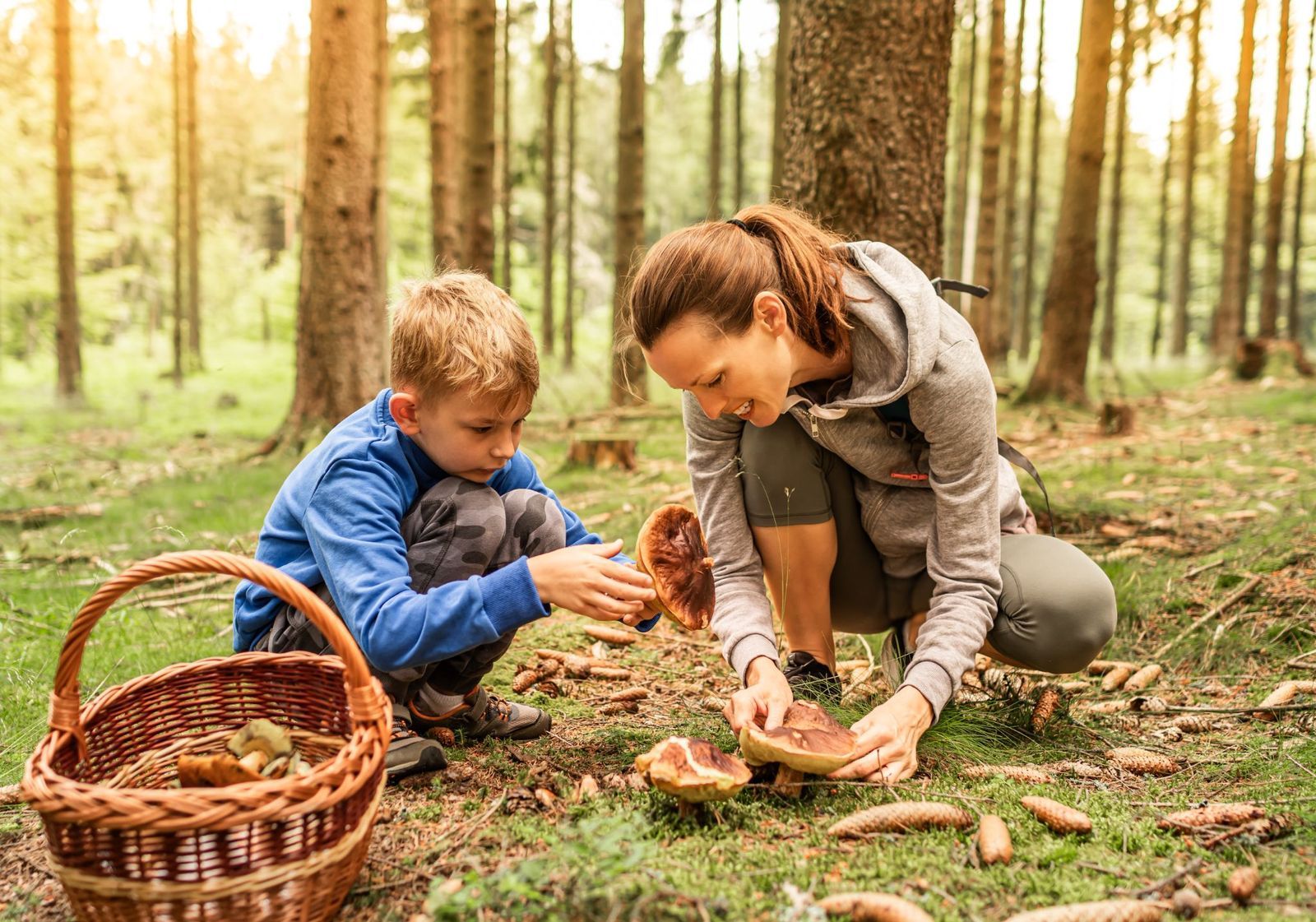
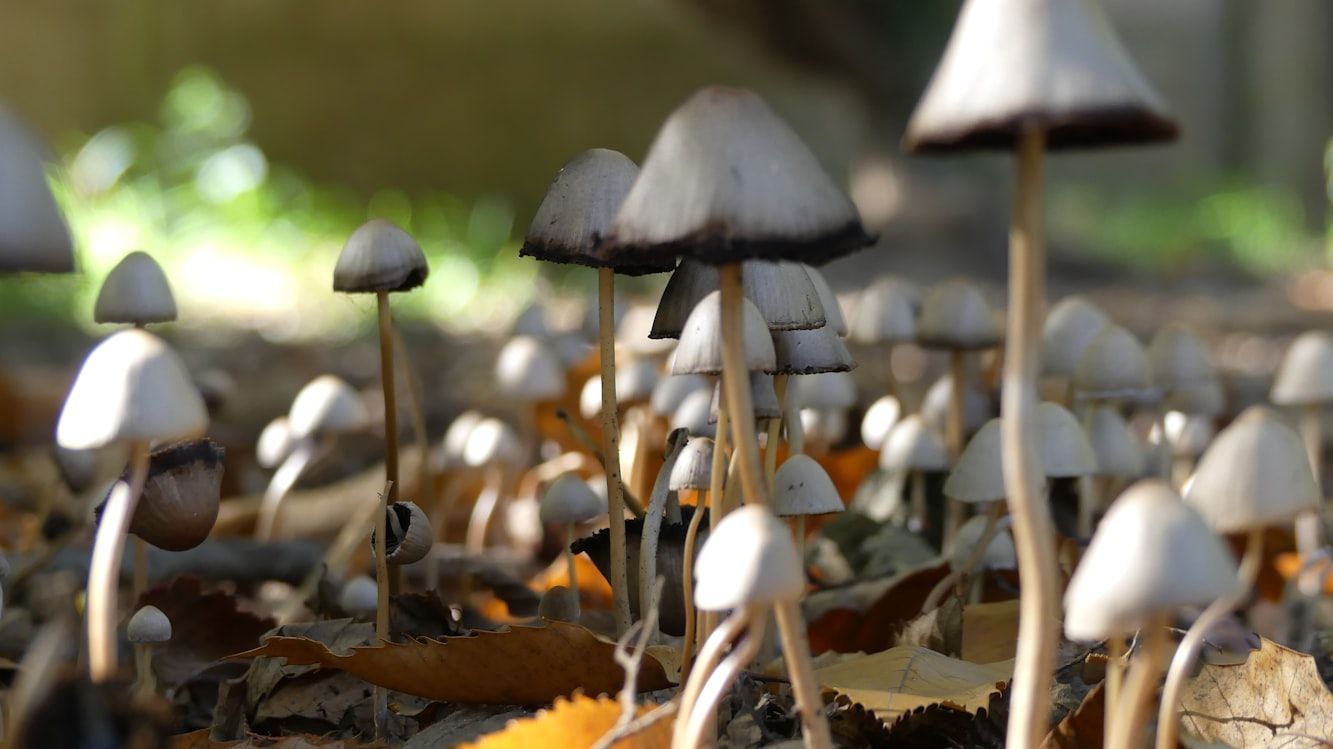
Of all the hobbies on this list, foraging is undoubtedly the oldest. Long before supermarkets existed, knowing which plants, berries, nuts, and mushrooms were edible was simply part of staying alive. Today, Americans are voluntarily heading back into the woods to rediscover some of that forgotten knowledge.
Interest has become particularly noticeable among younger adults. Iowa State University Extension reported strong demand for mushroom-identification programs, including a two-year backlog of interested participants and classes regularly reaching their 30-person limit. Of course, this hobby requires more caution than knitting: a misidentified mushroom can be dangerous. Learning from experienced experts is essential.