General General 4 min read

The trains that changed what time it was & more incredible true stories
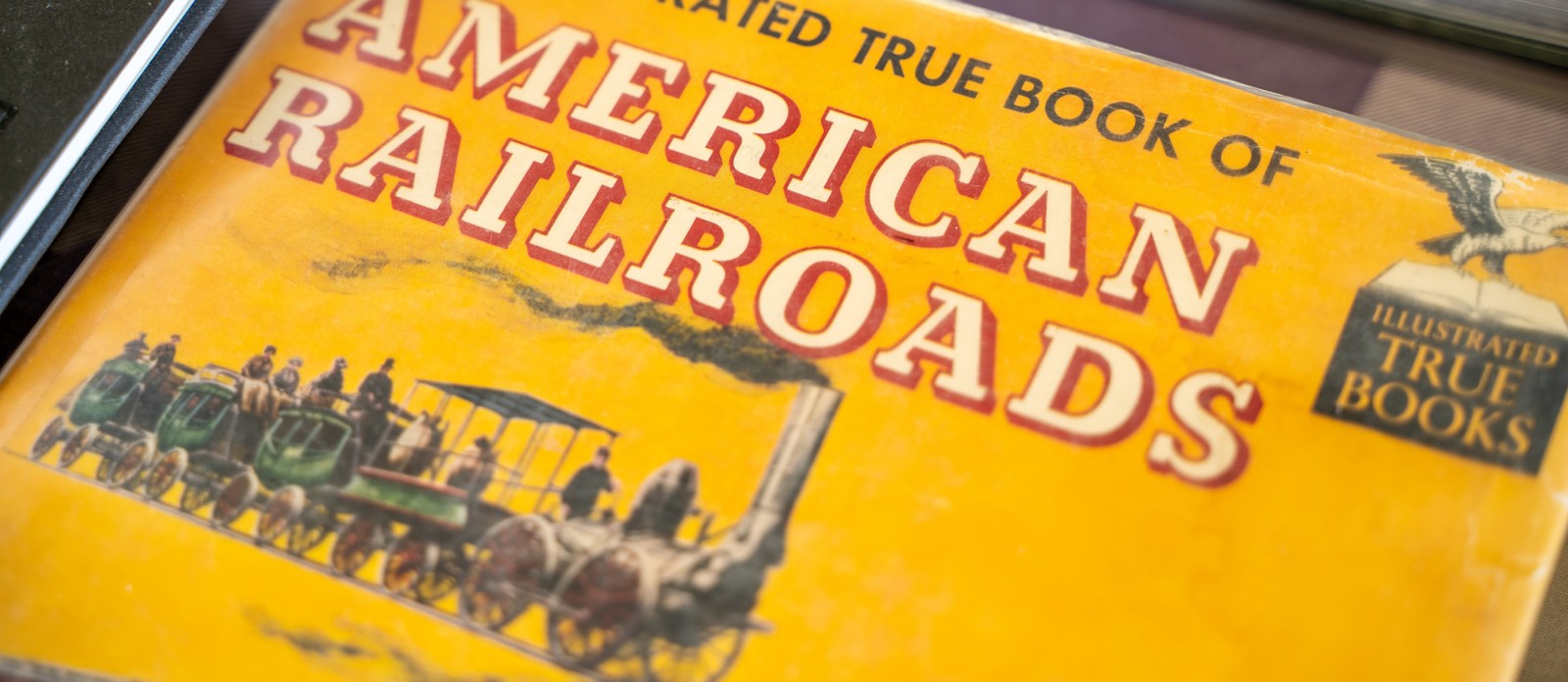
Image: Erman Gunes

Did you play with toy trains when you were little? Do you love a good scenic train ride? If either is the case, you’re in luck: get ready to uncover 10 surprising train stories that shaped the country . From wartime transportation to presidential campaigns, these moments in train-related history changed America forever.

1
The trains that changed what time it was
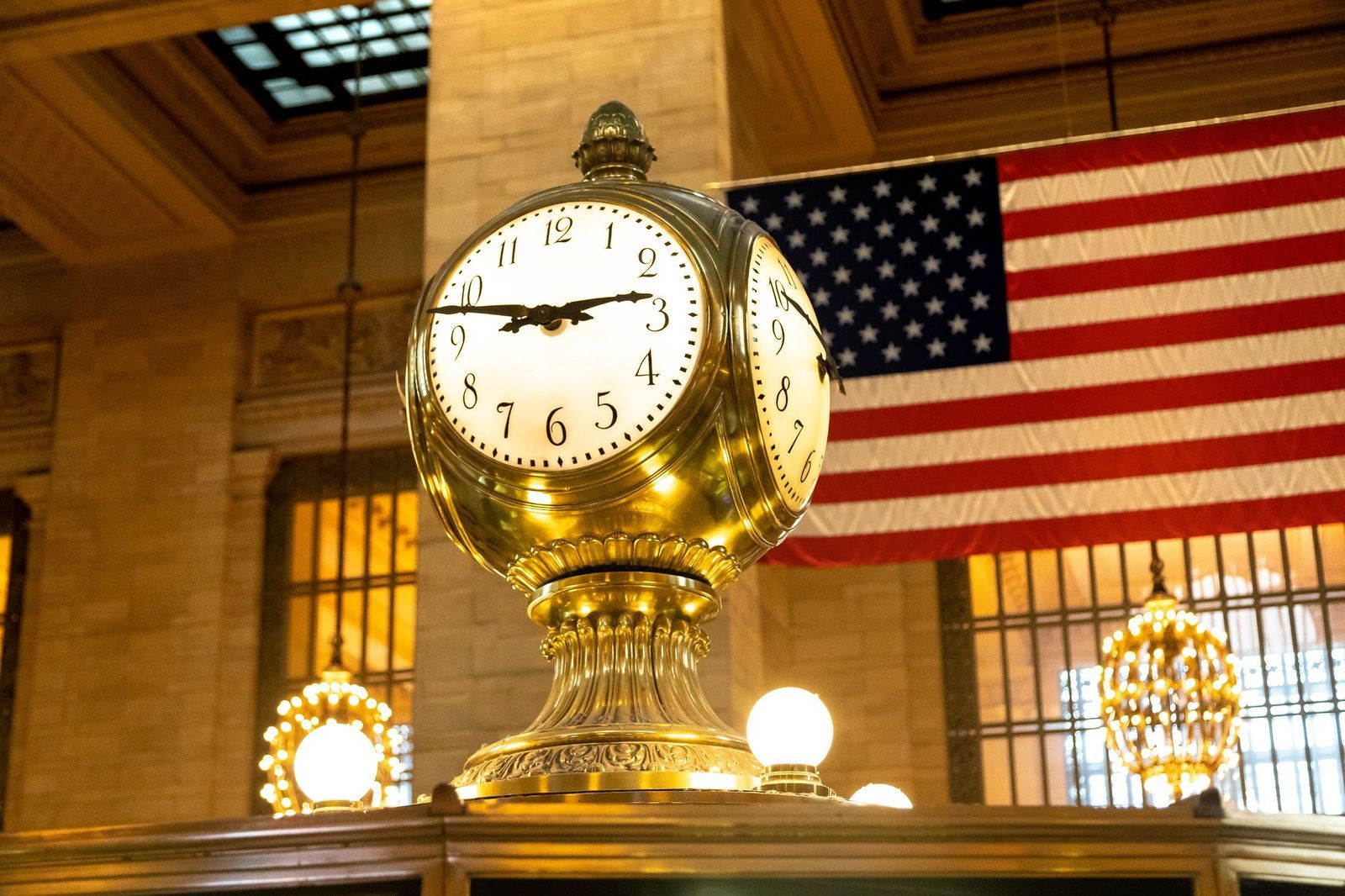
Image: Sergii Figurnyi

The railroads helped establish standardized time zones, ending the mayhem of thousands of local times. On November 18, 1883 (dubbed "The Day of Two Noons" ), U.S. and Canadian railroads adopted a system of standard time zones to coordinate railroad schedules.

This private initiative greatly reduced the chaos caused by hundreds of local, sun-based times and helped make railroad travel safer. Congress would not formally establish standard time nationwide until 1918.

2
The mailmen who sorted letters at full speed
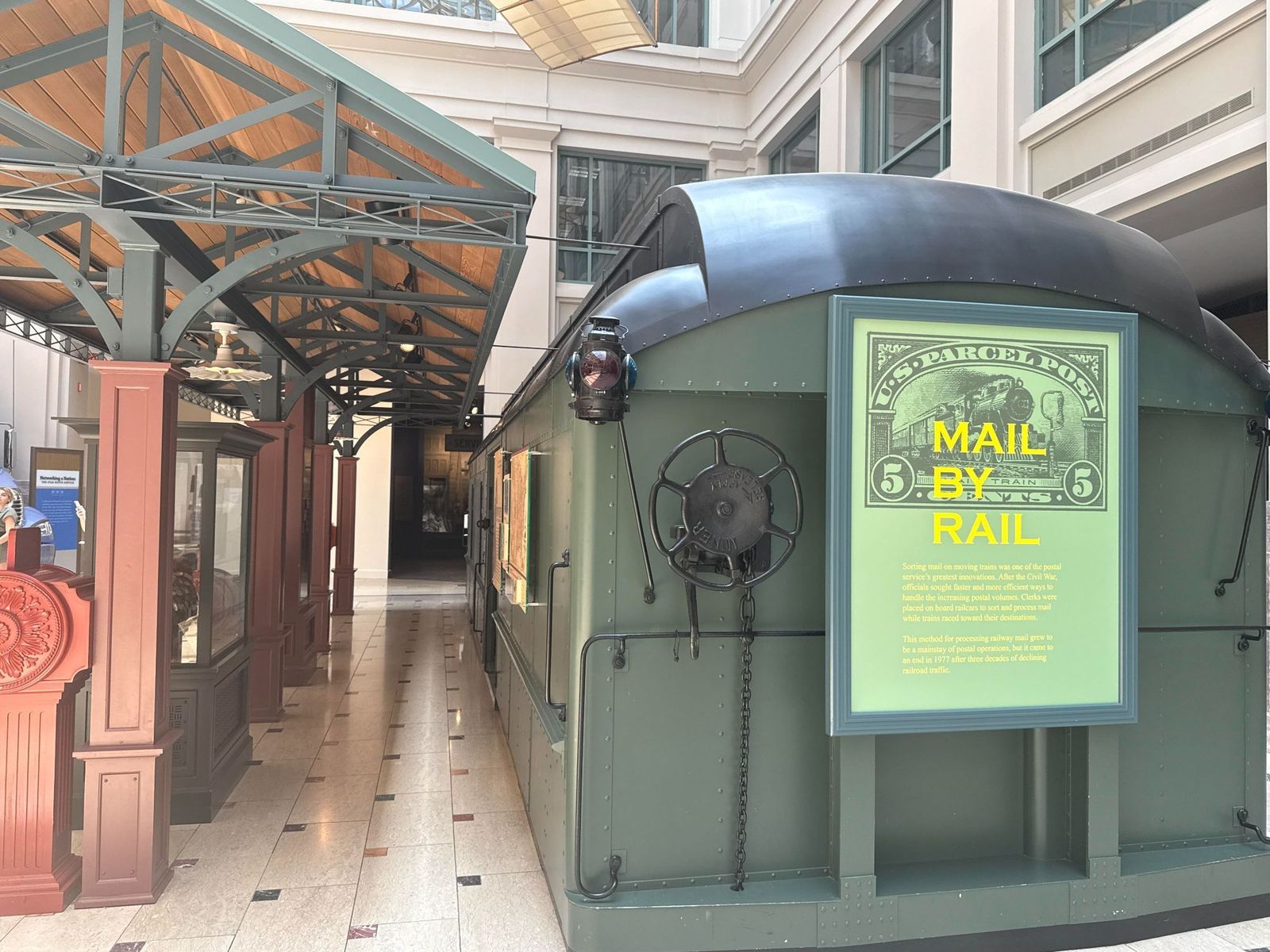
Image: Ritu Manoj Jethani

The U.S. Railway Mail Service (1860s—1970s) operated Railway Post Office (RPO) cars, where specially trained clerks sorted non-local mail on moving trains. Using a system called "mail on the fly" , clerks sometimes exchanged mail pouches without the train stopping. At its peak, the service handled 93% of the nation's non-local mail.

They would memorize complex routing diagrams to toss letters into narrow pigeonholes while on the move. A trackside crane held an incoming pouch while a steel catcher arm on the moving train snatched it in milliseconds. This continued until June 30, 1977, when the service finally ended.

3
The train that became Truman's campaign headquarters
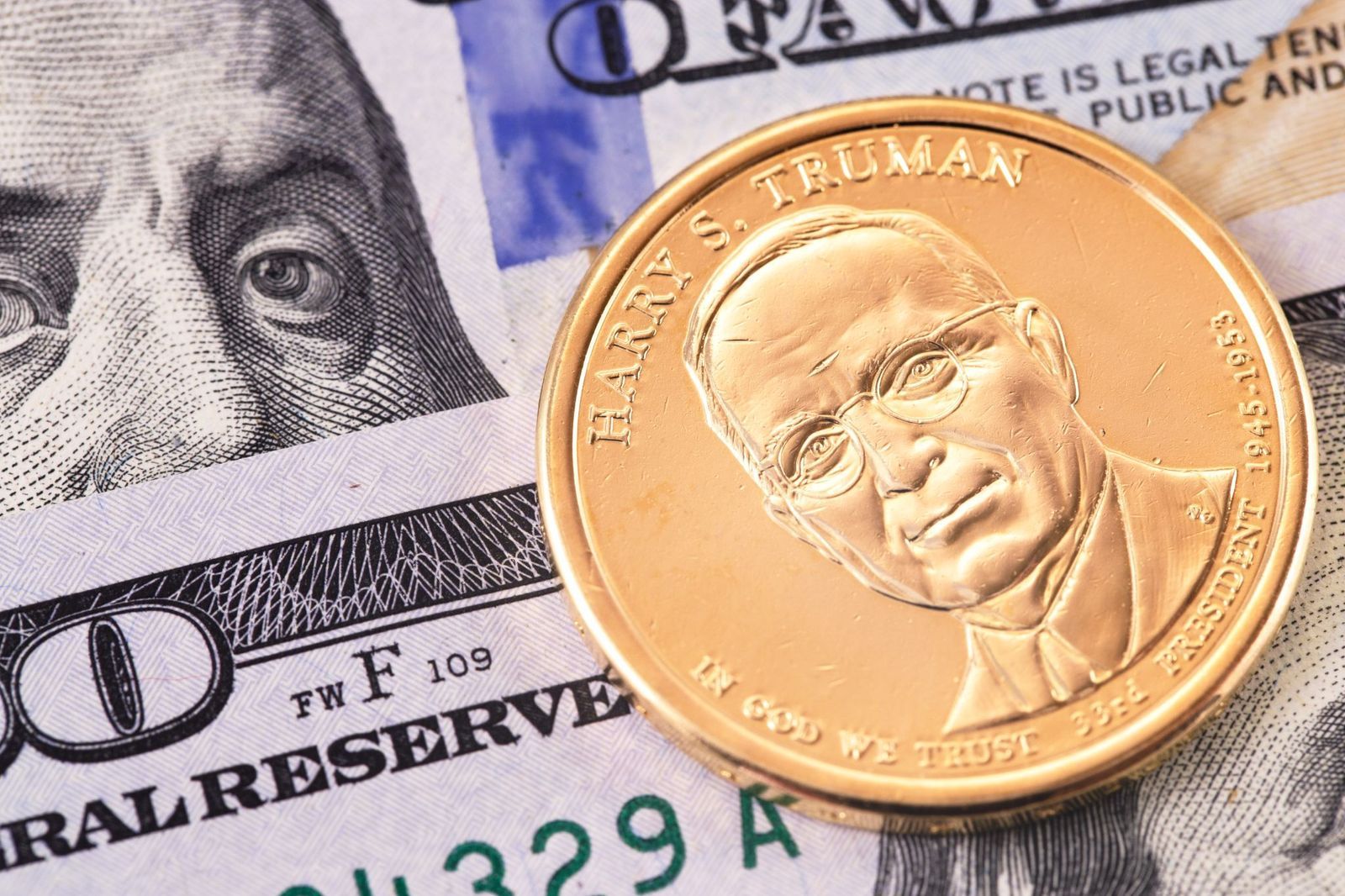
Image: Primakov

Harry Truman’s 1948 whistle-stop presidential campaign was a massive train journey that helped produce one of the most shocking results in U.S. election history. It included thousands of miles of travel across the country, during which Truman gave hundreds of fiery speeches from the rear platform of the Ferdinand Magellan, a heavily armored presidential railcar originally built in 1928. It is said he delivered 356 speeches during the 35-day tour .

4
The four-minute mistake that changed railroad watches
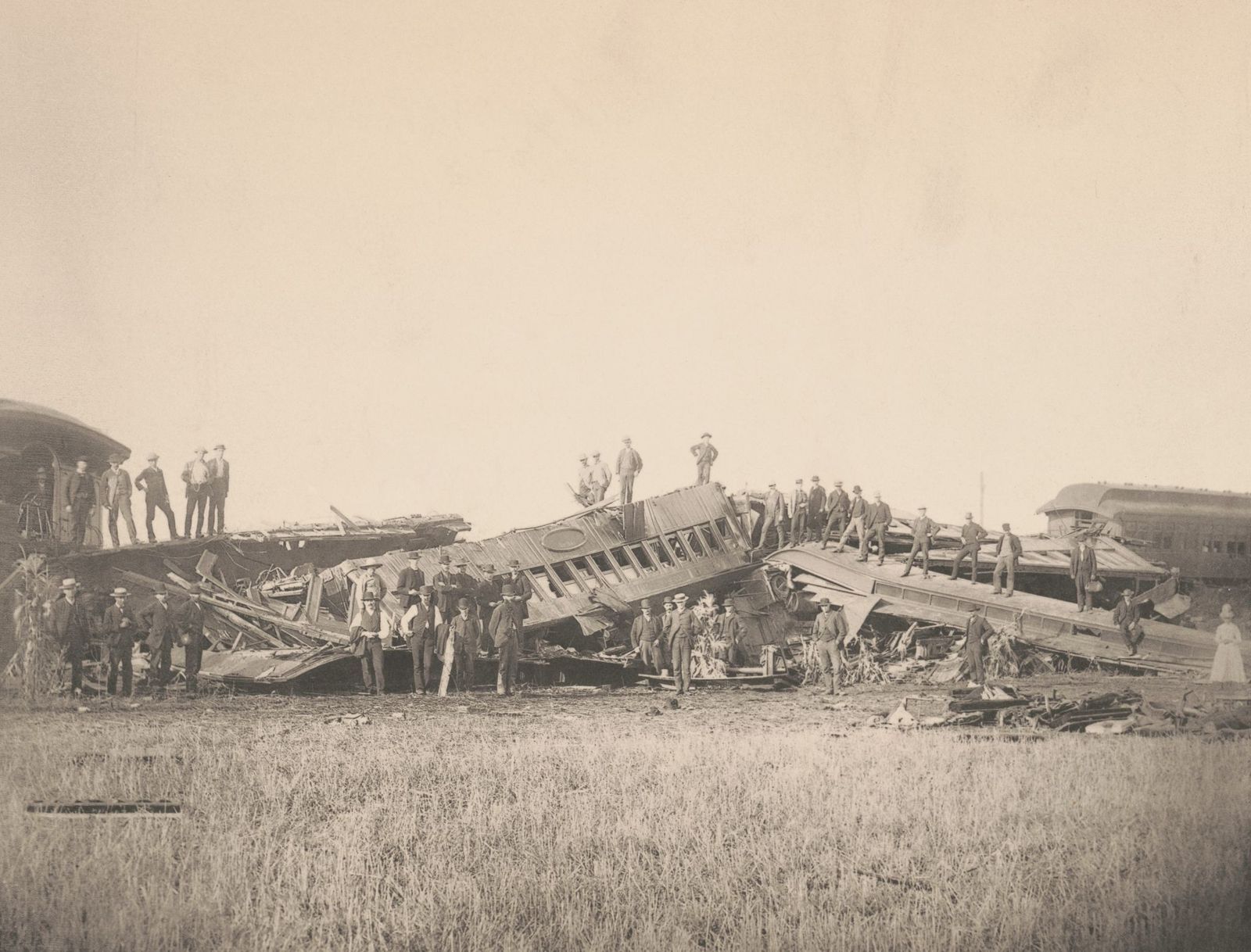
Image: Everett Collection

What’s generally known as the 1893 Great Kipton Train Wreck actually occurred in 1891 and led to stricter timekeeping rules, including standardized railroad watches to prevent collisions.

Here’s what happened: a conductor’s pocket watch stopped for four minutes and restarted, contributing to a fatal head-on collision between two trains. This disaster led to the appointment of jeweler Webb C. Ball as Chief Time Inspector. He subsequently developed strict standards for railroad watches and regular inspections.

5
The sleeper cars that changed travel forever
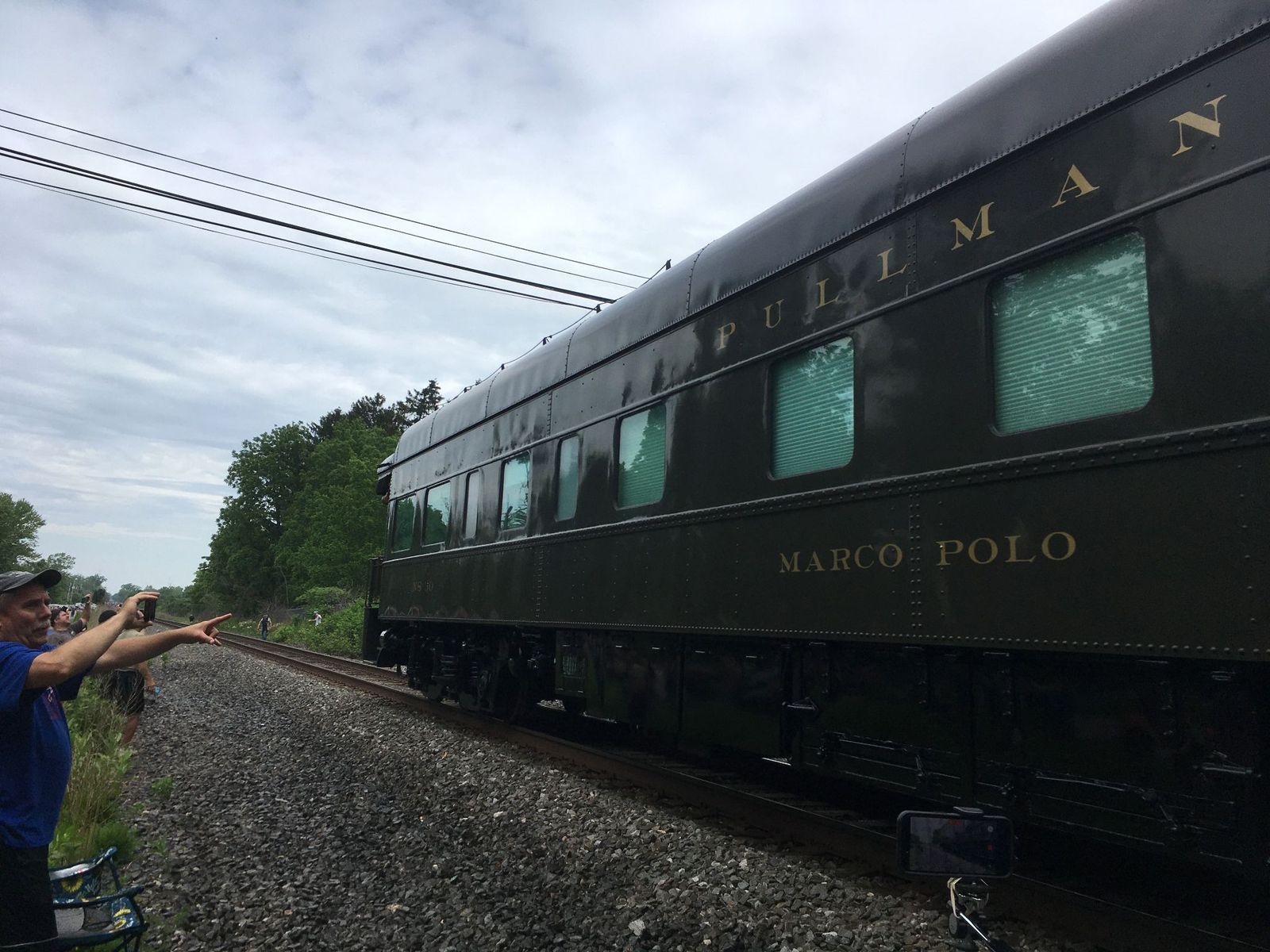
Image: Heather Shimmin

Pullman sleeper cars were created by George Pullman in the 1860s, revolutionizing long-distance travel with onboard beds and luxury service , including his first model, the 1864 Pioneer.

This comfort fueled rapid national expansion, but also sparked major labor and social shifts across the United States.

6
The railroad that turned America into one nation
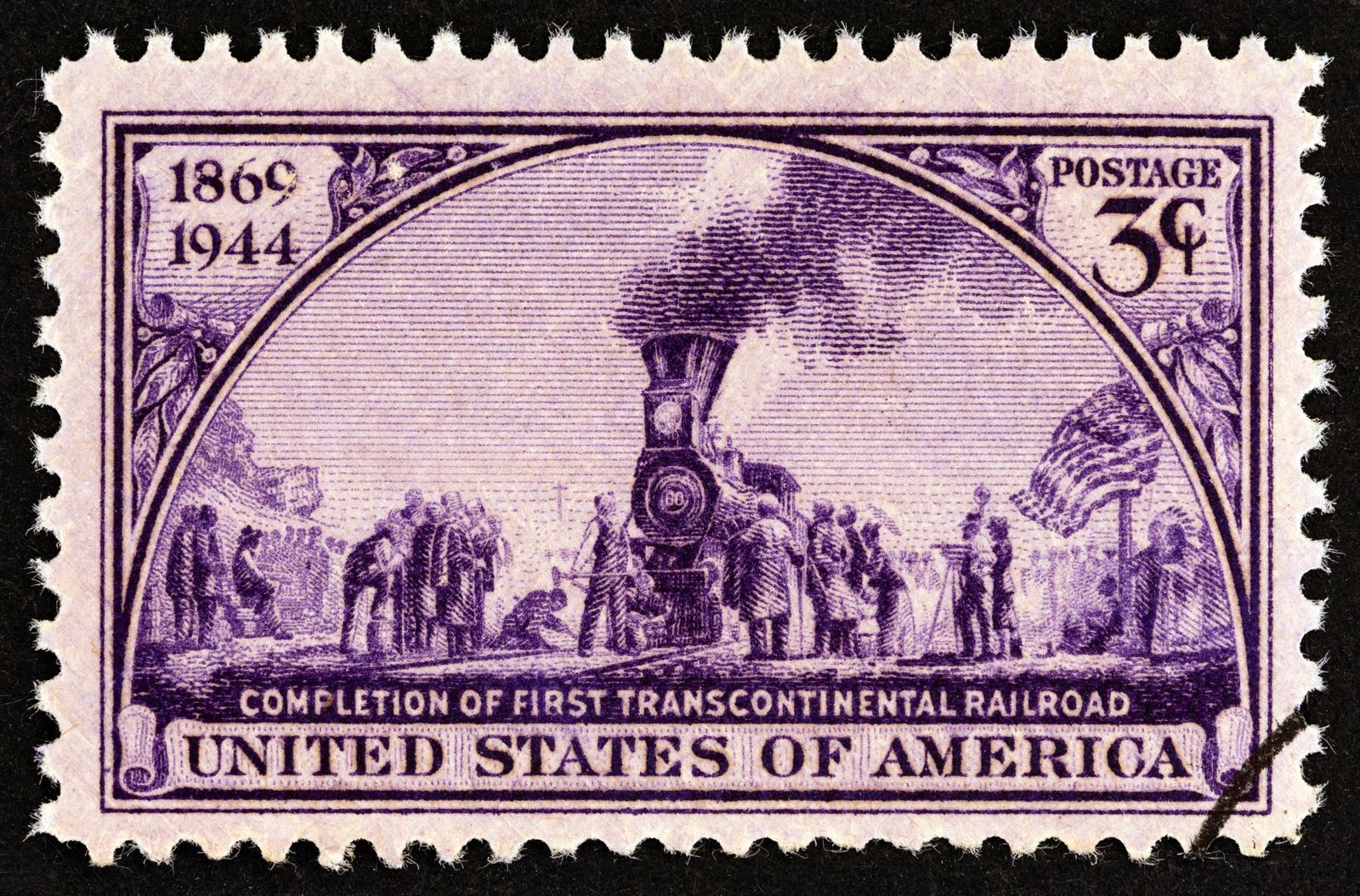
Image: Lefteris Papaulakis

The Transcontinental Railroad was completed in 1869 and relied heavily on Chinese and Irish immigrant labor, which often involved dangerous working conditions. Workers blasted through rocks and mountainsides , carved paths across difficult terrain, and endured brutal weather as they laid tracks across the country.

This massive project changed travel and trade forever, cutting cross-country travel to roughly a week and helping transform the nation’s economy by connecting the Atlantic and Pacific coasts.

7
The Civil War trains that carried wounded soldiers to safety
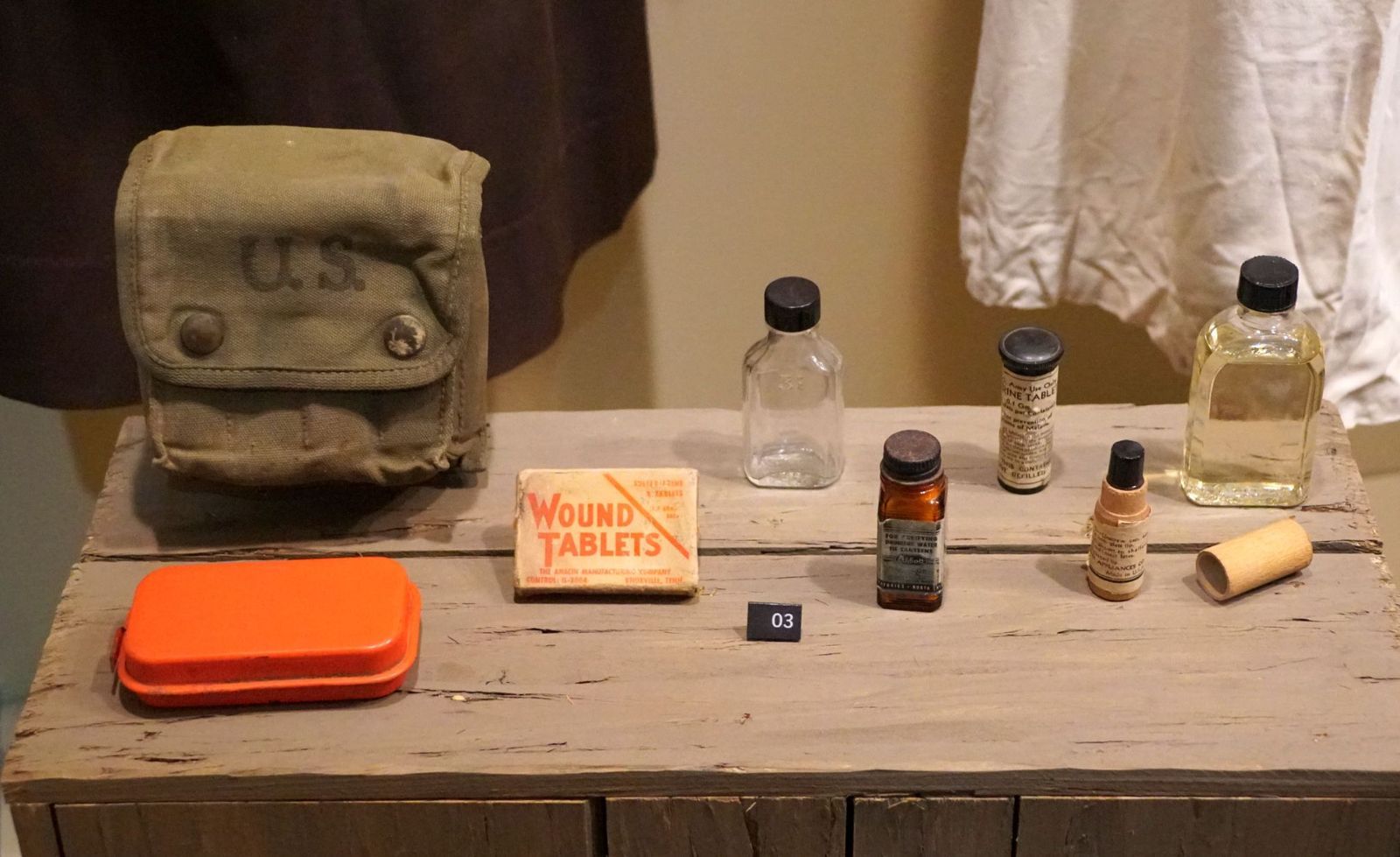
Image: Khairil Azhar Junos

Civil War hospital trains helped transform how wounded soldiers were evacuated and treated . Early hospital trains were often converted freight or passenger cars, but they gradually became specially outfitted with stretcher racks, medical personnel, kitchens, and other equipment.

By 1864, purpose-designed hospital cars were being used by Union forces to transport wounded soldiers from battlefields to larger hospitals.

8
The trains that kept America’s war effort moving
Image: Shiva Photo

During World War II, the U.S. railroads played a crucial role. They carried vast quantities of military freight and personnel, making the railroads a crucial lifeline of the domestic war effort .

Gasoline and rubber shortages at the time also forced more of the car-driving public onto trains, pushing passenger traffic to historic peaks. Unlike in World War I, the federal government left daily operations under private rail control while coordinating closely through the Association of American Railroads.

9
The women who kept America’s railroads running
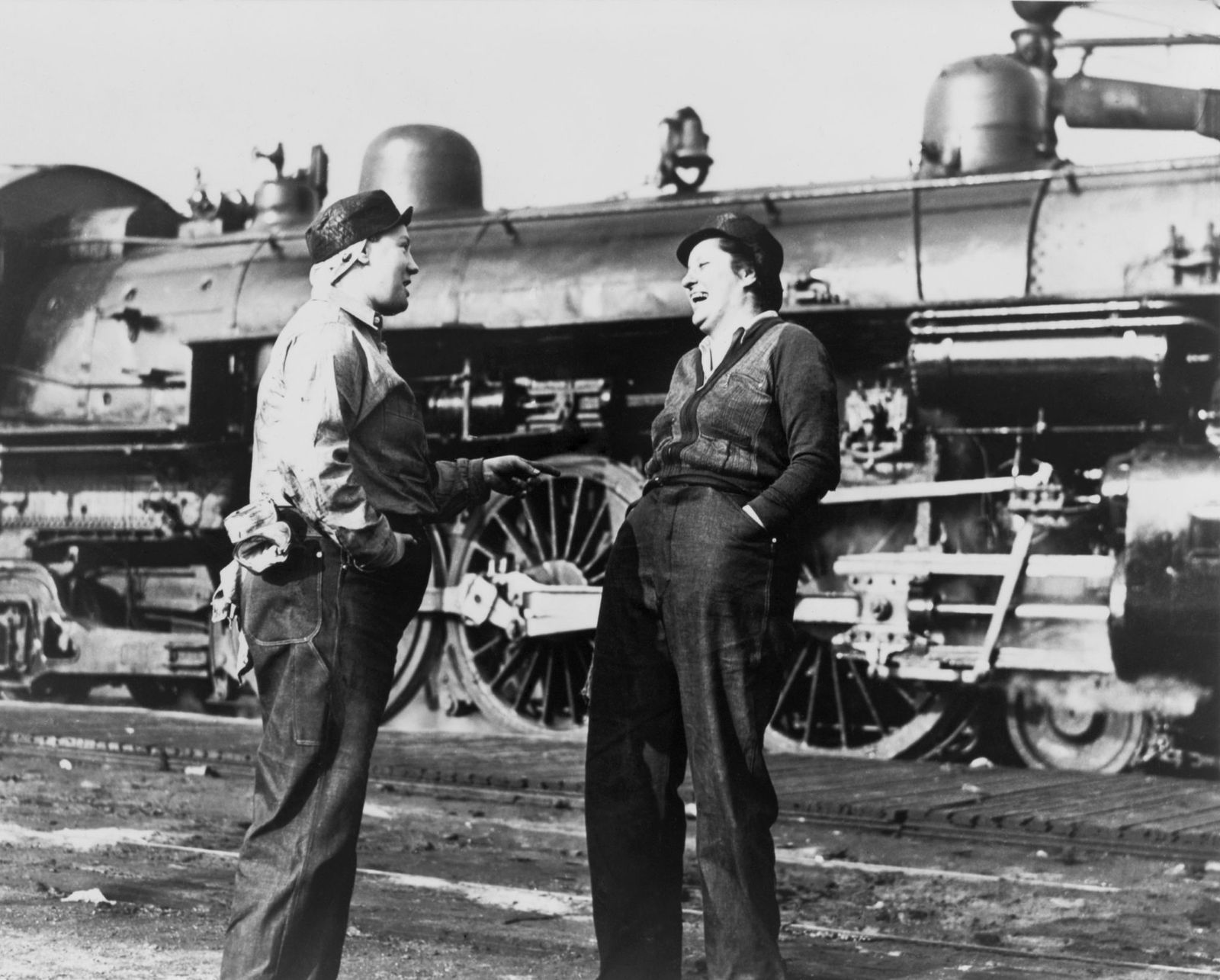
Image: Everett Collection

During World War II, women took on a much greater role in railroad work across the country, covering diverse occupations such as telegraphers, station agents, and workers who maintained and cleaned massive steel locomotives.

They replaced men who had entered the military service and helped keep the nation’s rail system running.

10
The Gold Rush that helped put the West on the rails
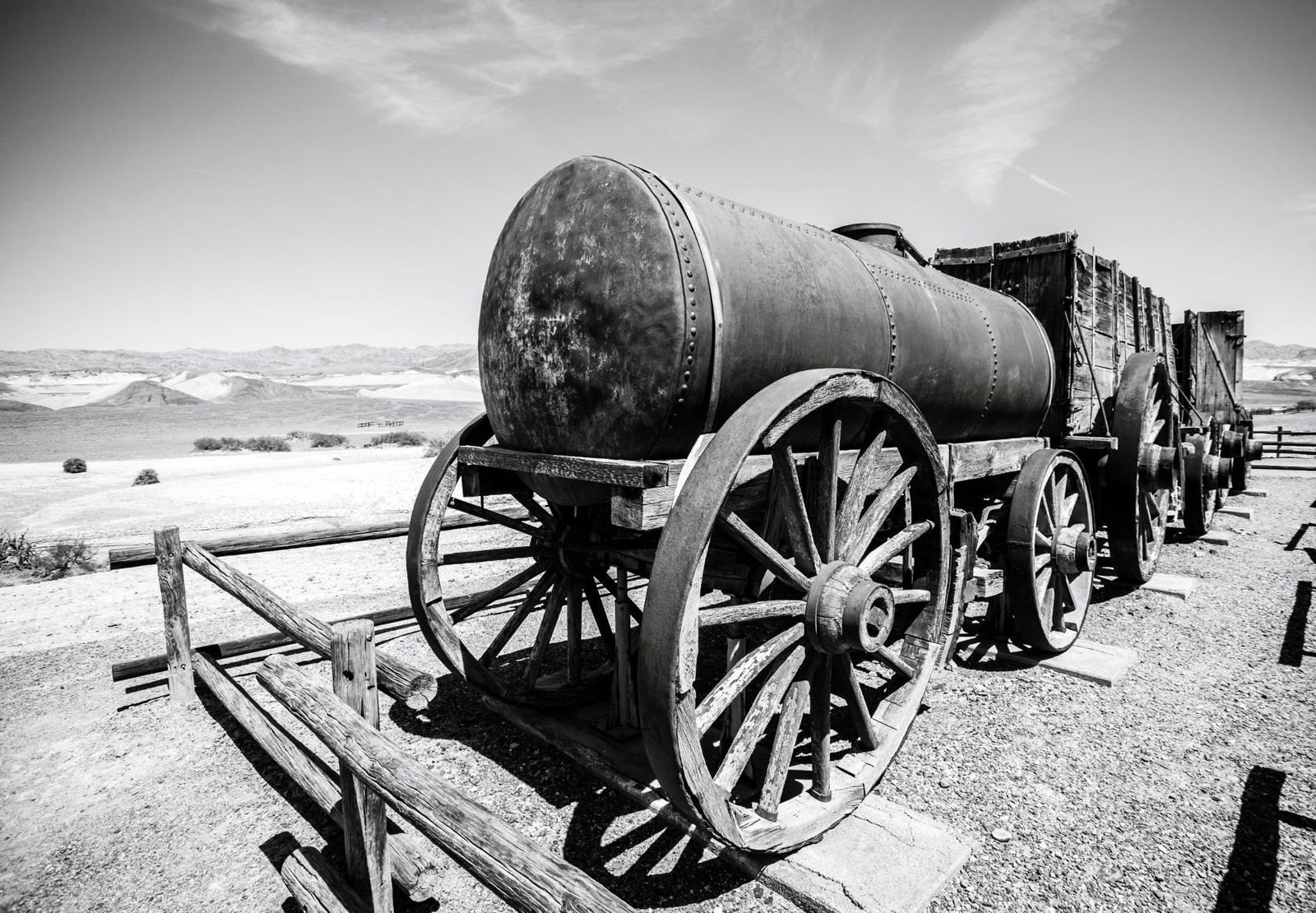
Image: telesniuk

The California Gold Rush of 1849 ignited a massive, never-before-seen western migration, but coast-to-coast travel still took months via dangerous sea routes or wagon trains.

That changed dramatically on May 10, 1869, when the previously mentioned First Transcontinental Railroad was completed at Promontory Summit in Utah. The railroad made it far easier to move people, goods, and valuable cargo between the coasts, although the Gold Rush itself had begun long before the railroad existed.
History History 4 min read

Which ad do you remember?

From Nike to Dove: Discover the stories behind 12 iconic ads

Image: Shreesha bhat

Some ads are so catchy, clever, or downright bold that they become part of American culture. From slogans we still repeat to jingles we can’t forget, the best campaigns leave a lasting impression. Take a look at the stories behind 12 of these iconic pieces. Which one do you remember most?

1
Pepsi: "Is Pepsi OK?"

Image: NIKHIL

If you’ve ever asked for a Coke and heard, "Is Pepsi OK?", you’re not alone—it’s a common scenario that has become a cultural cliché. In 2019, Pepsi embraced that moment and turned it into an ad campaign.

Featuring celebrities, the ads leaned into the joke and confidently rebranded Pepsi as more than just "OK."

2
Westinghouse: "We Can Do It!"

Image: Nayani Teixeira

Westinghouse Electric’s We Can Do It! poster, created during World War II to boost morale among female workers , later became a symbol of female empowerment in the 1970s.

Initially unrelated to the Rosie the Riveter character, the poster eventually gained widespread use in advertisements and pop culture, celebrating women’s strength and independence.

3
Pan-American Coffee Bureau: "Give yourself a coffee break!"

Image: Jakub Dziubak

In the 1950s, the Pan-American Coffee Bureau popularized the concept of the "coffee break" with a campaign that encouraged workers to relax while drinking the popular beverage .

By the 1960s, coffee breaks had become so essential that the United Auto Workers union demanded them in their contracts, even threatening a strike if they were not included.

4
Marlboro: The Marlboro Man

Image: Brendan Stephens

Created in 1954, the Marlboro Man transformed Marlboro from a women’s cigarette into a symbol of rugged masculinity . The iconic cowboy became so recognizable that by the late '90s, nearly 90% of schoolchildren knew him.

The character was retired in 1998 as part of a tobacco industry settlement that banned the use of human and cartoon figures in advertisements.

5
Ad Council: "Friends don't let friends drive drunk."

Image: Aedrian Salazar

Launched in 1983, the "Friends Don’t Let Friends Drive Drunk" PSA became a cultural milestone, directly addressing the widespread problem of drunk driving .

At the time, alcohol was involved in roughly half of all car crash fatalities. The campaign played a key role in shifting public attitudes and helped reduce that number to around 31% in the decades that followed.

6
Levi Strauss & Co.: "A Guide to Casual Businesswear"

Image: Varun Gaba

In the 1980s, "Casual Fridays" gained popularity , but many companies quickly regretted the trend as employees began showing up in overly casual or sloppy attire. In 1992, Levi Strauss & Co. capitalized on the situation by releasing A Guide to Casual Businesswear , promoting its Dockers and Levi’s brands as polished, workplace-appropriate options.

By 1995, Levi’s reported record sales of $6.2 billion, helping to redefine "business casual" and promoting a more professional yet relaxed dress code in the workplace.

7
Snickers: "You’re Not You When You’re Hungry"

Image: Shyam Mishra

Snickers’ Super Bowl ad featuring Betty White, in which hunger causes a man to momentarily "become" her during a football game , became an instant hit and introduced the now-iconic tagline: "You’re Not You When You’re Hungry."

The campaign's humor and relatable message made it highly successful, with the concept evolving over the years through new scenarios and celebrities.

8
KFC: "FCK"

Image: Aleks Dorohovich

During a 2018 chicken shortage , KFC used humor to manage the crisis with a bold ad that featured an empty bucket and the letters "FCK" in place of its logo .

This self-aware and cheeky approach helped diffuse customer frustration and strengthened the brand’s connection with its audience through honesty and wit.

9
Pepsi: "Pepsi Challenge"

Image: NIKHIL

Pepsi’s second entry on this list is the iconic "Pepsi Challenge," a blind taste-test campaign that invited consumers to compare Pepsi and Coca-Cola .

By focusing on taste and showing that many participants preferred Pepsi, the campaign successfully shifted public perception and boosted brand loyalty during the fiercely competitive "Cola Wars" of the 1980s.

10
Nike: "Just Do It"

Image: wuyi

Launched in 1988, Nike’s "Just Do It" campaign featured athletes like 80-year-old marathoner Walt Stack to inspire people from all walks of life to take action.

The slogan quickly resonated with audiences, sparking countless personal stories of bold choices and perseverance. It has since become one of the most enduring and recognizable taglines in advertising history.

11
California Milk Processor Board: "Got Milk?"

Image: engin akyurt

Launched in 1993, the legendary "Got Milk?" campaign emphasized the importance of milk through a study showing how people felt when they ran out .

With its clever use of celebrity endorsements and pop culture references, the campaign ran for over two decades and produced hundreds of memorable ads nationwide, cementing its place as one of the most influential marketing successes in advertising history.

12
Dove: "Real Beauty"

Image: Matthew Tkocz

Launched in 2004, Dove’s "Real Beauty" campaign aimed to boost self-confidence by challenging traditional beauty standards.

Featuring real women instead of professional models , the campaign focused on diversity, aging, and natural imperfections, promoting a more inclusive and empowering definition of beauty.

General General 3 min read

Only ours

Wait... doesn't everyone do that? 10 US traditions that confuse the world

Image: Courtney Hedger

If you're from the United States, there are plenty of things we do every day that feel completely normal... until you leave the country. From the legal drinking age of 21 to eating dinner very early, many familiar American customs leave foreigners scratching their heads. Want to know what makes us stand out? Here are 10 uniquely American traditions that the rest of the world finds strange!

1
Legal drinking age

Image: Elevate

When was the first time you tried a beer? Probably at 21 or later. While that's completely normal here in the US, it can seem a bit strange to people in other parts of the world. Why? In America, you can vote, serve on a jury, and even get married in some states at 18, but you still can't legally buy alcohol until you're 21. In many other countries, the legal drinking age is 18—or even younger—and that's why they find our law unusual.

2
The faces of real estate agents

Image: Tierra Mallorca

We're used to walking through a neighborhood and seeing signs with real estate agents' faces in front of homes for sale. But in other countries, that's pretty unusual! In many places, real estate transactions are more impersonal; you deal with an agency, not a specific person. Here in the US, we like to put a face to the name. Getting to know the person helping you buy or sell a home feels more personal and trustworthy. It makes sense, right?

3
Our coins

Image: Shot by Cerqueira

Many of us don't even notice this until we travel abroad, but some of our coins don't actually show their value! Sure, you'll see words like "Five Cents," "One Cent," or even "One Dime," but there's no actual number printed on them. When you think about it, that's kind of strange, right? Especially when most countries display the value on their coins using numbers.

4
American flag everywhere

Image: camera obscura

In many countries, their national flag is used only for formal or official purposes, but that's not the case in the US. We tend to see the American flag literally everywhere, not just at official functions or holiday celebrations, but also on all kinds of products and imagery. From T-shirts and caps to food packaging and even swimsuits, our flag is a constant presence in everyday life.

5
No bad words on TV

Image: Kevin Woblick

If you're in America and turn on your TV right now, you'll find everything from romantic scenes to shows about zombies or violent crimes, but you'll rarely hear any bad language. Our television generally doesn't include insults or swear words, while in other countries they often do, even in shows that air during times when children might be watching.

6
Dinner before 8 PM

Image: Or Hakim

Depending on the region, dinner in the United States is often served before 8 p.m., and sometimes even before 7 p.m. But in many other countries, that's considered too early. In Latin America, for example, most people eat dinner between 8 and 11 p.m.!

7
The Imperial System

Image: Jarosław Kwoczała

We Americans use miles, feet, pounds, and degrees Fahrenheit, but this is often very confusing for visitors from other parts of the world. We are totally used to the Imperial System, but in most countries, the Metric System reigns supreme, with everything measured in meters, kilometers, kilograms, and degrees Celsius.

8
Big portions

Image: mafe estudio

Large portions are deeply ingrained in our daily lives. Whether it's restaurant meals, snack packs, or soft drinks, everything tends to be bigger in America. This can be surprising for foreigners who come here and order food, since in many other countries, dishes are smaller, and the custom of taking leftovers home after eating at a restaurant isn't as common as it is in the US.

9
Turkey pardon

Image: Tyler Donaghy

The pardoning of the turkey by the US president is a big event for many Americans. But in other parts of the world, where Thanksgiving isn't celebrated, it can come as a surprise. To foreigners, this formal ceremony involving a turkey might seem quite strange. Since Thanksgiving traditions aren't part of their history, this custom is uniquely American.

10
Alumni homecoming

Image: Carol Highsmith's America

Perhaps you've had the chance to participate in Homecoming, the annual event that celebrates university spirit with parties, sports games, and other activities for students returning to campus. While it's a big part of our college tradition and communities are deeply involved, it's quite different in other parts of the world, where the return to school usually happens with little fanfare.

Explore more American facts

Choose your favorite category!

General
General

As American as apple pie—the very best America has to offer!

Culture
Culture

Delve into the astounding richness of American lore.

Geography
Geography

Hop in and explore vast and diverse American landscapes.

History
History

Discover the key moments that shaped the United States.