Geography Geography 4 min read

Happy campers!

The Great American Outdoors: 10 camping sites worth visiting

Image: Patrick Hendry

Camping is one of the best ways to experience the outdoors. Sleeping in a tent while listening to the sounds of nature—the rustling of leaves and the occasional chirping of a sleepy bird—is the closest most of us can get to the way humans lived and slept for most of their existence. Spending time close to nature is good for our health, and it can be lots of fun, too. America is crawling with beautiful places to visit, and the number of mind-blowing camping spots is almost infinite. The following 10 are just a small fraction of what our country has to offer, but they serve as a sampler to travel with your mind. Do you know any of these places?

1
Sequoia and Kings Canyon National Parks, California

Image: Nik Shuliahin 💛💙

Imagine camping beneath the biggest trees in North America and in the whole world . That incredible experience is possible in Sequoia and Kings Canyon National Parks, where some of these trees are thousands of years old.

You can choose from 14 scenic campgrounds—including Grant Grove Village, the foothills of Sequoia National Park, the Lodgepole and Giant Forest areas, Cedar Grove, and Mineral King—and make a reservation.

2
Crater Lake National Park, Oregon

Image: velichor

Open only during the summer months, Crater Lake National Park is home to the country's deepest lake and a dormant volcano , making it an incredibly photogenic location. Campers can pitch their tents or park their RVs in the forest at Mazama Campground.

As locals say, the best views are from the areas looking out over Annie Creek, but the whole place is a no-miss.

3
Olympic National Park, Washington

Image: Scott Goodwill

Camping along the coastline with the sound of the waves in the background is a beautiful experience that can be accomplished in the Olympic National Park, where you can camp right along the beautiful coastline , which is marked by several sea stacks.

There are many different campgrounds, some next to the ocean and others in the rainforest. While most are first-come, first-served, some allow reservations for stays in the summer.

4
Grand Canyon National Park, Arizona

Image: Levi Jones

Few camping experiences beat waking up on the rim of the Grand Canyon . While the South Rim is easier to get to, the North Rim is usually less crowded. There's one North Rim campground inside the park and another just north of the park boundary, both open from mid-May to mid-October.

Several sites along the South Rim are open year-round, including the Mather Campground and Trailer Village in Grand Canyon Village. Only two other South Rim spots, Desert View and Tusayan Montane, are open seasonally.

5
Grand Mesa, Uncompahgre, and Gunnison National Forests, Colorado

Image: Mike Erskine

The Rocky Mountains offer magnificent scenery for a beautiful day and a night out. The Grand Mesa, Uncompahgre, and Gunnison National Forests have 56 campsites set in a variety of landscapes, including open meadows and evergreen forests, amid mountains, and on lakeshores .

While most are open seasonally, a select few stay open all year long, so make sure to check the website for road conditions beforehand if you plan to camp during the winter months.

6
Sawtooth National Recreation Area, Idaho

Image: Andreas Rønningen

The Smoky Mountains are a picturesque part of Idaho, with dozens of places to camp. The Sawtooth National Recreation Area is a fantastic place to go hiking, canoeing, or cycling, and you'll be treated to awe-inspiring mountain views in every direction.

About half the campgrounds welcome campers on a first-come, first-served basis, but you can also make reservations ahead of time to secure a site. The camping season is open in the summer months.

7
Badlands National Park, South Dakota

Image: Rahul Bhosale

Don’t mind the name, there is nothing bad about the Badlands. Between the many rock formations you'll see throughout Badlands National Park, you'll also find prairies and places to peek at ancient fossils . The Cedar Pass campground is larger and offers more amenities, but the smaller Sage Creek campground puts you in a better position to see bison wandering around .

8
Ozark–St. Francis National Forests, Arkansas

Image: Alex Holt

The Natural State has 1.2 million acres of recreational space including beaches, lakes, and streams, and more than 400 miles of hiking trails , in the Ozark–St. Francis National Forests. Campers can choose between several developed campgrounds for both RV and tent camping, some of which are open year-round.

Other campgrounds are open from May through October. Primitive camping is also permitted within designated areas—just remember to bring your water (or a water filtration device), and leave the place untouched.

9
Dry Tortugas National Park, Florida

Image: Blake Wisz

At Dry Tortugas National Park, in Key West, Florida, you can camp right outside of one of the world’s largest barrier reefs . Visitors can rent snorkel gear, spend their days relaxing on the beach, or check out Fort Jefferson, a 19th-century fortress used by the Union army to blockade Confederate shipping channels during the Civil War.

This pristine area, perfect for stargazing and bird-watching, requires campers to bring everything they will need, including water, fuel, ice, and food. Ferry transportation from Key West must also be secured as early as possible.

10
Minnewaska State Park Preserve, New York

Image: Esther Tuttle

More than 2,000 feet above sea level and surrounded by rocky terrain, Minnewaska State Park Preserve offers a lot of space to hike, bike, and enjoy the view . Reservations for the Sam F. Pryor III Shawangunk Campground can be made online starting each March, as it is closed during the winter.

The campground features 50 parcels, as well as five car-camping sites, and amenities such as Wi-Fi, coin-operated showers, communal fire pits, and picnic pavilions.
Culture Culture 3 min read

They simply do better!

Guess which state has the best pizza, beaches, and fastest internet!

Image: Louis Le Pessot

You know Georgia is famous for peaches and California for movies, but what about the little everyday things that truly define each state ? Which one quietly claims the best pizza, and where are millionaires most likely to live next door? We’re taking a tour through ten states to see what they do best and why locals love living there. So settle in, get comfortable, and enjoy the read.

1
Alabama’s love for college football

Image: Alex Mertz

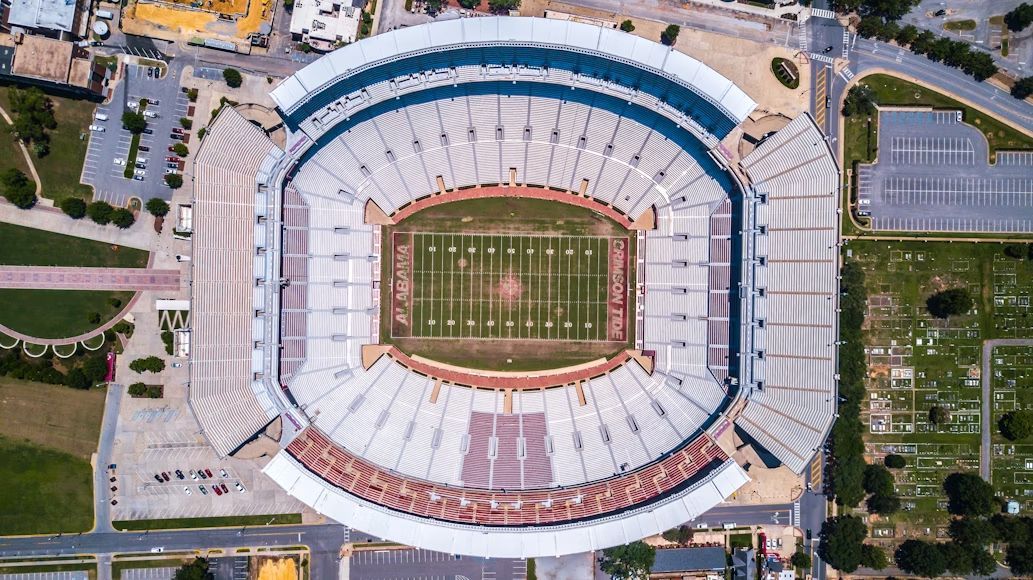
In Alabama, college football is practically a shared language . That’s because every Saturday revolves around kickoff times, tailgates, and lifelong loyalties. The University of Alabama’s Crimson Tide team leads the way, holding more national championships than any other college team. Impressive, huh?

2
Maryland’s talent for creating millionaires

Image: Erik Mclean

Wanna become a millionaire? Living in Maryland might help you. With a strong mix of government jobs, technology, and healthcare careers, the state boasts the highest concentration of millionaire households in the country. In some communities, having a seven-figure net worth is less rare than you might expect, making Maryland a surprising hotspot for financial success.

3
Nevada’s rocky playground for climbers

Image: joel protasio

Nevada is often associated with deserts and bright lights, but it’s the mountains that steal the show for outdoor lovers. With more than 300 named mountain ranges , the state offers endless climbing opportunities. From the red sandstone cliffs near Las Vegas to Boundary Peak near the California line, climbers come from all over to test their skills on Nevada’s rugged terrain.

4
Rhode Island’s devotion to donuts

Image: Rod Long

Rhode Island may be small, but it takes donuts very seriously. The state has more donut shops per person than anywhere else in the country. Local bakeries are a point of pride, often family-run and fiercely loved.

5
Louisiana’s lively dating scene

Image: René Ranisch

This state stands out for having a large population of unmarried adults , which gives the social scene a lively energy. Between music festivals, neighborhood gatherings, and spontaneous conversations with strangers, meeting new people feels natural here. It is a state where social connections come easily, and nobody seems to stay a stranger for long.

6
Delaware’s small-town comfort

Image: Gökhan Kara

On the opposite side of the spectrum, Delaware is the kind of place where life moves at a neighborly pace. With only three counties and no large cities , the state offers a true small-town feel. People recognize each other at the grocery store, and local events still draw a crowd. Simple, but highly familiar!

7
Hawaii’s picture-perfect beaches

Image: Luke McKeown

This one is rather obvious, but Hawaii sets the gold standard for beaches. With miles of swimmable shoreline and crystal-clear water, the islands offer something for everyone. Kapalua Bay on Maui is often ranked the best beach in America, thanks to its calm waters and postcard views. Add warm breezes and soft sand, and it is easy to see why Hawaii leads the pack, right?

8
California’s unmatched diversity

Image: Lala Miklós

America in general is quite diverse, but California is a living mosaic of cultures, languages, and traditions. No single group makes up the majority, which gives the state a unique richness. This blend of backgrounds has helped California become one of the most dynamic and influential places in the country.

9
West Virginia’s pizza obsession

Image: Ivan Torres

Yet another state obsessed with food! West Virginia quietly leads the nation in pizza shops per capita. Local pizzerias are part of the community life, often serving as gathering spots for families and friends. Are you after the best pizza? You’ll surely find it here!

10
Arizona’s endless sunshine

Image: Diego PH

This is not the Sunshine State, but it might as well be. The sun is almost always up here, and Yuma, in the state’s southwest corner, enjoys sunny skies about 90 percent of the year . That kind of consistency makes outdoor living a way of life. Morning walks, afternoon patios, and golden sunsets are part of the daily routine rather than special occasions.

11
Tennessee’s lightning-fast internet

Image: Leon Seibert

If Wi-Fi is what you’re after, visit Tennessee. The state surprises many people with its blazing-fast internet speeds. Thanks to early investments in fiber networks , some cities enjoy connections far faster than the national average. It is a modern advantage that supports businesses, students, and everyone, really!

History History 7 min read

Moments that made a difference

The bloodiest battle in the Civil War could have had a different outcome

Image: Unseen Histories

What key moments made America the country it is today? The first to come to mind include the signing of the Declaration of Independence and the Emancipation Proclamation, and the Allies' Victory in World War II. But what if other events had transpired differently? What if a battle had ended with the victors losing and vice versa? Or if a protest had never happened? Here are ten pivotal what-if moments in our history.

1
The Boston Tea Party (1773)

Image: Nathaniel Currier, Public domain, via Wikimedia Commons

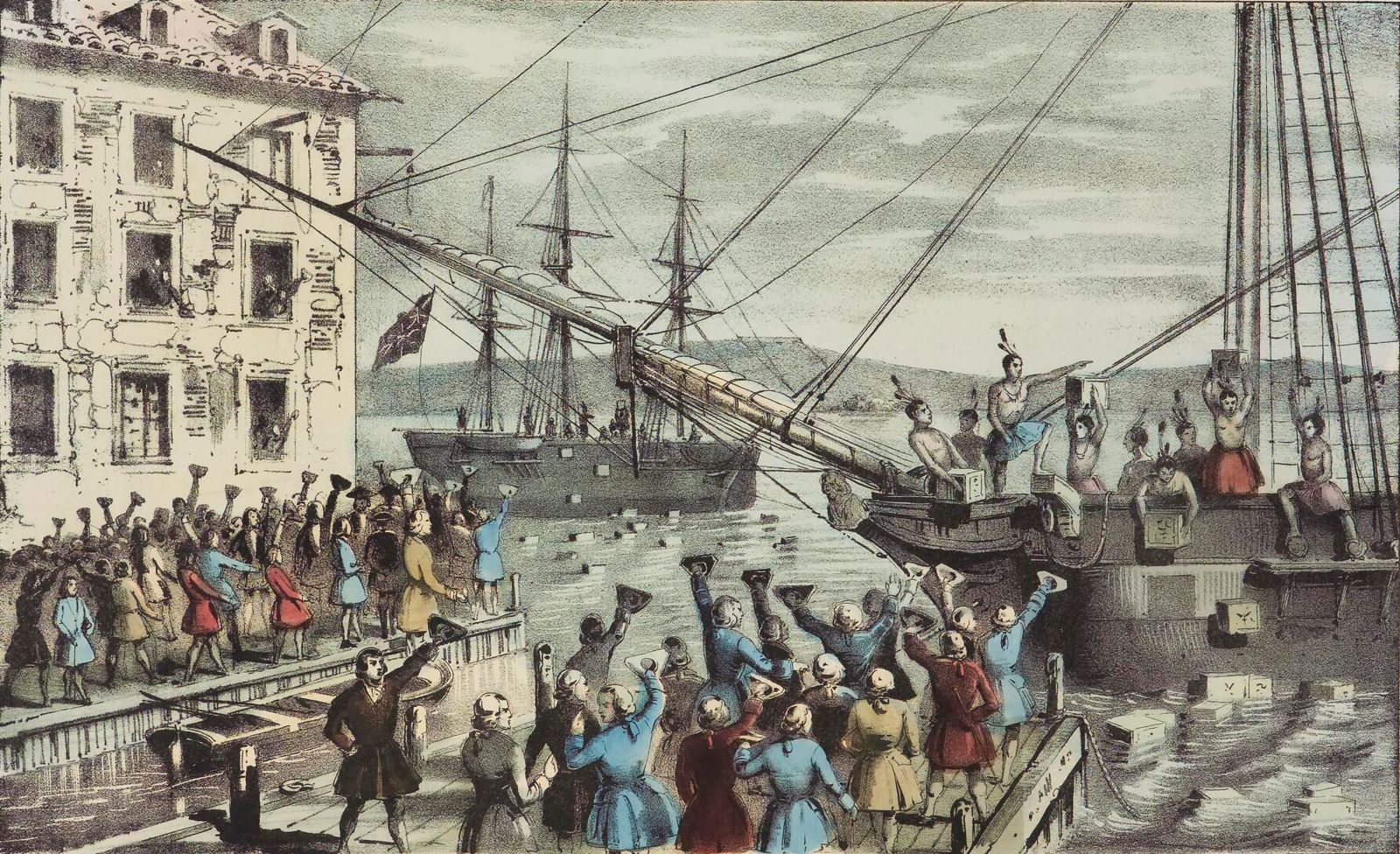
The political unrest that eventually led to the American Revolutionary War was brewing well before the Boston Tea Party of 1773, but things might have gone a different way had this event not happened. The destruction of the East India Company’s tea by the Sons of Liberty as a protest against taxation was seen as a direct act of defiance by the British Parliament , who retaliated by closing the Boston Port, intervening in the Massachusetts colonial government, and stationing troops in private residences. This was seen as an act of war by the colonists, and it accelerated the gathering of the First Continental Congress and the start of the American Revolution.

2
The Crossing of the Delaware (1776)

Image: Emanuel Leutze, CC0, via Wikimedia Commons

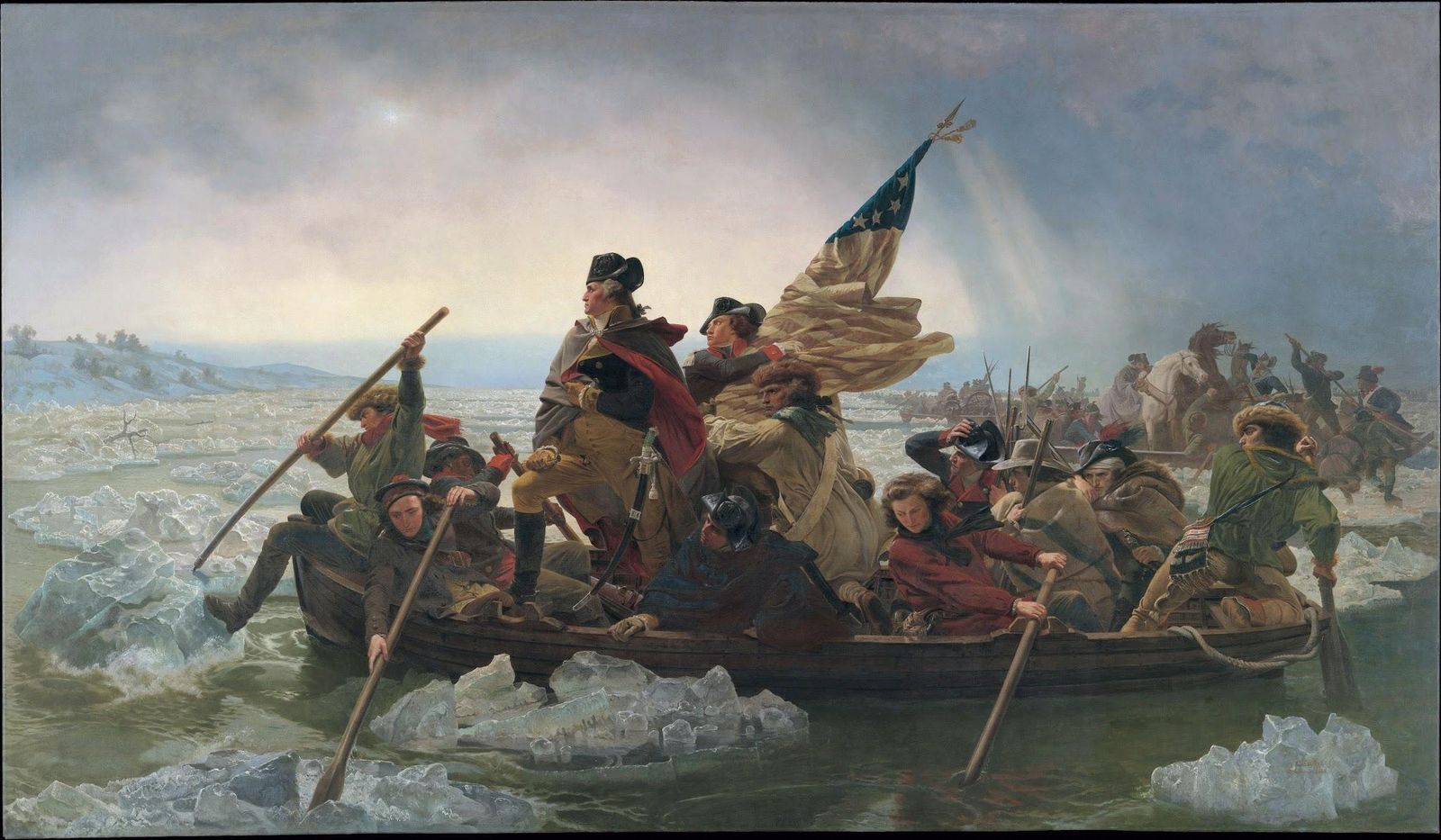
By December 1776, the Continental Army was on the brink of defeat after a series of losses. The soldiers’ morale was low, and most enlistments were set to expire by the new year. The British had decided to hunker down for the winter season, instead of chasing the colonists, and General George Washington knew he had to act fast. On the night of December 25th, he led 2,400 across the icy Delaware River in the midst of a blizzard, hoping to catch the British forces garrisoned at Trenton by surprise. The attack was successful, and it was the first of a series of victories that uplifted the revolutionaries’ morale and changed the course of the war.

3
The Whiskey Rebellion (1791)

Image: The National Guard, Public domain, via Wikimedia Commons

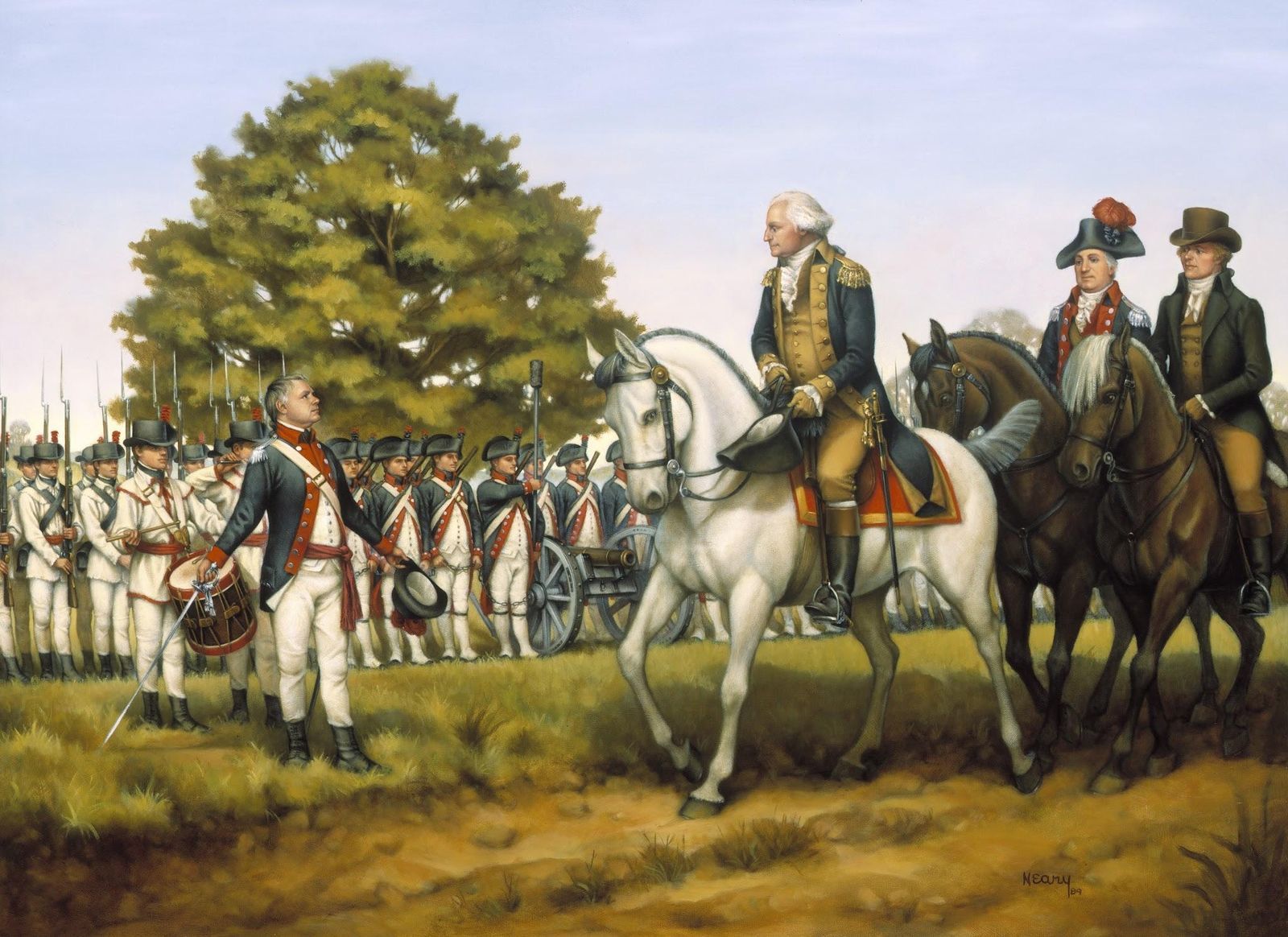
In 1791, the newly formed American government levied its first federal tax on whiskey, with the intention of using the revenue to pay war debts. However, this was met with strong resistance, protests, and even armed insurrection in the state of Pennsylvania. The peaceful suppression of the rebellion not only prevented further conflicts but also cemented the authority of the federal government over the states in matters of taxation. The role of the army led by Washington himself was crucial in the creation of a standing army—strongly opposed by many founding fathers—and it was the origin of the American military as one of the world's strongest.

4
The Bill of Rights (1791)

Image: Howard Chandler Christy, Public domain, via Wikimedia Commons

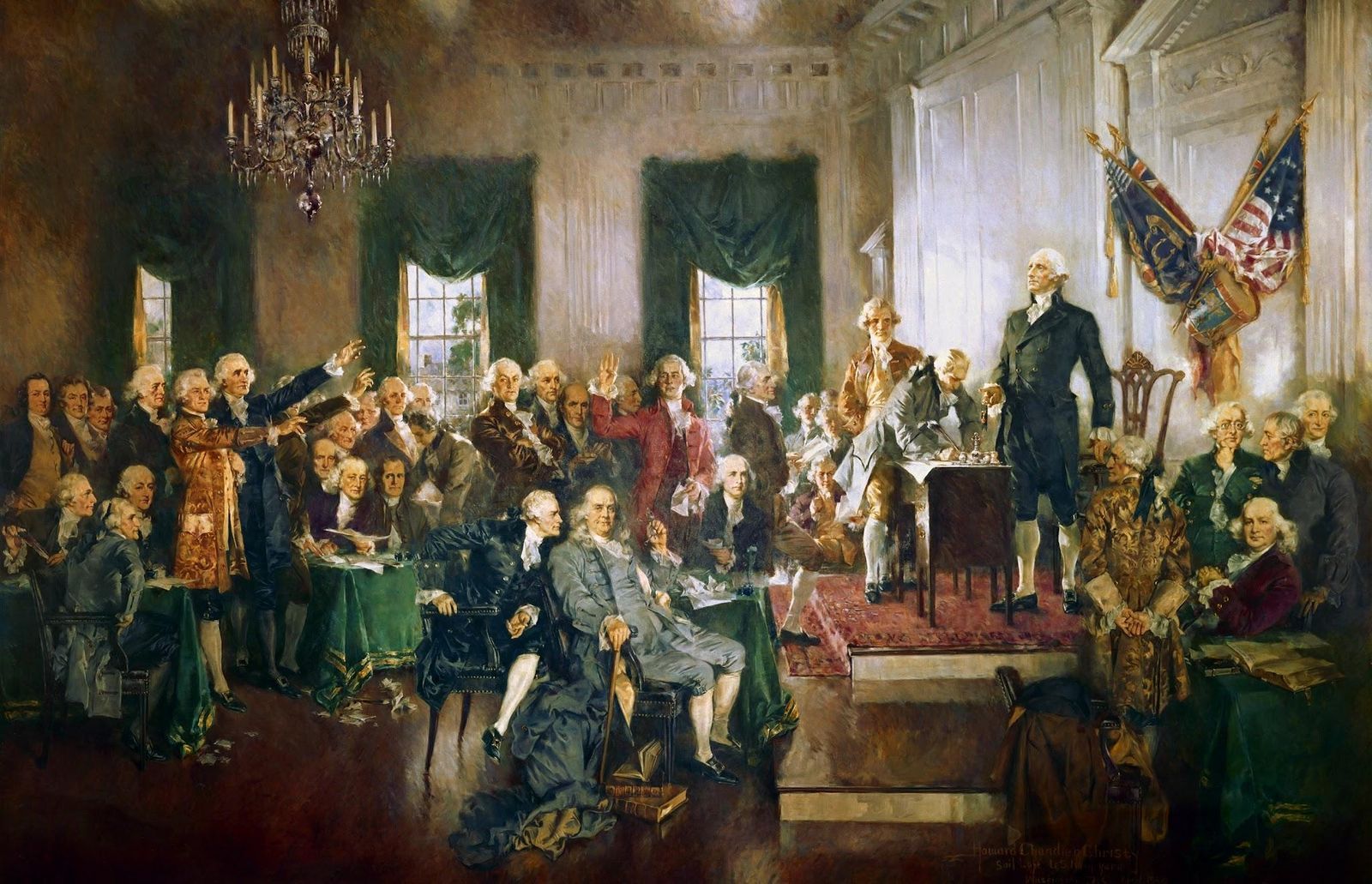
The original U.S. Constitution was met with strong opposition by many states, who saw it as infringing on individual rights and liberties, and as a possible source of government tyranny. A Bill of Rights, establishing and securing fundamental freedoms, was drafted and added as a condition for the ratification of the document. While this compromise was crucial for establishing the bases of the American nation, it also put into practice the mechanism for amending the Constitution, codified in Article V, and set the precedent that the supreme law of the land could evolve with the nation.

5
The Louisiana Purchase (1803)

Image: BioKnowlogy, Public domain, via Wikimedia Commons

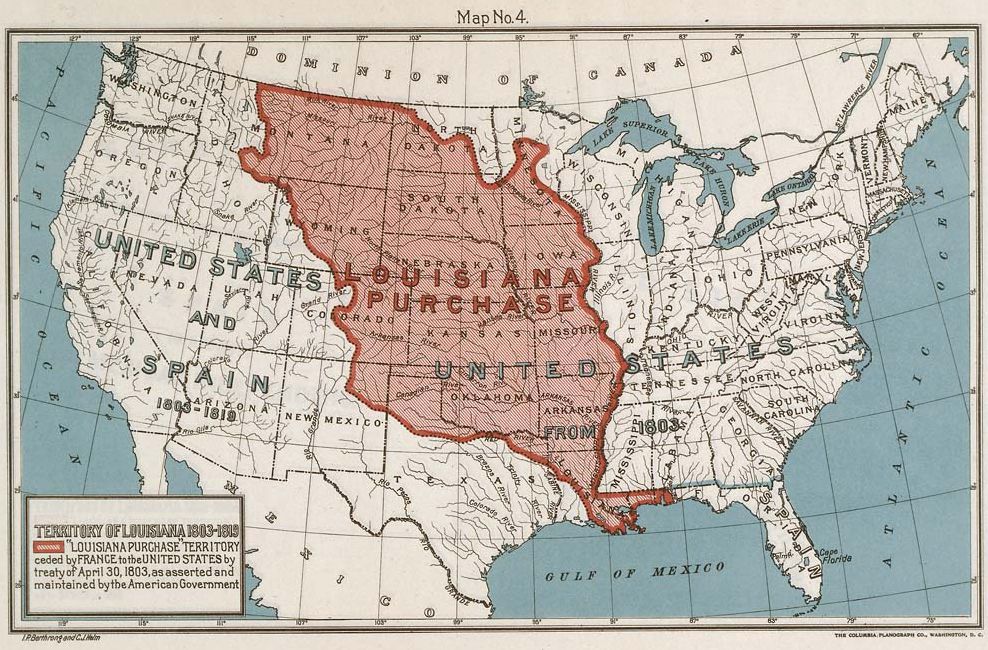
Thomas Jefferson’s purchase of Louisiana from the French in 1803 was much more than a simple territorial acquisition. The 828,000 square miles territory, purchased for roughly 15 million dollars, doubled the size of America, now expanding its initial borders from the Mississippi to the Rocky Mountains. By securing the Mississippi River and the port of New Orleans, the U.S. expanded its agricultural economy and gained access to vast natural resources , while the control over a former French territory diminished the influence of European powers—mainly, the rising Napoleon Bonaparte— in North America. The soon-to-follow Westward expansion would add 13 new states to the Union.

6
The Battle of San Jacinto (1836)

Image: Henry Arthur McArdle, Public domain, via Wikimedia Commons

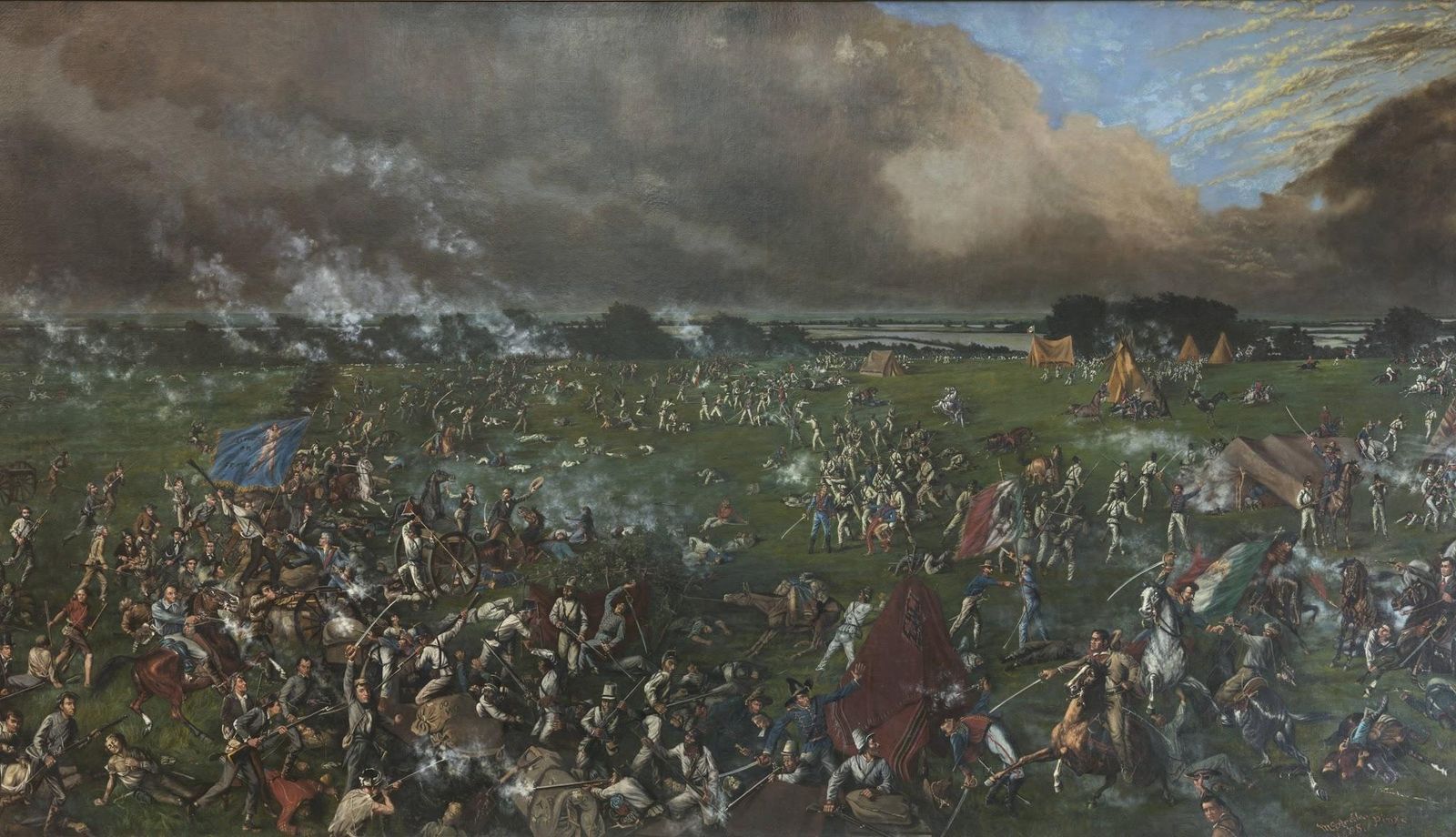
Given its significance in Texan and American history, it is easy to forget that the 1836 Battle of San Jacinto lasted a mere 18 minutes. After the victory of the Mexican army at the Alamo and the massacre of war prisoners in Goliad, Texan morale was low, and the quest for Texas’ independence was nearly ended. Pursuing the remnants of the army led by Sam Houston, Mexican scouts incorrectly reported the route taken by the Texans, which allowed Houston to evade the enemy. After blocking the escape route and while the Mexican soldiers were taking a nap, 900 Texan soldiers attacked by surprise, killing more than half of the Mexican forces (around 1,300 men) and capturing the rest.

7
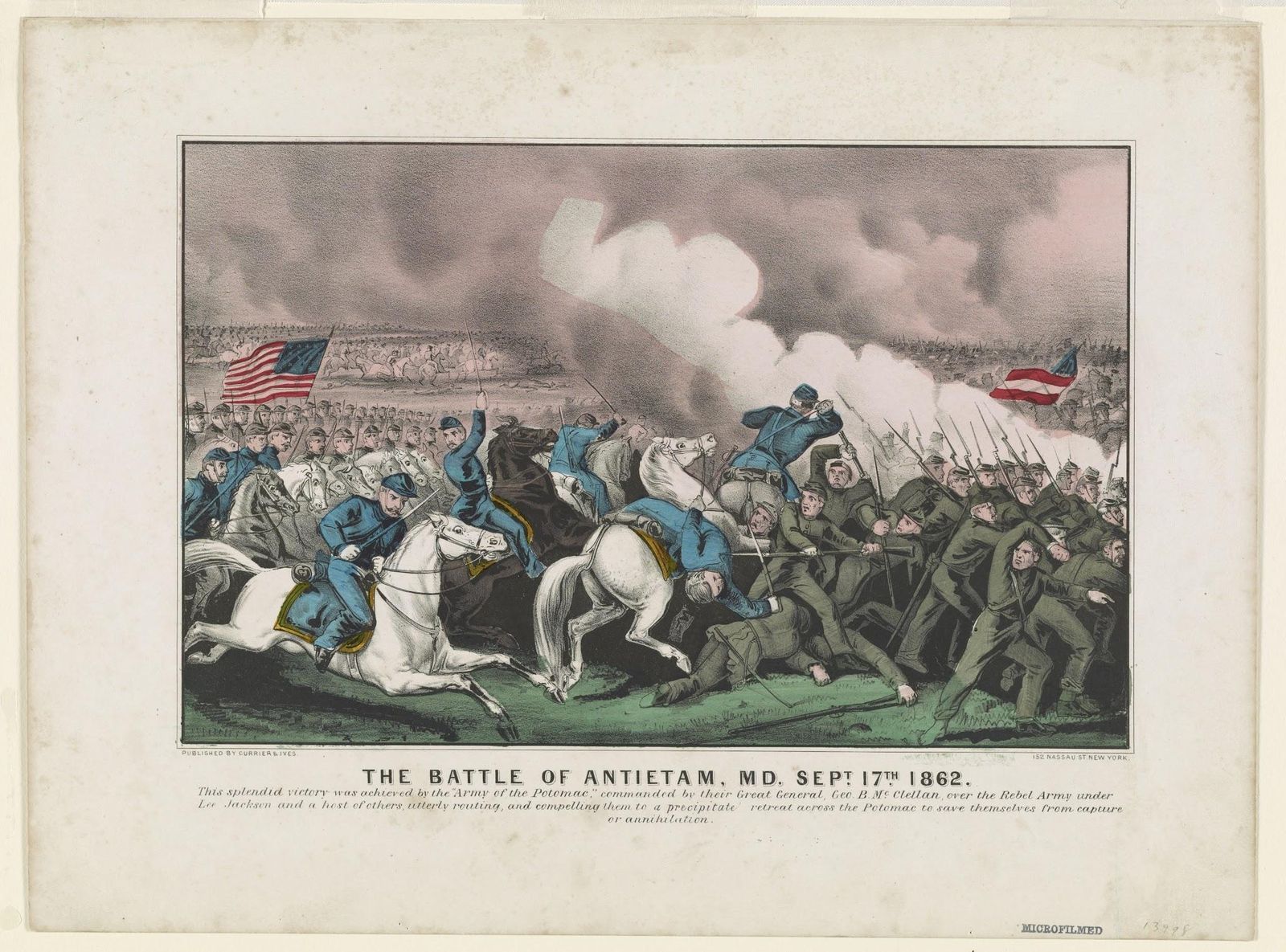
The Battle of Antietam (1862)

Image: Currier & Ives., Public domain, via Wikimedia Commons

Widely considered to be the bloodiest battle of the American Civil War, with a tally of 22,726 casualties between dead, wounded, and missing people, the 1862 Battle of Antietam ultimately tipped the balance in the Union’s favor. But did you know that the casualties could have been far less? As the Union Army of the Potomac was moving to intercept the Confederate forces of General Lee, two Union soldiers came across a copy of Lee’s battle plans, detailing his intention of dividing the troops , which would allow the Union forces to isolate and defeat the Confederate army. However, Union General McClellan waited 18 hours before deciding to attack, which gave Lee the time to mount a strong defense in Antietam.

8
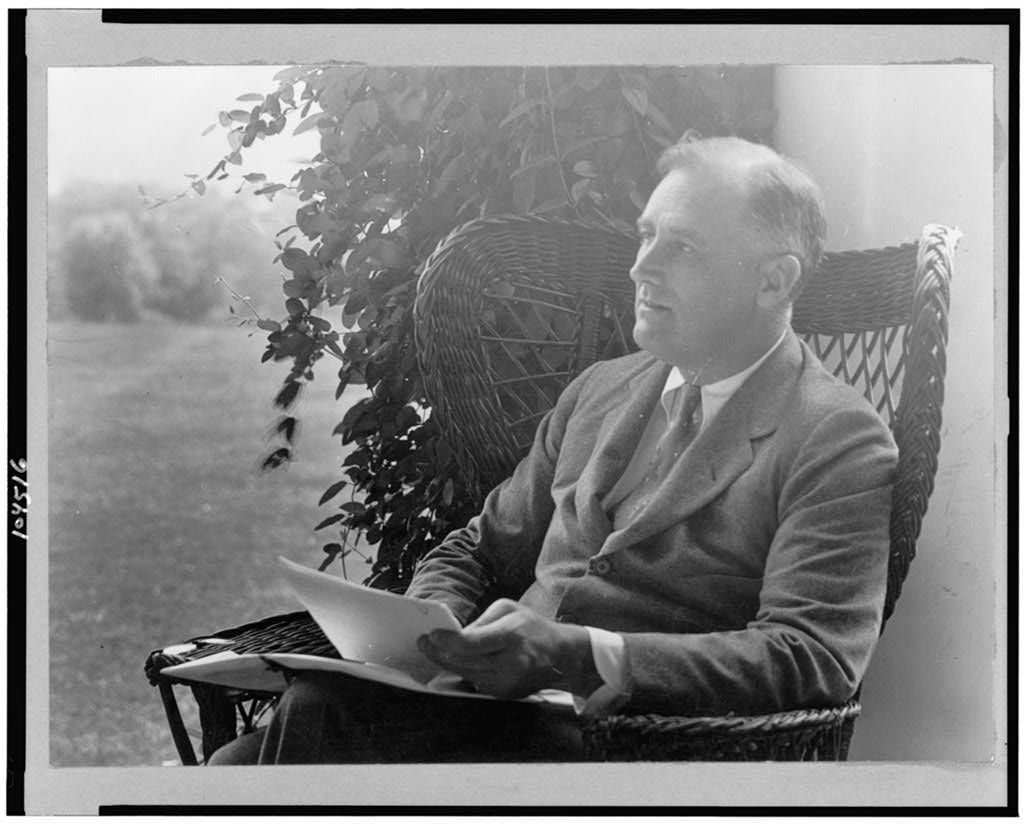
The New Deal (1932)

Image: Margaret DeMott Brown, Public domain, via Wikimedia Commons

Burdened by the consequences of the Great Depression, Americans overwhelmingly supported the election of Franklin D. Roosevelt as president in 1932. Roosevelt’s main campaign promise, the New Deal, involved a series of economic, social, and political reforms to combat America’s economic crisis and restore the country’s trust in the government. The reforms weren’t entirely successful in ending the Great Depression —it only fully ended with the industrial mobilization for World War II— but they were key to ensuring that America would not suffer such a crisis again by establishing structural changes, relief programs, social security, and safety nets, regulating financial institutions, and ultimately showing American citizens that the government was working to help them.

9
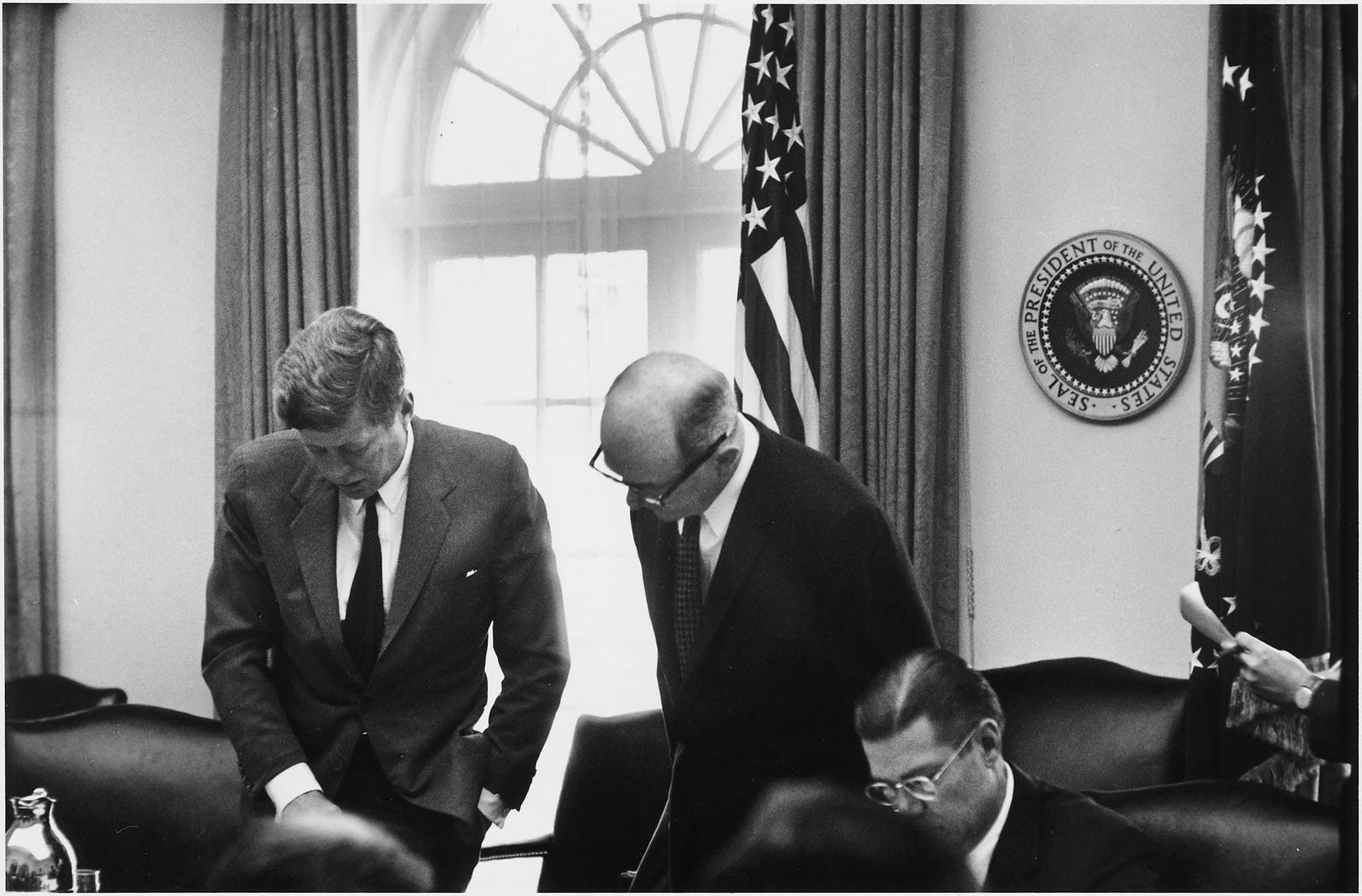
The Cuban Missile Crisis (1962)

Image: Cecil W. Stoughton, Public domain, via Wikimedia Commons

There were several moments during the Cold War Era (1947-1991) when the world thought a nuclear war was imminent, but none as close to it as the Cuban Missile Crisis. In October 1962, the Soviet government deployed nuclear missiles in Cuba as a response to similar deployments made by the U.S. in the UK, Italy, and Turkey. A 13-day crisis ensued, with President Kennedy ordering a naval blockade in Cuba, while his advisors pushed for an air strike and an all-out invasion. While the conflict ended peacefully, the nuclear war had been closer than most imagined: a U.S. Navy ship in the blockade had dropped signaling charges to deter a Soviet submarine, not knowing the submarine carried a nuclear torpedo. The Soviet captain assumed war had started and prepared to attack the ship, but he had to wait for confirmation. Luckily, the attack never happened, and a nuclear war was avoided.

10
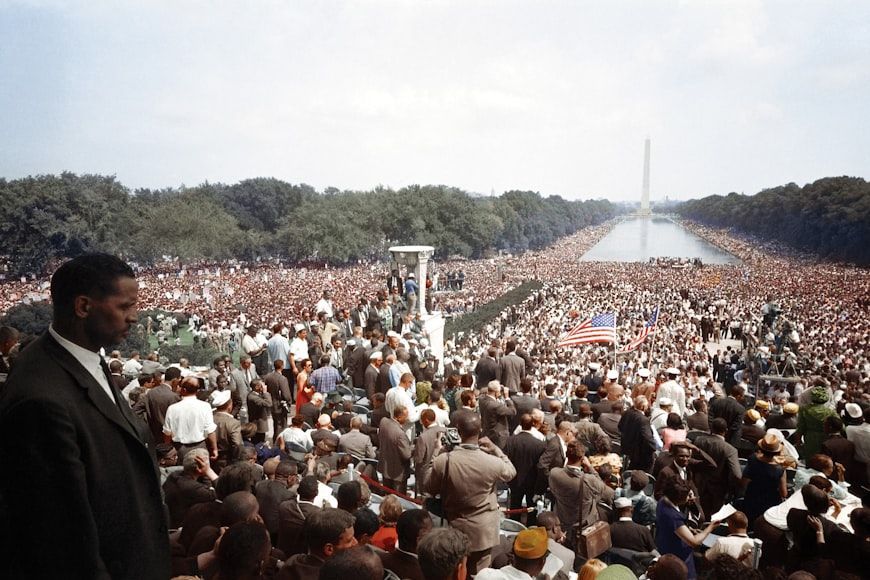
The March on Washington (1963)

Image: Unseen Histories

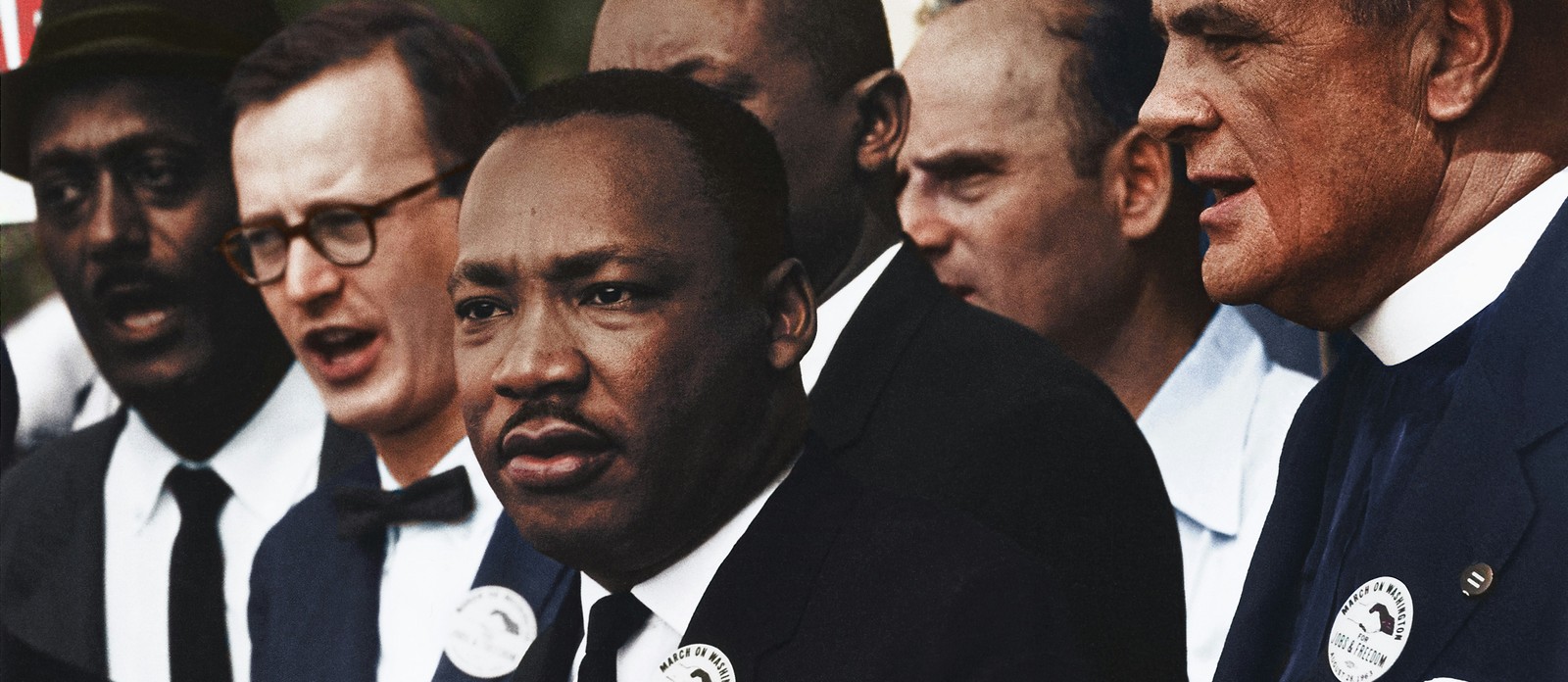
In 1963, at the height of the civil rights movement, social tensions were at an all-time high. Violent confrontations had happened in marches across the country, usually as a result of attacks on peaceful protesters. Still, these incidents had fueled the narrative of Civil Rights activists as violent and dangerous. As President Kennedy announced his intention to push for civil rights legislation, several organizations and leaders came together to organize the ‘March on Washington for Jobs and Freedom’. The march took place on August 28, 1963, and it's considered to have been one of the largest human rights rallies in American history, with an attendance of around 250,000 people. Besides landmark moments—such as MLK’s "I have a dream" speech— the march was crucial in showing peaceful protest and in pressuring the government to advance in what would later become the Civil Rights Act of 1964 and Voting Rights Act of 1965.

Explore more American facts

Choose your favorite category!

General
General

As American as apple pie—the very best America has to offer!

Culture
Culture

Delve into the astounding richness of American lore.

Geography
Geography

Hop in and explore vast and diverse American landscapes.

History
History

Discover the key moments that shaped the United States.