Geography Geography 4 min read

National gems of the US

Some of the US's most breathtaking national parks are the ones few visit
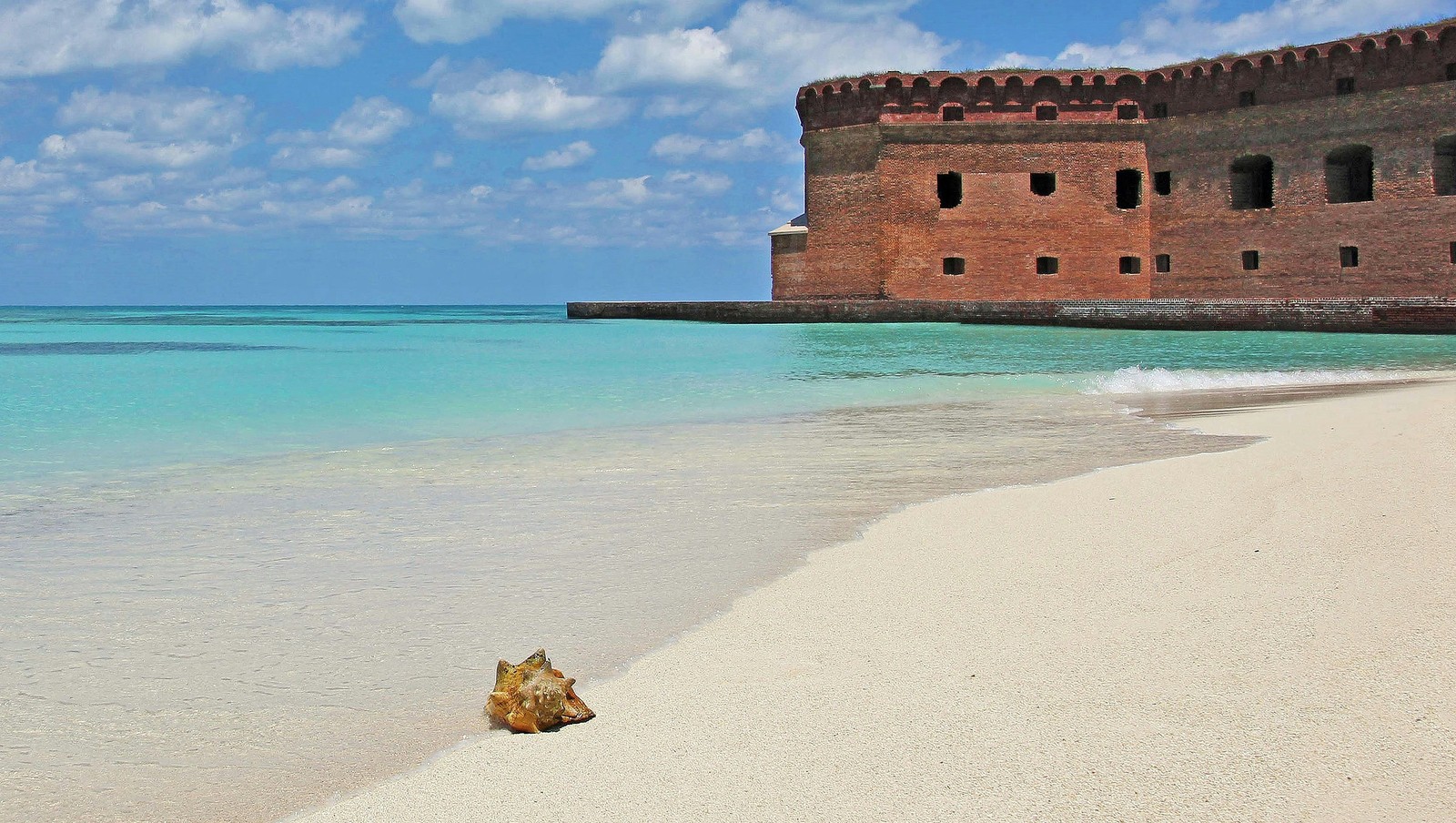
Image: Christopher Osten

The National Park Service reports that over 12 million people visit the Great Smoky Mountains Park every year. Be warned: it may not be the isolated haven you were looking for. If you want to visit less crowded national parks that are just as interesting and scenic, here is a list of suggestions .

1
Dry Tortugas National Park, Florida
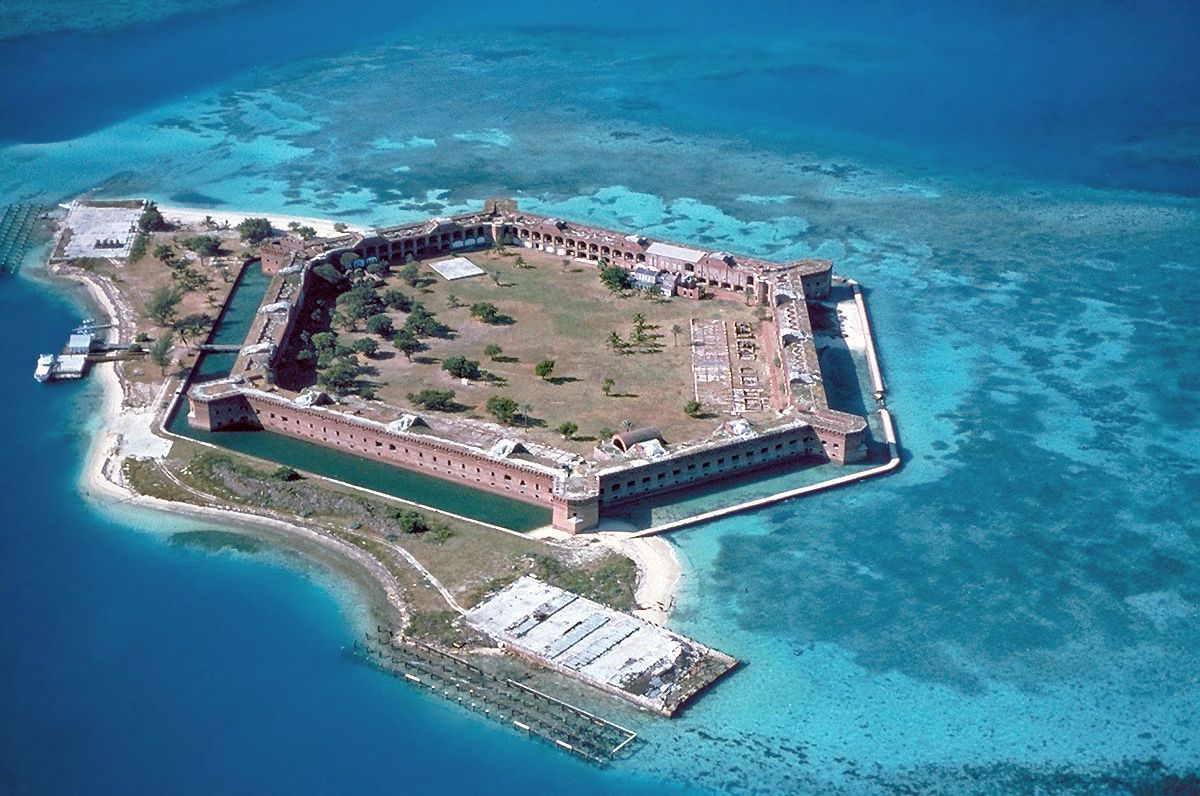
Image: U.S. National Park Service, Public domain, via Wikimedia Commons

Located about 70 miles west of Key West, Dry Tortugas National Park is one of the most isolated national parks in the country , accessible only by ferry or seaplane. About 99% of the park is water. Its main landmark is Fort Jefferson, a massive unfinished 19th-century coastal fort built with more than 16 million bricks.

Visitors often go for a day trip, but camping is available for those looking for an overnight experience. The park also offers snorkeling, swimming, and birdwatching.

2
White Sands National Park, New Mexico
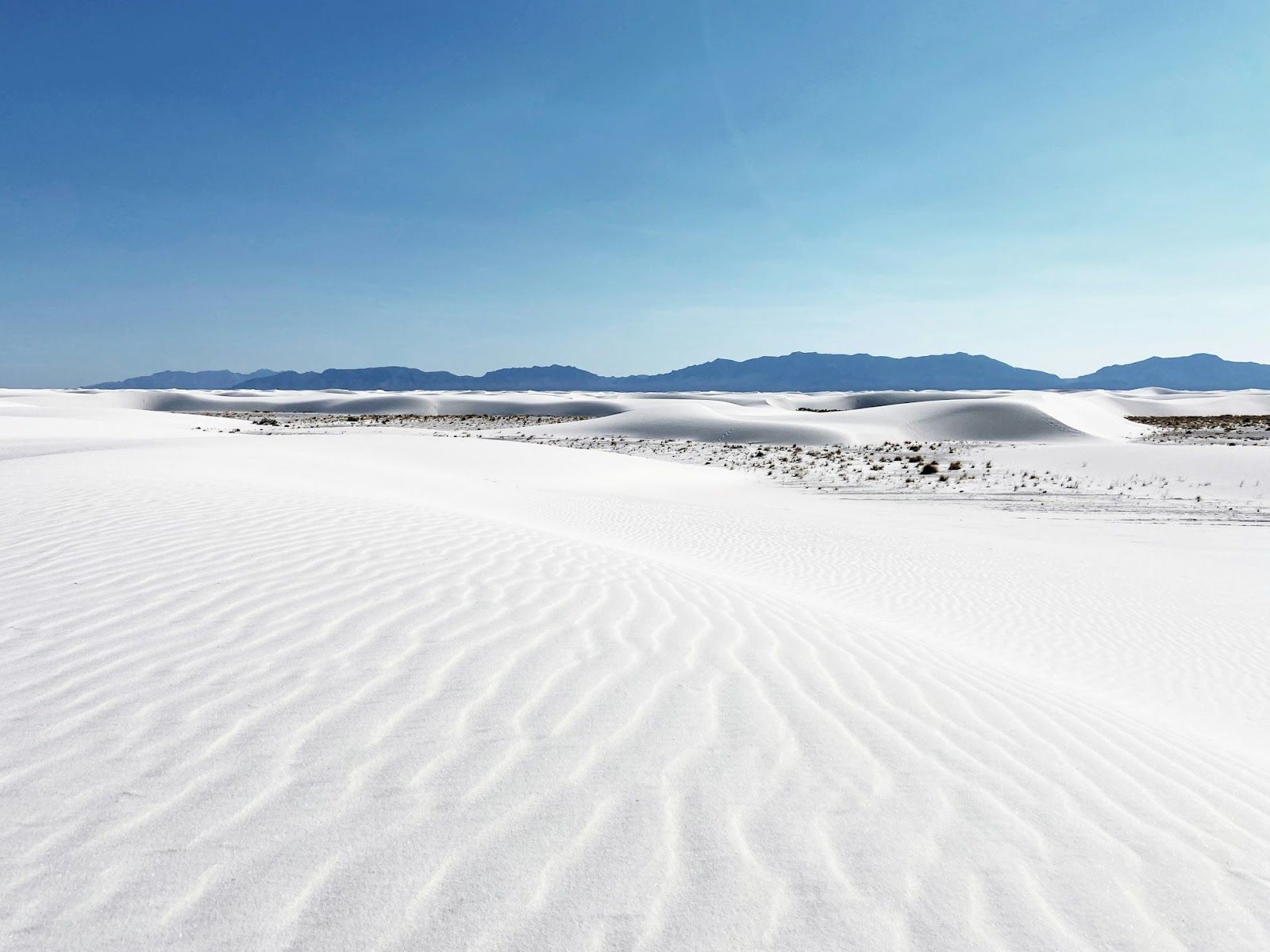
Image: Joonyeop Baek

White Sands National Park protects the world’s largest gypsum dune field, covering about 275 square miles in southern New Mexico. Here is the difference between gypsum and typical sand: the former does not absorb heat the same way, so the dunes remain relatively cool underfoot, even in hot weather.

The park is known for activities like dune sledding, hiking marked trails , and scenic drives through the shifting landscape. While its distance from major cities means it stays less crowded than others, the park is still easily accessible by car.

3
Big Bend National Park, Texas
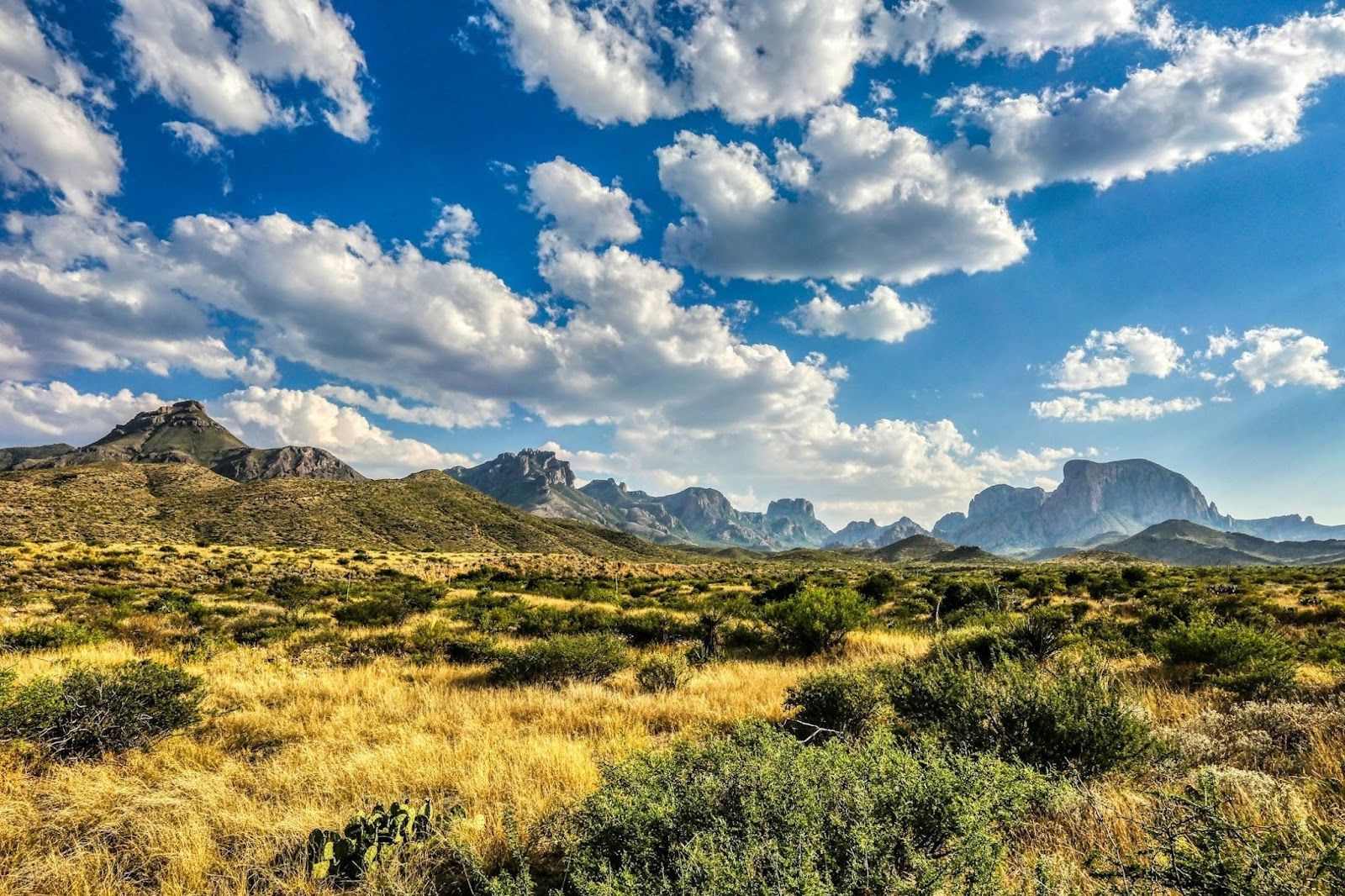
Image: Mick Haupt

Big Bend National Park covers more than 800,000 acres along the Rio Grande, which forms the natural border between the United States and Mexico. It’s one of the least visited national parks of its size, largely because of its remote location in southwest Texas.

Those who visit come for the Ross Maxwell Scenic Drive, hikes into Santa Elena Canyon, and some of the best stargazing in the country. The Greater Big Bend International Dark Sky Reserve, spanning over 15,000 square miles, is the world’s largest certified "Dark Sky," an area where light pollution is regulated to preserve wildlife, aid astronomical research, and allow visitors to enjoy a stunning night sky.

4
Pinnacles National Park, California
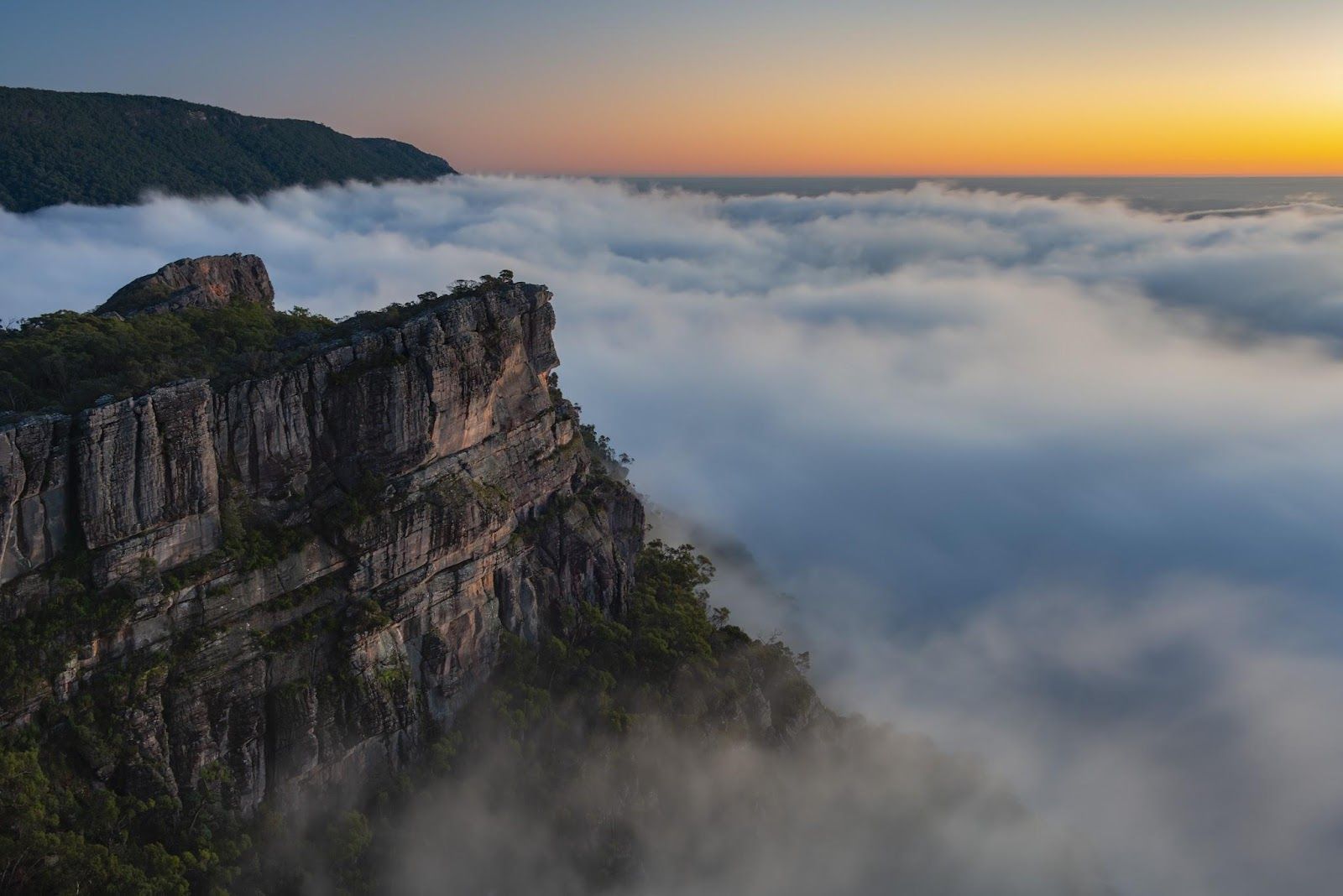
Image: Mo

This national park might be one of the newest —it was designated in 2013—, but that doesn’t mean that its unique rock formations are recent. They were created by an ancient volcanic field that has shifted over millions of years.

The park is best known for its talus caves, one of the few places where you might spot the endangered California condor in the wild. Located about 80 miles southeast of San Jose, it’s relatively accessible but still far less crowded than parks like Yosemite .

5
Isle Royale National Park, Michigan
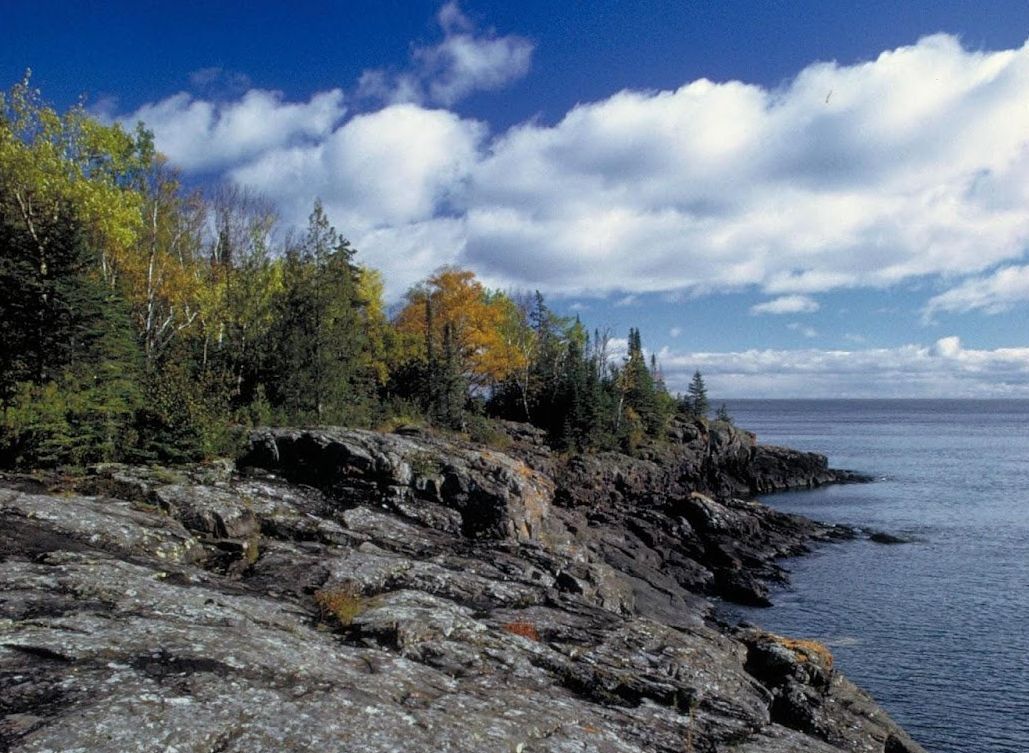
Image: English: NPS staff, Public domain, via Wikimedia Commons

This island sits on Lake Superior and is one of the least visited national parks in the United States, receiving only a small fraction of the visitors seen at major parks. It’s only accessible by ferry or seaplane, and has no roads or cars.

This makes it an ideal destination for hikers, backpackers, and kayakers. Keep in mind, though, that the park is only open from mid-April through October due to harsh winter conditions.

6
Mammoth Cave National Park, Kentucky
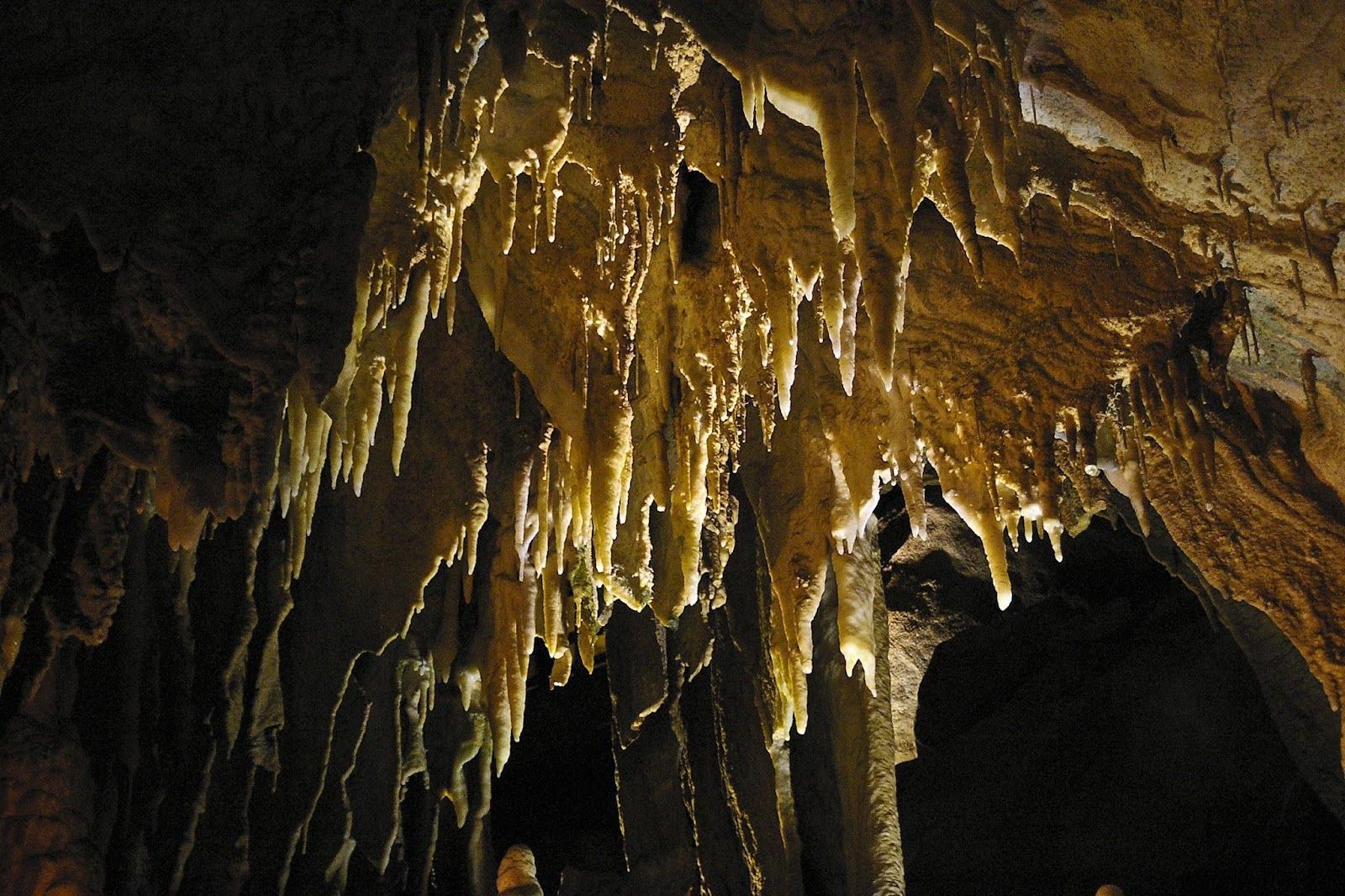
Image: Niagara66, CC BY-SA 4.0, via Wikimedia Commons

Mammoth Cave National Park protects more than 400 miles of mapped underground passages . That makes it the longest cave system in the world —and scientists believe there are hundreds of miles left to be discovered.

Guided tours are available, ranging from easy walking routes to more physically demanding crawls. Even above ground, the park offers hiking, biking, and canoeing along the Green River.

7
Voyageurs National Park, Minnesota
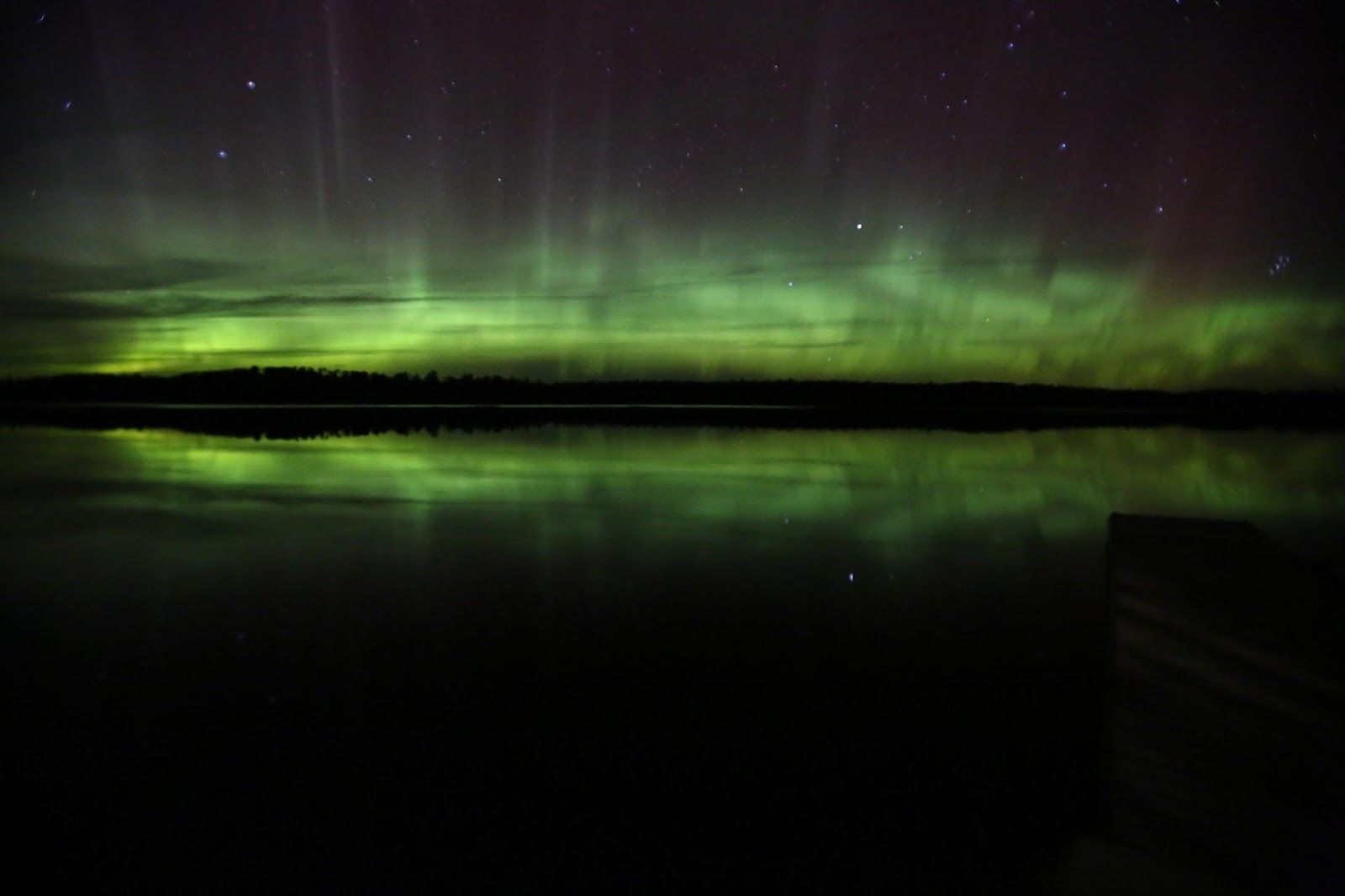
Image: English: NPS, Public domain, via Wikimedia Commons

Voyageurs National Park is named after French-Canadian fur traders who once traveled these waterways. It is made up of nearly 40% water, with a network of interconnected lakes along the Canadian border. That means you can explore it by boat, kayak, or canoe.

Its isolation and lack of light pollution also make it ideal to enjoy gorgeous night skies —to gaze at the stars, the Milky Way, or even the Northern Lights.

8
North Cascades National Park, Washington
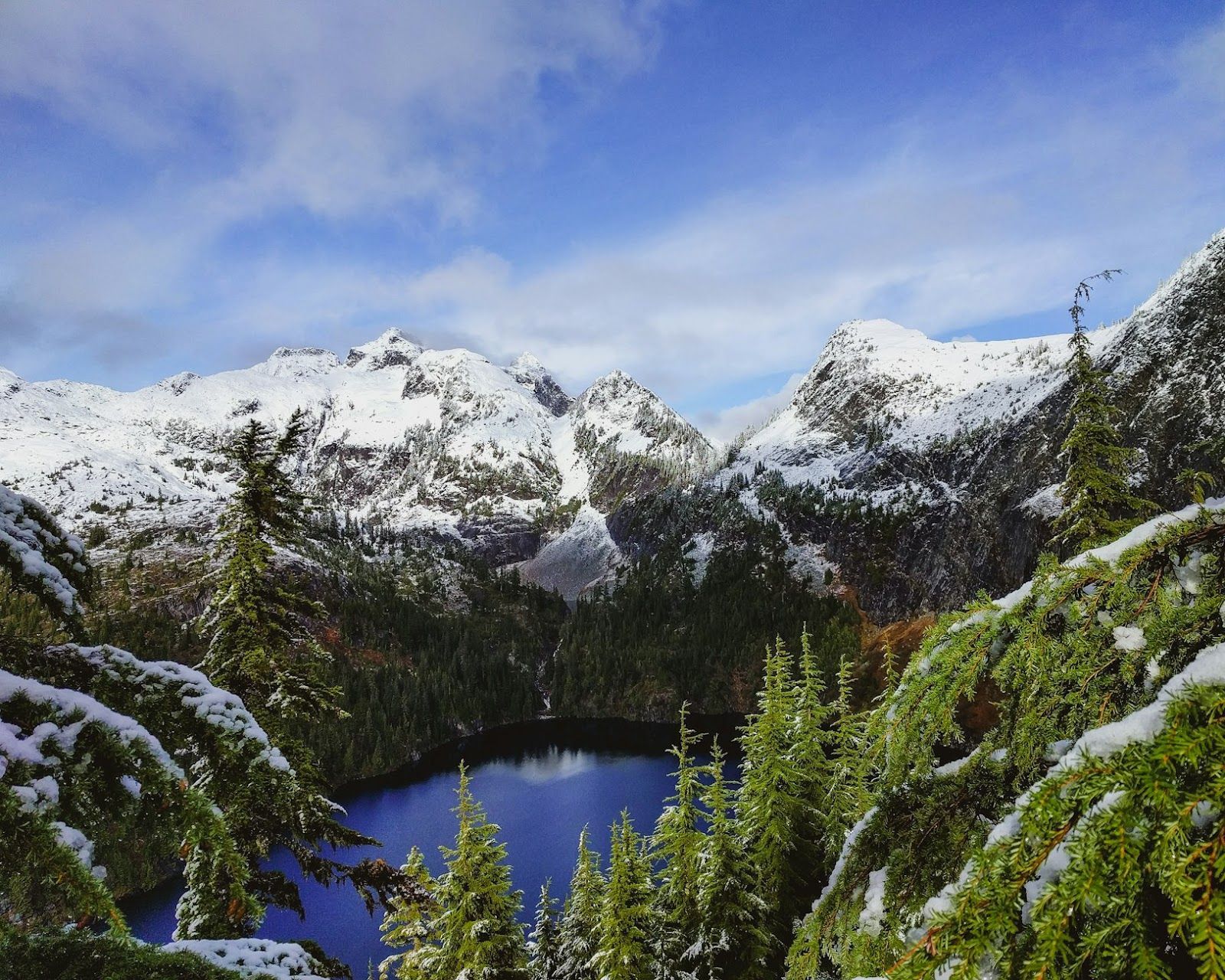
Image: Trevor Vannoy

North Cascades National Park is one of the most glaciated areas in the contiguous US, with around 300 glaciers. Located about a three-hour drive from Seattle, it remains one of the least visited national parks, largely because it lacks the easy roadside viewpoints found in places like Yellowstone.

Its highlights include Diablo Lake and the Cascade Pass trail. Summer and early fall offer the best access, as many roads and trails are closed by snow in winter.

9
Wrangell-St. Elias National Park and Reserve, Alaska
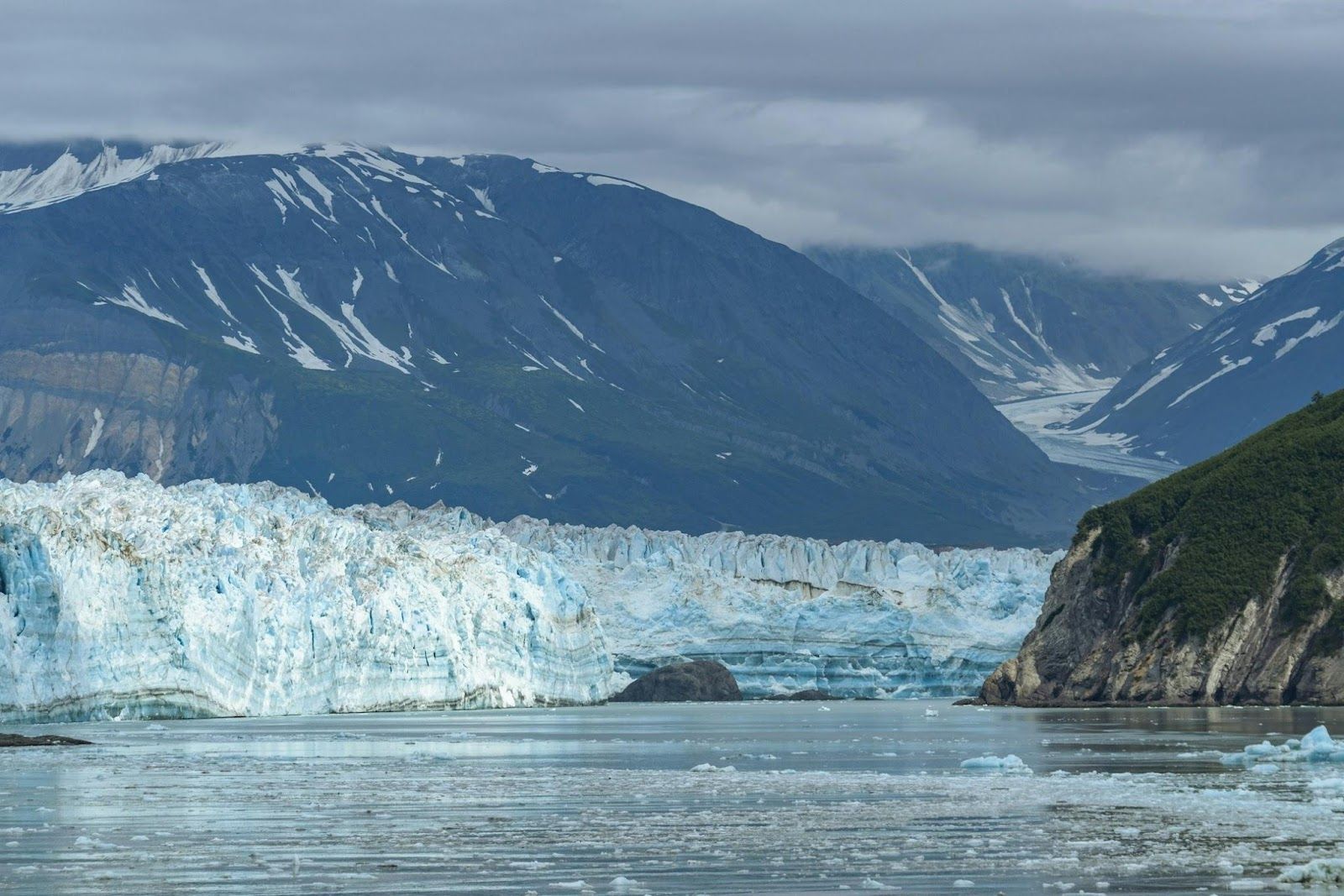
Image: Mick Kirchman

Wrangell–St. Elias National Park and Preserve spans about 13.2 million acres. That means it’s larger than Yellowstone, Yosemite, and Switzerland combined . The park includes some of North America’s tallest peaks, massive glaciers, and historic mining sites like the Kennecott Copper Mine. Most travelers can explore it via small aircraft, guided tours, or long-distance hiking trips.

10
Petrified Forest National Park, Arizona
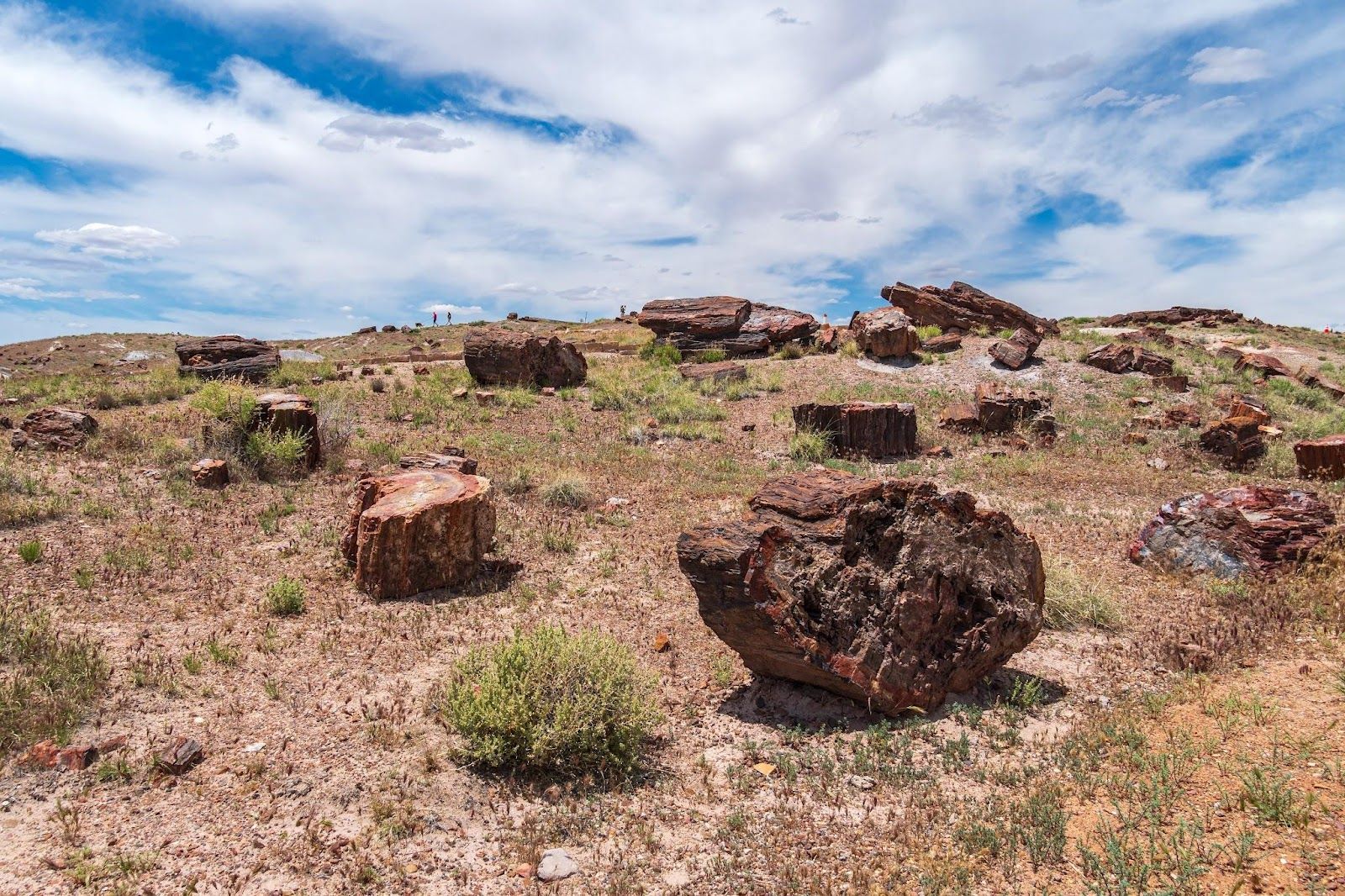
Image: dconvertini, CC BY-SA 2.0, via Wikimedia Commons

Petrified Forest National Park is known for its large deposits of petrified wood, trees that lived over 200 million years ago and have since turned to stone. The park also includes sections of the Painted Desert, with layered rock formations in shades of red, purple, and orange . It can be easily explored by car, with a scenic drive connecting major viewpoints and short trails.

Culture Culture 4 min read

Towns and counties with shared names

One country, a map full of the same names. Here’s how that happened

Image: Mackenzie Cruz

Look at a map of the United States and one thing quickly stands out: many towns as well as counties share the same names. Washington, Springfield, Franklin, and others appear dozens of times across the country. Some were named to honor famous leaders, others to attract settlers or echo places from Europe. The reasons behind these repeated names tell an unexpected story about how America grew.

1
Washington

Image: Niko Vassios

Washington is one of the most repeated names on the American map. It is said, though, that Pennsylvania was the only state to name its city, in its foundation in 1768, while George Washington was still alive, turning it into an early patriotic tribute. Truth is, from Washington, Missouri, to Washington, Utah, the name appears so often on the map — but travelers sometimes forget it refers to far more than just the capital.

2
Springfield

Image: Steve Shook

Springfield has dozens of cities, towns, and villages sharing the name. But the first Springfield was settled by William Pynthon in Massachusetts in 1636, after England’s Springfield. This city became a major industrial center after the first president, George Washington, created the Springfield Armory, which, during the Industrial Revolution, helped the city grow into a global leader in manufacturing.

Fun fact: Matt Groening, the creator of The Simpsons , chose the name Springfield as the setting for the long-running animated series because so many towns share it, making it easy for viewers to imagine the show takes place in their own hometown. How many Springfields can you think of?

3
Madison

Image: Thomas R Machnitzki

This list wouldn’t be complete without a mention of James Madison, often called "The Father of the Constitution," because the country is filled with places named after him, including a prominent college town in Wisconsin. As the nickname hints, James Madison was not only our fourth president, but also a key figure in the drafting of the US Constitution and the Bill of Rights.

4
Franklin

Image: Harrison Keely

During the 18th and 19th centuries, naming a town after Franklin was a sign of admiration for the intellect, civic values, and contributions of Benjamin Franklin, one of the nation’s most influential men. Nowadays, towns and cities across the country are named after him, including a well-known city in Tennessee. It’s easy to see why: he helped draft the Declaration of Independence, charmed the French into supporting the Revolution, and built the nation's first postal service.

5
Greenville

Image: Brad Shortridge

This one is clearly not named after a historical figure. Greenville is used for countless cities and towns across the United States to describe the fertile soil, river valleys, forests, and rolling hills — an advertising strategy at a time when settlers were founding communities and working the land.

6
Bristol

Image: Boston Public Library

A surprising number of cities and towns are called Bristol. There is Bristol, Virginia, Bristol, Connecticut, and Bristol, Tennessee, among others. That is because during the colonial era, English settlers established new communities using the names from prosperous English towns and cities.

Bristol, Tennessee, holds a special mention because it is said to be the place where country music was born. Around 1927, the Bristol Sessions were one of the triggers for the genre to take off nationally when record producer Ralph Peer set up a temporary studio in Bristol to record local musicians. These sessions introduced artists like Jimmie Rodgers and The Carter Family to a national audience and helped define the sound of early country music, blending folk and Appalachian roots.

7
Clinton

Image: Stephen Crane

A good number of towns and counties were named Clinton across the country after DeWitt Clinton became a US senator and governor of New York in the early 1800s. He was the driving force behind the Erie Canal project, a major infrastructure initiative that improved domestic trade and accelerated westward expansion, transforming New York into an economic hub.

8
Fairview

Image: Jay Heike

How many people do you know living in Fairview? This name is, like Greenvillis, one of the descriptive rather than commemorative monikers. "Fair view" connotes beautiful scenery, open farmland, and nearby waterways. It seemed the advertising strategy worked, and many new settlers adopted the name, spreading Fairviews all across the country.

9
Salem

Image: Steve Shook

Salem is a widely used name for towns and cities across the United States. Salem, Massachusetts, was the first settlement to bear this name, founded in 1626. While it became one of the most important seaports in early American history, today, the oldest Salem in the U.S.is almost always associated with the notorious Salem witch trials. In 1692, 19 people were tragically executed by hanging, and one man was pressed to death after being accused of witchcraft.

However, the name "Salem" appears in many towns across the country. As settlers moved west, they often reused familiar names when creating new communities. That’s why you can find multiple towns called Salem from coast to coast.

10
Georgetown

Image: Field Museum of Natural History

Nearly 300 years later, historians still debate where the name Georgetown came from. Today, the best-known Georgetown is a neighborhood in Washington, D.C., but it began in 1751 as a town in colonial Maryland, before Washington existed. Some say it was named for King George II; others credit two early landowners, George Gordon and George Beall. Either way, the name carried prestige and later spread across the country. Somewhere, there are probably three Georges still arguing about it.

History History 5 min read

MOST WANTED

Do You Recognize These 10 Outlaws Who Captured the Nation's Attention?

In the annals of history , some people have dominated the skill of breaking and evading the law. Immortalized in numerous stories both written and oral, and depicted in movies and other forms of art, these American outlaws-–like Billy the Kid or Bonnie and Clyde— have earned a questionable fame that kept them alive long after they left this world. Follow us as we tour the names and lives of these 10 infamous American outlaws!

1
Jesse James

Image: Jaye Haych

Born in 1847 and raised in western Missouri , Jesse James and his brother Frank earned a reputation robbing banks, trains, and stagecoaches, and committing other offenses throughout the Midwest .

After gaining national fame as an elusive criminal, Jesse James's illegal career came to an end in 1882 . He was betrayed by one of his own, Robert Ford , who had met with the governor of Missouri to make a deal and bring James down.

Jesse James lived only 34 years, but the wild story of his life is full of infamous acts that seem like something out of a movie. And here's a fun fact: his son, Jesse James Jr., starred in two silent films playing his father!

2
Billy the Kid

Image: rod m

Ever heard the name Henry McCarty ? Maybe the alias William H. Bonney? If the answer is "no," you probably recognize him by his nickname: Billy the Kid .

In addition to committing robberies and assaults, this 19th-century outlaw gained notoriety for his role in New Mexico's Lincoln County War. Billy, born in 1859 , was arrested several times throughout his life but consistently managed to escape. However, his luck ended in the 1880s.

In the year 1881 , to be exact, Billy the Kid was caught by Sheriff Pat Garrett. That same year, a few months after his last escape, he was struck down at the young age of 21 by Garrett.

3
Butch Cassidy

Image: The National Library of Norway

You've probably heard of the Wild Bunch , a gang that intimidated the American West during the late 19th and early 20th centuries . Often considered the most successful train robbery gang in history, its members were feared guys, but the most notorious was its leader: Butch Cassidy.

Cassidy, born in 1866 , started his criminal career very early. Many historical sources state that he committed his first minor crime—store robbery—when he was only 14 years old !

However, as with most outlaws, his luck ran out. Escaping the law, he traveled to Latin America. The tales say he was in Argentina and then Bolivia , where he met his end in a shootout in 1908 .

4
Sundance Kid

Image: Ady TeenagerInRO

Another iconic figure in Cassidy's gang was Harry Alonzo Longabaugh, more famously known as the Sundance Kid .

Born in 1867 , his distinctive nickname originated during his time in the Sundance, Wyoming, jail, where he landed for one of his early crimes, horse theft. Legend has it that the Sundance Kid was a man of many skills, known particularly for his talent for poker and his ability to escape the law.

The tales suggest that Longabaugh traveled with Cassidy to Bolivia, where he met the same fate as the gang leader. Another theory says that the Sundance Kid returned to the U.S. under another name and lived in a small town in Utah.

5
Black Bart

Image: Joanna Kosinska

While crime and poetry might seem like an unlikely pairing, the outlaw known as Black Bart managed to blend these two things very well.

Probably less famed than the other names on this list, Black Bart was born Charles E. Boles (or Bolton) in England in 1829 . However, he relocated to New York with his family when he was just a toddler.

Between 1875 and 1883, Boles is believed to have robbed about 28 stagecoaches in Northern California and southern Oregon. But one thing distinguished this outlaw: on several occasions, he left behind poems at the robbery sites!

6
Al Capone

Image: Ashim D’Silva

It might be hard to believe, but before Al Capone became synonymous with organized crime, he actually worked at a candy store ! Can you picture him among candies and lollipops?

Definitely one of the best-known gangsters of the Prohibition era , Al Capone was born in New York as Alphonse Gabriel Capone in 1899 . Born to Italian immigrants, Capone moved to Chicago at a young age. By the 1920s , he had already made a name for himself among the city's criminals, smuggling and selling alcohol.

In 1931, his luck ran out, as he was sentenced to 11 years in federal prison for tax evasion. He was released in 1939 and passed away 8 years later.

7
Bonnie and Clyde

Image: Tengyart

Some say love's power knows no bounds, and the story of this couple seems to prove this.

Bonnie Elizabeth Parker and Clyde Chestnut "Champion" Barrow, known worldwide as Bonnie and Clyde , were two outlaws who committed a wide range of crimes across states such as Oklahoma, Texas, and Missouri during the Great Depression era . Literally partners in crime, they became popular icons over the years.

These two were recurring names in the headlines of their times, gaining notoriety for their robberies, both to banks and small stores. Together until the end, Bonnie and Clyde were fatally wounded in a police ambush in 1934 , when they were still very young. At the time, she was 23 and he was 25.

8
John Dillinger

Image: Tim Evans

John Dillinger , a mobster born in 1903 , led what was known as "the Dillinger Gang." During the Great Depression , Dillinger and his crew demonstrated their criminal prowess, accused of robbing more than 24 banks !

In 1934, John Dillinger became the first person to be declared "Public Enemy Number One" by the FBI. He was imprisoned multiple times throughout his life and, as the stories go, managed to escape jail twice using fake weapons made out of wood!

After a final attempt to escape, the criminal was gunned down by the authorities at the age of 31 as he exited the Biograph Theater in Chicago.

9
Pretty Boy Floyd

Image: Pepi Stojanovski

During the turbulent Great Depression era, a couple of outlaws were not only robbing banks and trains but also the national spotlight. Among them was Pretty Boy Floyd , born Charles Arthur Floyd in 1904 .

Floyd, who operated in the Western and Central U.S. , wasn't seen as a villain by many. Why? Besides robbing banks , he also used to destroy mortgage documents , something that helped many people, relieving them of their debts. Far from the sloppy appearance of many criminals, Floyd had a clean-cut and youthful look, which earned him his characteristic nickname .

His life met an end in his 30s in a shootout with the Bureau of Investigation's agents in Ohio.

10
John Gotti

Image: Jacob Spence

Known as " Teflon Don " for his slippery ability to evade justice, John Gotti was born on October 27, 1940 , in The Bronx, New York. He's widely considered one of the most dangerous crime bosses in U.S. history.

Known for his charisma and trademark hairspray look , Gotti began his life of crime when he was still a teenager. By the mid-1980s, he had become the head of the Gambino Crime Family, and throughout his life, he was accused of multiple crimes of varying severity.

Despite evading convictions many times, he was finally convicted in 1992 . He passed away ten years later while still in prison.

Explore more American facts

Choose your favorite category!

General
General

As American as apple pie—the very best America has to offer!

Culture
Culture

Delve into the astounding richness of American lore.

Geography
Geography

Hop in and explore vast and diverse American landscapes.

History
History

Discover the key moments that shaped the United States.