General General 3 min read

Looks ain’t everything

How do I choose the best car for me? 12 tips worth remembering
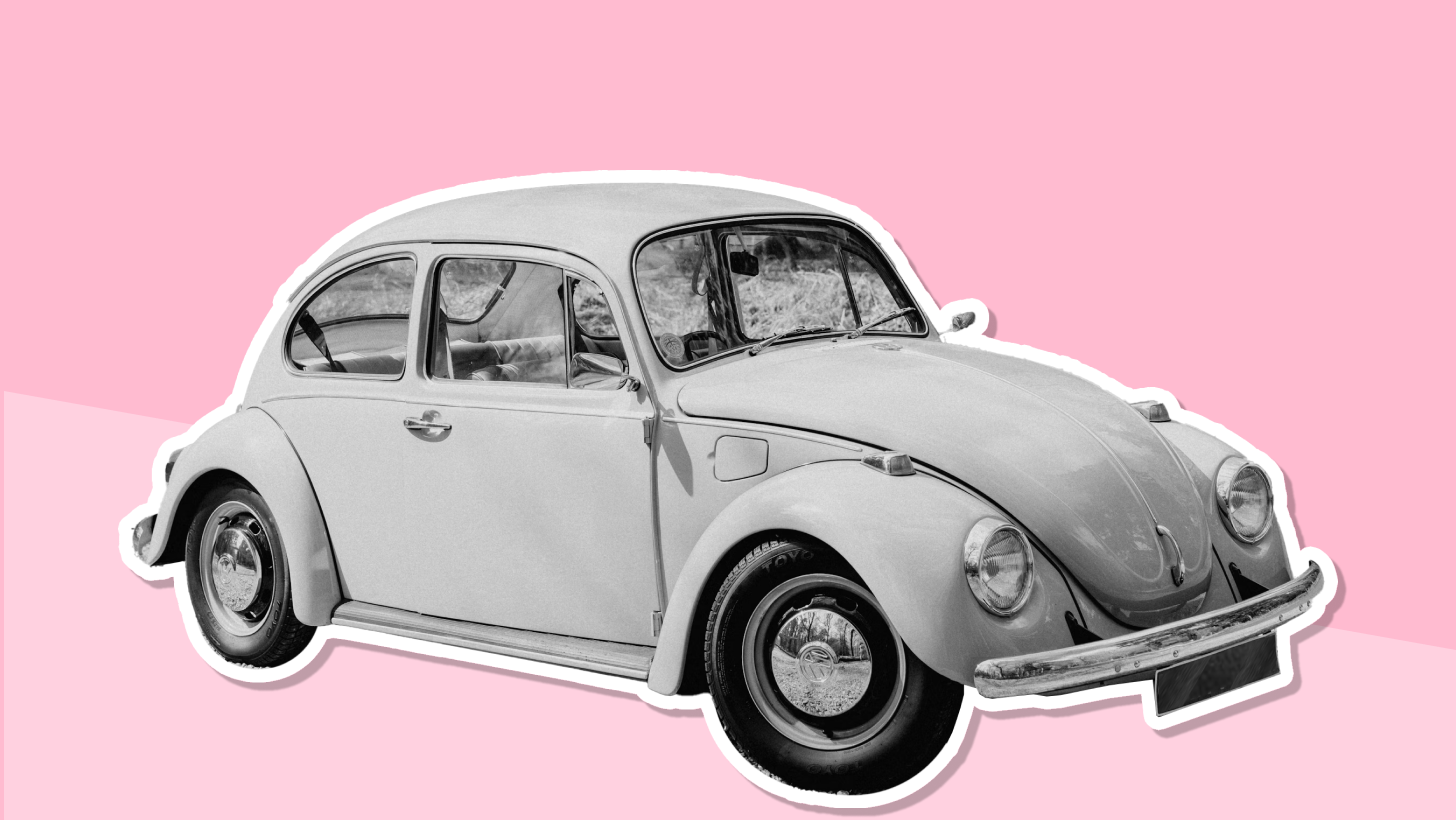
Image: Annie Spratt

When committing to a large expenditure, such as a car, it is always important to pay attention to a few details to ensure that you are getting the most out of your money. Even if you are not a mechanic or an experienced driver, certain tips can help you make a better decision and avoid possible scams and hidden issues. Do you know these 12?

1
Preapproved loan

Image: Alexander Mils

Getting a preapproved loan before going to a car dealer is a good way to be sure of how much money one can spend, and it can also reveal any possible credit issues that were not clearly visible.

2
Safety first
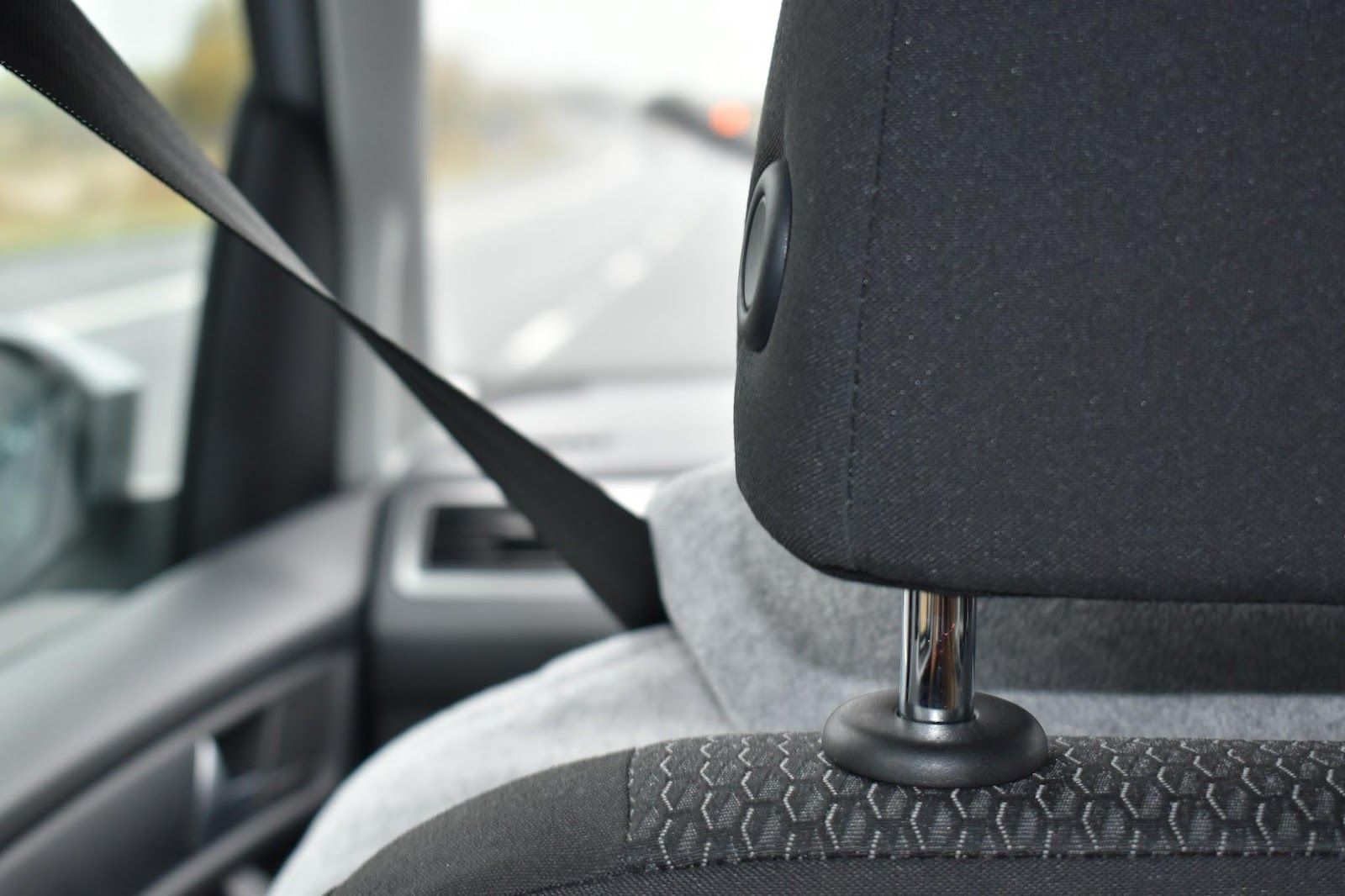
Image: Alexandria Gilliott

It goes without saying; safety is always a top priority when buying your new car. When looking at models, go for vehicles with a high safety rating and features like airbags, anti-lock brakes (ABS), and electronic stability control (ESC).

3
Driving habits

Image: why kei

What kind of driving you will do should influence what kind of car you will buy . If you do a lot of city driving with stop-and-go traffic, a fuel-efficient car like a hybrid or electric vehicle could save you significant money on petrol in the long run. Do you need a large vehicle for cargo or passengers, or is a smaller, more agile car for local errands and weekend adventures?

4
Cargo space
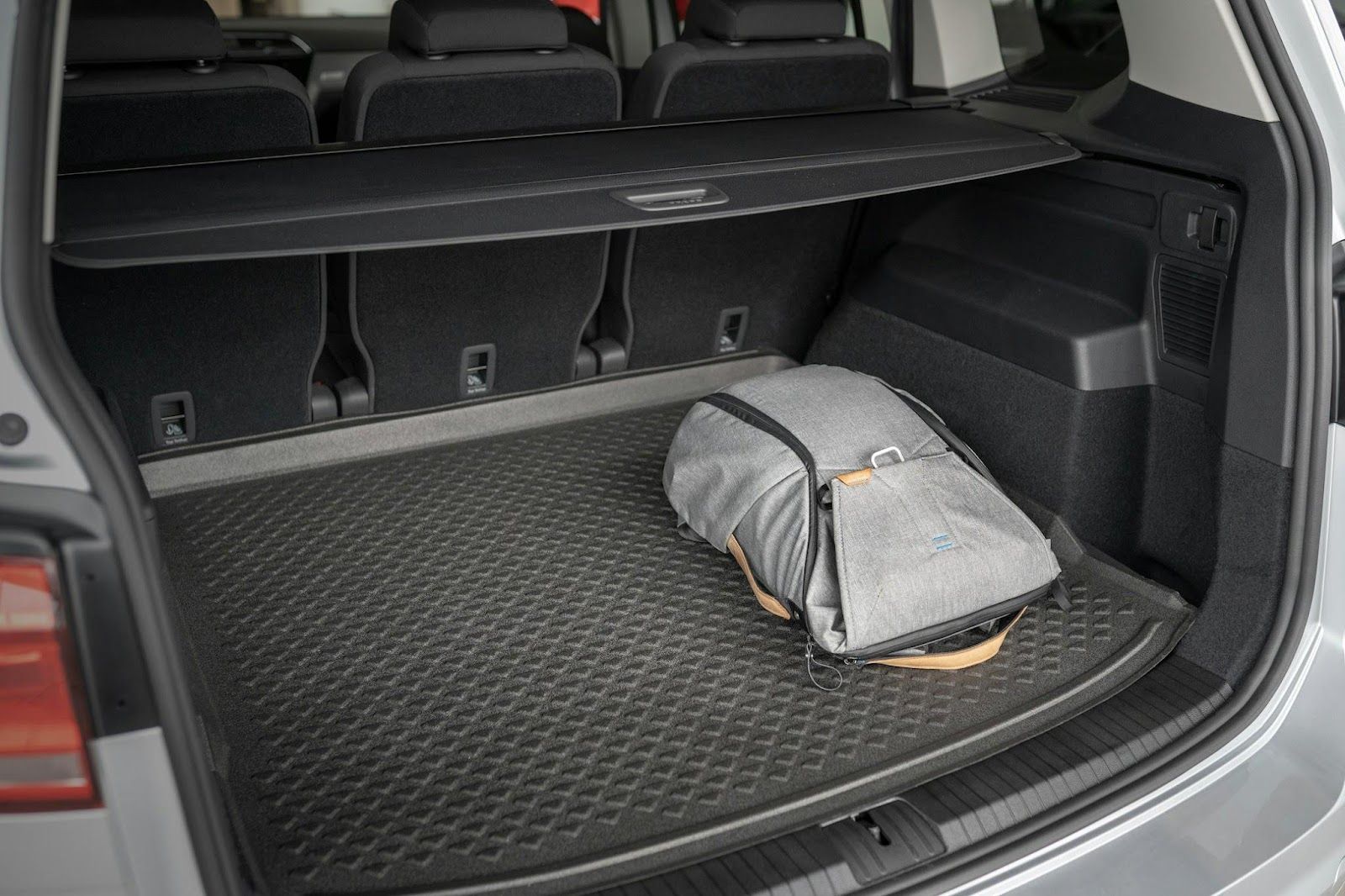
Image: Andraz Lazic

And, since we are on the subject of driving habits, cargo space is a crucial feature of whichever car you decide to buy. How much space do you really need? Even if you only need a lot of space a couple of times a year, you will want to have that space when the time comes, so don’t neglect this aspect.

5
Mileage and vehicle age
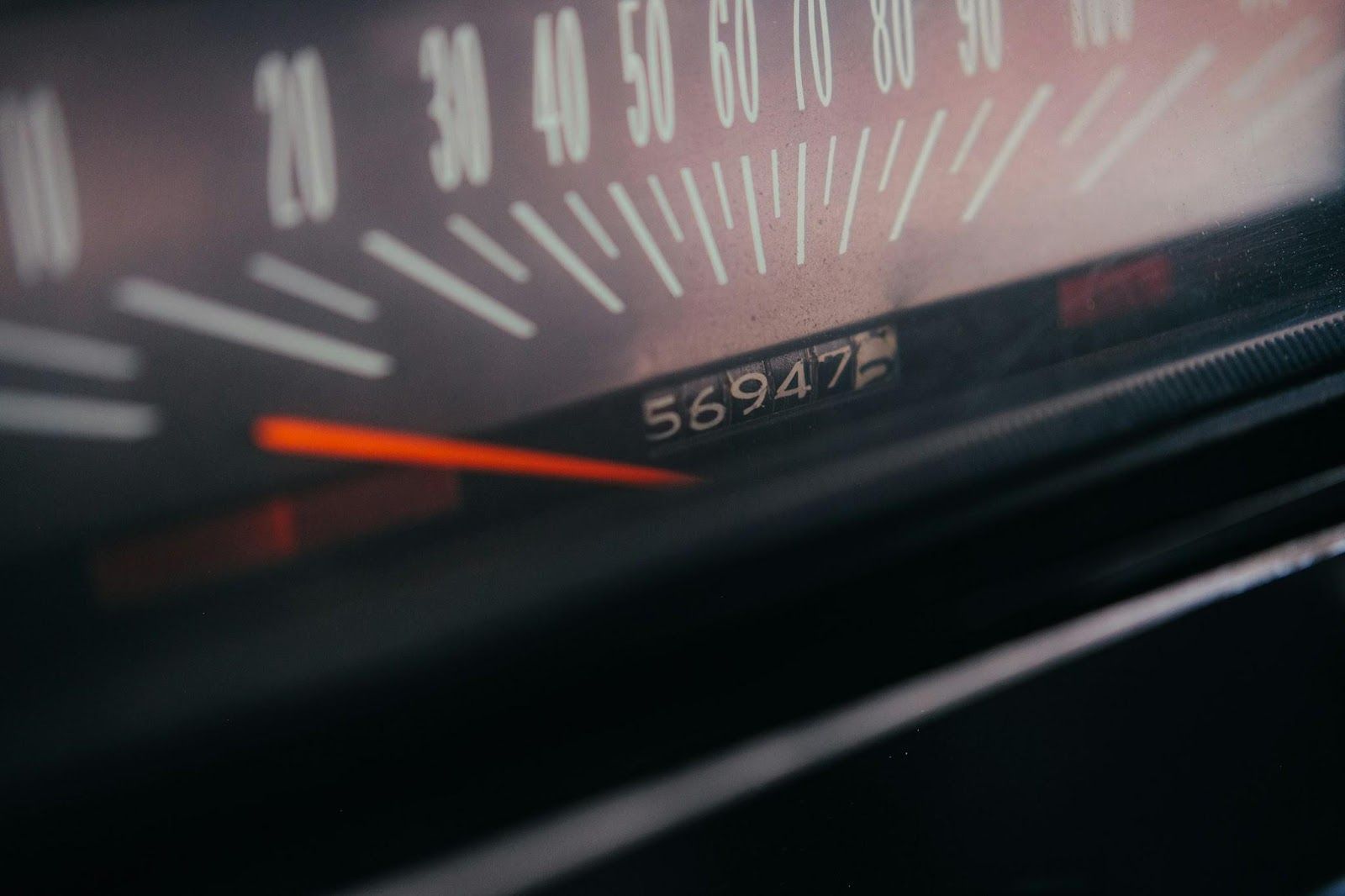
Image: Wesley Tingey

A simple rule to consider when buying a used car is the average mileage a car is supposed to have, relative to its age. That average is 10,000 to 12,000 miles per year . If the car you're looking at has a lower average annual mileage than that, it could be considered a good mileage.

6
Outside look
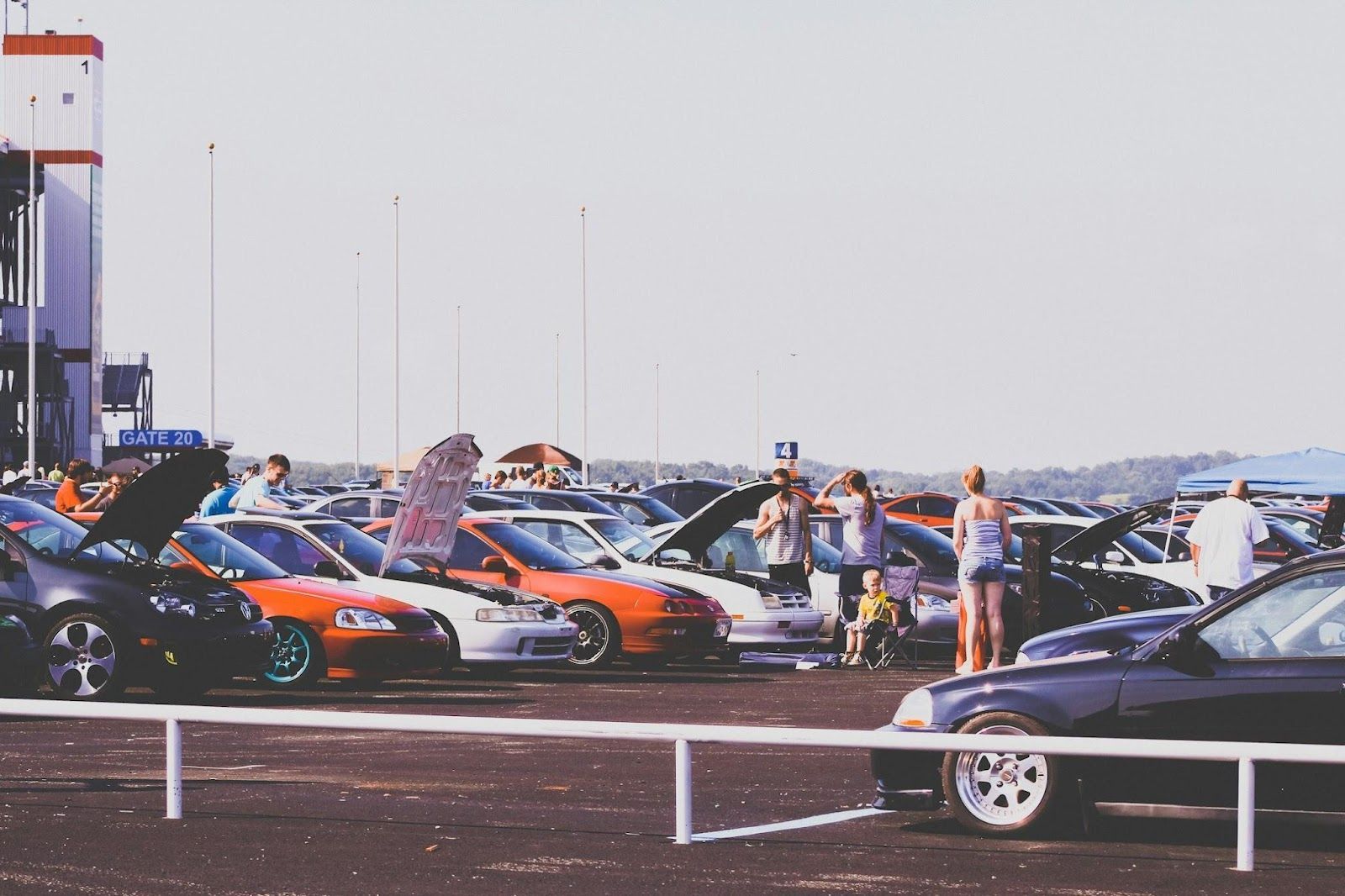
Image: Parker Gibbs

A quick inspection on the outside is advisable . Check the body for imperfections like gaps, dents, or discolored paint, inspect the windows for chips and cracks, get under the vehicle, and check the wheel wells and underbody for rust, which could lead to future problems.

7
Test drive

Image: Mira Kireeva

When buying a used car, it is always important to take it for a test drive, even if you don’t have a lot of mechanical knowledge. Pay attention to odd sounds or noises coming from the engine, brakes, or transmission . Test the AC and ensure that it cools quickly. Test the electronics, brake lights, headlights, windshield wipers, and see if the tires are not too worn off. And if you see or hear something that you are not sure about, check with a mechanic before buying.

8
Check for water damage
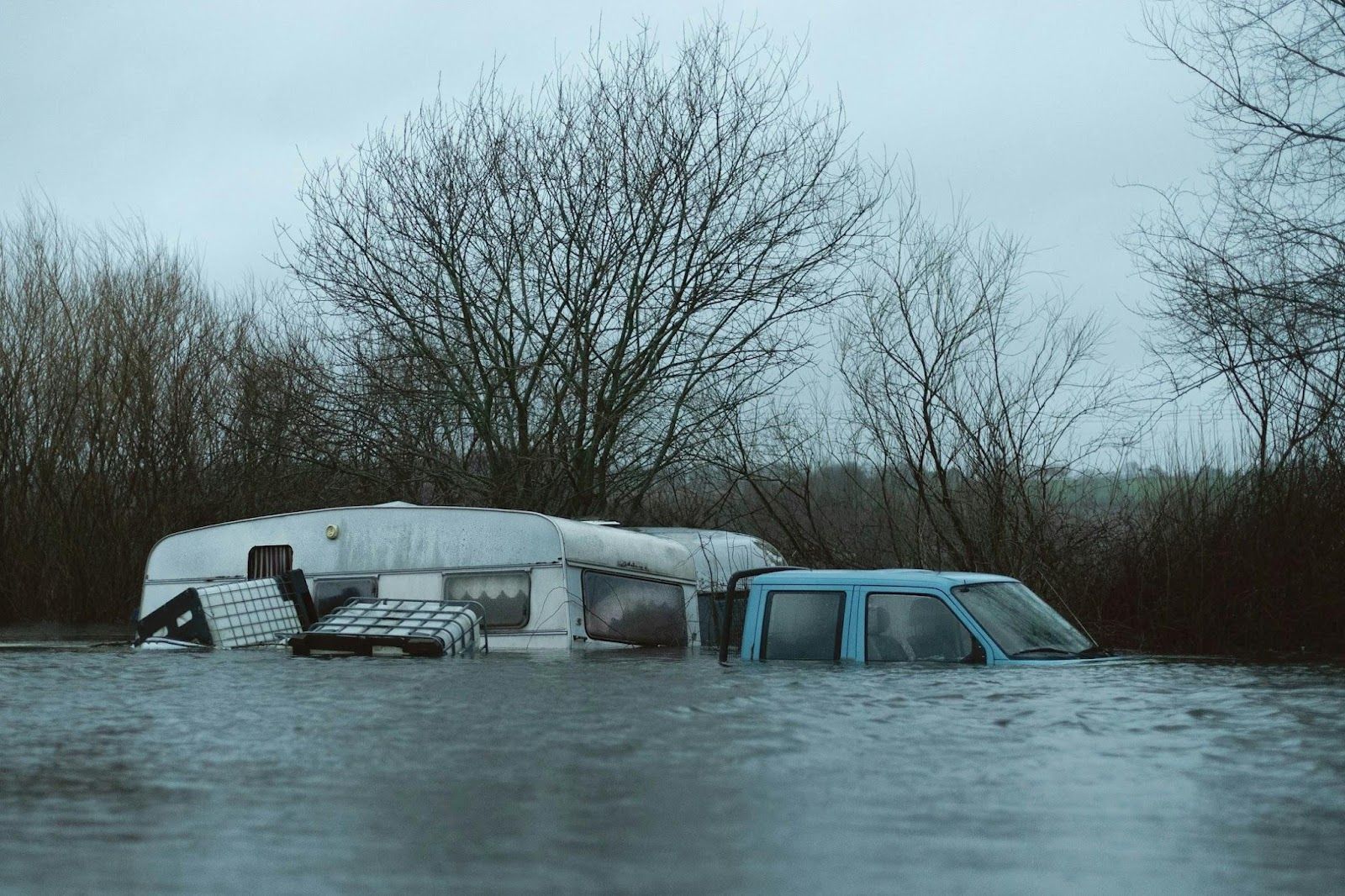
Image: Caspian Dahlström

Water damage can be a real problem for the interior, the engine, and the electrical system . Pull back the carpets in the footwells and check for moisture or signs of water damage. There are many flood-damaged cars on the market, and most of the time, the signs are concealed.

9
Try all the seats
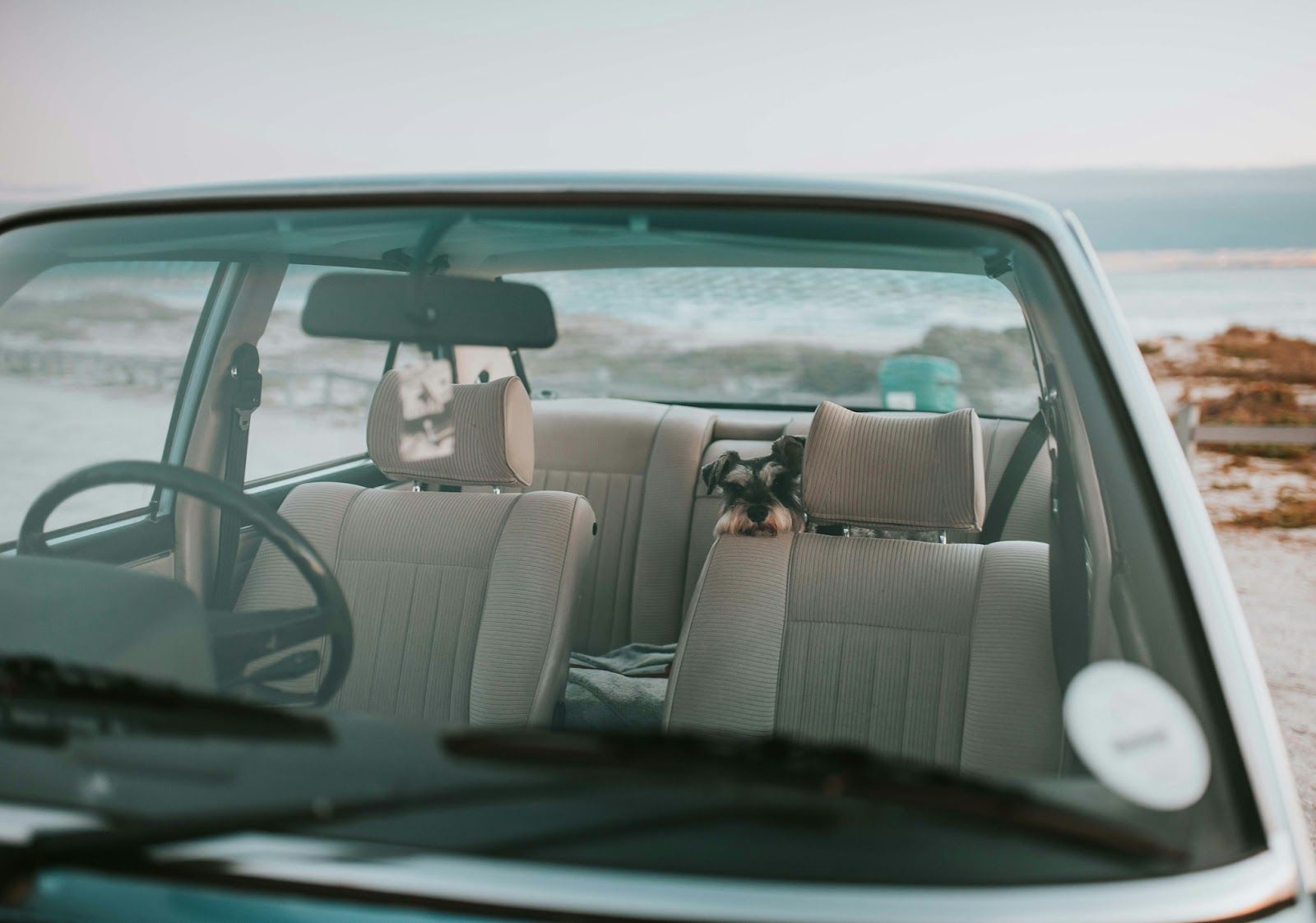
Image: Wade Lambert

Try out all the seats, even if you probably won’t sit in the rear . Upholstery shouldn’t be ripped or badly worn, particularly in a car with low mileage. Try all the seat adjustments to make sure that they work properly and that you can find a good driving position.

10
Service records and possible crashes
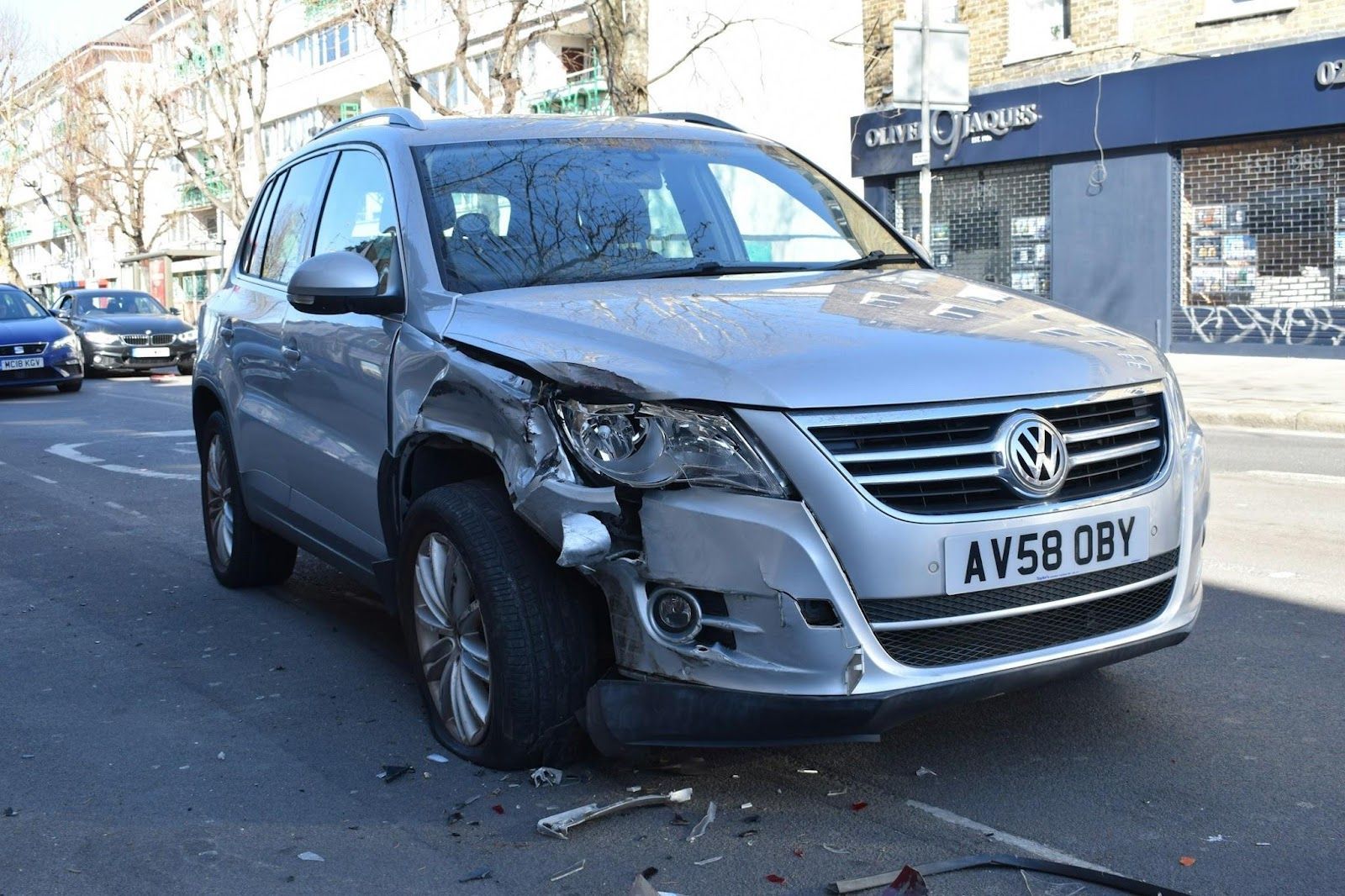
Image: Usman Malik

The past history of a used car can predict future issues . Has it been in a crash? If yes, ask about the extent of the damage and who did the work. Does the car have service records? A good, used car has been well cared for. It should have had maintenance done at the manufacturer-specified intervals.

11
Keep it simple

Image: Erik Mclean

Avoid buying add-ons, extended warranties, or very long car loans , since those usually have higher interest rates and a much higher interest component is paid in the first years than the actual loan.

12
Resale value
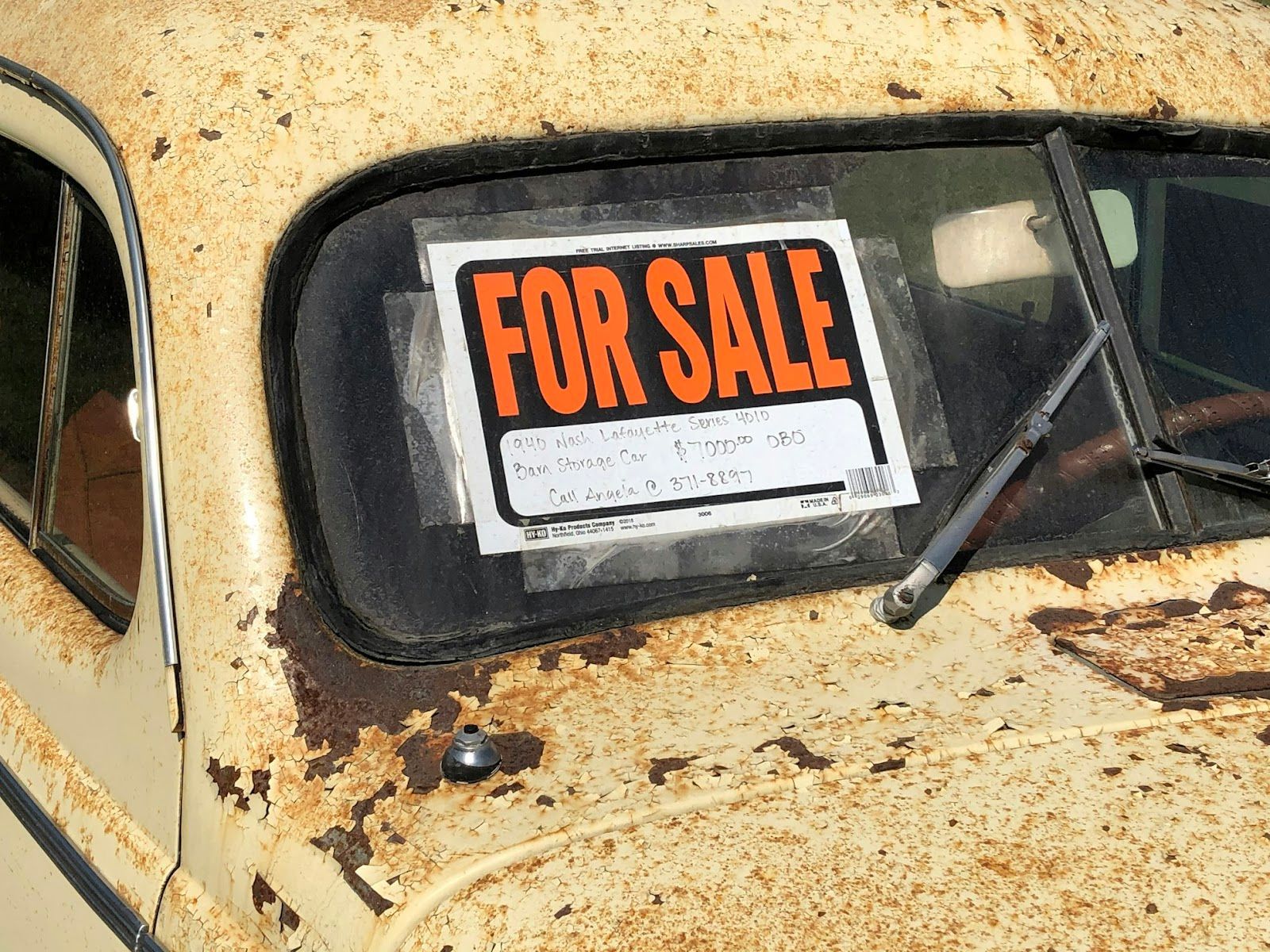
Image: Hilbert Hill

Research the resale value of any used car you are interested in buying . The resale value can affect the overall cost of ownership and the financial return on your investment.

By researching its resale value, popularity, demand, and potential for retaining its value over time, you can decide whether to proceed with the purchase.

Culture Culture 4 min read

Where did RadioShack go?

From Blockbuster to Pan Am: Remember these 10 giants no longer around?

Image: Sean Benesh

It can be hard to imagine a giant falling, but it happens more often than we might think. Huge companies with thousands of employees, stores across the world, and solid reputations file for bankruptcy every year—some with a loud bang, while others fade away quietly after a long decline. You will likely recognize the following ten names. These companies were once everywhere, only to one day vanish into thin air. Some are gone for good, some were absorbed by other corporate giants, and some still exist but only as a tiny fraction of what they used to be. Do you miss any of these brands?

1
Pan Am

Image: Rob Wilson

If a single name were to represent the airline industry in the 20th century, it would most likely be Pan Am. Founded as Pan American Airways in 1927, the company became an American icon , known for its many airline innovations , its distinctive blue logo, and the crisp white uniforms of its staff.

However, when the airline industry was deregulated in 1978, increased competition set the stage for Pan Am’s downfall. The company declined throughout the 1980s and ultimately declared bankruptcy in 1991.

2
Borders

Image: Araix Rand

Its huge stores were havens for book lovers, who could spend hours wandering its aisles, browsing and perusing its vast catalog of books , magazines , CDs , and more. But, alas, none of these stores had been profitable since the mid-2000s.

In 2011, after the company filed for bankruptcy, every single store was closed. Its trademarks were later purchased by its prominent rival, Barnes & Noble.

3
Circuit City

Image: Austin Distel

Starting its life as Wards Company in 1948, Circuit City became one of America’s most recognizable brands in the consumer electronics retail business . However, the turn of the century brought significant changes and financial difficulties, ultimately leading the company to file for bankruptcy in 2008.

4
Tower Records

Image: Lucía Garó

In a similar vein to Borders, Tower Records was a haven for music lovers who enjoyed the vast selection of music available in its stores. And, much like Borders, music stores have largely gone the way of the dodo.

Managerial blunders and the rise of internet piracy contributed to the company filing for bankruptcy twice—first in 2004 and again in 2006. Its assets were sold at auction to Great American Group, and the last store closed in December 2006.

5
Trans World Airlines (TWA)

Image: Ross Parmly

Pan Am was not the only major airline to disappear. The once-powerful TWA met the same fate, operating from 1930 until it was acquired by American Airlines in 2001 . It was once one of the "Big Four" domestic airlines in the United States, alongside United, Eastern, and the aforementioned American.

6
Blockbuster

Image: Bruno Guerrero

Another demise that hit hard for loyal customers was Blockbuster. While the VHS rental behemoth dominated the market throughout the ’90s and early 2000s —with over 9,000 stores and 84,000 employees—the lethal combination of the internet and piracy proved too much to withstand. As a result, the company gradually closed nearly all its stores, leaving only one remaining today in Bend, Oregon.

7
Amoco

Image: Markus Spiske

The first name on this list to disappear not due to financial difficulties but because of a merger, Amoco was a giant in the oil and gas industry. Founded in 1910, it became the largest natural gas producer in North America by the late ’90s .

In 1998, it merged with British Petroleum in a $61 billion deal. Existing service stations were rebranded under the BP name, and the Amoco brand gradually faded from view.

8
Compaq

Image: ThisisEngineering

In the ’90s, Compaq was a major player in the computer industry and, at one point, the largest supplier of PC systems in the US . However, as the century came to an end, lower-cost competitors like Dell began attracting consumers and chipping away at Compaq’s market share. In 2002, the company merged with Hewlett-Packard, and the Compaq name gradually faded away.

9
Woolworths

Image: Kay Enn

The original five-and-dime store, Woolworths, was a pioneer in the retail industry in the late 1800s . It managed to survive—and even thrive—through most of the 20th century, but by 1989, it had entered a steady decline.

Following a 1993 restructuring that led to the closure of half its 800 stores, the rest gradually shut down. While the Woolworths retail brand and name have disappeared, the company rebranded as the Venator Group in 2001 and shifted its focus to its footwear division. Today, you might know it as Foot Locker.

10
Howard Johnson’s

Image: Francesca Saraco

The last name on our list is a familiar one, especially to travelers. The iconic Howard Johnson’s began as a single ice cream stand outside Boston, Mass., before expanding to over 1,000 restaurants. In the 1950s, the chain introduced motor lodges at nearly 300 of its locations.

Howard Johnson’s was sold to Marriott in the 1980s, and most of its restaurants gradually shut down. The last remaining location, in Lake George, N.Y., closed its doors in 2017.

Explore more American facts

Choose your favorite category!

General
General

As American as apple pie—the very best America has to offer!

Culture
Culture

Delve into the astounding richness of American lore.

Geography
Geography

Hop in and explore vast and diverse American landscapes.

History
History

Discover the key moments that shaped the United States.