Geography Geography 3 min read

Town marketing 101

“Go to Hell” and 9 more of the strangest town slogans in America
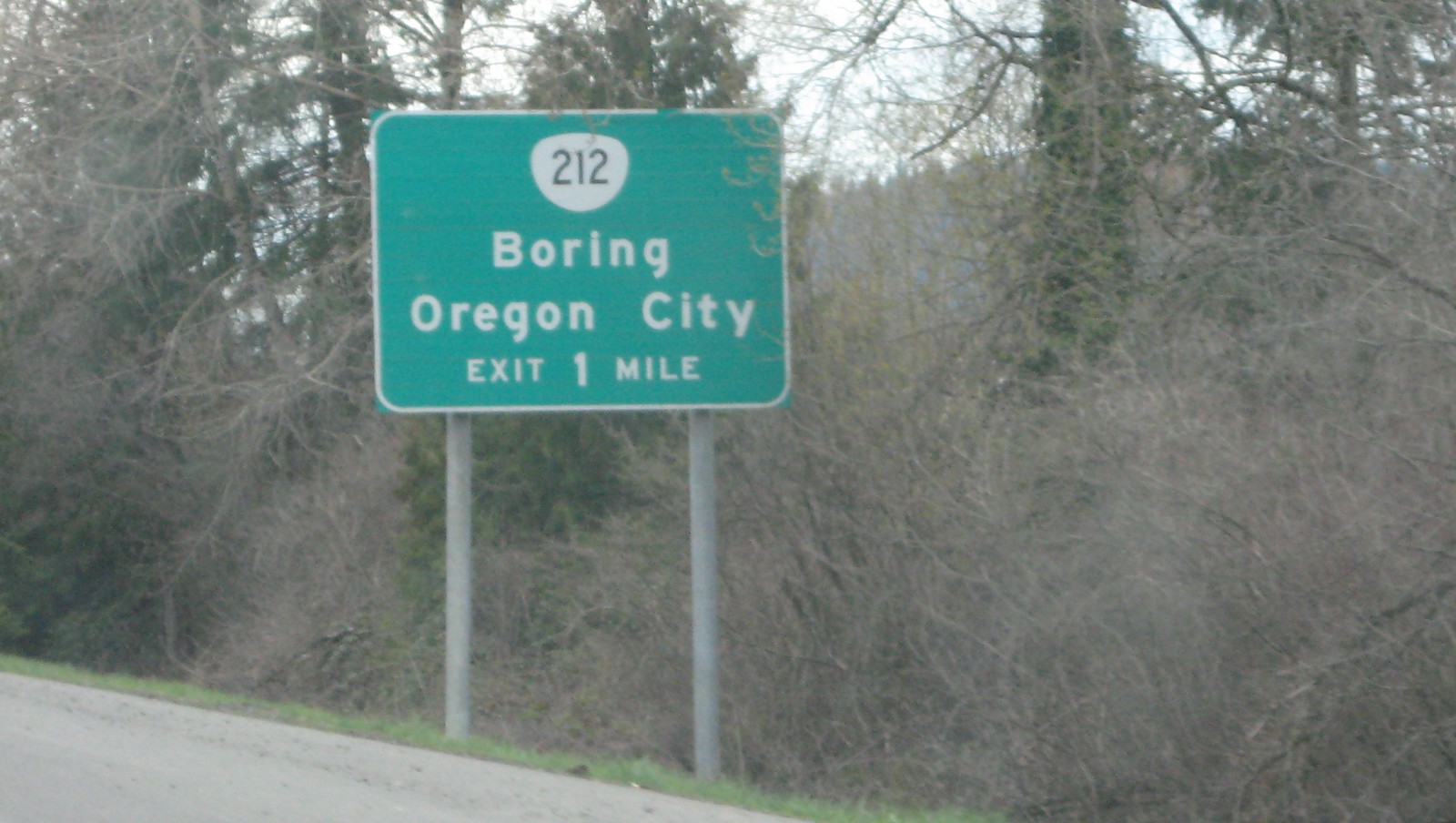
Image: Chris Phan

While most cities and towns opt for safe mottos and nicknames like "A Great Place to Live" or similar phrases, others lean into humor, irony, or even absurdity. These ten slogans range from cheeky and playful to downright bizarre, but all of them manage to be memorable. Did you know any of them?

1
Boring, Oregon – "The Most Exciting Place to Live"
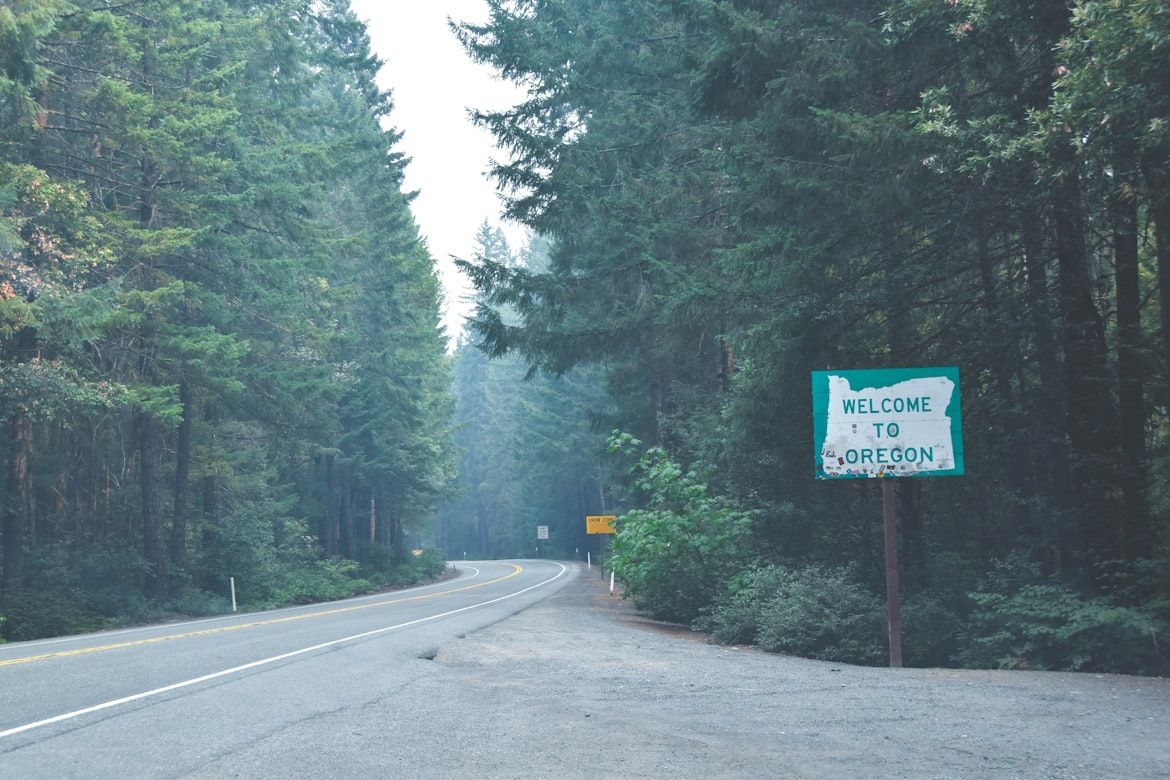
Image: everett mcintire

With a name like Boring, Oregon, you’d expect residents to have a sense of humor. Their slogan flips that expectation, proudly calling Boring the most exciting place to live.

The town has even partnered with Dull, Scotland, to form an "International League of Dull Places."

2
Hell, Michigan – "Go to Hell"
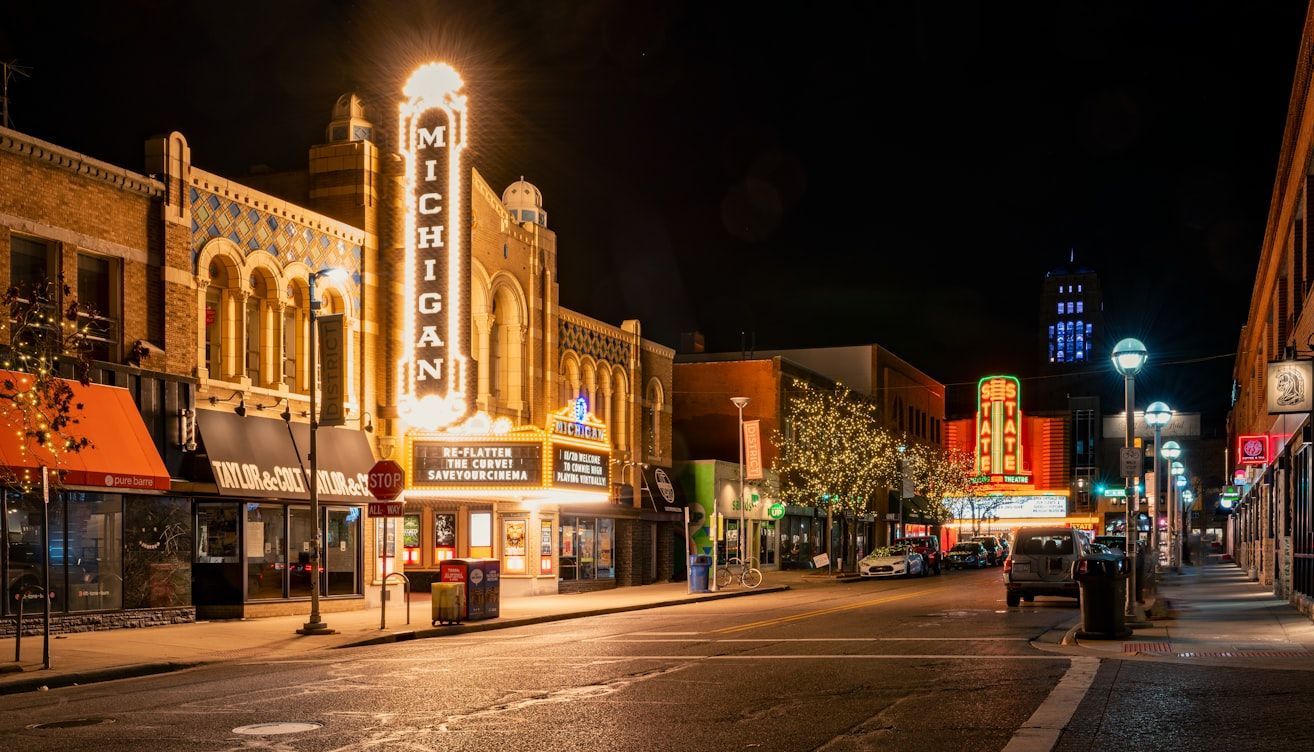
Image: Brad Switzer

Hell, Michigan, has turned its unusual name into a marketing goldmine . The slogan "Go to Hell" is proudly displayed on signs, T-shirts, and souvenirs, attracting thousands of curious visitors each year.

Locals have fun with it, running events like Halloween festivals and themed shops.

3
Normal, Illinois – "Everything is just as it seems!"
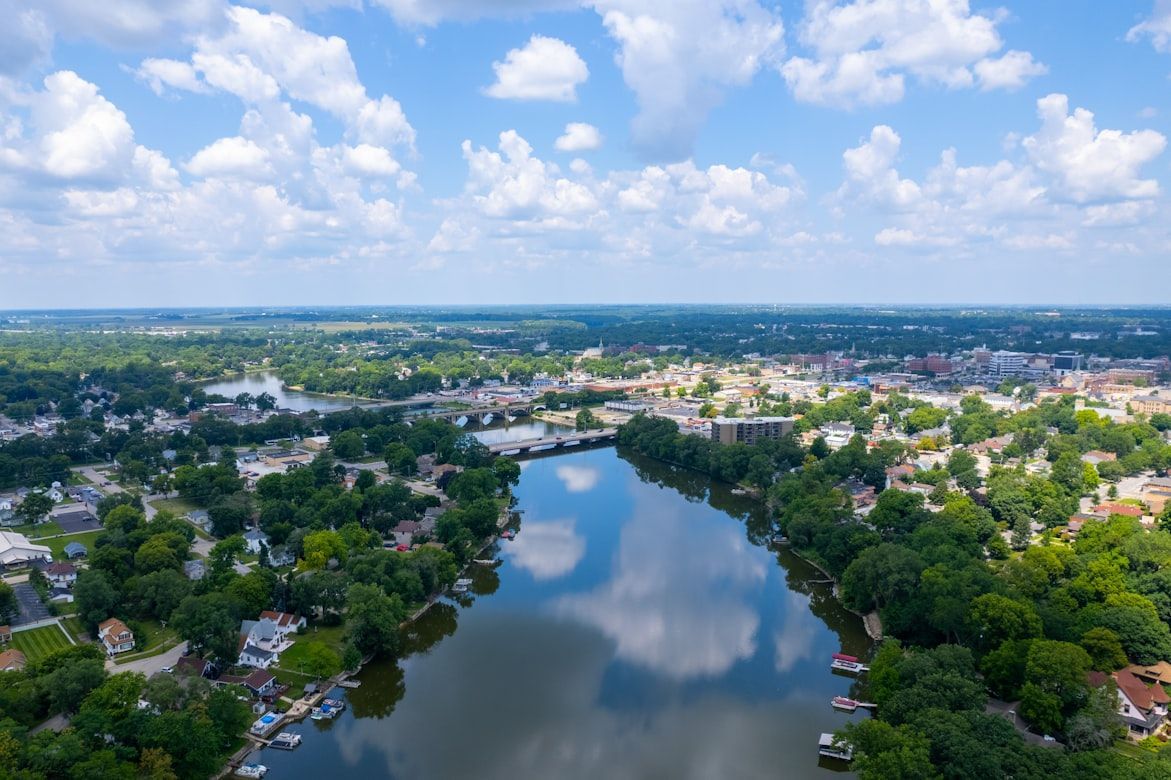
Image: Zander Betterton

The city of Normal, Illinois, proudly uses the slogan "Everything is just as it seems!" as its official motto, playfully referencing the town’s unusual name .

The name Normal has historical roots: it comes from the French phrase école normale , which described a type of school for training teachers.

4
Peculiar, Missouri – "Where the ‘odds’ are with you"
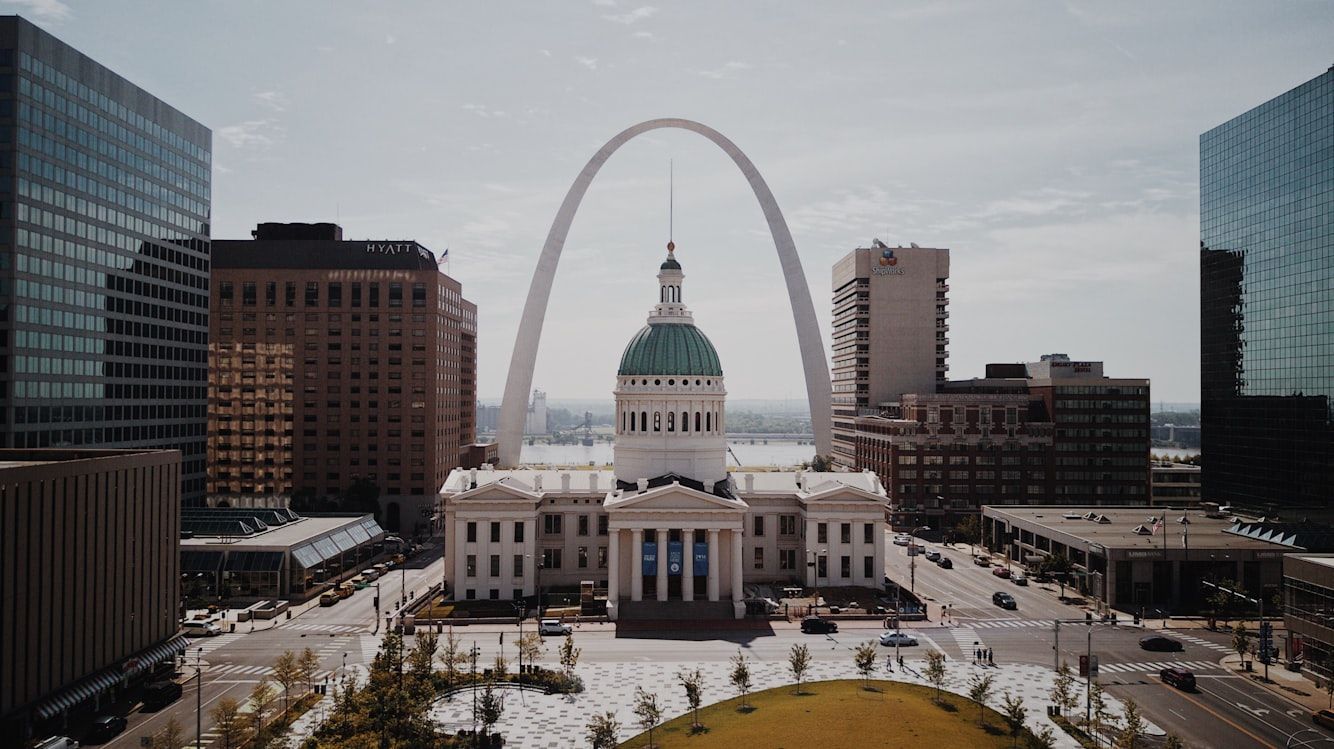
Image: Brittney Butler

A town with a name that is the exact opposite of the previous entry, Peculiar, Missouri, has also decided to embrace its unusual identity with the slogan "Where the ‘odds’ are with you," adding a playful touch to it

The oddball branding draws curious travelers, and the town celebrates its peculiarity with local events and merchandise.

5
Nothing, Arizona – "All for Nothing"
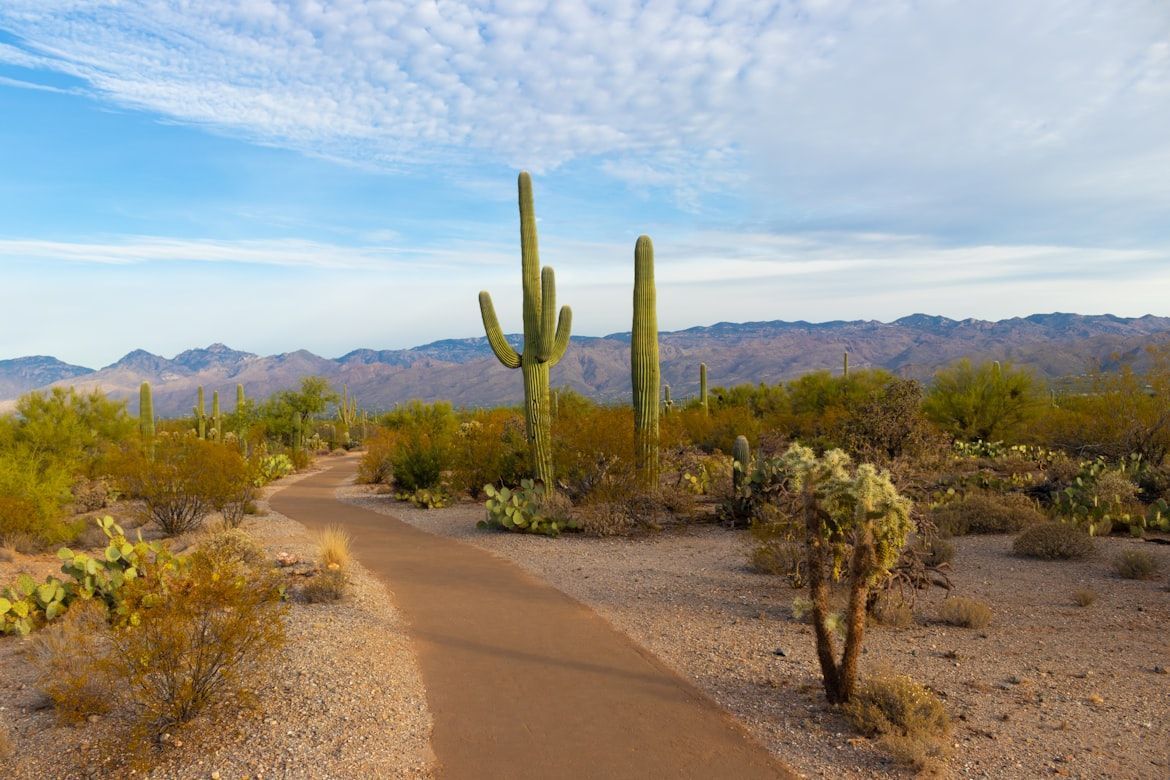
Image: Christoph von Gellhorn

Nothing, Arizona, an unincorporated community with an ironic name, became known for the phrase "All for Nothing." While not an official slogan, it reflects the determination of residents who built lives in a place with almost no amenities.

The phrase captures both humor and grit, giving the tiny settlement an identity that can be hard to forget.

6
Superior, Wisconsin – "Living up to our name"
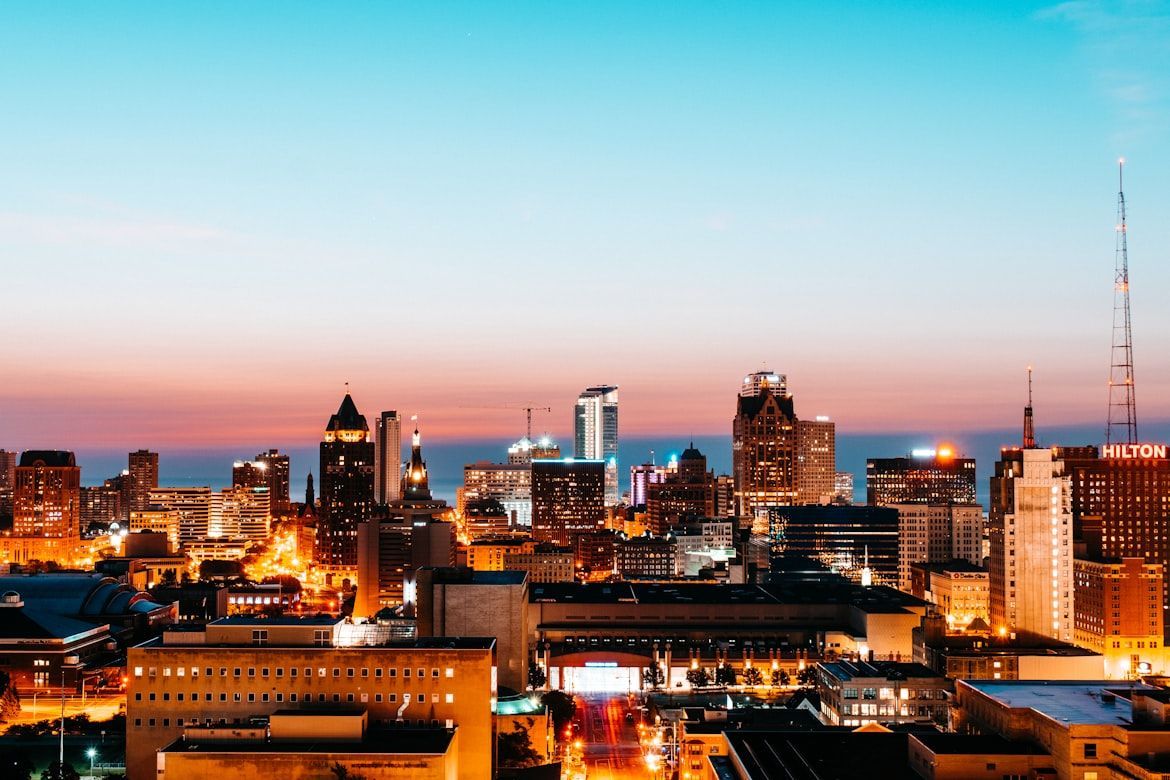
Image: Tom Barrett

Superior, Wisconsin, sits on the western tip of Lake Superior, and its slogan, "Living up to our name," highlights both geography and civic pride .

It’s a confident statement that sticks in visitors’ minds. The town blends natural beauty with historical significance, and the slogan reinforces that it considers itself a cut above the rest.

7
Happy, Texas – "The town without a frown"
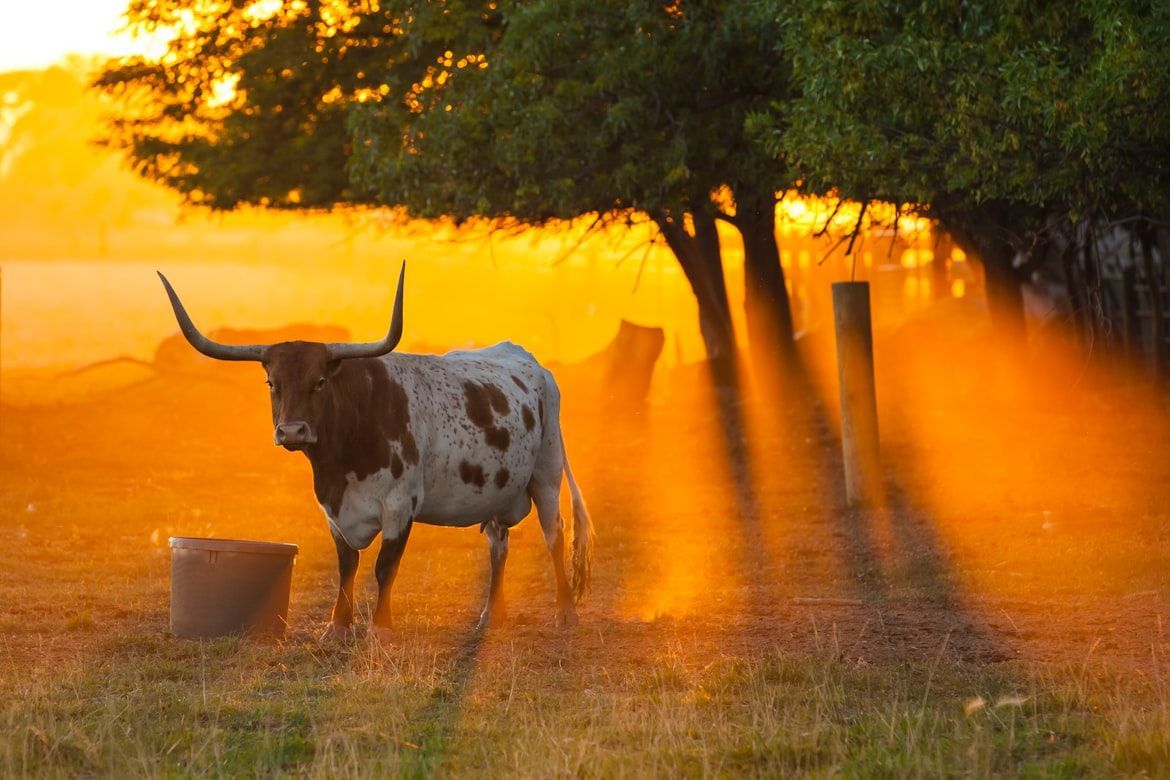
Image: Daniel Lloyd Blunk-Fernández

Happy, Texas, took its cheerful name and ran with it . Its slogan, "The Town Without a Frown," spreads positivity and conveys a sense of friendliness throughout the community.

The motto has become a source of local pride, turning a small Panhandle town into a feel-good stop that lives up to its sunny reputation.

8
Gas, Kansas – "Don’t pass gas, stop and enjoy it"
Image: Farhodjon Chinberdiev

Gas, Kansas, leans fully into its unusual name with a slogan that makes travelers laugh every time . Located in Allen County, this small town has become a roadside favorite thanks to its cheeky pun.

Rather than shy away from the obvious joke, Gas celebrates it, featuring the motto on signs and even postcards.

9
Lake City, Iowa: "Everything but a lake"
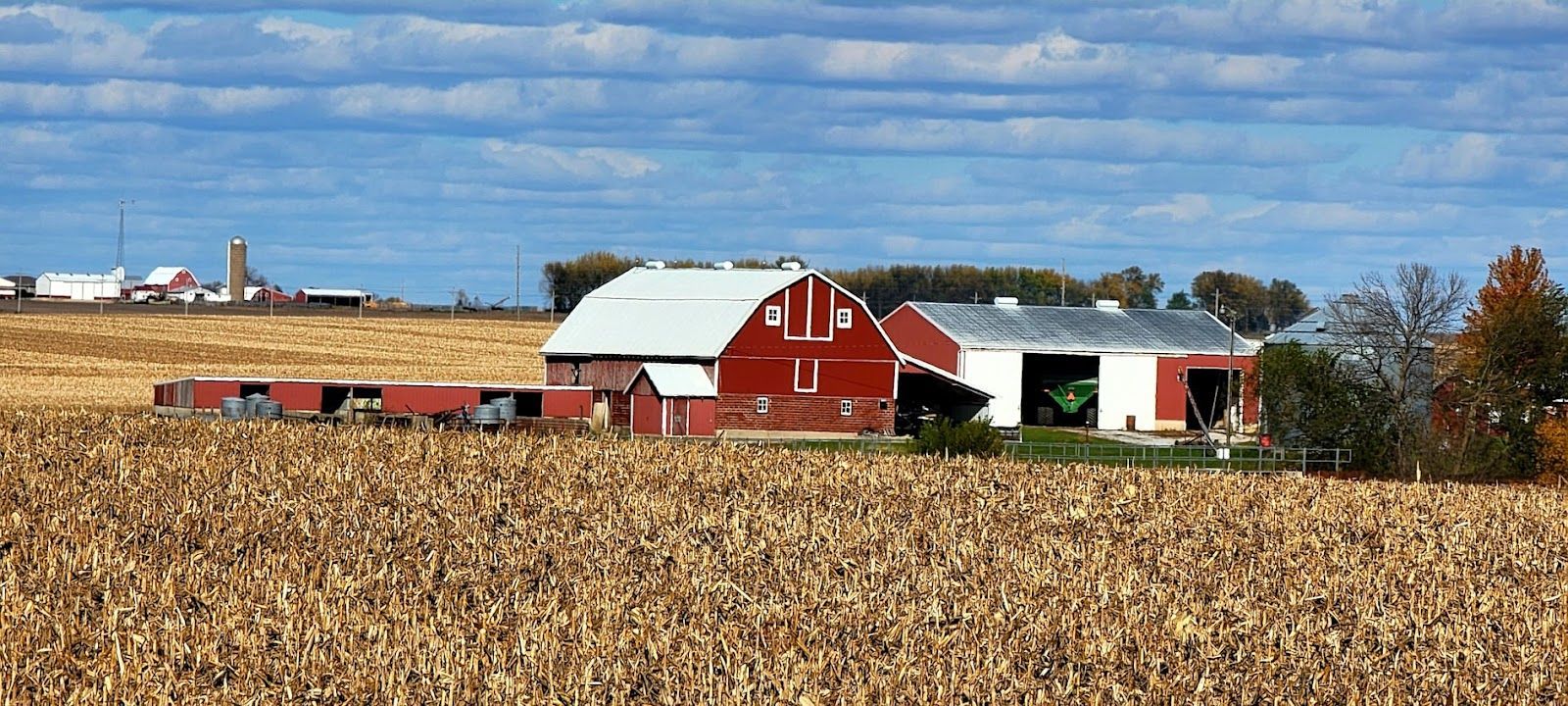
Image: Shawn Schroeder

Lake City, Iowa, proudly uses the slogan "Everything but a Lake." The phrase humorously acknowledges the irony behind the town’s name, since there’s no actual lake within its limits . Despite this, the motto highlights that Lake City has plenty to offer in other ways.

The town’s name was inspired by another town in Illinois, yet Lake City has successfully carved out its own character.

10
Show Low, Arizona - "Named by the turn of a card"
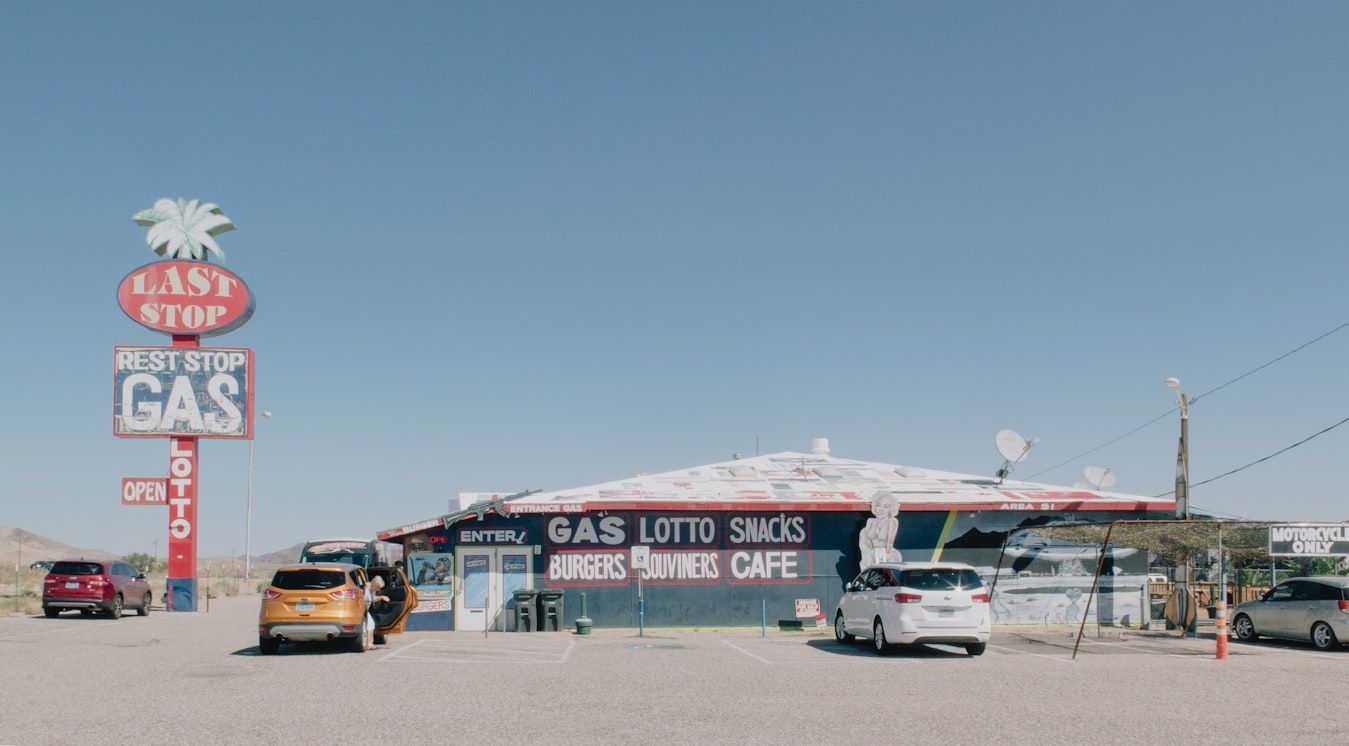
Image: Gerard Albanell

Show Low owes its unusual name to a high-stakes poker game played between two ranchers who couldn’t agree on who would claim the land. The decision came down to a single rule: whoever drew the lowest card would win, and from that moment, the town became known as Show Low.

Even today, Show Low highlights its origin story in tourism and branding, proudly using the phrase "Named by the turn of a card."
General General 4 min read

Cash curiosities

What would you do with a $10,000 bill? 10 rare facts about US money!

Image: Photo By: Kaboompics.com

While cash is becoming less common, there's no denying the economic and historical value of banknotes and coins. That's why so many people collect them! You might think you know a lot about the money we use every day, but there are plenty of hidden details and surprising facts that most people don't realize. From a $10,000 bill featuring Salmon P. Chase to coins with unexpected features, join us as we uncover 10 fun facts about US currency that just might surprise you!

1
$10,000!

Image: Eyestetix Studio

Did you know that, for a time, there was a $10,000 bill? That's right! The bill featured the portrait of Salmon P. Chase, President Lincoln's Secretary of the Treasury, and it was the highest denomination of US currency ever to be publicly circulated! While there was also a $100,000 bill, the latter was only used for large transactions between Federal Reserve Banks.

2
The first President on a coin

Image: Sebastian Enrique

We're totally used to seeing Abraham Lincoln's face on a penny, but that wasn't always the case.

Lincoln's image first appeared on the penny in 1909 to commemorate the 100th anniversary of his birth, making him the first US president to appear on a coin, an honor befitting our great Honest Abe! More than 115 years have passed since that addition, and his face is still featured on the iconic penny.

3
Silver pennies

Image: Josh Appel

In addition to featuring Abraham Lincoln's face, pennies are famous for their classic copper color. However, there was one year when the penny took on a different hue.

During WWII, a copper shortage occurred, hindering the usual production of pennies. For that reason, in 1943, pennies were made of steel coated in zinc, giving them a silver color and making them closely resemble dimes.

4
2 and 3 cents?

Image: Towfiqu barbhuiya

Did you know that, in the 19th century, the US had 2- and 3-cent coins? That's right! The 2-cent coin was minted from 1864 to 1873. On the front, it featured a shield symbolizing the Union during the Civil War . On the reverse, it bore the phrase "In God We Trust," making it the first coin to use the motto . The 3-cent coin had two versions: the silver 3-cent coin (1851–1873) and the nickel 3-cent coin (1865–1889).

5
Long lifespan

Image: Shot by Cerqueira

While each coin is used with a different frequency, the average lifespan of a coin can be as long as 40 years ! Just think about all the places and situations it might pass through during that time. Of course, the more a coin circulates, the quicker it will wear down. That’s why the penny has the shortest lifespan , lasting about 25 years on average.

6
In God We Trust

Image: Kelly Sikkema

"In God We Trust" is not only the official motto of the United States (and the state of Florida), but also the phrase that appears on all US currency currently in circulation. But how long has this phrase been there?

"In God We Trust" first appeared on some coins during the Civil War, starting with the aforementioned 2-cent piece. By 1938, the motto appeared on all US coins, but it wasn't until 1955 that President Eisenhower signed a law requiring "In God We Trust" to be included on all US coins and paper money.

7
Precious metals

Image: Jingming Pan

Today, US coins are primarily made of zinc, copper, and nickel. However, back in the early days of the US Mint, things were quite different. In the past, US coins were made not just of copper, but also of silver and even gold!

Over time, using those materials for coins became too expensive, and production shifted to more affordable metals such as zinc and nickel.

8
Safety edges

Image: Joshua Hoehne

When coins were made of precious metals like gold and silver , there was always the risk that someone might tamper with or shave the edges to extract the valuable material. Fortunately, the brilliant Isaac Newton came to the rescue. He introduced the clever idea of adding reeded edges to coins, which helped protect them from opportunistic tampering. With these marked edges, any shaving of the coin would be immediately noticeable. Pretty smart, right?

9
The most coins in the world

Image: Sarbasri Bhaumik

The US Mint manufactures billions of coins each year for circulation, and while that’s nothing new, there’s something about it that might surprise you: the United States is actually the world’s largest producer of coins . No other country makes more!

Pennies, nickels, dimes, and quarters are produced in large quantities every day. But that’s not all—dollar coins and special collectors’ coins are also minted, though in much smaller amounts.

10
"Paper" currency

Image: Adam Nir

Our paper money isn’t actually made of paper . It’s composed of 25% linen and 75% cotton. This blend gives US bills greater strength and flexibility, making them not only more durable but also more difficult to counterfeit. Plus, if you accidentally toss a buck in the washing machine, there’s a good chance it’ll come out just fine!

History History 5 min read

AHOY, CAPTAIN!

Which Is The Most Valuable Shipwreck Ever Recovered?

Image: Massimiliano Morosinotto

There is something equally fascinating and haunting about a huge ship lying on the bottom of the ocean or a lake. From the sad story of the Edmund Fitzgerald to the largest wooden ship, or the most valuable ship ever lost, you will find here 10 ships that met their untimely fate and remain hidden underwater. Keep reading to discover which of these famous wrecks you can recognize.

1
Nuestra Señora de Atocha (Our Lady of Atocha)

Image: NOAA

A ship that sank off the coast of the Florida Keys in 1622, the Nuestra Señora de Atocha is, to this day, the most valuable shipwreck ever recovered. Originally bound from Havana, Cuba to Spain, the Atocha was loaded with a large treasure, ranging from copper and gems to gold and indigo from the Spanish colonies.

But, shortly after launching from port, a major hurricane caught the ship and destroyed the Atocha , which sank 56 feet beneath the surface. In 1985, treasure hunters rediscovered the wreck off the coast of the Florida Keys. Currently holding a Guinness World Record for its recovered value, the Atocha is a continual treasure trove for divers and fortune hunters alike.

2
SS Republic

Image: Vlad Tchompalov

A ship that served both the US and Confederate governments, the SS Republic sank in 1865 during a hurricane off the coast of Georgia. After the Civil War, the Republic carried passengers and cargo from New York to New Orleans. On October 20, 1865, a hurricane off the coast of Georgia damaged the ship, which sank around four in the afternoon.

As a result of the sinking, the cargo was lost with the ship until 2003, when a commercial archaeology company rediscovered the wreck approximately 100 miles from Savannah, Georgia. About a third of the coins that were on board the ship have been recovered, and are now valued at over USD 75 million.

3
The Whydah Gally

Image: NOAA

The Whydah Gally was intended for service in the British Empire before it was captured by the infamous pirate Samuel "Black Sam" Bellamy. As Bellamy and his crew approached the Massachusetts coast the weather turned, creating a violent nor’easter cyclone. The ship capsized and its cargo, 144-man crew, and captain were consequently thrust into the sea.

In 1984, underwater archaeologist Barry Clifford discovered the Whydah Gally. Since its rediscovery, many artifacts have been retrieved from the ship, including the ship’s bell , inscribed with the words: "THE WHYDAH GALLY 1716." This helped authenticate the Whydah as the first pirate shipwreck to ever be found and confirmed.

4
SS Central America

Image: Giuseppe Murabito

The SS Central America was an American sidewheel steamer that operated between the East Coast and Central America. In September 1857, carrying 477 passengers, 101 crewmembers, 38,000 pieces of mail, and 30,000 pounds of gold harvested during the California Gold Rush to New York City, the Central America was engulfed by a Category 2 hurricane.

At the time of the boat’s sinking, over 400 people were still on board, making it the most deadly of any American commercial boat disaster. The gold on board was also lost. In 1988, explorer Tommy Gregory Thompson found the ship, and up to three tons of gold were excavated, leading to long legal battles that have continued to the present day.

5
SS Georgiana

Image: Jason Mavrommatis

The SS Georgiana was a Confederate steamer. Built in Scotland, the ship sailed its maiden voyage in 1863 to Charleston, South Carolina, where it was expected to be outfitted by Confederate soldiers. However, the Georgiana was not armed with any guns on its first journey and approached its destination on March 19, 1863, with minimal defense.

A member of a Union blockade alerted the nearby battleship USS Wissahickon , which shot and pierced both sides of the ship’s hull. Captain Davidson, signaled a surrender to the Union blockade before beaching the boat. Before the beached ship could be boarded Davidson purposefully sank the boat, before escaping to land with his entire crew. Found on March 19, 1965, the Georgiana was lost for exactly 102 years before its discovery.

6
Edmund Fitzgerald

Image: Nott Peera

Arguably one of the most famous shipwrecks in American history , the Edmund Fitzgerald was the largest ship on the Great Lakes until 1971. The freighter was fatally wrecked on Lake Superior during the winter of 1975, with all her crew losing their lives.

The exact cause of the sinking, with no outward signs of severe damage, is still heavily debated. The prominent theories include the vessel running aground or suffering damage during the storm. A U.S. Navy Lockheed P-3 Orion aircraft discovered the wreck of Edmund Fitzgerald in November 1975, 15 miles west of Deadman’s Cove, Ontario.

7
Carl D. Bradley

Image: Sandra Seitamaa

The SS Carl D. Bradley , a Great Lakes freighter built in 1927, was popularly known as the "Queen of the Lakes" because it was the longest and largest freighter on the Great Lakes at the time. In 1957, it collided with another vessel , the MV White Rose , causing damage to the hull.

It was caught in a storm in November of the same year and sank in Lake Michigan, killing 33 of the 35 crew members. The sinking was caused by structural damage caused by the poor choice of steel used in its construction. The wreck, lying 360 feet under the water, was discovered in 1959 by the Army Corps of Engineers.

8
Lady Elgin

Image: ALDO DE PASCALE

The Lady Elgin was a wooden-hulled steamship built in 1851 that served on the Great Lakes as a passenger ship. On September 6, 1860, while returning from Chicago, the vessel sank in an unfortunate accident.

While facing a strong gale, it was rammed by the schooner Augusta of Oswego and, due to the damages caused by the collision, the vessel sank sometime later, resulting in the death of more than 300 people. Though the exact number remains unknown since the manifest was lost during the accident, it remains one of the worst shipwrecks in the region.

9
SS Eastland

Image: Anton Repponen

The SS Eastland was a Chicago-based passenger ship , used for tours. On 24 July 1915, the ship rolled over onto its side while tied to a dock in the Chicago River. In total, 844 passengers and crew were killed in what was the largest loss of life from a single shipwreck on the Great Lakes.

After the disaster, the Eastland was salvaged and sold to the United States Navy which, after restorations and modifications, designated it a gunboat and renamed it USS Wilmette . It was used primarily as a training vessel on the Great Lakes and was scrapped after World War II.

10
Wyoming

Image: rashid

The largest wooden ship ever built , the Wyoming was a six-masted schooner built, completed in 1909 in Bath, Maine. It had a length of 450 ft from jib-boom tip to spanker boom tip.

Because of its extreme length and wood construction, the Wyoming tended to flex in heavy seas, which would cause the long planks to twist and buckle, allowing sea water to intrude into the vessel. For this reason, the Wyoming had to use pumps to keep itself relatively free of water. In March 1924, it foundered in heavy seas and sank with the loss of all hands.

Explore more American facts

Choose your favorite category!

General
General

As American as apple pie—the very best America has to offer!

Culture
Culture

Delve into the astounding richness of American lore.

Geography
Geography

Hop in and explore vast and diverse American landscapes.

History
History

Discover the key moments that shaped the United States.