Geography Geography 4 min read

From tropics to glaciers

From desert blazes to New England winters, 10 American climates explained

Image: Nihat

From sea to shining sea, America is a vast land, and its diverse climates reflect that. Scorching deserts and icy mountains, the U.S. has it all. And traveling through the country, you can easily experience a heatwave and a snowstorm on the same day. Join us on an epic journey through America's wild extremes, where fierce winds, relentless rain, snowy peaks, and blistering heat reveal the astonishing weather diversity of our nation.

1
Desert Blaze

Image: Manda Hansen

The Mojave Desert spans California, Nevada, and Arizona and is home to Death Valley, where the highest temperature ever recorded on Earth was 134°F in 1913. Despite these hostile conditions, the region still hosts a great diversity of wildlife, including coyotes, bobcats, and desert tortoises, all adapted to survive with minimal water.

The desert’s extreme heat and arid landscape are also home to unique flora such as the Joshua tree, which thrives in spite of the poor soil and dry air.

2
Arctic Frontier

Image: Yuval Zukerman

Alaska's tundra is a cold desert with freezing temperatures and long winters. Permafrost, a layer of permanently frozen ground, covers much of this region, making habitation challenging. However, beneath the ice lies a wealth of natural resources, including vast oil reserves.

During the summer—due to its latitude—the tundra experiences 24-hour daylight, known as the "midnight sun," though the landscape remains largely frozen and treeless. Wildlife, including caribou, arctic foxes, and polar bears, have adapted to survive these extreme conditions.

3
Rocky Peaks

Image: Joshua Woroniecki

The Rockies feature a high-altitude alpine climate, where temperatures drop with elevation, often resulting in snowfall even in the middle of summer. Hikers and tourists from all over the world come to this region to appreciate the striking mountains and its beautiful forests.

These snow-covered peaks are also a crucial part of America’s water supply, as the snowpack feeds major rivers like the Colorado River that provide drinking water to millions in the Southwest.

4
Great Plains Winds

Image: Raychel Sanner

Stretching across the center of the country, the Great Plains is known for its fierce winds and severe weather, particularly tornadoes. Tornado Alley, which covers states like Kansas and Oklahoma, experiences more tornadoes than anywhere else in the world, thanks to the collision of warm Gulf air and cold Arctic fronts.

The region’s semi-arid climate also makes it prone to droughts, as seen during the infamous Dust Bowl of the 1930s. Despite these harsh conditions, the Plains are known as America’s breadbasket, producing massive amounts of wheat, corn, and soybeans that feed the whole nation.

5
Humid South

Image: Michael Sanchez

The Southeast’s humid subtropical climate means long, hot summers with high humidity levels, often reaching over 90%. Frequent thunderstorms and hurricanes are also common in this area, with states like Florida and Louisiana bearing the brunt of some of the most powerful storms in U.S. history, including Hurricane Katrina in 2005.

The warm and wet environment fosters lush and thick vegetation where cypress trees, Spanish moss, and dense wetlands create unique ecosystems. The region is also known for its rich diversity of wildlife, which includes alligators, turtles, and numerous bird species.

6
California Sunshine

Image: Spencer DeMera

Southern California's Mediterranean climate features mild winters and hot, dry summers, with Los Angeles receiving an average of just 15 inches of rain annually. This climate has made the area a global hub for agriculture, especially in the Central Valley, where crops like almonds, avocados, and citrus thrive.

The sunny weather also makes California a popular tourist destination, attracting millions to its beaches and outdoor activities. However, this climate also brings challenges, such as frequent droughts and devastating wildfires that can sweep across the dry landscape.

7
Pacific Northwest Rain

Image: Dave Hoefler

The Pacific Northwest is famous for its temperate rainforests, with areas like the Hoh Rainforest receiving over 140 inches of rain annually. This constant rainfall supports some of the largest and oldest trees in the country, including towering Douglas firs and redwoods.

While the cool air and consistent moisture nourish its rainforests, it also contributes to cloudy skies that block sunlight for much of the year. This prolonged overcast weather is linked to a high incidence of seasonal affective disorder (SAD), as the lack of sunlight affects mood and energy levels for many residents.

8
Tropical Keys

Image: Hector Falcon

The Florida Keys are one of the only regions of the U.S. with true tropical climate, with warm temperatures year-round and rainy and dry seasons rather than the traditional four seasons. Key West, the southernmost point in the country, never experiences freezing temperatures, making it a popular escape during the colder months.

While the tropical breezes make for a laid-back island vibe, the area is also vulnerable to hurricanes, which have historically caused significant damage. Yet, the Keys’ coral reefs, the only living coral barrier reef in the U.S., attract divers from all over the world to explore its colorful marine life.

9
Appalachian Fog

Image: Rachel Davis

The Appalachian Mountains have a temperate climate with heavy rainfall, often shrouded in fog, especially in the Great Smoky Mountains. But the iconic fog of this region isn’t just moisture; it’s actually caused by volatile organic compounds released by the dense forests. These compounds then mix with moisture and sunlight, creating the characteristic blue-tinged haze that gives the Smokies their name.

This consistent moisture also supports the rich biodiversity of the region. The thick forests, often cloaked in mist, provide an ideal environment for countless plant and animal species, making it one of North America's most ecologically diverse areas.

10
New England Winters

Image: Robert Thiemann

New England’s cold, snowy winters have been immortalized in literature and art, and it’s no wonder—states like Maine and Vermont regularly see seasonal snowfalls exceeding 100 inches!

Blizzards and nor’easters are common, with storms bringing fierce winds and heavy snow, sometimes leaving towns isolated for days. The region’s long winters are perfect for skiing, and it is home to some of the oldest ski resorts in America, such as Stowe in Vermont.

Culture Culture 6 min read

What’s in a name?

Nickname nation: How famous Americans earned their monikers

Image: JR Harris / Mitya Ivanov

Some people were great—we know that, we know their names and what they did. But some people were so extraordinarily great that they've earned a nickname that has stuck as firmly as their contributions . And we're not just talking about scientific contributions; we're talking about artists, athletes, and politicians, too. Have you ever wondered how "The Sultan of Swat" got his unique nickname? You don’t need us to tell you who "Lady Lindy" was. In this article, we’ve gathered 10 figures, their amazing nicknames, and the stories behind them.

1
The King of Rock and Roll

Image: Drew Beamer

Elvis Presley didn’t just sing rock and roll; he embodied it. With a signature blend of charisma, flashy outfits, and unmistakable dance moves, Elvis became a household name in the 1950s—but, of course, you knew that already.

His groundbreaking hits like "Jailhouse Rock" and "Hound Dog" resonated across generations, earning him the crown of "The King." The title wasn’t just about record sales, it also reflected his status as a cultural icon who changed the music scene forever. So much so that it is still the number one place in this article! He bridged gaps between musical styles, influencing countless artists to follow. His legacy lives on, proving that some kings don’t need a throne—just a stage and a guitar. Long live the King!

2
The Sultan of Swat

Image: Lesly Juarez

Baseball is one of the best American traditions, and some figures have even outgrown the sport to become national treasures. Babe Ruth is proof of that! The player had more than one nickname , but "The Sultan of Swat," was a tribute to his legendary baseball career.

He was known for his massive home runs and larger-than-life personality. With that, Ruth transformed baseball from a strategic game to a spectacle—a characteristic that is still true of the sport today. During his time with the New York Yankees, he set records that seemed untouchable, like his famous 60-home-run season in 1927. Crowds would pack stadiums just to watch him swing, and he rarely disappointed.

Ruth’s influence was undeniable, and he became a symbol of hope during the Roaring Twenties. After saying all this, "Sultan" doesn’t seem enough, don’t you think?

3
Moses

Image: Kirt Morris

No, we’re not talking about the real Moses, but what did Harriet Tubman have to do to earn a nickname like this? Let’s see.

The nickname is, of course, a comparison. Tubman was a heroic figure, and like the biblical Moses, she led people to freedom—only her path was the Underground Railroad.

Tubman escaped slavery herself , and as if that wasn’t remarkable enough, she then risked her life to guide others north to safety. Her bravery and strategic brilliance helped free over 70 individuals directly, and she advised countless others.

This was no easy task, as you can imagine. It involved evading slave catchers and facing all kinds of risks, especially during the night. After such heroic deeds, "Moses" was the fitting nickname!

4
The Father of His Country

Image: Library of Congress

We can’t exclude Washington from this list and, even though he had more than one nickname, this one sums it all up perfectly: They don’t call George Washington "The Father of His Country" for nothing!

As the first President of the US , he essentially set the standard for everything, from leadership to integrity. But before becoming president, he led the Continental Army to victory in the Revolutionary War, helping America gain independence.

What’s truly remarkable? Well, we could just enumerate a long list of reasons, but the fact that he stepped away from power when he could’ve held onto it, was a move that showed his true character. He didn’t want to be a king; he just wanted a country where power was passed peacefully. He acted like a true father, and his legacy is as rock-solid as the monuments built in his honor!

5
Ol' Blue Eyes

Image: Andrea Riondino

Back to the music world and the stars our country has created, we need to mention Frank Sinatra’s nickname, "Ol' Blue Eyes," which perfectly captures his good looks (and served as great publicity, too!).

With a voice as smooth as velvet , Sinatra enchanted the world through classics like "My Way" and "New York, New York." But it was his piercing blue eyes that added to his mystique, charming audiences everywhere.

He wasn’t just a singer; he was a seasoned performer who brought a sense of drama and romance to every song. His career spanned decades, influencing both music and film. Now, did you know this wasn’t the only nickname? He was also known as "Chairman of the Board"—you can already imagine why!

6
The Greatest

Image: Nelson Ndongala

Not Muhammad, nor "The Greatest," he was actually born Cassius Marcellus Clay Jr. The story of how he came to be named Muhammad is tied to his religious choices, but "The Greatest" was simply a result of his dominance in boxing.

Muhammad Ali’s nickname wasn’t just bravado; he lived up to it with his unparalleled skill in the boxing ring . He moved his feet at a disorienting speed and had some witty pre-fight rhymes, Ali changed the way the world saw boxing. Ali won the heavyweight title three times and defeated legends like Sonny Liston and George Foreman.

Beyond the sport, Ali stood up for his beliefs. He refused military service on moral grounds and spoke out for civil rights. His legacy goes beyond boxing because Ali wasn’t just a fighter; he was a champion in every sense. He truly was the greatest!

7
Lady Lindy

Image: Tomas Martinez

This is the story every little kid should hear before going to bed, dreaming about adventures and dreams coming true. Now, aside from that, let’s see how Amelia Earhart got her nickname, "Lady Lindy."

This moniker is actually a nod to Charles Lindbergh , an American aviator who made the first non-stop flight from New York to Paris. In 1932, Earhart made history by becoming the first woman to fly solo across the Atlantic Ocean.

This may not sound impressive today, but her daring feats challenged gender norms and inspired women to pursue their own ambitions, something that wasn’t really encouraged back then! Even after her mysterious disappearance in 1937, she remains an icon of adventure and courage. She dared to dream—and to fly—big!

8
Old Hickory

Image: Elsa Olofsson

If America is great today, that’s because the first men who ruled dared to be brave! And Andrew Jackson wasn’t just brave—he was also tough as hickory wood . Andrew Jackson’s nickname "Old Hickory," was a testament to his grit and toughness.

As a general, he led troops to victory during the War of 1812, most famously at the Battle of New Orleans. His soldiers compared him to hickory wood, known for its resilience and strength. Jackson carried this reputation into his presidency, where he championed the common man and fought fiercely against political opponents. No president in US history escaped controversy, but his leadership style was as unyielding as his nickname suggests. Whether admired or criticized, Jackson’s stubbornness defined his legacy. Old Hickory, indeed, was as tough as they come.

9
The Queen of Soul

Image: Mick Haupt

If you get a nickname that starts with "King" or "Queen" you better be either Elvis Presley or Aretha Franklin. She wasn’t just a singer; she was the singer, which earned her the title "The Queen of Soul."

Her voice could move mountains, and she brought gospel roots to mainstream music with hits like "Respect" and "(You Make Me Feel Like) A Natural Woman." Aretha’s influence extended beyond her music—she became an emblem of civil rights and female empowerment. Her powerful performances transcended genres, and people all over the world adored her.

Even after her passing, her songs remain anthems of empowerment. Franklin’s reign over soul music is unchallenged and timeless. We couldn’t expect less—that’s the job of a true Queen!

10
The Man Behind the Mouse

Image: Travis Gergen

We say "Mouse" and you can only think of Mickey, and if we say "The Man Behind the Mouse," you can only picture Walt . And you’d be right, indeed!

Walt Disney’s nickname, "The Man Behind the Mouse," hints at the magic he brought to life with Mickey Mouse and hundreds of other iconic characters. He was a visionary entrepreneur who transformed the animation industry, creating classics like Snow White and Cinderella . But it was Mickey Mouse that started it all—a symbol of hope and imagination during the Great Depression.

That was the beginning, but certainly not the end as the little mouse quickly turned into theme parks, bigger studios, millions of merchandise products, and countless dreams for people all over the world!

Culture Culture 4 min read

History on canvas

How 10 iconic American paintings shaped modern culture

Image: Girl with red hat

Among the many ways the United States has influenced world culture, art, especially painting, stands out as one of the most significant. From Grant Wood's unparalleled "American Gothic" to Andy Warhol's bold "Campbell's Soup Cans", numerous masterpieces by American artists have traveled the globe, each marking a turning point in art history. Join us as we explore the stories behind these 10 unforgettable American works that have left their mark!

1
American Gothic (1930) - Grant Wood

Image: Grant Wood, Public domain, via Wikimedia Commons

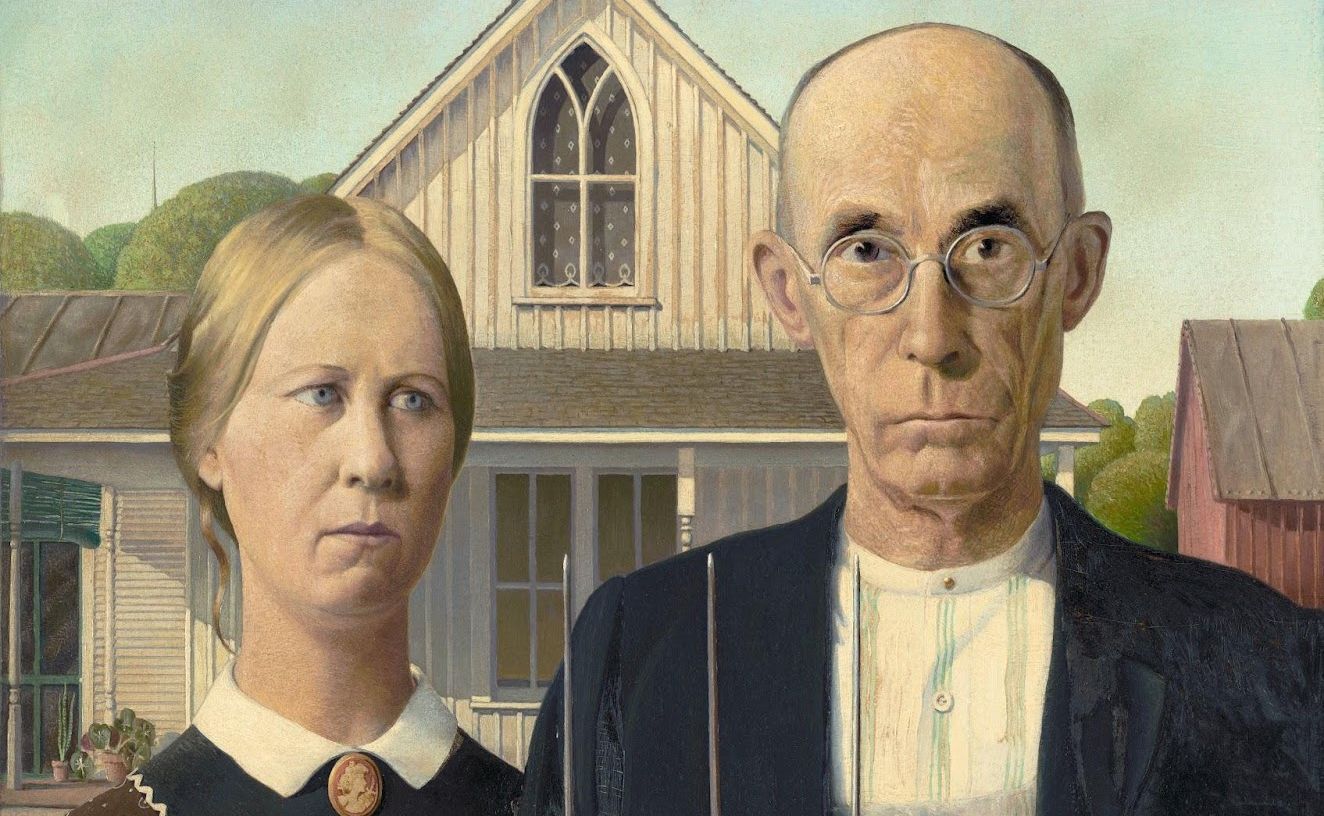
One of the most internationally recognized American paintings is undoubtedly "American Gothic" by Grant Wood. With a blend of realism and subtle humor, the artist captured the spirit of rural America during the Great Depression. According to legend, Wood was inspired when he saw a Gothic-style house in Iowa and wondered who would live in that house.

2
Nighthawks (1942) - Edward Hopper

Image: Edward Hopper, Public domain, via Wikimedia Commons

There are probably very few people in the world who haven't seen an image of Edward Hopper's iconic " Nighthawks ," referenced so often that it has become a part of pop culture. Although painted during WWII, this work captures something timeless and still relevant today: the loneliness of night in a bustling city.

3
Whistler's Mother (1871) - James McNeill Whistler

Image: James McNeill Whistler, Public domain, via Wikimedia Commons

A painting that marked a turning point in the art world is "Arrangement in Grey and Black No.1" by James McNeill Whistler, better known as "Whistler's Mother." This work transformed portraiture by embracing a sober, harmonious, and minimalist composition that prioritized conveying emotion over intricate detail. The calm expressed in the painting has been widely praised by critics and art scholars alike.

4
The Gross Clinic (1875) - Thomas Eakins

Image: Philadelphia Museum of Art, Public domain, via Wikimedia Commons

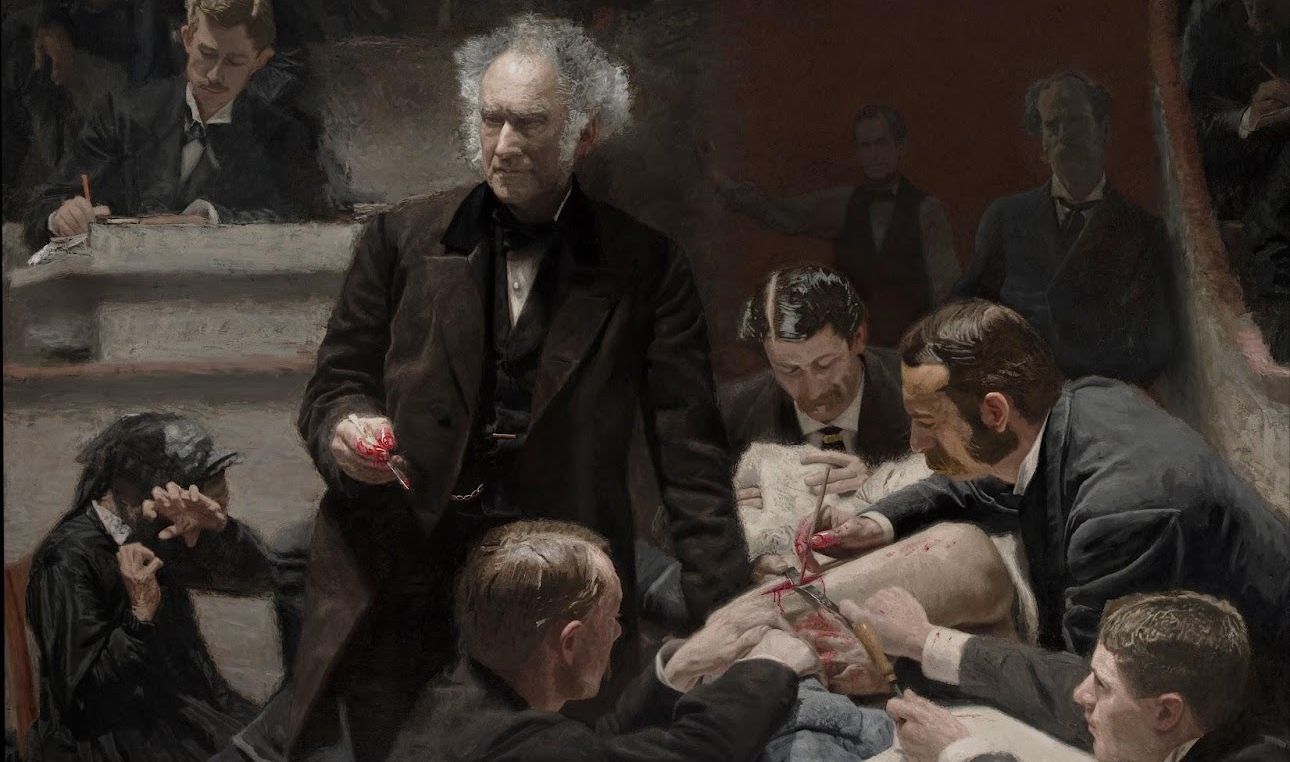
Painted in 1875, "The Gross Clinic" by Thomas Eakins is a masterful realist work that revolutionized art through its dramatic use of light and shadow to portray the stark reality of surgery at the time. It's said that, when first exhibited, it shocked viewers so much that it was moved from the art section to the medical displays area of the Centennial Exhibition in Philadelphia.

5
Christina's World (1948) - Andrew Wyeth

Image: Hithesh Shivakumar

"Christina's World" (1948) by Andrew Wyeth is a world-renowned realist painting celebrated for its beauty and depth. Inspired by his neighbor, Christina Olson, who suffered from a degenerative disease that restricted her mobility, the artist created a powerful image that has impacted for decades. The painting's influence also reached Hollywood, appearing in an iconic scene featuring Mélanie Laurent as Shosanna in Quentin Tarantino's Inglourious Basterds (2009).

6
No. 5, 1948 (1948) - Jackson Pollock

Image: Smithsonian Institution, Public domain, via Wikimedia Commons

"No. 5, 1948" by Jackson Pollock perfectly defines Abstract Expressionism. As a pioneer of drip painting, Pollock broke away from traditional techniques and norms, revolutionizing not only how art was created but also how it was perceived and interpreted. In 2006, "No. 5, 1948" sold for around $140 million, making it one of the most expensive paintings at that time.

7
Campbell's Soup Cans (1962) - Andy Warhol

Image: Andy Warhol, Public domain, via Wikimedia Commons

When talking about pop culture, "Campbell's Soup Cans" (1962) by Andy Warhol is an essential reference. Even those unfamiliar with art recognize this work, as Warhol broke through the barriers of the academy to reach a broader audience. By transforming everyday objects into symbols of art, this iconic piece made a strong critique of mass production and consumerism.

8
Portrait of George Washington (1796) - Gilbert Stuart

Image: Gilbert Stuart, Public domain, via Wikimedia Commons

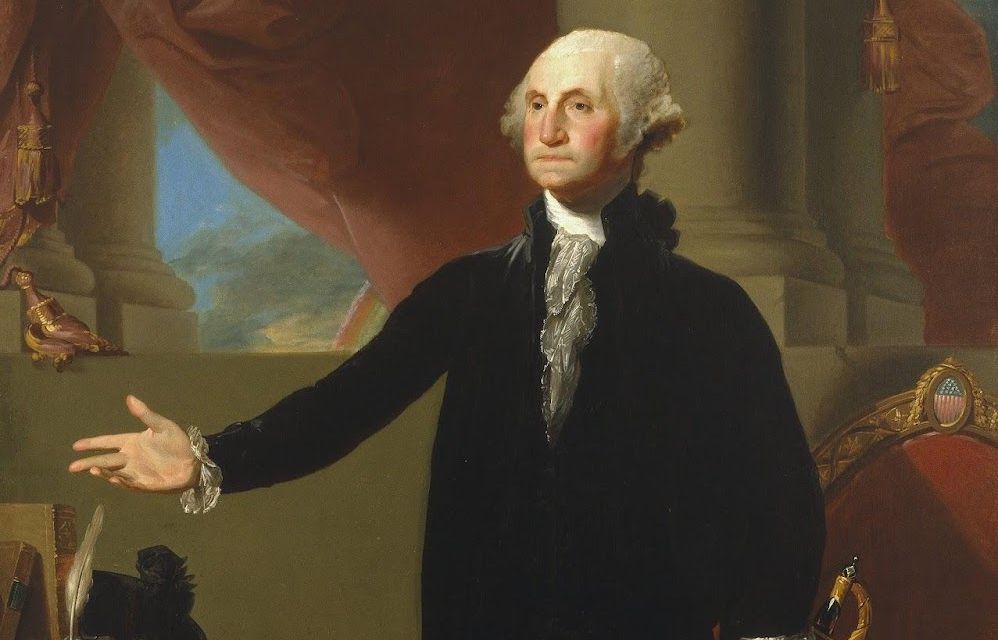
Gilbert Stuart created what is perhaps the most famous portrait of George Washington. Painted in 1796, this work helped define the image of the first US president throughout history. Although Stuart never completed the painting during his lifetime, it became the basis for many other depictions of Washington, including the image on the $1 bill.

9
Freedom from Want (1943) - Norman Rockwell

Image: Hennepin County Library, Public domain, via Wikimedia Commons

You've probably come across this painting more than once. Inspired by President Franklin D. Roosevelt's 1941 speech on fundamental human rights, Norman Rockwell created his Four Freedoms series. Among the four paintings, "Freedom from Want" (1943) stands out as an icon of American values from the time of its debut to this day.

10
No. 61 (Rust and Blue) (1953) - Mark Rothko

Image: Steve Johnson

Color Field painting wouldn't be what it is today without the groundbreaking work of American artist Mark Rothko, who, along with Barnett Newman and Clyfford Still, helped pioneer the movement. Rothko insisted that his paintings should be displayed and observed in dim lighting, as his use of color fields aims to evoke deep emotional responses in viewers.

Explore more American facts

Choose your favorite category!

General
General

As American as apple pie—the very best America has to offer!

Culture
Culture

Delve into the astounding richness of American lore.

Geography
Geography

Hop in and explore vast and diverse American landscapes.

History
History

Discover the key moments that shaped the United States.