Culture Culture 4 min read

Play ball!

From Babe Ruth to Joe DiMaggio, discover these 10 baseball legends!
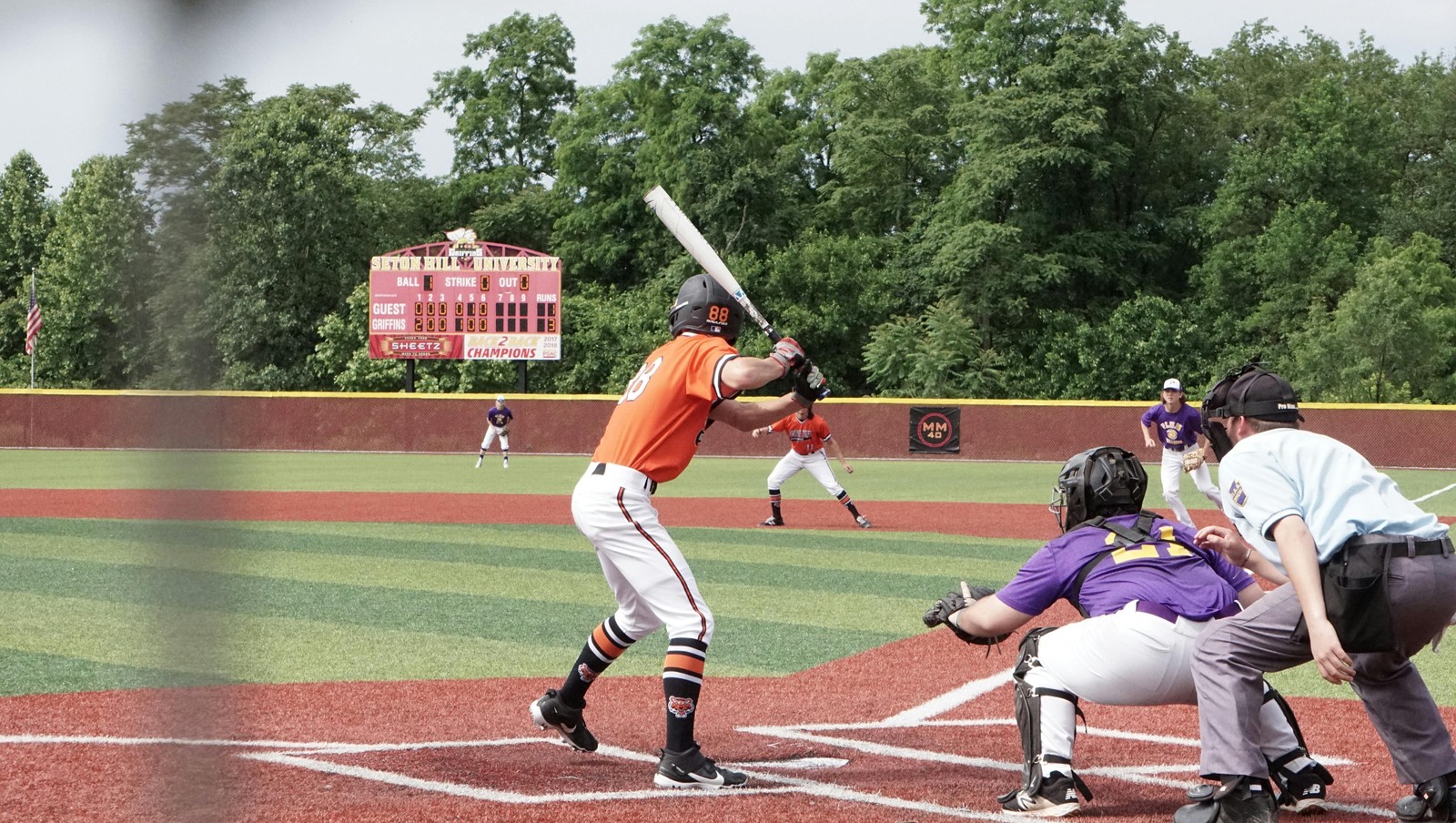
Image: Mark Milbert / Ben Hershey

There’s a reason baseball is known as ** America’s pastime **—it’s more than just a sport. From its endless excitement to its rich traditions, baseball has shaped American culture for over two centuries. But what makes baseball so special? While we can’t fully answer such a big question in this short article, we’ll do our best by highlighting 10 of the most remarkable players, moments, and fun facts this beloved sport has to offer. So sit back, enjoy, and discover these 10 amazing aspects of baseball. Play ball!

1
Babe Ruth
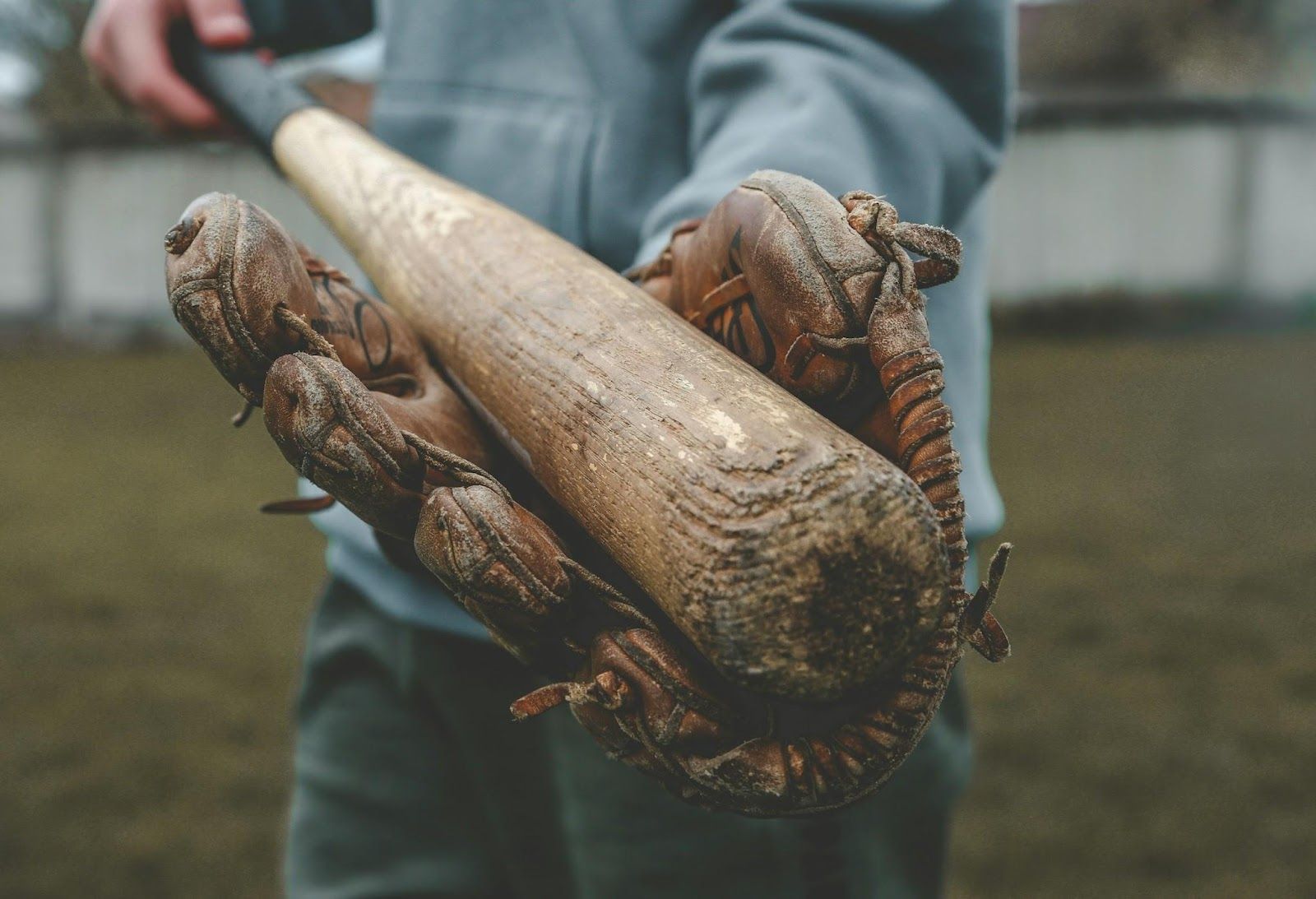
Image: Diana Polekhina

Who better to start this article than The Sultan of Swat himself? Babe Ruth is the closest thing to baseball royalty, arguably the most famous player in American history. Born George Herman Ruth in 1895, he showcased his talent early on: By 19, he had signed with the Baltimore Orioles but was soon sold to the Red Sox. However, it was after joining the New York Yankees that the Bambino truly made his mark, becoming what many consider the greatest baseball player of all time .

2
The Curse of the Bambino
Image: Steshka Willems

Remember when we mentioned that the Red Sox sold Babe Ruth to the New York Yankees ? We forgot to highlight a rather infamous detail: For many fans, this transaction sealed the fate of the Boston-based team, subjecting them to an 86-year championship drought known as The Curse of the Bambino . According to believers, the controversial sale doomed the Red Sox , who had won five of the first fifteen World Series before Ruth’s departure. Fortunately, the team finally broke the curse in 2004 by defeating the St. Louis Cardinals.

3
Mickey Mantle
Image: Brandon Mowinkel

When Mickey Charles Mantle was a child in Spavinaw, Oklahoma, he likely had no idea he would one day earn some of the most colorful nicknames in baseball history , including The Commerce Comet or simply The Mick . Few players have ever lived up to such titles as Mantle did. To this day, he is considered one of the greatest sluggers of all time, winning the American League MVP award three times and earning his place in the Baseball Hall of Fame in 1974.

4
Reggie Jackson
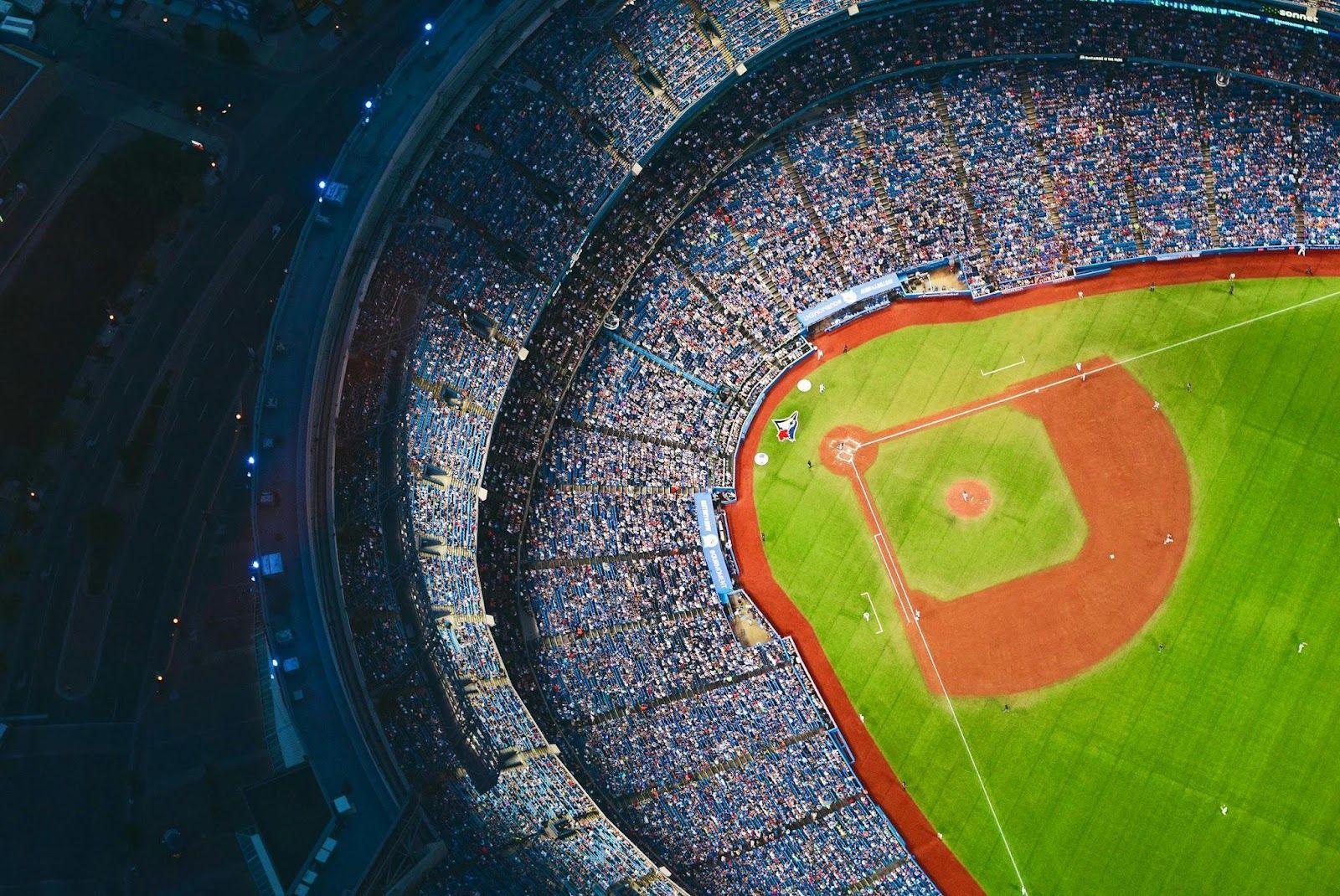
Image: Tim Gouw

eginald Martinez Jackson, better known as Reggie Jackson —or by his iconic nickname, _Mr. October_—is considered baseball royalty. Not only did he help four of the greatest teams in Major League Baseball secure multiple championships, but he also hit an impressive 563 career home runs over 21 seasons in Major League Baseball. Along the way, he earned 14 All-Star selections and won the American League MVP award in 1973. Today, Jackson serves as a special advisor to the Houston Astros, a team he helped win the 2022 World Series.

5
Have it in the bag
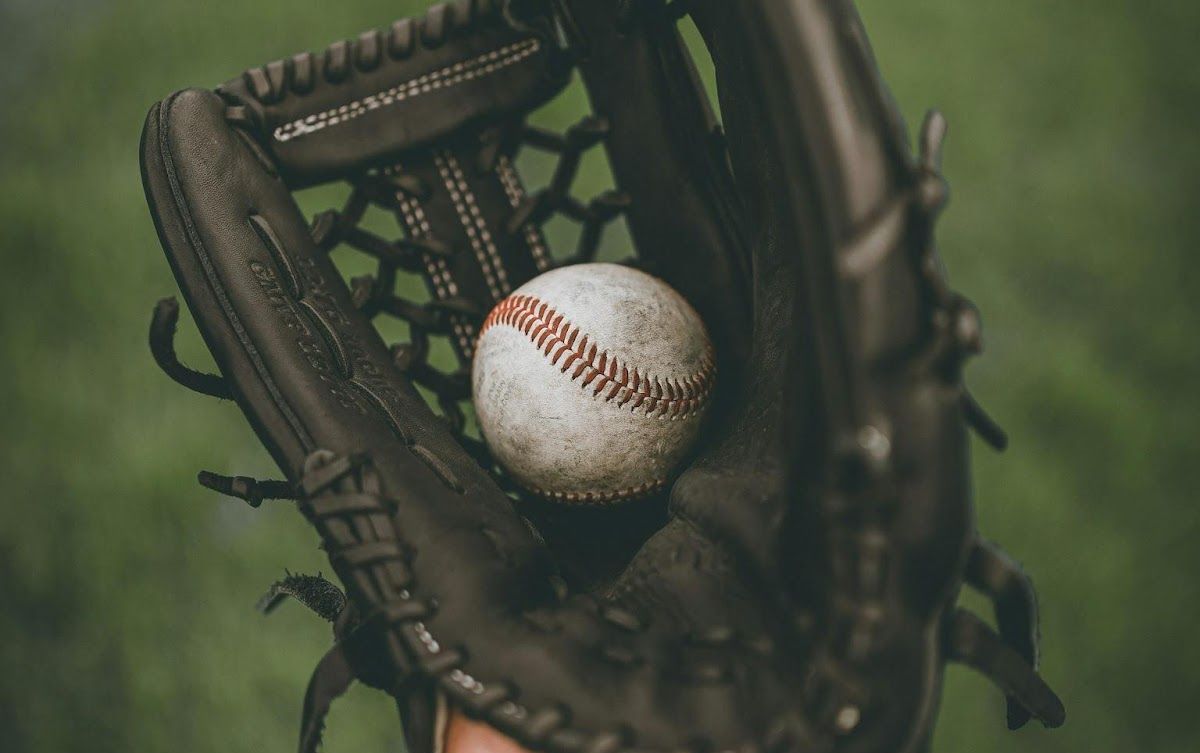
Image: benjamin hershey

Did you know that one of the most famous American idioms comes from baseball? To have something in the bag means being completely confident in achieving victory or a desired result. Interestingly, this phrase originates from a superstition held by the New York Giants in the 1910s. According to this ritual, if the Giants were leading late in the game, they would carry their equipment bag off the field, believing it would secure their victory.

6
Teddy Williams
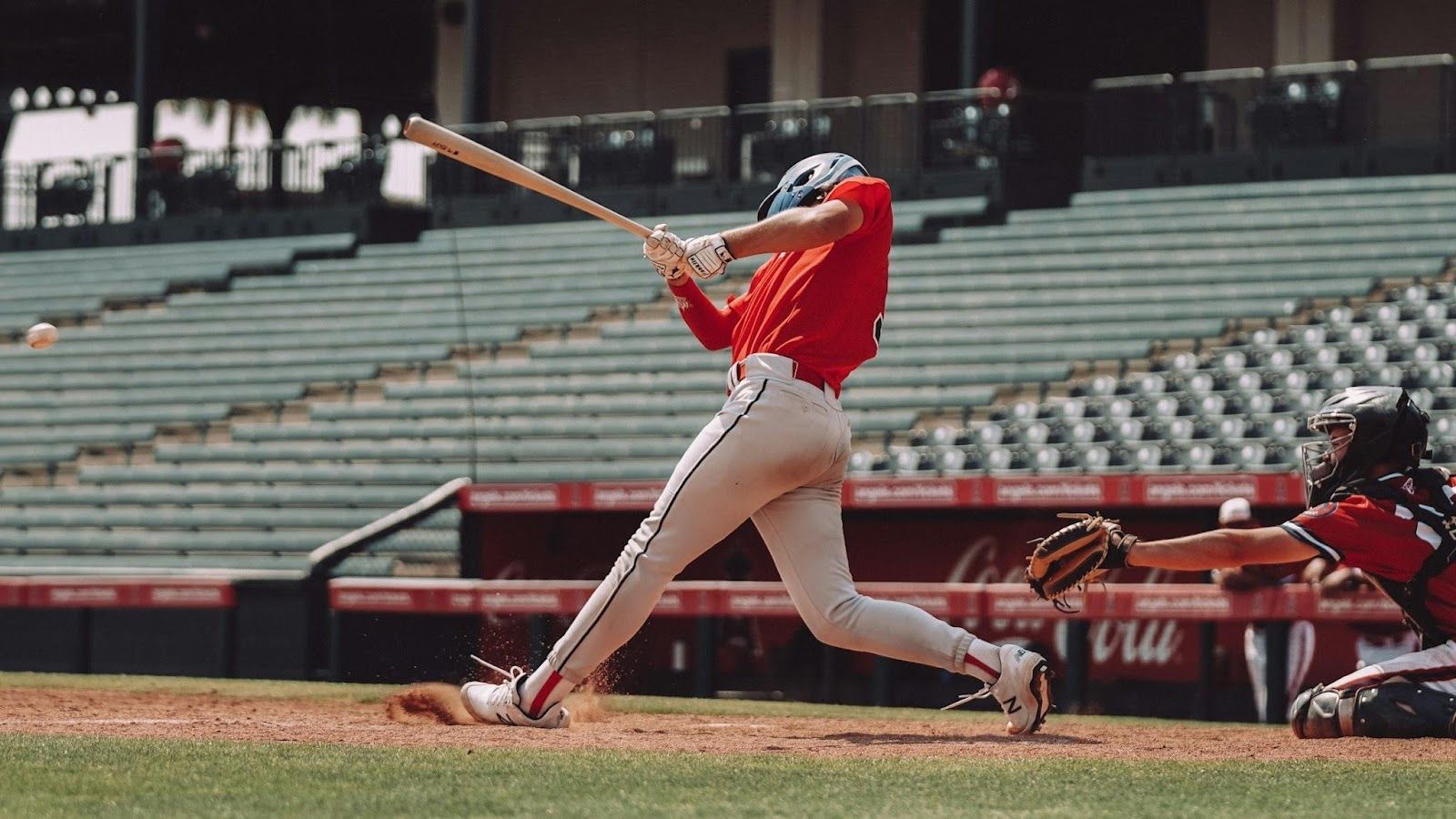
Image: Josh Hemsley

Ted Williams’s greatness shouldn’t be recognized only in the world of baseball. Not that his career was anything short of formidable— Teddy Ballgame is still considered one of the greatest hitters of all time and was inducted into the Baseball Hall of Fame in 1966 . However, Williams also holds the honor of being a World War II veteran , bravely serving his country and inspiring thousands of American soldiers deployed overseas.

7
Willie Mays
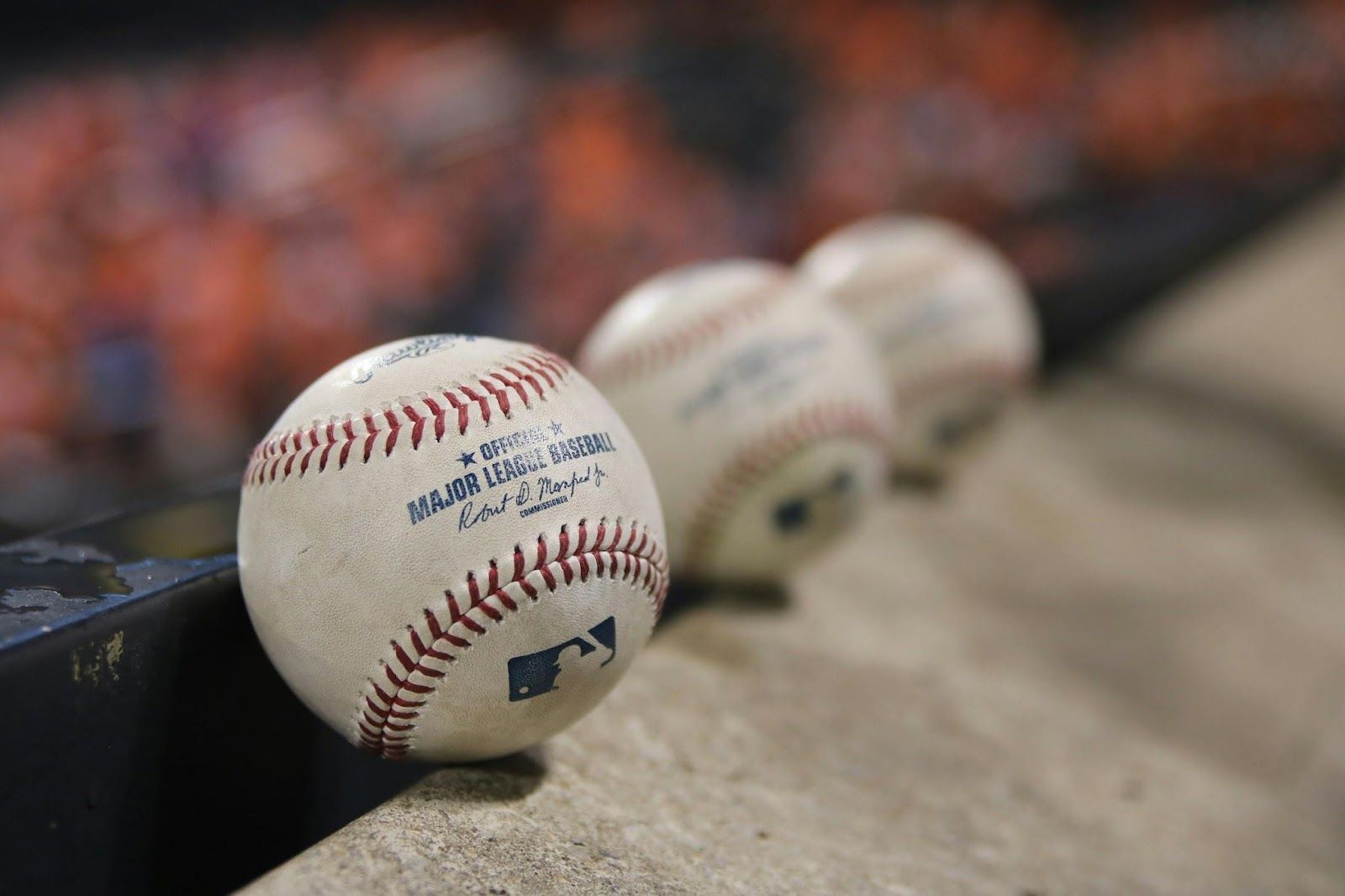
Image: Lesly Juarez

If you happen to visit Queens , you’ll see that this NYC borough still reveres the name Willie Mays . During the height of his career, Mays could often be found engaged in a friendly game of stickball with neighborhood kids. Beyond his kindness, Mays was also a legendary player, and his famous over-the-shoulder catch during the 1954 World Series is still considered one of the greatest plays of all time.

8
Joe DiMaggio
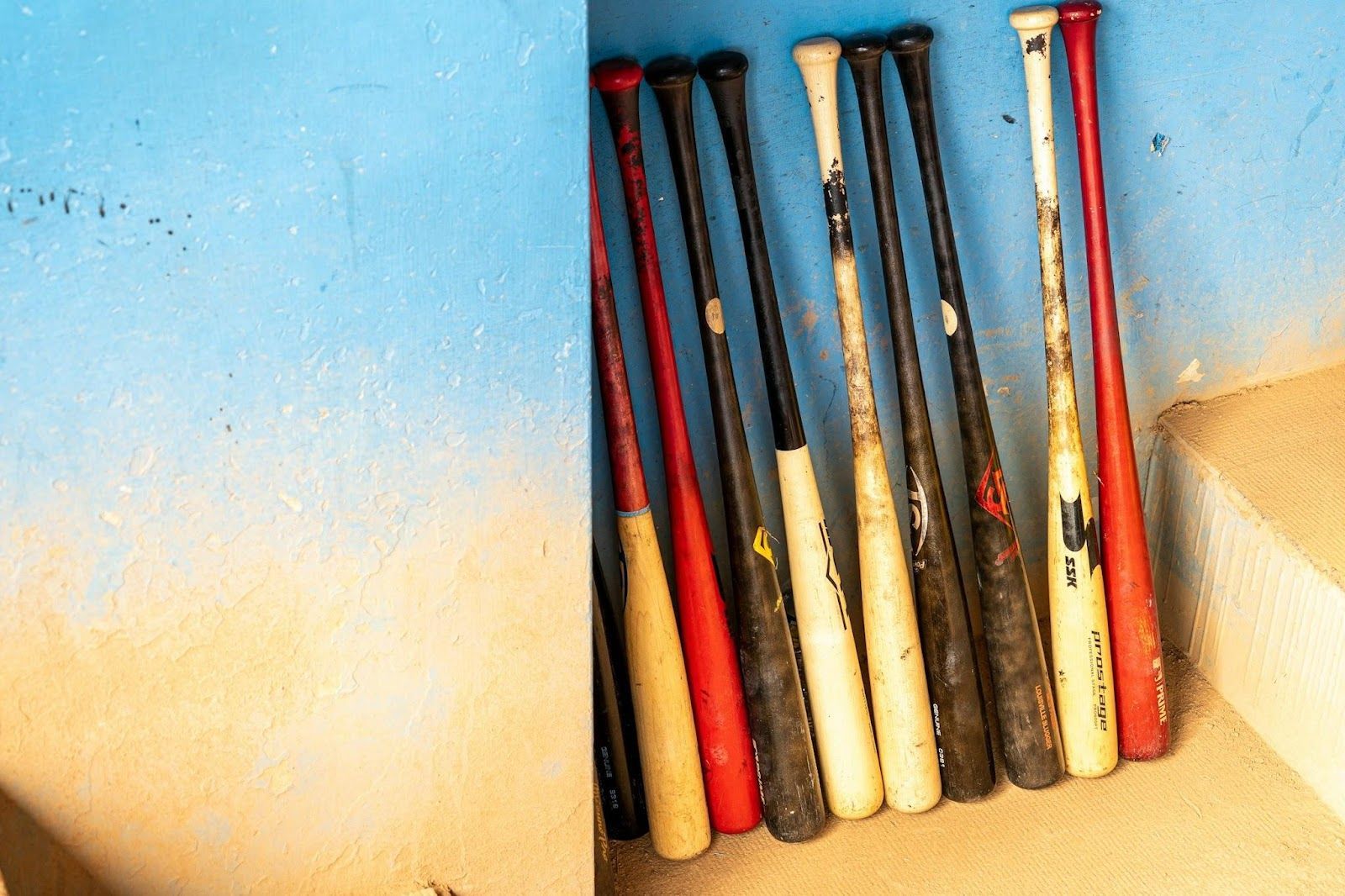
Image: Winston Chen

Joe DiMaggio’s life has been the subject of many documentaries and books , cementing his status as a pop culture icon. Just think of all the songs that reference this legendary player, from Simon & Garfunkel’s "Mrs. Robinson" to Madonna’s "Vogue." In fact, his colorful life often overshadows his baseball prowess—a remarkable feat, considering DiMaggio’s career is one of the most successful in the sport’s history. Joe led the New York Yankees to 10 American League pennants and 9 World Series championships , a record surpassed only by fellow Yankee Yogi Berra.

Speaking of…

9
Yogi Berra
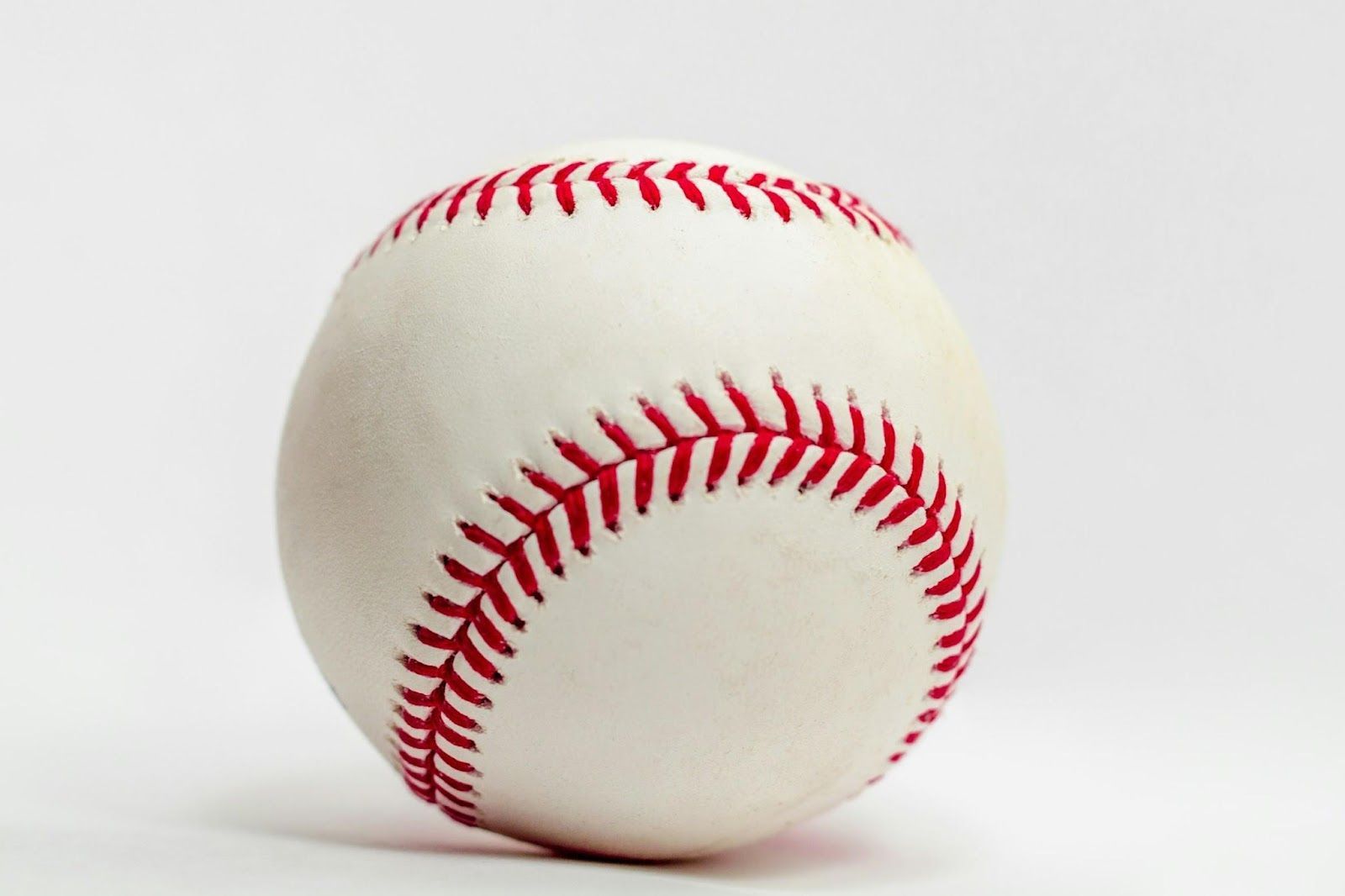
Image: Chris Briggs

Lawrence Peter "Yogi" Berra played 18 of his 19 MLB seasons with the New York Yankees , a team that still considers him one of the greatest players to ever wear the pinstripes. Inducted into the Baseball Hall of Fame in 1972, Yogi's exceptional skills as a catcher cemented his place in baseball history. But beyond his athletic prowess, he is also remembered for his unique way with words, famously coining phrases like, "It ain't over 'til it's over."

10
Hank Aaron
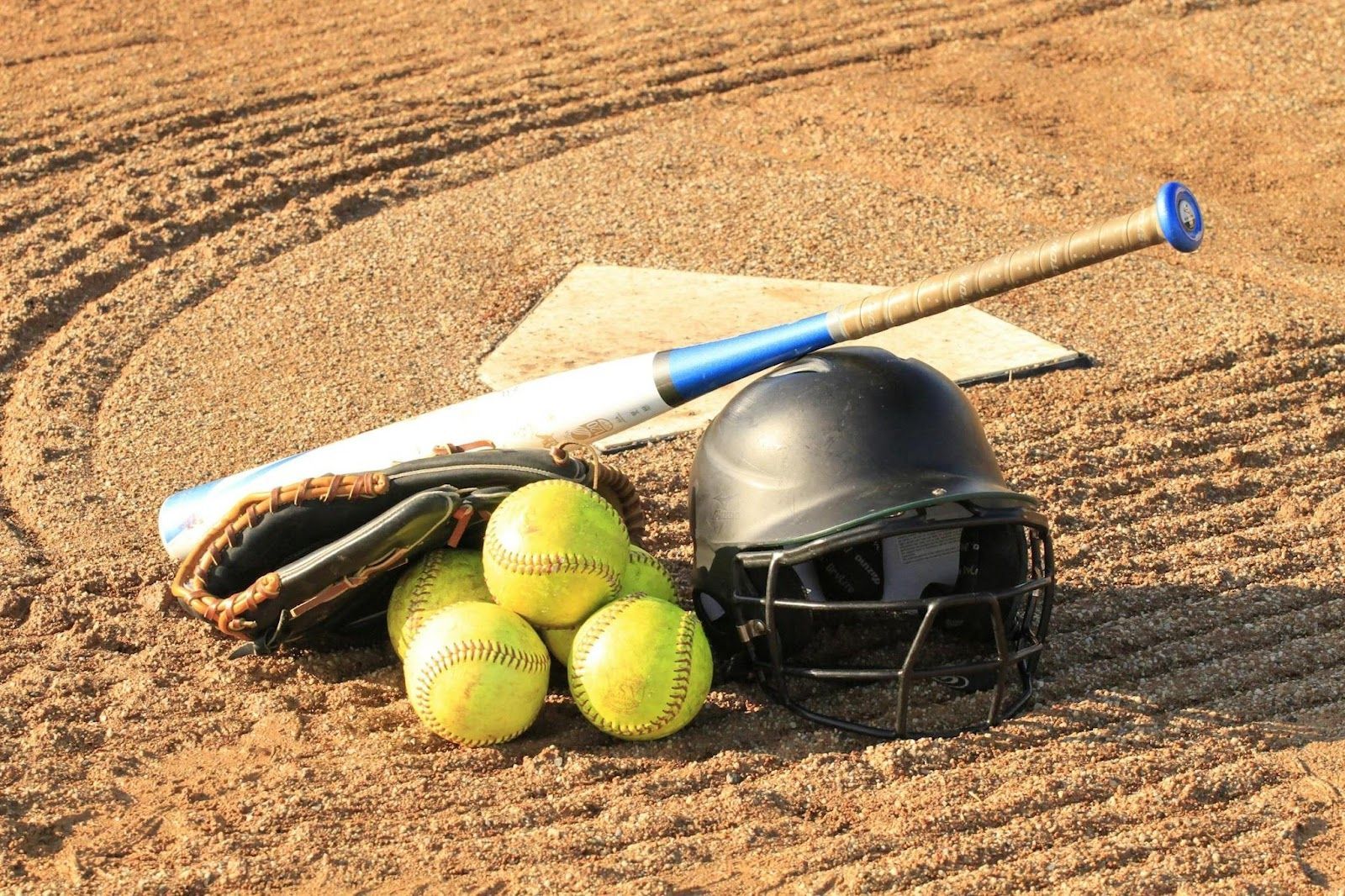
Image: Pixabay

Known by his nicknames Hammer and Hammerin’ Hank , right fielder Hank Aaron spent his legendary career representing the city of Milwaukee , first with the Milwaukee Braves (before their move to Atlanta) and later with the Milwaukee Brewers. Aaron accomplished what many thought was impossible when he broke Babe Ruth’s career home run record , a title he held for 33 years until 2007.
History History 4 min read

What’s in a name?

Would you have used "BackRub" daily? The original names of popular brands

Image: Iulia Buta

Which name do you like better for the world’s biggest search engine: Google or BackRub? Believe it or not, a lot of people were supporting the latter at some point. It’s hard to imagine a world where "BackRubbing" information is a daily habit! Here, we go over the original names of very famous brands and explore why they didn't stick. Do you wish any of them had been used?

1
BackRub

Image: Deepanker Verma

Before it became the verb we all use today, Google was known as BackRub. The name referred to the search engine’s ability to analyze backlinks (links from one webpage to another) as a way to rank search results.

But it sounded more like a massage parlor than a tech startup. In 1997, they wisely rebranded to Google, a twist on "googol," the term for the number 1 followed by 100 zeros.

2
Brad’s Drink

Image: NIKHIL

It was going to carry around the nickname of its creator forever. Caleb Bradham was a pharmacist in New Bern, North Carolina. He invented a drink back in 1893 as a refreshing, energizing tonic for digestion, which included pepsin , a digestive enzyme.

A few years later, Brad decided on a more marketable name than his own : Pepsi-Cola.

3
Taco-Tia

Image: Jeswin Thomas

Glen Bell owned Bell’s Drive-In, a stand selling hot dogs, when he noticed long lines outside a Mexican restaurant. He decided he needed to learn how to make tacos.

Over a few years, he refined his concept and opened a new chain selling Mexican food, which received several names over time, including Taco-Tia. Eventually, he landed on Taco Bell. It was conveniently Americanized , easy for mainstream customers to remember and pronounce, and suggested a memorable logo.

4
Sound of Music

Image: Josip Ivankovic

At first, this mega-electronics retailer was all about stereos. Founded in the 60s, Sound of Music specialized in home audio equipment. But after a tornado wrecked their main store in the 80s, they ran a massive clearance sale and told people they would get their "best buy" there.

By the end of the day, they had pretty much sold out. The sale was such a hit that, in 1983, they decided to rebrand entirely as "Best Buy".

5
Tote’m Stores

Image: Piccinng

Once upon a time, you didn’t pop into a 7-Eleven—you got your goods home from Tote’m Stores. The chain got its original name because customers "toted" their purchases.

In 1946, to highlight their revolutionary new hours (7 a.m. to 11 p.m.—wild for the time), they wisely rebranded as "7-Eleven."

6
Blue Ribbon Sports

Image: NEXT Distro

If it had been called "Blue Ribbon Sports," there would probably not be a swoosh . This company began as a distributor for Japan’s Onitsuka Tiger running shoes.

But in the 70s, as they launched their own footwear line, they realized they needed a brand with more bite. They chose "Nike," after the Greek goddess of victory. The swoosh logo was designed that same year for just $35.

7
AuctionWeb

Image: appshunter.io

The original name was straightforward, but also boring. eBay's original incarnation was AuctionWeb, launched in 1995 by Pierre Omidyar as a side project under his larger personal domain, eBay.com (which stood for his consulting firm Echo Bay Technology Group ). When he found that the domain echobay.com was already taken by a mining company, he settled on ebay.com. Later, as the online auction section became wildly successful, Omidyar dropped AuctionWeb entirely and adopted eBay as the company name.

8
Pequod

Image: Gema Saputera

The founders of this coffee shop were inspired by Herman Melville’s Moby-Dick. They wanted the quality of the coffee to be connected with seafaring and adventure . So, their first choice was "Pequod," the name of Captain Ahab’s doomed whaling ship.

That name didn’t have enough of a punch, however, so they decided to go for a wink at another character in the same book, with a much more marketable sound: Starbucks.

9
Pete’s Super Submarines

Image: Mustafa Fatemi

It was the 60s when 17-year-old Fred DeLuca opened a sandwich shop in Connecticut with financial help from a family friend: Dr. Peter Buck. In his honor, DeLuca named it "Pete’s Super Submarines."

The business grew, however, and the name was a bit of a mouthful. They needed a name that was shorter, catchier, and easier to advertise on the radio. They rebranded as "Subway," winking both at their food (subs) and the fast, urban lifestyle they hoped to serve.

10
Cadabra

Image: ANIRUDH

Too spooky, right? Amazon nearly had a name that conjured magic tricks. In 1994, Jeff Bezos registered the name "Cadabra," short for abracadabra . That lasted until someone pointed out how much like "cadaver" the name sounded.

Bezos then considered "Amazon," the name of the immense river. Not only did it suggest something vast, exotic, and full of potential, but it also placed the brand at the top of alphabetical listings —an old-school SEO move.

General General 4 min read

Which one are you?

Beatniks, hippies, yuppies, and beyond: 10 subcultures decoded

Image: Cottonbro Studio

Unlike generations, which can be easily grouped by years, social labels attached to groups of people with similar interests are not as rigid. Their boundaries blur into each other, and intersections appear. Aesthetic reasons, like music and clothing, bind some of these groups, philosophical reasons bring together others, and some, like hipsters, don’t even recognize themselves as such. Do you recognize yourself as a member of one of the following subcultures?

1
Bohemians

Image: Kinga Howard

Bohemianism, an original subculture that ended up lending its name as an adjective often used to describe other subcultures, is a social and cultural movement that embraces a way of life away from society's conventional norms and expectations . The term comes from the French bohème , and it was used to describe mid-19th-century non-traditional lifestyles, especially those of artists, writers, journalists, musicians, and actors.

Today, the term is used to describe anyone who shows disdain for money, dresses in hippie fashion (more on this later), and appreciates everything art-related.

2
Greasers

Image: Alberto Bigoni

Think John Travolta in _Grease_—yes, Grease . Think Biff Tannen in the 1950s segment of Back to the Future . Greasers emerged in the 1950s and early 1960s from predominantly working-class and lower-class teenagers and young adults in the United States and Canada.

An interest in cars, motorcycles, leather jackets, jeans, and rock music was the common theme among greasers. According to some sources, the subculture’s name was applied to its members partly because of their characteristic greased-back hair.

3
Beatniks

Image: Clem Onojeghuo

The first subculture on this list to adopt the adjective "bohemian," beatniks were a mid-20th-century social movement that embraced an anti-materialistic lifestyle, rejecting consumerism and expressing themselves through art, spirituality, drugs, and sexuality.

The term "beat" was first used by Jack Kerouac in 1948 to describe his group of friends and fellow writers, including Allen Ginsberg, William S. Burroughs, and Neal Cassady. Kerouac said that "beat" had multiple meanings, such as "beaten down," "beatific," "beat up," and "beat out." Beatniks are often stereotyped as wearing black clothing, and speaking in hip slang that incorporates words like "cool," "dig," "groovy," and "square."

4
Hippies

Image: Trevar Skillicorn-Chilver

One of the most famous countercultures of all time, hippies are deeply associated with the 1960s. The term "hippie" originally came from "hipster" (more on this later) and was used to describe the aforementioned Beatniks, who were "hip" to all things sophisticated and fashionable. In fact, early hippies adopted much of the language and values of the Beat Generation.

The festivals of Human Be-In (1967), Monterey (1967), and Woodstock (1969) popularized hippie culture, with its fashion and values influencing culture, popular music, television, film, literature, and the arts. Since the 1960s, mainstream society has assimilated many aspects of Hippie culture.

5
Mods

Image: Michael Schofield

The Mods were a group of stylish, London-based young men and women in the late 1950s, named for their preference for modern jazz. This subculture was known for its distinctive fashion, including tailor-made suits, as well as its love for music and scooters.

By the mid-1960s, their musical tastes had shifted toward rock and blues, with bands like The Who and Small Faces gaining popularity among Mods. Mod fashion was a defining element of the "Swinging London" era, and during this time, the subculture spread to other countries, becoming emblematic of the larger youth culture of the period.

6
Punks

Image: Viktor Forgacs

Another popular subculture, thanks in no small part to its striking visual component, is the punk movement, which encompasses music, fashion, ideologies, dance, film, and visual arts, among other forms of expression. Its strong anti-establishment views, stances on individual freedom, and DIY ethic make punks easy to identify.

Punk fashion includes T-shirts, leather jackets, boots, distinctive hairstyles such as brightly colored hair and spiked mohawks, as well as cosmetics, tattoos, jewelry, and even body modification.

7
Yuppies

Image: Nick Fewings

Anyone who has seen the movies Wall Street (the one with Charlie Sheen and Michael Douglas) or American Psycho knows what a yuppie is. The term stands for "young urban professional" and was coined in the early 1980s as a way to describe young professionals living in a city.

Those labeled as yuppies generally dislike the association, because this characterization often suggests a very materialistic approach to life in general and a cutthroat attitude towards the workplace environment.

8
Skaters

Image: Parker Gibbons

An offshoot of the punk subculture, skater culture rose to prominence in the 1980s when a massive drought in California left numerous empty pools, which skaters used to practice their sport. The rise of magazines like Thrasher and stars like Tony Hawk helped the movement transition from an underground scene to a mainstream sport.

Its aesthetics centered around the preferred type of clothes for skateboarding: baggy and sturdy pants, sneakers, and oversized shirts. Its music was shared by the punk and hardcore movements.

9
Straight Edge

Image: Evgeniy Smersh

Going deeper down the rabbit hole, we encounter the Straight Edge subculture, an offshoot of both skater and hardcore punk cultures. Its followers reject the excesses of the punk scene by abstaining from alcohol, tobacco, and recreational drugs . Many also refrain from casual sex, follow a vegetarian or vegan diet, and avoid caffeine or prescription drugs. The name "Straight Edge" was inspired by the 1981 song "Straight Edge" by the hardcore punk band Minor Threat.

Overall, Straight Edge culture promotes a lifestyle of self-discipline, health, and community, and it continues to evolve while maintaining its roots in the hardcore punk scene.

10
Hipsters

Image: John Fornander

The final entry on the list is dedicated to the most modern subculture in it: the hipsters. Mostly associated with perceived upper-middle-class white young adults who gentrify urban areas , hipster culture has been critiqued for lacking authenticity and focusing on consumption.

As mentioned earlier, members of this subculture typically do not self-identify as hipsters, as the term’s connotations are often unflattering. It is no coincidence that the term evokes the previously mentioned Beatniks, as that subculture can be seen as an early precursor to hipster culture.

Explore more American facts

Choose your favorite category!

General
General

As American as apple pie—the very best America has to offer!

Culture
Culture

Delve into the astounding richness of American lore.

Geography
Geography

Hop in and explore vast and diverse American landscapes.

History
History

Discover the key moments that shaped the United States.