Culture Culture 4 min read

One role, lasting fame

Forever famous: 10 actors we'll always link to a single role
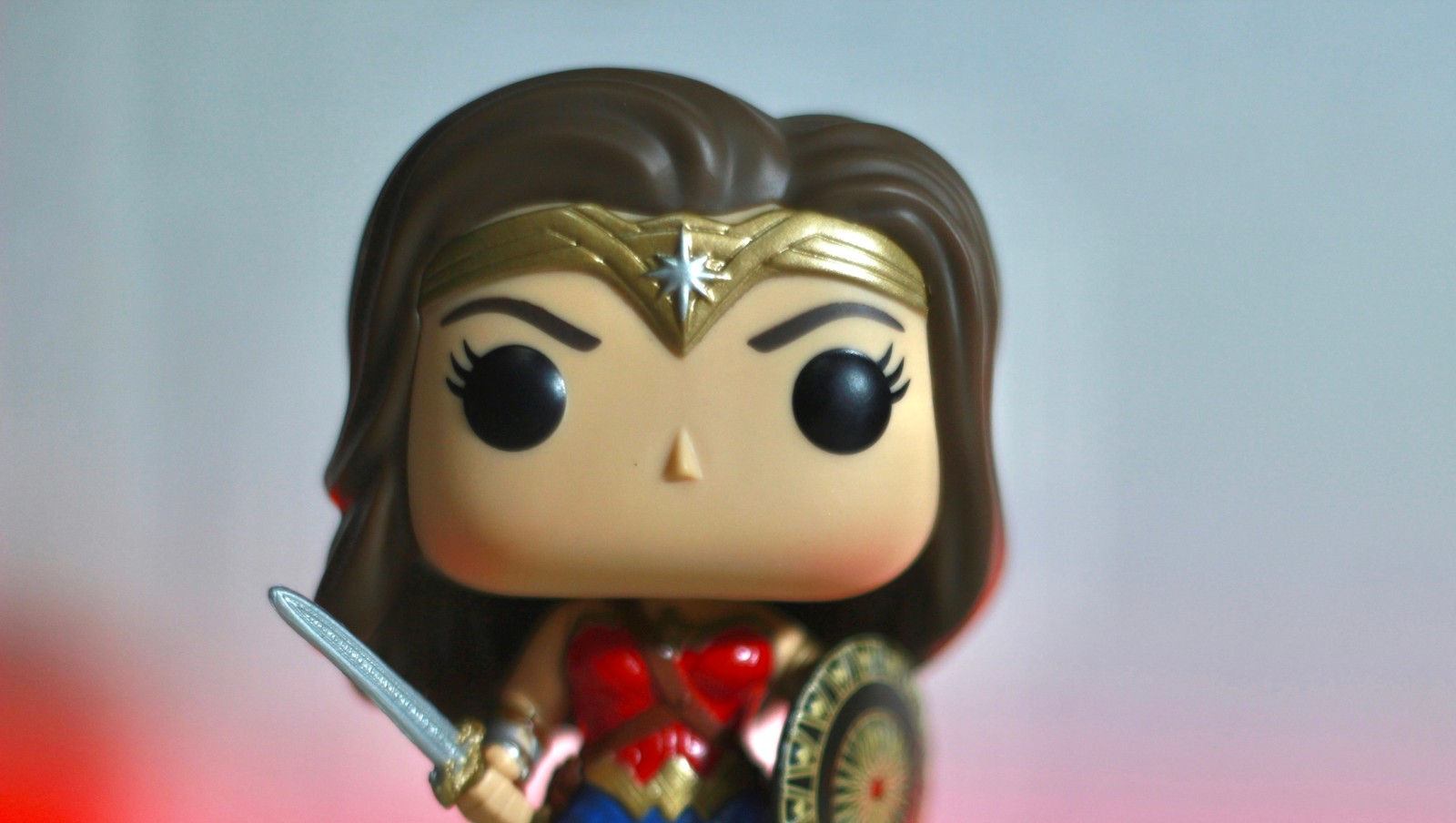
Image: Josué Reyes

Some characters stay with us forever, and so do the faces that brought them to life. Thanks to TV and movies, these 10 talented actors and actresses became forever linked to the roles that made them famous or defined their careers. Remember Sigourney Weaver as Ellen Ripley in Alien or Al Pacino as Michael Corleone in The Godfather ? Of course you do! So, let's revisit those performances and 8 other iconic roles that we'll never forget!

1
Sigourney Weaver – Ellen Ripley

Image: Олег Мороз

If someone mentions Sigourney Weaver, one character instantly comes to mind: Ellen Ripley. Weaver first played her in Alien (1979) and then returned for three sequels in 1986, 1992, and 1997. Her performance was groundbreaking, redefining female roles in action films. And while Weaver has had many other great roles, none have matched the legendary status of Ripley.

2
Anthony Hopkins – Hannibal Lecter
Image: Josh Mackey

Although Anthony Hopkins has an extensive and varied filmography, one role stands out above all others: the chilling Hannibal Lecter, one of the most iconic villains in movie history. Hopkins first portrayed him in The Silence of the Lambs (1991), alongside the brilliant Jodie Foster. He later returned to the role in Hannibal (2001) and Red Dragon (2002).

3
Julie Andrews – Mary Poppins

Image: Guillaume de Germain

We'll always love Julie Andrews for bringing the magical Mary Poppins to life in the 1964 Disney classic. Believe it or not, that was her very first film, and it earned her an Academy Award for Best Actress! Just a year later, she captivated audiences again in The Sound of Music , but Mary Poppins remains the role most closely tied to her charming persona.

4
Al Pacino – Michael Corleone
Image: Tibor Pinter

Al Pacino first appeared as Michael Corleone in The Godfather (1972) and returned for the sequels in 1974 and 1990. His powerful performance turned Michael into one of the most iconic characters in film history. To this day, it's almost impossible not to think of Pacino as the unforgettable and complex successor to Don Corleone.

5
Marlon Brando – Don Vito Corleone
Image: Maximilian Kopsch

When it comes to exceptional characters, we can't leave out Don Vito Corleone, brought to life by the legendary Marlon Brando in The Godfather (1972). This role was so iconic that it redefined the image of the gangster on screen. When we picture Brando, we often imagine him wearing the prosthetics he used to portray the mob boss. The performance earned him an Academy Award for Best Actor, which he famously declined in protest of Hollywood's treatment of Native Americans.

6
John Travolta – Tony Manero
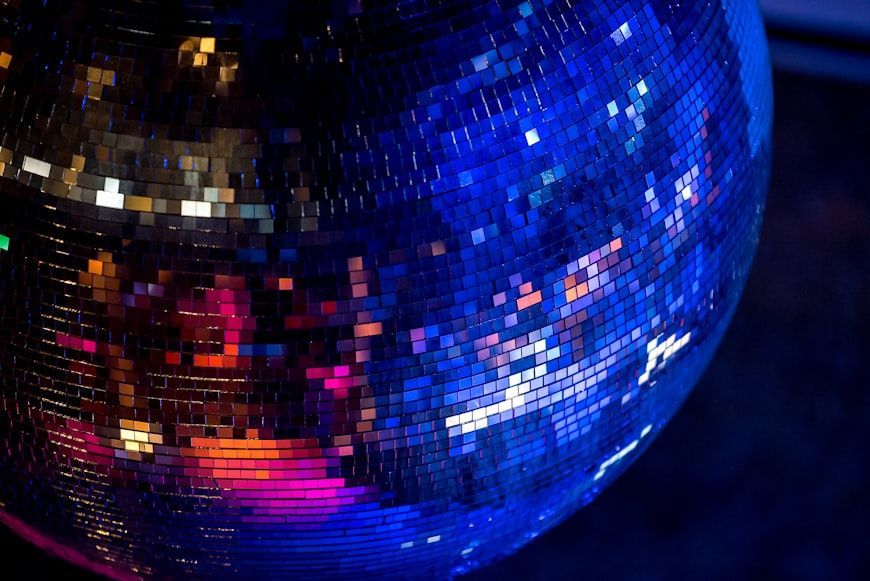
Image: Paul Zoetemeijer

Although John Travolta has played many roles throughout his career, the one that defined him was the unique Tony Manero in Saturday Night Fever (1977). From the moment he appeared on screen in that white suit nearly 50 years ago, Travolta became forever linked to the disco king who ruled the dance floor and captured countless hearts along the way.

7
Lynda Carter – Wonder Woman
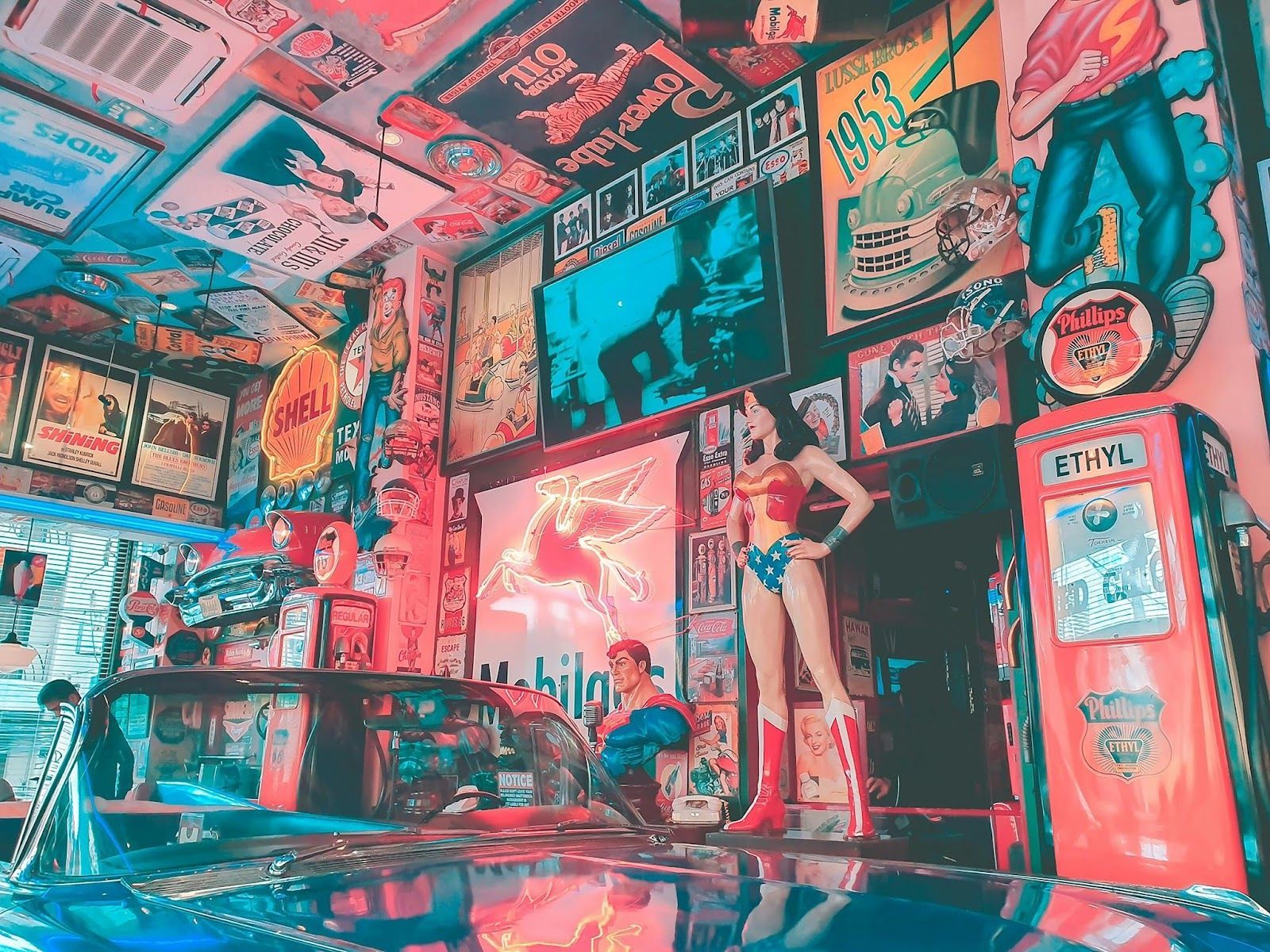
Image: Dale de Vera

From 1975 to 1979, Lynda Carter brought Wonder Woman to life in a way that left a lasting mark on television. Her performance was so memorable that it defined the character for an entire generation. For many of us, Lynda Carter is Wonder Woman, and it's hard to imagine anyone else filling those iconic boots.

8
Tom Hanks – Forrest Gump
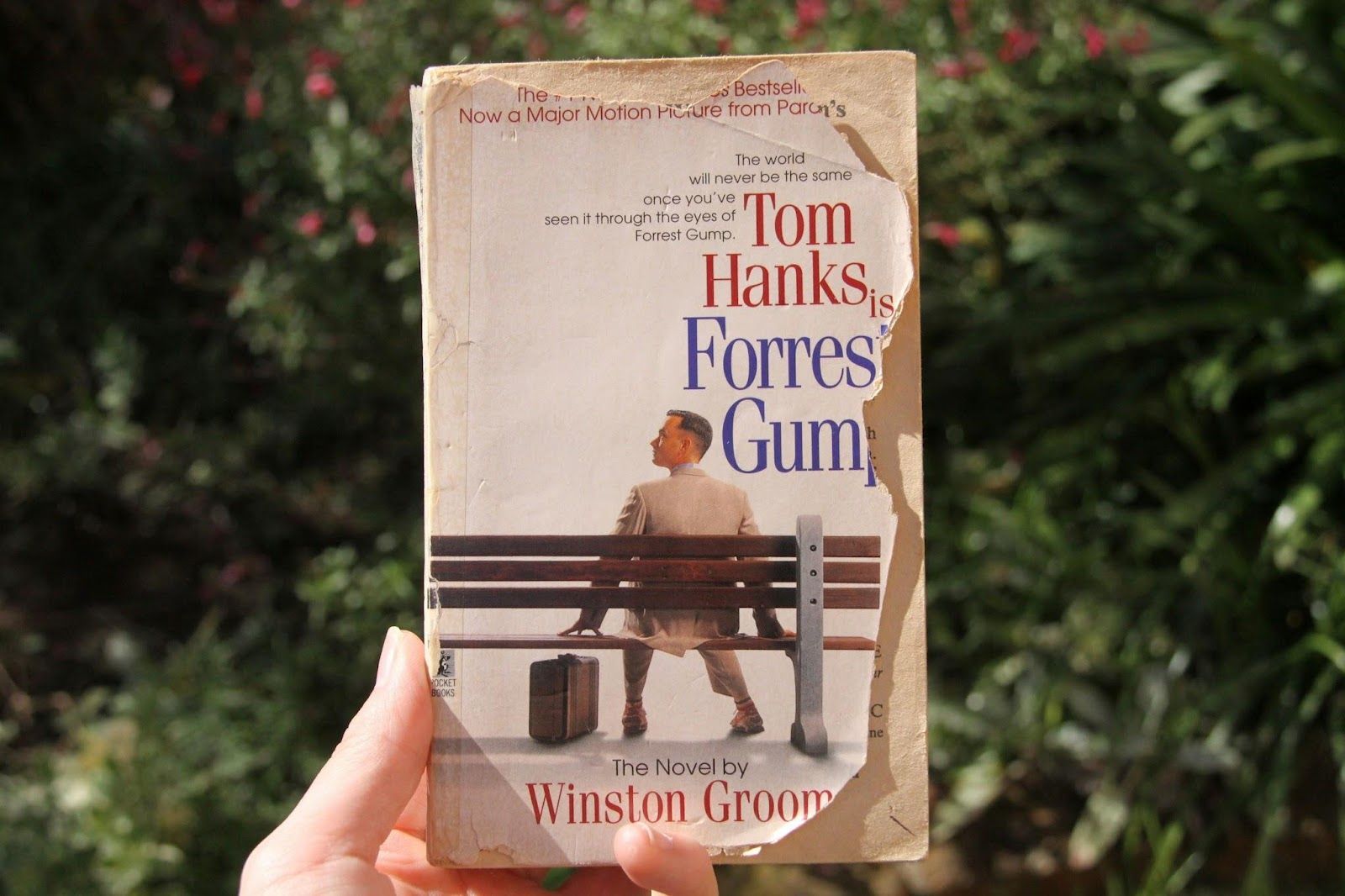
Image: Yosuke Ota

If there's one thing our generation knows well, it's that "life is like a box of chocolates." That memorable line comes from Forrest Gump , played by Tom Hanks in 1994. With his big heart, kindness, and unexpected wisdom, Forrest won over audiences everywhere. The impact of the character was so powerful that it not only cemented Hanks’ status as a leading actor but also forever linked his image to the role.

9
Harrison Ford – Indiana Jones

Image: Intricate Explorer

If there's one actor forever tied to Indiana Jones , it’s Harrison Ford. He first took on the role in Raiders of the Lost Ark (1981), and then embodied the archaeologist again in sequels released in 1984, 1989, 2008, and 2023. With his iconic fedora and whip, Ford made the character unforgettable, so much so that it's hard to imagine anyone else bringing him to life.

10
Sylvester Stallone – Rocky Balboa
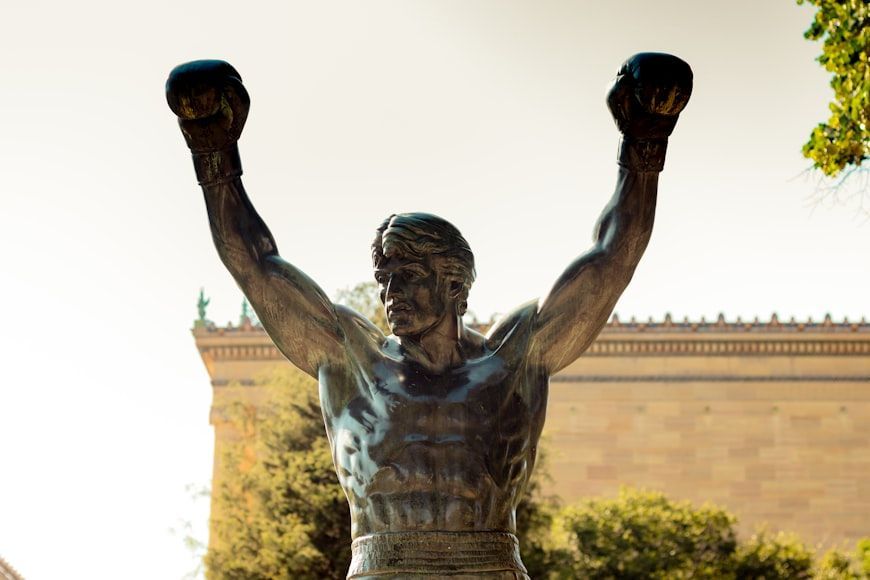
Image: Luisa Frassier

Although some producers wanted to cast another actor, Sylvester Stallone refused to let anyone else bring the story of Rocky Balboa to the screen. As we know, Stallone wrote the script with the intention of playing the role himself, and thank goodness he did! It's hard to imagine anyone else portraying the iconic boxer the way he did. And we're not the only ones who think so; the Academy clearly agreed, as Rocky (1976) earned ten Oscar nominations.

History History 6 min read

Lights, camera, action!

Where does the word "Hollywood" come from? 10 glamorous secrets revealed

Image: MaxWdhs

Hollywood is, for many, the birthplace of cinema—and in a way, it is. But do you know how the first studios were set up, what the first film shot entirely on the West Coast was, the true story behind the famous Hollywood sign, or the reason for its name? Read on to discover 10 hidden secrets about the most famous—and glamorous—district of Los Angeles!

1
Origin of the name

Image: Brady Bellini

Contrary to what you might think, the name "Hollywood" has nothing to do with the film industry. The origin of the name of the city that would later become the Mecca of cinema is surrounded by many myths. One comes from the personal diary of a real estate developer named H. J. Whitley. Whitley recounts encountering an Asian man carrying logs on a dolly. When asked about it, the man reportedly replied, "hauling wood," which, to Whitley, sounded something like "holly-wood."

As colorful as this story may be, it is unlikely to be true. The legend that likely comes closest to reality involves Harvey Henderson Wilcox and his wife, Daeida, who purchased 120 acres of land west of Los Angeles. According to different theories, Daeida may have overheard the word on a train or picked it up from the estate name of an acquaintance from Illinois. Whatever the case, since the name was first written on Wilcox's 1887 land deed, it seems plausible that Daeida was the one responsible for naming the area.

2
Movie theaters were prohibited

Image: Arthur Rothstein, Public domain, via Wikimedia Commons

H. J. Whitley may not have christened the area, but he did a lot to promote its development. He invested heavily in installing electricity, built the Hollywood Hotel to attract land buyers, and developed the residential neighborhood of Whitley Heights. The area began to flourish, and by the early 20th century, the new municipality boasted a post office, a local newspaper, and two markets.

The inhabitants of Hollywood, by majority vote, decided to forbid the sale of liquor within the city, including in restaurants and hotels. Movie theaters were also banned . However, when Hollywood was incorporated into Los Angeles in 1910, which had no such restriction, history changed forever.

3
The motion picture industry conquers Hollywood

Image: Bain News Service, Public domain, via Wikimedia Commons

​​In the early 1900s, most film production companies were based in New York and New Jersey. However, the so-called "patent wars" encouraged them to move to the West Coast. At the time, the industry was virtually monopolized by Thomas Alva Edison, who owned the majority of the camera equipment patents.

Many companies rebelled against the abusive rates and decided to relocate to Los Angeles, where they could more easily evade these restrictions. In addition, the weather there was better and the days were longer, which allowed them to work more hours and spend less on electricity. If we add the low land prices to the mix, it’s no surprise that Hollywood became the ideal location to establish the capital of the motion picture industry.

4
The first film

Image: See page for author, Public domain, via Wikimedia Commons

The prolific film director D. W. Griffith, who had already made around 50 short films in New York, was one of the many who migrated to Hollywood to get rid of patent restrictions. In fact, he directed the first film shot entirely in Hollywood. In Old California is a 17-minute western set during California’s Mexican era.

Later, in 1915, Griffith would release The Birth of a Nation , one of the most important and controversial films in the history of the seventh art. This film, also shot in Hollywood, solidified Griffith’s reputation as one of the pioneers of narrative filmmaking .

5
The first studio

Image: masbet christianto

The first permanent motion picture studio established in Hollywood was the Nestor Motion Picture Company, a subsidiary of the Centaur Film Company from New Jersey. In 1911, brothers David and William Horsley built a rudimentary stage behind the Blondeau Tavern, at the intersection of Sunset Boulevard and Gower Street. Production started immediately, with films such as Her Indian Hero and The Law of the Range .

Despite their pioneering efforts, the Nestor Company faced the same fate as many other small studios of the era: its lifespan was short . In 1912 it was absorbed by the emerging Universal Studios, although it kept its name until 1917. In the 1930s, the original building was demolished to build the Columbia Square facility.

6
The truth about the Hollywood sign

Image: waterandpower.org, Public domain, via Wikimedia Commons

The Hollywood Sign is a cultural icon not only of Los Angeles but of the entire United States. Do you know how it ended up on top of Mount Lee? In 1923, a publicist erected the famous 50-foot-tall white uppercase letters to promote a local real estate development called "Hollywoodland." The sign was originally intended to last only a year and a half, but the booming movie industry ensured its longevity.

With the great economic crisis of the 1930s, the company went bankrupt and the famous sign was neglected—even losing the "H," leaving it to read "Ollywoodland" for several years. In the late 1940s, the city decided to restore it, but the Chamber of Commerce ordered the last 4 letters to be removed so that it would no longer be associated with the company but with the town.

7
First Oscars ceremony

Image: Engin_Akyurt

Everyone knows that the Oscars are the world's most prestigious film awards. But did you know that the ceremony has been held annually for almost 100 years? On May 16, 1929, as talkies were just beginning to rise in popularity, 270 film industry personalities gathered at the Roosevelt Hotel. That evening, 15 statuettes were awarded to give the booming film industry an air of prestige and glamour.

The inaugural night was filled with interesting curiosities. For instance, the recipients of the awards were announced publicly three months before the ceremony . Additionally, the event was not broadcast in any form of media. Another fun fact: In the early years, the Academy Awards included a banquet. However, in 1942, due to increased attendance and the impact of World War II, the banquets were replaced with more modest theater ceremonies.

8
Walk of fame

Image: Neelix at en.wikipedia, Public domain, via Wikimedia Commons

Every high-profile artist has a star on the Hollywood Walk of Fame—even the Muppets have one! Along 15 blocks in Hollywood Boulevard, approximately 2,800 five-pointed terrazzo-and-brass stars honor some of the world’s most beloved celebrities, including actors, directors, musicians, athletes, and even fictional characters.

In 1953, the head of the Hollywood Chamber of Commerce came up with the idea of creating a publicity stunt to promote those whose names stand for glamour and prestige. Finally, in 1960, the first star prototypes were installed, honoring icons such as Joanne Woodward and Burt Lancaster. Today, this popular landmark is visited by millions of tourists every year.

9
Time capsule

Image: StockSnap

Few people know that beneath the mythical stars lies a very special treasure. To commemorate the Hollywood Walk of Fame's half-century of existence, the Chamber of Commerce buried a time capsule beneath the spot where it originated, at the corner of Hollywood Blvd. and Highland.

The 16 x 16 x 18-inch capsule holds an array of artifacts that celebrate Hollywood’s enduring mystique. Among its contents are the screenplay of Casablanca , recordings of Oscar ceremonies from 1960 to 2010, programs from the musicals Wicked and The Lion King , and messages from various Academy members. These priceless mementos are set to resurface during the Walk of Fame's 100th anniversary celebration in 2060.

10
The Hollywood Forever Cemetery

Image: Judyfan1922 at English Wikipedia, Public domain, via Wikimedia Commons

With its legendary sign, iconic Walk of Fame, and countless beloved films and celebrities, Hollywood truly has it all. For this reason, it is only fitting that the city also boasts a peaceful and beautiful resting place for stars after their deaths. Founded in 1899, the Hollywood Forever Cemetery is the final resting place of many stars, including Judy Garland, Cecil B. DeMille, Don Adams, and Peter Lorre.

Located in the heart of Hollywood and adjacent to Paramount Studios, today this cemetery is a tourist attraction visited by many. In fact, on weekends during the summer the cemetery screens outdoor films for everyone to enjoy!

Culture Culture 6 min read

An urban musical journey

The ultimate New York playlist: 12 iconic songs about the Empire City

Image: Olga Fil

New York is a city of luxurious skyscrapers, yellow cabs, and wild dreams. The Big Apple has been the cradle, home, and inspiration for hundreds of musicians who have dedicated lines—and even entire songs—to its spirit and people. In this article, we've selected 12 tunes about New York City that have helped fuel the myth of the world’s most iconic metropolis . Read on to discover songs beyond Sinatra’s "New York, New York"!

1
"New York, New York" - Frank Sinatra

Image: Adrian Falcon

Of course, when we think of songs about the Big Apple, the first that comes to mind is the iconic "New York, New York," popularized by Frank Sinatra. Perhaps this is because it’s the tune that best captures the essence , resilient spirit, and unwavering magnetism of the city that never sleeps.

It was written in 1977 by John Kander and Fred Ebb as the theme song for New York, New York , a film directed by Martin Scorsese and starring Robert De Niro and Liza Minnelli. Minnelli performed the song in the film, but it wasn’t very successful at the time. It was The Voice 's 1980 version that would turn it into the city's unofficial—yet unquestionable—anthem .

2
"Chelsea Hotel #2" - Leonard Cohen

Image: Thought Catalog

The Chelsea Hotel is one of the most emblematic hotels in New York City. Artists such as William S. Burroughs, Bob Dylan, and Chet Baker, among many others, have stayed there. So, it makes perfect sense that some of these stars were inspired by the iconic building to create some of their most famous works.

Such is the case with Leonard Cohen’s "Chelsea Hotel #2," released in 1974. The lyrics not only recount a romantic encounter between the singer-songwriter and Janis Joplin but also capture the city’s bohemian atmosphere at the time.

3
"New York State of Mind" - Billy Joel

Image: Stefano Zocca

In the mid-1970s, after a long stint in Los Angeles, Bronx-born songwriter Billy Joel was terribly missing his hometown. During a return trip to the Big Apple while on tour, the Piano Man wrote his tribute to the city he loved most: "New York State of Mind."

At the time, the song wasn’t even released as a single and went largely unnoticed. However, over time, it became one of Joel’s signature songs . Decades later, the timeless tune would go on to inspire a hip-hop version—the next one on our list.

4
"Empire State of Mind" - Jay-Z & Alicia Keys

Image: ian dooley

With its evocative lyrics, Jay-Z’s modern rhythm, and Alicia Keys’ poignant backing vocals, "Empire State of Mind" captures the essence, energy, and resilient spirit of those who inhabit the city of New York. Released in 2009, the song was an instant hit. It achieved commercial success worldwide and has been featured on multiple critics' top 10 lists of best songs.

As mentioned earlier, the song’s title nods not only to Billy Joel’s "New York State of Mind," but also to rapper Nas’s 1994 single "N.Y. State of Mind."

5
"Autumn in New York" - Billie Holiday

Image: Josh Couch

Did you know that the famous "Autumn in New York" was originally conceived as a poem rather than a song? Its composer, Vernon Duke, wrote it in 1934 while vacationing in Westport, Connecticut, and added the music sometime later. Since then, many artists have recorded their own renditions, including Frank Sinatra, who helped popularize it in 1949.

But perhaps the version that best conveys the haunting melancholy of this iconic jazz standard is Billie Holiday’s, recorded in 1952. With her deep, raspy voice, the Angel of Harlem (see the next song on our list) delivers this love letter to the Empire City like no one else.

6
"Angel of Harlem" - U2

Image: The New York Public Library

"Angel of Harlem," a 1988 single by the Irish band U2, alludes to several New York City landmarks but is also a heartfelt tribute to Billie Holiday.

According to Bono, the song was inspired by the band’s first trip to the Big Apple . When they landed at JFK Airport, a limousine picked them up, and the driver had the radio tuned to Lady Day’s voice. They were so captivated by her sound that they couldn’t help but compose a song in honor of one of the city’s most influential musical figures.

7
"Englishman in New York" – Sting

Image: George Bakos

Bono wasn’t the only foreign artist who was inspired by the Empire City to pen a song. In the late 1980s, Sting released the single "Englishman in New York" as part of his second solo album after the dissolution of The Police. The song quickly became a global hit.

The "Englishman" in question is Sting’s friend, British writer and LGBTQ+ icon Quentin Crisp, who had recently relocated to New York. The singer-songwriter said that the different musical references in the song seek to capture the mood of someone walking down the street and listening to different styles, representing what it's like to walk around New York.

8
"Chelsea Morning" - Joni Mitchell

Image: Dan Braga

One of the most celebrated voices in American folk music, Joni Mitchell, wrote this song about her apartment in New York City’s Chelsea neighborhood. The song was inspired by the colorful reflections that danced on her walls when sunlight filtered through a mobile made of colored glass she had found in the street.

"Chelsea Morning" is part of her second album Clouds from 1969. Her sweet voice, merry acoustic guitar chords, and hopeful lyrics convey the deep emotions of the hippie lifestyle of a young woman living in 1960s New York.

9
"The Only Living Boy in New York" – Simon & Garfunkel

Image: Camila Fernández

Many songs about New York City explore the loneliness of living in a vast metropolis—and "The Only Living Boy in New York" is no exception. Paul Simon wrote the track when his musical partner, Art Garfunkel, left him behind in the city to film a movie in Mexico.

The song is part of the duo's fifth studio album, Bridge over Troubled Water released in 1970. The song blends bittersweet lyrics with a gentle, introspective melody. Its themes of solitude and longing have resonated with many over the years, inspiring a variety of heartfelt covers by artists who connected with its quiet sorrow.

10
"New York City Serenade" – Bruce Springsteen

Image: Danny Lyon, Public domain, via Wikimedia Commons

While Bruce Springsteen is known for being a New Jersey native, his prolific career also allowed him to write about the city across the Hudson River. "New York City Serenade" is part of the 1973 album The Wild, the Innocent & the E Street Shuffle , considered by some critics to be one of the greatest albums in rock n' roll history.

The song tells the tormented love story of Billy and Diamonds Jackie as they wander the dark streets of Gotham in the 1970s. Blending Springsteen’s signature suburban rock with elements of jazz and gospel , "New York City Serenade" is one of his most atmospheric and musically ambitious pieces—a sprawling homage to the city’s grit, soul, and romance.

11
"Rhapsody in Blue" – George Gershwin

Image: rosanna17

Although it has no lyrics, we can all agree that this composition is a true musical portrait of 20th-century New York City. Written by George Gershwin in 1924, the piece blends classical tradition with jazz-inflected flourishes, capturing the vibrant, chaotic spirit of the Big Apple in full swing.

The speed and rhythm of the tune perfectly reflect the frenetic life of one of the world's greatest metropolises. "Rhapsody in Blue" is so quintessentially New York that even Woody Allen used it for the opening sequence of his film Manhattan alongside gorgeous vistas of the most iconic locations and buildings in the city.

12
"Downtown Train" – Tom Waits

Image: Erik Calonius, Public domain, via Wikimedia Commons

You may know this song best from Rod Stewart’s 1989 hit version, but "Downtown Train" was originally written and performed by Tom Waits for his 1985 album Rain Dogs . Without leaving behind his jazz and blues influences —and his trademark avant-garde style—this tune has an unmistakable pop touch.

Set against the backdrop of New York’s restless nightlife, the song paints a wistful portrait of longing and unattainable love—particularly for the elusive Brooklyn girls. Through his gravelly voice and poetic imagery, Waits cements his place as one of the great modern chroniclers of the Big Apple .

Explore more American facts

Choose your favorite category!

General
General

As American as apple pie—the very best America has to offer!

Culture
Culture

Delve into the astounding richness of American lore.

Geography
Geography

Hop in and explore vast and diverse American landscapes.

History
History

Discover the key moments that shaped the United States.