Geography Geography 4 min read

Geography challenge

Double-check it: You might be wrong about the capitals of these 6 states!

Image: Domino Studio

A capital city is where the government of a state or country is based. Just as Washington, DC, serves as the capital of the United States, each of the 50 states also has its own capital city. The US is one of the largest countries in the world, and with 50 states, remembering the capital cities of each one can be difficult. So, here's a challenge for you: Can you match these six capitals to their states? Give it a try!

1
Harrisburg

Image: Judith Chambers

With a long and rich history, Harrisburg may not be the largest or most famous city in its state, but it holds the title of the capital city. Situated along the Susquehanna River, it serves as the heart of a state that played a critical role in shaping the nation. Known as "The Keystone State," this region was central to the Revolutionary War and the signing of the Declaration of Independence.

2
Springfield

Image: Andrew Adams

In Springfield, you'll find landmarks like the Lincoln Home National Historic Site and the Abraham Lincoln Presidential Library and Museum. Why? Well, because Uncle Abe lived in this city for nearly 20 years before becoming the 16th US president.

Beyond Lincoln, Springfield is also known for its signature dish: the horseshoe sandwich ! Have you tried it? We bet you already know which state Springfield represents as its capital!

3
Jefferson City

Image: Ann Schreck

Jefferson City—named after Thomas Jefferson —is the capital of the " Show-Me State ," renowned for the breathtaking Ozarks.

Jefferson City was specifically established to serve as the state capital. With a population of under 45,000, it is the 16th most populous city in the state! Can you guess which state it belongs to?

4
Frankfort

Image: Alek Olson

One of the smallest capitals in the United States by population, Frankfort is the capital of a state located in the Southeastern US, bordered by seven states, including Tennessee and West Virginia. Famous for its fried chicken and bourbon , it is known as the "Bluegrass State." What's your guess?

5
Carson City

Image: Roland Schumann

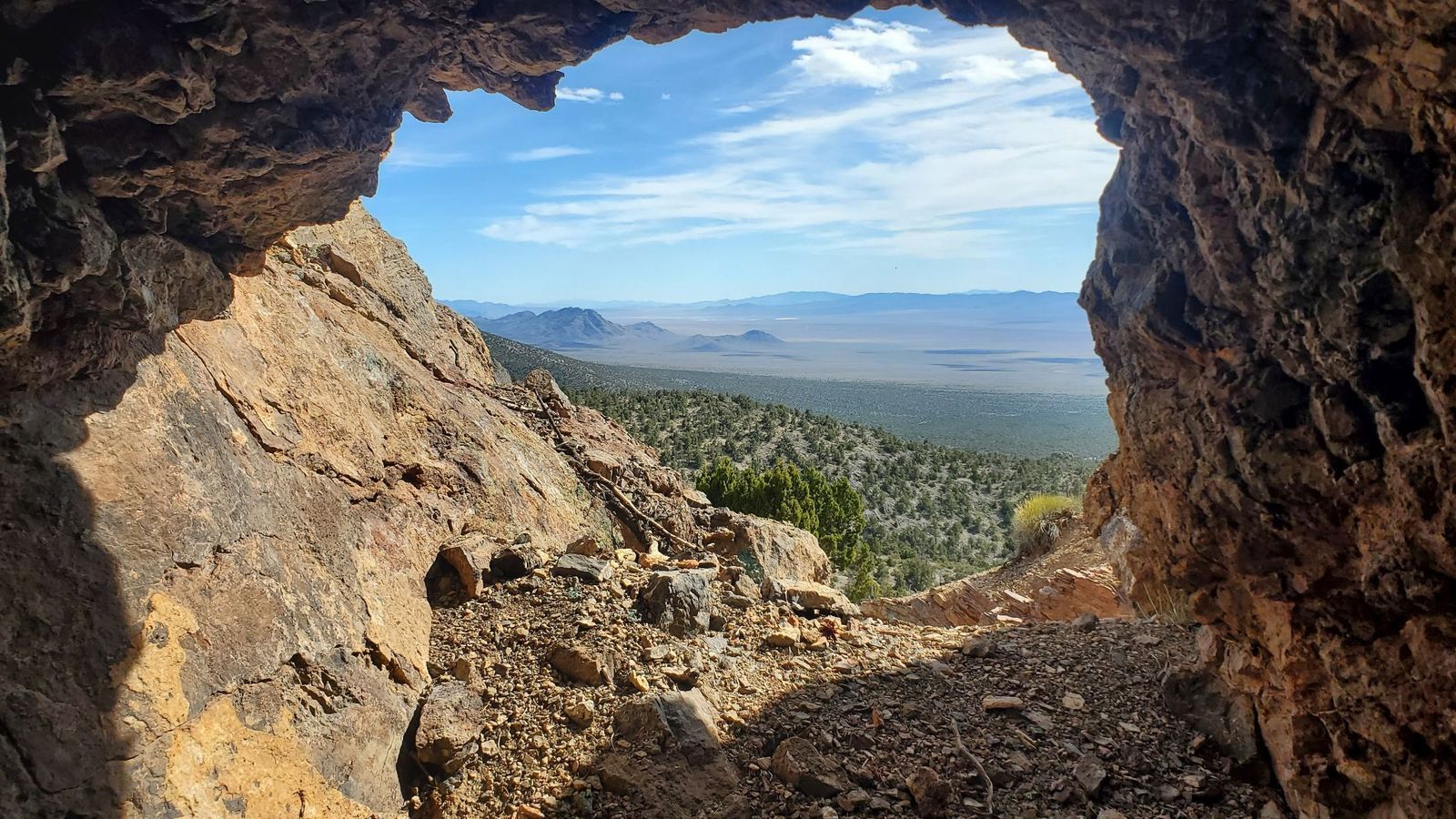
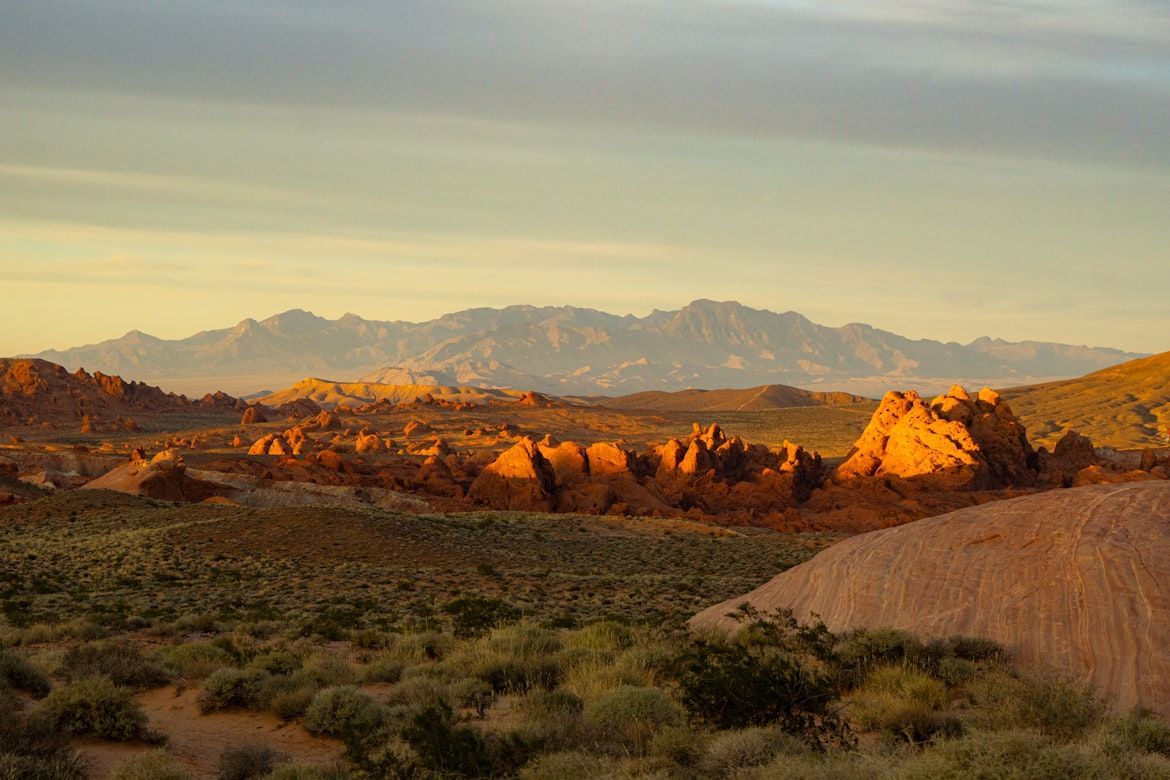
Located near Lake Tahoe, Carson City is the capital of the "Silver State," known for its mining history, desert landscapes, and unparalleled shrimp cocktail.

It is recognized as the driest state in the country, home to landmarks like the Hoover Dam and the mysterious Area 51 . Have you ever visited?

6
Tallahassee

Image: Damon On Road

If we say: Everglades, Walt Disney World, and Kennedy Space Center, which state comes to mind? Famous for its orange production, its iconic Key lime pie, and delicious Cuban sandwiches, this state’s capital is Tallahassee, a lovely city in the northern part of the state. Do you know which state we’re talking about?

7
Harrisburg: Pennsylvania

Image: Andre Frueh

You were right! Located in the center of the state, Harrisburg has been the capital of Pennsylvania since 1812 . Before Harrisburg, Philadelphia (1682–1799) and Lancaster (1799–1812) served as the capitals of Pennsylvania.

8
Springfield: Illinois

Image: Tucker Good

If you guessed "Illinois," you were right! Springfield has been the capital of the Prairie State since 1839 . As mentioned, the city's history is closely tied to Abraham Lincoln's legacy, which is why you'll find landmarks like the Lincoln Tomb at Oak Ridge Cemetery. Additionally, it was in this city that Lincoln delivered his famous "House Divided" speech !

9
Jefferson City: Missouri

Image: Rythik

Its proximity to the Missouri River was instrumental in choosing Jefferson City as the capital city of the state of Missouri in 1821. Here, you can find the imposing Missouri State Capitol building, completed in 1917!

Bonus fun fact: Before it was named Jefferson City—in honor of our nation’s 3rd president—local authorities considered calling it "Missouriopolis." Can you imagine?

10
Frankfort: Kentucky

Image: Josh Collesano

Frankfort became the capital of Kentucky in 1792, shortly after the state entered the Union. Located in the Bluegrass region of the state, the city is crossed by the Kentucky River, which gives it a unique charm. Frankfort is also home to the iconic Buffalo Trace Distillery —one of the oldest bourbon distilleries in the country—and the historic Kentucky Vietnam Veterans Memorial .

11
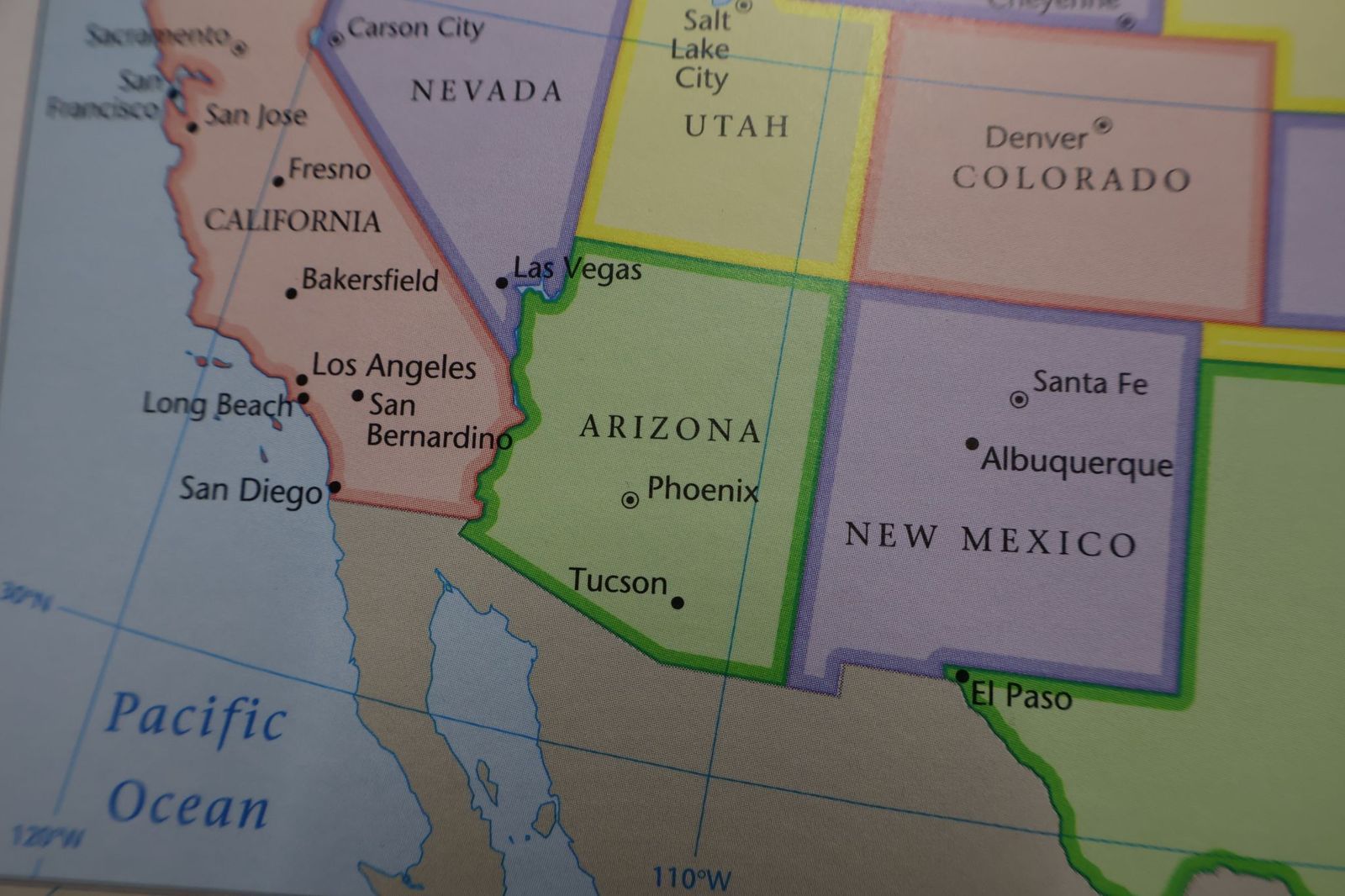
Carson City: Nevada

Image: Parth Thakker

Since 1864 , when Nevada became a state, Carson City has served as its lovely capital. But do you know why it's called "Carson City"? The capital of Nevada was named in honor of Christopher "Kit" Carson , a famous frontiersman and explorer of the area.

If you want to learn more about the history of Nevada and its capital, you can visit the Nevada State Museum , also located in Carson City!

12
Tallahassee: Florida

Image: Kevin Dunlap

With an estimated population of about 200,000, Tallahassee has been the capital of sunny Florida since 1824 . Considered a " college town " because of its large population of college students, Tallahassee is home to Florida State University, Florida A&M University, and Tallahassee Community College!
History History 5 min read

10 US presidents who changed the course of history

Image: David Trinks

Some presidents don’t leave much of a mark, while others manage to reshape the whole path a nation walks on. Across different generations, certain leaders made choices or introduced ideas that nudged the country in a new direction. In this list, we take a simple, easy look at 10 presidents whose steady hands, practical decisions, and clear vision helped guide the United States into the future.

1
George Washington

Image: Priscilla Gyamfi

America’s first president had no guidebook to follow, so George Washington ended up writing the first chapters of the office himself. With calm judgment and a focus on fairness, he set the tradition of serving only two terms, showing that leadership should be about duty rather than personal power.

Washington organized the very first Cabinet, established the tone for presidential addresses, and worked hard to promote unity among different regions and viewpoints. His steady approach helped turn a young, uncertain nation into a stable and functioning republic. The patterns he created became the model for every subsequent president.

2
James Madison

Image: Tara Winstead

Often called the "Father of the Constitution," James Madison helped shape the foundations of the United States long before he stepped into the presidency. He played a central role in writing the Constitution and co-authored the Federalist Papers, a series of essays that explained how the new government was meant to work.

Once in office, Madison continued to support the development of stronger federal systems that could serve a growing country, and he oversaw the admission of new states into the expanding Union. His steady leadership helped reinforce the structure laid down by the founders and proved that the nation’s early ideas—balance, stability, and cooperation—could stand the test of time.

3
Abraham Lincoln

Image: Jacob Thorson

The 16th U.S. president guided the nation through a time of deep division with a calm, steady determination and a clear sense of purpose. He held firmly to the belief that all people are created equal, and he worked to bring those principles to life in practical, lasting ways.

During his presidency, Lincoln supported major constitutional changes that broadened personal freedoms and strengthened the role of the federal government in protecting those rights. He emphasized unity, fairness, and the idea that the country could emerge stronger if it stayed true to its core values. His dedication to these ideals has made him one of the most admired figures in American history, remembered for his integrity and his hope for a more united nation.

4
Theodore Roosevelt

Image: Ryan Stone

Theodore Roosevelt was known for his enthusiasm, his adventurous spirit, and his deep love of the outdoors. He became one of the nation’s strongest voices for conservation, helping to create and expand national parks, forests, and wildlife areas.

His domestic program, the "Square Deal," aimed to make sure consumers, workers, and businesses were treated fairly, and he pushed for stronger rules that protected everyday Americans from unfair practices. Roosevelt also encouraged the nation to step forward with confidence, backing improvements in transportation and modern infrastructure that helped connect the United States more smoothly with the world.

5
Woodrow Wilson

Image: Đào Thân

Woodrow Wilson arrived in Washington with a plan to give everyday Americans a fairer, more balanced system, and his wave of domestic reforms—known as the "New Freedom"—reflected that goal. During his presidency, the nation saw the creation of the Federal Reserve System and the Federal Trade Commission, two major institutions designed to keep the economy steady and well-regulated.

Wilson also encouraged the idea that countries should work together through organized cooperation rather than standing apart, a view that later influenced the formation of important international organizations. His belief in self-determination and his preference for diplomacy over isolation helped guide the United States toward a long-term vision of global partnership and shared responsibility.

6
Franklin D. Roosevelt

Image: Pedro Gutierrez

Franklin Roosevelt guided the nation through one of its toughest economic periods with a wide-ranging effort known as the "New Deal." This collection of policies helped support workers, steady the banking system, and strengthen protections for consumers. It also introduced Social Security, a program that quickly became a key element of retirement planning for millions of Americans.

Roosevelt understood the importance of keeping the public informed, so he spoke directly to families through his regular radio broadcasts, the famous "Fireside Chats." In these simple, calm conversations, he explained what the government was doing and why, helping people feel more confident in uncertain times. His clear, steady communication made him one of the most trusted and familiar voices of his era.

7
Harry S. Truman

Image: WikiImages

When Harry Truman took office in 1945, both the world and the United States were undergoing a period of rapid change. With a practical mindset, the 33rd president helped launch broad programs aimed at rebuilding European economies and encouraging stronger international cooperation.

He also set a new long-range direction for American policy, one that emphasized stability, democratic principles, and economic support beyond U.S. borders. Truman’s meaningful efforts helped shape how nations worked together and signaled the beginning of important social changes that would continue to unfold in the decades ahead.

8
John F. Kennedy

Image: Florida Memory

John F. Kennedy brought a fresh sense of youth and optimism to the early 1960s. His speeches often called on Americans to lend a hand, serve their communities, and think beyond themselves—captured in his well-known line, "Ask not what your country can do for you, ask what you can do for your country."

Kennedy supported important civil rights efforts and encouraged steady progress in science and technology. He also pushed the nation to look toward the future through expanded space exploration and created the Peace Corps, giving young Americans opportunities to volunteer and make a difference overseas. His steady promotion of learning, service, and innovation helped spark a spirit of national progress that defined much of the decade.

9
Lyndon B. Johnson

Image: LBJ Library photo by Yoichi Okamoto Restored by: Bammesk, Public domain, via Wikimedia Commons

Lyndon Johnson arrived in the White House with a far-reaching plan he called the "Great Society," a vision aimed at improving everyday life for people across the country. Under his leadership, Congress passed major civil rights legislation that strengthened equality and safeguarded voting rights, setting new standards for fairness.

The 36th president also approved the creation of Medicare and Medicaid, programs that gave millions of older adults and low-income families reliable access to health care for the very first time. Additionally, he supported initiatives to improve education, preserve natural resources, and strengthen local communities.

10
Ronald Reagan

Image: White House Photographic Collection, Public domain, via Wikimedia Commons

Ronald Reagan stepped into the 1980s carrying a message of confidence and renewal, offering Americans a sense of fresh direction after a challenging period. His economic approach—later known as "Reaganomics"—was centered on lowering taxes, easing federal regulations, and giving businesses more room to grow. For many people, this era became associated with rising optimism.

Reagan also spoke often about national pride and traditional values, presenting a steady, recognizable voice on the world stage. His leadership style—straightforward, good-humored, and easy to understand—left a lasting mark on how political ideas were discussed and helped shape the country’s tone for years to follow.

Geography Geography 4 min read

Blue for miles

Can you guess which states have the longest coastlines? Yes, Alaska's one

Image: Nick Perez

Probably all of us know that Alaska is the state with the longest coastline —featuring a whopping 33,904 miles of water sights , including tidal inlets. But can you name the state with the second-longest coastline, or the third? Let’s explore the 13 states with the longest coastlines and their highlights—you might just decide on a future vacation there!

1
Hawaii (1,052 miles)

Image: Karsten Winegeart

Over 1,052 miles of volcanic islands, a unique blend of black sand beaches, lush rainforests, and vibrant coral reefs await.

Snorkel with sea turtles in Hanauma Bay on Oahu, or learn to surf on the legendary waves of Waikiki Beach. You could also visit the dramatic cliffs of Kauai, featured in film sagas like Jurassic Park and Pirates of the Caribbean.

2
Oregon (1,410 miles)

Image: Dave Hoefler

You might remember seeing Haystack Rock featured in the film The Goonies , or glimpses of the charming town of Astoria , where the classic Free Willy was filmed.

These are just two of the many jewels of Oregon's Pacific coastline. Dramatic sea stacks, hidden coves, and beautiful towns like Cannon Beach also await.

3
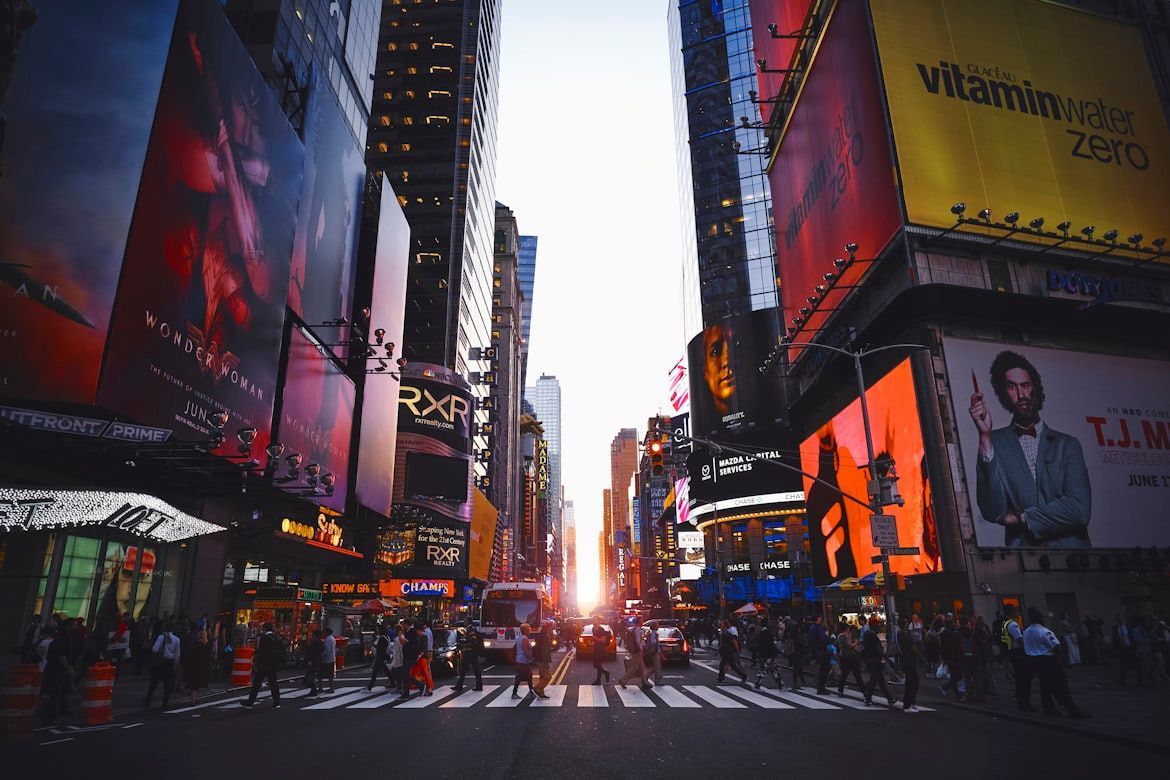
New York (2,625 miles)

Image: Tommy Kwak

New York's coastline offers a mix of bustling beaches, charming towns, and iconic landmarks. There’s the famous Coney Island boardwalk , as well as the historic lighthouses and sandy shores of Long Island.

If you’ve seen the romantic drama Eternal Sunshine of the Spotless Mind , surely you’ve felt curious about visiting the remote, nostalgic beaches of Montauk.

4
Washington (3,026 miles)

Image: Jennifer Arlem Molina

Rugged beaches, dramatic cliffs, and waterfront cities line the 3,026 miles of Washington's coastline. You can visit Pike Place Market in Seattle, or take a ferry to the Olympic Peninsula to hike through rainforests and explore tide pools.

The Washington State Ferries system can also take you to the San Juan Islands archipelago, famous for its forest waterfalls and whale-watching tours.

5
Virginia (3,315 miles)

Image: Steve Adams

Virginia ranks among the 10 states with the longest coastlines. Its sandy beaches and wide shores are also home to many historical landmarks .

You can explore Colonial Williamsburg, the Virginia Beach Boardwalk, as well as Mount Vernon by the Potomac River.

6
Texas (3,359 miles)

Image: Thomas Park

On Texas's Gulf Coast, you'll find Padre Island, the longest barrier island in the world , with pristine beaches and a haven for wildlife. There’s also Galveston Island, which blends history and entertainment with its Victorian architecture, museums, and family-friendly attractions like Moody Gardens.

7
North Carolina (3,375 miles)

Image: Joe Dudeck

The iconic Cape Hatteras Lighthouse is just one of the stunning views along North Carolina's Outer Banks. This state is famous for its Outer Banks , a chain of barrier islands with windswept beaches.

A notable attraction is the shipwreck-littered Graveyard of the Atlantic, a stretch of treacherous waters that fascinates many and features its own museum. And we can’t forget the historic Kitty Hawk, where the Wright brothers made their first flight.

8
Michigan (3,288 miles)

Image: John Schaidler

With over 3,000 miles of Great Lakes coastline, Michigan offers some of the most diverse shoreline experiences in the US.

You can explore the Sleeping Bear Dunes National Lakeshore along Lake Michigan, or step back in time on Mackinac Island, known for its Victorian charm and car-free roads . Another gem is the Pictured Rocks National Lakeshore on Lake Superior, with its dramatic cliffs.

9
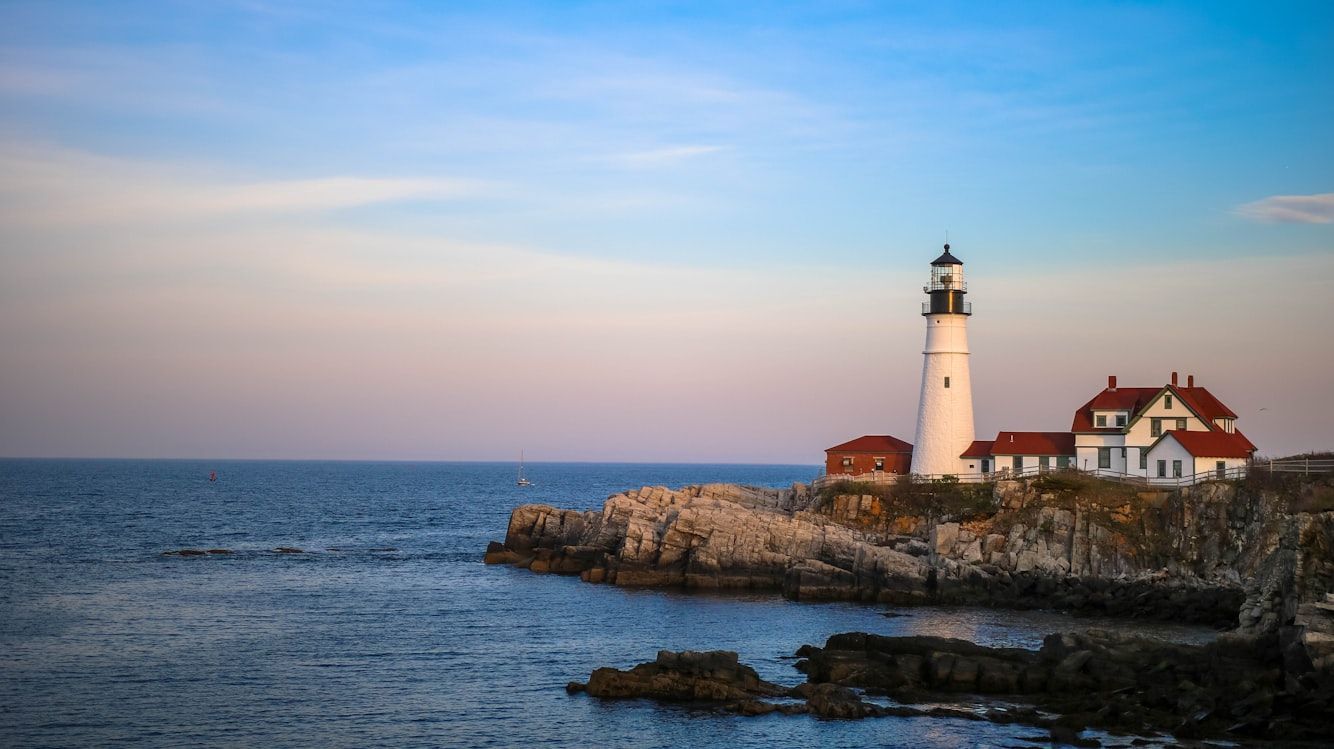
Maine (3,478 miles)

Image: Rachel C

Maine's rugged coastline is a haven for outdoor enthusiasts, featuring cliffs, picturesque fishing villages, and abundant wildlife.

If you love animals in their natural habitat, you can visit seals and puffins in Bar Harbour. If you like hiking to stunning views, you can visit Acadia National Park and make it to the top of Cadillac Mountain .

10
California (3,427 miles)

Image: Meriç Dağlı

The Golden Coast must be included, of course! California's iconic coastline is a dream for beach lovers. Surfers can catch waves in Huntington Beach, a.k.a. "Surf City USA."

Other must-see spots include the Golden Gate Recreation Area, San Diego’s La Jolla, and, of course, Santa Monica’s colorful and bustling pier and boardwalk .

11
Louisiana (7,721 miles)

Image: Brent Woods

Louisiana's bayous and wetlands make its coastline unique. The Mississippi River Delta is an ecological treasure, home to abundant birdlife and fisheries, while the Atchafalaya Basin boasts the largest wetland and swamp in the US.

Of course, New Orleans is the cultural heart of this state, where jazz, gumbo, and beignets summon tourists from all over the world.

12
Florida (8,436 miles)

Image: Lance Asper

Florida! Sun-kissed beaches year-round and magnetic turquoise waters make this state’s coastline one of the most visited in the country.

The Florida Keys offer coral reefs perfect for diving, especially in John Pennekamp Coral Reef State Park. One should explore Miami Beach’s Art Deco District, the Everglades that spill into Florida Bay, and of course, the dreamy sights along Key West.

13
Alaska (33,904 miles)

Image: jesse orrico

Finally, with over 33,904 miles of coastline, there’s Alaska—a treasure trove of natural wonders like the ice formations of Glacier Bay National Park and the playful otters of Kenai Fjords National Park.

In Juneau, the state capital, you can witness humpback whales breaching in Auke Bay. So, if you don’t mind the cold or the long journey, you might want to visit and experience the breathtaking scenery!

Explore more American facts

Choose your favorite category!

General
General

As American as apple pie—the very best America has to offer!

Culture
Culture

Delve into the astounding richness of American lore.

Geography
Geography

Hop in and explore vast and diverse American landscapes.

History
History

Discover the key moments that shaped the United States.