Culture Culture 5 min read

A coin toss that saved a rock n' roll star's life at the very last minute
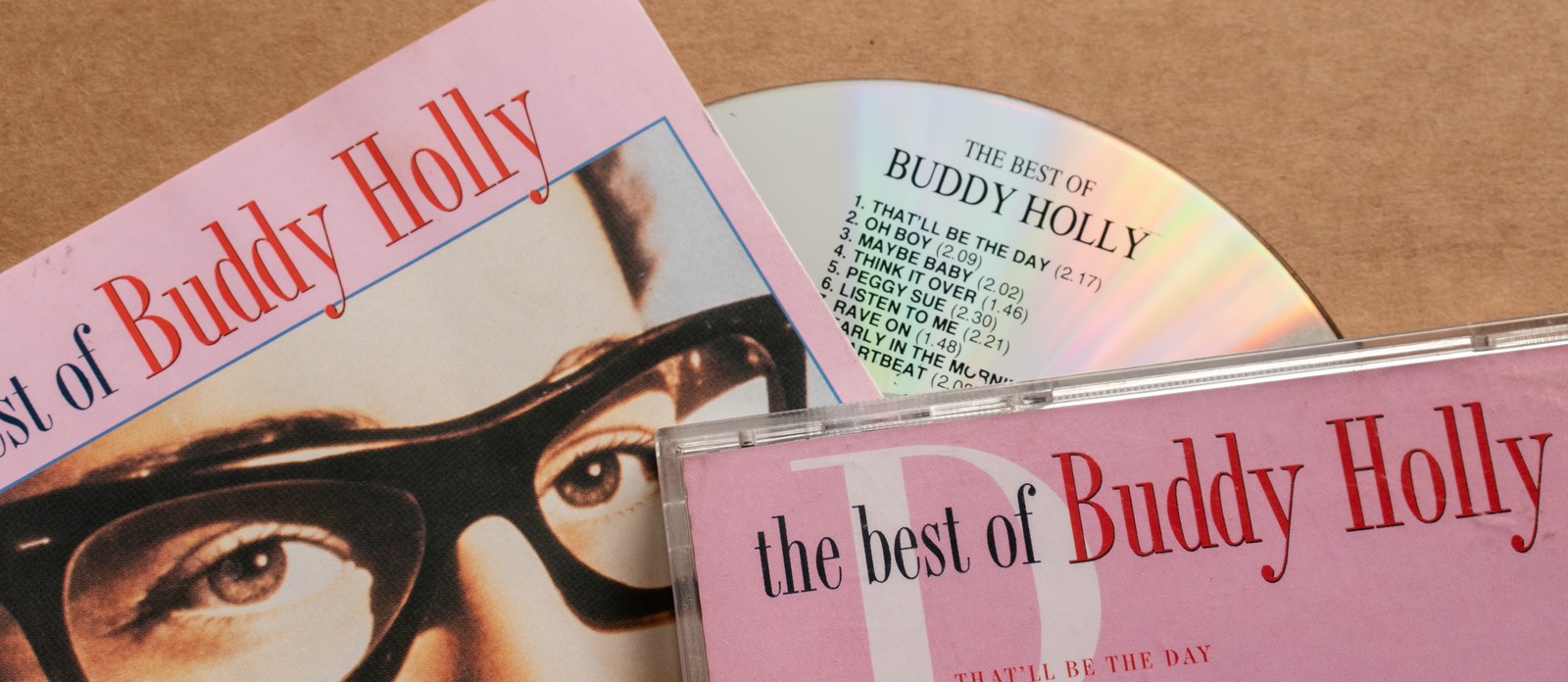
Image: Snap Spot / Shutterstock.com

Few days in rock and roll history are as heartbreaking or mythic as February 3, 1959. On that freezing winter night, a small charter plane crashed into an Iowa cornfield, instantly killing three rising stars: Buddy Holly, Ritchie Valens, and J.P. Richardson, a.k.a. The Big Bopper. Leaving a permanent scar on American pop culture, the tragedy was later dubbed "The day the music died" by singer-songwriter Don McLean in his song "American Pie." Looking past the legends, the actual events of that fateful tour reveal a startling sequence of last-minute decisions, bad luck, and coincidence.

1
The grueling Winter Dance Party tour
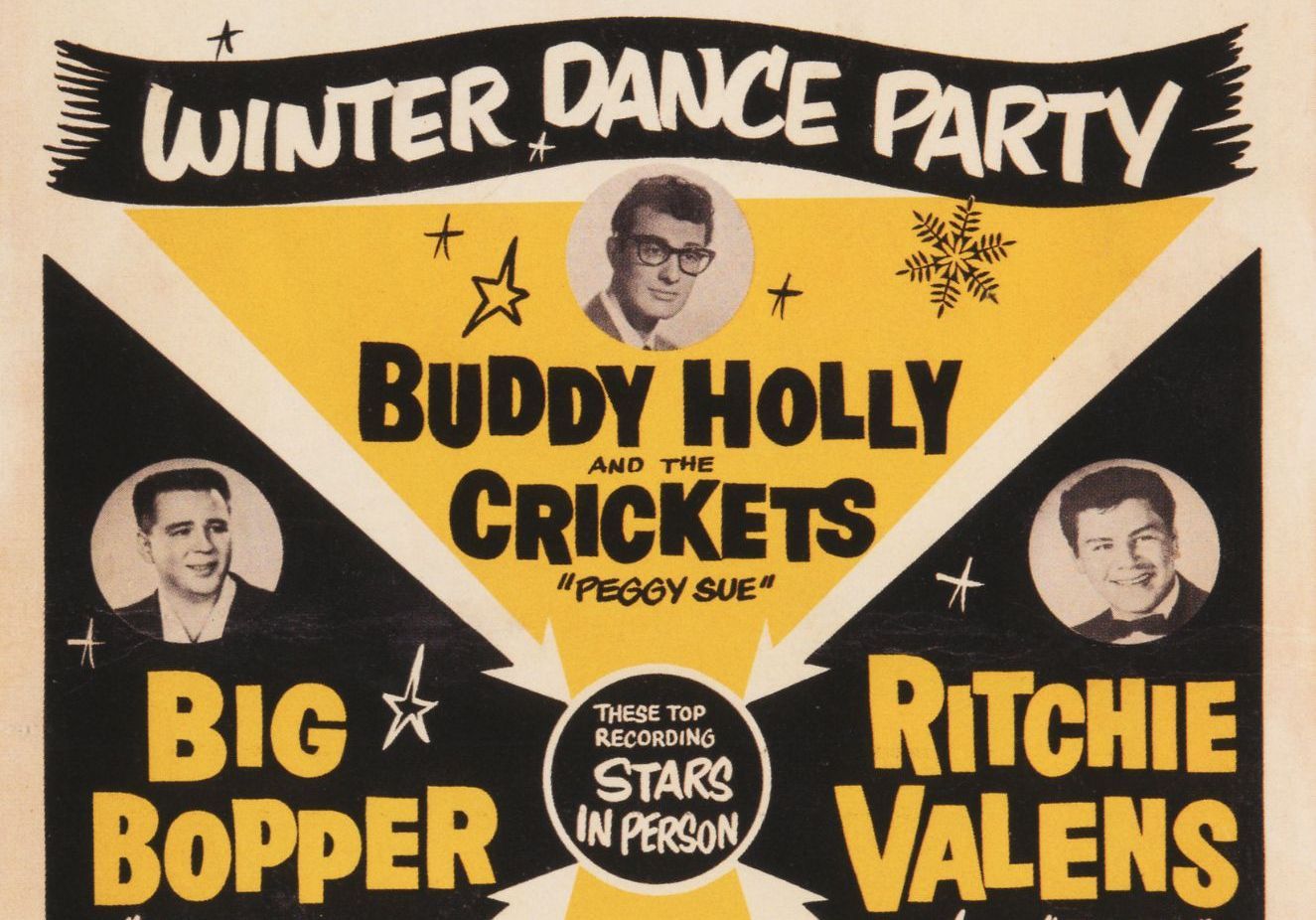
Image: PD-US, Link

In January 1959, a lengthy tour called the Winter Dance Party started in Milwaukee, Wisconsin. The show featured a stellar lineup of early rock and roll pioneers, such as Buddy Holly, Ritchie Valens, Big Bopper, and Dion and The Belmonts.

The ambitious itinerary was designed to cover 24 Midwestern cities in just three weeks. Because the schedule was a logistical nightmare, going back and forth across Wisconsin, Minnesota, Iowa, and Illinois, the performers spent endless hours freezing on the road.

2
The school buses
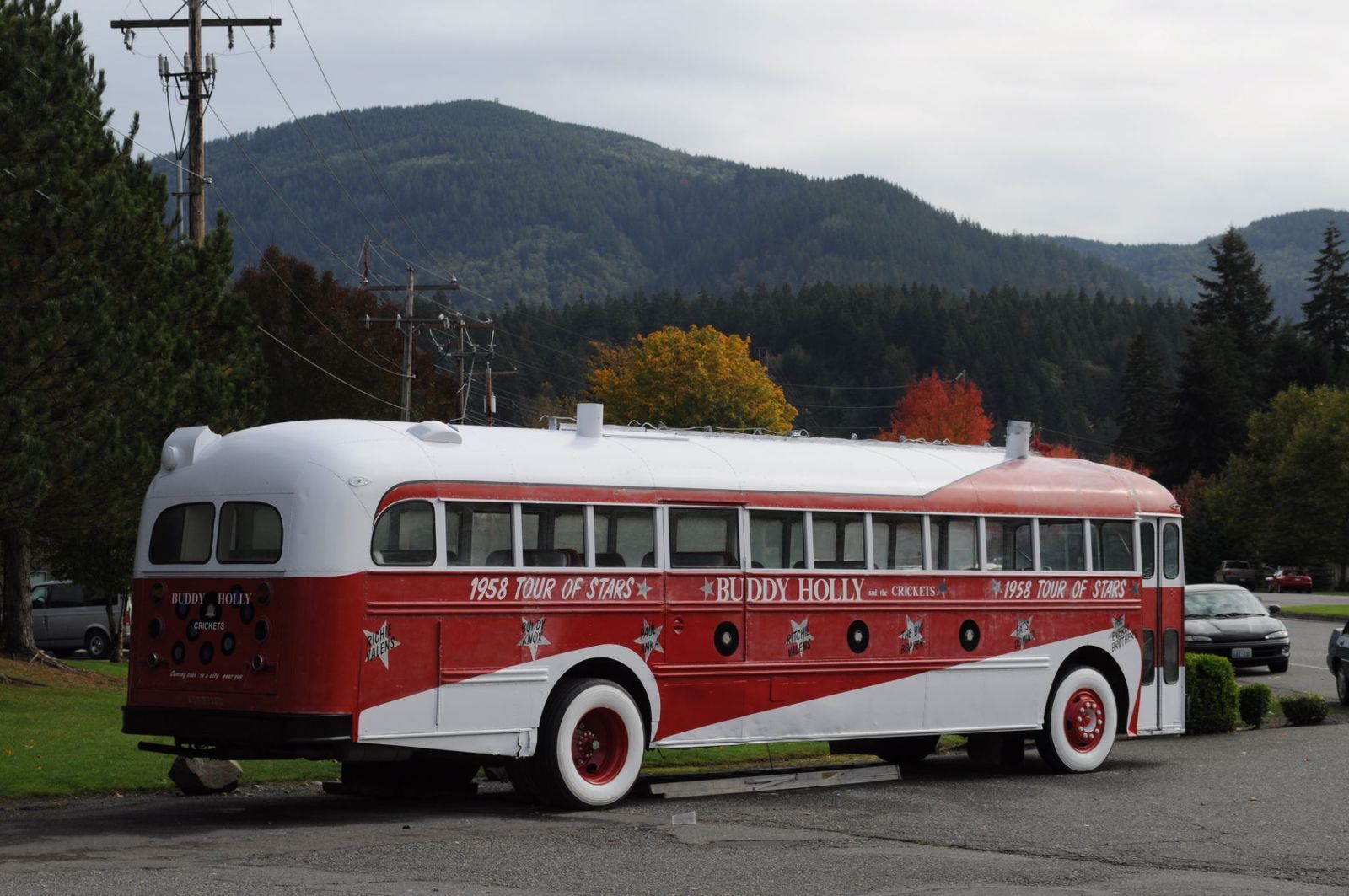
Image: Joe Mabel, CC BY-SA 3.0, via Wikimedia Commons

The tour’s transportation was marked by bad luck and poor planning. The musicians were crammed into unheated school buses that frequently broke down in the midst of Midwestern blizzards.

With temperatures dropping below zero, the bus heating systems failed on multiple occasions. Several members of the entourage suffered from severe illnesses, and drummer Carl Bunch had to be hospitalized for badly frozen feet in Ironwood, Michigan, forcing Buddy Holly to play drums himself at following shows.

3
The plane, the crash, and the victims
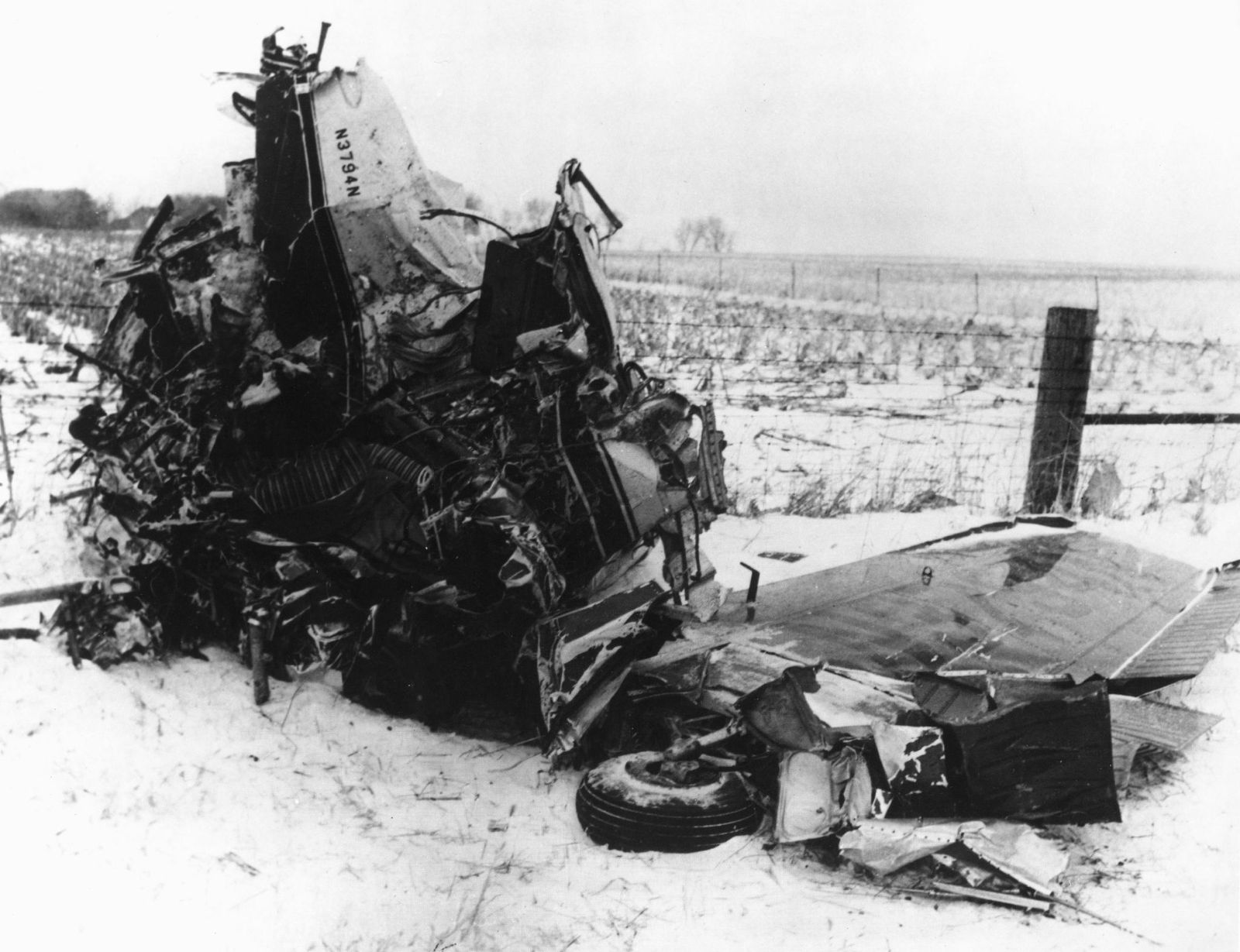
Image: Civil Aeronautics Board, Public domain, via Wikimedia Commons

Frustrated by the freezing buses and the exhaustion, Buddy Holly chartered a four-seat 1947 Beechcraft Bonanza after performing at the Surf Ballroom in Clear Lake, Iowa.

The plan was to fly to Moorhead, Minnesota, to get some rest before the next gig in Fargo, North Dakota. Shortly after taking off on February 3, 1959, at around 1:00 AM, the plane crashed into a cornfield just miles from the Mason City Municipal Airport. The crash instantly killed the 21-year-old pilot Roger Peterson, along with 22-year-old Holly, 17-year-old Ritchie Valens, and 28-year-old J.P. Richardson.

4
Buddy Holly's lost glasses
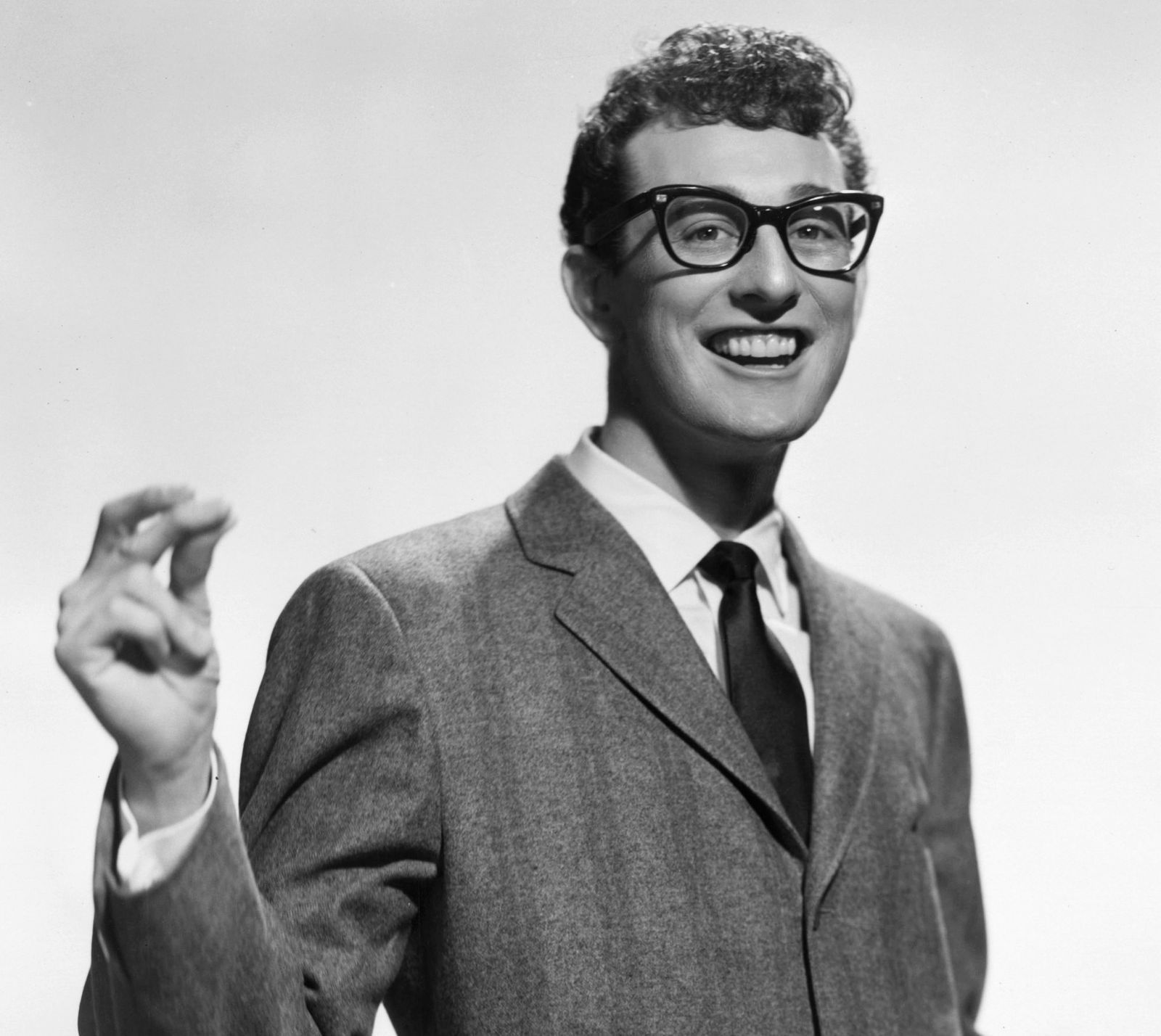
Buddy Holly’s thick-rimmed black glasses were a staple of his iconic look, a mix of nerd meets rock star that would influence men’s fashion for generations. During the violent impact of the crash, Holly was thrown off the fuselage into the snow.

His glasses were lost in the dark field and were not discovered until two months later when the snow melted, turning up remarkably intact. They are now preserved at the Buddy Holly Center in Lubbock, Texas.

5
J.P. Richardson and Waylon Jennings last-minute seat swap
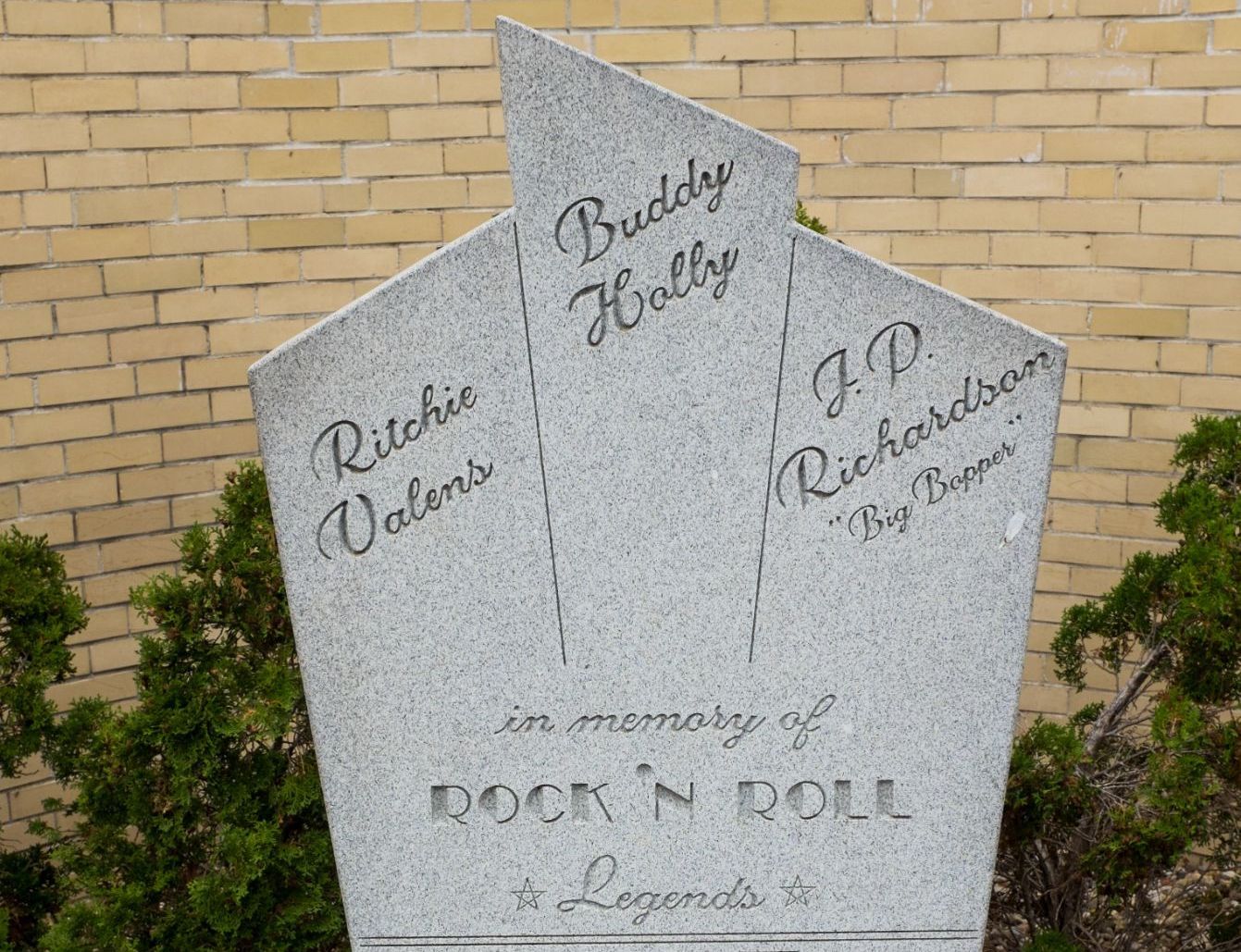
Image: Joseph Kreiss / Shutterstock.com

J.P. Richardson, known as "The Big Bopper," was suffering from a bad flu during the Clear Lake stop. Feeling miserable, he asked Holly’s young bass player, future outlaw country legend Waylon Jennings, for his seat on the plane to avoid having to take the lousy bus.

Jennings happily agreed to give up his spot. Right before takeoff, Buddy Holly jokingly told his bassist, "Well, I hope your bus freezes," to which Jennings famously replied, "Well, I hope your plane crashes." That tragic parting joke haunted Jennings for the rest of his life.

6
Dion (and The Belmonts) didn't have enough money for a plane ticket
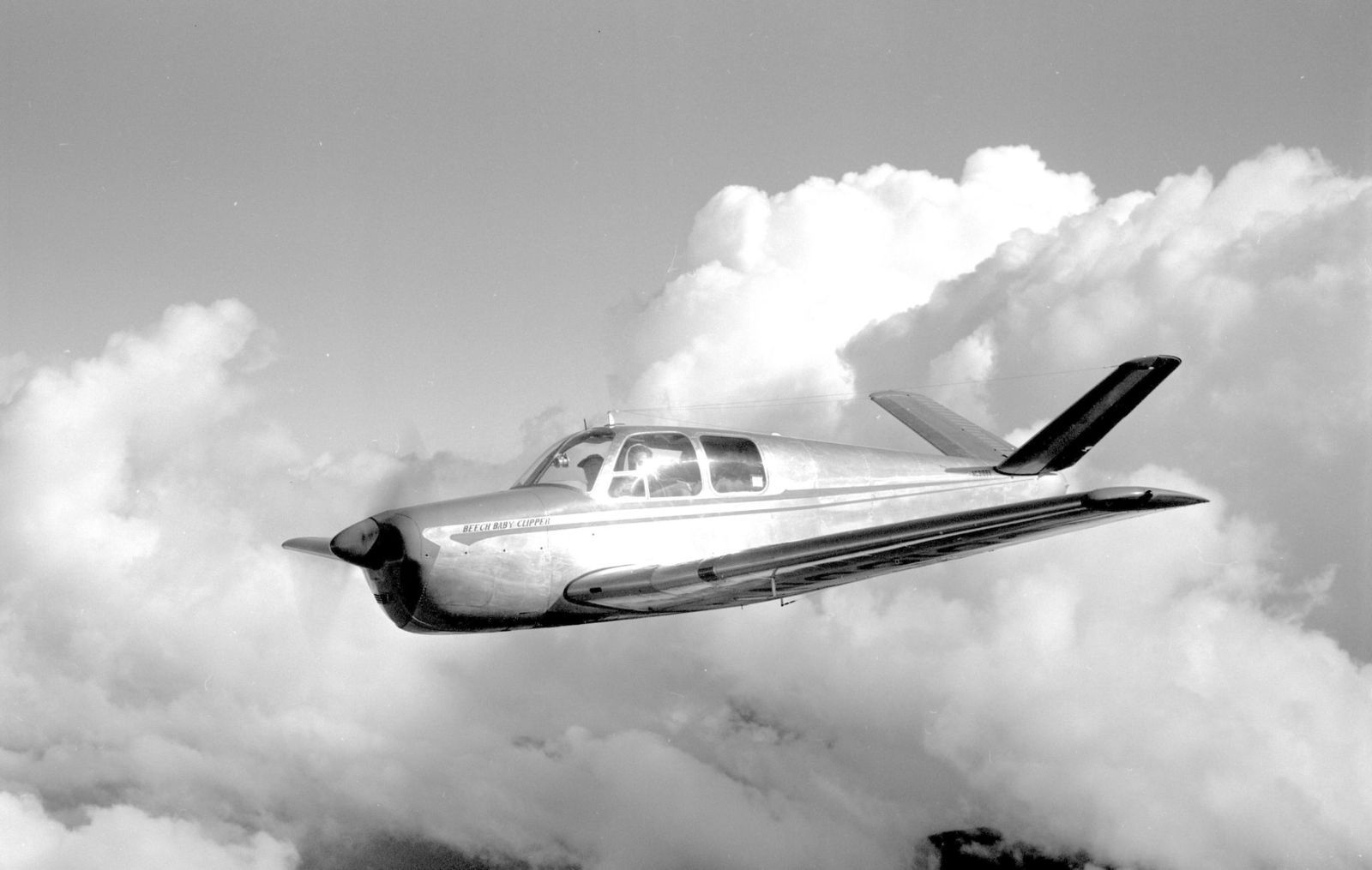
Image: Bill Larkins, CC BY-SA 2.0, via Wikimedia Commons

Dion DiMucci, frontman of Dion and the Belmonts, was also invited to join the charter flight Buddy Holly had arranged. However, when Holly told him the flight cost $36 (about $414.41 today) per person, Dion hesitated.

He calculated that $36 was the exact amount his parents paid every month for rent back in the Bronx, New York. Deciding the price was too steep, Dion declined and chose to take the bus instead, unknowingly escaping a fatal disaster.

7
Ritchie Valens' fear of flying
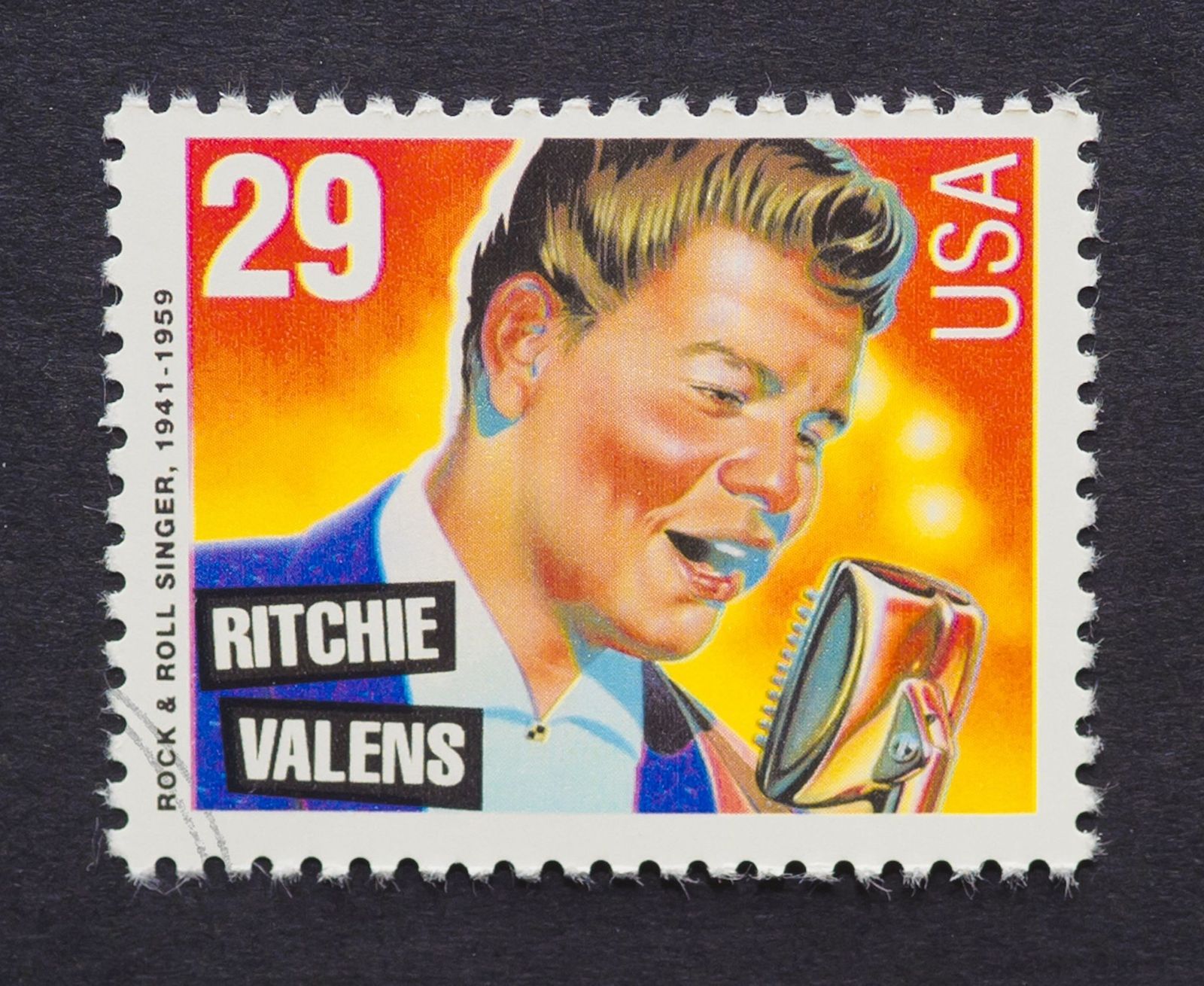
Image: catwalker / Shutterstock.com

Ritchie Valens, the young star behind hits like "La Bamba" and "Donna," was not originally going to board the plane. In fact, Valens reportedly had a deep fear of flying.

Yet, he was so desperate to escape the freezing bus and get a chance to enjoy a good night's sleep before the next show that he asked guitarist Tommy Allsup for his seat. They settled the matter with a coin flip backstage at the Surf Ballroom. Valens called heads, and heads it was; he won and took Allsup’s place on the aircraft.

8
Tommy Allsup and Waylon Jennings’ post-tragedy life
Image: NEOSiAM 18+

After boarding the bus instead of the doomed plane, Tommy Allsup went on to build a long career in music. He became a session musician and record producer in Los Angeles and Nashville, helping shape the sound of Western swing and rockabilly, and eventually winning a Grammy Award. Decades later, he even opened a Texas nightclub called "Tommy's Heads Up Saloon" as a nod to the historic coin flip. He continued to play and record music until his passing in 2017.

Waylon Jennings, on the other hand, pioneered the "outlaw Country" movement in the 1970’s alongside Willie Nelson. As a member of country supergroup The Highwaymen, he recorded hit singles like "Luckenbach, Texas." Jennings was inducted into the Country Music Hall of Fame in 2001, leaving a monumental legacy before his passing in 2002.

9
Another crash the very same day
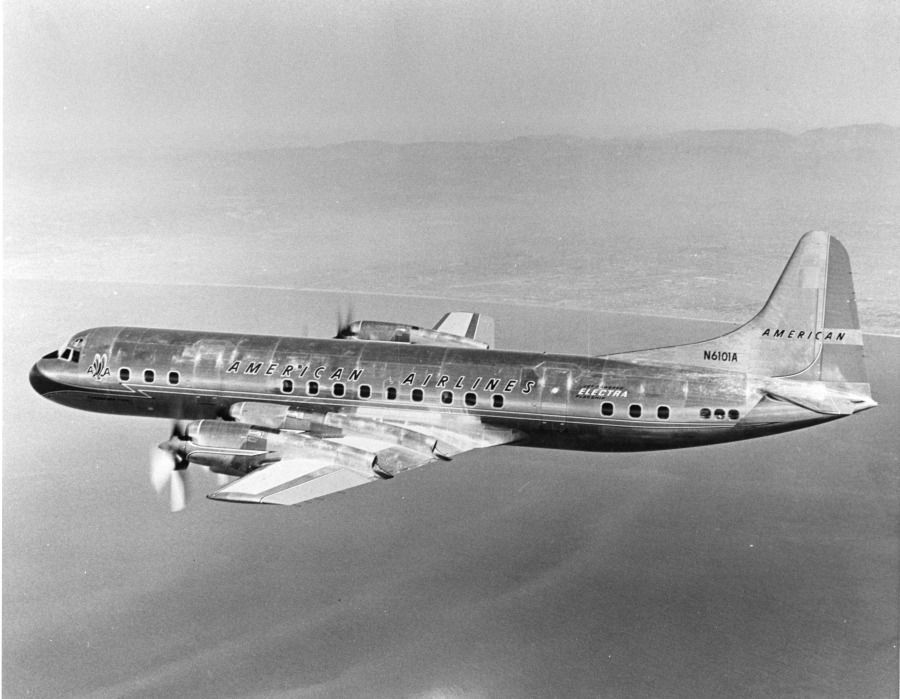
Image: SDASM Archives, No restrictions, via Wikimedia Commons

While the music world mourned the loss of Holly, Valens, and Richardson, another major aviation disaster happened that exact same day, February 3, 1959. American Airlines Flight 320, a Lockheed Electra flying from Chicago to New York, tragically crashed into the icy waters of the East River while attempting to land at LaGuardia Airport.

The accident resulted in the death of 65 people. Though it shocked the nation, the simultaneous loss of three rock icons quickly overshadowed the tragedy in the public mind.

10
"The Day The Music Died"
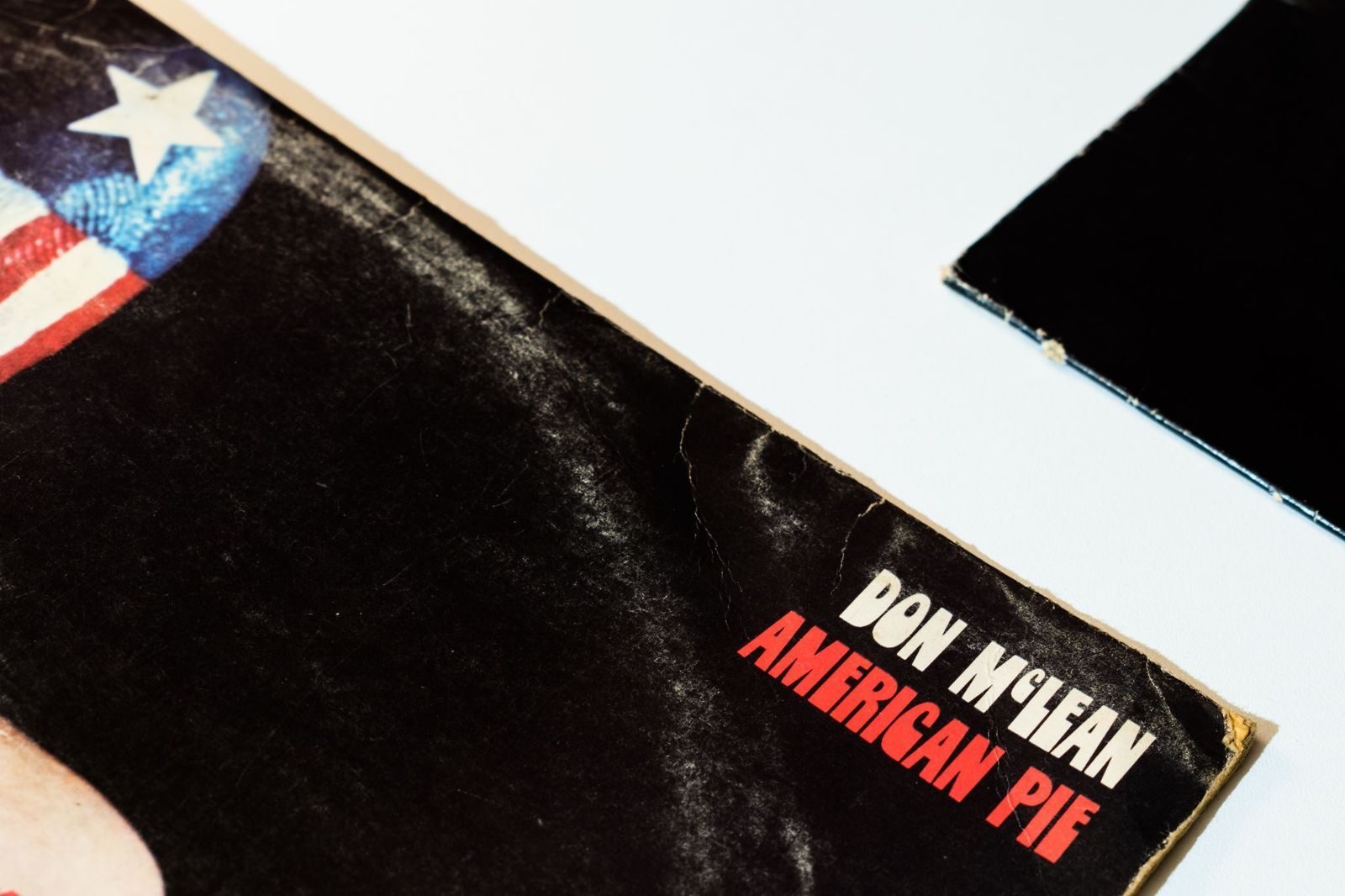
Image: Snap Spot / Shutterstock.com

In the following years, the dramatic event was mourned by fans and musicians alike; yet, no one could have predicted that the death of these musicians would become a defining moment everyone would still remember more than half a century later. The tragedy inspired biographical films like The Buddy Holly Story (1978) and La Bamba (1987), and songs such as "A Long Time Ago" by Waylon Jennings.

But perhaps the most significant reference in popular culture was singer-songwriter Don McLean’s 1971 masterpiece, "American Pie." Reflecting on his childhood memories of hearing about the crash as a young boy, McLean famously referred to the tragedy in the chorus, forever branding February 3 as "The Day the Music Died."
Culture Culture 5 min read

10 influential American women

Image: StockMediaSeller

This country’s history has been deeply shaped by influential women in every field. Many things we now take for granted exist thanks to the effort and courage of women like Rosa Parks and her unwavering fight in the civil rights movement; aviator Amelia Earhart , who demonstrated that women could excel in male-dominated fields; or Harriet Tubman and her heroic acts freeing enslaved people on the Underground Railroad. Let’s pay tribute to these 10 American women who changed the course of history.

1
Rosa Parks

Image: Gino Santa Maria

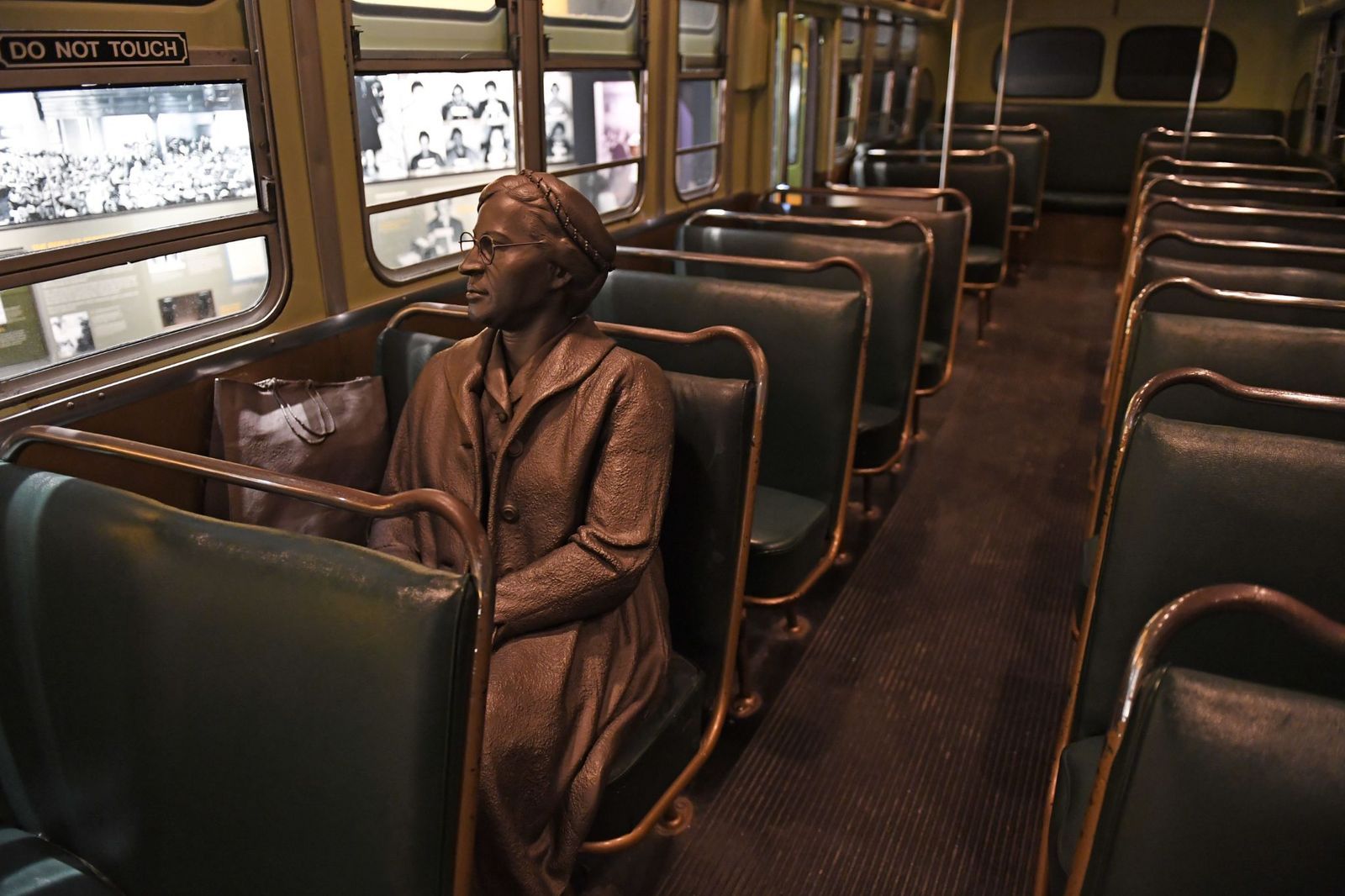
Amid the fight against racial segregation in 1955, activist Rosa Parks rebelled against authority in an act of courage that went on to become a defining moment in America’s Civil Rights history . She was sitting on a bus alongside three other Black passengers when the driver asked them to give up their seats so a white passenger could sit. Parks refused to do it and was arrested.

This single act of bravery triggered the Montgomery Bus Boycott, which not only helped bring Martin Luther King Jr. to national prominence but also helped put pressure on the U.S. Supreme Court, which later upheld a lower court ruling that segregation on Montgomery’s public bus was unconstitutional.

2
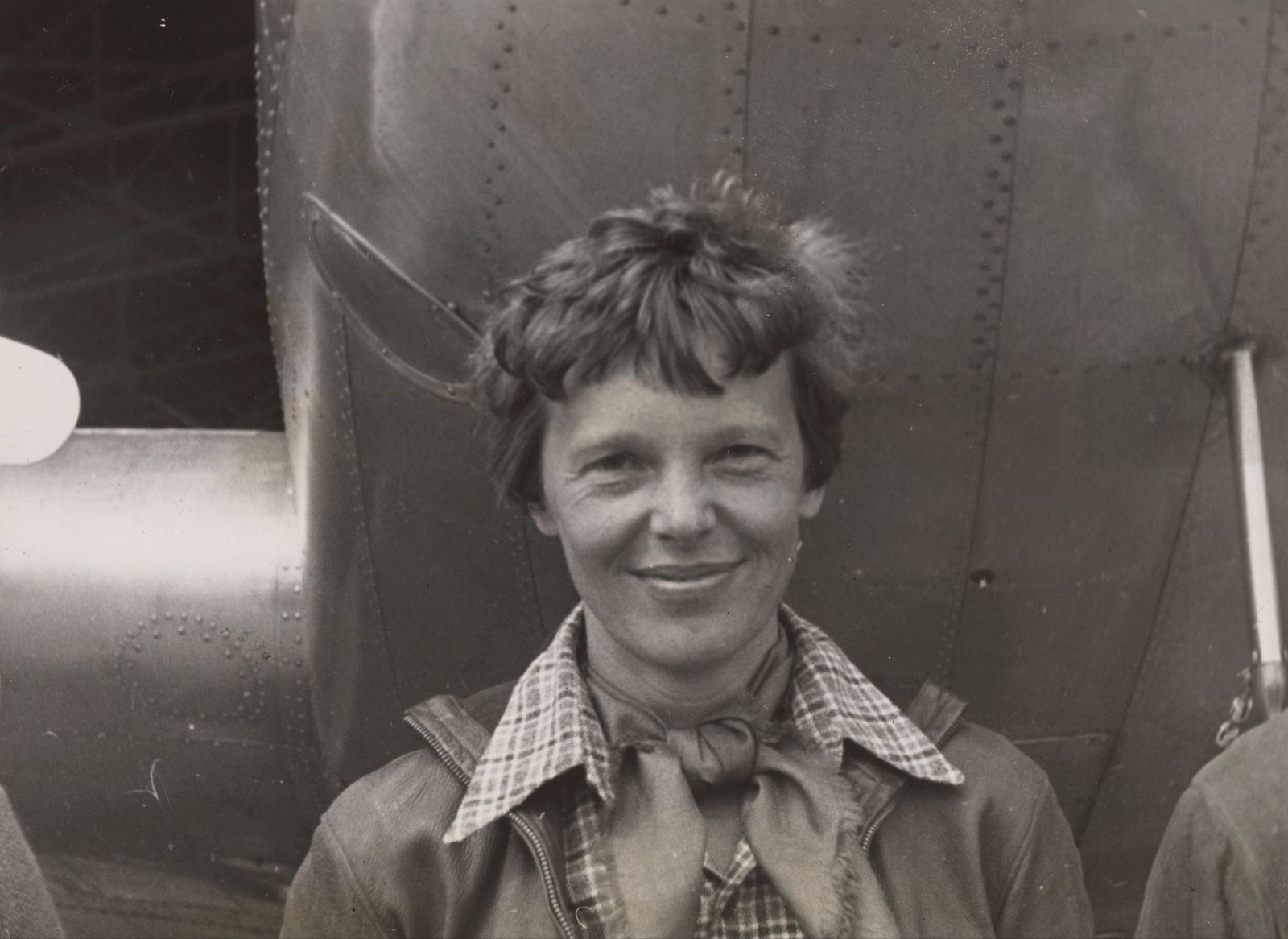
Amelia Earhart

Image: Rawpixel.com

Looking back at Amelia Earhart's story is fascinating, but understanding the context in which she achieved those feats is even more incredible. She broke aviation records at a time when women were still not socially accepted in male-dominated fields .

Earhart became the first woman ever to fly solo across the Atlantic Ocean in 1932, the first woman to fly solo nonstop across the U.S., and the first person to fly solo from Hawaii to California. Earhart tragically disappeared in 1937 during an attempt to become the first woman to fly around the world, though her legacy inspired countless people to pursue their dreams no matter their gender.

3
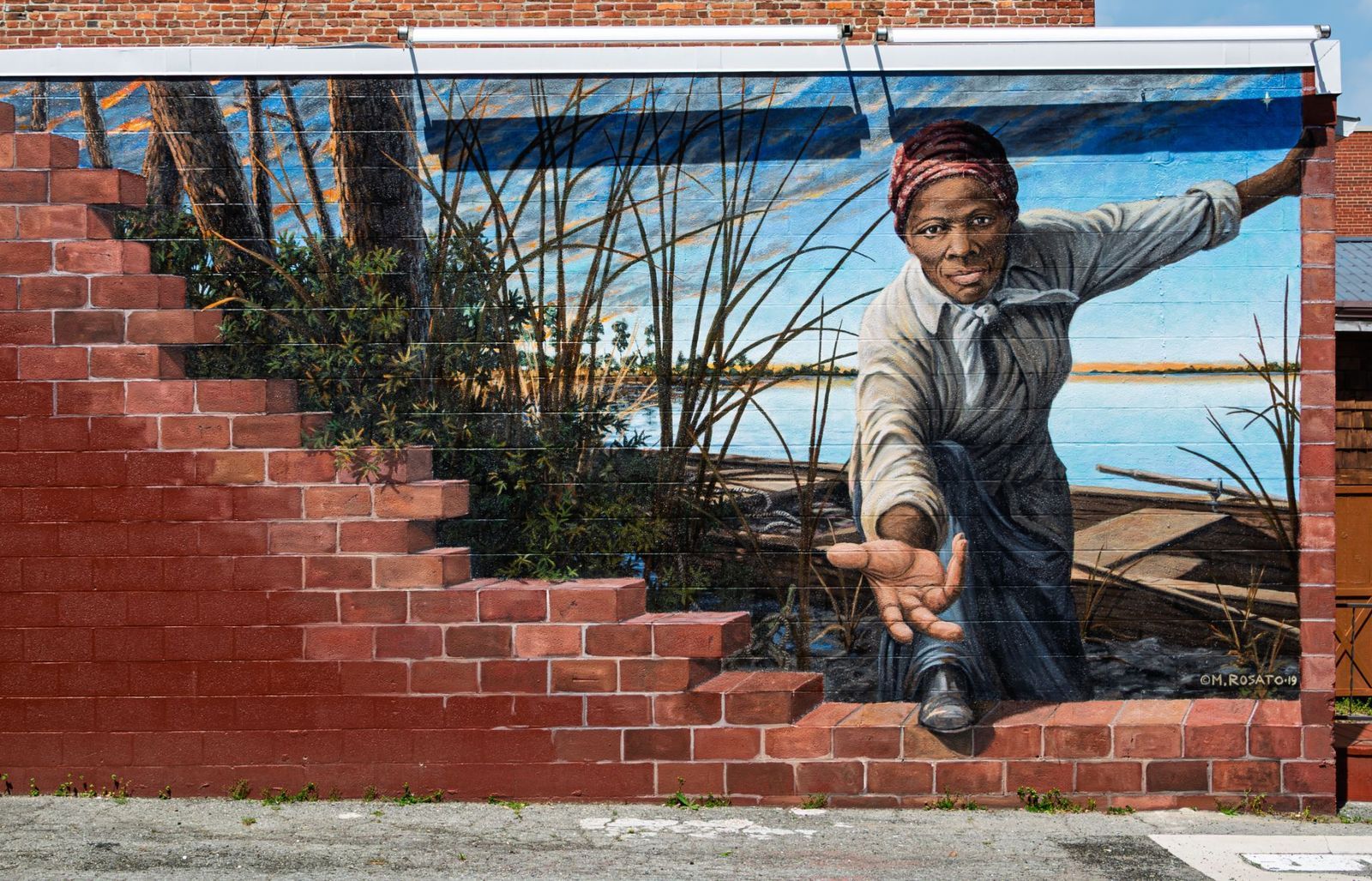
Harriet Tubman

Image: Alan Kolnik

Harriet Tubman's life story is one of the clearest examples of heroism in this country’s history. She not only rejected the life she had been forced to live as an enslaved person and escaped to Pennsylvania in 1849, but she also gave up the safety she had found in the North and returned to the South to continue fighting for her people’s freedom .

Tubman is mainly known for being one of the conductors of the Underground Railroad, a secret network that helped thousands of enslaved people escape to the free states and Canada. She also worked for the Union Army during the Civil War and became involved in the women's suffrage movement afterwards.

4
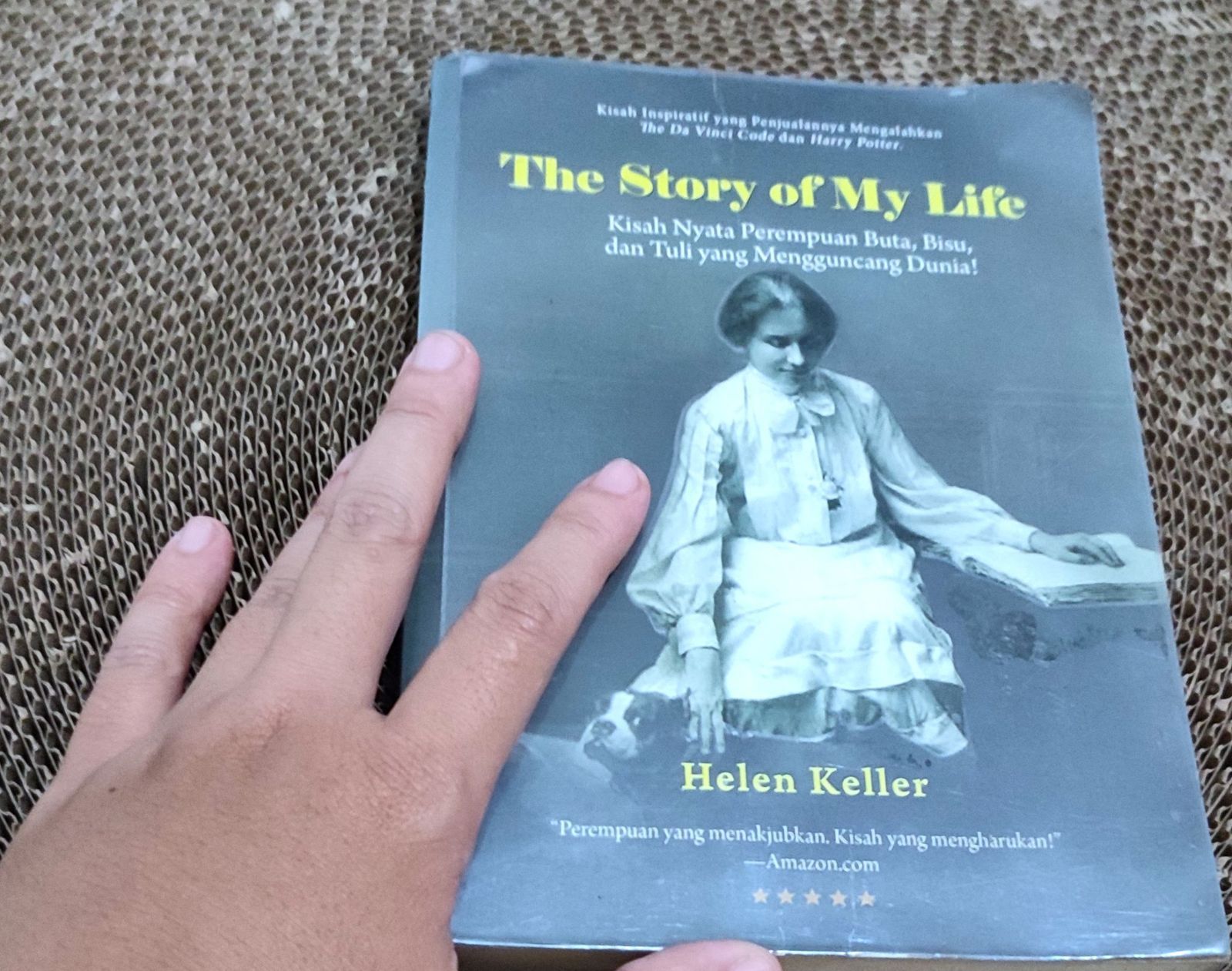
Helen Keller

Image: mega noer cahyani

How did a young girl who had lost both her sight and hearing due to a terrible illness become an accomplished writer, speaker, and activist? It all started with her teacher, Anne Sullivan, and her revolutionary approach by which she taught Helen to communicate using fingerspelling, relying on manual finger-spelling pressed directly into the girl’s palm.

This enabled Keller to learn Braille later and eventually speak, but that wasn’t enough for her, and she also went on to become the first deafblind person to earn a bachelor’s degree in 1903 (at Radcliffe College). Her story is not only about overcoming barriers, but about helping and inspiring others in similar situations to overcome them.

5
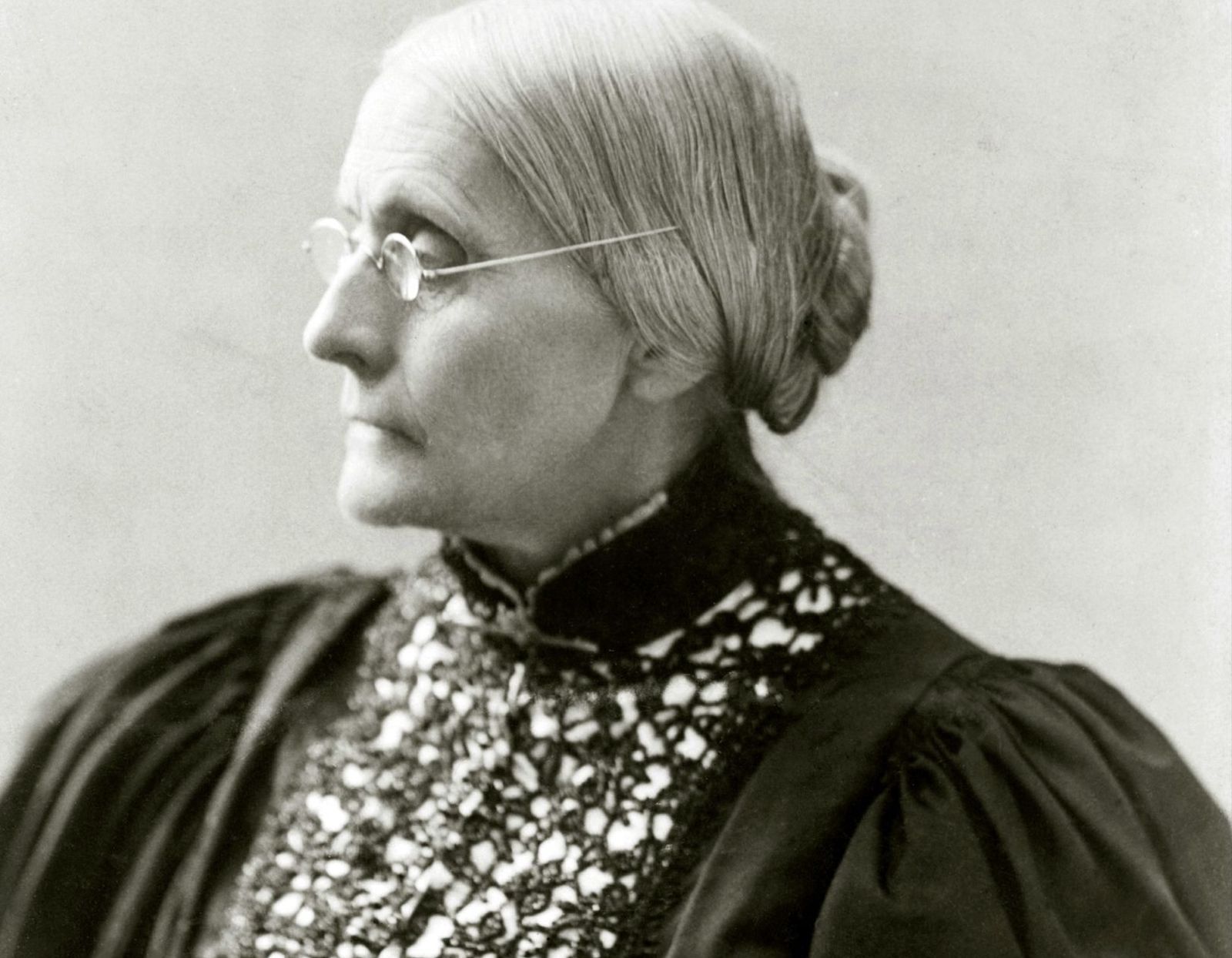
Susan B. Anthony

Image: Everett Collection

When it comes to the women’s suffrage movement, Susan B. Anthony is a name that stands out. She was a relentless civil rights activist who challenged authority regardless of the consequences. In 1872, she deliberately voted in the presidential election even though women were not legally allowed to, and was arrested and tried.

She fought for women’s rights until her final days and, unfortunately, didn’t live long enough to see the fruits of her work, which came in 1920 with the ratification of the 19th Amendment, fourteen years after her death at age 86.

6
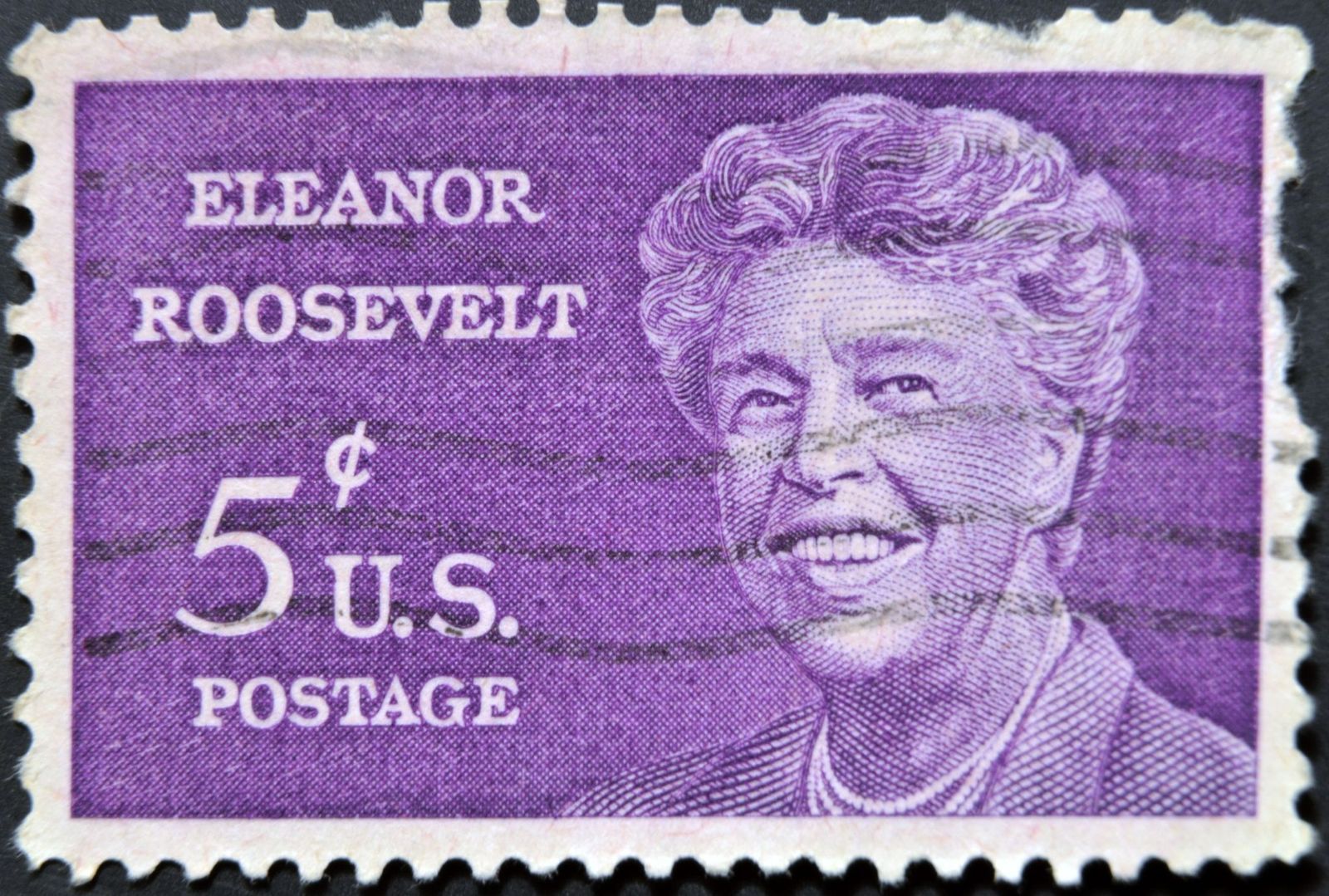
Eleanor Roosevelt

Image: neftali

The First Lady who stepped up and refused to just be in the background : that’s Eleanor Roosevelt, someone who transformed her socially expected passive role into a much more active platform for social causes.

Using her position as a First Lady (from 1933 to 1945), she advocated for civil rights, women’s rights, workers’ rights, and the rights of people living in poverty, challenging the status quo. Among the many causes she participated in, Eleanor also chaired the UN Commission on Human Rights and played a key role in drafting the 1948 Universal Declaration of Human Rights.

7
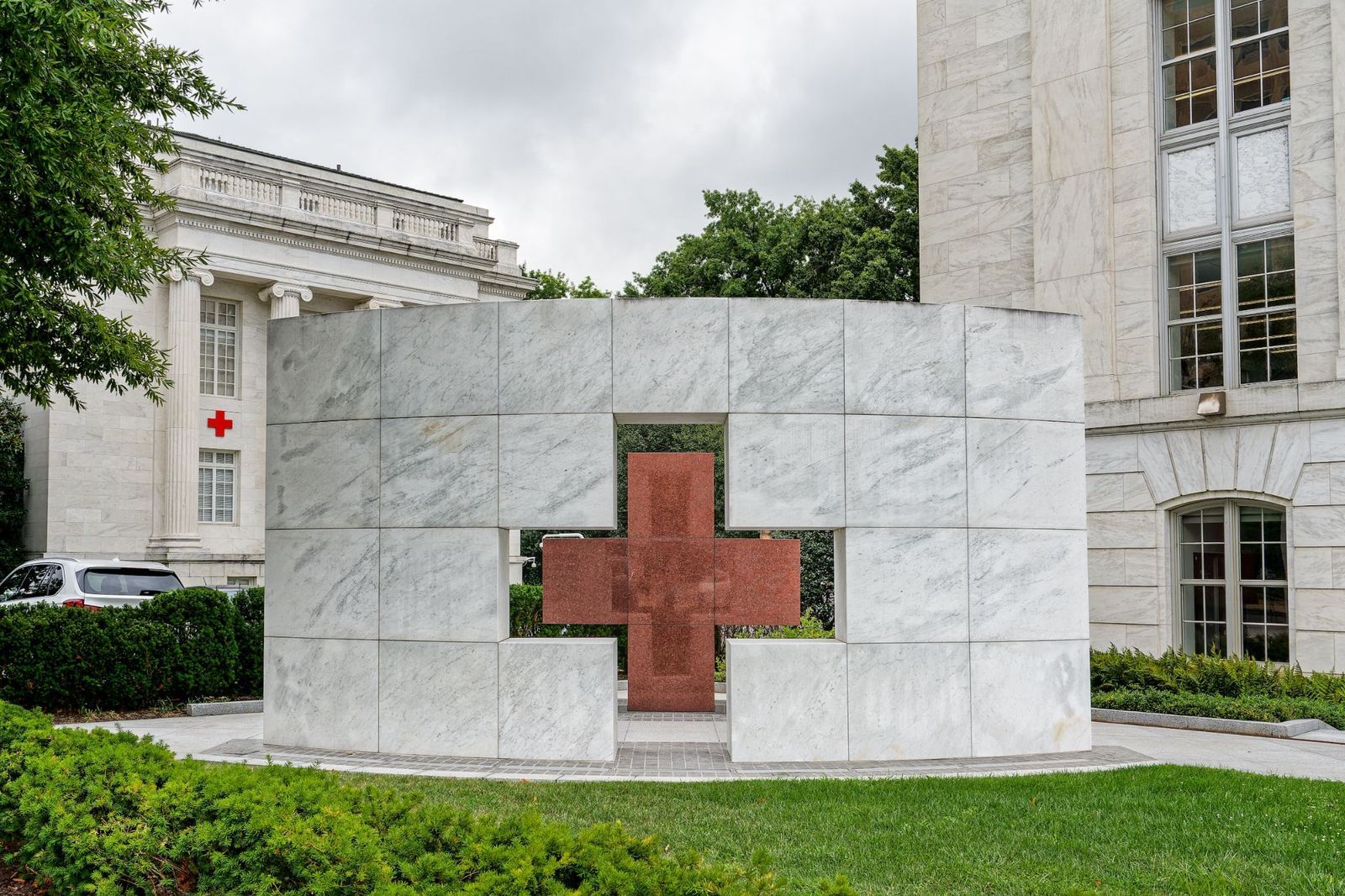
Clara Barton

Image: Rosemarie Mosteller

Clara Barton, aka "The Angel of the Battlefield," was a central figure during the Civil War and was later responsible for saving thousands of lives through the creation of the American Red Cross .

She helped wounded soldiers, collected and distributed medical supplies to Union soldiers, and even went directly onto battlefields to care for troops. And after the war, she dedicated her life to helping people affected by disasters.

8
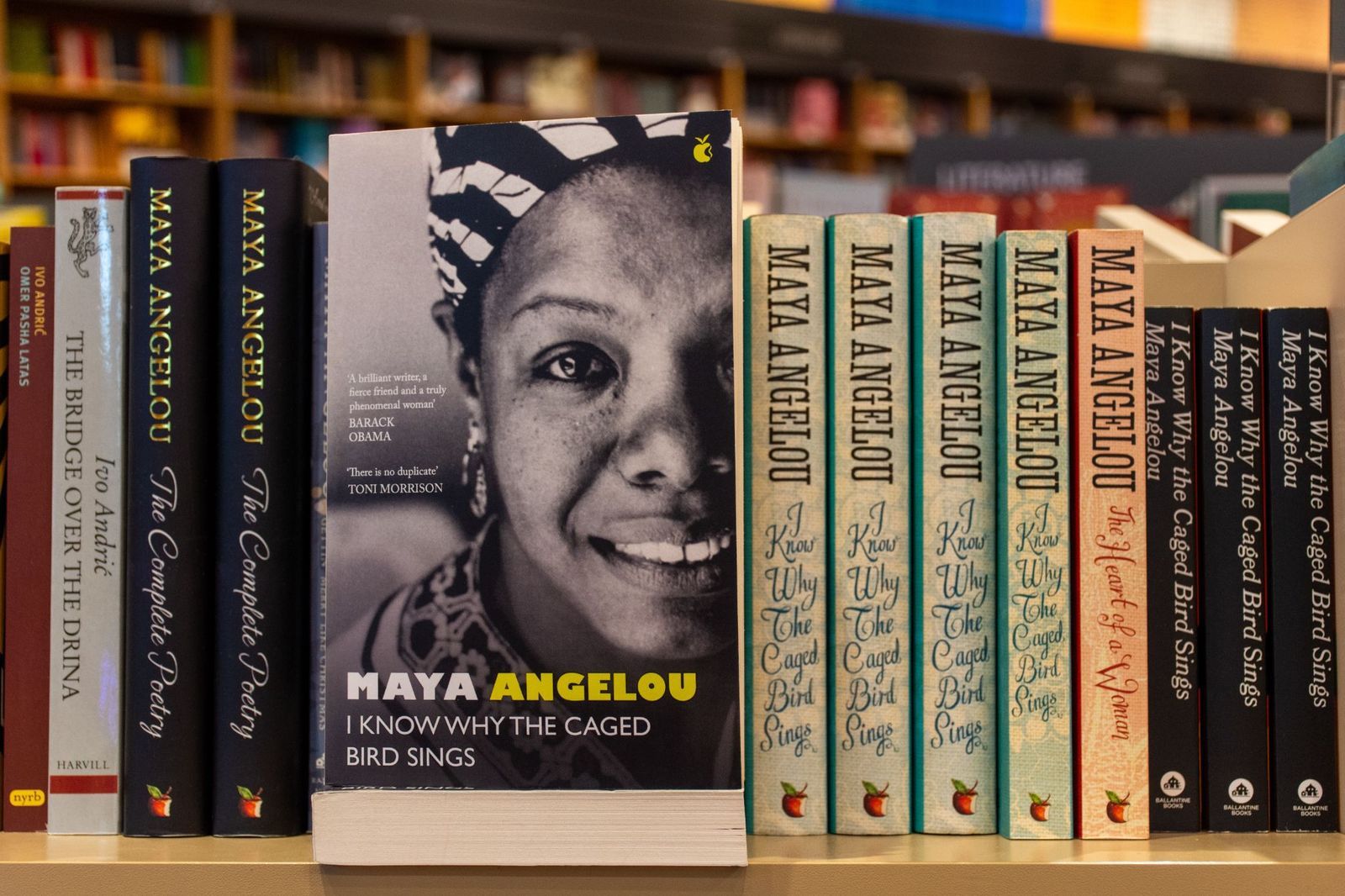
Maya Angelou

Image: hamdi bendali

Maya Angelou’s powerful and moving I Know Why the Caged Bird Sings (1969) was one of the first autobiographies by a Black American woman to achieve widespread recognition, and her story became a symbol of resilience and dignity .

Angelou worked closely with Martin Luther King Jr. in the civil rights movement. She was also an actress and a singer, and in 2011, President Barack Obama awarded her the Presidential Medal of Freedom.

9
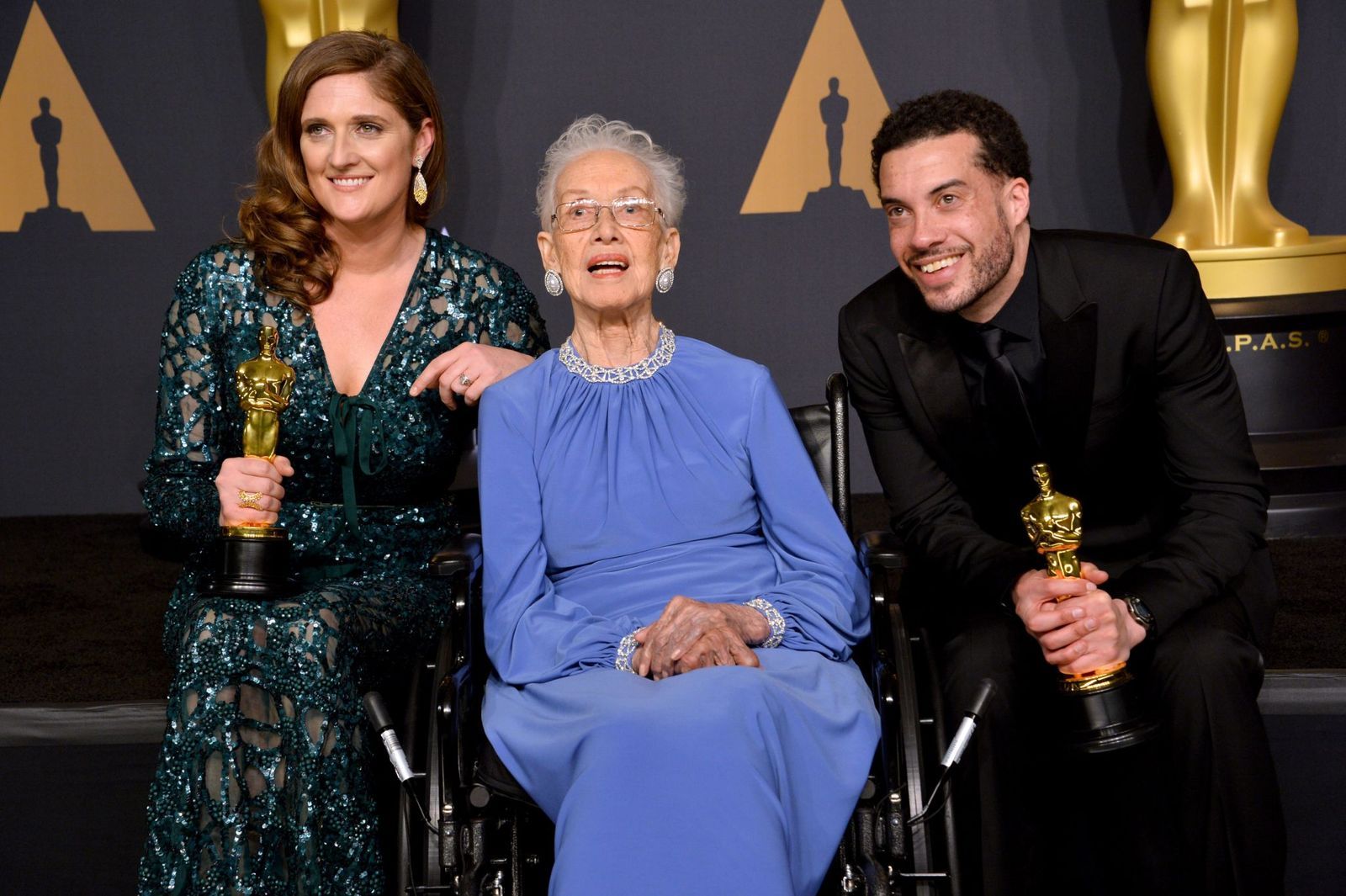
Katherine Johnson

Image: Jaguar PS

Katherine Johnson’s story wasn’t widely known until the 2016 film Hidden Figures (where she was portrayed by Taraji P. Henson) , which introduced modern audiences to the fascinating contributions of this mathematician, whose calculations were crucial to some of the United States’ earliest crewed space missions and whose career helped break barriers for women and Black Americans.

Her work was partly responsible for the success of the Apollo missions (1969 to 1970) and the development of the Space Shuttle program through the 1970s and early 1980s, and while she wasn’t an activist, the fact that she became one of NASA’s most respected mathematicians challenged the norm and inspired social change.

10
Billie Jean King

Image: lev radin

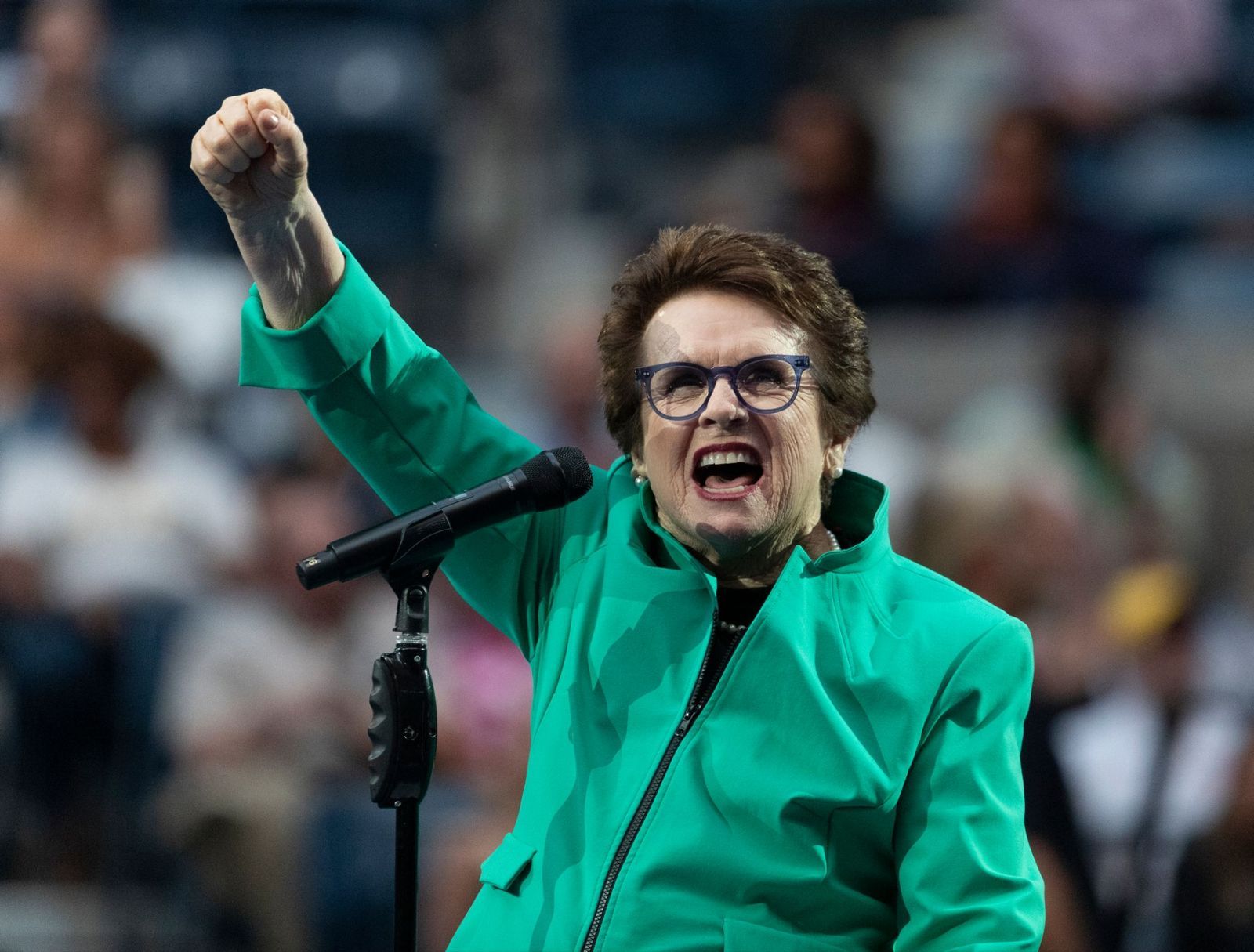
The four biggest tennis tournaments are known as Grand Slams, and Billie Jean King racked up 39 — but that wasn’t even her best achievement. King’s biggest battle was against the inequalities women faced in sports , where she played a major role in turning things around.

She was responsible for the creation of the Women’s Tennis Association in 1973, co-founded the Virginia Slims Circuit, which provided professional opportunities for women in tennis, and played in the legendary "Battle of the Sexes," where she defeated Bobby Riggs in front of roughly 90 million viewers worldwide.

Geography Geography 5 min read

Let’s go on a sightseeing tour

Wander the streets of these 10 iconic American neighborhoods!

Image: Breno Assis

America is truly a wonderful place to live. Take a stroll through any of our busy and vibrant cities, and you’ll come across streets buzzing with culture, breathtaking architecture, and, perhaps most importantly, delightful people. After all, a huge part of what makes our country so great is the generations of Americans who helped build it. In making their homes a better and safer place for the generations to come, these Americans gave our neighborhoods an identity and culture that truly make them unique. With that in mind, we have selected 10 of the most iconic and beautiful neighborhoods in America for you to discover. Enjoy!

1
The French Quarter - New Orleans

Image: João Francisco

We’ll begin this article with a Southern jewel. New Orleans’ French Quarter is the oldest neighborhood in the city, and for a while, it was the central square around which the city was built. In fact, its French name, Vieux Carré ("Old Square") describes its status as an essential location.

Nowadays, the French Quarter serves as a quaint and charming time machine. Millions of tourists visit it for its delightful architecture, delectable restaurants, and buzzing jazz scene. Other attractions include Jackson Square, a public park dedicated to Andrew Jackson, and Bourbon Street, filled with picturesque bars and taverns.

2
Little Havana - Miami

Image: Kian Lem

This neighborhood proves that good things come in small packages. Little Havana got its name in the 1960s after a substantial number of Cuban immigrants moved into the area. With them came the vibrant and colorful culture that has defined this neighborhood for over 60 years.

If you only have time for a quick visit, we recommend taking a stroll through the neighborhood's main street, the world-famous Calle 8 . This strip is filled with stores and restaurants offering traditional (and delicious) Cuban food. You might also visit one of the many live music venues and dance the night away!

3
Chinatown - San Francisco

Image: Madeleine Maguire

We could have taken our pick from the many amazing neighborhoods called "Chinatown" across America, but we ultimately settled on the oldest one in the country. Centered on Grant Avenue and Stockton Street, San Francisco’s Chinatown is instantly recognizable, made famous by amazing movies like The Maltese Falcon or The Pursuit of Happyness .

This neighborhood is also considered largely responsible for popularizing Chinese cuisine in America, and for creating new Chinese-American dishes like chop suey. San Francisco’s Chinatown is also world-known for its spectacular Chinese New Year celebrations, perhaps the biggest of its kind in America.

4
Beverly Hills

Image: David Vives

Since it was incorporated as an American city in 1914, Beverly Hills is technically not a neighborhood. However, because it is completely enveloped by the city of Los Angeles, it is considered a suburb. So, for the sake of argument, we’ll include "90210" on this list, if only because it gives us a chance to talk about the quintessential home of the rich and famous.

Beverly Hills got its name from "Beverly Farms" located in Beverly, Massachusetts, after the landowners realized there was no oil to be found in it and decided to develop it into a town. Nowadays, it is mostly known for its lush scenery, luxury shopping, and, of course, its connection to Hollywood stars. Literally, too many movies and shows feature this city, so we’ll just name a few off the top of our heads: The Beverly Hillbillies , Beverly Hills Cop, and Beverly Hills 90210 .

5
Brooklyn - New York City

Image: Víctor Martín

What is a borough if not a big neighborhood? I know many New Yorkers will disagree with this statement, especially those lucky enough to reside in Brooklyn . After all, many consider Brooklyn to be a separate entity—an independent (albeit small) city. And when you consider all the amazing things this borough has to offer, can you really blame them?

Brooklyn is comprised of over 70 different neighborhoods. If it were a standalone American city, it would rank as the fourth largest in the entire country. However, the sole reason we included it on this list is that the entire borough feels like one massive neighborhood, instantly recognizable by its distinct identity and culture.

6
Haight-Ashbury - San Francisco

Image: Burak Ceviz

San Francisco is world-famous for many reasons: Its slanted streets, cable cars, and the Golden Gate Bridge make it instantly recognizable. Architecture buffs also adore "the City" (as it's known by locals) for a very specific reason: its abundance of "Painted Ladies," the nickname given to the gorgeous Victorian houses built in the 1800s. In that sense, while many of San Francisco’s neighborhoods boast these houses, our top pick goes to those in the Haight-Ashbury neighborhood.

In truth, Haight-Ashbury has so much more to offer than these lovely houses. For starters, this neighborhood was the center of the 1960s counterculture; many claim that the "Hippie" movement began here. Several stores in the area pay tribute to that era, particularly record stores and boutiques.

7
Little Italy - New York City

Image: Alex Haney

Just like with our nation’s Chinatowns, we could have easily picked from a number of locations known as "Little Italy." In fact, New York City houses several of them, from the Morris Park neighborhood in the Bronx to the section formerly known as "Italian Harlem." Ultimately, we decided to focus on what is probably the most famous of them all: the Little Italy neighborhood in Manhattan.

While this area was made famous by Francis Ford Coppola’s legendary Godfather trilogy, the truth is that Little Italy’s charm can’t fully be described by any art form. From its history to its amazing culture and proud heritage, this neighborhood is truly a sight to behold.

8
Pike Place - Seattle

Image: Ben Dutton

We know what you’re thinking: Pike Place is not a neighborhood. And while it’s true that this name is most heavily associated with Seattle’s iconic public market, the area surrounding Pike Place is now considered a neighborhood in its own right—and a gorgeous one at that.

Although small, the Pike Place district is filled to the brim with spectacular landmarks and fantastic gastronomic offers. You can visit the very first Starbucks location, wander around the many offerings in the farmer’s market, or take a stroll through Waterfront Park.

9
The Loop - Chicago

Image: Anthony Fomin

Standing in the heart of "the Windy City" there’s a neighborhood blessed with a unique name: The Loop is Chicago’s commercial district and the true center of the city. It’s named after the central train station located in the neighborhood, where all the city’s train lines meet and form a "loop."

Millions of tourists visit this neighborhood every year, as it is conveniently located near several of Chicago’s main attractions. Anyone staying in the Loop is within walking distance of Millennium Park, the Art Institute of Chicago, and the "Cloud Gate" sculpture, perhaps best known by its nickname, "The Bean."

10
Beacon Hill - Boston

Image: Vanessa Sezini

We’ll end this article with a wonderful historic neighborhood. Beacon Hill ’s name is delightfully straightforward: it refers to a former beacon placed on top of the highest hill in central Boston. As you might have guessed, the function of this beacon was to alert residents to any invasions, which is a true statement of the history of this iconic neighborhood.

Beacon Hill is perhaps Boston’s most famous neighborhood, characterized by its lovely rowhouses, gas-lit streets, and brick sidewalks. It has been home to both the Massachusetts State House and many notable Americans, including author Louisa May Alcott and poet laureate Robert Frost.

Explore more American facts

Choose your favorite category!

General
General

As American as apple pie—the very best America has to offer!

Culture
Culture

Delve into the astounding richness of American lore.

Geography
Geography

Hop in and explore vast and diverse American landscapes.

History
History

Discover the key moments that shaped the United States.