Culture Culture 4 min read

Unique pieces of history

10 incredible items that are kept in the Library of Congress
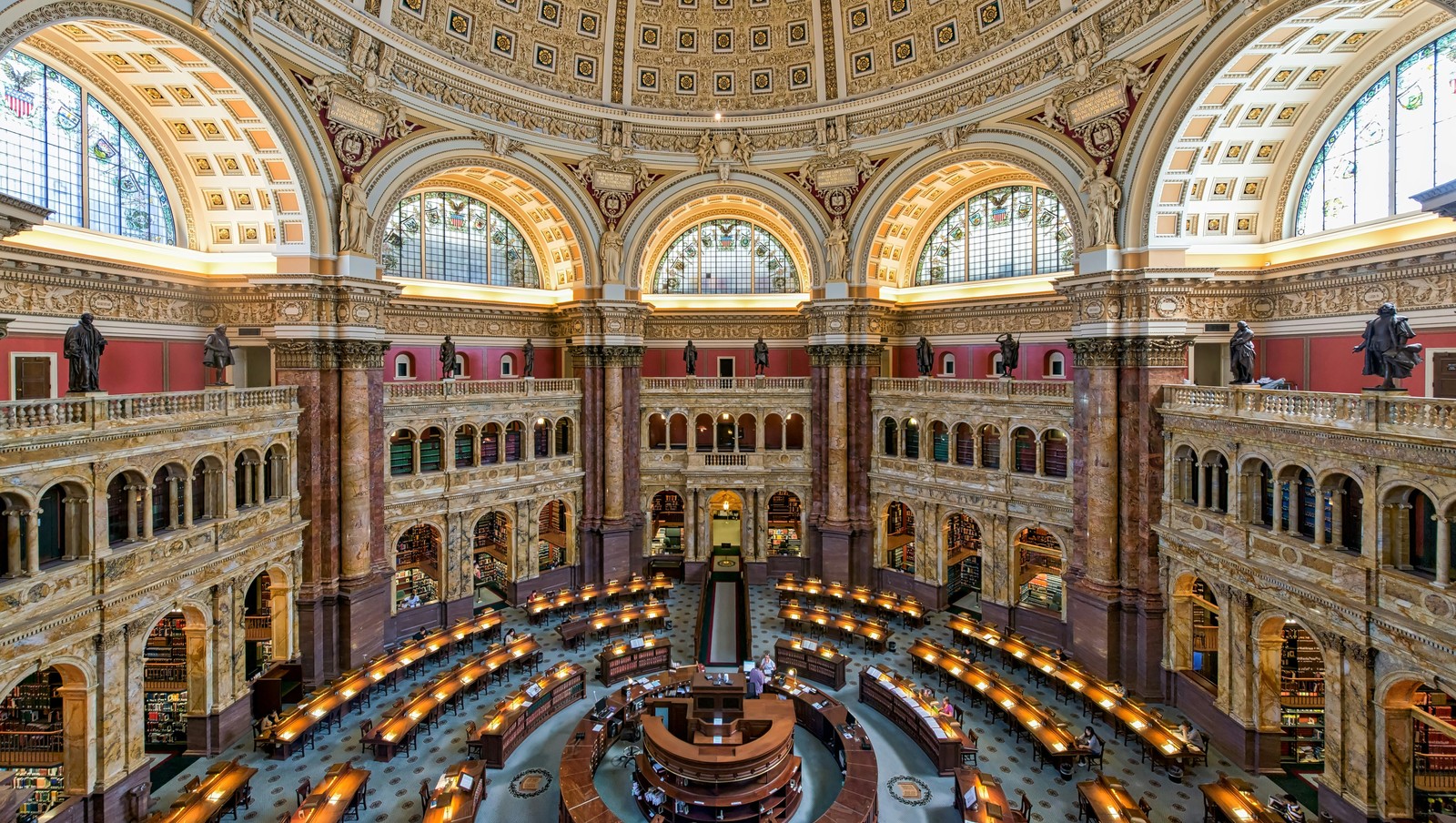
Image: Stephen Walker

Founded in 1800, the Library of Congress is the oldest federal cultural institution in the U.S. , and works as a de facto national library. Its main purpose is to serve as a research library for the U.S. Congress, but in addition to this, it houses one of the world’s most extensive collections of books, manuscripts, and artifacts in the world, many of them rare and unique. Here are some one-of-a-kind items from its collection!

1
Gutenberg Bible
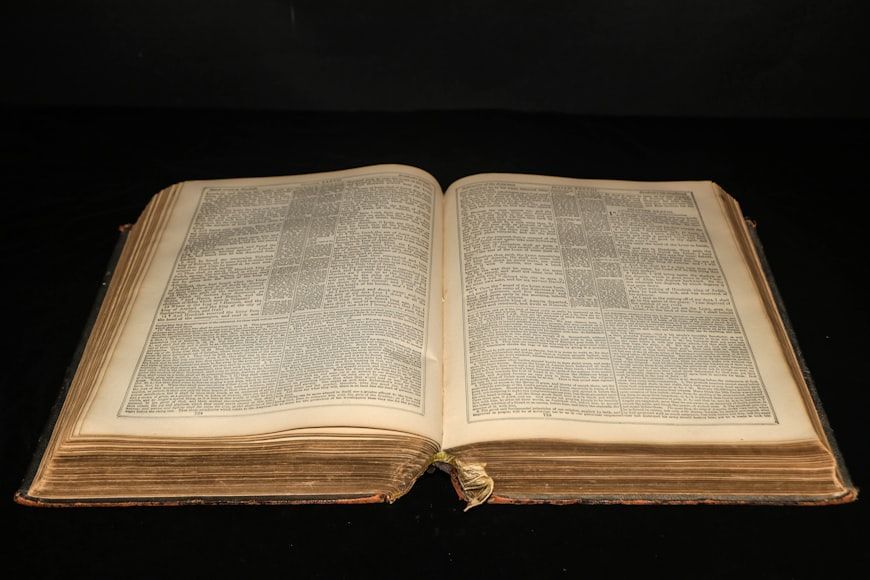
Image: Danika Perkinson

The Gutenberg Bible was the first book to be printed after the invention of movable type printing, around the year 1455. Nowadays, only 49 copies have survived from the 180 believed to have been printed by Gutenberg himself , and only 21 are considered complete copies. The copy kept in the Library of Congress is one of three complete copies printed in vellum —a parchment made from animal skin.

2
Draft of the Declaration of Independence
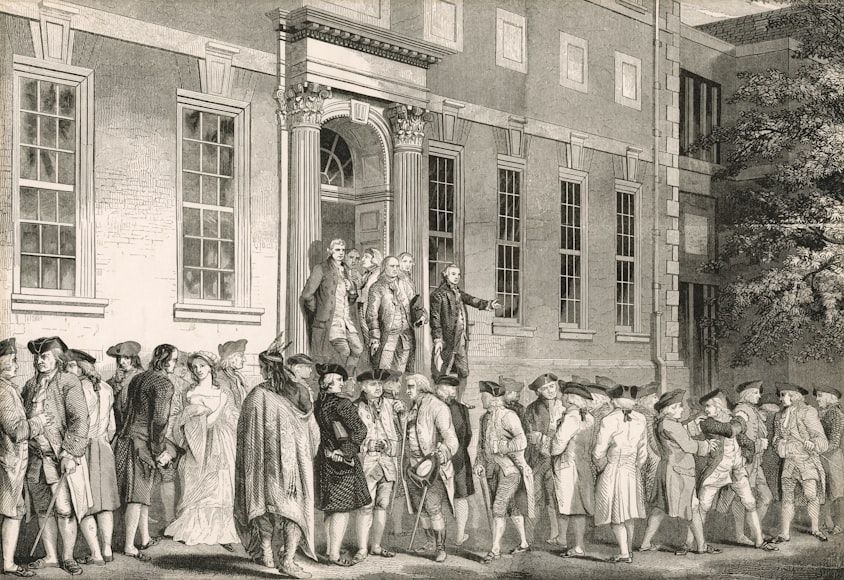
Image: The New York Public Library

The Declaration of Independence kept at the National Archives in Washington, D.C, is the final document presented to the Second Continental Congress. Before that, six drafts were made. The copy kept in the Library of Congress is the first ‘rough draft’ written by Thomas Jefferson , with notes from Benjamin Franklin, John Adams, and the other committee delegates. It was part of Jefferson’s personal library and papers, which were acquired by the Library of Congress in 1815.

3
Waldseemüller Map
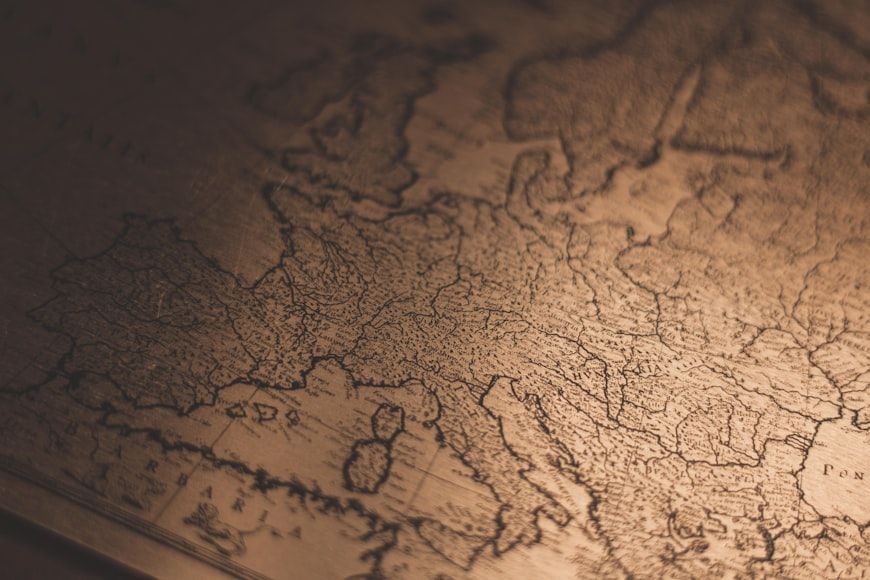
Image: Jakob Braun

The only surviving copy, this 1507 map by Martin Waldseemüller was an ambitious project that aimed to depict the geographical discoveries of the past few decades , including those made by Amerigo Vespucci after his voyages in 1501 and 1502, which confirmed that the ‘new world’ was not part of the Indies, but a separate continent altogether. To honor this, Waldseemüller named the continent America, and this map was the first to utilize the name.

4
The Stradivarius
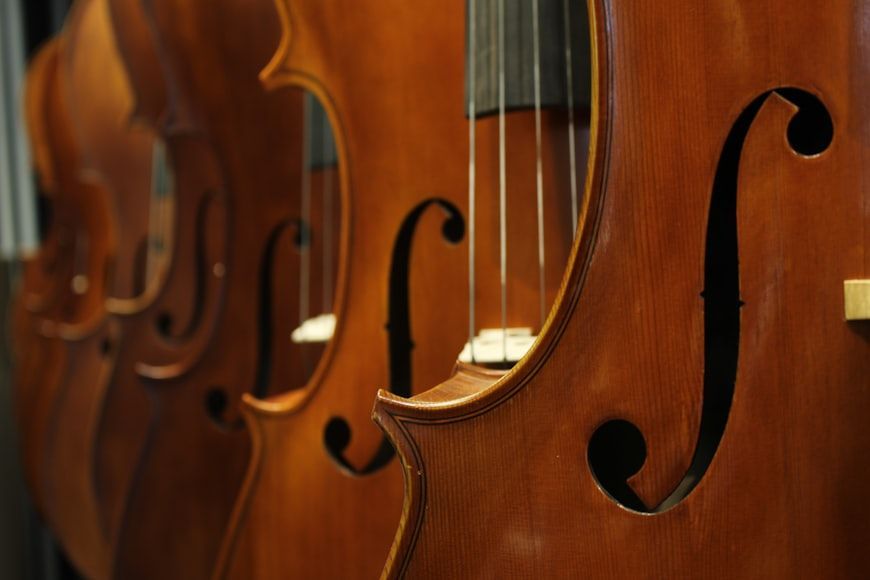
Image: Umutcan Günüç

Created by the luthier Antonio Stradivari and his family in the 17th and 18th centuries, Stradivarius instruments are renowned for their exquisite craftsmanship and sound, and are valued in the millions. It is estimated that 650 instruments have survived out of the around 1100 made . Six of them —two violas, three violins, and a cello— are kept in the Library of Congress.

5
Bay Psalm Book
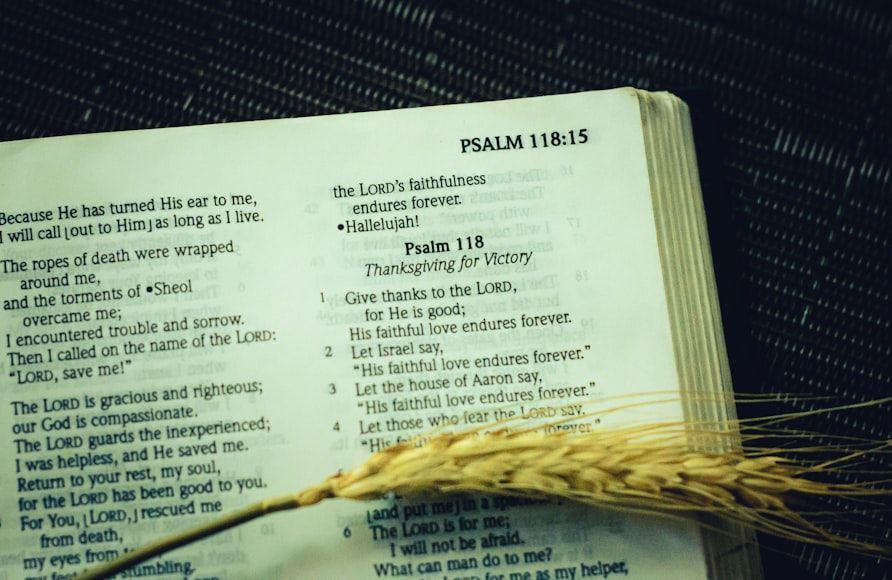
Image: Alex Shute

This book of psalms was the first book to be printed in British North America , and it dates to the year 1640, just 20 years after the arrival of the Pilgrims. This copy lacks a title page, and 12 of its pages have been removed. One of 11 surviving copies, it is a valuable testimony to America’s printing history.

6
Leaves of Grass

Image: Patrick Tomasso

Whalt Whitman’s Leaves of Grass is considered to be one of the most important poetry collections in American Literature and a celebration of the American spirit. The Library of Congress houses several editions of this book, the most important being a copy of its first edition, self-published in 1855, as well as a page of the original manuscript.

7
Wilbur and Orville Wright Papers
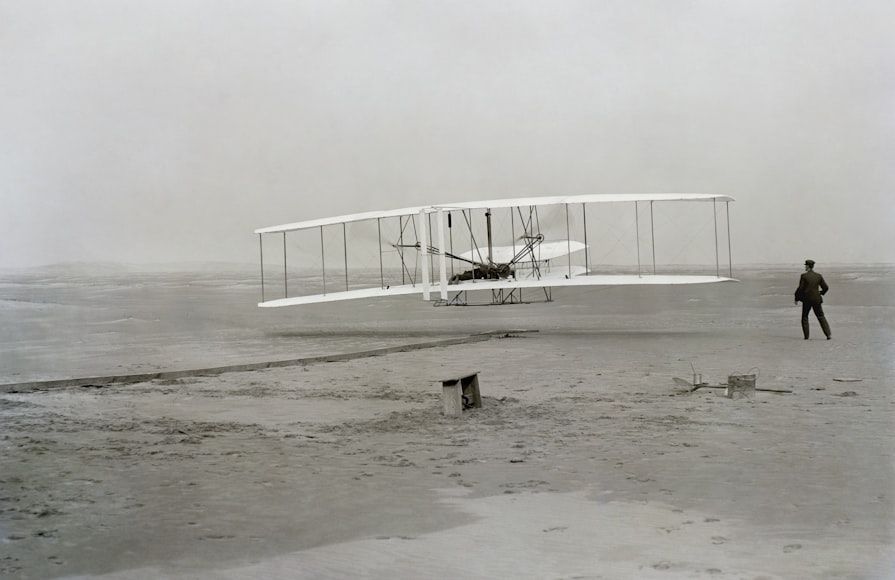
Image: History in HD

The Wright brothers are credited with the invention, building, and flying the world’s first successful airplane in North Carolina in 1903. This collection in the Library of Congress comprises 10,121 items related to them , including notebooks, photographs, papers, drawings, prints, correspondence, and more.

8
Giant Bible of Mainz
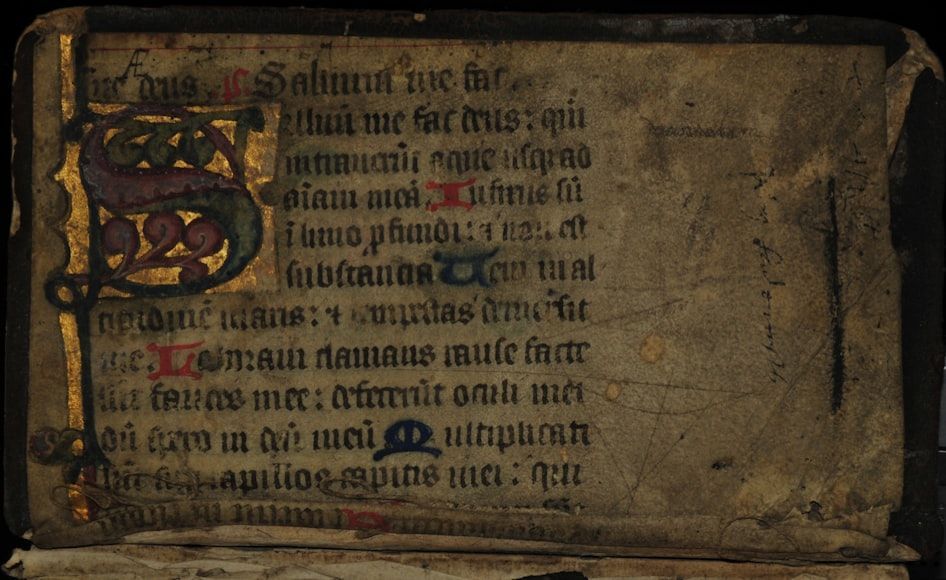
Image: Boudewijn Huysmans

Before the invention of movable type printing, most Bibles were handwritten, a laborious task that could take years to complete. The Great Bible of Mainz is one of the last Bibles made in this way , and it is dated around the year 1452. Made from 459 vellum skin leaves and embellished with illuminated initial letters and borders, this Bible was gifted to the Library of Congress in 1952.

9
Huexotzinco Codex
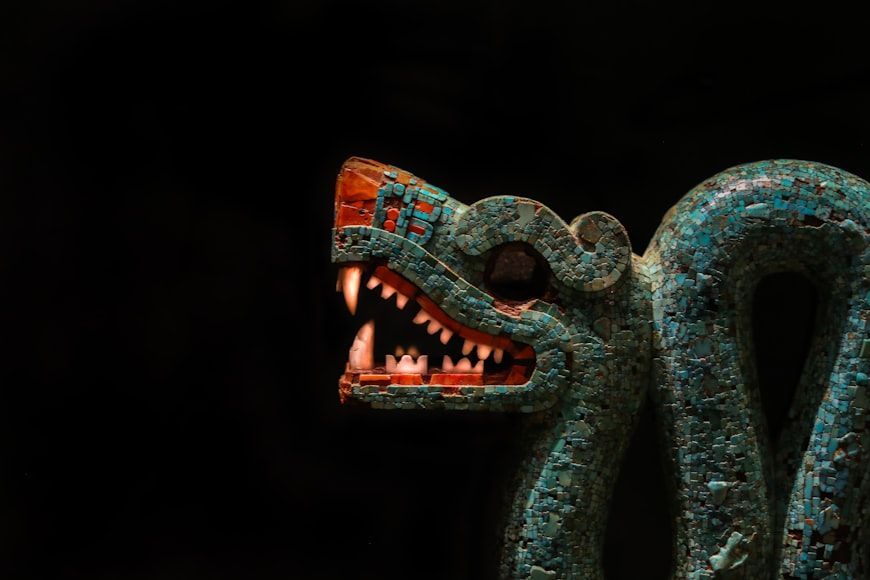
Image: Max Letek

Composed of 8 sheets of amatl —a pre-Hispanic Nahuatl type of paper—, this 1521 codex registers a legal complaint against a colonial administrator. The Nahua people of Huexotzinco were part of Hernán Cortés’s estate after aiding him in his campaign against the Aztec Empire. During one of Cortés’s trips, the administrators of the estate implemented abusive taxes. After his return, Cortés and the Nahua presented a joint formal complaint, and they were successful. The case was retried in Spain, where the courts and King Charles both agreed with the initial verdict and ruled that excess taxes were returned to the Nahua.

10
Gettysburg Address
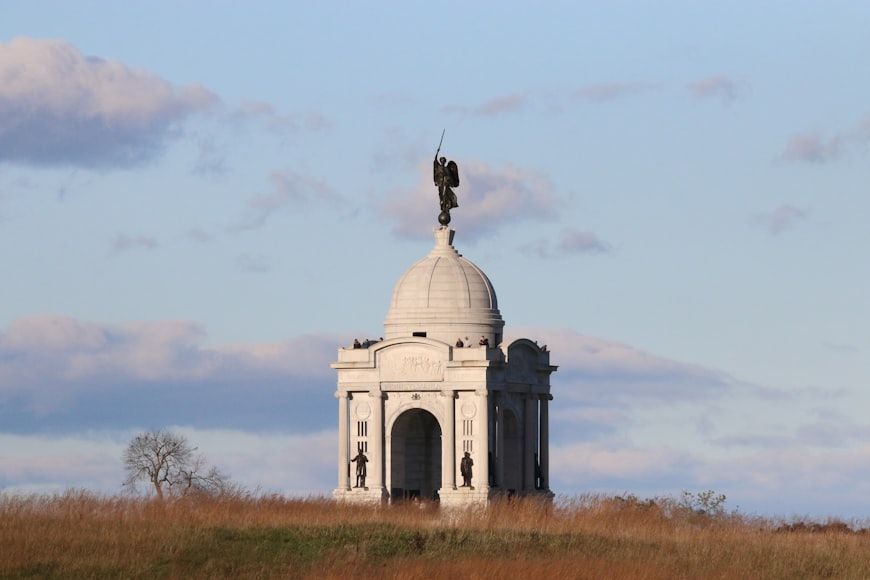
Image: Timothy Pierce

One of the most significant speeches of the American Civil War and of American History, the Gettysburg Address was delivered by President Lincoln on the occasion of the inauguration of the Soldiers' National Cemetery , now Gettysburg National Cemetery. Of the five surviving manuscript copies of the short speech —it lasted roughly two minutes— only two were written before the occasion, which were gifted by Lincoln to his personal secretaries, and were later donated to the Library of Congress.

General General 3 min read

Served on a plate!

Tasty beginnings: food firsts that took place in America!

Image: Steven Giacomelli

From campfire snacks to sizzling skillets, America has cooked up some iconic dishes that people around the world now crave. But where did these familiar favorites come from? You might be surprised to learn that many were invented right here in the US. Let’s take a tasty stroll down memory lane and discover the unexpected hometowns of some of your favorite bites.

1
Pecan pie: the South’s nutty masterpiece

Image: Keighla Exum

This rich, sticky dessert has deep Southern roots. French settlers in New Orleans encountered Native Americans who introduced them to pecans, and that’s when the magic began. Texas cookbooks helped spread the word, and Karo syrup sealed the deal in the 1930s with its bottle-side recipes. Today, pecan pie is a holiday must-have.

2
The California roll’s West Coast switch-up

Image: Ben Lei

Sushi purists may scoff, but the California roll is what got a lot of Americans eating sushi. Well, kind of. Created in Los Angeles (though Vancouver, Canada, also claims the credit), this roll swapped raw tuna for avocado and imitation crab, making sushi less scary and way more approachable.

3
Fajitas, from cattle hands to cast iron

Image: Nadine Primeau

Back in the day, ranch workers along the Texas-Mexico border made the most of tough skirt steak by grilling it and tossing it into tortillas. That no-frills meal eventually became the sizzling skillet spectacle we now call fajitas. Toss in onions, peppers, and a dollop of guac, and boom! Tex-Mex gold.

4
Corn dogs and the mystery on a stick

Image: Taylor

A hot dog on a stick sounds simple—we know—but getting to the modern corn dog took some trial and error. Patents were filed, batter recipes tweaked, and somewhere between a beach shack in Illinois and a fairground in Texas or Oregon, the corn dog was born. One thing’s for sure: once Americans figured out how to deep-fry a hot dog in cornmeal, there was no going back!

5
S’mores and the sweet tooth showdown

Image: Jonathan Taylor

Did you know the Girl Scouts have such a legacy? Their 1927 handbook gave us the first printed recipe for s’mores, and we’ve been hooked ever since. Roast a marshmallow, squish it between graham crackers and chocolate, and try not to eat five. Campfire memories wouldn’t be the same without this gooey, finger-sticky treat. And yes, of course—they stand for "some more."

6
The Caesar salad’s border-crossing fame

Image: Frames For Your Heart

Italian chef Caesar Cardini whipped up this leafy dish not in Rome, but in Tijuana. During the Prohibition era, Americans sneaked over the border for a legal drink and left raving about the crunchy, garlicky salad. It may have Mexican birth papers, but with Hollywood stars singing its praises and the dressing later patented in the US, the Caesar salad became a true celebrity.

7
Philly cheesesteaks: city of hoagie love

Image: Syed F Hashemi

Philadelphia's most famous sandwich started with a hot dog stand and a hunk of beef! Pat Olivieri slapped some steak on a roll, later added cheese, and boom—the cheesesteak was born, and the rest is history. Locals still argue over where to get the best one, but everyone agrees it’s a sandwich worth standing in line for.

8
Spaghetti and meatballs, made the American way

Image: Ivy Farm

If you order spaghetti and meatballs in Italy, they’ll look at you funny. Why? Because this comfort food classic was created by Italian immigrants in New York. Meat was cheaper here, sauce was plentiful, and suddenly, Sunday dinner had a new star. It’s Italian by ancestry but all-American in execution.

9
Chocolate chip cookies, thanks to a happy accident

Image: SJ 📸

Sometimes the best things happen by mistake. Here’s an example: Ruth Wakefield, owner of the Toll House Inn, wanted to make chocolate cookies but didn’t melt the chocolate—and voilà, the chocolate chip cookie was born. Nestlé acquired the recipe, and now it’s printed on every bag of chips. Homemade, store-bought, or eaten straight from the dough, this cookie is as American as it gets.

10
Jambalaya and its melting pot roots

Image: Kalyani Akella

Let’s close things out with a burst of flavor: Jambalaya may have a European passport, but it earned its American green card in Louisiana. Spanish paella, West African jollof rice, and French seasonings all came together in New Orleans, where rice, meat, and veggies came together to create one exquisite dish for everyone to enjoy!

Geography Geography 6 min read

Cowboy culture

Explore the “Lone Star State” with these fun facts about Texas!

Image: Lucas Beck

A song made popular by "the Singing Cowboy" Gene Autry contains these lyrics: "The stars at night are big and bright, deep in the heart of Texas." And while it's true that the "Lone Star State" is known for that single star shining on its flag, Autry wasn’t exaggerating— a star-filled Texan night sky is truly a sight to behold. However, that’s just the tip of the iceberg of the things that make this state so wonderful. With that in mind, we have compiled 10 of our favorite facts about Texas, hoping to inspire your future trip and fill you with pride for our second-largest state. Enjoy!

1
Brisket

Image: Sergey Kotenev

We’ll begin with a Texan staple . Texas boasts a number of extraordinary culinary delicacies, and we could have easily focused on any of them for this entry. As a sign of respect, we’ll mention chili con carne, Texas’ official state dish, as well as the Texas Tommy, a delicious hotdog served with bacon and cheese. However, we must give credit where credit is due to what’s perhaps the most iconic dish in Texan cuisine— we believe that title goes to the almighty brisket.

It’s no secret that Texas barbecues are the stuff of legends, and in that sense, many believe that brisket is the undisputed crown jewel of any barbecue worth its salt. While it's true that this beef cut does take some time to cook in Texan slow-smoking barbecue, briskets are truly something special.

2
Six Flags Over Texas

Image: Zabdiel Gonzalez

Have you ever wondered why the iconic theme park is called "Six Flags?" The name comes from the popular slogan "Six Flags Over Texas," but that doesn’t clarify exactly what those flags represent. Well, the answer lies in Texas history, since it is a direct reference to the six nations that have governed Texas in the past.

Since its foundation, Texas has been governed by Spain, France, Mexico, the Confederate States, and the United States. Not only that, for a brief period Texas was its very own independent country, known as the Republic of Texas. This independent state lasted from 1836 to 1846 before it became our nation’s 28th State.

3
Size

Image: Mick Haupt

Texas might not be our largest state, but it is undeniably massive. As we mentioned earlier, for approximately 10 years the Republic of Texas was its own separate country—and it certainly had the size for it. If Texas was still a separate nation, it would be the 39th largest nation in the world. In fact, the Lone Star state could fit 10 different European nations within its borders and still have room to spare.

Speaking of which, how does Texas fare against other U.S. states? Let’s just put it into perspective: you could fit Rhode Island, our smallest state, 221 times inside Texas. Not only that, you could comfortably fit 10 different states at the same time. Impressive, isn't it?

4
Etymology

Image: Enrique Macias

We’ve referred to Texas by its "Lone Star" nickname so much in this article that you might be inclined to believe that its official slogan is "The Lone Star State." However, you might be surprised to learn that the official one is actually "The Friendly State," a moniker that comes from the etymology of the word "Texas" itself.

The name "Texas" originates from the Caddo word táy:shaʼ, which translates to "friend." It is believed that Spanish settlers called the Caddo people by this word, and eventually named the whole region Provincia de los Texas , meaning "province of the Texas people."

5
Dr. Pepper

Image: Yana Smetana

Need a tasty beverage to wash all that delicious brisket down? We've got you covered, take a trip to Waco, Texas, and visit the Dr. Pepper Museum , housed in the very first building specifically built to bottle this iconic soft drink. Not only will you get a refreshing soda in return, but you’ll also learn all about one of America’s favorite beverages.

As you might have guessed, Waco is the birthplace of Dr. Pepper, created in 1885 by pharmacist Charles Alderton. This soft drink is truly a Texan treasure, regularly enjoyed all across the state. Much like Coca-Cola and other sodas, its recipe is a well-guarded secret, allegedly kept in halves and guarded in two separate safe deposit boxes.

6
Rodeo

Image: Vinny O'Hare

Few things are as synonymous with Texas as rodeo . Cowboy culture is a huge part of what makes this state so special, so if you have a chance, attending at least one rodeo during your visit is a must.

For many Texans, rodeos are more than just a spectacle—they are a way of life that showcases both the daring nature and passionate identity that defines the Lone Star State. There are literally too many rodeos to recommend, but rest assured, the spirit of the Old West still lives in all of them.

7
Lyndon B. Johnson Space Center

Image: History in HD

What’s the first thing that comes to mind whenever someone mentions the 1993 blockbuster Apollo 13 ? You don’t have to answer—we all know it’s Tom Hanks’ iconic delivery of the classic line, "Houston, we have a problem." It’s only natural that this phrase is forever associated with space exploration; after all, the city of Houston has been home to one of NASA’s main facilities for over 60 years.

The Lyndon B. Johnson Space Center is perhaps NASA’s most renowned facility. It’s where manned spaceflight research, training, and flight control are conducted. The center has grown so much in popularity that, in 1967, the city of Houston was given the official nickname "Space City."

8
Weird laws

Image: Tingey Injury Law Firm

Let’s take a small detour to talk about Texas’ wackier side . While the state’s constitution strives to guarantee the happiness and safety of millions of Texans, it also contains its fair share of wacky and weird laws that still exist in our days.

We don’t really have the time or space to deal with every weird Texas law, so here are some of our favorites. For starters, carrying wire cutters is forbidden in Austin, a rule that dates back to whenever cattle owners would settle a dispute by cutting their neighbors’ barbed wire. You should also refrain yourself from walking barefoot on the streets of certain Texan cities, and, thanks to a particularly outdated law, from buying cheese on a Sunday.

9
Texas Eiffel Tower

Image: Estevão Teixeira

Want to experience the majesty of the Eiffel Tower but don’t feel like leaving the country? Don’t worry, Texas has your back. All you need to do is visit the city of Paris (not the French capital, but rather its Texan counterpart) to marvel at a replica of this engineering wonder. While it is significantly smaller than the original, the Texas Eiffel Tower showcases this state’s spirit by sporting a red cowboy hat at its top.

Curiously, Texas's Eiffel Tower was built the same year as another American replica of the Parisian monument. In 1993, both Paris, Texas, and Paris, Tennessee unveiled their replicas. The cowboy hat was added to the Texas Tower in 1998 in a bit of friendly competition since the added height made this tower slightly taller than the one in Tennessee.

10
Presidents born in Texas

Image: History in HD

We’ll end this article by paying homage to some of Texas’ favorite sons. Did you know that Texas is the only state with three different presidential libraries ? What’s curious is that only two U.S. presidents were born in Texas, Lyndon B. Johnson and Dwight D. Eisenhower. However, two other presidents also famously fell in love with the Lone Star State and made it their home.

George H. Bush’s love for Texas is very well-documented. Years before becoming president, he moved to this state with his family after graduating from college. President Bush passed his adoration for Texas on to his children. Years later, his older son George W. became governor of Texas and, eventually, the 43rd president of the United States.

Explore more American facts

Choose your favorite category!

General
General

As American as apple pie—the very best America has to offer!

Culture
Culture

Delve into the astounding richness of American lore.

Geography
Geography

Hop in and explore vast and diverse American landscapes.

History
History

Discover the key moments that shaped the United States.