History History 5 min read

We all have secrets

10 historical figures with secrets very few knew about
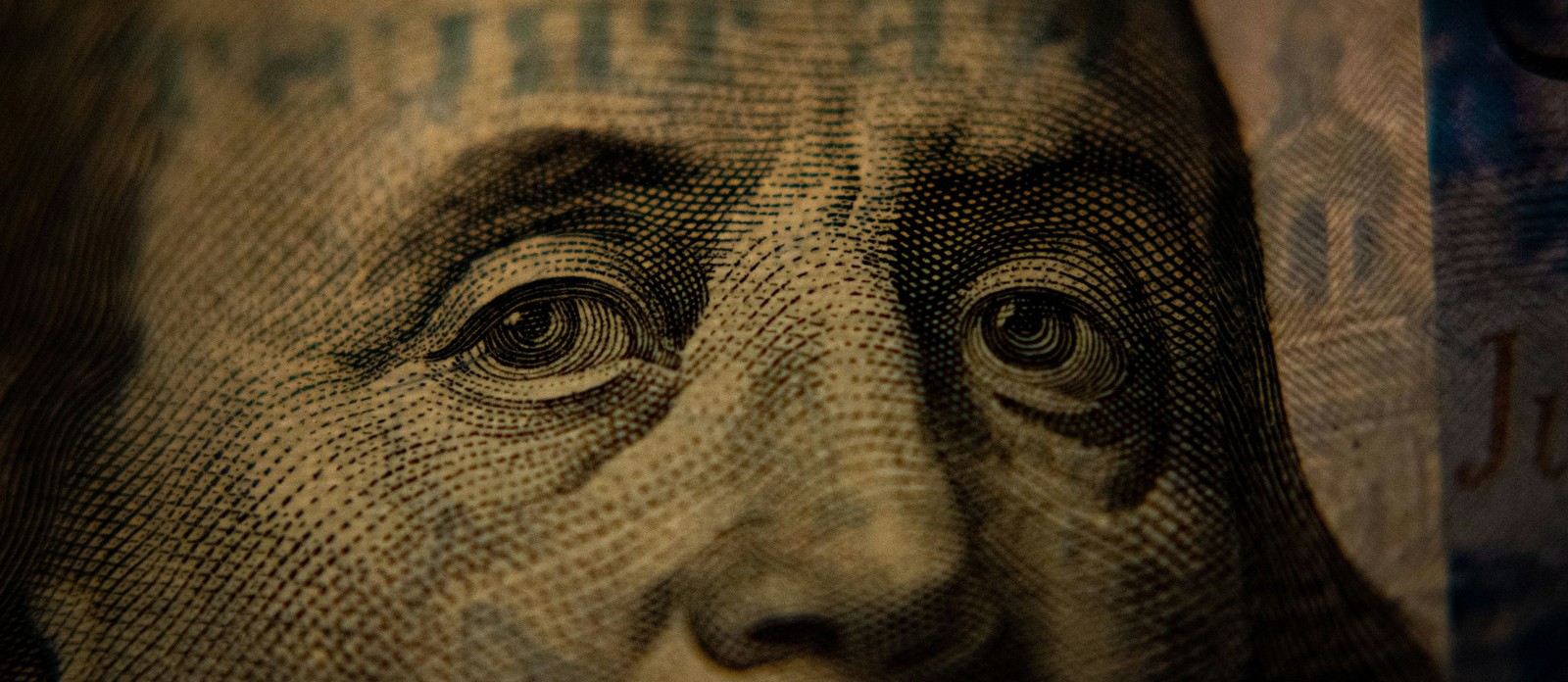
Image: Adam Nir

Some of America’s most famous figures led lives far more surprising than the history books suggest. Behind the public image of authors, athletes, inventors, and activists were hidden careers, secret missions, and little-known accomplishments. Some worked for intelligence agencies, others concealed entire identities, and a few quietly changed history without telling anyone.

1
Harriet Tubman secretly worked as a Union spy
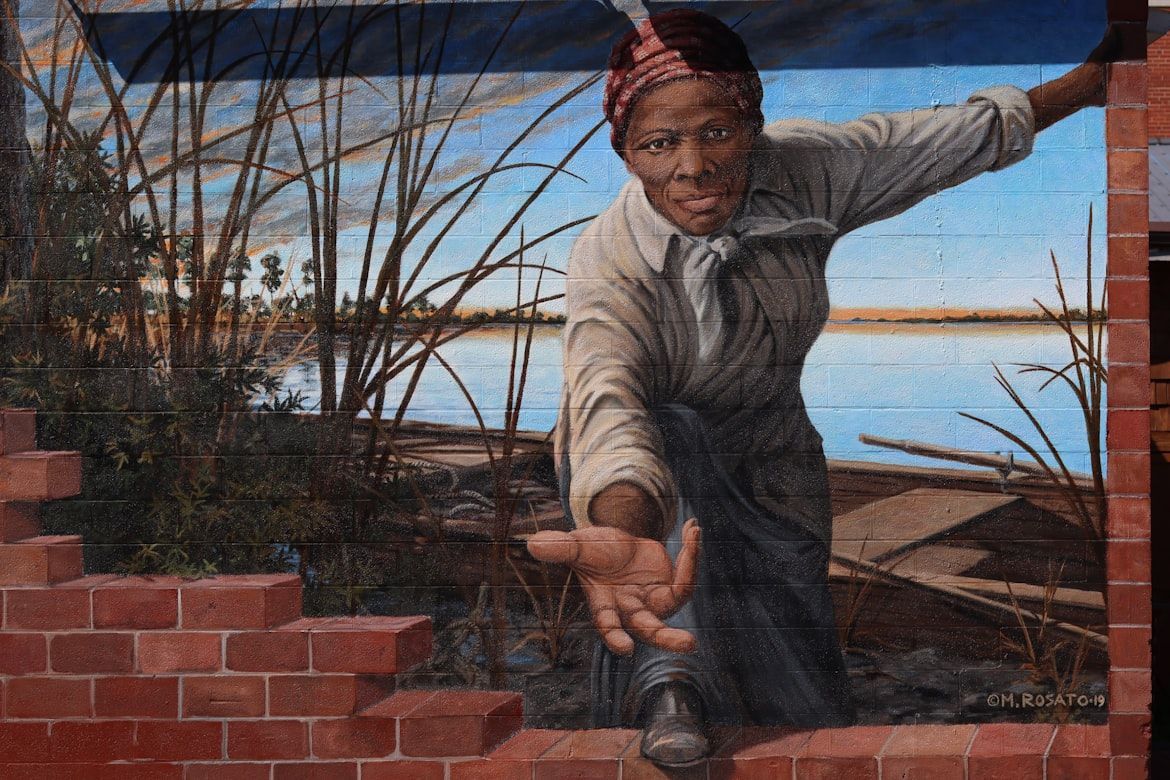
Image: Kirt Morris

Most Americans know Harriet Tubman for her leadership of the Underground Railroad, but during the Civil War, she also became a Union scout and spy in South Carolina. Working with Colonel James Montgomery, Tubman gathered intelligence from enslaved people living behind Confederate lines near the Combahee River .

In June 1863, Tubman helped lead the Combahee River Raid, guiding Union gunboats through Confederate waters filled with hidden mines. The operation freed more than 700 enslaved people and made Tubman the first woman known to lead a major U.S. military mission.

2
Julia Child worked for the U.S. intelligence agency
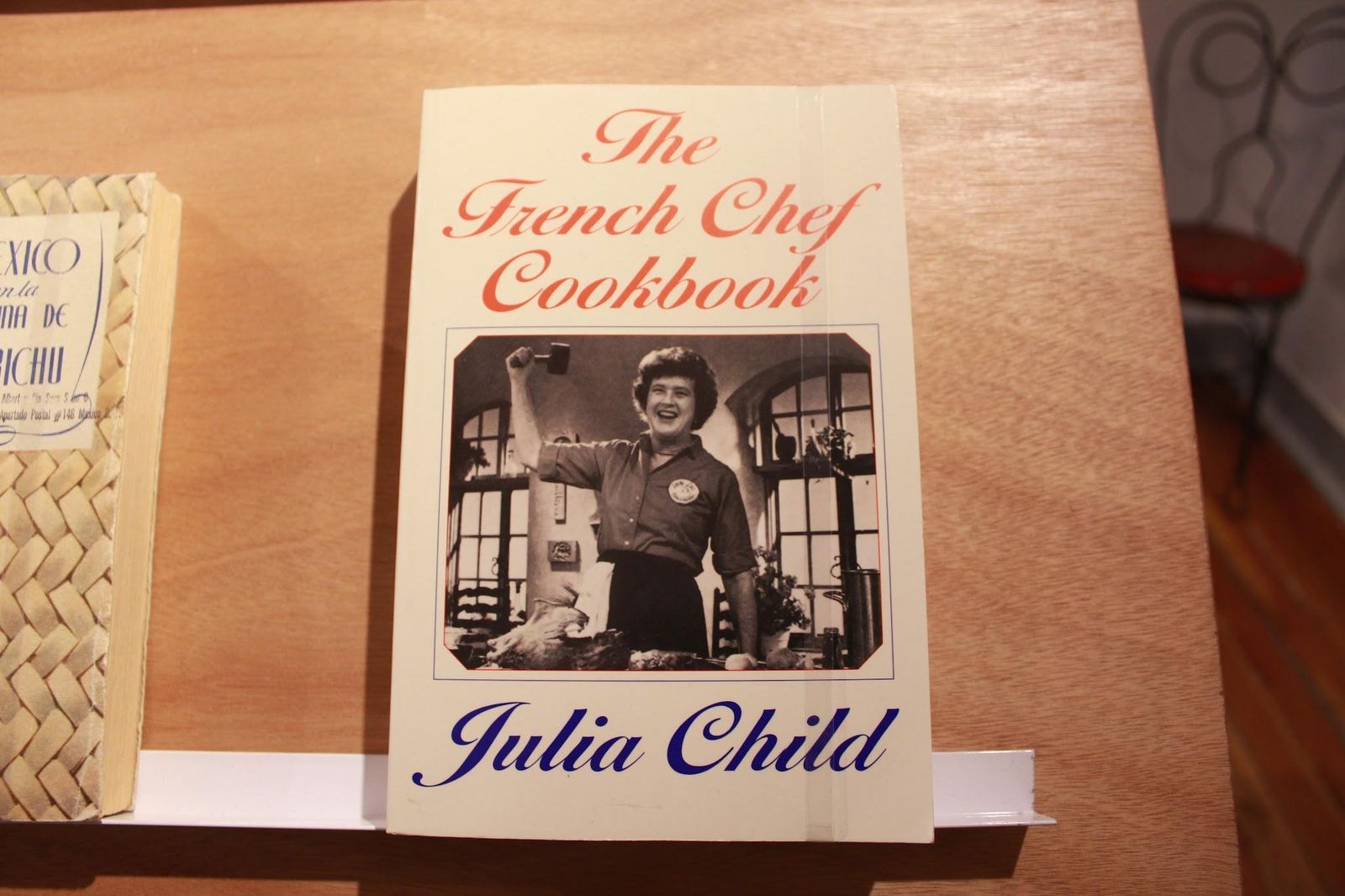
Image: FerEstrada, CC BY-SA 4.0, via Wikimedia Commons

Before becoming television’s most famous chef, Julia Child joined the Office of Strategic Services, or OSS, in 1942 during World War II. The OSS later evolved into the CIA. Too tall to enlist in the Women’s Army Corps, Child instead classified files and overseas communications in Asia.

One of her strangest assignments involved helping researchers develop shark repellent for Navy explosives and emergency rescue kits . The repellent used copper acetate and black dye to create an odor similar to a dead shark.

3
Benjamin Franklin conducted unofficial spy work in Europe
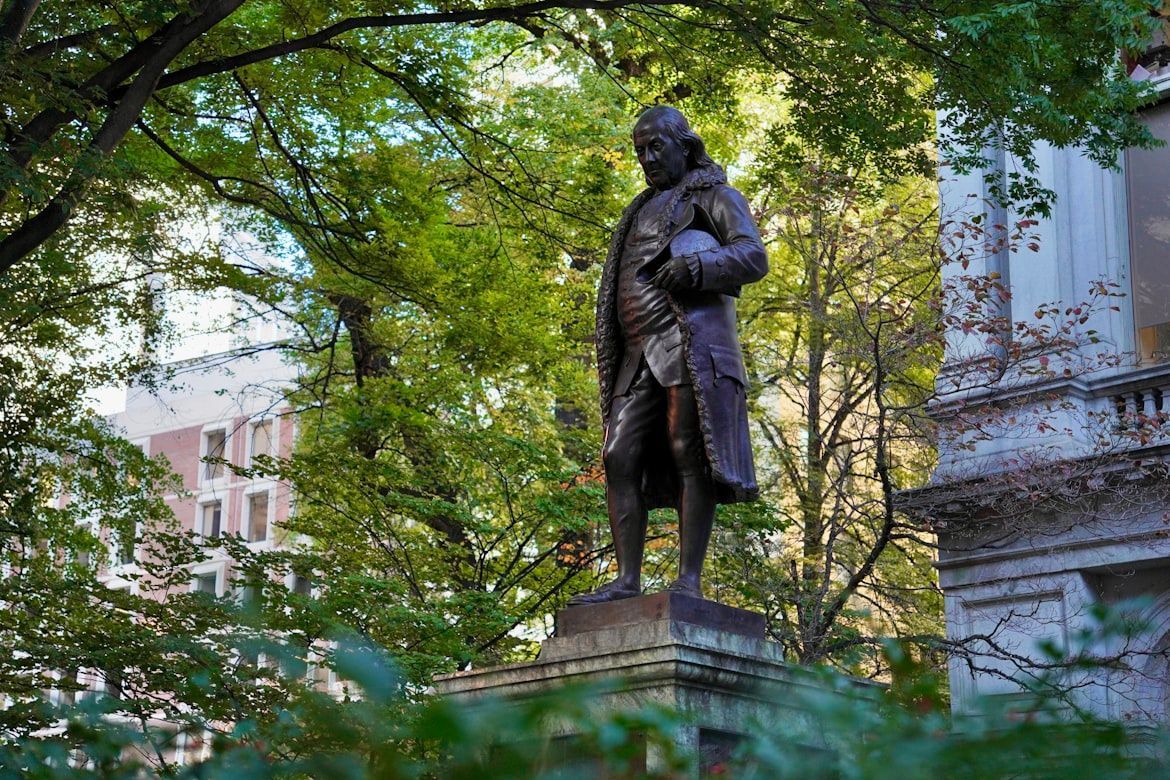
Image: Brett Wharton

Benjamin Franklin was more than a scientist and Founding Father. During the American Revolution, he quietly acted as an intelligence organizer while serving as ambassador to France beginning in 1776 . Franklin cultivated secret alliances, intercepted information, and used coded correspondence to support the colonies’ fight against Britain.

Operating from Paris, Franklin built relationships with French officials and helped persuade France to support the American cause with money, troops, and naval power. Historians consider his diplomatic intelligence efforts essential to the American victory at Yorktown in 1781 and eventual independence.

4
Louisa May Alcott published thrillers under another name
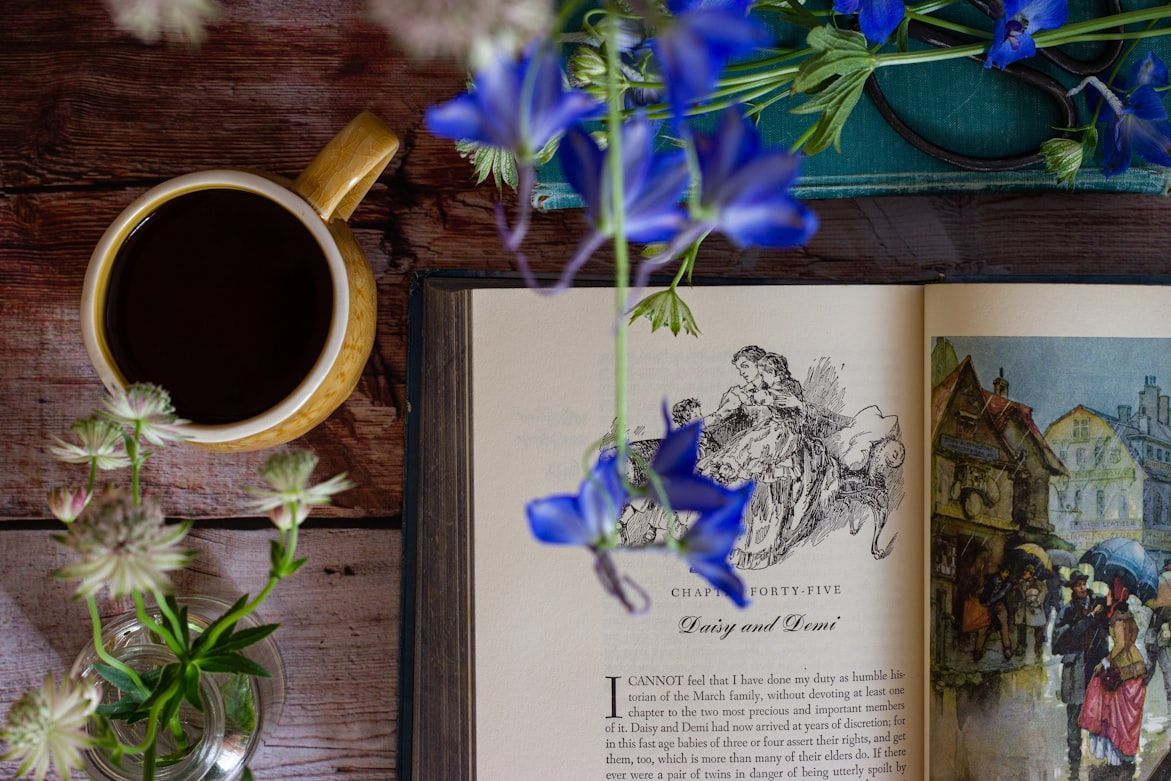
Image: micheile henderson

Louisa May Alcott became a literary icon after publishing Little Women in 1868, but few readers knew that she had already written sensational thrillers under the pen name "A.M. Barnard." These stories featured revenge, hidden identities, forbidden romance, and dramatic crime plots that shocked Victorian audiences.

Alcott used a pseudonym because publishers often expected women writers to produce respectable domestic fiction. Many of her darker stories remained forgotten until scholars rediscovered them in the 1940s. Today, titles like Behind a Mask reveal a far more rebellious side of the beloved author.

5
Maya Angelou worked as San Francisco’s first black female cable car conductor
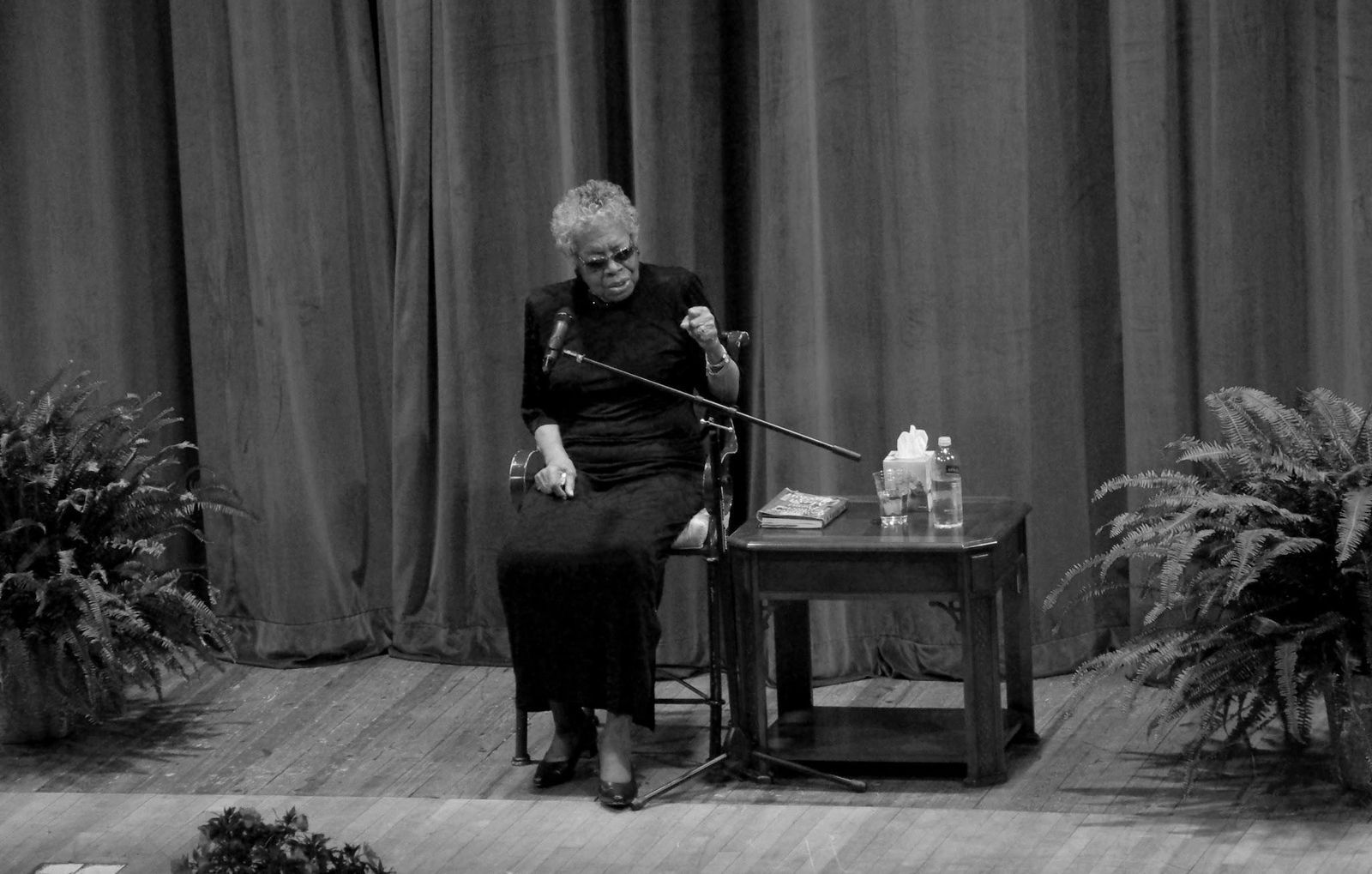
Image: Brian Stansberry (photographer), CC BY 3.0, via Wikimedia Commons

Long before becoming a celebrated poet and author, Maya Angelou made history in San Francisco during the 1940s. At only 16 years old, she applied repeatedly for a conductor job on the city’s cable cars after seeing an advertisement that excluded Black applicants .

Angelou refused to give up despite repeated rejection. She eventually became San Francisco’s first Black female cable car conductor in 1944. Years later, she described proudly wearing the blue uniform while working long shifts across the city before launching her writing and civil rights careers.

6
Dr. Seuss created classified wartime propaganda films
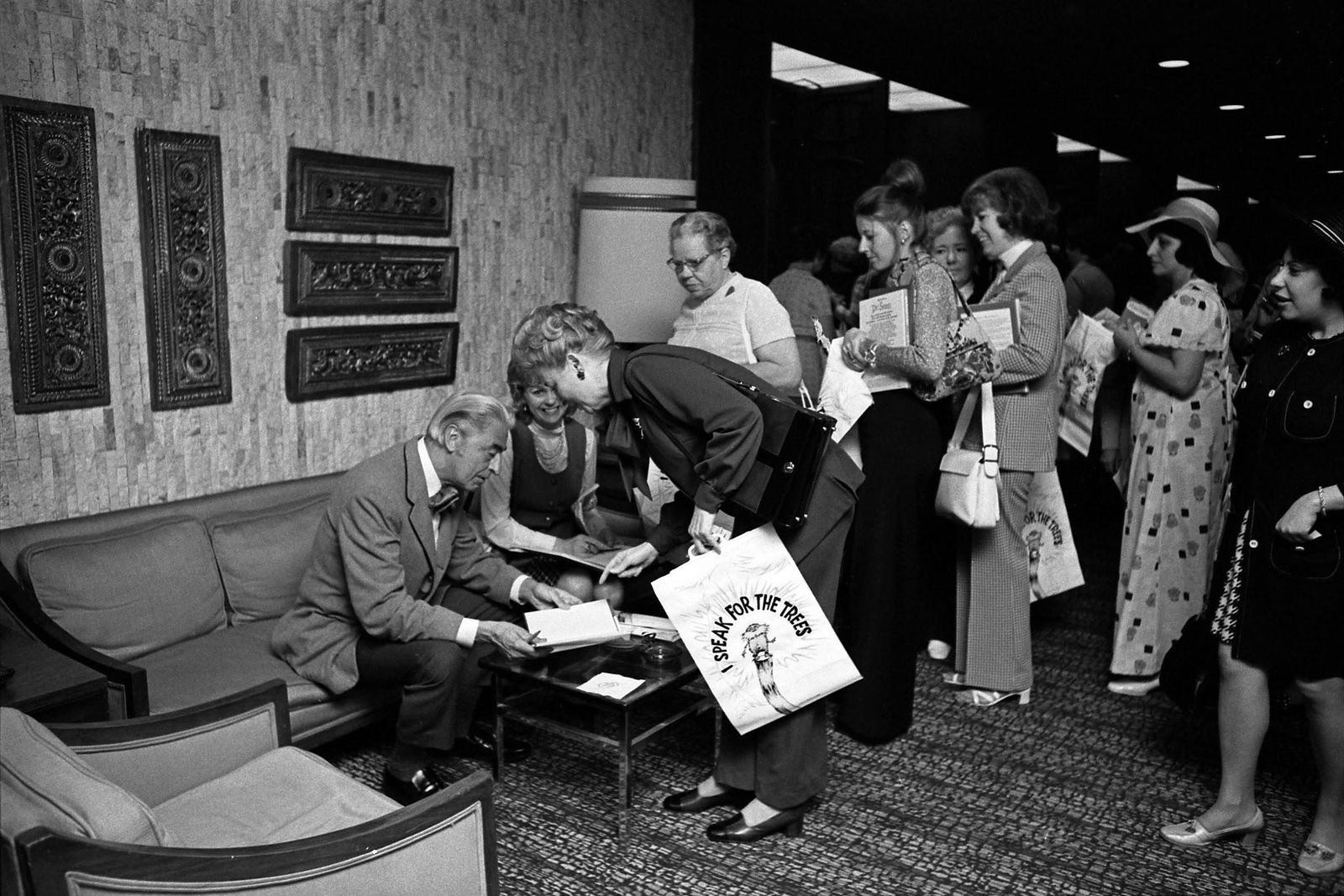
Image: Larry Bessel, Los Angeles Times, CC BY 4.0, via Wikimedia Commons

Before writing Green Eggs and Ham and The Cat in the Hat , Theodor Geisel, better known as Dr. Seuss, worked on wartime propaganda during World War II. Between 1943 and 1945, he joined director Frank Capra’s Signal Corps unit to produce military training films for American soldiers .

Geisel also drew political cartoons supporting the Allied war effort and criticizing fascism. Some of his films were classified during the war because they contained military training material. His animated work helped explain battlefield strategy and morale issues to thousands of U.S. troops overseas.

7
Babe Ruth once played an entire game with a fever over 102 degrees
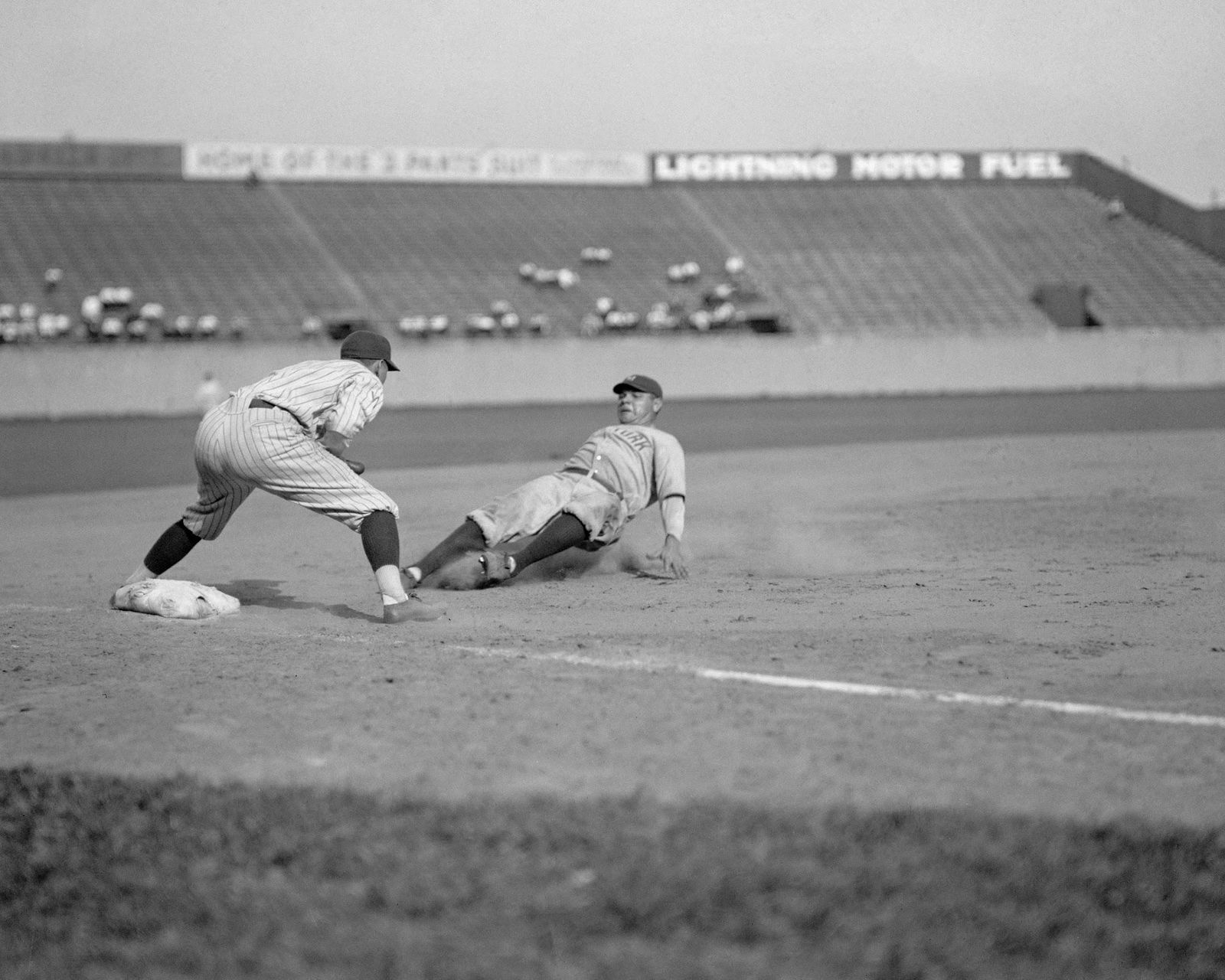
Image: National Photo Company, Public domain, via Wikimedia Commons

In 1925, Babe Ruth became seriously ill during spring training and collapsed while traveling by train . Newspapers nicknamed the incident "the bellyache heard around the world." Reports from the time described Ruth suffering from a fever above 102 degrees while still insisting on returning to baseball activities.

Despite his condition, Ruth’s determination became part of baseball legend. The illness hurt his performance during the 1925 season, when the New York Yankees finished seventh in the American League. Even so, Ruth rebounded quickly and helped lead the Yankees to championships in later years.

8
Harry Houdini worked with police departments
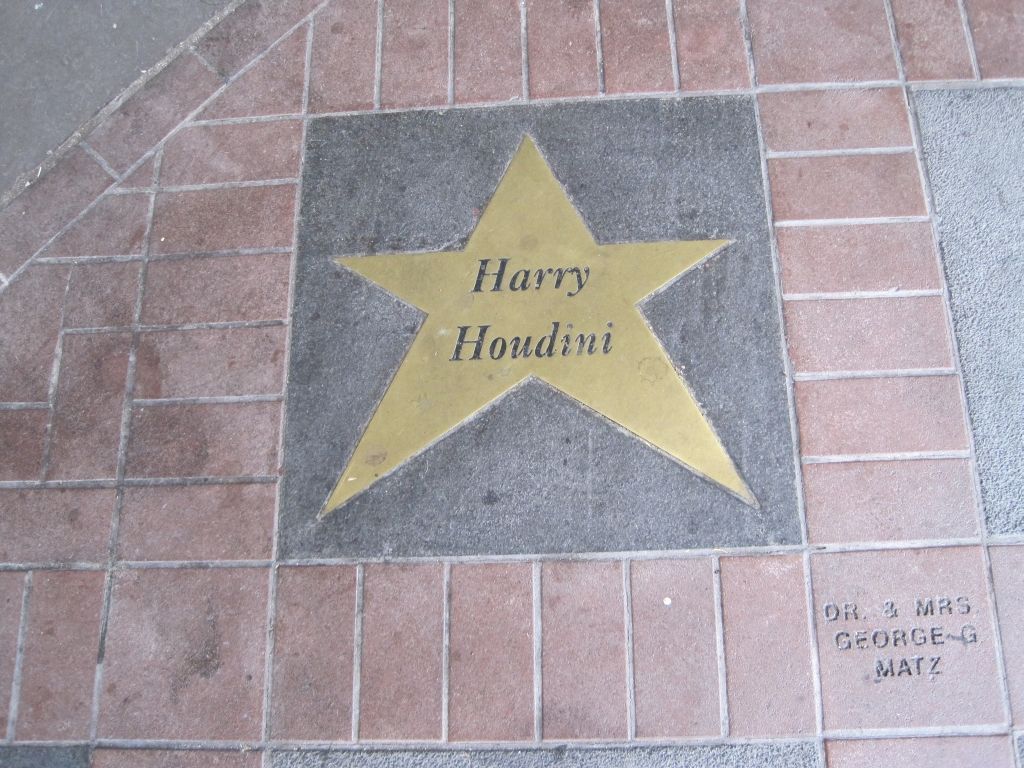
Image: Thomas R Machnitzki, CC BY 3.0, via Wikimedia Commons

Harry Houdini’s famous escape acts fascinated police departments across America and Europe in the early 1900s. Officers regularly challenged him to escape from handcuffs, prison wagons, and locked jail cells. Houdini often invited local police to inspect restraints before his performances began.

Beyond entertainment, Houdini also worked closely with law enforcement to expose fraudulent mediums and fake spiritualists during the 1920s . Using his knowledge of locks, hidden compartments, and deception, he publicly demonstrated how many supposed supernatural tricks were actually carefully staged illusions.

9
Frank Lloyd Wright hid a private apartment inside one of his buildings
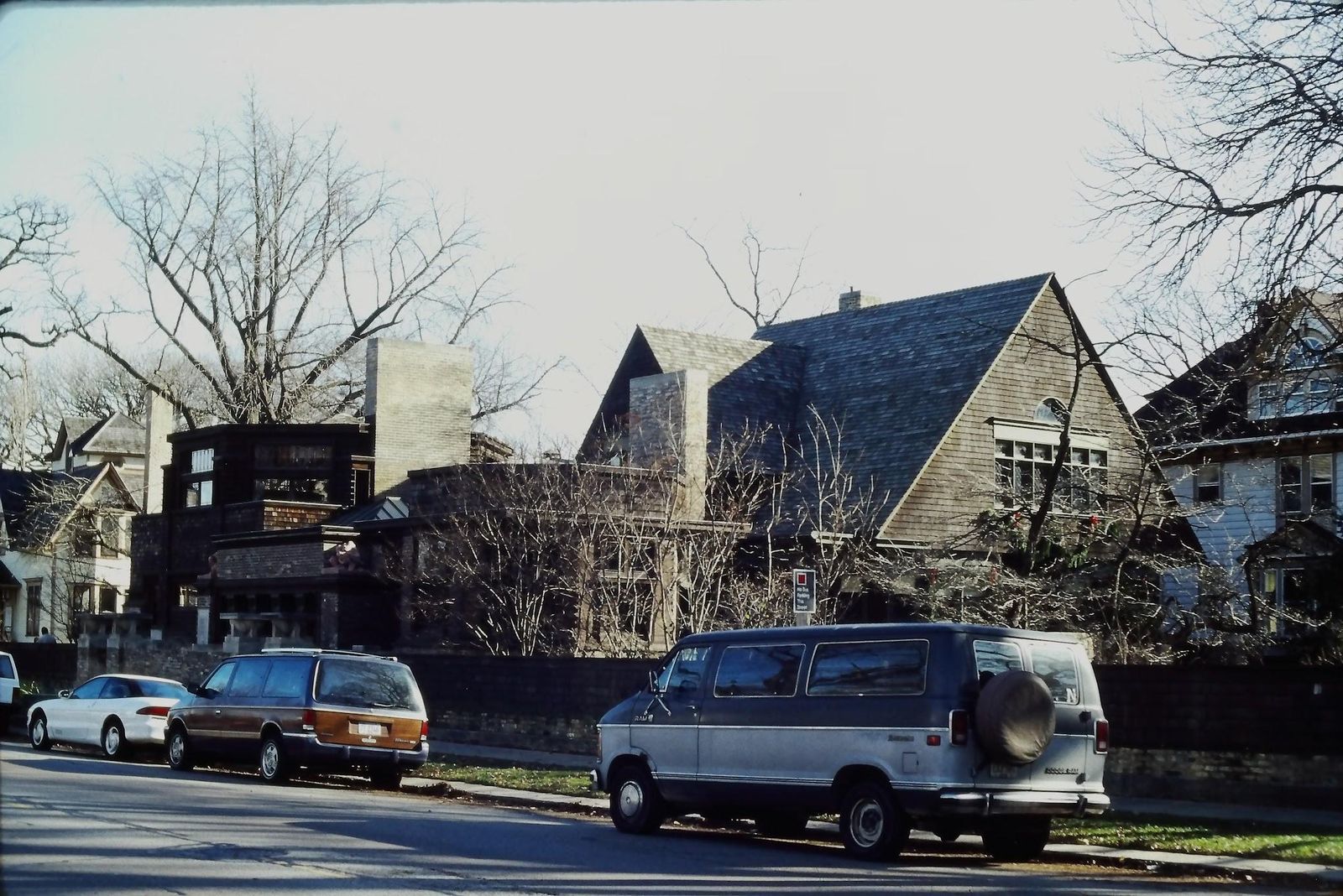
Image: Bmzuckerman, CC BY 4.0, via Wikimedia Commons

Architect Frank Lloyd Wright secretly maintained a private apartment inside his famous Oak Park Studio near Chicago, Illinois. Built in the 1890s, the studio served as both his workplace and personal retreat while he designed many of his early Prairie-style homes across the Midwest.

The hidden living quarters allowed Wright to work late into the night and host select guests away from public attention. The building itself became one of the most important centers of American architecture, producing groundbreaking residential designs that influenced modern architecture around the world.

10
Muhammad Ali quietly funded humanitarian causes for years
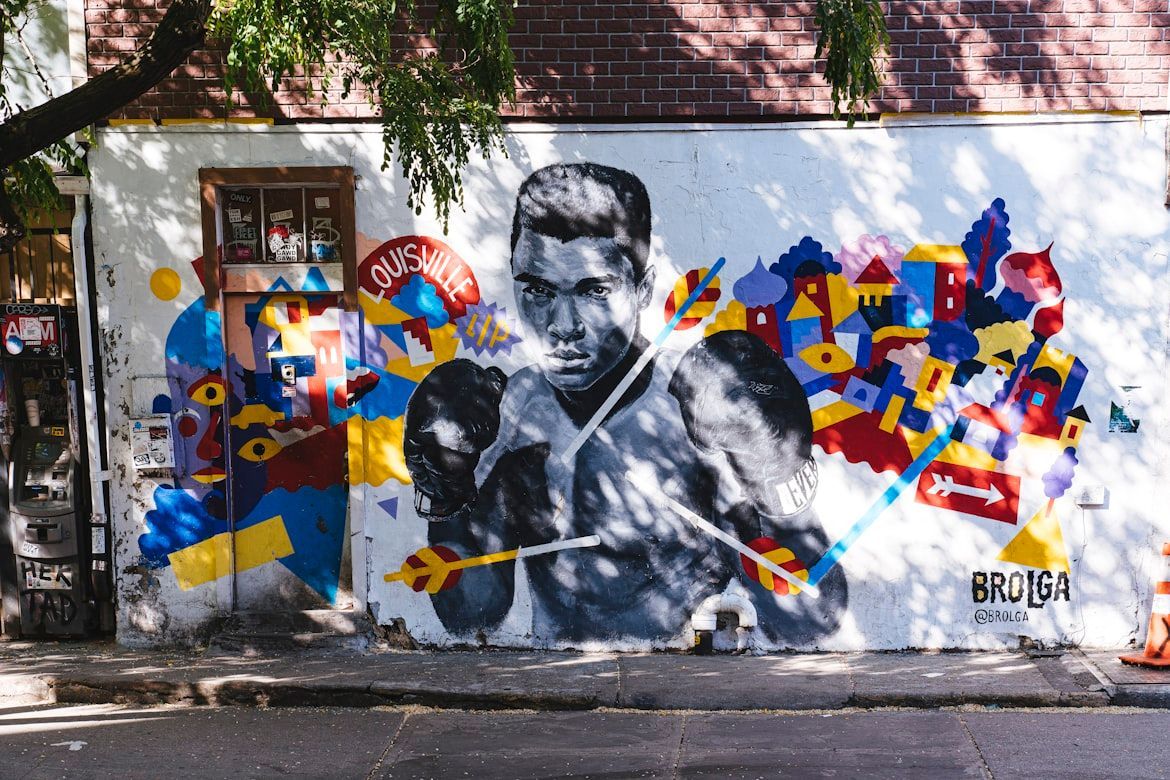
Image: Nelson Ndongala

Muhammad Ali’s boxing fame often overshadowed his enormous charitable work. For decades, Ali quietly donated money to hospitals, food programs, children’s charities, and international humanitarian efforts . Friends and family later revealed that many of his contributions were intentionally kept private.

In 1990, Ali traveled to Iraq during tensions leading up to the Gulf War and helped secure the release of 15 American hostages. He also supported global relief organizations and Parkinson’s disease research after his own diagnosis. In 2005, President George W. Bush awarded Ali the Presidential Medal of Freedom.

Culture Culture 5 min read

Even show business had to start somewhere

From Rudy Vallee to Screamin’ Jay Hawkins: 10 Early American pop stars

Image: Papa Yaw

Colorful singers who stand out from the rest of the music band have been around for a long time, but it wasn’t until the arrival of live microphones that their contributions could be recognized for more than just a powerful voice; their nuances could play a bigger role in their live acts. The list of these sonic pioneers is very long, and for the sake of brevity, we are narrowing it down to ten entries. If some of these names pique your curiosity, we encourage you to give them a listen. After all, they didn’t get this big for nothing!

1
Josephine Baker

Image: Richie Lugo

Josephine Baker was the first Black woman to star in a major motion picture , the 1927 French silent film Siren of the Tropics . During her early career, Baker was among the most celebrated performers to headline the revues of the Folies Bergère in Paris. Her performance in the 1927 revue Un vent de Folie caused a sensation in the city. Her costume, consisting only of a short skirt made of artificial bananas and a beaded necklace, became an iconic image and a symbol both of the Jazz Age and the Roaring Twenties.

Baker was celebrated by artists and intellectuals of the era, who variously dubbed her the "Black Venus," the "Black Pearl," the "Bronze Venus," and the "Creole Goddess." She aided the French Resistance during World War II, and after the war, she was awarded the Resistance Medal by the French Committee of National Liberation, the Croix de Guerre by the French military, and was named a Chevalier of the Legion of Honour by General Charles de Gaulle.

2
Rudy Vallée

Image: Matt Botsford

Rudy Vallée was the first male singer to rise from local radio broadcasts in New York City to national popularity as a "crooner." He had a thin, wavering tenor voice and seemed more at home singing sweet ballads than jazz songs. But his singing, saxophone playing, and the innovative arrangements he wrote for his band attracted the attention of a rapidly increasing number of listeners, especially young women.

Singers needed strong voices to fill theaters in the days before microphones. Crooners had soft voices that were suited to the intimacy of radio; the microphones, in this case, promoted direct access to "a vulnerable and sensuous interior," or, in other words, "a conjured intimacy." Vallée was one of the first celebrity radio vocalists.

3
Bobby Darin

Image: Jack Sharp

Bobby Darin was an American teen idol and, later, an adult crooner who, in 1958, co-wrote and recorded his first million-selling single, "Splish Splash," followed by "Dream Lover" and his covers of "Mack the Knife" and "Beyond the Sea," which brought him worldwide fame.

In the early 1970s, his health was beginning to fail due to a weak heart. The knowledge of Darin's vulnerability had always spurred him on to use his musical talent while still young. Darin died in 1973 at the age of 37 in a hospital recovery room after having open-heart surgery in Los Angeles.

4
Keely Smith

Image: Harry Shelton

American jazz and popular music singer Keely Smith performed and recorded extensively in the 1950s with her then-husband Louis Prima , and throughout the 1960s as a solo artist. The couple were stars in the entertainment business, including stage, television, motion pictures, hit records, and cabaret acts.

They won a Grammy in 1959, its inaugural year, for their smash hit, "That Old Black Magic," which remained on the charts for 18 weeks.

5
The Ink Spots

Image: Jorge Flores

The first band on the list, the Ink Spots was an American vocal pop group who gained international fame in the 1930s and 1940s due to their unique musical style, which predated rhythm and blues and doo-wop .

On January 12, 1939, the Ink Spots recorded "If I Didn't Care," one of their biggest hits, selling over 19 million copies and becoming the 8th-best-selling single of all time. Since they disbanded in 1954, there have been well over a hundred vocal groups calling themselves "The Ink Spots," with and without any original members of the group.

6
Ella Fitzgerald

Image: zachrie friesen

A frequent collaborator of the Ink Spots, Ella Fitzgerald was a singer, songwriter, and composer, sometimes referred to as the "First Lady of Song," the "Queen of Jazz," and "Lady Ella." She was noted for her purity of tone, impeccable diction, phrasing, timing, intonation, absolute pitch, and a "horn-like" improvisational ability, particularly in her scat singing.

Outside her solo career, she recorded music with Louis Armstrong, Duke Ellington, and the aforementioned Ink Spots. These partnerships produced songs such as "Dream a Little Dream of Me," "Cheek to Cheek," "Into Each Life Some Rain Must Fall," and "It Don't Mean a Thing (If It Ain't Got That Swing)."

7
Bing Crosby

Image: Alexander Wark Feeney

A one-man orchestra, Bing Crosby was a singer, actor, television producer, radio personality, and businessman. The first multimedia star , he was one of the most popular and influential musical artists of the 20th century worldwide.

In 1948, American polls declared him the "most admired man alive," ahead of Jackie Robinson and Pope Pius XII. That same year, Music Digest estimated that Crosby's recordings filled more than half of the 80,000 weekly hours allocated to recorded radio music in America.

Crosby is one of 33 people to have three stars on the Hollywood Walk of Fame , in the categories of motion pictures, radio, and audio recording.

8
Perry Como

Image: Oscar Sutton

Perry Como was an American singer, actor, and television personality who sold over 100 million records worldwide and pioneered a weekly musical variety television show. His weekly television shows and seasonal specials were broadcast around the world. He recorded primarily vocal pop and was renowned for his recordings in the intimate, easy-listening genre pioneered by our newly acquainted friend, Bing Crosby.

In the official RCA Records memorial in Billboard magazine, his life was summed up in these few words: "50 years of music and a life well lived. An example to all."

9
Nina Simone

Image: Artem Bryzgalov

A bigger-than-life figure, Nina Simone was a singer, songwriter, pianist, composer, arranger, and civil rights activist whose piano playing was strongly influenced by baroque and classical music, and accompanied by expressive, jazz-like singing in her contralto voice .

Early in her career, Simone played piano at a nightclub in Atlantic City, where she was told that she would have to sing to her accompaniment. This effectively launched her career as a jazz vocalist. Simone also became known for her work in the civil rights movement during the 1950s and 1960s, and she later fled the United States and settled in France following the assassination of her friend Martin Luther King Jr. in 1968.

10
Screamin’ Jay Hawkins

Image: Music HQ

The closer of this list is one of the most colorful characters in American music. "Screamin' Jay" Hawkins was a singer-songwriter, musician, actor, film producer, and boxer, best known for his powerful, shouting vocal delivery and wildly theatrical performances with macabre props onstage, making him an early pioneer of shock rock.

Screamin’ Jay’s most successful recording, "I Put a Spell on You," was created when the entire band was intoxicated during a recording session where "Hawkins screamed, grunted, and gurgled his way through the tune with utter drunken abandon." The resulting performance became his greatest commercial success and reportedly surpassed a million copies in sales.

History History 6 min read

The forgotten seconds in command

How long did it take for a Vice President to be charged with a felony?

Image: Brandon Mowinkel

How many vice presidents do you remember? We know that several presidents served initially in the number two role, and that a few of them had to step up to the presidential office due to death or resignation. But beyond that, what else is there to know? Well, many things, but we’ll stick to unusual facts and circumstances. Which one was accused of murder? Why are they called Veep? Were they always chosen by their party? Let’s dive into some interesting Vice Presidents of the U.S.

1
The criminal Veep

Image: See page for author, Public domain, via Wikimedia Commons

America never lacked politicians who were suspected criminals —vice presidents included— but not every day is the second most important person in the nation formally accused of murder. It is a known fact that Aaron Burr, America’s third vice president, fatally shot founding father Alexander Hamilton in a duel in 1804. What many don’t know is that he was formally indicted for that murder in New York and New Jersey , but he fled to South Carolina and never stood trial, and the charge was eventually dropped. He was also accused of treason, but we can’t say that he was unique among politicians in that sense.

2
The first Veep that was actually elected

Image: Benjamin Henry Latrobe, Public domain, via Wikimedia Commons

Did you know that, in the beginning, vice presidents were not elected as running mates of a presidential candidate? For the first three presidencies, the position was filled by the runner-up, which created endless conflicts. After all, who wants to work with the guy who beat you? After Thomas Jefferson struggled to govern with Aaron Burr as his second, he pushed for the 12th Amendment, which allowed vice presidents to be elected on their own . For his next term, Jefferson chose George Clinton as running mate —not only because he was popular, but also because his age (65 years old) made it unlikely that he would challenge Jefferson’s successor, James Madison, for the presidency. In the end, Jefferson didn’t have to worry about it because Clinton was the first vice president to die while in office in 1812.

3
The unelected Veep

Image: White House, Public domain, via Wikimedia Commons

In 1973, Vice President Spiro Agnew resigned under accusations of corruption. The newly ratified 25th Amendment stated that the president, Richard Nixon, had to nominate someone for the position, to be later ratified by Congress. He chose Gerald Ford, at the time the House Minority Leader , and widely respected by his peers. Less than a year later, Nixon was forced to resign due to the Watergate scandal, and Ford assumed the presidency, making him the only vice president and president who was not elected.

4
The first Veep to have a ‘Second Gentleman’

Image: The White House, Public domain, via Wikimedia Commons

We’ve had many memorable First Ladies in our history, but, seeing that we never had a female President, we don’t know what that role would look like in a reversed situation. But what about a Second Gentleman? In 2021, Kamala Harris was the first woman to serve as Vice President, and her husband, Doug Emhoff, became the first ‘Second Gentleman’ of the nation , which meant that the acronym for the position (SLOTUS) had to be updated to SGOTUS.

5
The first Veep to be a proper Veep

Image: Abbie Rowe, Public domain, via Wikimedia Commons

Where does the use of "Veep" for vice president come from? In 1949, Alben W. Barkley was elected as VP under President Harry S. Truman. Barkley thought that ‘Mr. Vice President’ was a mouthful, and it sounded too formal. His grandson suggested the term Veep (after the VP initialism) , which became popular when Barkley told the story to the press. Although the following vice president, Richard Nixon, refused to use the term out of respect for Barkley, it has become the common phrase used to informally refer to vice presidents.

6
The shortest Veep-to-President pipeline

Out of the fifteen vice presidents to later become president, nine of them did so due to the president dying or resigning. The 10th Vice President, John Tyler, was not only the first Veep to assume the role after the President’s death, but also the Veep with the shortest tenure in American history. After only 31 days in office, in 1841, he became president due to the passing of William Henry Harrison , setting the precedent that vice presidents who assumed the presidency were official and not just acting presidents.

7
The first Veep to live at Number One Observatory Circle

Image: National Archives and Records Administration, Public domain, via Wikimedia Commons

Unlike presidents, vice presidents didn’t always have an official residence. Up until 1974, when Congress designated Number One Observatory Circle as the official residence of the vice president , Veeps lived in their own houses. At the time, Vice President Nelson Rockefeller refused to move in and only used the house for entertaining guests. Walter Mondale was the first vice president to officially move in with his family in 1977.

8
The Veeps that had to step down

Image: Karl Schumacher, Public domain, via Wikimedia Commons

Only two out of the 50 vice presidents in American history resigned their position. In 1832, Andrew Jackson’s vice president, John C. Calhoun, resigned during his second term to accept a seat in the Senate after a series of political differences with Jackson. In 1973, Spiro Agnew was accused of corruption and bribery , and charged with tax evasion. He resigned and pleaded no contest to the charges. His President, Richard Nixon, would also resign less than a year later.

9
The Nobel Veeps

Image: MSGT Fernando Serna, USAF, Armed Forces Inaugural Committee, Public domain, via Wikimedia Commons

Only two vice presidents were awarded the Nobel Peace Prize: Charles G. Dawes received the prize in 1925 for the "Dawes Plan", an initiative to stabilize the German economy after WWI , while Al Gore received it in 2007 —jointly with the Intergovernmental Panel on Climate Change— for his efforts towards the conscientization of man-made climate change . Some also include Theodore Roosevelt in this list on account of his having served as vice president, but at the moment of receiving the prize in 1906, he was serving his second term as president.

10
The youngest and oldest Veeps

Image: Abbie Rowe, Public domain, via Wikimedia Commons

According to the Constitution, the minimum age requirement for the vice president is 35 years old. The youngest ever vice president in office was John C. Breckinridge at 36 years old , serving under James Buchanan in 1857, followed by Richard Nixon and J.D. Vance, who both assumed the role at 40 years old. The oldest vice president to take office was Alben Barkley, who in 1949 served under Harry S. Truman at 71 years old , followed by Charles Curtis at 69 years old, and Hubert Humphrey at 67 years old.

Explore more American facts

Choose your favorite category!

General
General

As American as apple pie—the very best America has to offer!

Culture
Culture

Delve into the astounding richness of American lore.

Geography
Geography

Hop in and explore vast and diverse American landscapes.

History
History

Discover the key moments that shaped the United States.