Culture Culture 5 min read

The Sound of History

10 artists who changed music forever
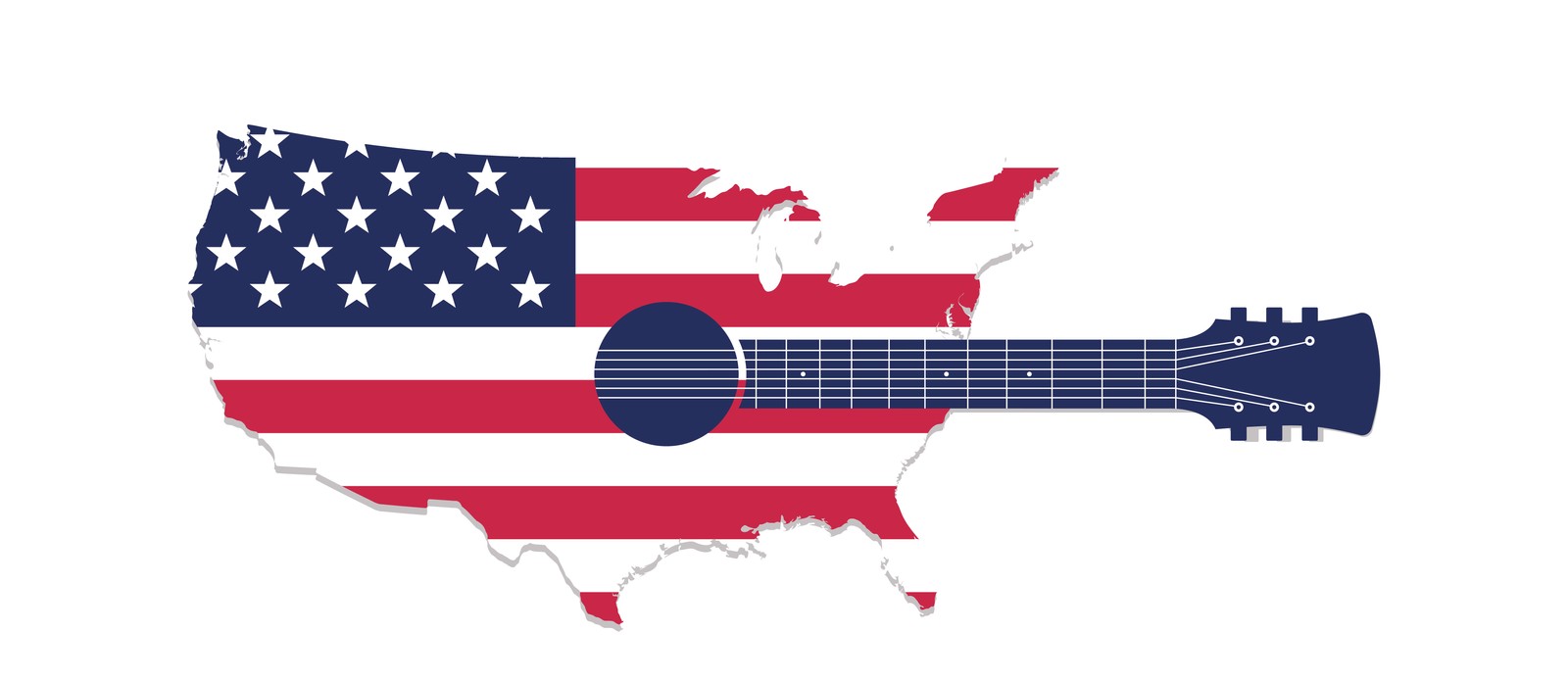
Image: strike009

Where would we be without the King of Rock and Roll, the Queen of Pop, the Queen of Soul, the Purple One or Ol’ Blue Eyes? Born with once-in-a-generation talent, impossible-to-fake charisma and boundless ambition, the ten artists on this list transformed music history and pop culture forever — one song at a time. Revisit their legendary origins, discographies, and global influence now.

1
Elvis Presley
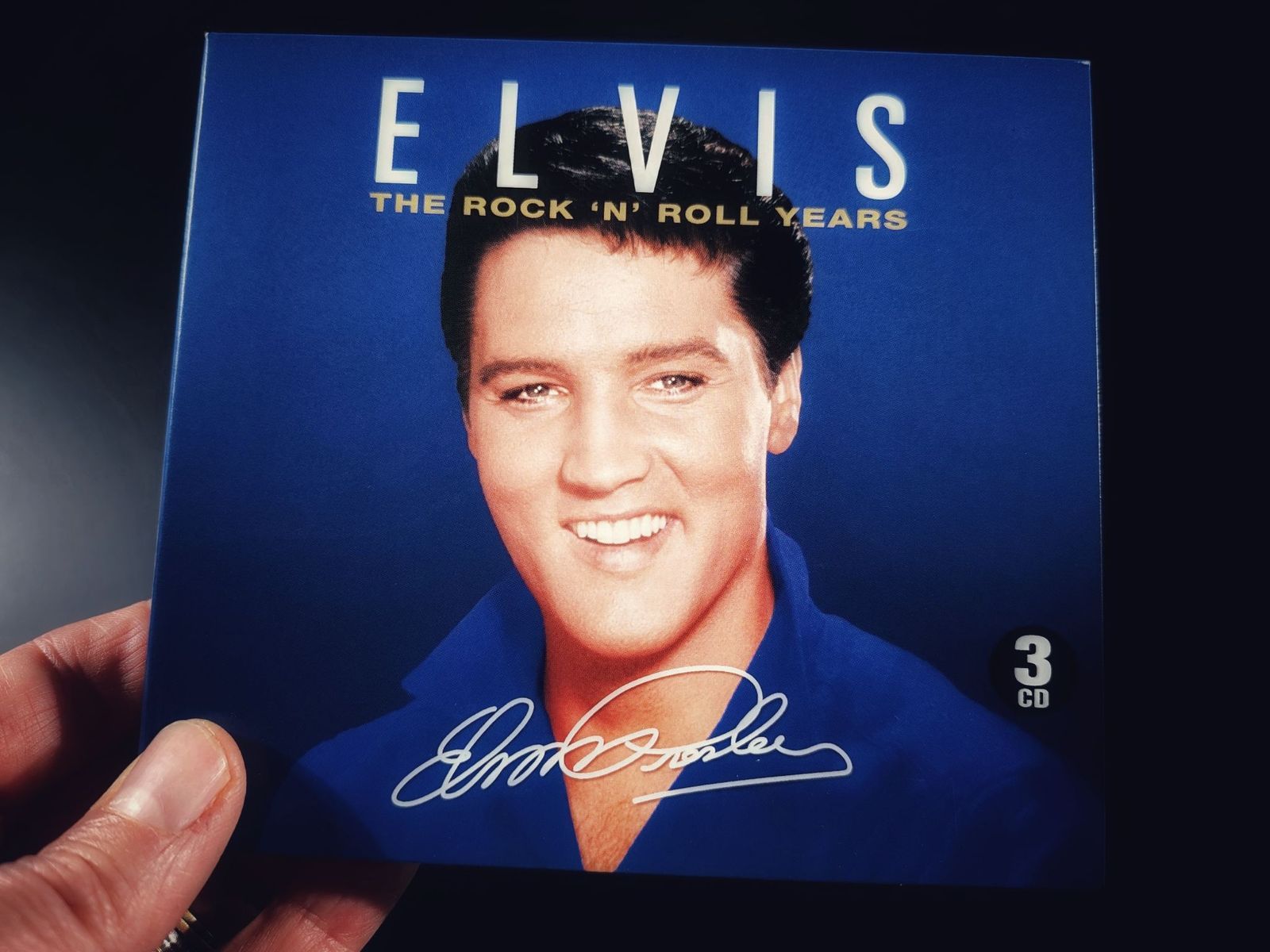
Image: Stefano Chiacchiarini '74

Born and raised in Tupelo, Mississippi, with early dreams of music stardom, Elvis lived a short life that was nothing short of a miracle for music . His first career breakthrough came in 1954 when he recorded the single "That's All Right," fusing country, blues, and gospel to create a revolutionary new sound . Elvis’s unique music and tremendous popularity led him to achieve his first No. 1 hit, "Heartbreak Hotel," in 1956.

Elvis’ catalog is packed with absolute classics known and loved worldwide, such as "Can't Help Falling in Love," "Burning Love," and "Jailhouse Rock," among many others. Elvis’ image remains one of the most recognizable symbols of Rock and Roll, and his music inspired countless artists.

2
Bob Dylan
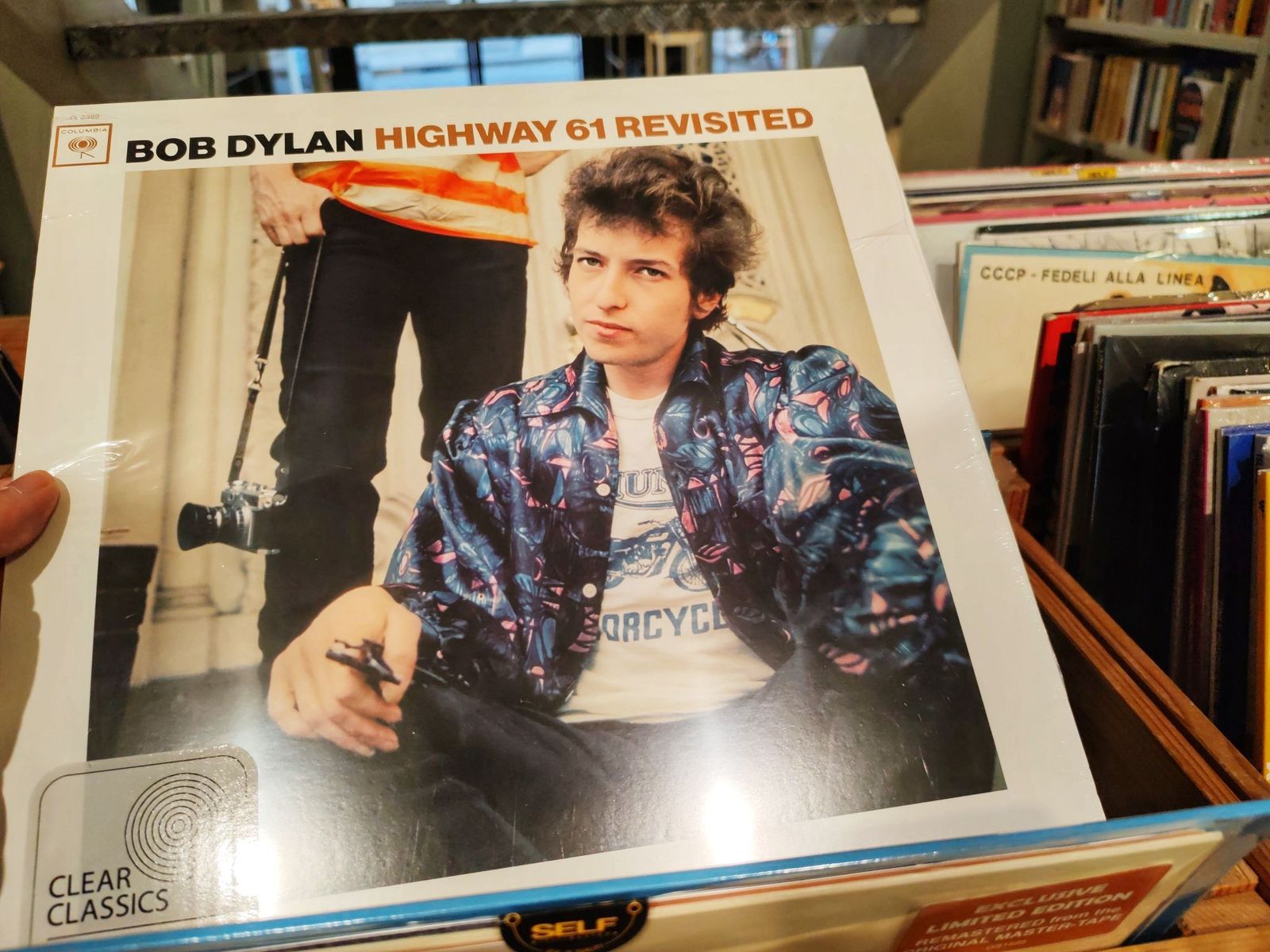
Image: Stefano Chiacchiarini '74

Bob Dylan is one of those artists whose cultural influence is quite difficult to explain because of how much he has achieved. He’s been frequently credited as the creator of folk-rock and is a member of three different Halls of Fame: the Songwriters Hall of Fame, the Rock and Roll Hall of Fame, and the Nashville Songwriters Hall of Fame.

His music is a defining element of American culture, with memorable classics such as "Blowin' in the Wind," "Like a Rolling Stone," "Knockin' on Heaven's Door," and "The Times They Are a-Changin'." And in 2016, he became the first songwriter to receive the Nobel Prize in Literature "for having created new poetic expressions within the great American song tradition."

3
Frank Sinatra
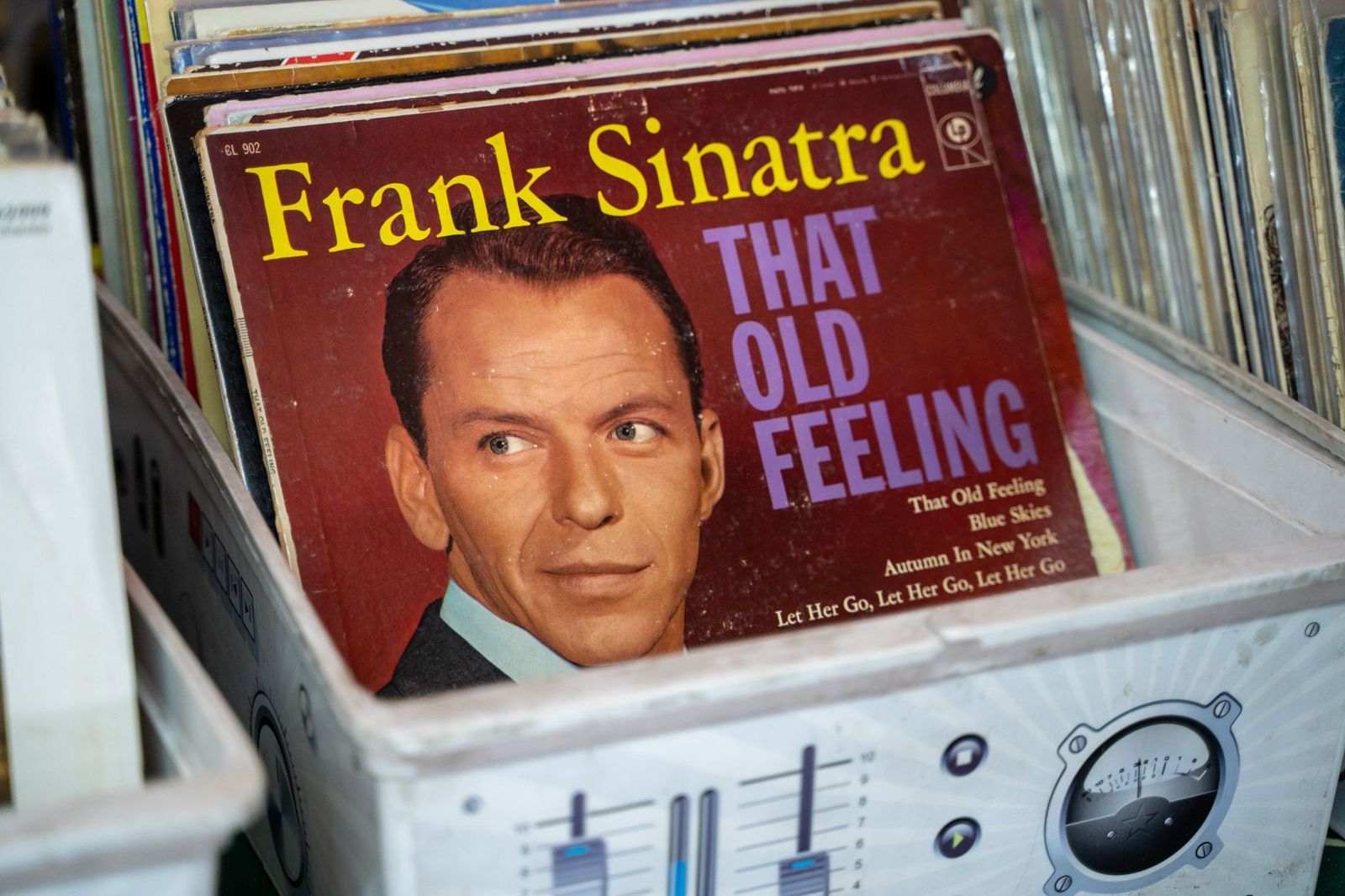
Image: Erman Gunes

Frank Sinatra is the quintessential male vocalist. Who hasn’t sung at the top of their lungs some of his legendary songs like "My Way," "Fly Me to the Moon" or "Strangers in the Night." Born in 1915, Sinatra rose to fame in the 1940s as the lead singer for Harry James and Tommy Dorsey. But he would reach stratospheric heights of fame when he launched his solo career.

Sinatra sold more than 150 million records worldwide, won 11 Grammy Awards, starred in over 50 films, and even nabbed an Academy Award for Best Supporting Actor for From Here to Eternity (1953) . But his greatest achievement goes beyond numbers and metrics; he shaped generations of singers through his unmistakable voice.

4
Chuck Berry
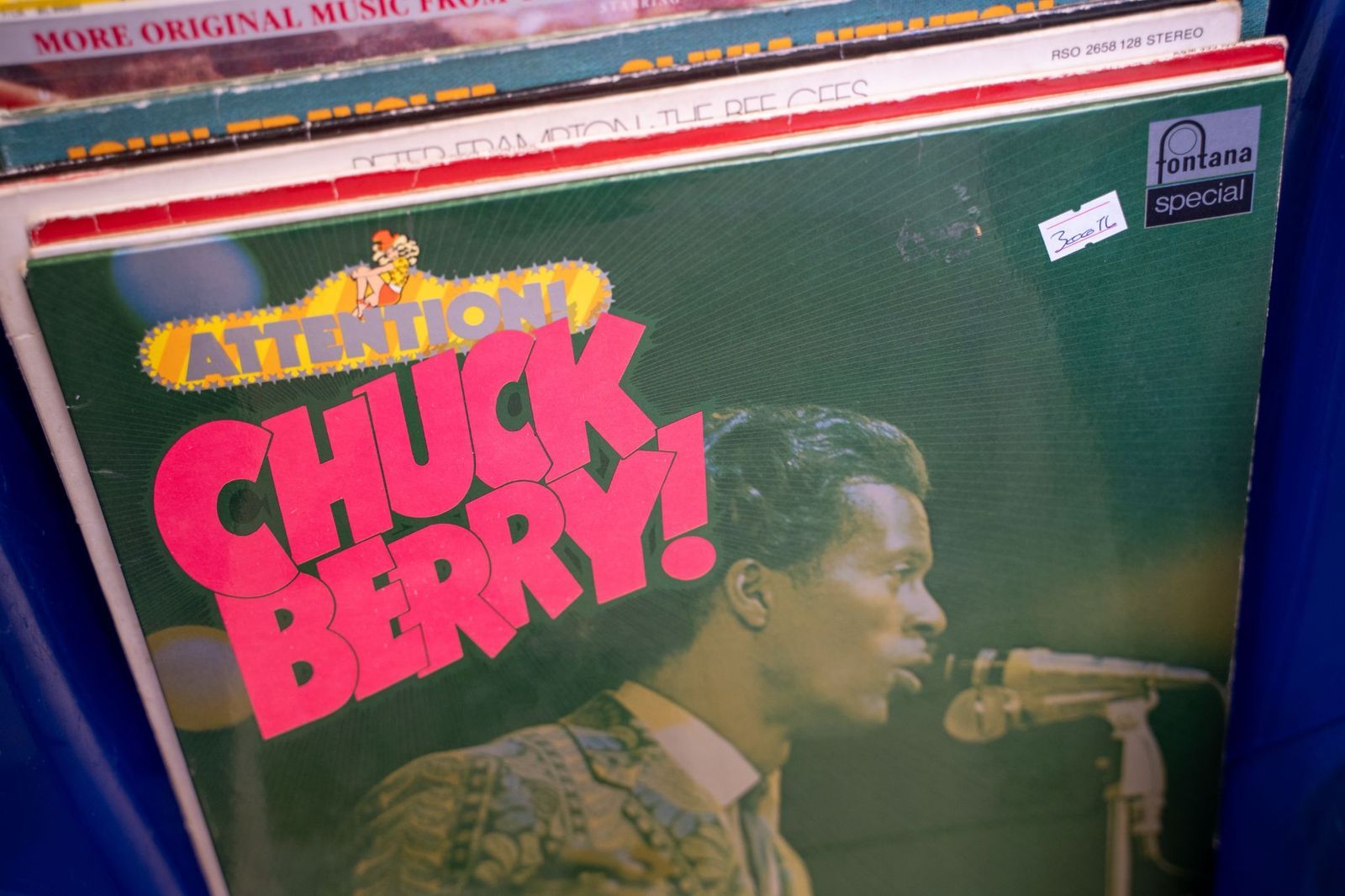
Image: Erman Gunes

It’s impossible to talk about Rock and Roll without naming its father, Chuck Berry. With his music, he created the blueprint for the genre , delivering a number of all-time classic songs like "Johnny B. Goode," "Roll Over Beethoven" and "Sweet Little Sixteen."

Chuck Berry’s guitar riffs and his one-of-a-kind live performances went on to define some of the main elements of rock, and his signature "duck walk" became iconic and endlessly referenced in pop culture over the years. A fascinating detail about his music is that "Johnny B. Goode" was selected for the Voyager Golden Record music collection that was sent into space on NASA's Voyager spacecraft in 1977 to represent Earth's culture.

5
Dolly Parton
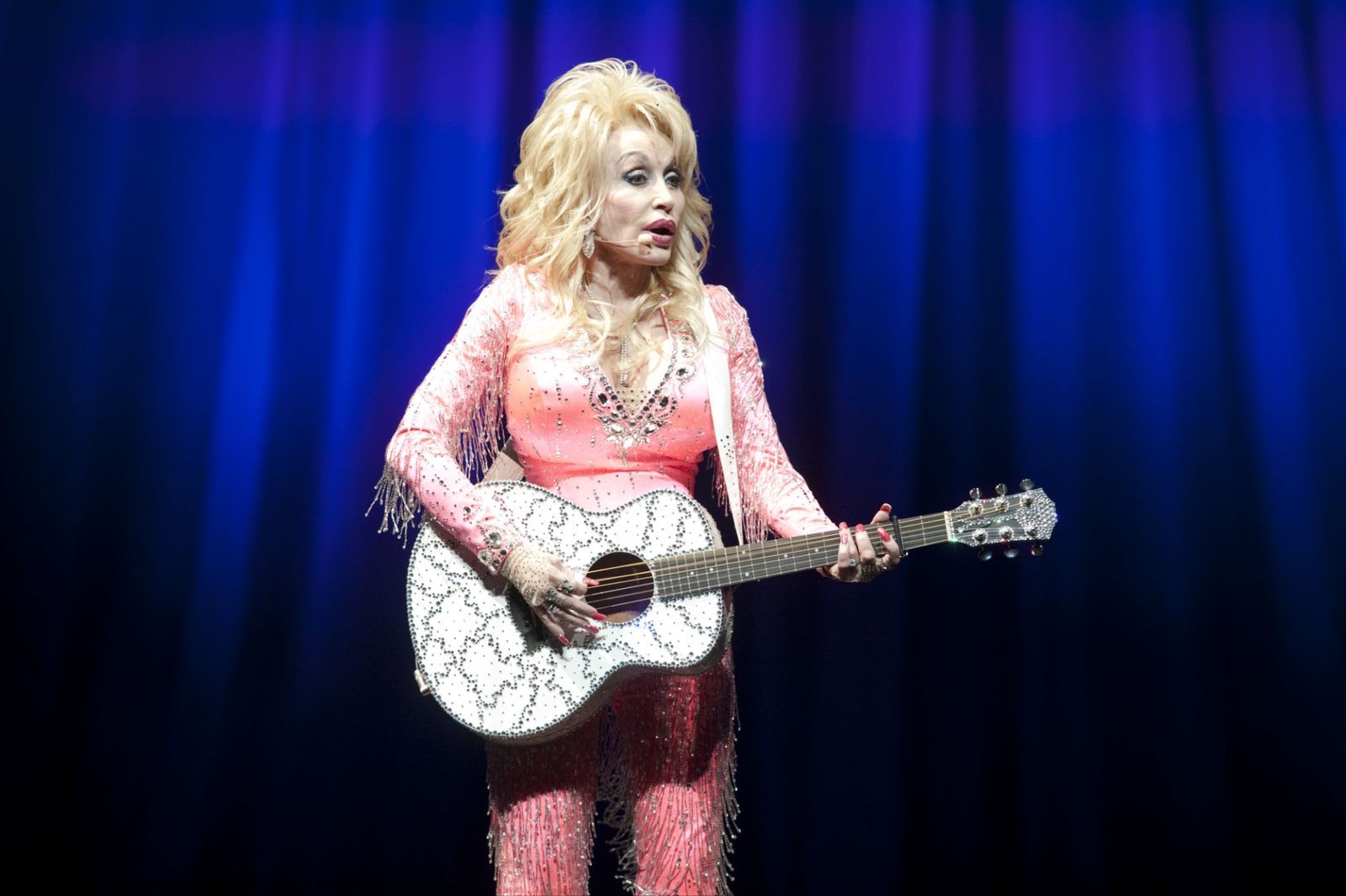
Image: Jack Fordyce

3,000 songs written, more than 100 million records sold, and 11 Grammy Awards are just some of the achievements Dolly Parton has racked up throughout her impressive career. Born in Sevierville, Tennessee, Parton went on to become one of country music’s greatest ambassadors .

Her music catalog is filled with gems like "Jolene," "9 to 5," "Coat of Many Colors" and "I Will Always Love You," which gained international recognition when Whitney Houston recorded it for The Bodyguard (1992). Parton famously wrote both "Jolene" and "I Will Always Love You" in one day. She also had a successful Hollywood career and was inducted into the Country Music Hall of Fame and the Rock and Roll Hall of Fame.

6
Bruce Springsteen

Image: Ben Houdijk

Famously hailing from New Jersey, "The Boss" rose to international fame with Born to Run in 1975 and became the voice of working-class America . Songs like "Born to Run," "Born in the U.S.A.," and "Dancing in the Dark" spoke to everyday people, their hopes, struggles, and the coveted American dream.

Springsteen has sold more than 140 million records worldwide and has won 20 Grammy Awards, an Academy Award, and a Tony Award. He was added to the Rock and Roll Hall of Fame in 1999, and in 2016, he received the Presidential Medal of Freedom. To this day, Springsteen remains one of the most respected American songwriters.

7
Madonna

Image: yakub88

It’s impossible to make a list of the greatest artists in history without including the Queen of Pop . Madonna was (and is) a sensation. She took the world by storm with Like a Virgin (1984) and transformed pop music by constantly reinventing her image, her music, and her provocative performances.

We all remember her from the MTV era and how she redefined the role of music videos and used them as a platform for artistic expression and cultural commentary. Throughout her successful career, she has reinvented her musical style, transitioning between pop, dance, electronic, Latin, and R&B without losing relevance, selling over 400 million records worldwide.

8
Prince
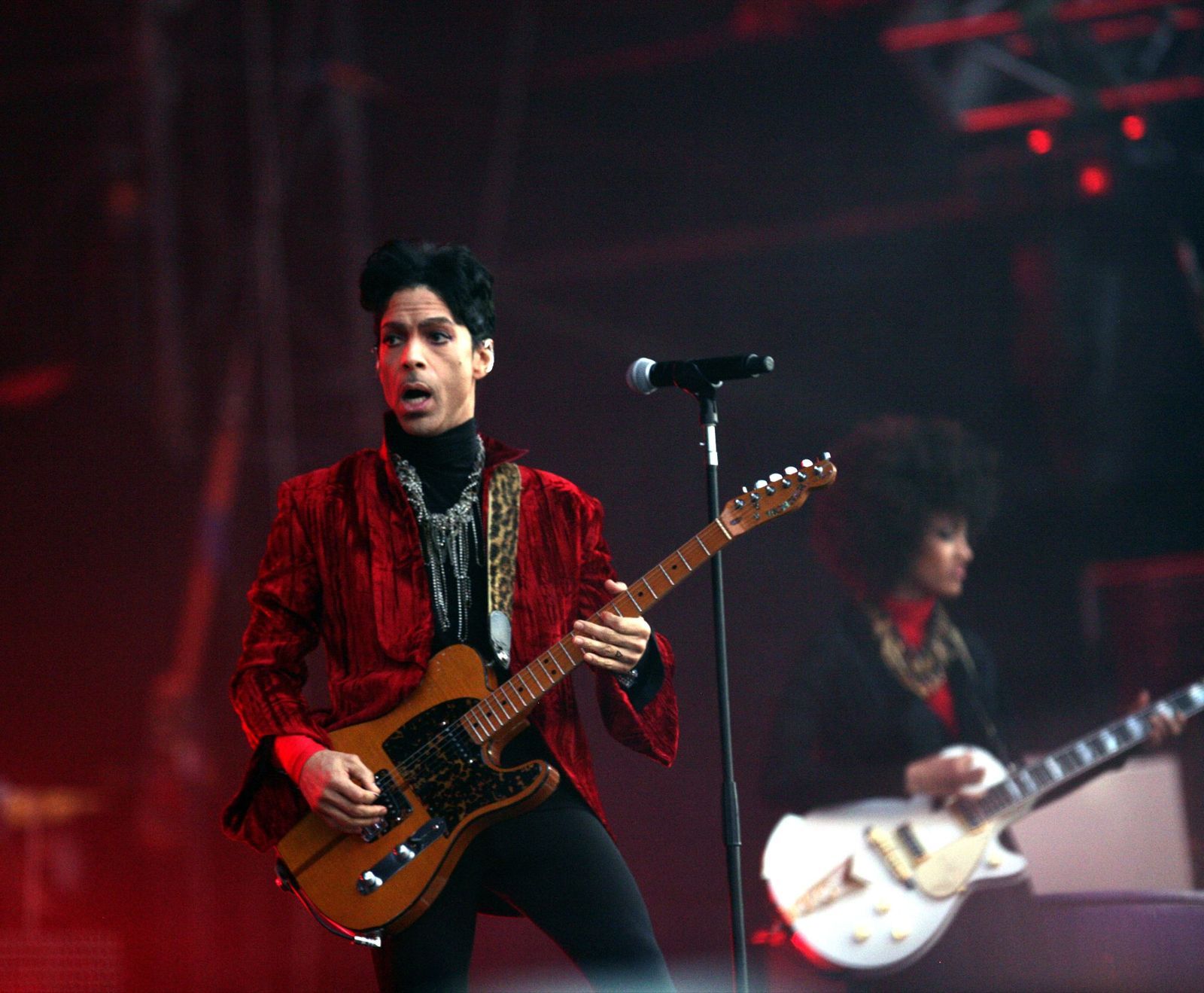
Image: Northfoto

Few artists in history could ever embody versatility quite like Prince did. An incredibly talented person, he not only revolutionized popular music but also created a whole new style that was his own .

He would write, produce, arrange, and perform much of his music himself, and though he’s best known for his guitar, piano, and vocals, Prince could play more than 20 instruments . An absolute music genius! His album Purple Rain (1984) is one of his greatest and best-selling creations, and it earned him several Grammy Awards and an Academy Award for Best Original Song Score.

9
Michael Jackson
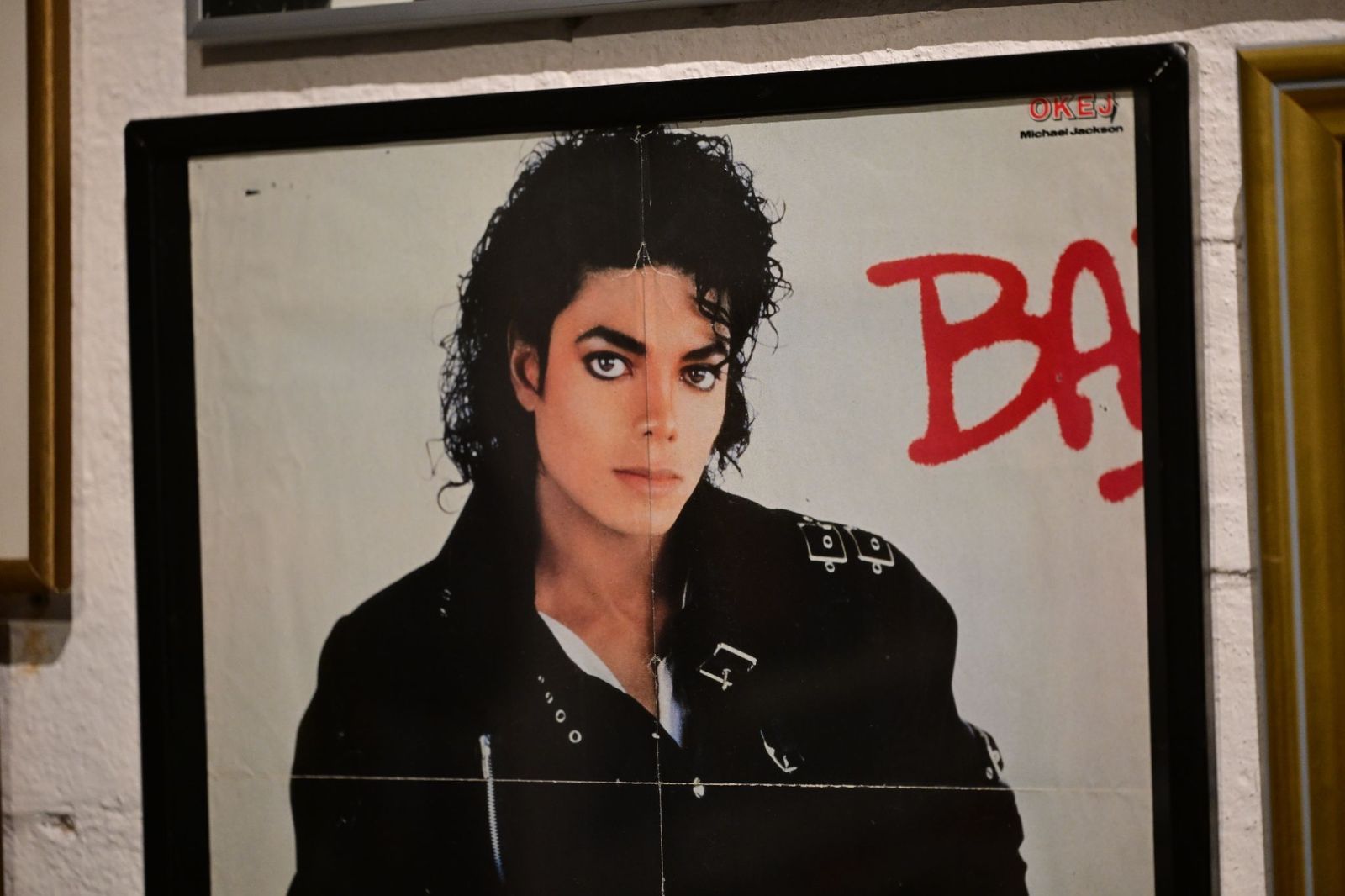
Image: Woodan

A single white glove, a black fedora, military-inspired jackets, and the moonwalk: Michael Jackson’s visual identity is one of the most recognizable images in music history . From his beginnings as a child in The Jackson 5 to conquering the world as the "King of Pop," Michael’s career is marked by an unparalleled string of hits.

It’s no surprise that his most massive album was Thriller (1982), which still holds the record as the best-selling album of all time , with more than 70 million copies sold worldwide. And his total record sales are over 500 million worldwide.

10
Aretha Franklin
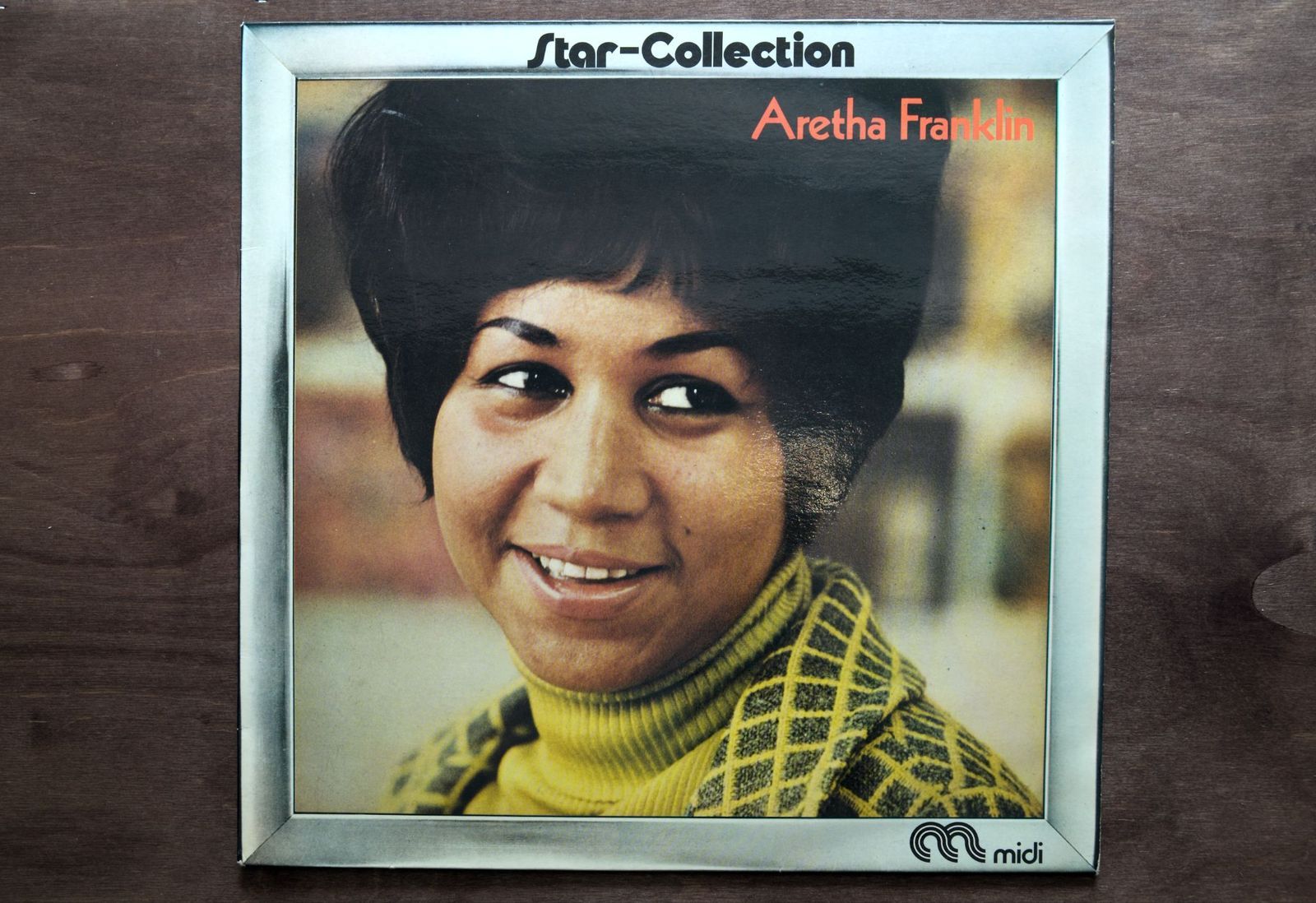
Image: Dorota Szymczyk

Often hailed as the greatest singer of all time, "The Queen of Soul" started singing gospel music in her father’s church before achieving international fame in 1967 with the release of "Respect," her signature song. Aretha’s powerful voice is unmistakable, and her energy on stage will forever be remembered .

Some of her most famous songs are "(You Make Me Feel Like) A Natural Woman," "Chain of Fools," "Think," and "Freeway of Love." On top of her Grammy Awards and millions of records sold, Aretha became the first woman inducted into the Rock and Roll Hall of Fame and received the Presidential Medal of Freedom in 2005.

History History 5 min read

What’s in a speech?

10 speeches that marked America

Image: The New York Public Library

In more than two centuries of American history, countless speeches and addresses have proven worthy of remembrance. These words and ideas were expressed by all kinds of Americans, from presidents to fugitive slaves , and each left a lasting mark on the hearts and memories of their audiences. Here are 10 speeches that earned their place in the nation’s memory.

1
Patrick Henry: Give Me Liberty or Give Me Death!

Image: Eric Wiser

On March 23, 1775, those gathered at the Second Virginia Convention debated whether Virginia should raise troops in preparation for armed resistance against Great Britain. Patrick Henry, a delegate from Hanover County, addressed the convention and argued that war had already started and the confrontation was inevitable , so an independent militia was necessary. Henry concluded with the famous declaration: "I know not what course others may take; but as for me, give me liberty or give me death!", a passionate appeal that helped secure the required votes.

2
Jimmy Carter: A Crisis of Confidence

Image: WikiImages

Also known as the "malaise speech" (though Carter never used that word), this address by President Carter recognized a dire problem in 1979’s America: the people felt abandoned by the government in their time of need. The crisis was much more than an economic issue, and Carter wanted to know what everyday Americans thought and needed . In a speech shaped by conversations he had with ordinary Americans, Jimmy Carter declared that America’s crisis was " a crisis of confidence" that had struck at the very heart and soul of the nation.

3
Martin Luther King, Jr.: I Have a Dream

Image: Raffaele Nicolussi

In one of the most iconic speeches in civil rights history, Martin Luther King Jr. addressed more than 200,000 people at the Lincoln Memorial in Washington, D.C., on August 28, 1963, during the March on Washington for Jobs and Freedom. Nearly a century after the Emancipation Proclamation, those freed from slavery were still not really free . After denouncing the laws that legalized racism and segregation, MLK expressed his wish for a free and unified America with a phrase that would go down in history: "I have a dream!"

4
Abraham Lincoln: The Gettysburg Address

Image: Timothy Pierce

Fought between July 1 and July 3, 1863, the Battle of Gettysburg was one of the bloodiest engagements of the American Civil War and was a decisive victory for the Union. Four and a half months later, President Lincoln delivered this speech on the battlefield, now a cemetery for more than 50,000 fallen soldiers. Lasting only about two minutes, Lincoln’s address reminded those present that it was the responsibility of the living to ensure that the sacrifice of the fallen would not have been in vain .

5
Sojourner Truth: Ain’t I a Woman?

Image: Hussain Badshah

Born into slavery as Isabella Baumfree, Sojourner Truth escaped after her enslaver failed to honor a promise to free her early under New York’s gradual emancipation law and uphold the New York Anti-Slavery Law of 1827. She later became an itinerant preacher and was involved in both the women’s rights and abolitionist movements. At the 1851 Women’s Rights Convention, she delivered a speech highlighting the double discrimination suffered by Black women . Even without full rights, white women received deferential treatment from men. Her phrase "Ain’t I a woman?" denounced that, while she had done all the things white women did and more, she was not considered worthy of respect because of her race.

6
Franklin D. Roosevelt: Pearl Harbor Address to the Nation

Image: Winston Chen

The bombing of Pearl Harbor by the Imperial Japanese Navy on December 7, 1941, marked the United States’ entry into World War II. The next day, President Roosevelt addressed Congress during a joint session, asking for a declaration of war. This address, famously remembered by its opening line—"Yesterday, December 7, 1941—a date which will live in infamy"— reinforced the idea of the attack as an unprovoked aggression that had resulted in over 2,400 casualties, both civilian and military, and appealed to patriotic sentiments. The speech attracted the largest live audience in American history (over 80% of the adult population) and resulted in Congress unanimously declaring war on Japan that same day.

7
John F. Kennedy: Inaugural Address

Image: History in HD

John F. Kennedy gave several memorable speeches during his presidency, but his inaugural address remains one of the most remarkable, and for good reason. According to accounts from his inner circle, the speech was meticulously crafted and reworked multiple times by Kennedy , who consulted the opinion of friends and advisors, and poured hours into making sure his first address as president would reflect the route he intended to take. As the youngest person elected to the presidency, Kennedy represented a generational change in the government. The central theme of his address was a call for civic responsibility and national service, an idea summarized in the address’s most memorable line: "Ask not what your country can do for you—ask what you can do for your country."

8
Frederick Douglass: What to the Slave is the Fourth of July?

Image: Stephanie McCabe

A writer, orator, and statesman, Frederick Douglass was a major figure of the abolitionist movement. Born into slavery, he became renowned for his autobiographical writings and powerful oratory, offering a living refutation against the slavist argument of the inferior capacity of African Americans. His most famous speech, What to the Slave Is the Fourth of July? , given to the Rochester Ladies' Anti-Slavery Society in 1852, is an acute analysis of how the American values of freedom and liberty were contradicted by the state and treatment of those in slavery.

9
Theodore Roosevelt: The Man in the Arena

Image: Rafael Camacho Greilberger

"Citizenship in a Republic" is one of Theodore Roosevelt’s most memorable speeches. He delivered it on April 23, 1910, at the Sorbonne in Paris, after leaving the presidency. In his long address, Roosevelt explains his convictions about democracy, civic virtue, and leadership. But there is a passage that stands out: "The Man in the Arena" highlights the value of those who strive and go on despite failure and ongoing challenges, and even those who fail in the end, but not for lack of effort . This passage has been quoted numerous times in American politics, including by Richard Nixon in both his 1968 victory speech and his 1974 resignation address.

10
Ronald Reagan: Tear Down this Wall

Image: André Fuck

More than two decades after Kennedy’s " Ich bin ein Berliner " speech, President Reagan delivered another historic address at the Berlin Wall. Speaking at the Brandenburg Gate in a Berlin much more hostile to the American president’s presence, aides and advisors had recommended a change in the tone of the speech to avoid straining the relationship between the American and Soviet administrations . Reagan retained the passage that had caused concerns, which contained the most iconic phrase. In a direct appeal to the Soviet leader Mikhail Gorbachev, he declared: "Mr. Gorbachev, open this gate! Mr. Gorbachev, tear down this wall!" The speech was not widely covered by the media, and the reactions were lukewarm. Only after the fall of the Berlin Wall in 1989 did the address gain widespread recognition as a symbol of American resolve during the final years of the Cold War.

General General 6 min read

Fossil treasures

10 jaw-dropping dinosaurs discovered in America

Image: Fausto García-Menéndez

The territory of the United States is a real goldmine for paleontologists. Over the years, some of the most impressive and well-preserved dinosaur fossils in the world have been discovered in our country. From the likable Apatosaurus to the fearsome Tyrannosaurus rex, the finds have provided a fascinating glimpse into prehistoric life. Read on to learn about the 10 most famous and influential American dinosaurs.

1
Anchisaurus

Image: Simon Infanger

Anchisaurus is one of the first dinosaurs discovered in American territory, although it was not correctly identified at the beginning. The first fossil of this herbivore was found in East Windsor, Connecticut , in 1818, but it was then believed to be part of a human skeleton. In subsequent years, other specimens of this species were uncovered in the area.

It measured 8 to 20 ft in length and lived 210 million years ago in the Portland Formation, Northeastern United States. In the late Triassic and early Jurassic periods, the Connecticut Valley was a dry, steep depression, and it was possible to pass from here to the east and the center of what is now Africa. This explains why some dinosaurs lived both in America and other continents.

2
Triceratops

Image: photo_steff

One of the most iconic dinosaurs found in America is the Triceratops, a herbivore that lived 70 to 65 million years ago, right at the end of the Age of Dinosaurs, in the Late Cretaceous. Its name derives from Greek and means "face with three horns". One of the largest horned dinosaurs**,** it stood around 7.5 ft tall and weighed about 5 rhinoceroses, the equivalent of 10 tons.

Fossils of this dinosaur have been found in abundance in the Hell Creek Formation in Montana and South Dakota. No fossils of this dinosaur have been found on any other continent. Triceratops has been the state dinosaur of Wyoming since March 1994.

3
Allosaurus

Image: WikiImages

Allosaurus was one of the largest carnivores of the Jurassic period and its remains in the United States have been found mainly in the Morrison Formation, which covers states such as Colorado, Utah, and Wyoming. It lived 155 to 145 million years ago in North America, Africa, Australia, and possibly China. Also, did you know that the Allosaurus fragilis is the state fossil of Utah?

This bipedal dinosaur was an agile hunter with powerful jaws and sharp teeth. It was a theropod, not as huge as the largest carnivore, Tyrannosaurus rex, but just as fearsome. Allosaurus was bigger than an elephant and heavier than a rhino. Its name means "different lizard" due to its rare concave vertebrae.

4
Stegosaurus

Image: ariesa66

Another inhabitant of the Morrison Formation was the Stegosaurus, famous for its dorsal plates and spines on its tail, which it used for defense. Stegosaurus used to walk on all fours, grazing on low vegetation. Its head was perfectly adapted to this way of feeding. It was first described in 1877 by Yale paleontologist Othniel Charles Marsh, and its name means "roof(ed) lizard".

This Jurassic herbivore has been discovered in several states in the western United States. Scientists have found many fossils, showing that it was a very common creature for 10 million years, despite its tiny brain, small head, and useless teeth. The discovery of the Stegosaurus has helped them better understand the anatomy and behavior of armored dinosaurs.

5
Tyrannosaurus rex

Image: Elly Enn

Is Tyrannosaurus rex the most famous dinosaur on the planet? Portrayed by pop culture to the hilt, this formidable predator is known for its gigantic size, razor-sharp teeth, and bipedal posture. However, its popularity has a logical explanation. T. rex is also one of the best-represented dinosaurs in the fossil record, with several complete specimens discovered, particularly in the states of Montana, South Dakota, and Wyoming.

Based on bones found in the late 19th century, paleontologist Henry Fairfield Osborn recreated the first drawing of this gigantic creature. He named it Tyrannosaurus rex, meaning "tyrant lizard king," because it is believed to have been the most dangerous dinosaur and the largest land carnivore of all time. Although it is estimated that up to 1.7 billion T. rex dinosaurs lived on Earth, only about 30 nearly complete skeletons have been found. Think about that!

6
Deinonychus

Image: Steve Wrzeszczynski

This small but ferocious theropod lived during the Cretaceous period about 115-108 million years ago. Deinonychus is known for its sickle-shaped claws on its feet, used for hunting. Its name, unsurprisingly, means "terrible claw". Like all bipeds, it moved only on its hind legs and is believed to have been able to run at 25 miles per hour: more than the average Olympic champion.

Deinonychus fossils were found in Utah, Oklahoma, Montana, and Wyoming, in rocks of the Cloverly Formation and Antlers Formation. The study of this species, beginning in the 1960s, revolutionized the way scientists thought about dinosaurs, providing fascinating new insight into smaller predators.

7
Ankylosaurus

Image: mdherren

Ankylosaurus is one of the best-known armored dinosaurs, which lived at the end of the Cretaceous period. It had bony protrusions on its head and all over its body as protection against the teeth and claws of predators. The armor was made up of small plates of bone welded together, constituting a shell as effective as that of turtles.

This gigantic herbivore roamed the jungles of North America about 68-66 million years ago, almost as well protected as a modern tank. The first specimen of Ankylosaurus was found in 1906 in the Hell Creek Formation, near Gilbert Creek, Montana. Other fossils of this species were discovered in other parts of Montana and Alberta, Canada, in the following years. However, to this day, it has not been possible to obtain a complete skeleton.

8
Hadrosaurus

Image: Jordyn St. John

The first Hadrosaurus fossils were discovered by William Parker Folke, an amateur paleontologist, in 1838 in Haddonfield, New Jersey. The excavation site, known as the Hadrosaurus foulkii Leidy site, is now a National Historic Landmark. Hadrosaurids are known for their duck-billed mouth, with a powerful jaw containing several rows of teeth for chewing all kinds of leaves.

In 2004, scientists found a mummified Hadrosaurus specimen in North Dakota. This fossil is extremely unusual and valuable, as dinosaur soft tissue including skin and muscle is rare. This find allows us to learn more about this species and how they lived 67 million years ago.

9
Diplodocus

Image: michaelwedermann

Diplodocus means "double beam" and is so named because of the double bones in its tail. This was one of the longest animals on earth. It was about 79-85 ft long, 15 ft high, and weighed 15 tons. It could reach the tops of towering trees for food, and its small head allowed it to forage in vegetation where few other dinosaurs could reach.

Although some Diplodocus fossils were discovered earlier near Cañon City, Colorado, the most notable find came a few years later. In 1899, Funded by Scottish-American steel tycoon Andrew Carnegie, members of the Carnegie Museum of Natural History found a well-preserved Diplodocus skeleton in the Morrison Formation of Sheep Creek, Wyoming. With these fossils, the museum created a composite mount that became very popular and even got to tour the world.

10
Apatosaurus

Image: Cup of Couple

Apatosaurus is one of the best-known sauropods that inhabited North America during the Jurassic period. These herbivorous giants, with their long necks and tails, have also been discovered in the Morrison Formation, mainly in Colorado and Utah. It is believed to have lived 150 million years ago, at the end of the Jurassic period.

Apatosaurus could reach 69-75 ft in length, 20 tons in weight, and was one of the largest sauropods. It had a long neck containing 15 huge bones supported by powerful muscles that allowed it to feed on the leaves of the tallest trees. Perhaps this dinosaur sounds familiar. It has been the inspiration for numerous beloved animated characters: Littlefoot from The Land Before Time and Arlo and Poppa Henry from Pixar's The Good Dinosaur are Apatosauruses.

Explore more American facts

Choose your favorite category!

General
General

As American as apple pie—the very best America has to offer!

Culture
Culture

Delve into the astounding richness of American lore.

Geography
Geography

Hop in and explore vast and diverse American landscapes.

History
History

Discover the key moments that shaped the United States.