History History 5 min read

10 US presidents who changed the course of history

Image: David Trinks

Some presidents don’t leave much of a mark, while others manage to reshape the whole path a nation walks on. Across different generations, certain leaders made choices or introduced ideas that nudged the country in a new direction. In this list, we take a simple, easy look at 10 presidents whose steady hands, practical decisions, and clear vision helped guide the United States into the future.

1
George Washington
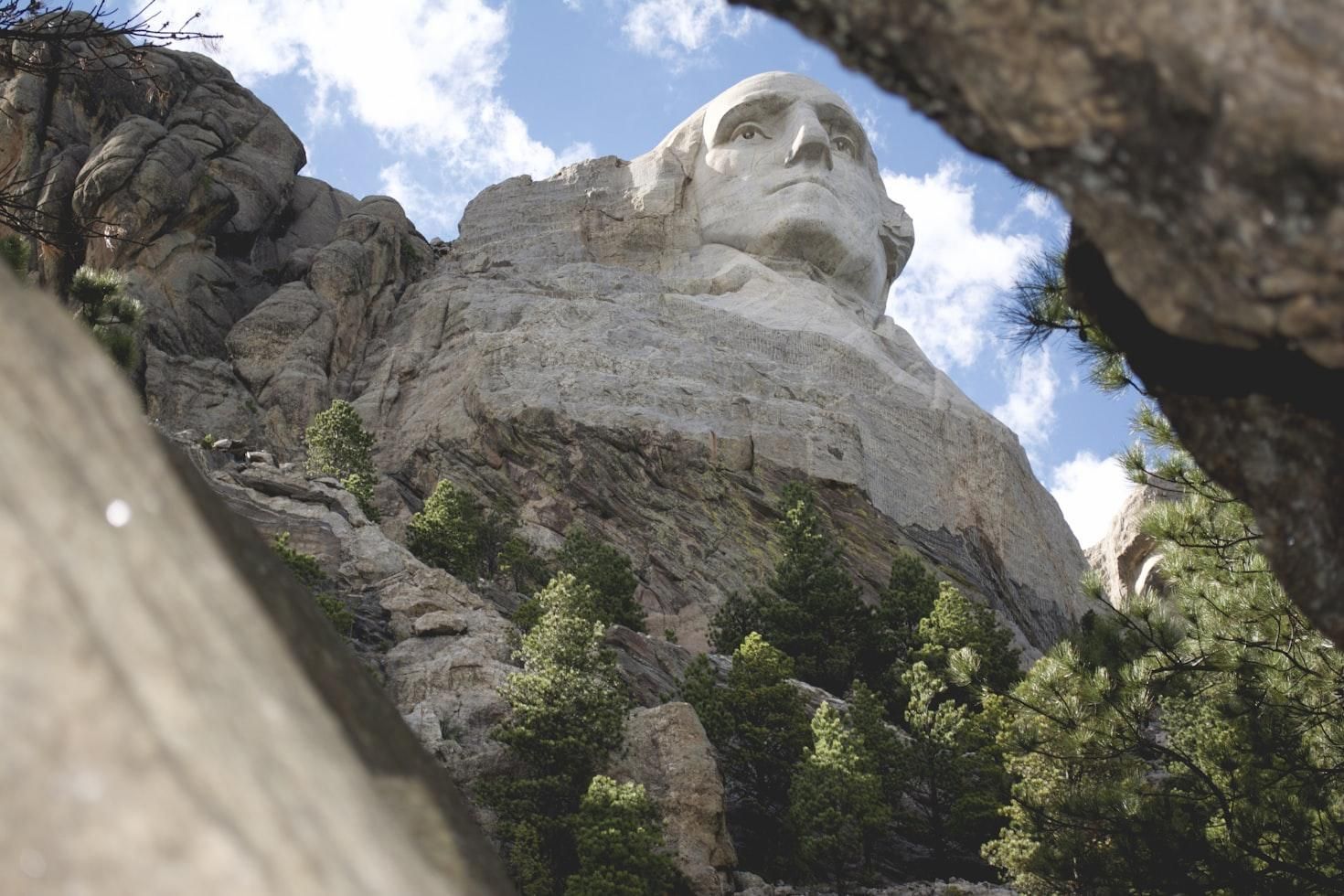
Image: Priscilla Gyamfi

America’s first president had no guidebook to follow, so George Washington ended up writing the first chapters of the office himself. With calm judgment and a focus on fairness, he set the tradition of serving only two terms, showing that leadership should be about duty rather than personal power.

Washington organized the very first Cabinet, established the tone for presidential addresses, and worked hard to promote unity among different regions and viewpoints. His steady approach helped turn a young, uncertain nation into a stable and functioning republic. The patterns he created became the model for every subsequent president.

2
James Madison
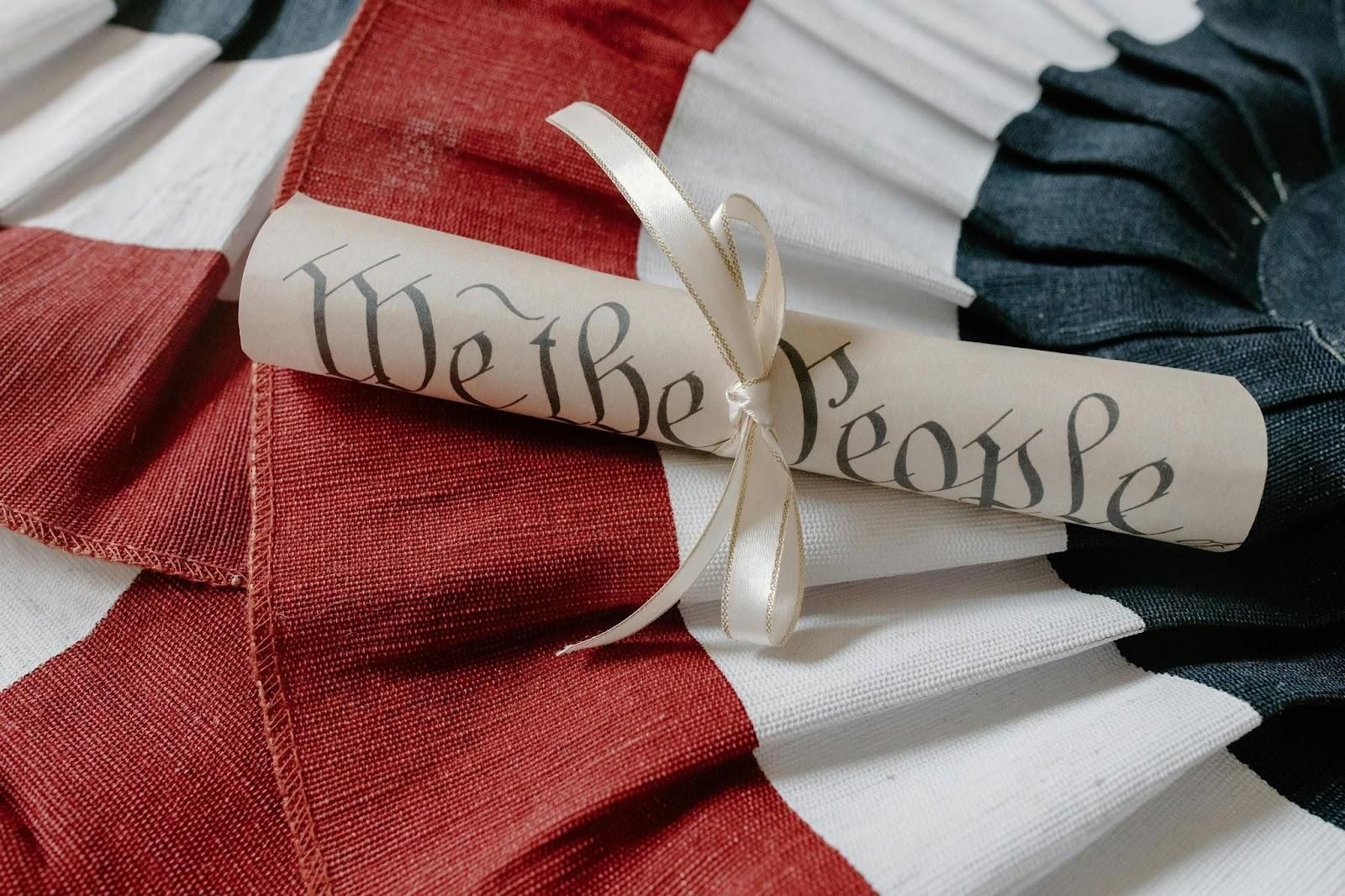
Image: Tara Winstead

Often called the "Father of the Constitution," James Madison helped shape the foundations of the United States long before he stepped into the presidency. He played a central role in writing the Constitution and co-authored the Federalist Papers, a series of essays that explained how the new government was meant to work.

Once in office, Madison continued to support the development of stronger federal systems that could serve a growing country, and he oversaw the admission of new states into the expanding Union. His steady leadership helped reinforce the structure laid down by the founders and proved that the nation’s early ideas—balance, stability, and cooperation—could stand the test of time.

3
Abraham Lincoln
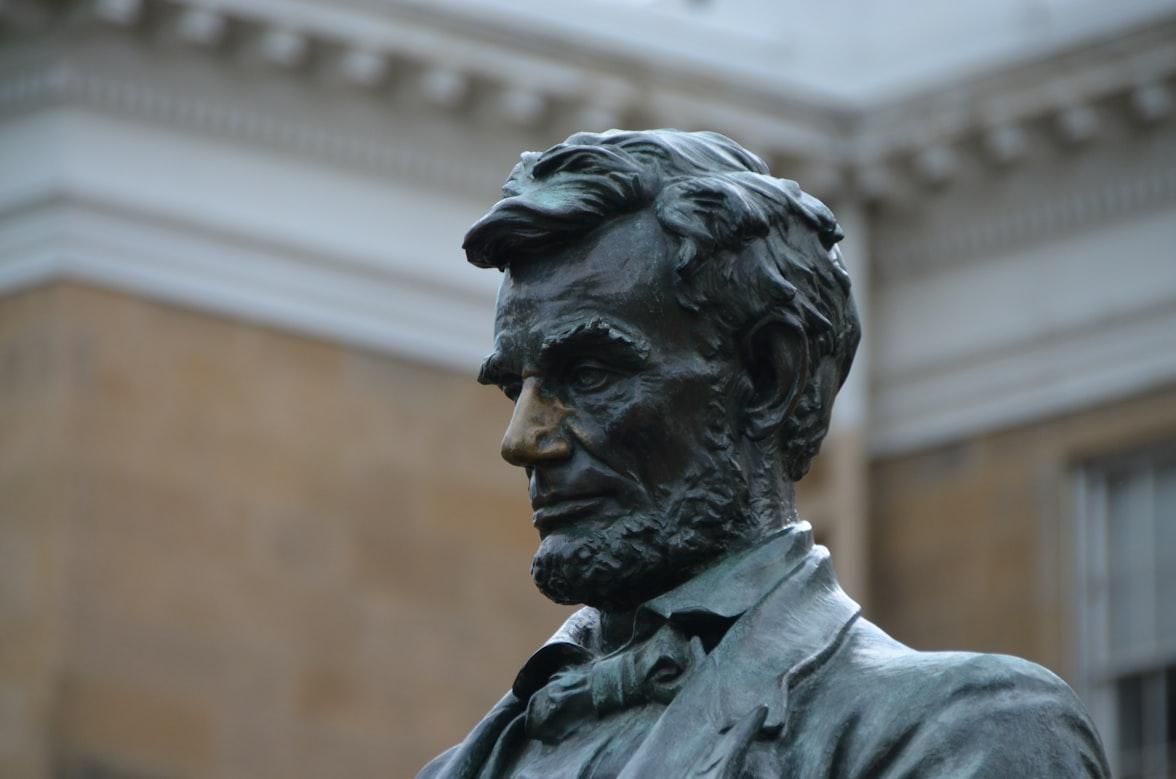
Image: Jacob Thorson

The 16th U.S. president guided the nation through a time of deep division with a calm, steady determination and a clear sense of purpose. He held firmly to the belief that all people are created equal, and he worked to bring those principles to life in practical, lasting ways.

During his presidency, Lincoln supported major constitutional changes that broadened personal freedoms and strengthened the role of the federal government in protecting those rights. He emphasized unity, fairness, and the idea that the country could emerge stronger if it stayed true to its core values. His dedication to these ideals has made him one of the most admired figures in American history, remembered for his integrity and his hope for a more united nation.

4
Theodore Roosevelt
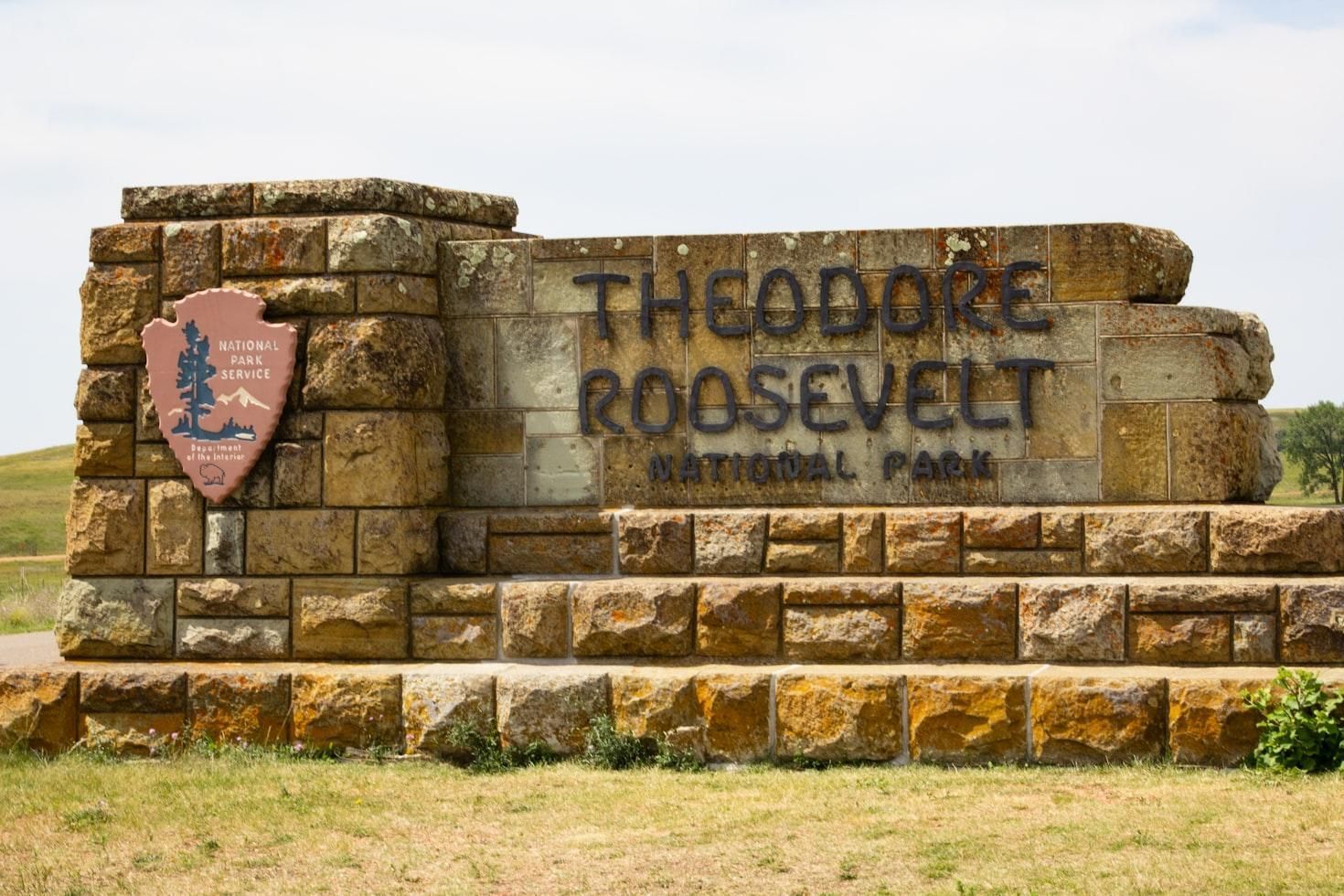
Image: Ryan Stone

Theodore Roosevelt was known for his enthusiasm, his adventurous spirit, and his deep love of the outdoors. He became one of the nation’s strongest voices for conservation, helping to create and expand national parks, forests, and wildlife areas.

His domestic program, the "Square Deal," aimed to make sure consumers, workers, and businesses were treated fairly, and he pushed for stronger rules that protected everyday Americans from unfair practices. Roosevelt also encouraged the nation to step forward with confidence, backing improvements in transportation and modern infrastructure that helped connect the United States more smoothly with the world.

5
Woodrow Wilson

Image: Đào Thân

Woodrow Wilson arrived in Washington with a plan to give everyday Americans a fairer, more balanced system, and his wave of domestic reforms—known as the "New Freedom"—reflected that goal. During his presidency, the nation saw the creation of the Federal Reserve System and the Federal Trade Commission, two major institutions designed to keep the economy steady and well-regulated.

Wilson also encouraged the idea that countries should work together through organized cooperation rather than standing apart, a view that later influenced the formation of important international organizations. His belief in self-determination and his preference for diplomacy over isolation helped guide the United States toward a long-term vision of global partnership and shared responsibility.

6
Franklin D. Roosevelt
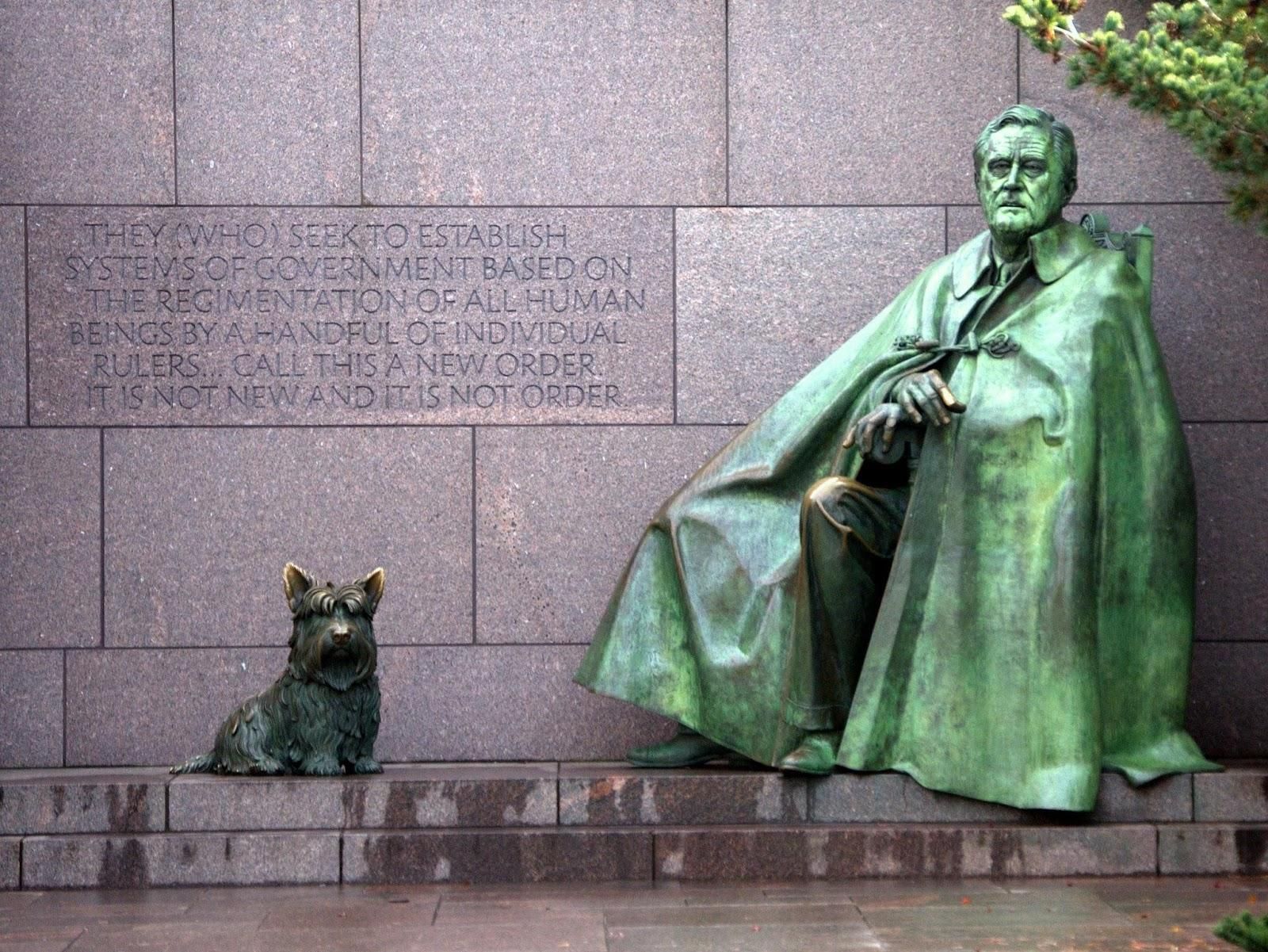
Image: Pedro Gutierrez

Franklin Roosevelt guided the nation through one of its toughest economic periods with a wide-ranging effort known as the "New Deal." This collection of policies helped support workers, steady the banking system, and strengthen protections for consumers. It also introduced Social Security, a program that quickly became a key element of retirement planning for millions of Americans.

Roosevelt understood the importance of keeping the public informed, so he spoke directly to families through his regular radio broadcasts, the famous "Fireside Chats." In these simple, calm conversations, he explained what the government was doing and why, helping people feel more confident in uncertain times. His clear, steady communication made him one of the most trusted and familiar voices of his era.

7
Harry S. Truman
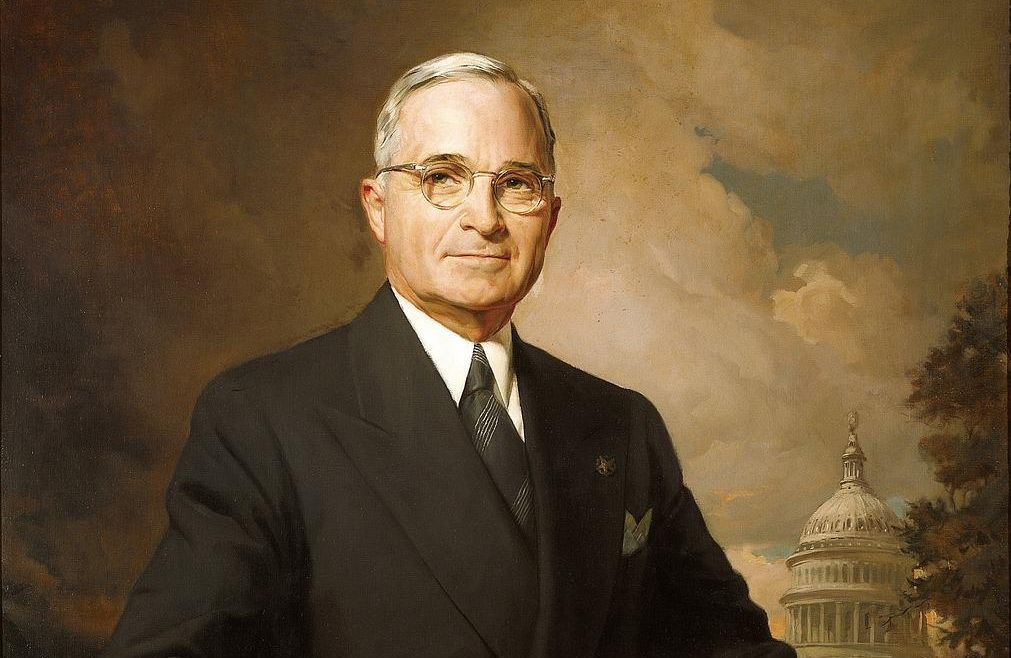
Image: WikiImages

When Harry Truman took office in 1945, both the world and the United States were undergoing a period of rapid change. With a practical mindset, the 33rd president helped launch broad programs aimed at rebuilding European economies and encouraging stronger international cooperation.

He also set a new long-range direction for American policy, one that emphasized stability, democratic principles, and economic support beyond U.S. borders. Truman’s meaningful efforts helped shape how nations worked together and signaled the beginning of important social changes that would continue to unfold in the decades ahead.

8
John F. Kennedy
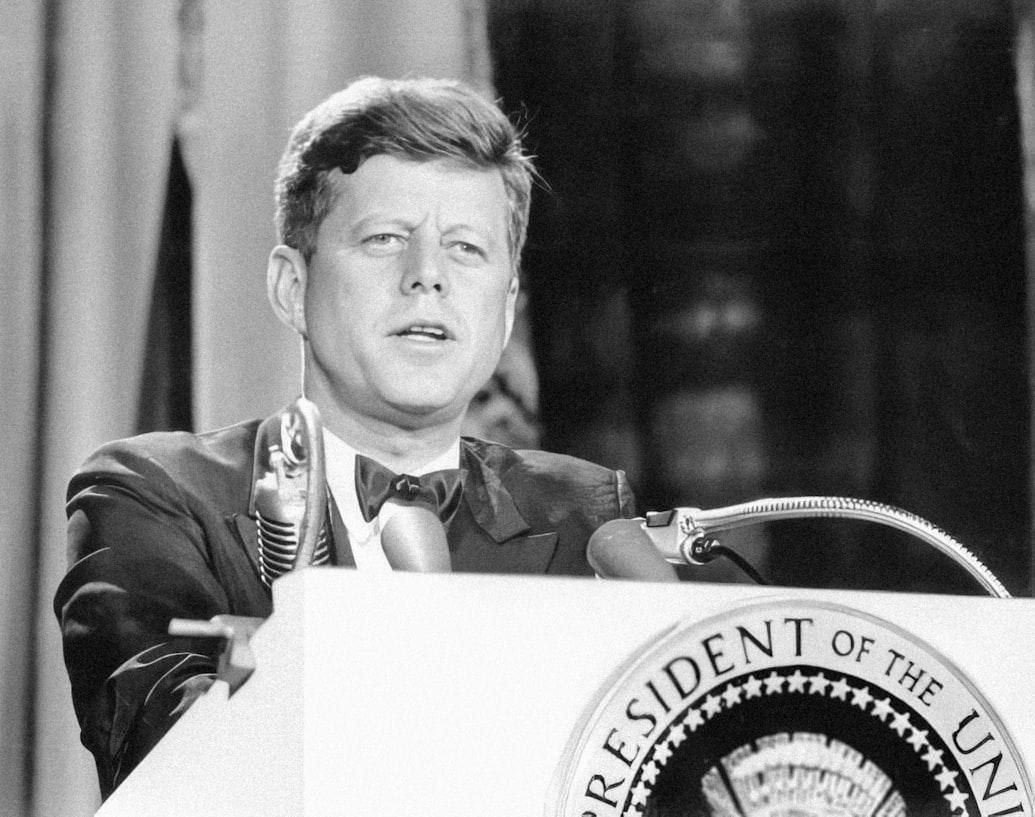
Image: Florida Memory

John F. Kennedy brought a fresh sense of youth and optimism to the early 1960s. His speeches often called on Americans to lend a hand, serve their communities, and think beyond themselves—captured in his well-known line, "Ask not what your country can do for you, ask what you can do for your country."

Kennedy supported important civil rights efforts and encouraged steady progress in science and technology. He also pushed the nation to look toward the future through expanded space exploration and created the Peace Corps, giving young Americans opportunities to volunteer and make a difference overseas. His steady promotion of learning, service, and innovation helped spark a spirit of national progress that defined much of the decade.

9
Lyndon B. Johnson
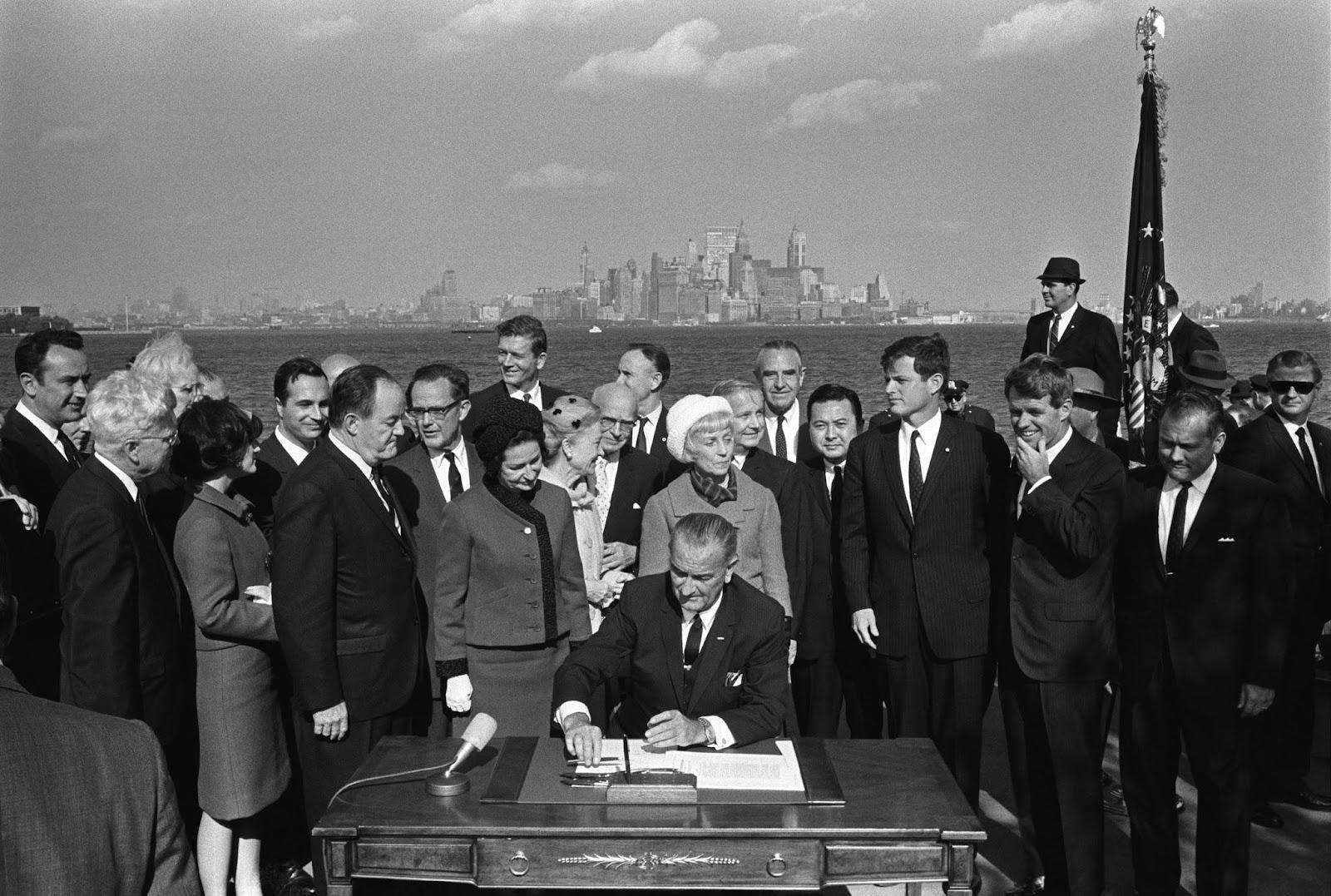
Image: LBJ Library photo by Yoichi Okamoto Restored by: Bammesk, Public domain, via Wikimedia Commons

Lyndon Johnson arrived in the White House with a far-reaching plan he called the "Great Society," a vision aimed at improving everyday life for people across the country. Under his leadership, Congress passed major civil rights legislation that strengthened equality and safeguarded voting rights, setting new standards for fairness.

The 36th president also approved the creation of Medicare and Medicaid, programs that gave millions of older adults and low-income families reliable access to health care for the very first time. Additionally, he supported initiatives to improve education, preserve natural resources, and strengthen local communities.

10
Ronald Reagan
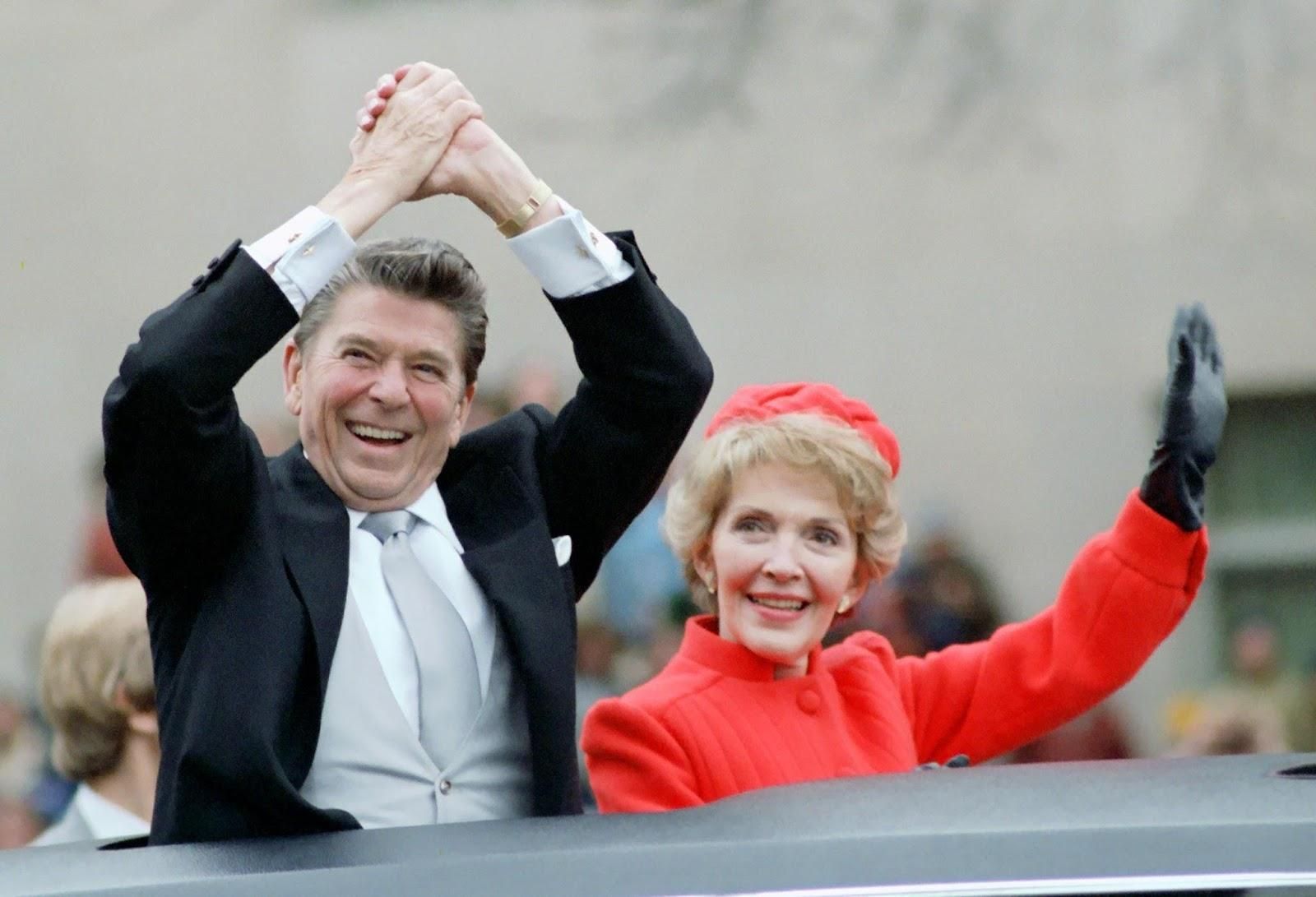
Image: White House Photographic Collection, Public domain, via Wikimedia Commons

Ronald Reagan stepped into the 1980s carrying a message of confidence and renewal, offering Americans a sense of fresh direction after a challenging period. His economic approach—later known as "Reaganomics"—was centered on lowering taxes, easing federal regulations, and giving businesses more room to grow. For many people, this era became associated with rising optimism.

Reagan also spoke often about national pride and traditional values, presenting a steady, recognizable voice on the world stage. His leadership style—straightforward, good-humored, and easy to understand—left a lasting mark on how political ideas were discussed and helped shape the country’s tone for years to follow.

Geography Geography 3 min read

Go beyond Tahoe

Discover 12 lesser-known, but beautiful lakes to visit in the U.S.

Image: Timo Stern

America the Beautiful is filled with stunning natural landscapes for everyone to enjoy. However, for various reasons, some places are far more popular than others, and lakes are no exception to this phenomenon. While lakes like Tahoe and the Ozarks can get quite crowded, many lesser-known lakes offer equally breathtaking views—without the crowds. Take a look at the following 12 and see if any catch your interest!

1
Sunapee Lake, New Hampshire

Image: Jackson Hendry

This serene glacial lake in southwestern New Hampshire is nestled within Mount Sunapee State Park. Its visitors will find a spacious beach for swimming, a boat launch, and hiking trails within the park area.

Beyond the summer season, the lake is particularly beautiful during fall, when the surrounding trees display a vibrant array of colors.

2
Ross Lake, Washington State

Image: Paul Pastourmatzis

The remote Ross Lake, located in the North Cascades region of Whatcom County, Washington, is a hidden gem off the beaten path. This stunning lake winds its way through the landscape at 1,600 feet above sea level, framed on all sides by towering mountains.

Campsites accessible by boat or hiking are available, and backcountry camping is allowed with a permit. Visitors to Ross Lake come for trout fishing , canoeing , kayaking , and hiking .

3
Lure Lake, North Carolina

Image: Blake Wheeler

The gorgeous Lake Lure stretches along the base of Hickory Nut Gorge in the mountains of western North Carolina. If its shores look familiar, it’s because Patrick Swayze and Jennifer Grey filmed scenes here for the classic movie Dirty Dancing . The lake offers beaches and hiking trails for visitors to explore.

4
Ouachita Lake, Arkansas

Image: Aaron Burden

Nestled in the hills of the Ozarks, Lake Ouachita is home to a unique creature swimming beneath its surface—freshwater jellyfish. Unlike their saltwater relatives, these invertebrates are harmless and rarely found elsewhere. The lake also boasts over 200 uninhabited islands for visitors to explore.

5
Hamilton Pool Preserve, Texas

Image: Matthew Daniels

Located near Austin, the Hamilton Pool Preserve is a favorite summertime retreat for locals when the heat becomes overwhelming. This stunning natural pool was formed when the roof of an underground river collapsed after thousands of years of erosion.

Water from Hamilton Creek spills over the edge of the collapsed dome, creating a 15-meter waterfall that flows into the grotto below. The preserve also features hiking trails and picnic facilities for visitors to enjoy.

6
Almanor Lake, California

Image: Simon Berger

While most travelers visit the Northern Sierras for trekking, the region also boasts excellent swimming spots with magnificent backdrops —Lake Almanor being no exception.

This man-made lake sits within Plumas National Forest, adjacent to Lassen Volcanic National Park, offering visitors breathtaking views of the park’s namesake volcano.

7
Mono Lake, California

Image: Leo_Visions

Another California lake, Mono is not only the oldest in the entire US but also one of the oldest in the Western Hemisphere. Surrounded by the Sierra Nevada Mountains, it features towering limestone columns that rise dramatically from the lake bed. Mono Lake also serves as a vital habitat for migratory birds, which feed on the brine shrimp that thrive in its salty waters.

8
Bear Lake, Utah

Image: Daniel Bowman

When it comes to lakes in Utah, there’s more to explore than just the Great Salt Lake or Lake Powell. Bear Lake, a crystalline body of water straddling the Idaho–Utah border, is often called the " Caribbean of the Rockies " due to its striking bright blue hue, caused by suspended limestone in the water.

9
Blue Mesa Reservoir, Colorado

Image: Rocco Caruso

Next to the aforementioned Utah, Colorado is also home to a stunning yet relatively uncrowded lake—the Blue Mesa Reservoir. This picturesque body of water , surrounded by golden hills and rocky outcroppings, lies at the end of an hour-long hike down the Gunnison River Gorge.

10
Cave Run Lake, Kentucky

Image: Craig McLachlan

Cave Run Lake is located among the trees of Daniel Boone National Forest. The blue-toned water attracts fishermen, boaters, and swimmers alike to enjoy an escape from the heat, while its shores feature beaches and activity areas perfect for families.

11
Mooselookmeguntic Lake, Maine

Image: Les Anderson

This stunning Maine lake, part of the Rangeley Lakes region, is a renowned fishing hotspot . The distinctive shape of the lake can be appreciated from the Height of Land lookout, making it a must-visit for those seeking tranquility and outdoor adventure.

12
Hanging Lake, Colorado

Image: Irene Dávila

Reaching Hanging Lake requires a 1.2-mile hike, but the breathtaking views make the effort worthwhile. This stunning lake was formed by a geological fault , which caused it to separate from the valley above , leaving it suspended atop the cliffs of Glenwood Canyon.

Culture Culture 4 min read

American icons by choice

Wait... they're not originally American? 10 famous figures born abroad!

Image: Spencer Davis

They came once and decided to stay to make a difference. From scientists and artists to politicians and businesspeople, many famous figures in American history were actually born in another country before moving here. Take Levi Strauss, the man behind blue jeans; he was actually born in Germany! Join us as we look at 10 iconic faces who weren't born in the US but went on to become American icons.

1
Levi Strauss

Image: Eric Prouzet

Although his name will forever be associated with American business pioneers, Levi Strauss was not born in the United States. That's right! The inventor of the iconic blue jeans was born in Bavaria, Germany, in 1829. In 1847, he came to America along with his siblings in search of new opportunities, settling in New York. Eventually, he moved to San Francisco, where his famous company would be founded.

2
Irving Berlin

Image: Sandra Grünewald

While he can be considered one of the most American of Americans, Irving Berlin was actually born in Russia. That's right; the legendary composer and lyricist was born in 1888 in what was then the Russian Empire, and his family immigrated to the US when he was just a child. How lucky for us! Can you imagine life without classics like "White Christmas," "God Bless America," and "There's No Business Like Show Business"? Neither can we!

3
Alexander Graham Bell

Image: Carlos Eduardo

Although he became a naturalized US citizen in 1882, Alexander Graham Bell was born in 1847 in Edinburgh, Scotland. He arrived in the United States in 1871, where he worked as a teacher and researcher. It was in America, in 1876, that he made his most famous invention: the telephone.

4
Elizabeth Taylor

Image: Color Crescent

Elizabeth Taylor, our Cleopatra, wasn't born in the United States. As you probably know, she saw the world for the first time in England in 1932 and moved to America in 1939, just before World War II started. But here's an important detail: Her parents were American! So, she was a US citizen from birth; she just happened to be born overseas.

5
Alfred Hitchcock

Image: Usha Kiran

Yes, Alfred Hitchcock was born in England, but we probably wouldn't have had the pleasure of enjoying cinema classics like Rear Window (1954), Vertigo (1958), Psycho (1960), and The Birds (1963) if he hadn't come to live and work in America. Although he was already a successful director in his home country, Hitchcock decided to come to the United States in 1939, drawn by the promise of Hollywood's growing film industry.

6
Audrey Hepburn

Image: Paige Johnson

Although she became an American citizen in the 1950s and won our hearts on the big screen, the legendary Audrey Hepburn was actually born in 1929 in Brussels, Belgium. In 1945, she settled in England, where she began taking ballet classes and started landing modeling and acting roles. Finally, in 1951, she came to America to star in the Broadway production of Gigi .

7
Isaac Asimov

Image: Phillip Glickman

Science fiction as we know it wouldn't be the same without the incredible work of Isaac Asimov. However, we may never have had the opportunity to enjoy his brilliant writing if his family hadn't immigrated to America. Asimov was born in 1920 in Petrovichi, Russia. His parents decided to move in 1923, just a year after the Soviet Union was established. At only 3 years old, he arrived in the US, and by the age of 8, he was a full American citizen.

8
Charles Chaplin

Image: Mimi Di Cianni

The unforgettable Charlie Chaplin was born in London in 1889. Before he turned 20, he arrived in the US as a young performer with a vaudeville company. Here, he found fame and became a global icon of silent film. Surprisingly, even after living and working here for over 40 years, he never officially became an American citizen, but Americans embraced him wholeheartedly all the same.

9
Albert Einstein

Image: WikiImages

Albert Einstein, one of the most famous scientists in the world, was born in Germany. And he chose to be American! He was born in Ulm, Germany, on March 14, 1879, and later became a US citizen in 1940.

His first trip to America was in 1921, when he came to New York as a renowned scientist. Then, in 1933, he returned for good and accepted a position at the Institute for Advanced Study in Princeton, New Jersey, where his former house still stands.

10
Joseph Pulitzer

Image: Jorien Loman

Joseph Pulitzer revolutionized the press in America and around the world, but before becoming a renowned US citizen, he lived in Hungary, the place where he was born in 1847. At the age of 17, he left Europe in search of greater opportunities and arrived in the US in 1864. Here, he went on to become a pioneering journalist and newspaper publisher, even giving his name to the prestigious awards honoring excellence in journalism and the arts.

Explore more American facts

Choose your favorite category!

General
General

As American as apple pie—the very best America has to offer!

Culture
Culture

Delve into the astounding richness of American lore.

Geography
Geography

Hop in and explore vast and diverse American landscapes.

History
History

Discover the key moments that shaped the United States.